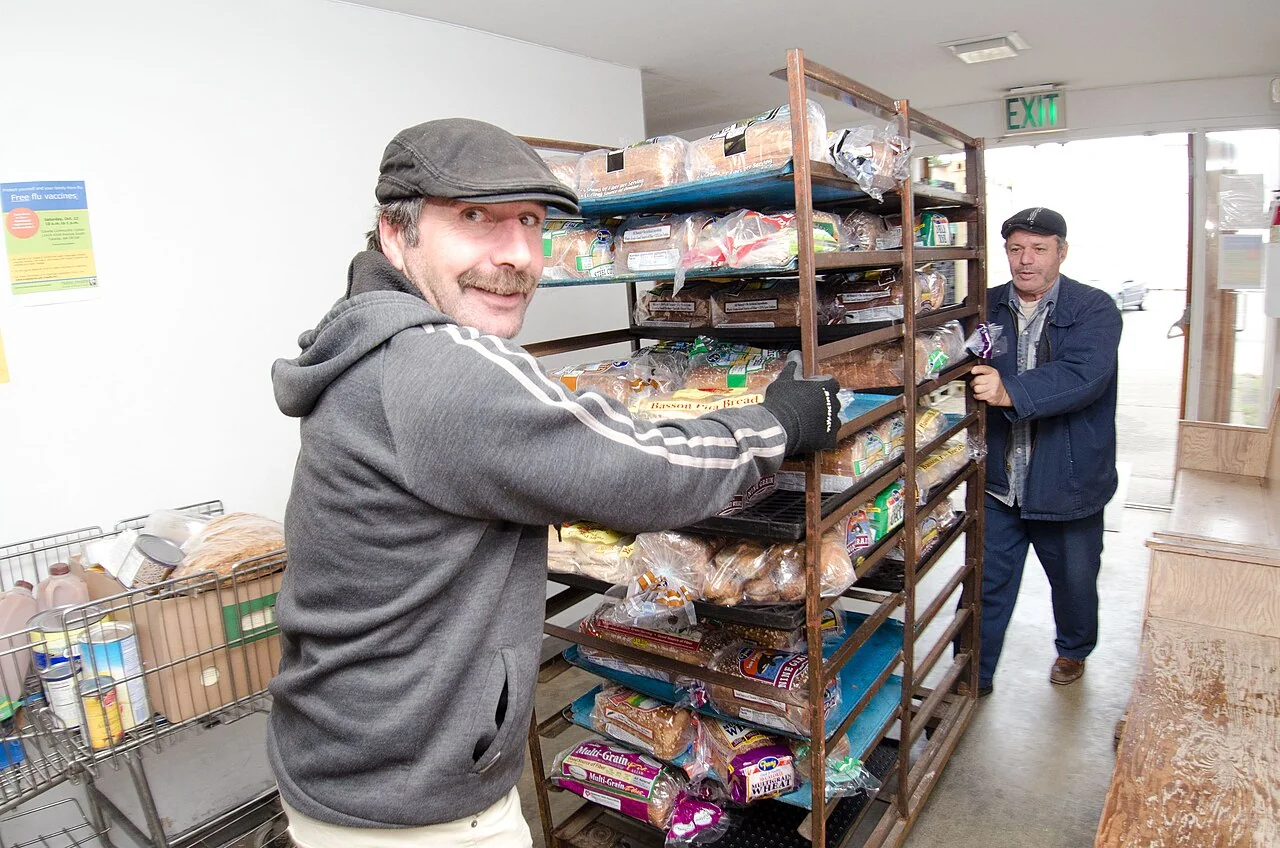
Documentary photograph of volunteers carting donated food into the Tukwila Pantry, 2011. USDAgov · Public domain · Web size optimized; source linked for the original.
Shelters work hard to keep dogs healthy, but feeding them can be surprisingly complicated. A bag of kibble that looks perfect at the pet store might not fit a shelter’s needs at all. The good news is that a single thoughtful question can turn a well-meaning donation into something genuinely useful. Asking shelters what they can accept helps cut down on mismatched supplies, storage headaches, and food that ultimately goes unused. Evidence from animal welfare organizations shows that simple tools like wish lists make the process smoother for everyone involved. This approach supports animal welfare without adding extra work for busy shelter staff. And while it’s tempting to imagine a golden retriever happily munching on yesterday’s leftovers, the experts are clear that isn’t the way to go.
Why Random Donations Can Create More Work
When people drop off bags of dog food without checking first, shelters often end up with items that don’t match their current feeding programs. Different dogs need different calorie levels, protein amounts, and ingredient profiles depending on age, health status, and whether they are pregnant or nursing. A generous donation of puppy food might arrive just when the shelter mostly has adult dogs, leaving staff to figure out storage or find another place for it. The ASPCApro resource on shelter nutrition emphasizes that variability in donated supplies can complicate consistent feeding routines. This isn’t about being picky. It’s about making sure every dog gets appropriate nutrition without wasting time or resources sorting through mismatched gifts.
Storage adds another layer. Shelters must follow manufacturer guidelines for temperature, humidity, and expiration to keep food safe. When unexpected brands or formats arrive, it can strain limited pantry space and increase the risk that some food goes bad before it can be used. Asking what is needed right now helps donors choose items that will actually reach the dogs instead of sitting on a shelf or being redirected. The evidence reminds us that good intentions alone don’t guarantee good outcomes. A quick conversation or check of a shelter’s list turns generosity into something practical and welcome.
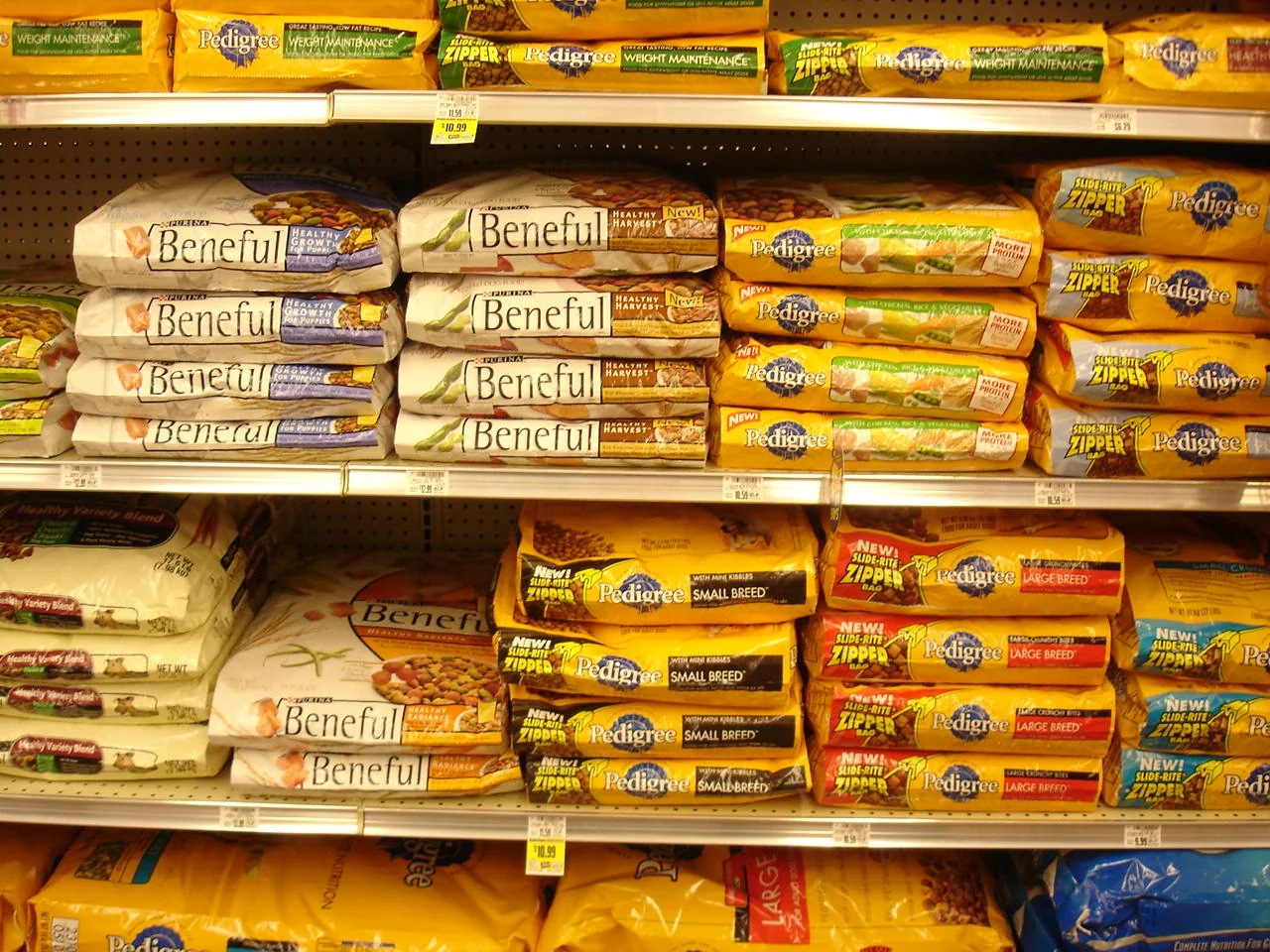
Shelves stocked with commercial dog food bags including Beneful and Pedigree brands, 2006 Jason Meredith · CC BY 2.0. Web size optimized; original linked.
The Power of a Wish List
Many shelters now use online wish lists so donors can see exactly what is needed at any given moment. These lists often include specific brands, sizes, and types of food that fit the shelter’s feeding protocols and veterinary recommendations. The Best Friends Animal Society’s Wish List Playbook explains how donors can select items and have them shipped directly, reducing the chance that something unsuitable arrives. This system cuts down on surplus of one product while another runs low. It also saves shelter staff from having to manage, store, or politely decline donations that don’t fit.
Wish lists can be updated in real time as needs change. A shelter might suddenly need more senior dog food after taking in several older rescues, or require a particular formula for dogs with sensitive stomachs. By checking the list, donors avoid guessing and instead contribute something that will be opened and used right away. The playbook stresses that this approach benefits both the shelter and the animals by streamlining the donation process. It also gives donors the satisfaction of knowing their contribution is wanted and needed, which can encourage future giving.
What to Ask Before You Shop
The simplest and most effective step is to contact the shelter directly or visit their website for current needs. Questions like “What dog food are you able to accept right now?” or “Do you have a preferred brand or formula?” give clear guidance. The ASPCApro material explicitly recommends that donors ask the receiving shelter what it currently accepts rather than assuming any bag will do. This small effort prevents the frustration of delivering something that cannot be used and helps shelters maintain steady nutrition for the dogs in their care.
Some shelters prefer certain nutritional profiles or foods that are easy to portion for large groups. Others may have restrictions based on storage capabilities or agreements with veterinary partners. By asking first, you show respect for the staff’s expertise and the specific needs of the animals they serve. The evidence supports this as a reliable way to make donations count. It also opens the door for shelters to share other pressing needs, such as treats for training or supplements, which might be more useful at that moment than another bag of kibble.
Once you know what a shelter can use, check expiration dates and choose unopened packages. Following the manufacturer’s storage recommendations helps keep the food fresh until it reaches the dogs. The ASPCApro guidance notes that shelters have protocols for handling donations safely, so aligning with those standards prevents problems down the line. Buying in sizes that match the shelter’s typical daily use can also be helpful; giant economy bags might seem like a bargain but can be hard to store if space is tight.
Consider donating through the shelter’s wish list on a retailer’s site when available. This method, described in the Best Friends playbook, lets the shelter receive exactly what it requested without you needing to deliver it. It also reduces the carbon footprint of multiple trips back and forth. If you prefer shopping locally, bring only the items that appear on the current list. These small adjustments add up to more efficient help and less wasted food. Light-hearted note: while it might be funny to picture a shelter kitchen full of gourmet doggy leftovers, the experts firmly steer us toward standard, nutritionally balanced commercial foods instead.
Broader Implications and Questions to Consider
Effective donating reflects a larger principle: animal welfare improves when we match our actions to real needs rather than assumptions. Shelters operate on tight budgets and limited space, so every appropriate donation stretches resources further and allows staff to focus on care instead of logistics. This approach also encourages a culture of thoughtful giving that can extend to other supplies like bedding, toys, or cleaning products. The evidence from both sources suggests that asking first is a low-effort habit with high impact.
Useful questions for readers include: How might my local shelter’s needs differ from what I assume? Could creating or sharing a community wish list reduce duplication of effort among donors? What other ways could we support consistent nutrition for shelter dogs beyond food donations? These reflections flow naturally from the provided guidance. While the evidence does not promise specific outcomes for any individual shelter, it clearly supports the value of communication and targeted giving. In the end, a better bowl for shelter dogs really can begin with one simple, respectful question.
Volunteer presents a donation check to the College of DuPage Fuel Pantry as part of the 2020 Up to S.N.O.W. Good campaign COD Newsroom · CC BY 2.0. Web size optimized; original linked.
AI-assisted original writing. This feature was revised against source material and checked for unsupported claims. Follow the references below for evidence and its limits.


 Photograph