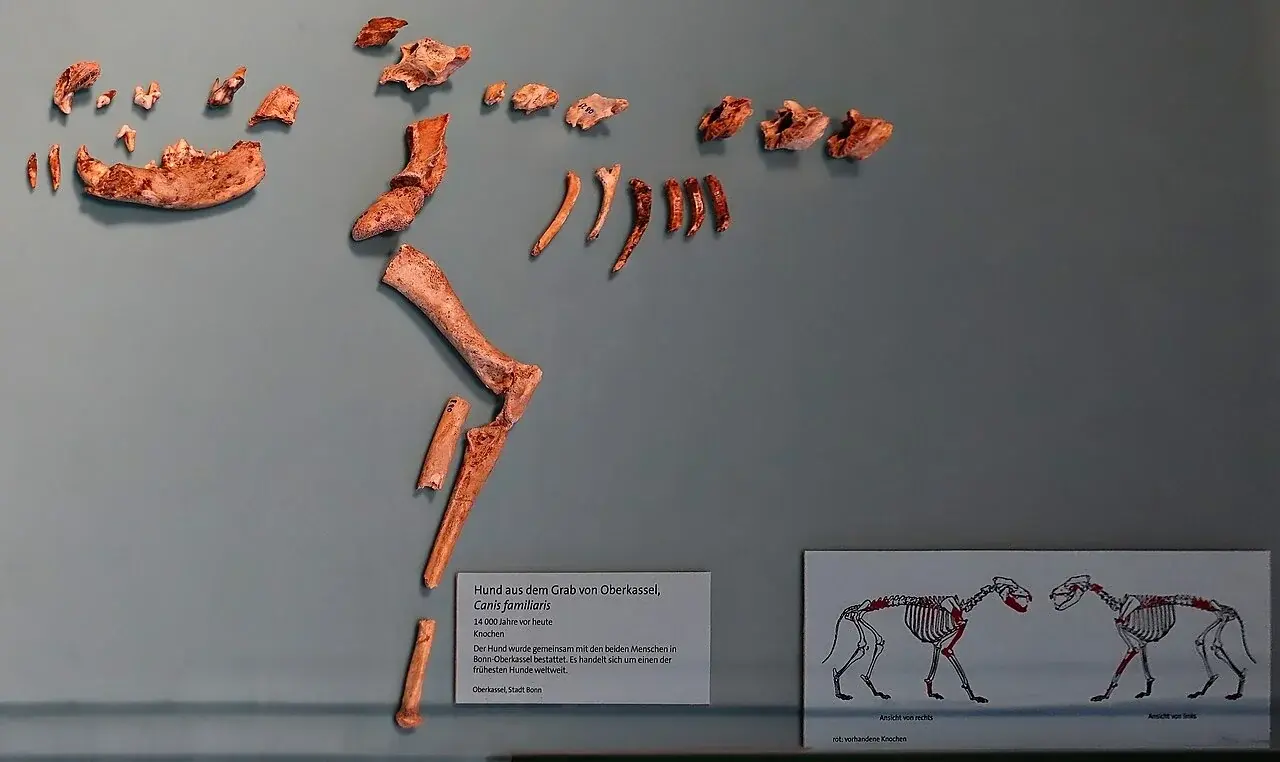
Archaeological finds from select European sites offer glimpses into possible relationships between people and dogs, while underscoring the challenges of interpreting ancient deposits.
Owner-led projects offer scale and real-world glimpses into canine minds, yet differences in tester identity and uncontrolled home settings can introduce systematic errors that large samples do not automatically cancel out.
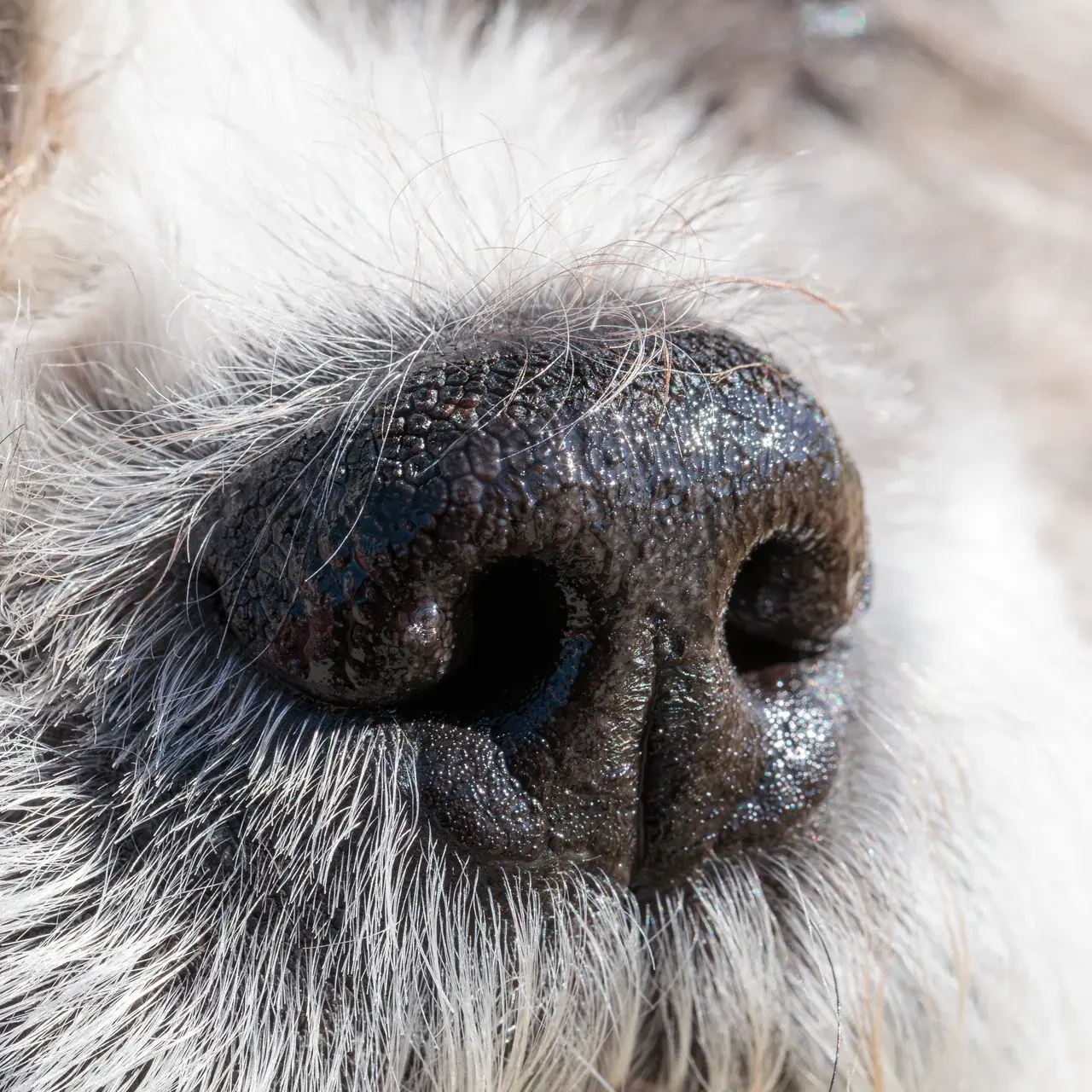
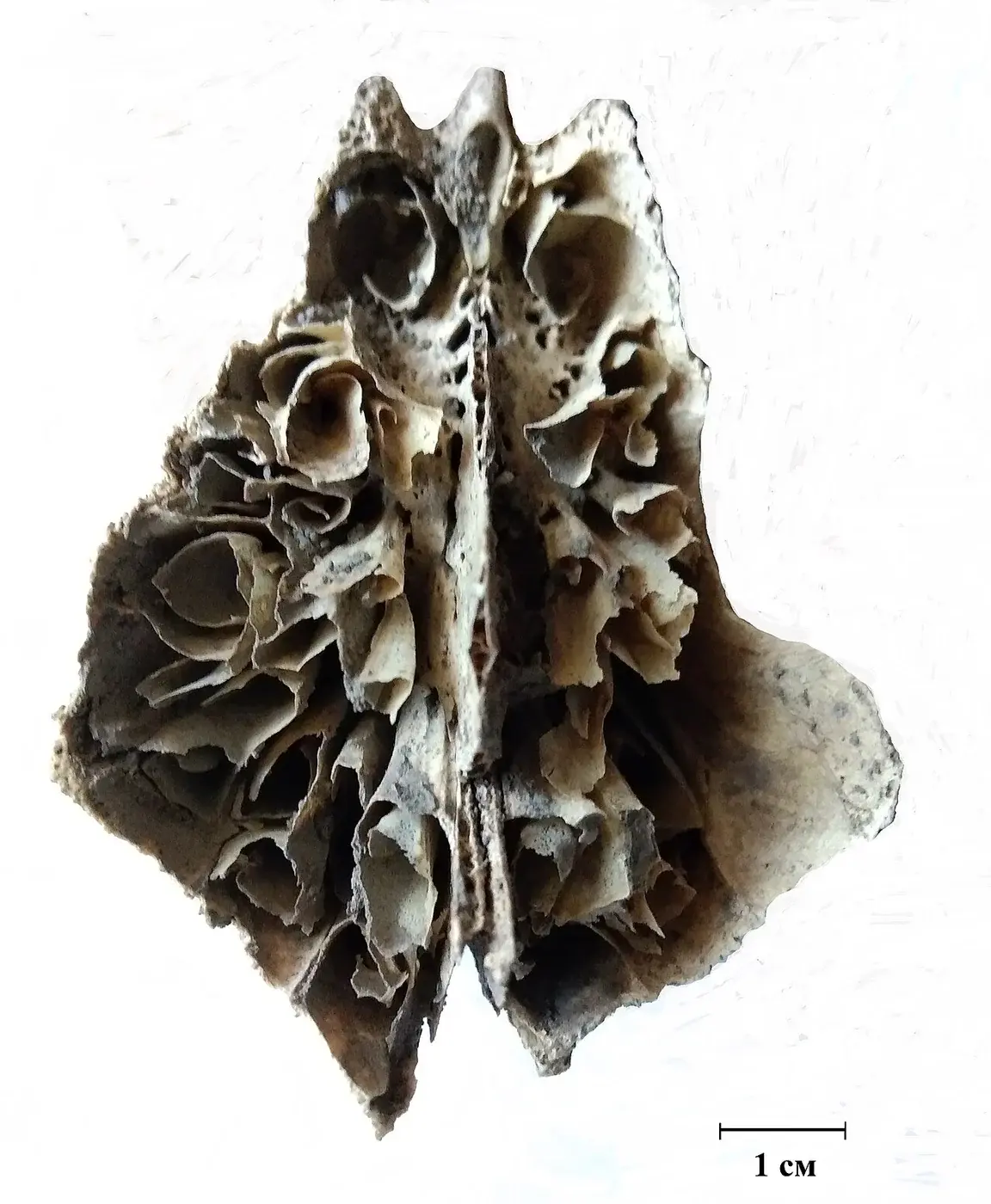
Penn State researchers once used MRI scans and computer simulations to map airflow inside a dog’s nasal passages, offering clues for designing better chemical sensors.
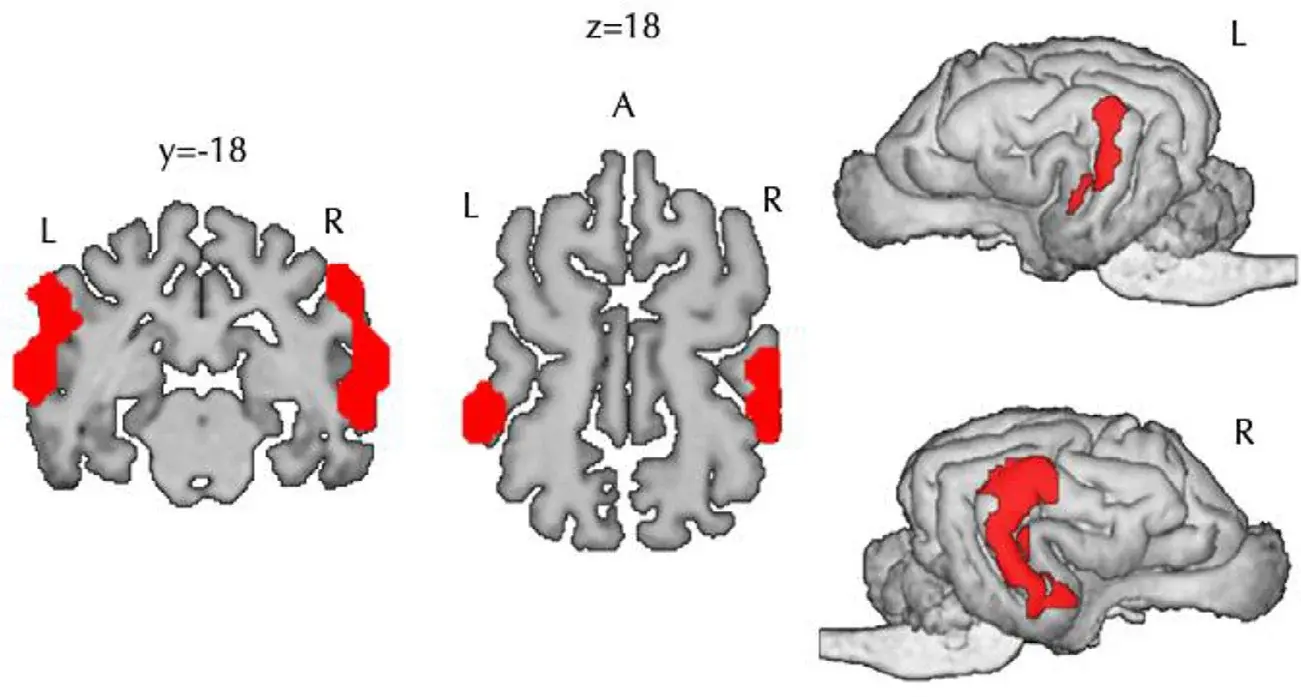
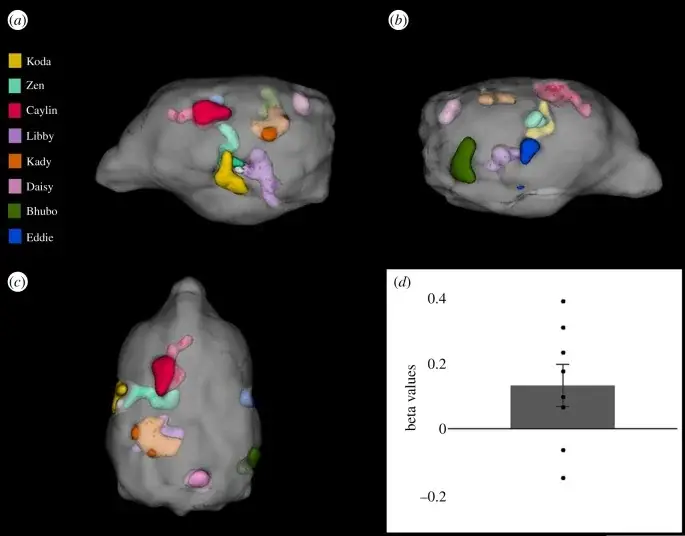
Comparative fMRI studies show that dogs, like humans, have brain regions that react more strongly to vocalizations than to non-vocal sounds, with sensitivity to emotional tone cues.
Research shows the number of functional olfactory receptor genes varies among individual dogs, breeds, and their wild relatives, with some patterns linked to physical traits rather than specialized sniffing roles.
Genetic studies of prehistoric remains show that dogs diversified into multiple lineages early in their history with humans, while sharing a common root distinct from modern wolves.
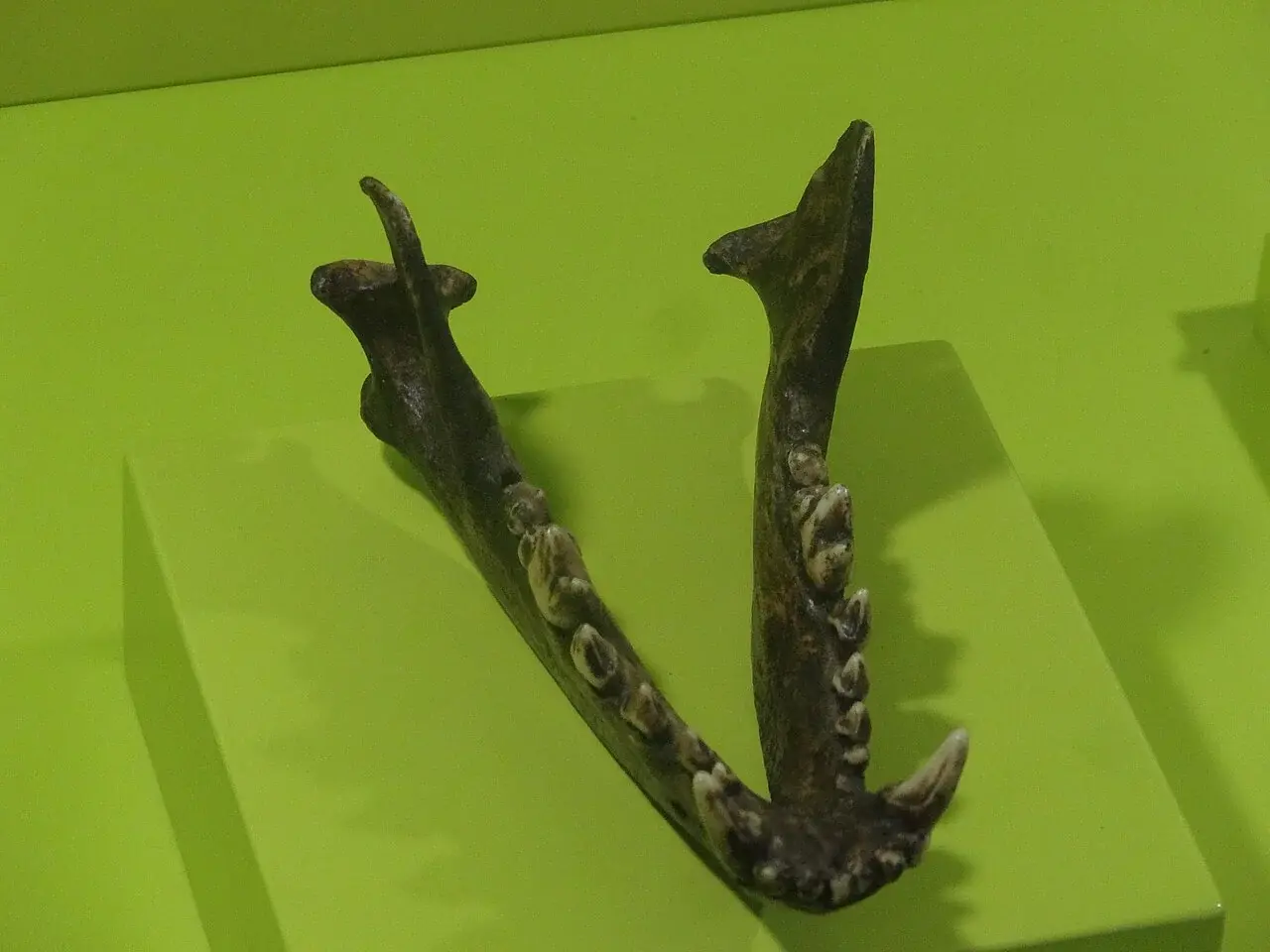
Isotope data and jaw shapes from Mesolithic through Chalcolithic canine remains show how dogs’ feeding patterns shifted alongside changes in human hunting and herding economies.
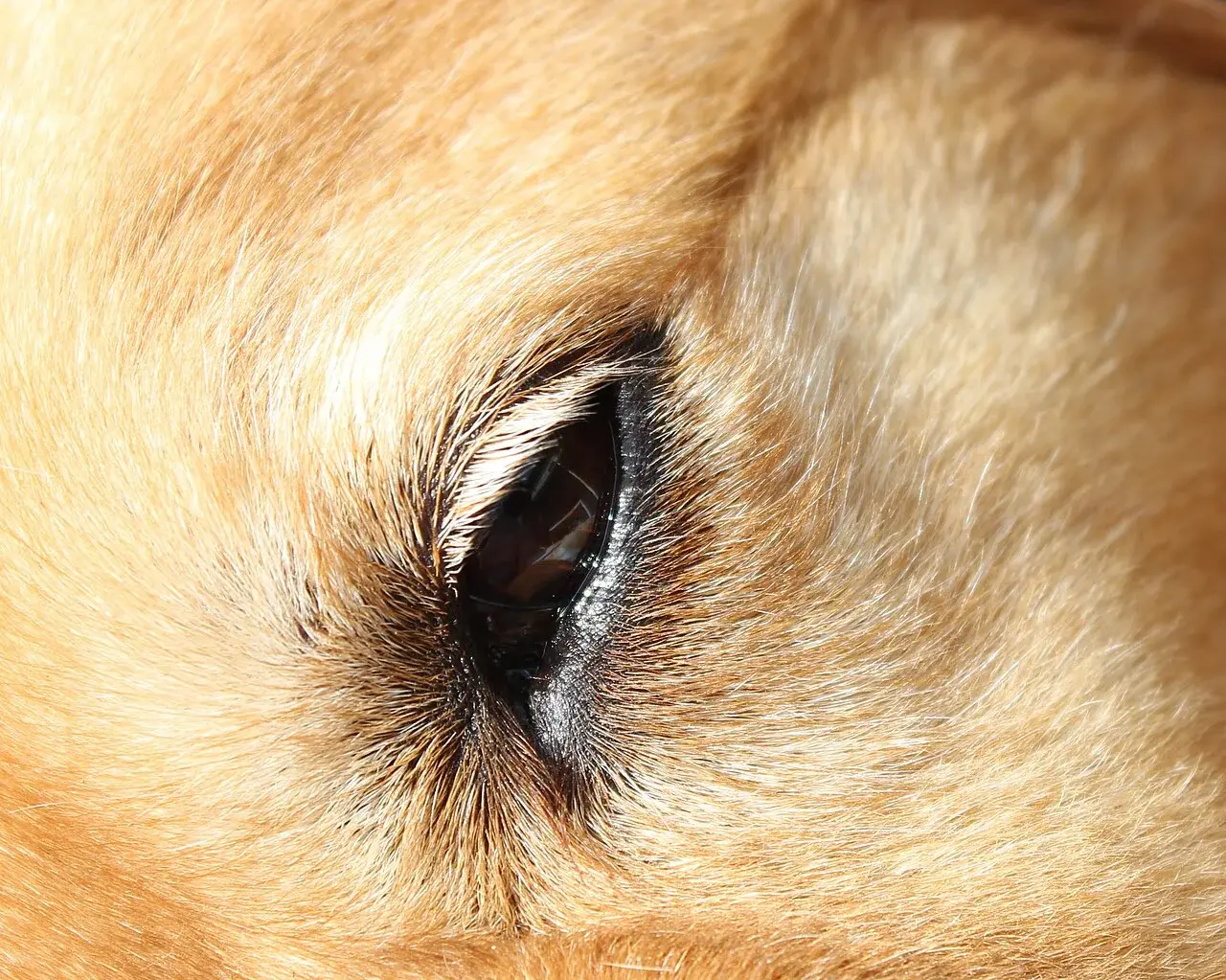
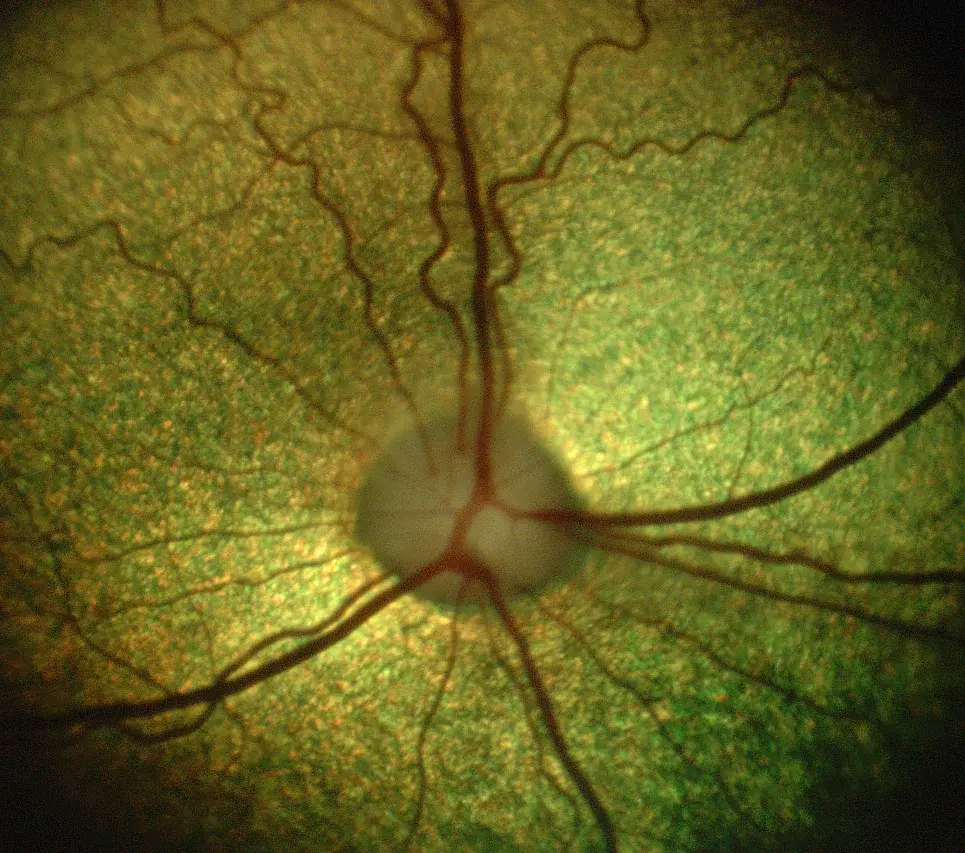
Centuries of human-guided breeding have shaped canine eyes in ways that can affect vision and disease risk, though the details remain an active area of veterinary study.
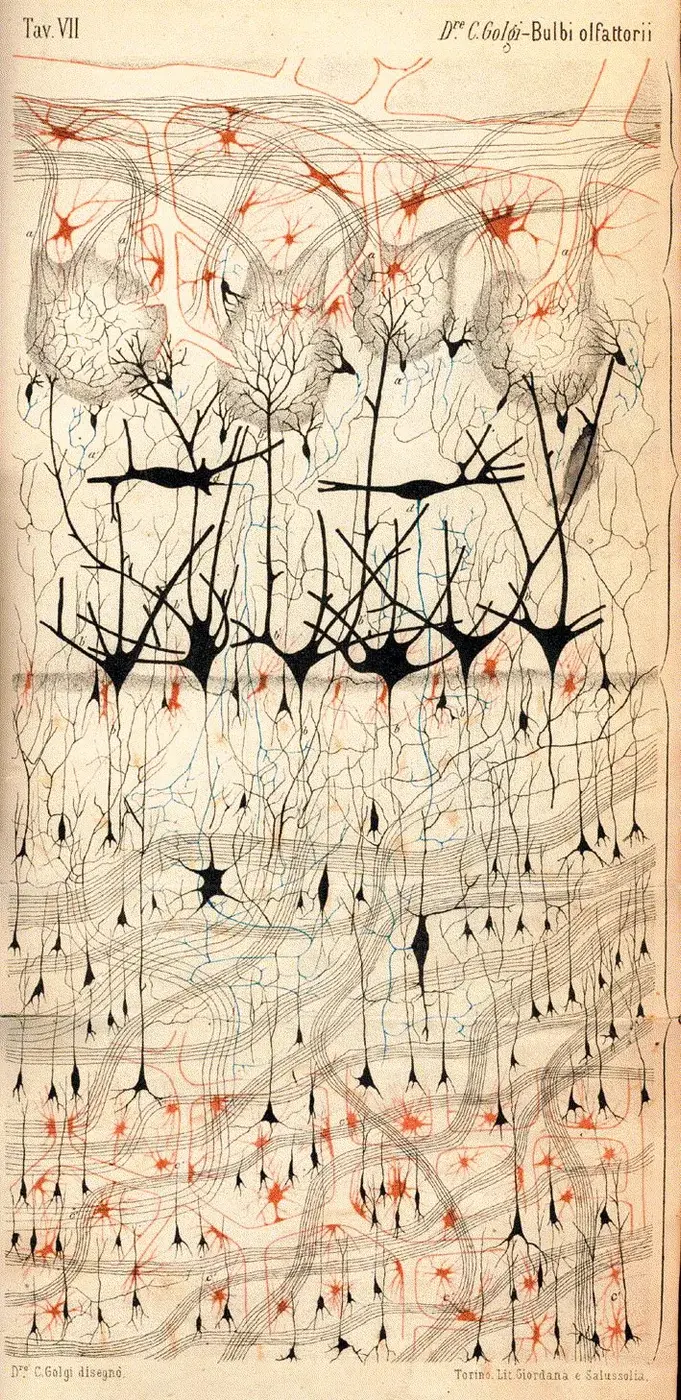
Studies using CT scans and MRI show that breeding for flatter faces in dogs has shifted the position of their olfactory bulbs, with possible effects on scent processing.
New DNA from roughly 15,000-year-old bones shows a widespread population of early dogs already living alongside humans across Europe and Anatolia during the Late Upper Paleolithic.
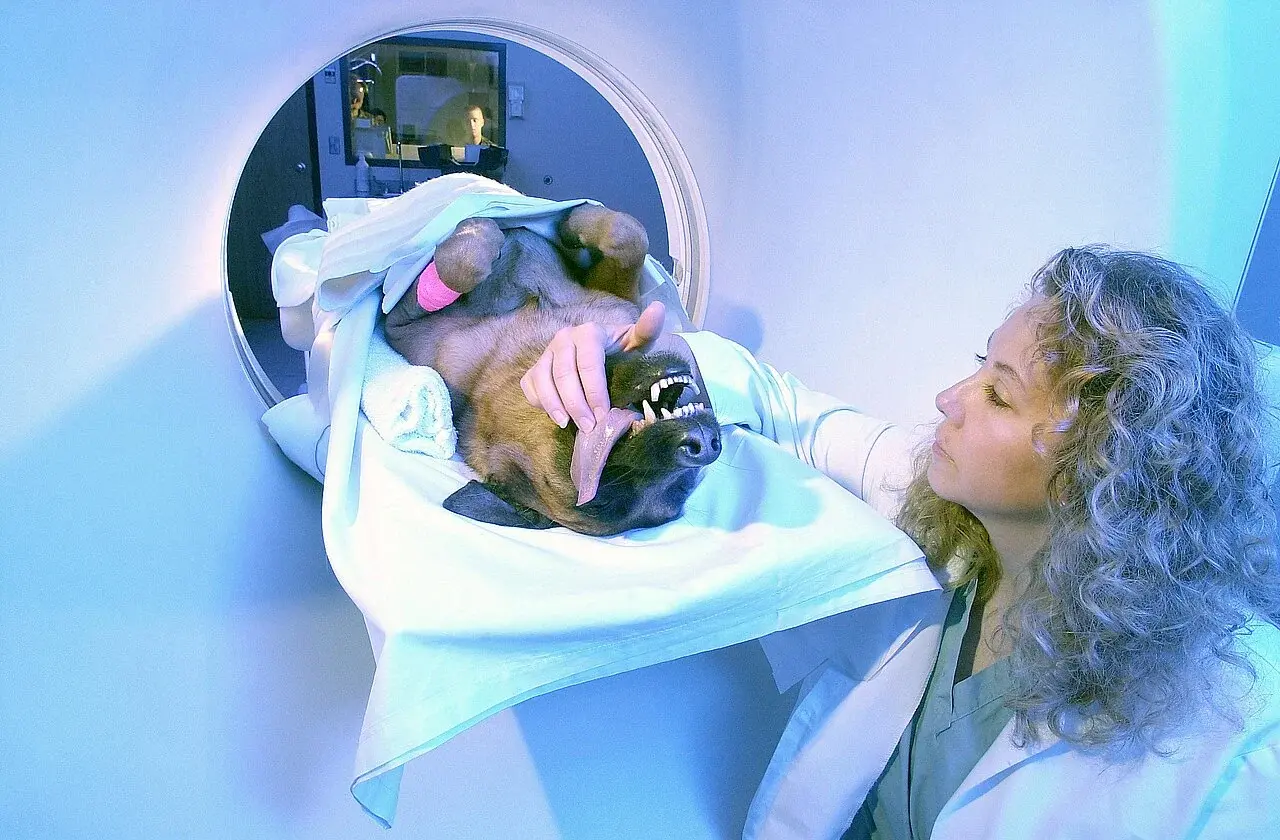
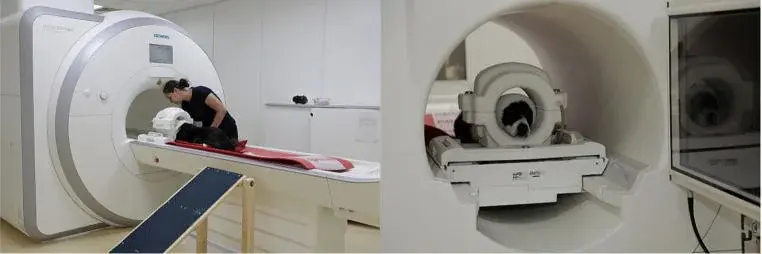
Scanning awake canines offers a window into their neural responses, yet motion, small samples, and uncertain haemodynamic timing require careful reading of every result.
Behavioral studies reveal that dogs display familiar submissive signals more in response to owner cues than to any understanding of past misbehavior, highlighting the gap between human interpretation and measurable canine cognition.
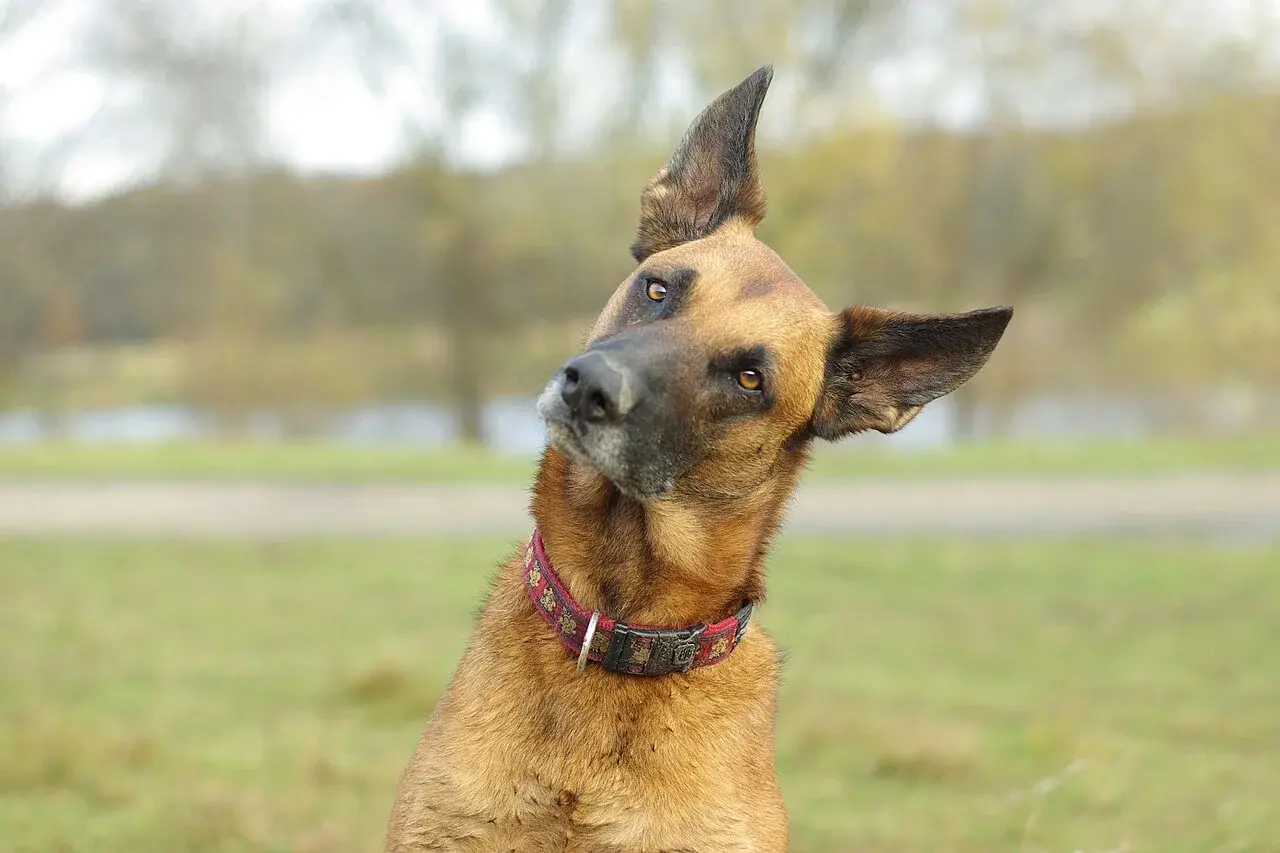
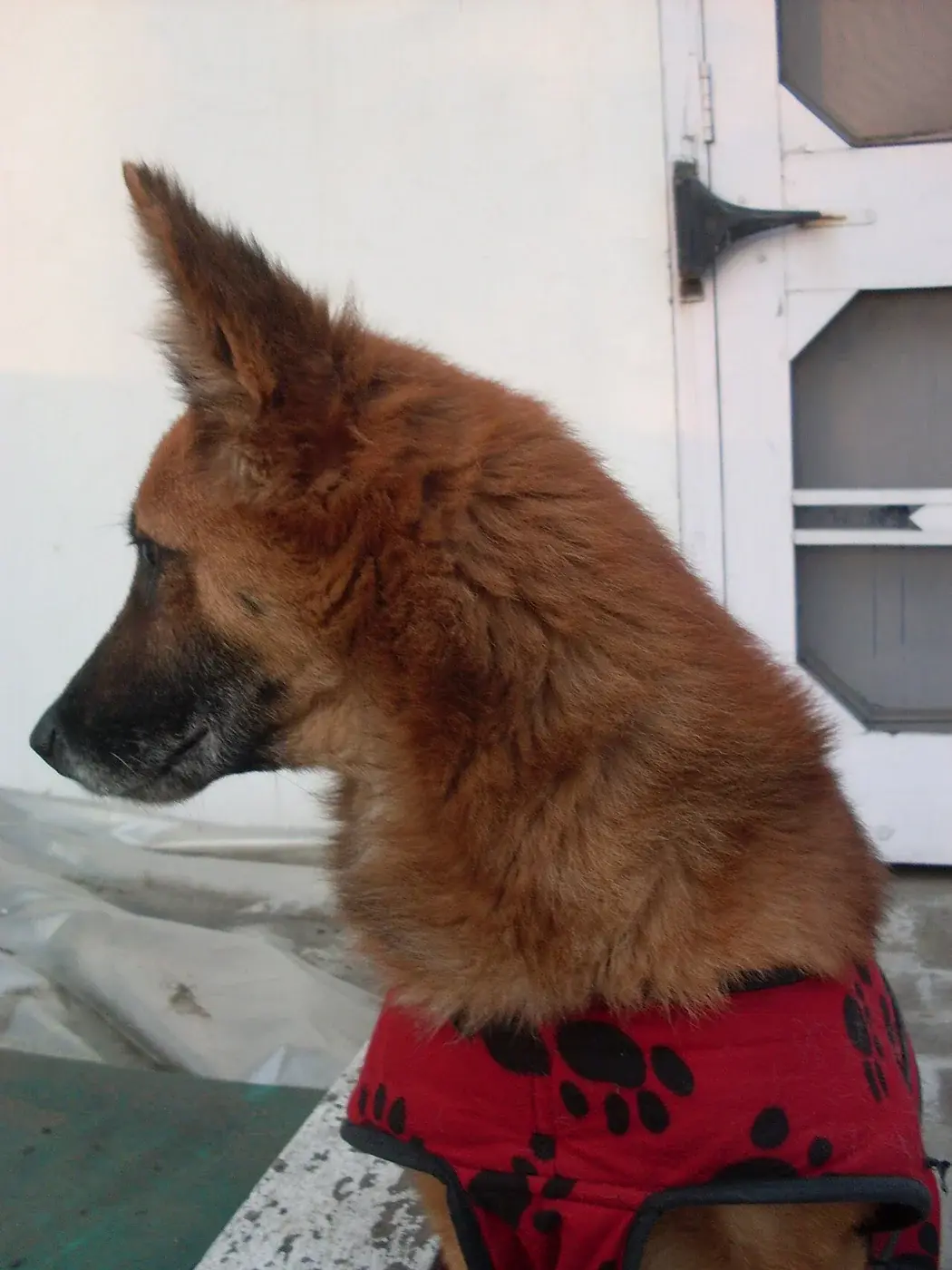
Studies link the familiar head-cock mainly to dogs that are unusually skilled at learning object names, suggesting it helps with processing meaningful spoken words rather than general sound sharpening.
Studies using fMRI and behavioral tasks reveal that dogs can spontaneously distinguish amounts, though their performance often differs from that of wolves and primates.
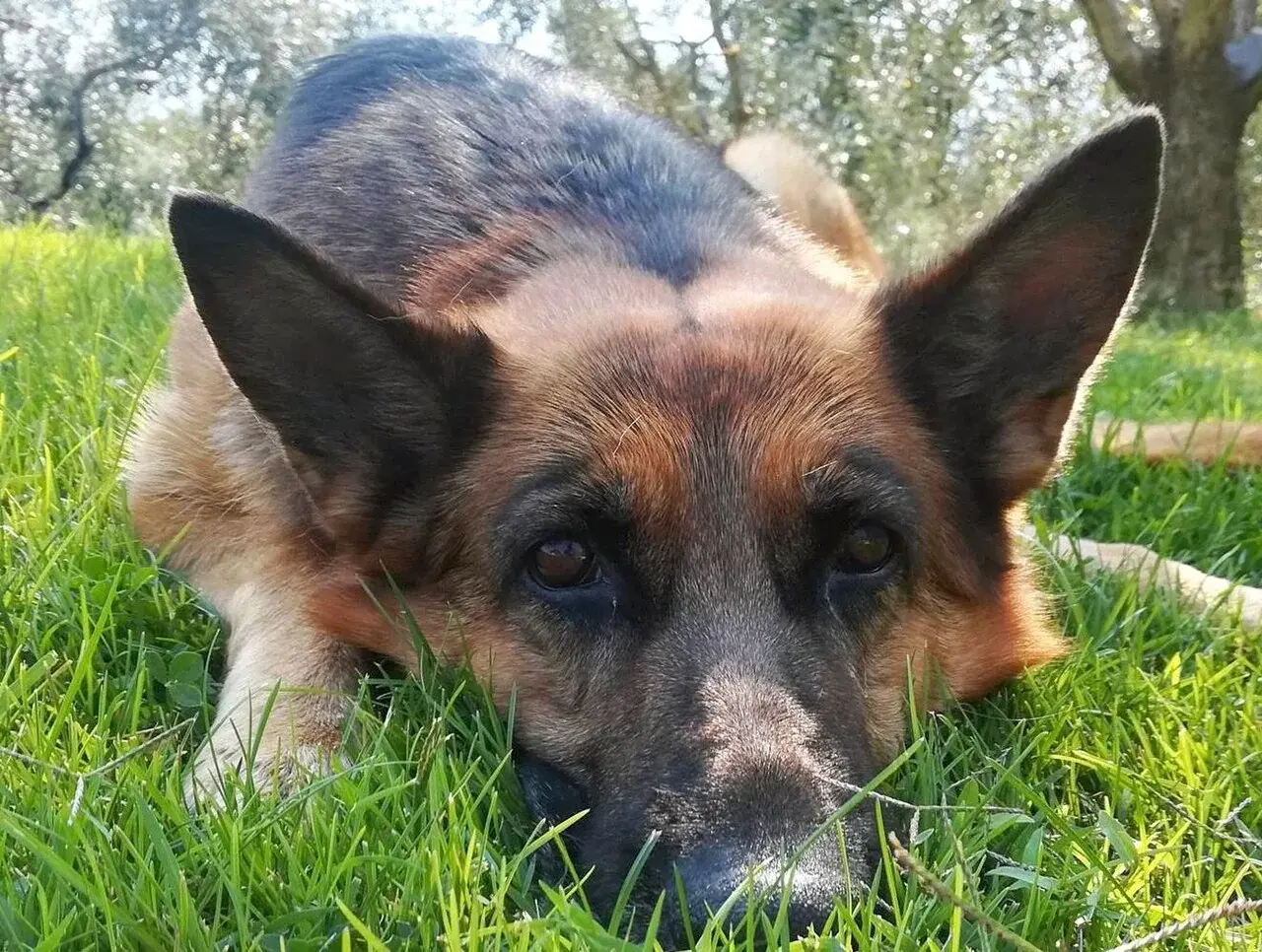
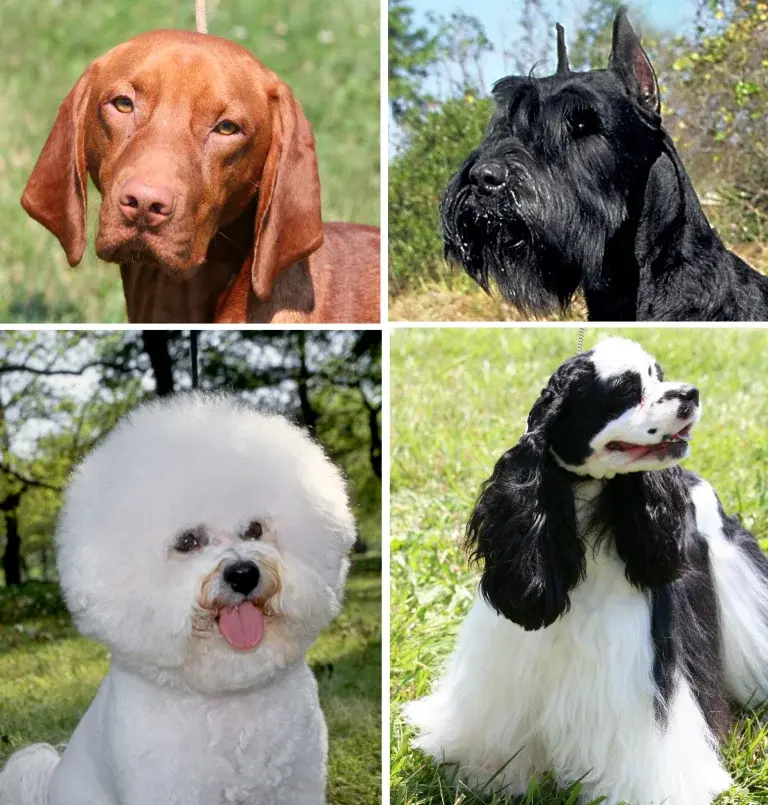
Recent studies of dog genomes show how closed breeding and popular sires have reduced genetic diversity and increased harmful variants in some lines, with clear examples in German Shepherds and Cavalier King Charles Spaniels.
Breed-level data show substantial genetic influence on certain cognitive factors, yet the picture remains nuanced and distinct from popular ideas of instant obedience.
Studies using minimum audible angle tests show dogs can localize certain noises with surprising precision, though results vary widely between individuals and don’t always outperform humans.
Dogs see the world in fewer hues than people do, but that doesn’t make their vision black and white. A look at the evidence, its limits, and what it means for life with dogs.
Studies of methylation patterns in contemporary canids show clear distinctions that may relate to behavior and domestication, though direct evidence from ancient remains is absent.
 Photograph