Opt in to anonymous first-party readership counts. Change this anytime.
The Barkington Times Editorial Desk | The Barkington Times
MEET THE EDITORIAL DESK
The Barkington Times Editorial Desk
The Barkington Times editorial desk creates AI-assisted original features, source-led explainers, clearly labeled opinion and fictional satire. Source references, uncertainty and corrections are part of the publication process.
Events that combine independent breweries, community gatherings, and support for local animal welfare organizations offer one enjoyable model for helping dogs in need.
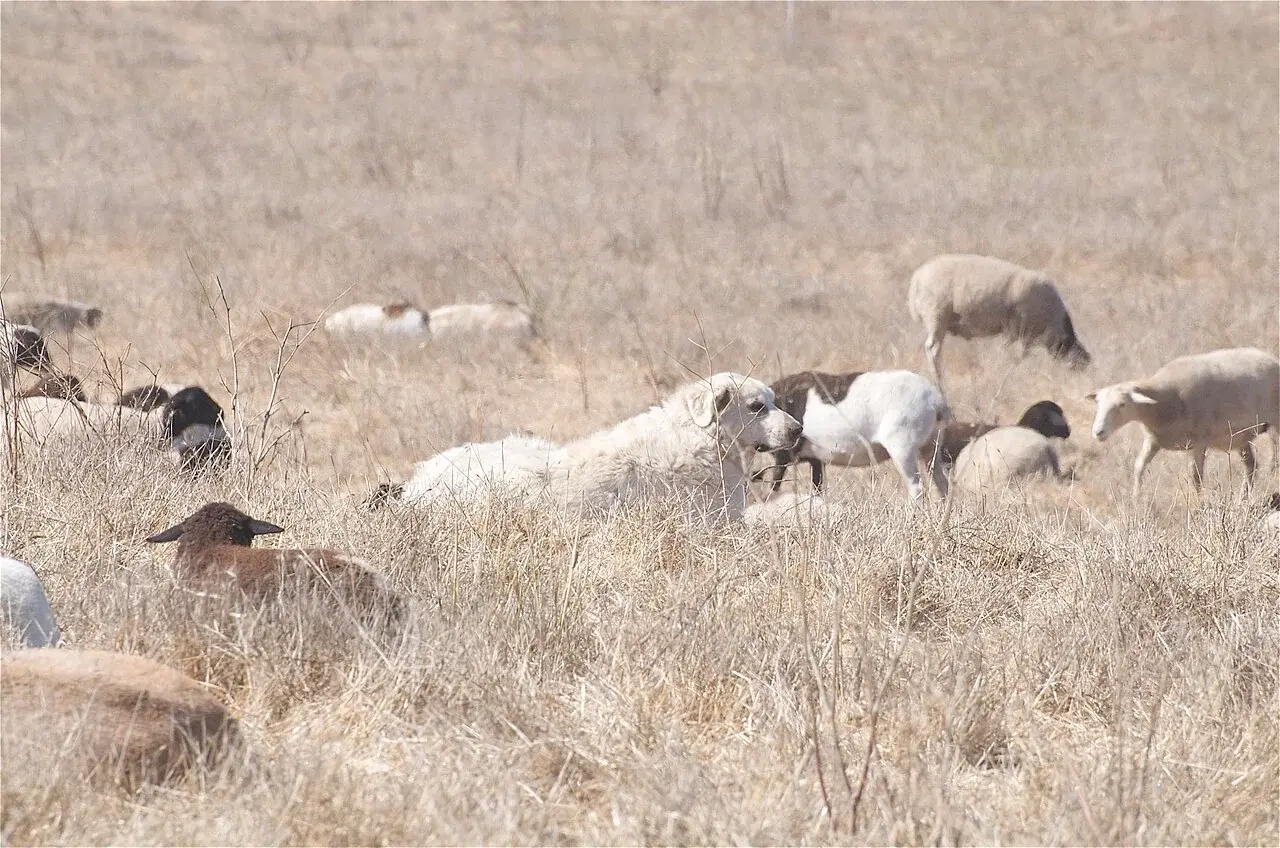
Nonlethal programs in states like Colorado and Texas are exploring ways to share or place trained dogs with producers facing predators, offering one path toward reduced losses and better animal outcomes.
Employee donation programs at many large companies can double or triple contributions to qualifying shelters and breed-specific health groups, stretching each gift further for animal care.
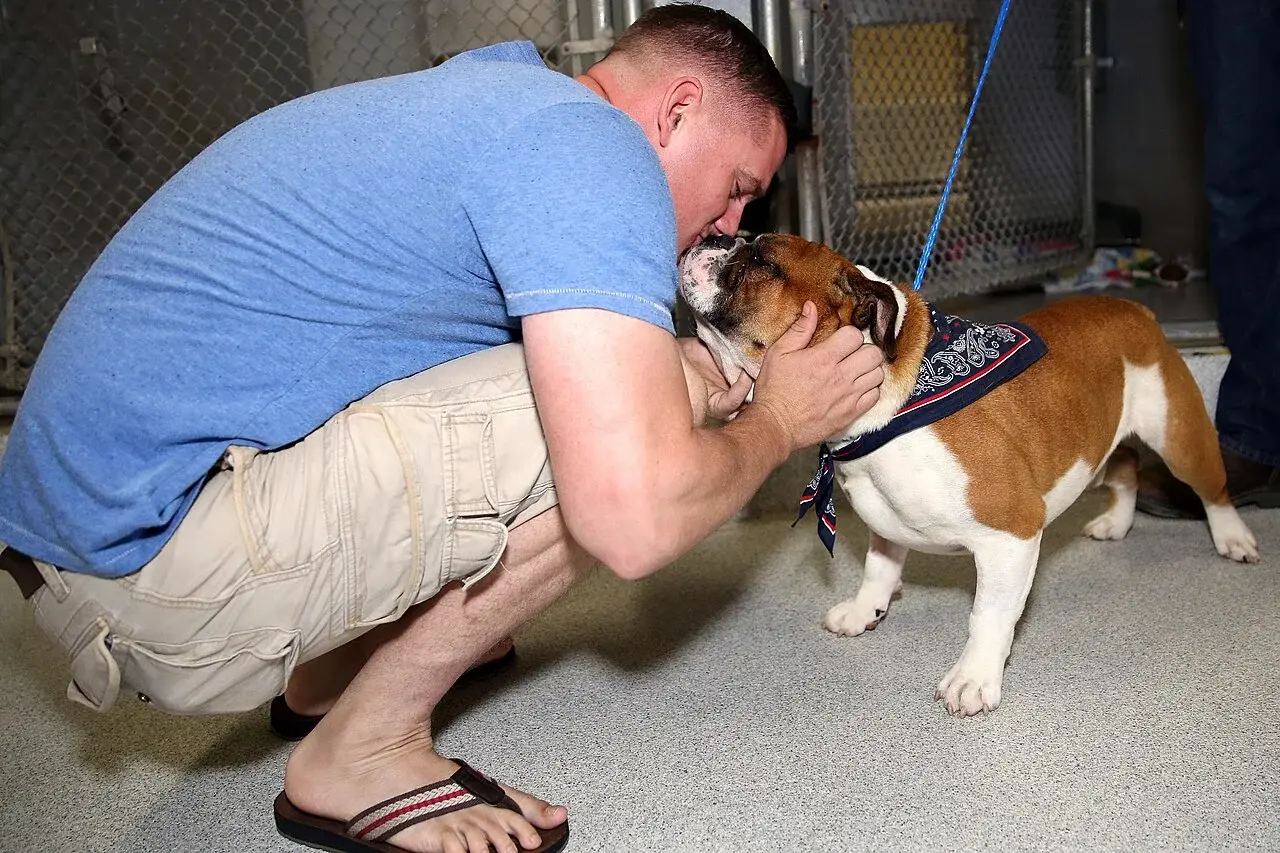
Structured meet-and-greet sessions after a week in foster care let dogs show their true personalities and give adopters better information before deciding.
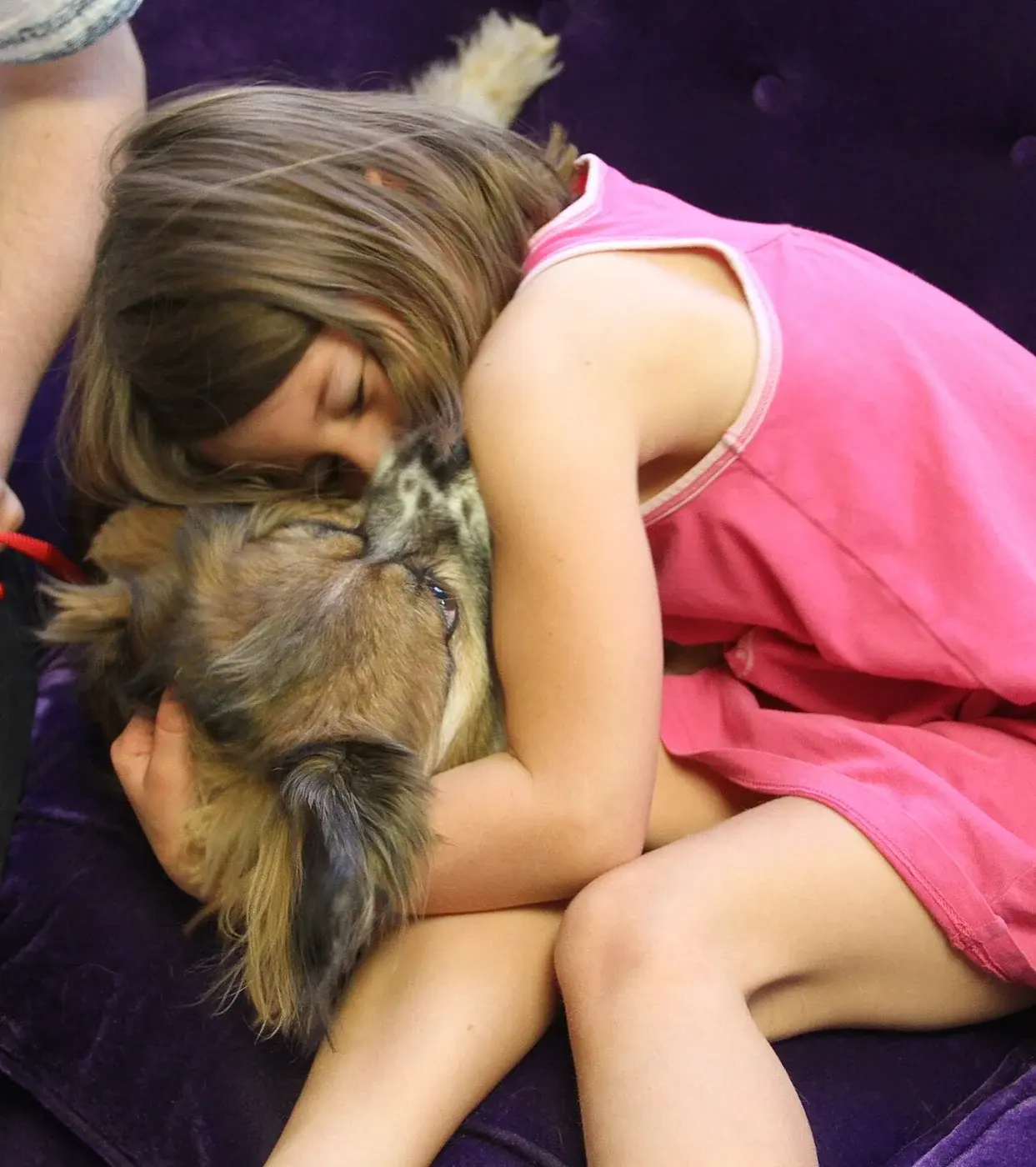
Programs pair young readers with calm dogs, creating a judgment-free space that eases anxiety for kids while giving shelter animals gentle human contact.
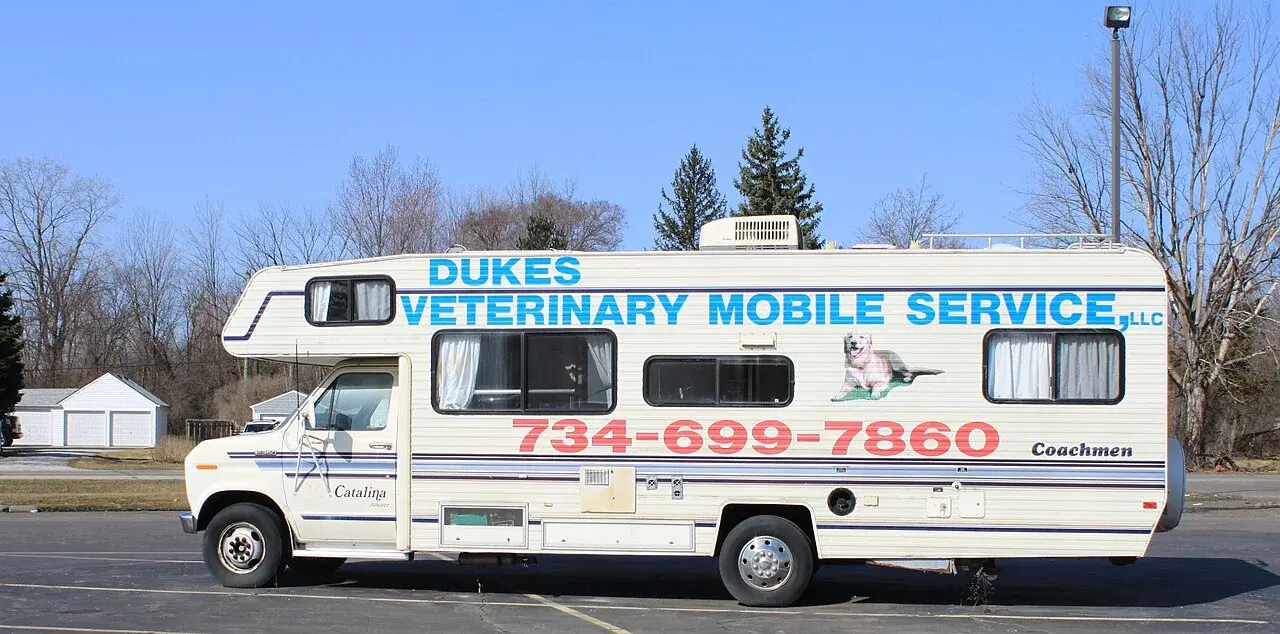
Gallery events featuring animal-inspired works have directed proceeds to organizations offering low-cost veterinary care, including mobile clinics that reach varied communities.
Small, practical steps that shelters can take with dogs in their care, drawn from available guidance and framed with gentle editorial thoughts on animal welfare.
Research on community clinics and statewide data shows varied effects on animal intake and euthanasia, offering practical insights for cities seeking to support pet owners.
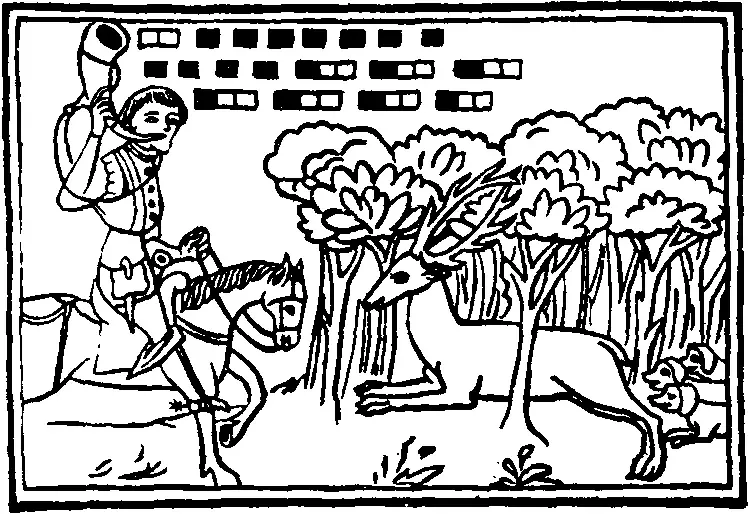
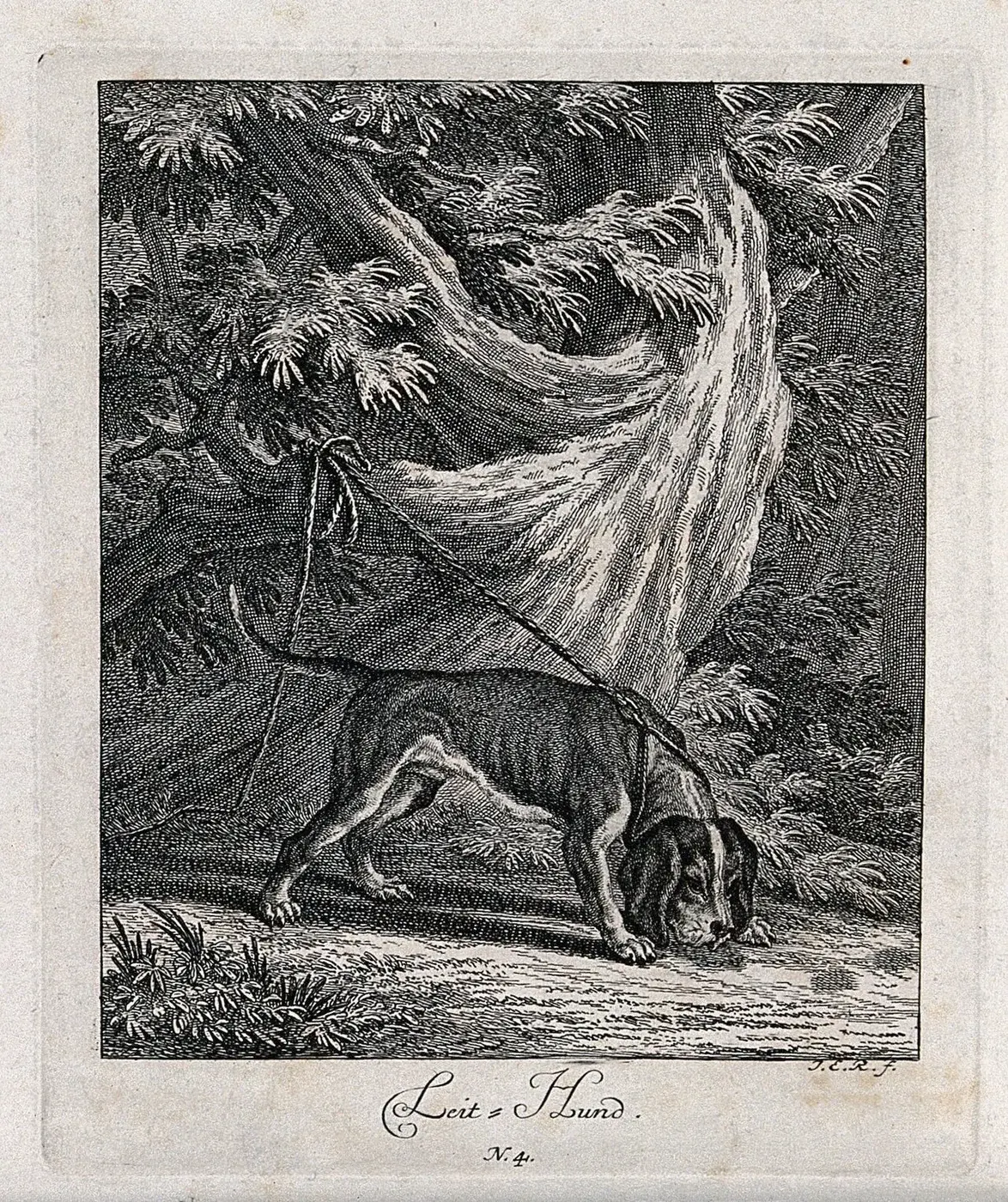
Royal charters set rules for restraining dogs to protect game, while hunting manuals later recorded the calls and names used by those who followed hounds on the trail.
Research shows canine cognition follows a clear arc of early gains, midlife peak, and later gentle decline, offering owners practical ways to support their pets at every age.
Protected command centers in the brain and spinal cord team up with far-reaching nerves that connect to muscles, skin, and organs, letting dogs react to scents, sounds, and sudden surprises.
Evidence from veterinary studies shows the rhythmic contractions and intestinal surfaces that turn meals into energy, with real variation by size, diet, and species.
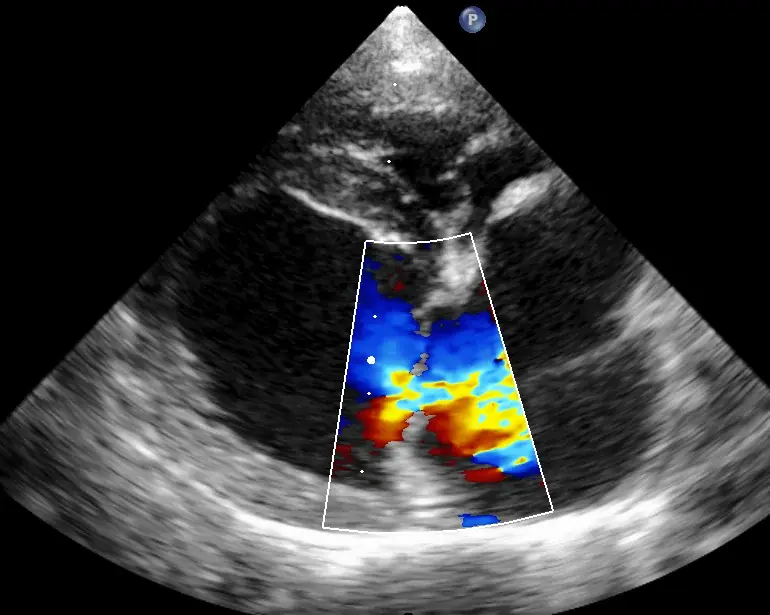
From the energetic demands of puppyhood to the measured pace of later years, a dog's cardiovascular system follows observable patterns that owners can learn to recognize.
Dogs rely on respiratory evaporation and vascular tricks rather than widespread sweating, and owners can use this knowledge to spot when conditions become risky.
The term 'foster failure' carries a sting, yet when fosters adopt their charges it often signals deeper gains in lifesaving space, faster placements, and stronger community ties.
University of Sydney veterinary studies highlight how working dogs contribute to livestock health, pain management, and one-welfare approaches on vast pastoral operations.
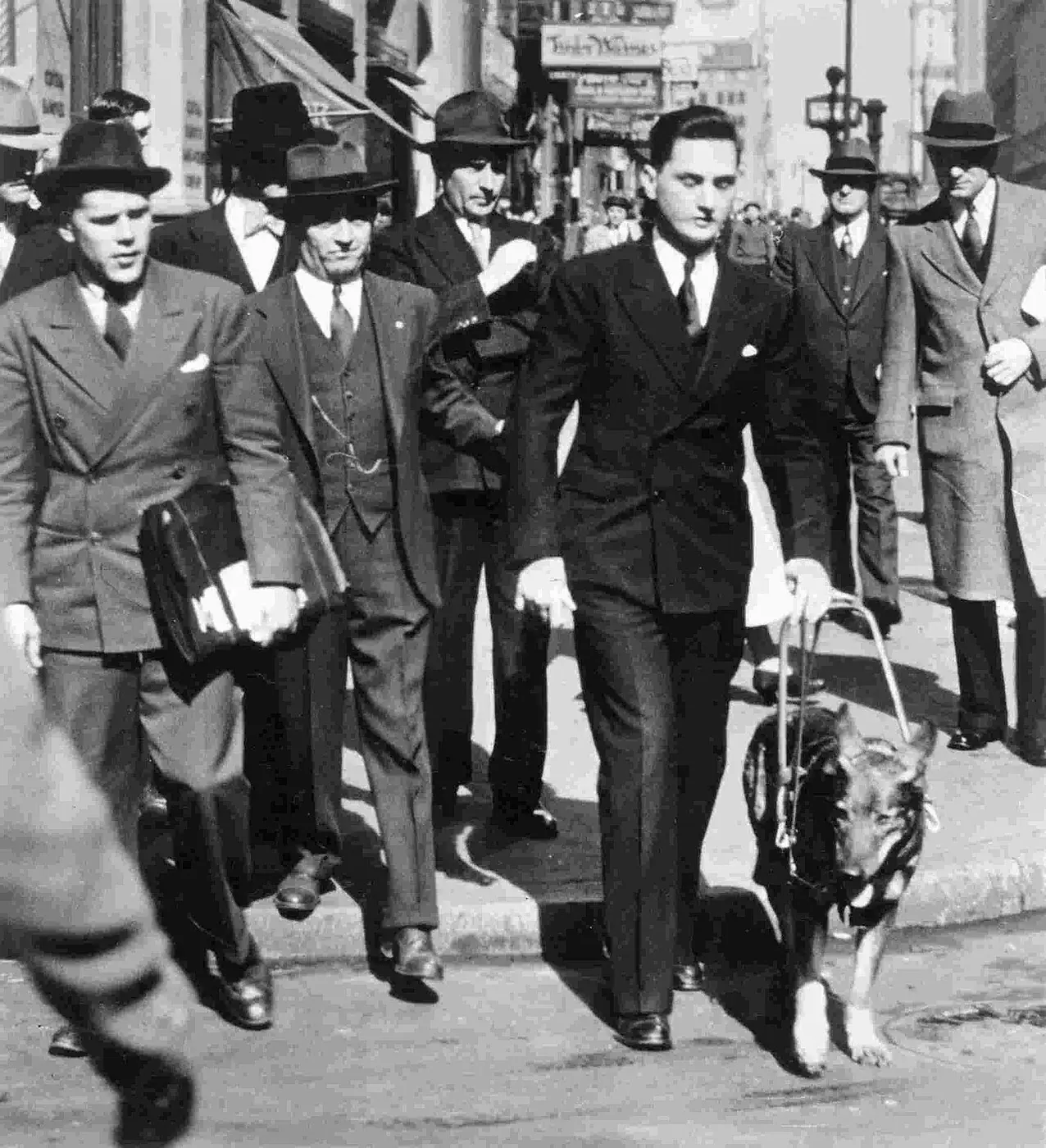
In 1928, a German shepherd originally named Kiss became Buddy and helped launch guide dog work in America after training at a Swiss center with her blind partner Morris Frank.
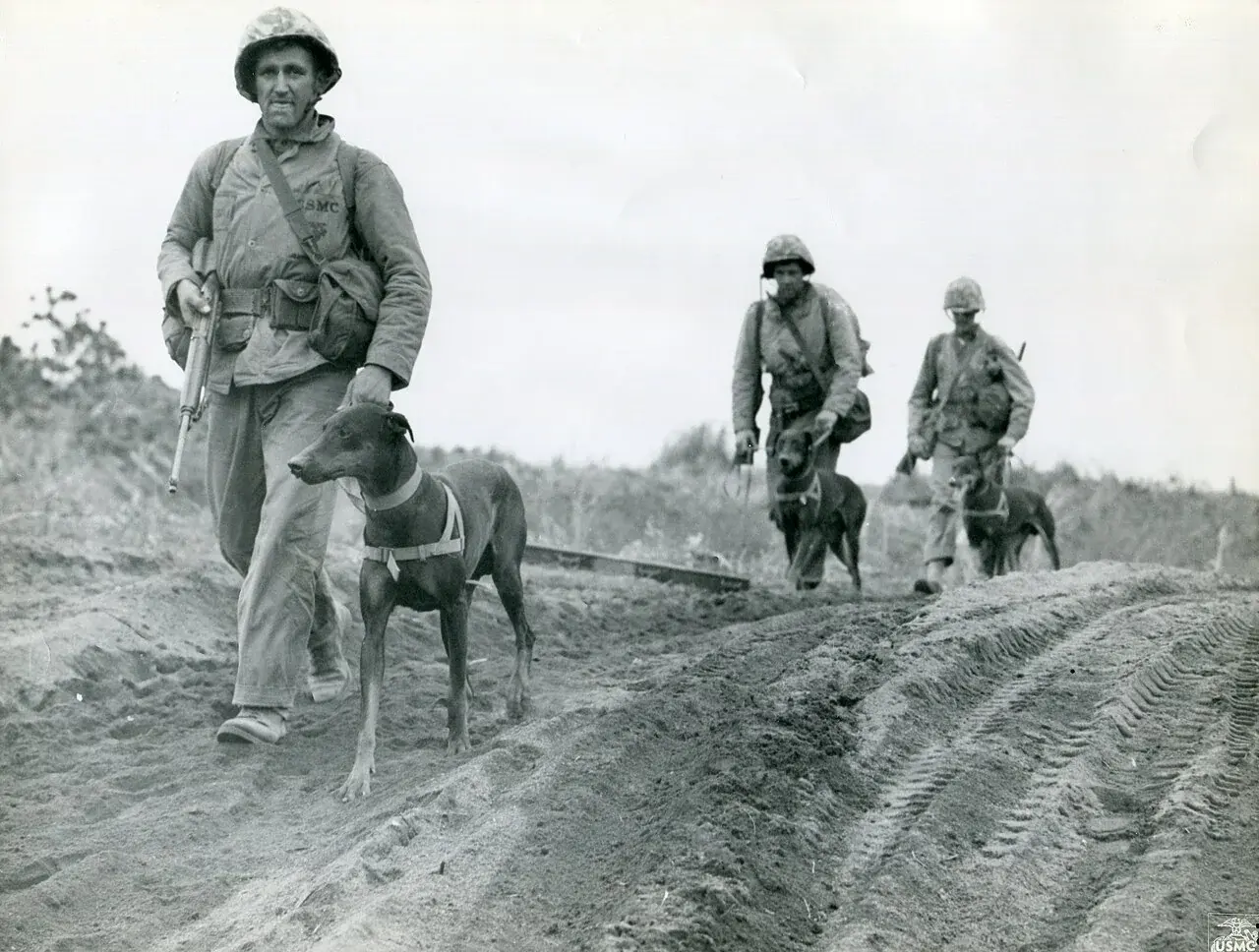
A German shepherd-collie-husky mix earned battlefield recognition for charging an enemy machine-gun nest during the 1943 Sicily landings, though most of his honors were later revoked.
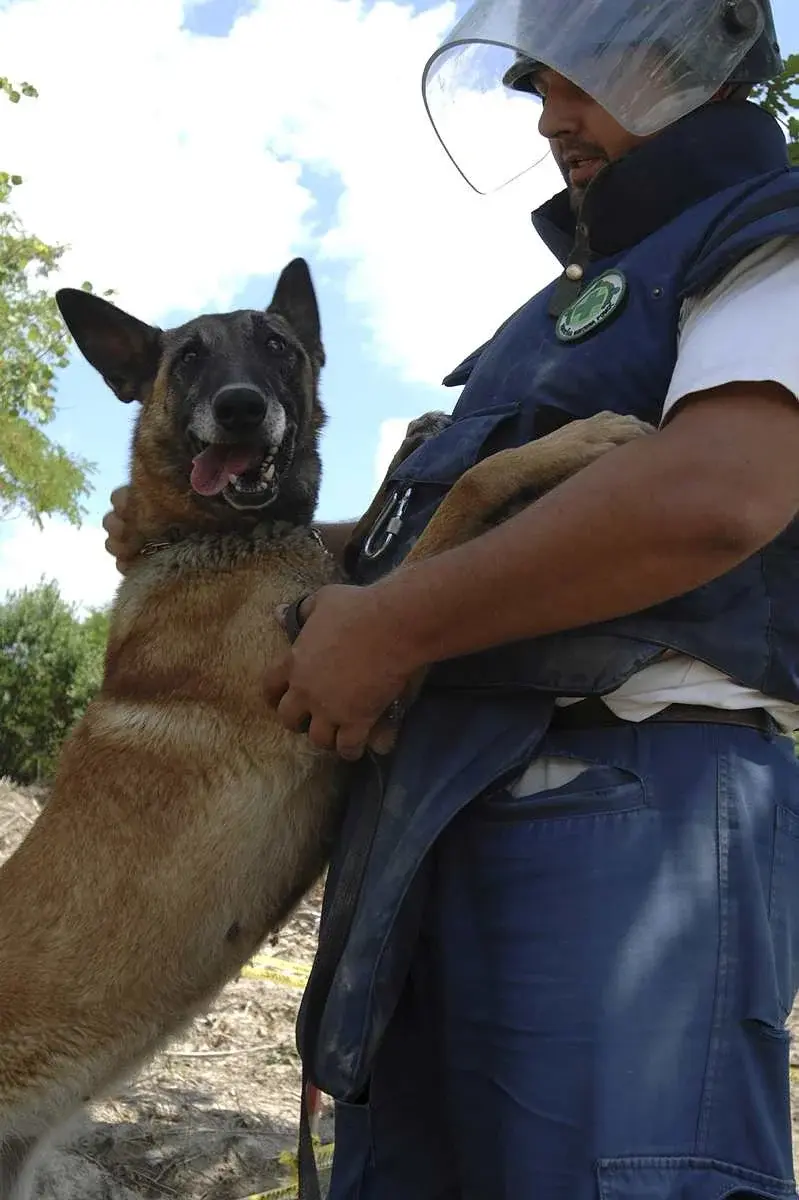
Inside a Sarajevo centre where puppies begin learning to support land-release efforts, Belgian Shepherd Malinois dogs train as part of a broader humanitarian approach.
During the September 11 attacks, Roselle guided her blind partner Michael Hingson down many flights of stairs from the 78th floor of the North Tower, later drawing attention to the composure of working guide dogs.
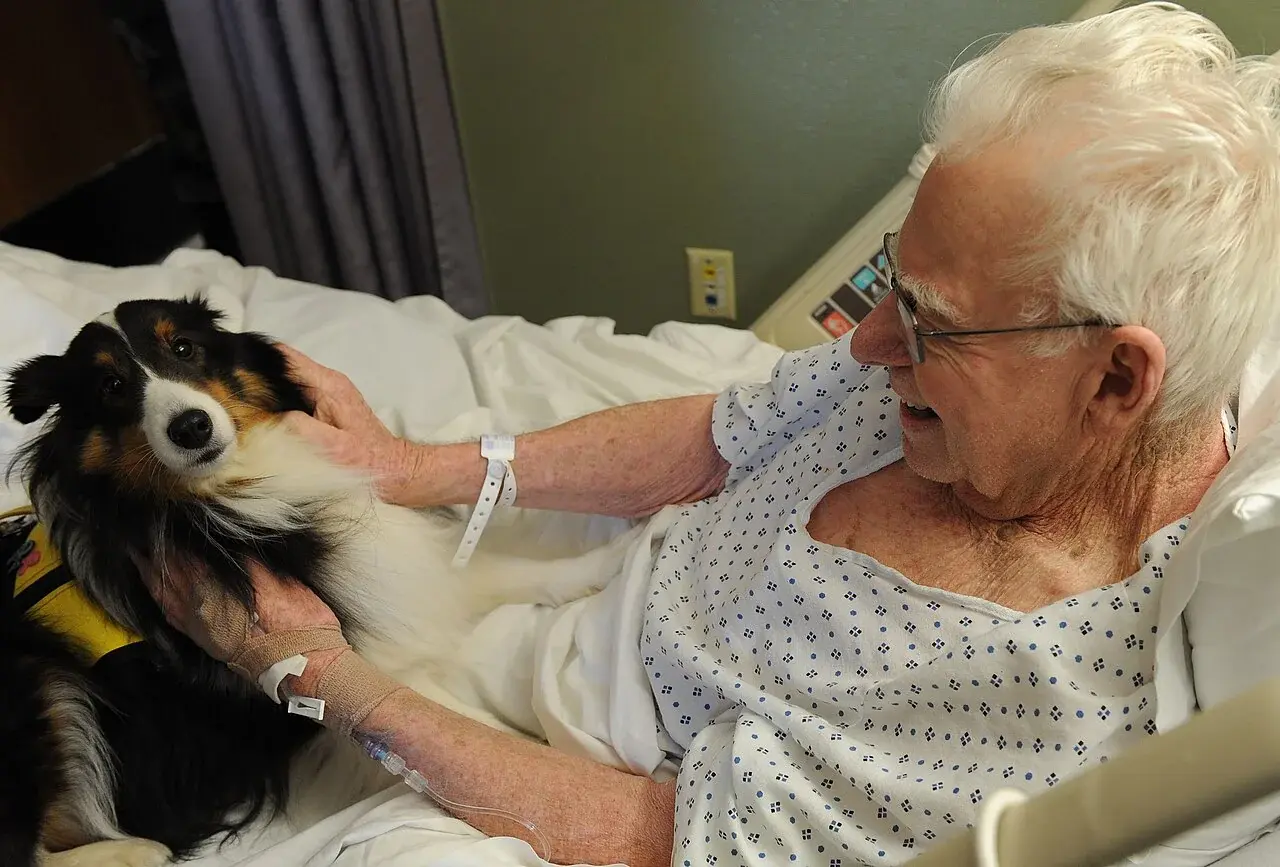
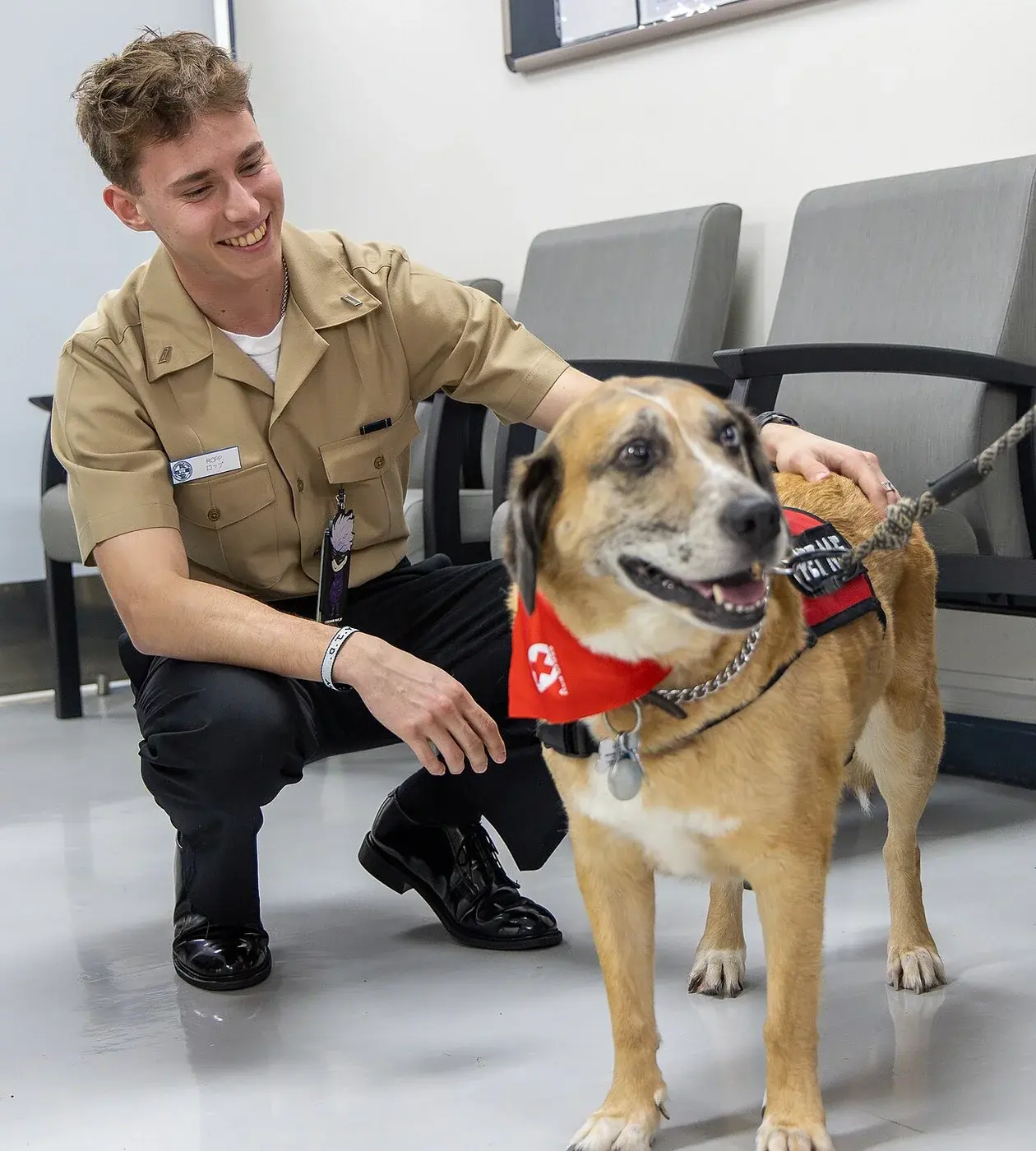
Evidence-based rules on hygiene, patient selection, and infection control help therapy-dog teams work safely in acute-care settings where vulnerable people receive treatment.
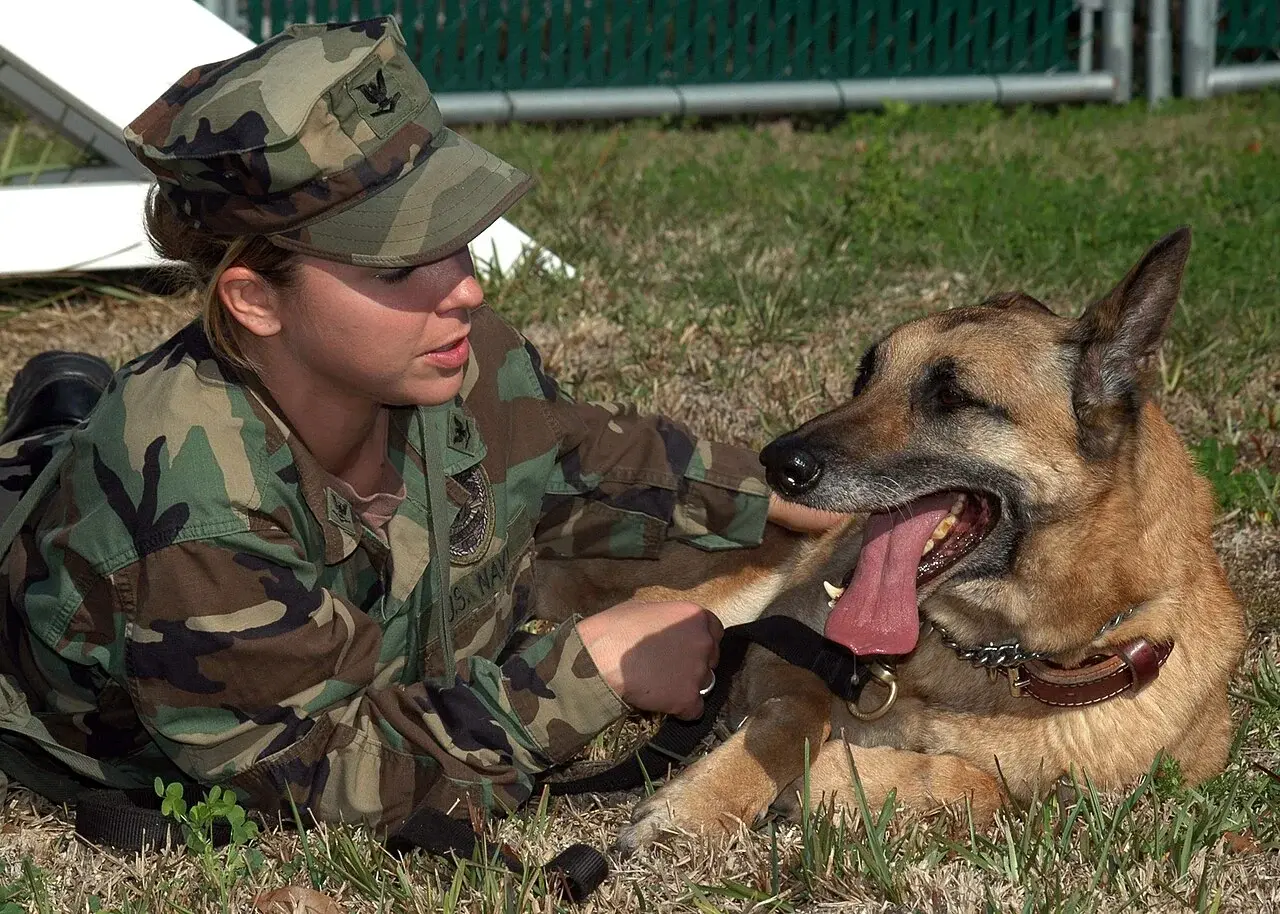
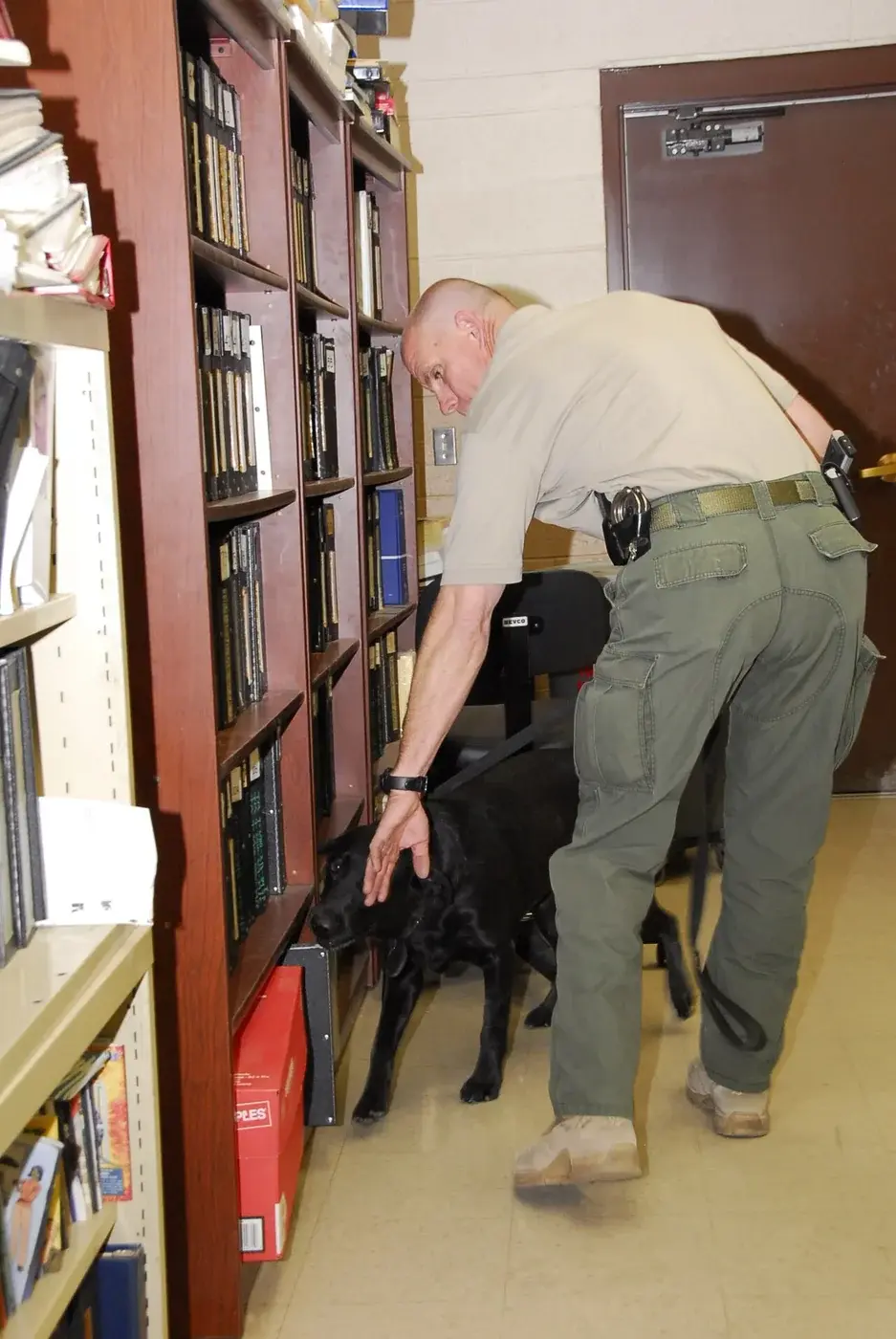
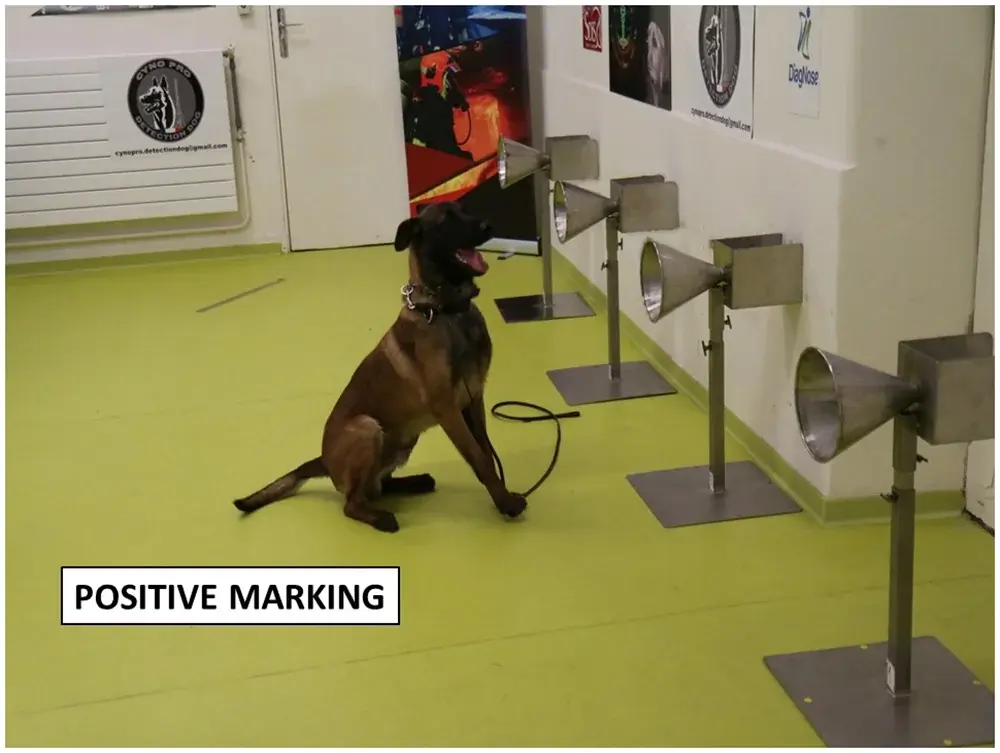
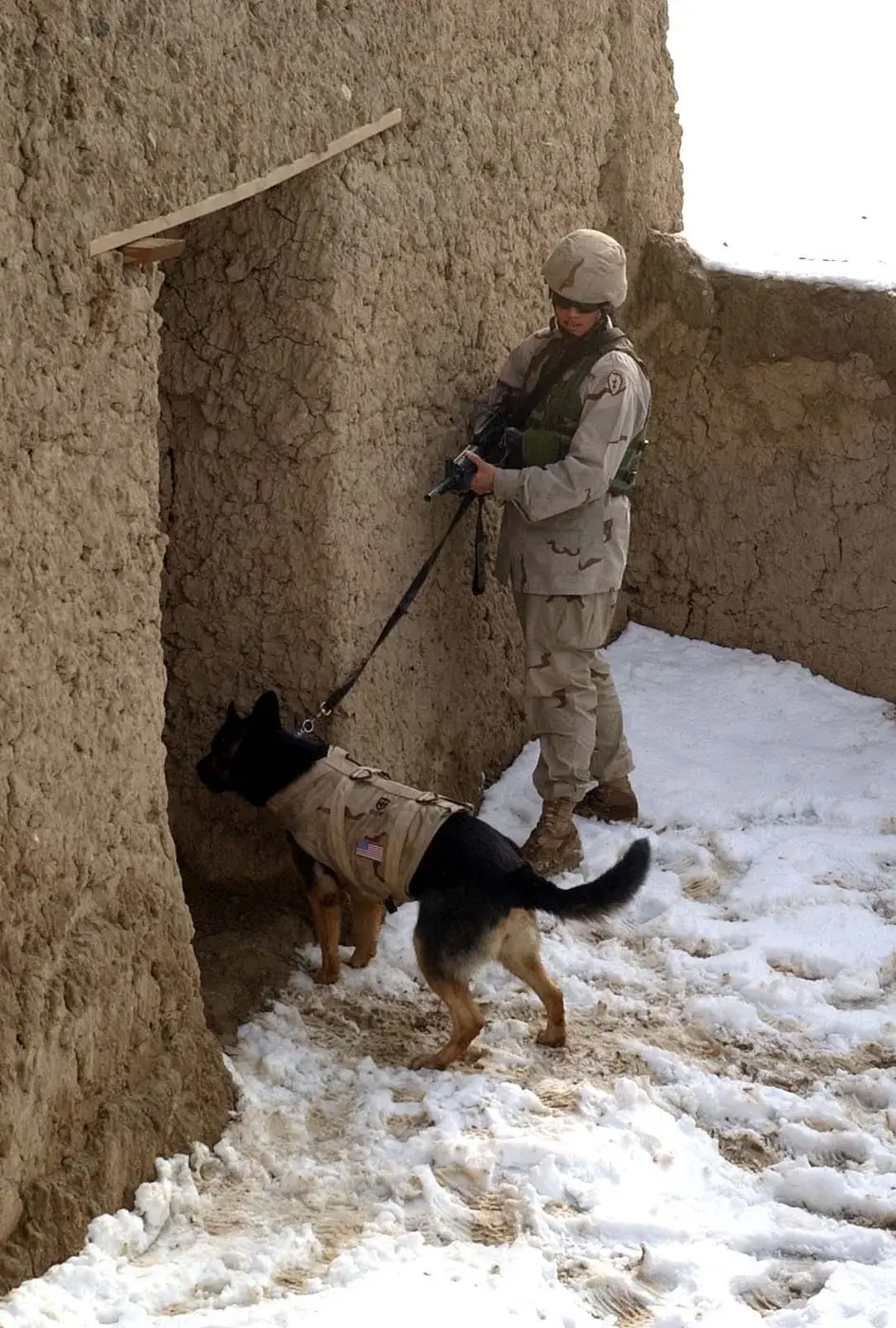
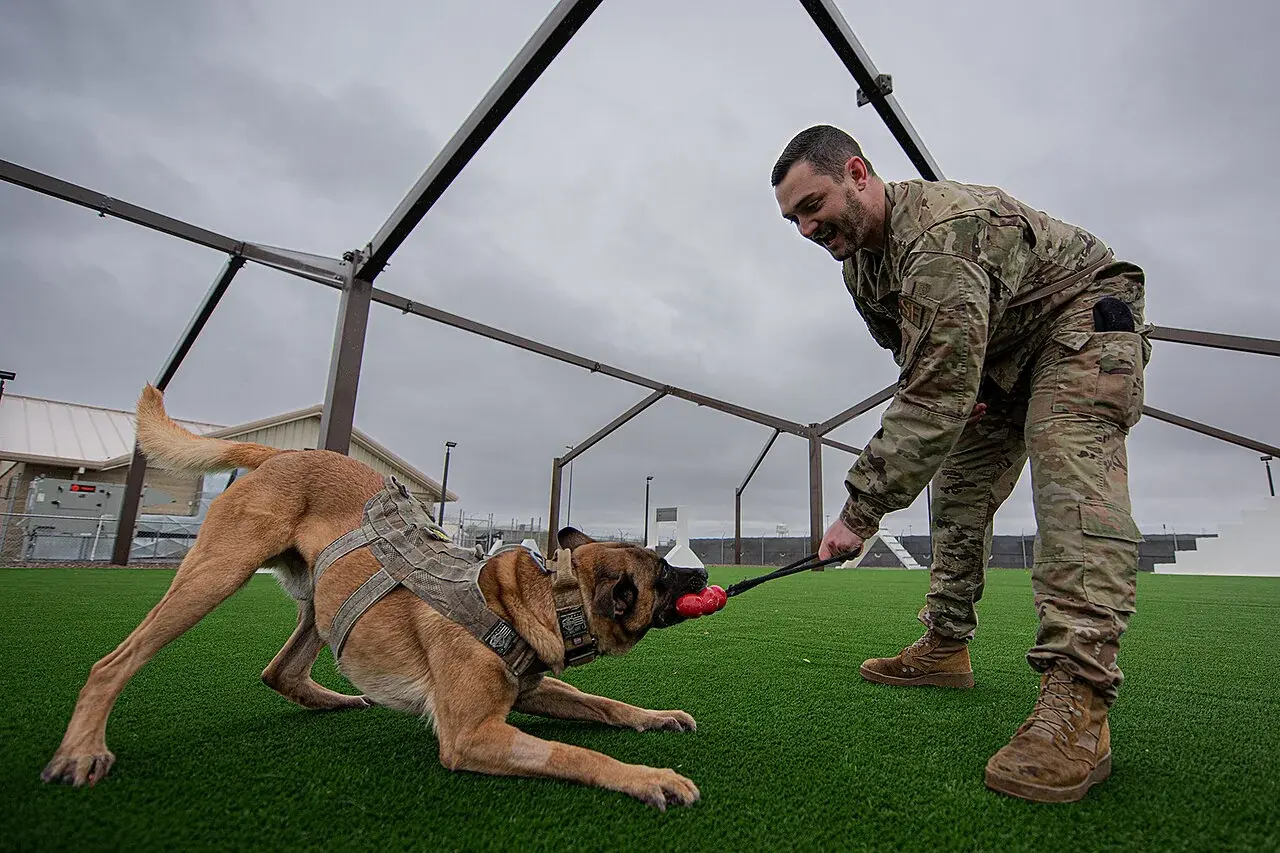
Handlers read subtle changes in a dog’s body language and reward successful alerts with play, turning the animals’ natural drive into a tool for finding hidden threats.
Certification standards from national canine associations set the bar for law enforcement teams that rely on dogs to track people using scent articles many hours old.
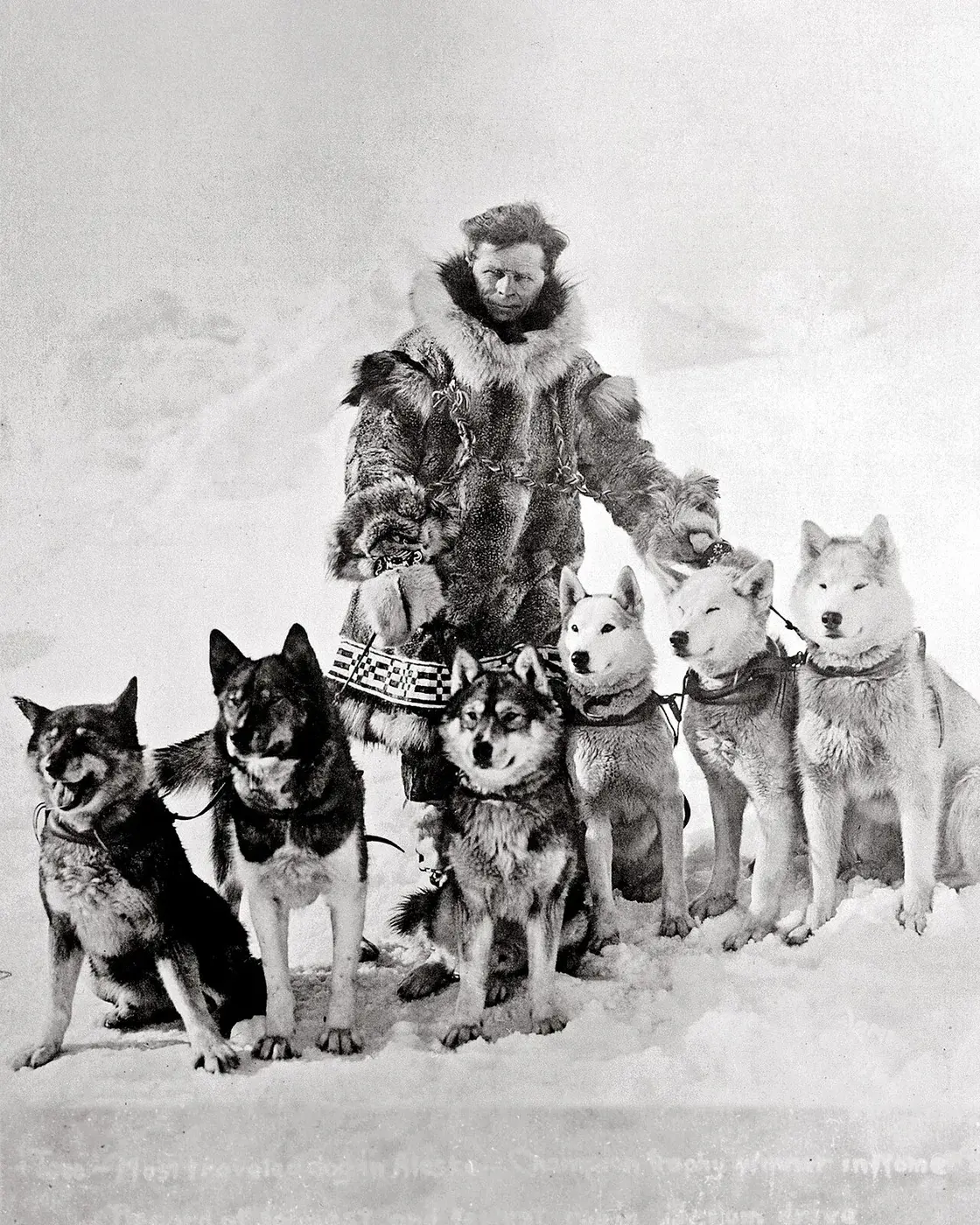
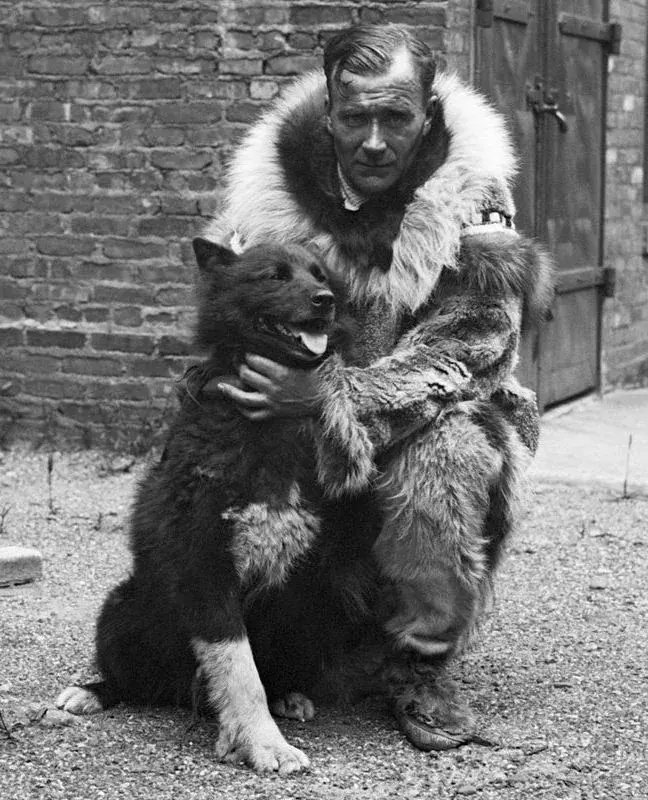
A veteran Siberian husky and his musher completed an 84-mile nonstop push over fractured sea ice during the relay that delivered diphtheria antitoxin to Nome, Alaska.
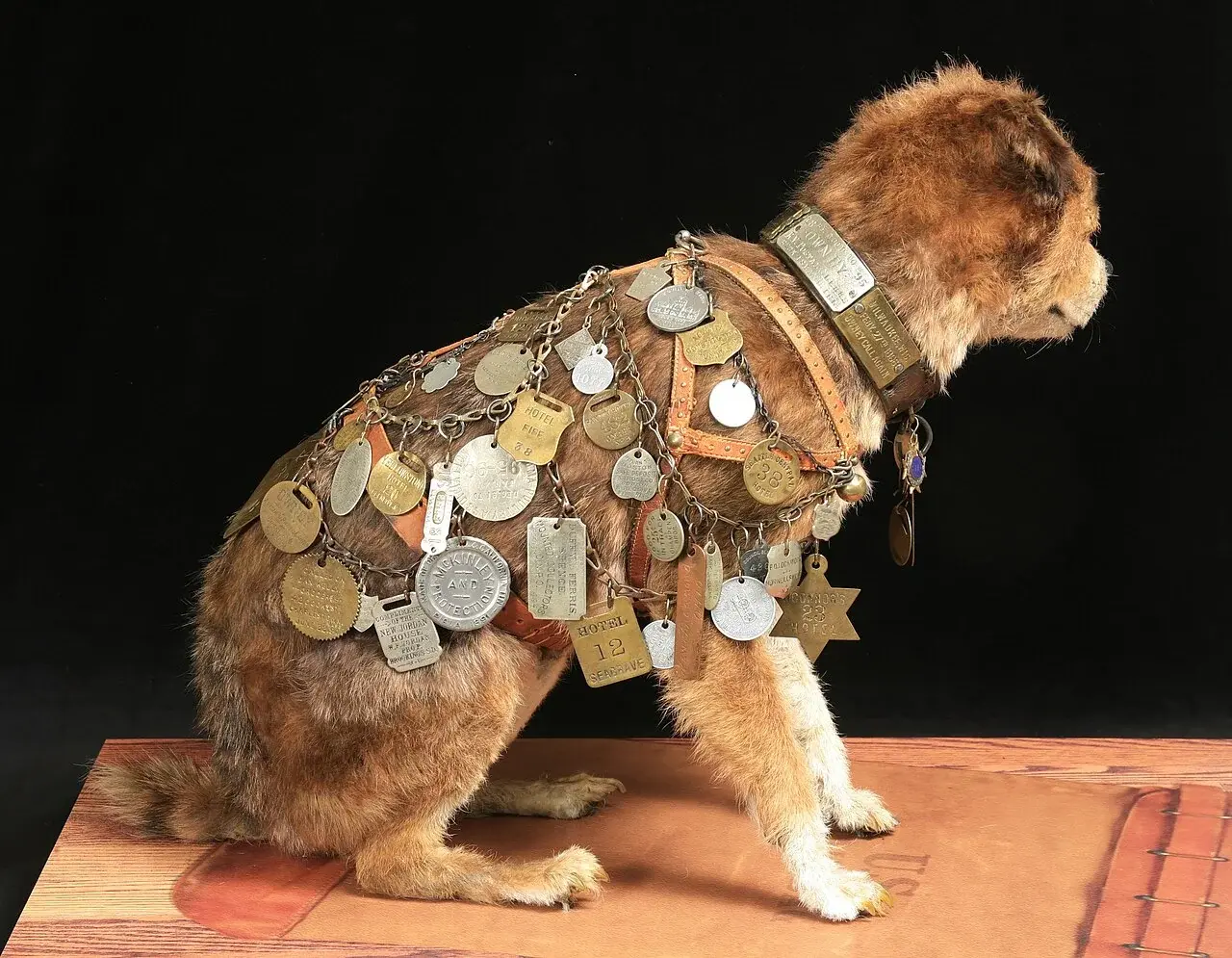
Preserved by the Smithsonian’s National Postal Museum, Owney’s story offers a glimpse into the working lives of late-19th-century postal clerks and the bonds they formed with an adopted stray.
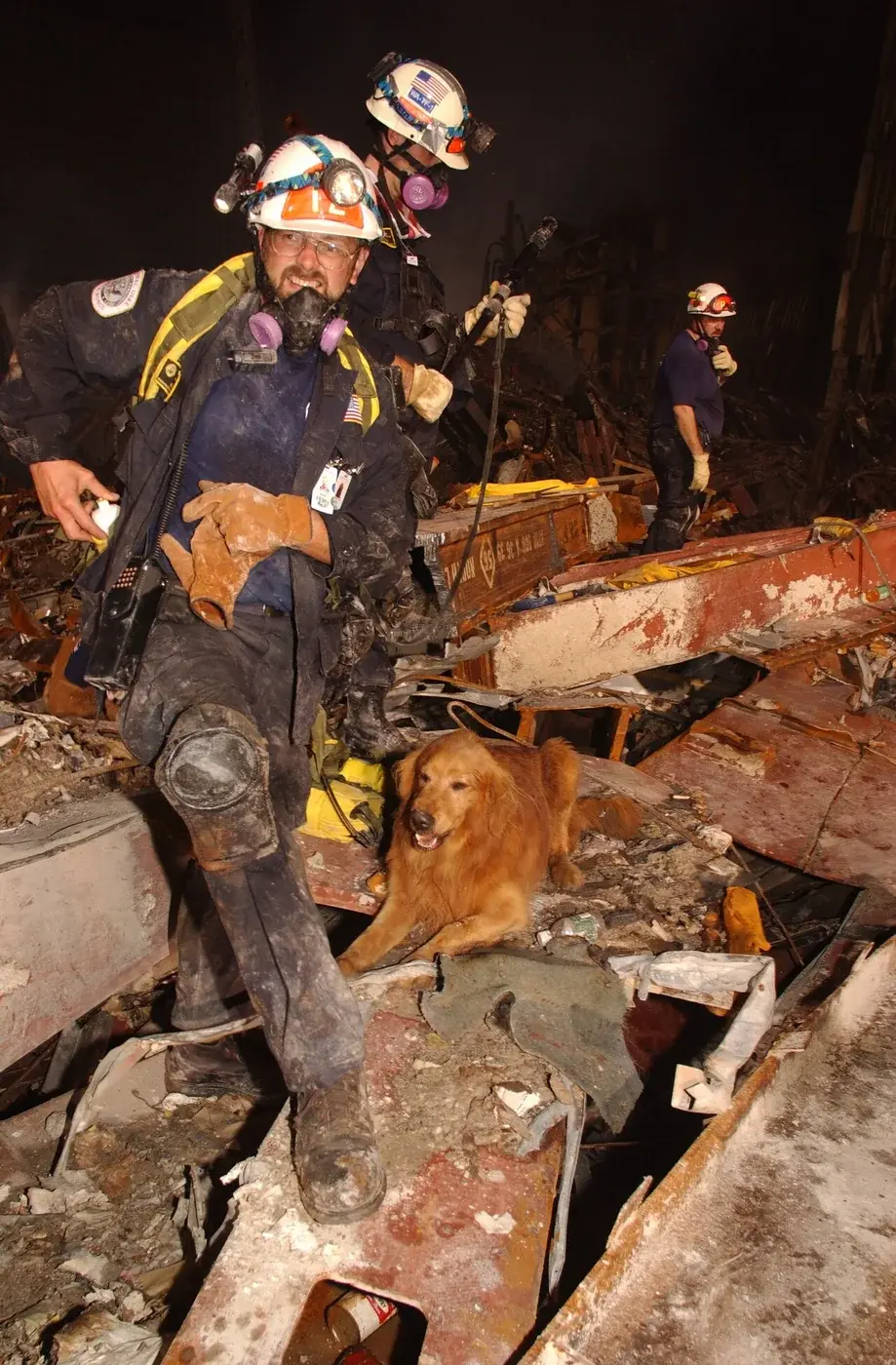
Handlers used scent bags and careful scheduling to support dogs searching the World Trade Center rubble, while later studies tracked the animals' exposure to hazards.
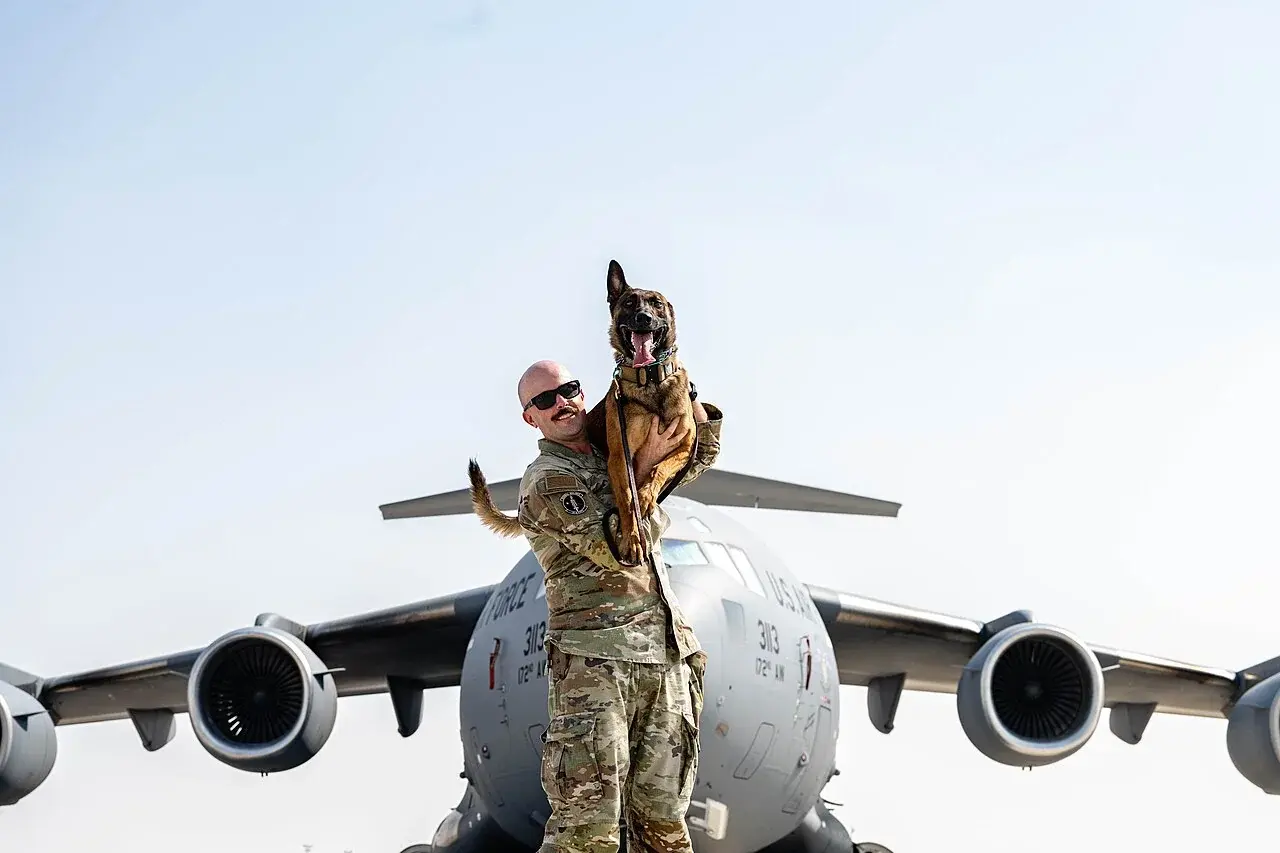
A Belgian Malinois accompanied Navy SEALs on the 2011 Abbottabad mission, outfitted with protective and camera-equipped vests that illustrate how canine teams support elite units.
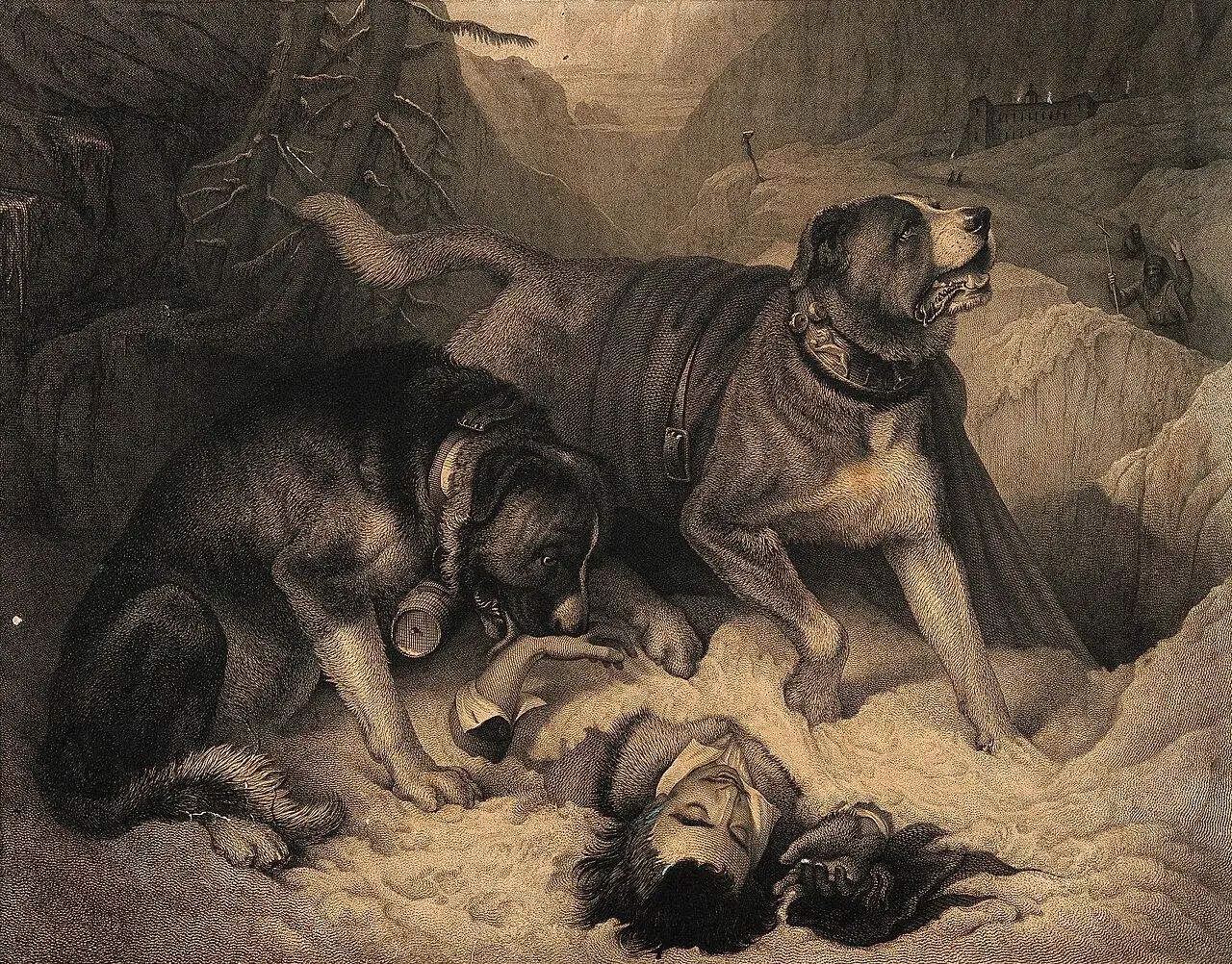
From military experiments in the 1940s to civilian stewardship by the Swiss Alpine Club, dogs became valued partners in locating people buried by snow.
Evidence from Saqqara and Asyut shows that dogs and other canids were mummified in large numbers as votive offerings connected to the gods Anubis and Wepwawet.
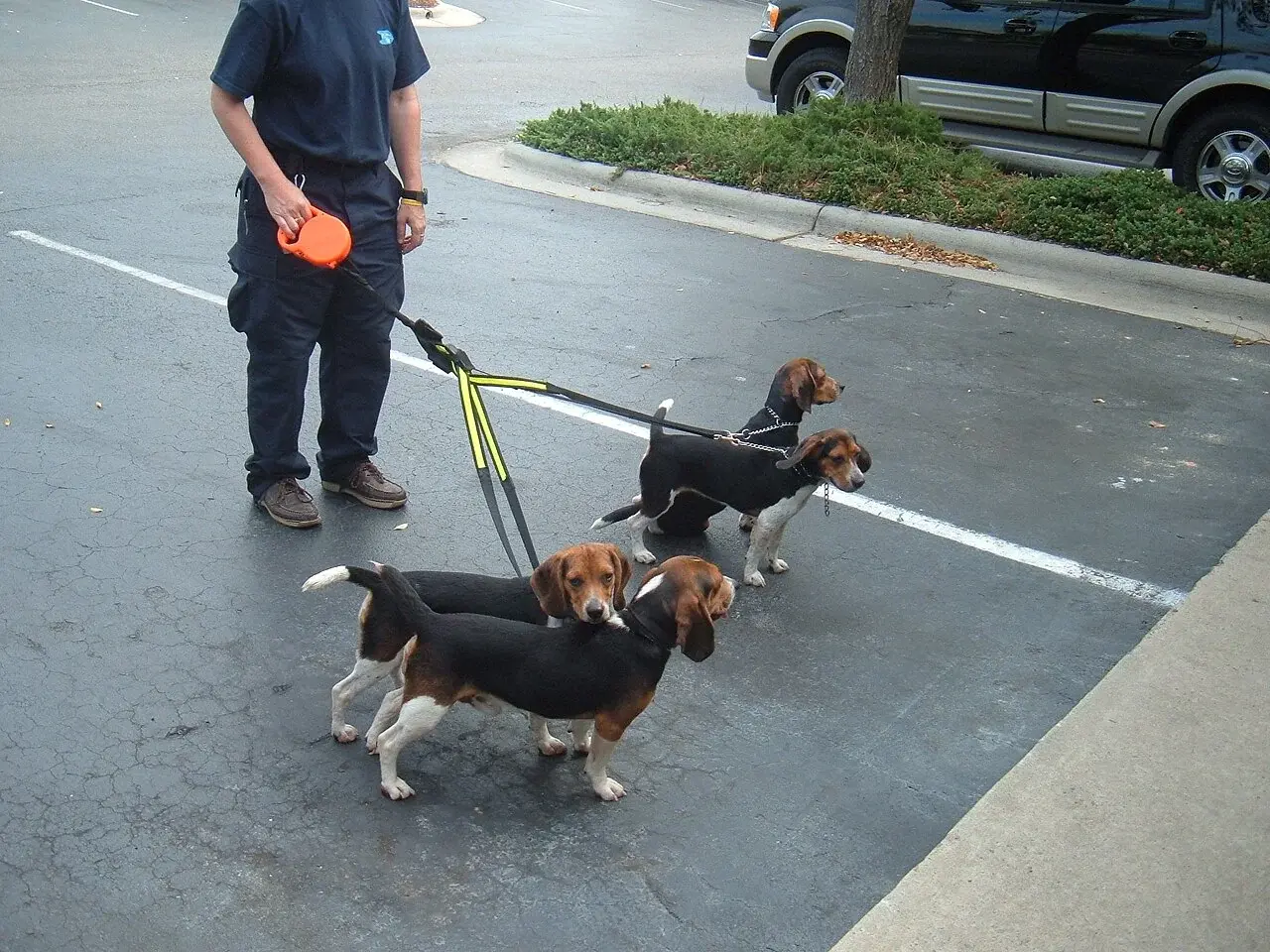
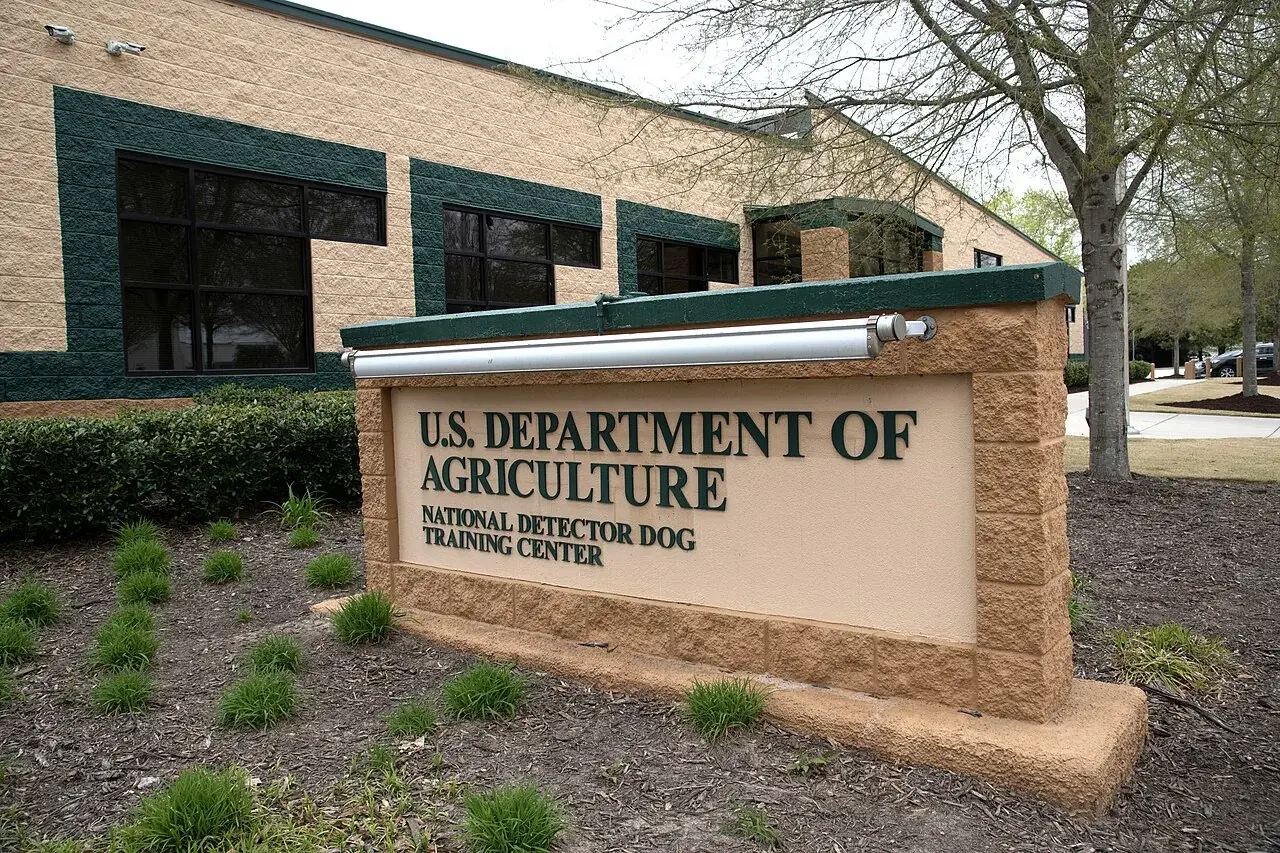
Specially trained beagles and their handlers inspect international luggage for prohibited fruit, vegetables, and meat, reducing risks to American agriculture from pests and diseases.
Data from Sputnik 2 showed how a canine passenger responded to launch forces, weightlessness, and rising cabin heat during the first orbital animal flight.
From sentries to messengers, dogs played practical roles in classical and Hellenistic warfare, though their use as battlefield combatants remains debated by scholars.
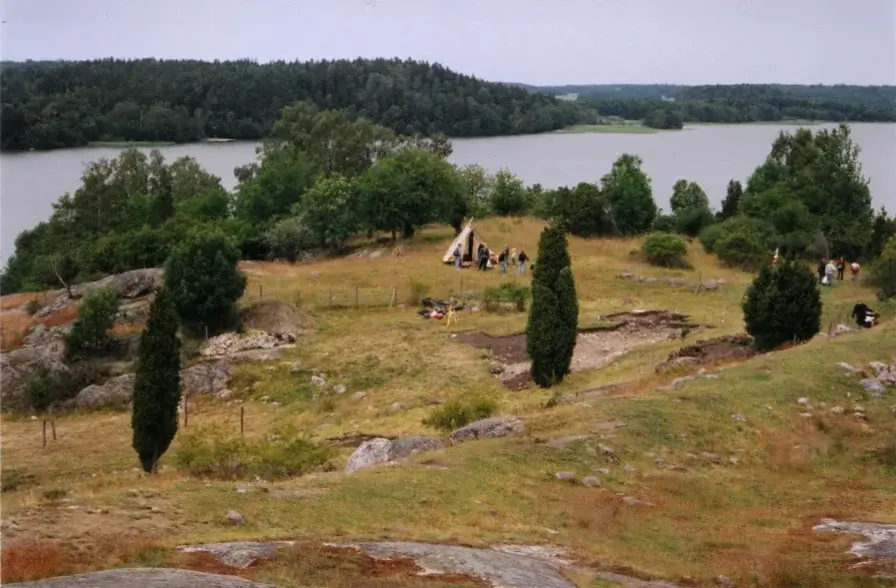
Archaeological finds from the Viking trading center at Birka include dog remains placed alongside people, offering limited but tangible clues about how some Norse communities treated animals in death.
The first recorded dog show in 1859 focused on sporting dogs, while the Kennel Club later introduced consistent rules emphasizing registration, health, and fair play.
Conrad Gesner and Ulisse Aldrovandi compiled ancient traveler tales of cynocephali alongside descriptions of real primates, expressing varying degrees of skepticism about the more fantastical claims.
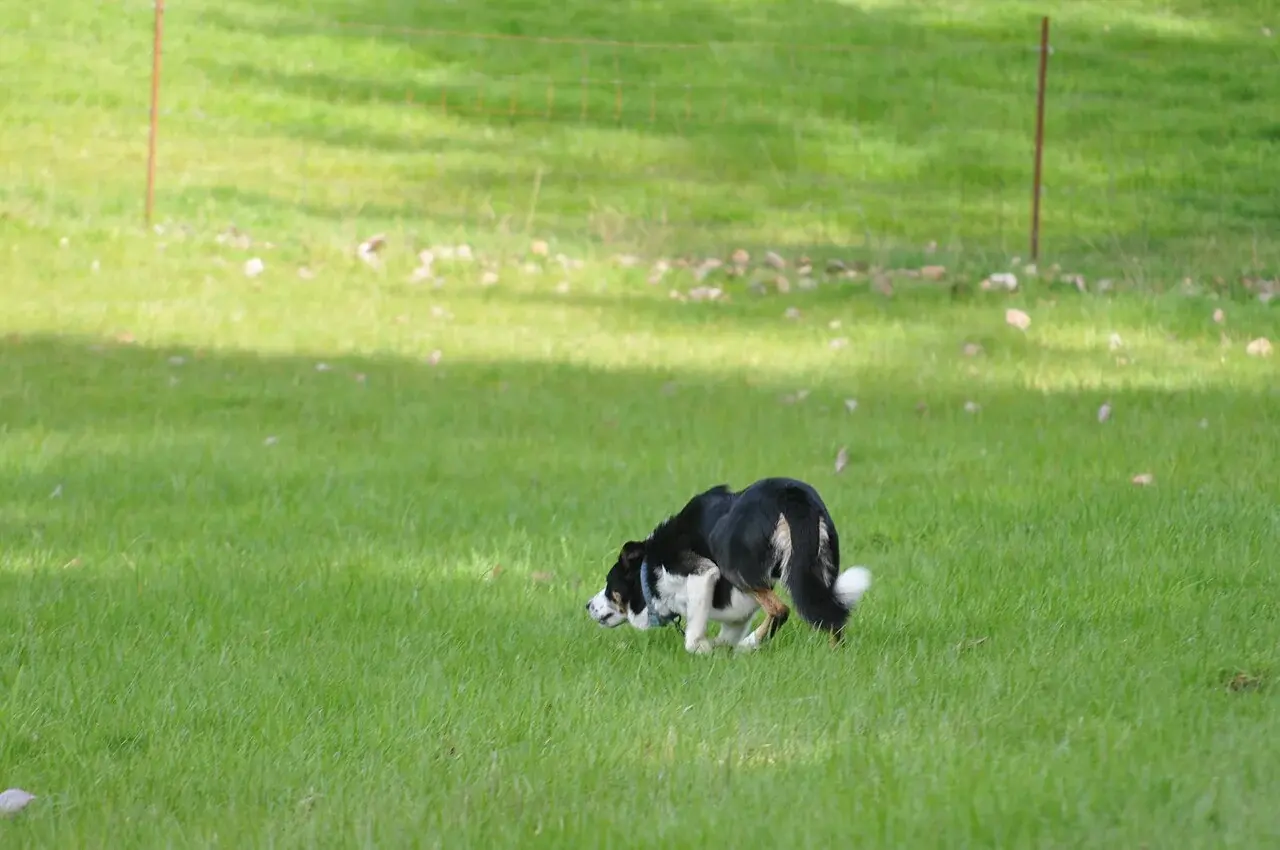
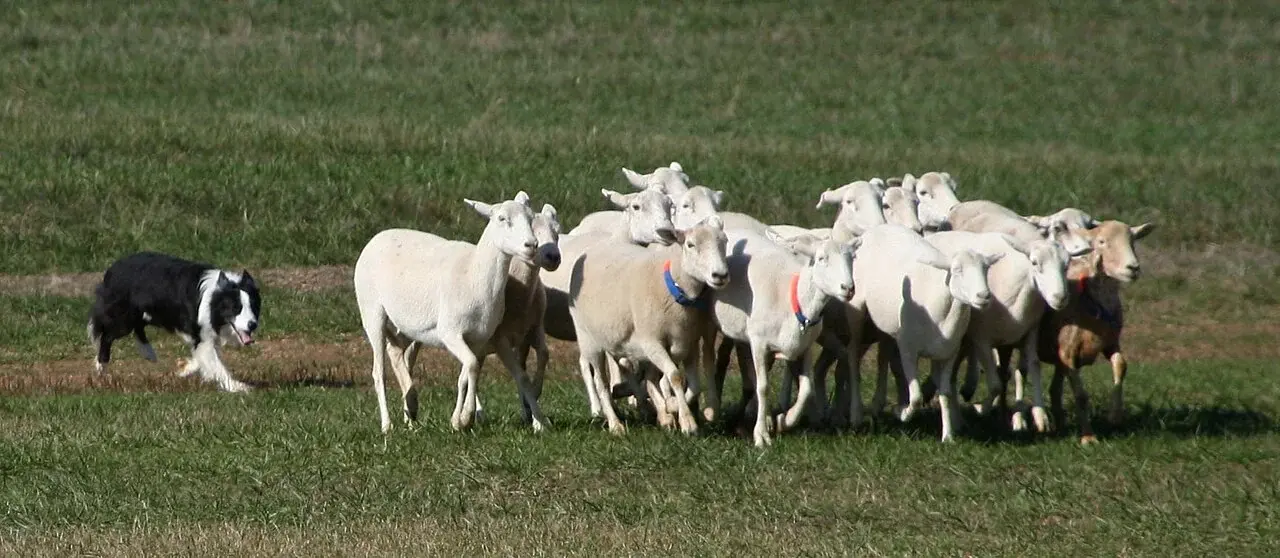
The formation of the United States Border Collie Club in 1975 and the first handler clinic in 1976 helped bring structured herding events to a country that previously had almost none.
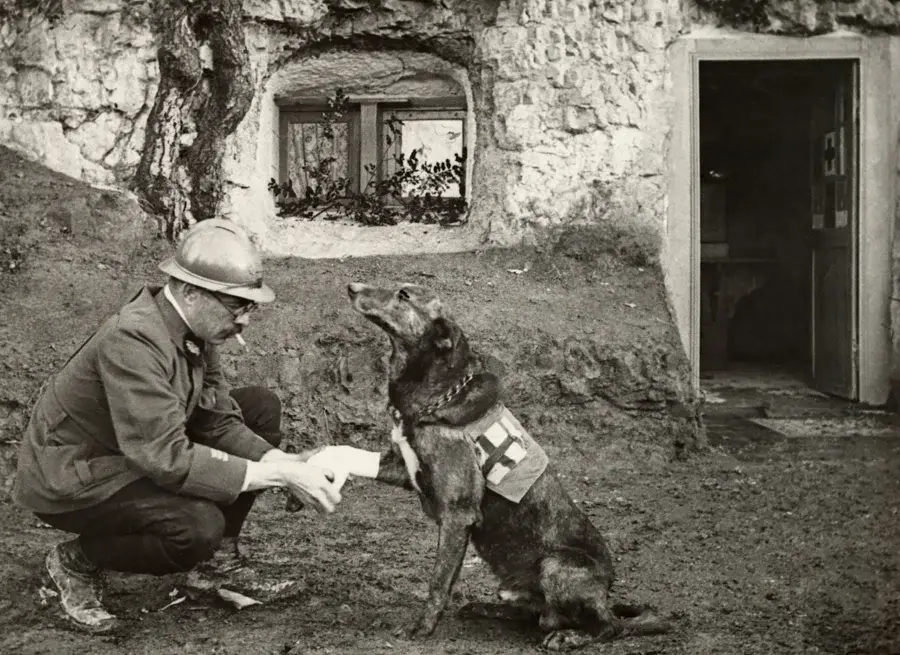
British and Belgian forces used trained dogs to carry messages and stand watch when other communication failed, relying on their natural alertness in the chaos of battle.
Imported German Shepherds helped some veterans of the Sino-Japanese War regain independence, decades before guide-dog programs became widespread in the country.
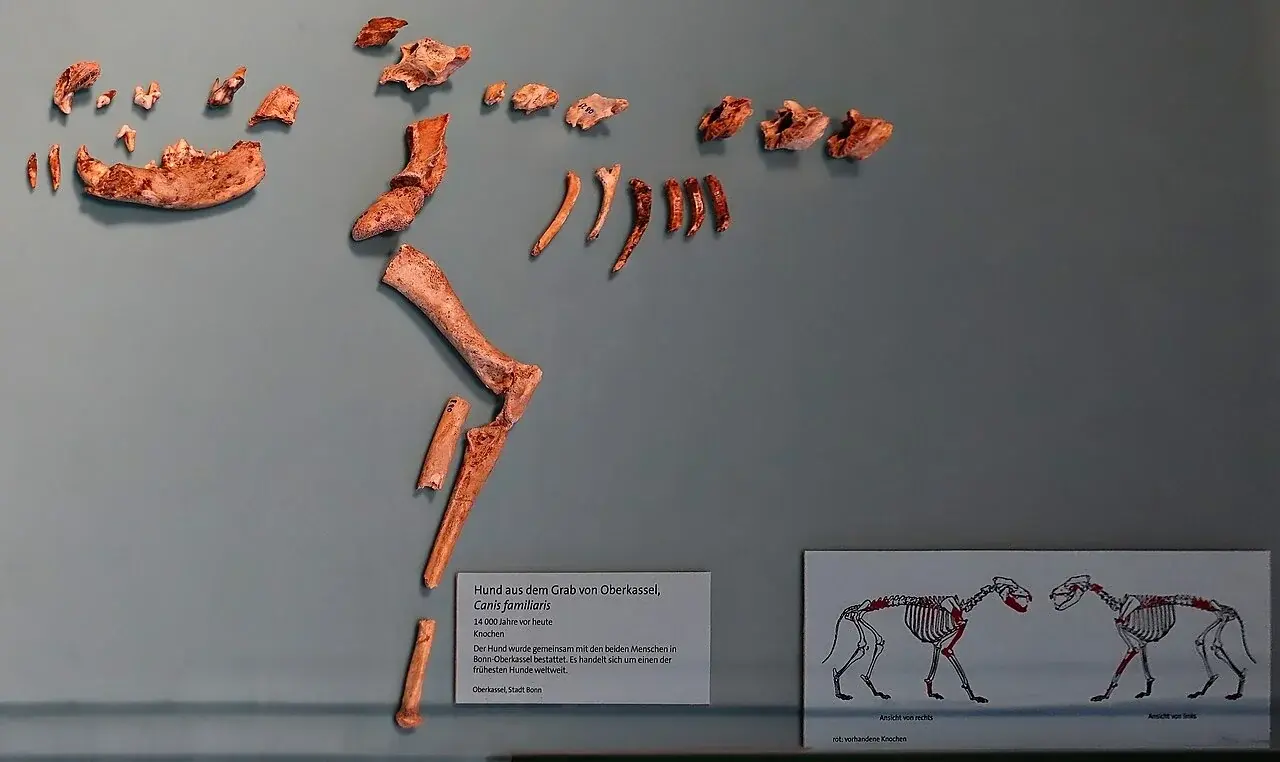
Burials from about 12,000 years ago in northern Israel contain small canids that lived near people, offering clues to changing relationships between humans and wolves.
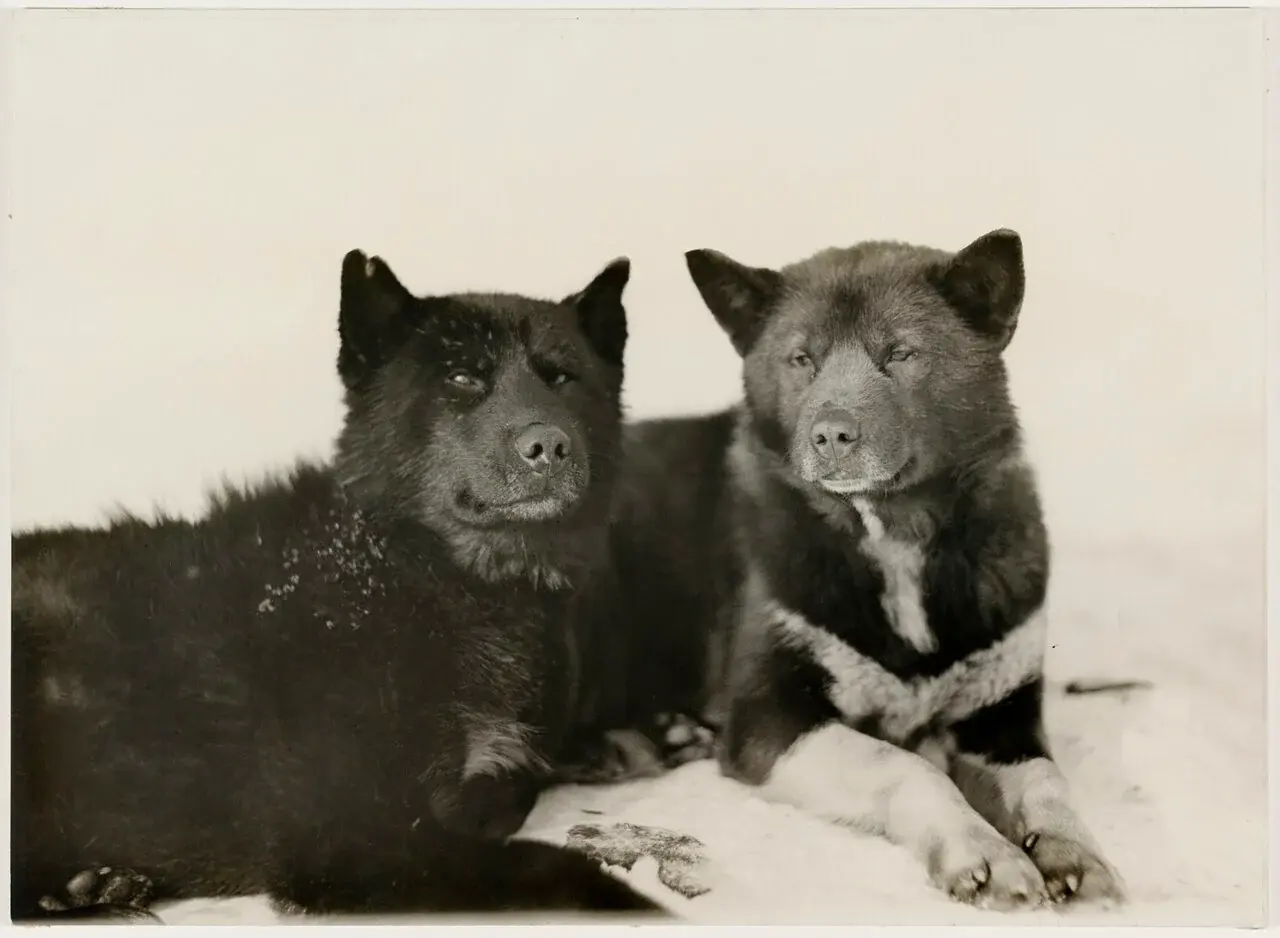
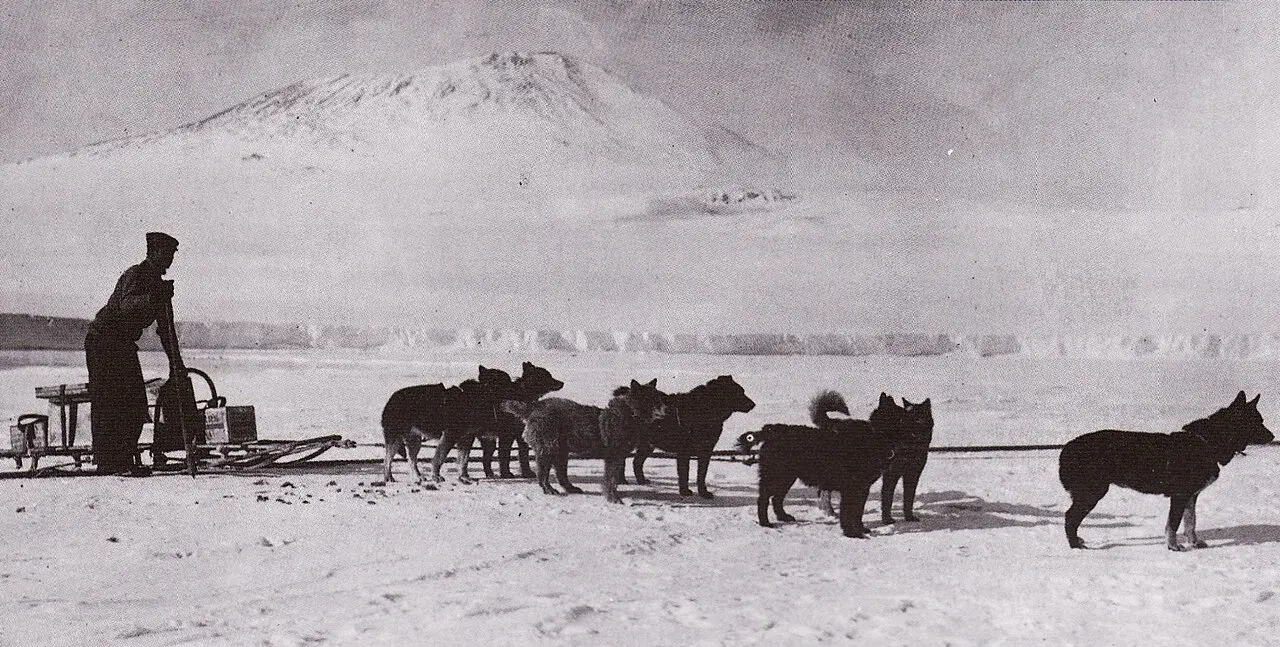
Norwegian and British expeditions to Antarctica in the early 20th century relied on working dogs for transport, with outcomes shaped by breed selection, feeding, and handling practices drawn from Arctic traditions.
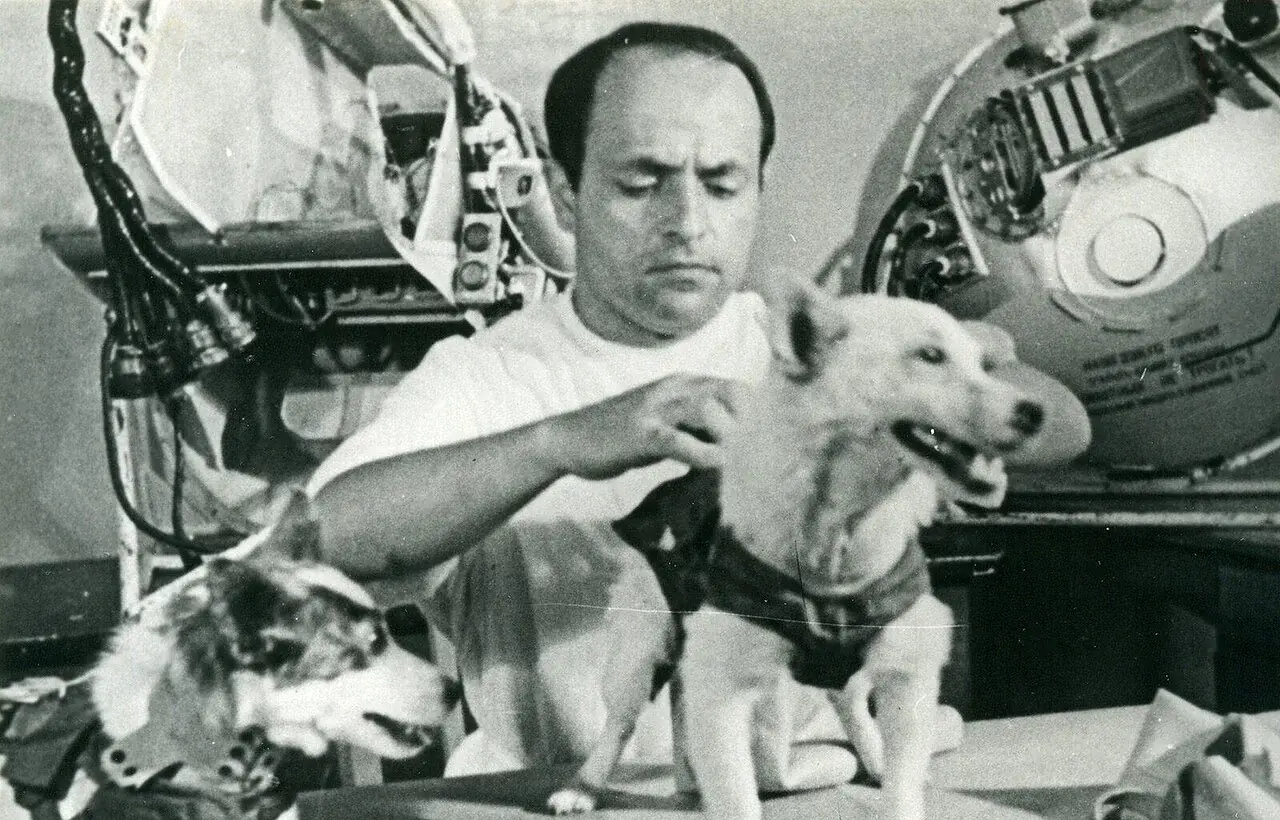
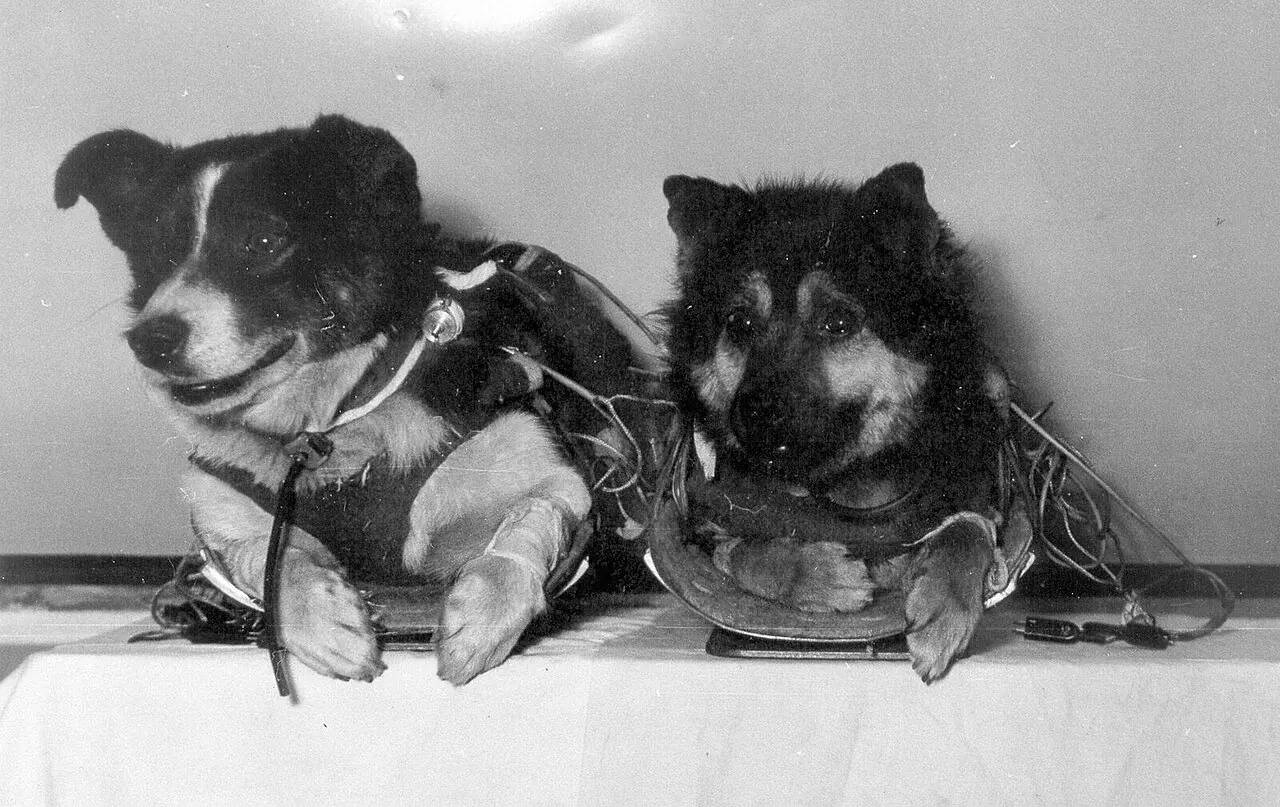
From suborbital rocket rides in the early 1950s to the first safe returns from space, mixed-breed street dogs from Moscow played a documented role in gathering data on launch stresses, weightlessness, and reentry.
Conquistadors brought large mastiffs to the Americas in the early 1500s. Contemporary accounts describe the animals creating fear among Indigenous fighters.
Technical publications and mission records show that dogs continued to fly in the years following Laika’s 1957 mission, revealing both the program’s demands and the animals’ capacity to adapt under extreme conditions.
In this satirical negotiation, household dogs and their noisy gadgets hammer out a paw-friendly accord laced with positive reinforcement and desensitization playlists.
In this fictional satire, a philosophical hound spirals over the futility of chasing its own tail until enrichment toys that echo ancestral hunting instincts step in to restore a sense of purpose.
Free-roaming cat colonies drive much of shelter intake for felines, create resource pressures, and highlight important differences in how communities manage stray animals compared with dogs.
In this playful fiction, reactive pups aren't misbehaving—they're performing avant-garde ballet for the neighborhood. We follow a cast of theatrical dogs through their dramatic sidewalk shows, complete with zero actual training manuals.
In this purely fictional satire, we follow a cast of whimsical canine scholars as they treat your lawn like an ancient dig site, turning chaos into accidental compost while wearing imaginary pith helmets.
In this satirical look at the epic battles of canine grooming, discover gentle ways to turn dramatic paw protests into cooperative spa moments without losing your sanity or your socks.
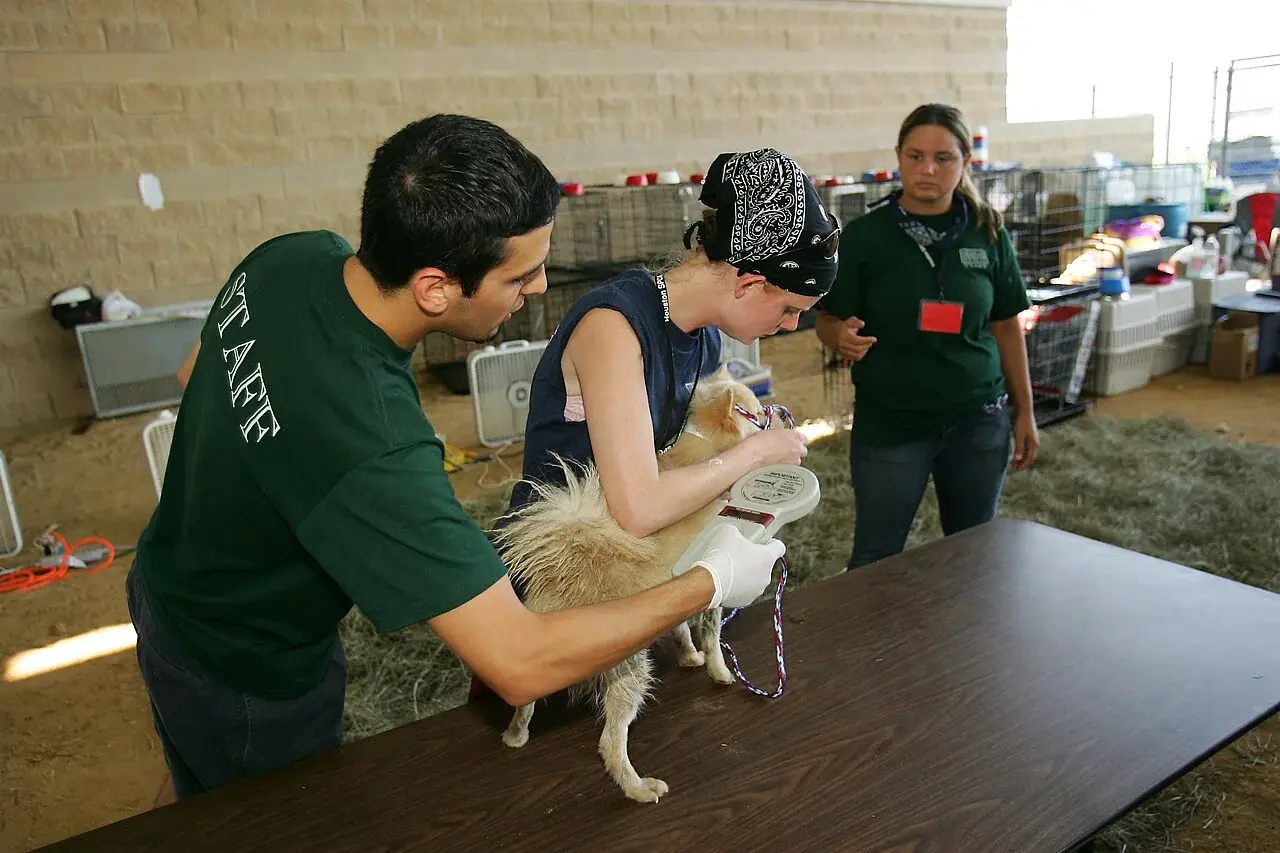
Long-distance dog rescues move animals from high-intake shelters to new homes, but careful selection, vaccination, and quarantine steps are essential to limit the spread of illnesses such as parvovirus and distemper.
A completely made-up satirical ranking of the furry fiends and uniformed interlopers that transform even the politest pups into leaping, barking bundles of glorious chaos.
A fictional satirical romp through the unspoken ranks of the canine playground, complete with etiquette tips to help timid pups read tails and avoid the morning turf wars.
A satirical glimpse into the canine mind as it endures endless video calls and keyboard clacks, with gentle suggestions for reclaiming shared moments without turning the couch into a command center.
A fictional romp through the whimsical world of canine comedy, where four-legged thespians turn everyday commands into punchlines and rustling bags into standing ovations.
CDC requirements focus on age, microchips, health, and rabies documentation for dogs that have spent time in listed nations within the past six months.
A fictional satirical romp through the theatrical remorse of dogs caught mid-scavenge, starring a cast of shameless four-legged thespians and their helpless human co-stars.
In this entirely made-up detective yarn, a gang of theatrical dogs turns suburban living rooms into chaotic crime scenes, proving that the best forensic tool is a well-timed belly rub.
Organized adoption drives and price reductions can speed animals out of shelters, but evidence shows they also carry risks that require careful management.
In this gently satirical look at canine interior design, discover why your blanket fort fails the sniff test and how subtle redesigns might earn tail-wagging approval.
In this satirical romp, discover how frantic evening sprints might signal your pup's deep frustration with spotty household signals and what everyday items can create a tech-free calm zone.
A satirical physics-themed romp through the canine quest for the perfect thermal perch, complete with practical tips for heated beds and teaching dogs to respect their own designated warm zones.
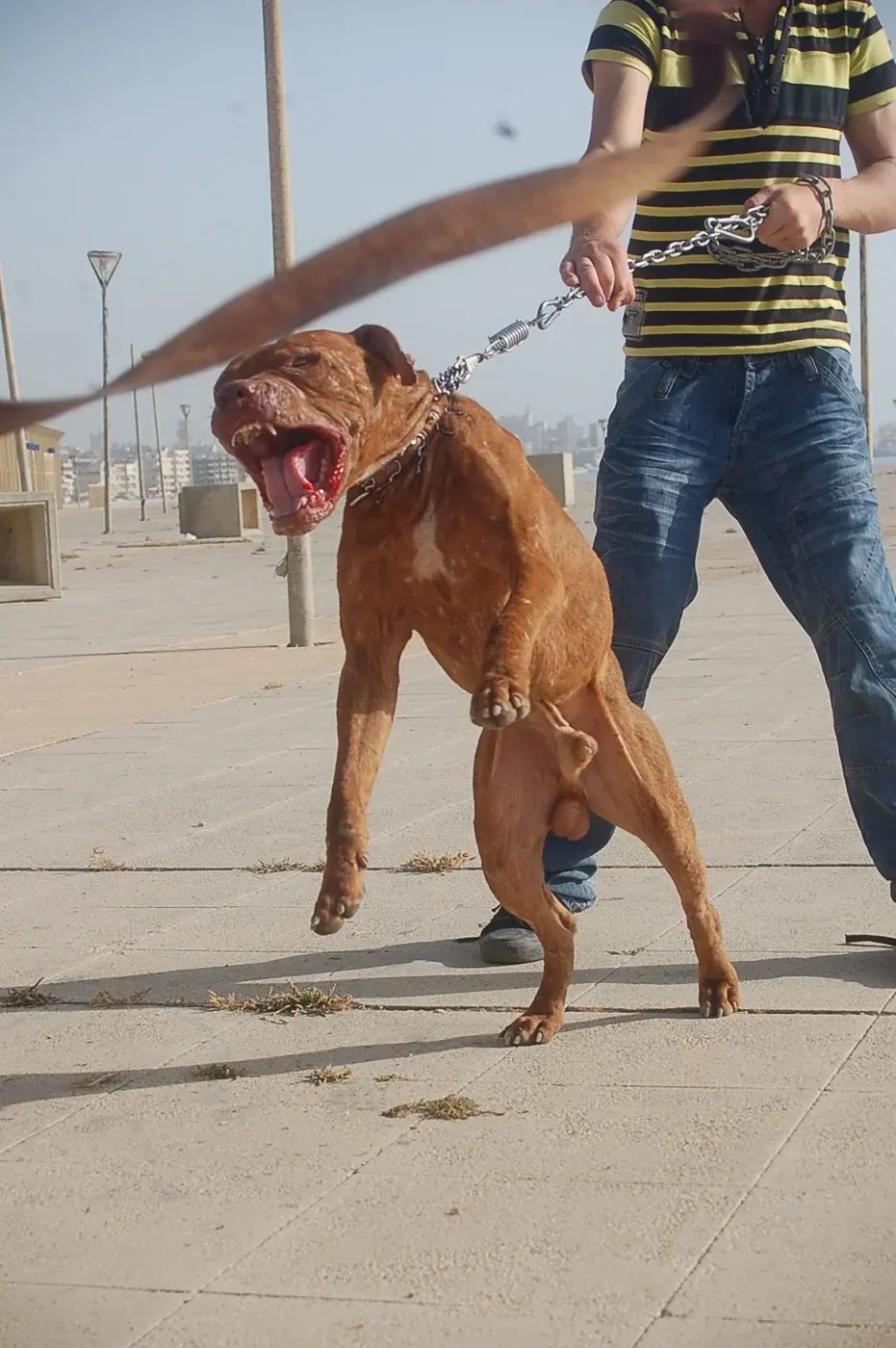
Responsible reporting on law enforcement actions against dogfighting operations highlights animal care, legal processes, and local efforts without sensationalism.
Rising demand for doodles and similar crosses has increased intakes at shelters while owner-reported health data shows mixed outcomes compared to purebred lines.
Viral celebrity adoptions create quick interest spikes, yet evidence shows they often lead to short-lived surges that can strain resources when demand shifts to specific looks like doodle mixes.
National shelter statistics reveal patterns in animal arrivals and outcomes that shift with the calendar, informing smarter responses without reliable links yet drawn to specific weather events.
Research on thousands of dogs shows that higher inbreeding levels often link to greater health problems, while mixed-breed dogs tend to carry fewer homozygous disease variants.
Labels such as "behavior," "medical," or "space" reflect shelter pressures like limited resources and high intake more than simple judgments about the dogs themselves.
The benchmark promoted by Best Friends Animal Society measures lifesaving progress, yet it highlights differences in how facilities handle intake, transfers, and community responsibilities.
Studies show many former breeding dogs carry lasting fears and health differences even after years in adoptive homes, pointing to the value of careful preparation and ongoing support.
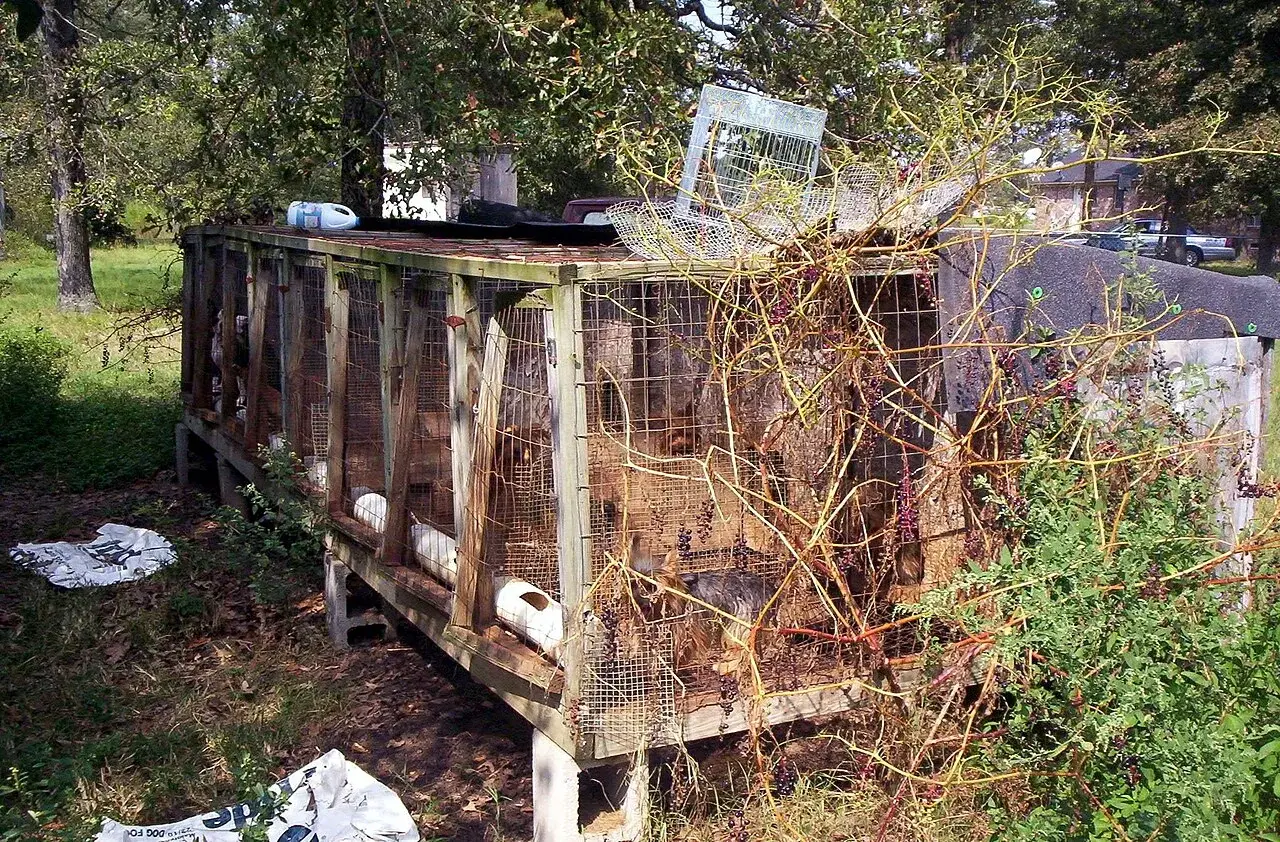
Federal and state breeding laws set basic floors that allow tight cages, repeated litters, and weak oversight, letting many operations stay in business while dogs suffer.
Focusing on certain breeds distracts from the real drivers of dog bites: negligent ownership and missed opportunities for early socialization that affect every kind of pup.
Urban planners rarely pause to consider how their straight paths and echoing plazas feel through a dog's nose, ears, and eyes, yet a few gentle adjustments could transform shared spaces into places where both species truly thrive together.
Strict enforcement on suburban paths and trails quietly shields our canine companions from injury, escape, and tense encounters that off-leash freedom too often invites.
Archaeological finds from select European sites offer glimpses into possible relationships between people and dogs, while underscoring the challenges of interpreting ancient deposits.
Feeding uncooked meat can feel like a pure return to nature, yet it quietly invites tradeoffs that touch the health and harmony of every household sharing space with our canine companions.
Rental agreements and building codes should require verifiable daily outdoor access for dogs, acknowledging that good intentions alone cannot substitute for the living world's pull on a dog's spirit.
Owner-led projects offer scale and real-world glimpses into canine minds, yet differences in tester identity and uncontrolled home settings can introduce systematic errors that large samples do not automatically cancel out.
Single dogs often thrive when their human partners provide consistent engagement, while adding a second pet can sometimes spark conflict rather than companionship.
Living well alongside our canine companions means embracing both the luminous joys and the everyday trade-offs, finding a humane balance that honors their wild hearts and our shared spaces.
Public shaming of owners whose dogs bark, lunge, or freeze often deepens their isolation instead of helping; a gentler approach honors the hidden struggles and fosters real progress.
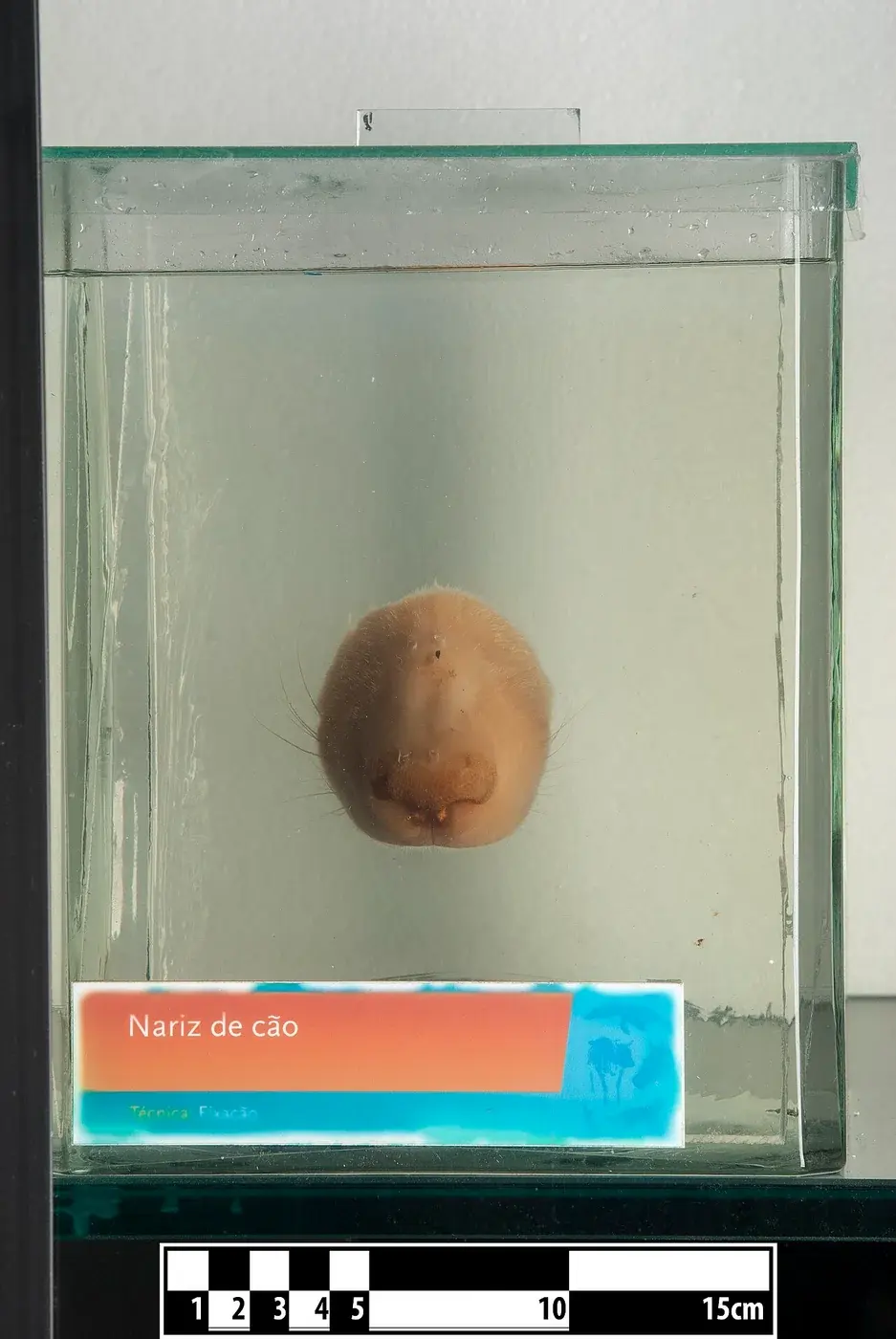
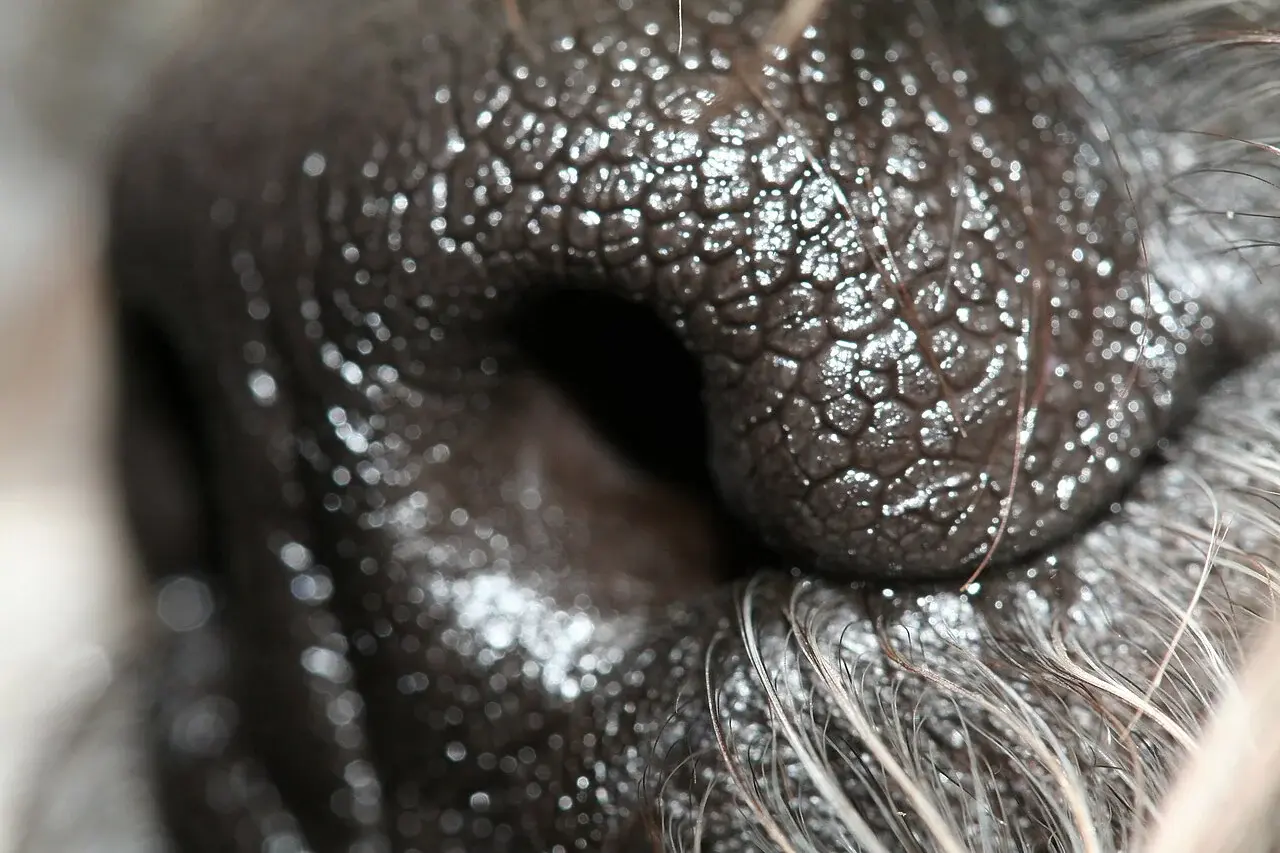
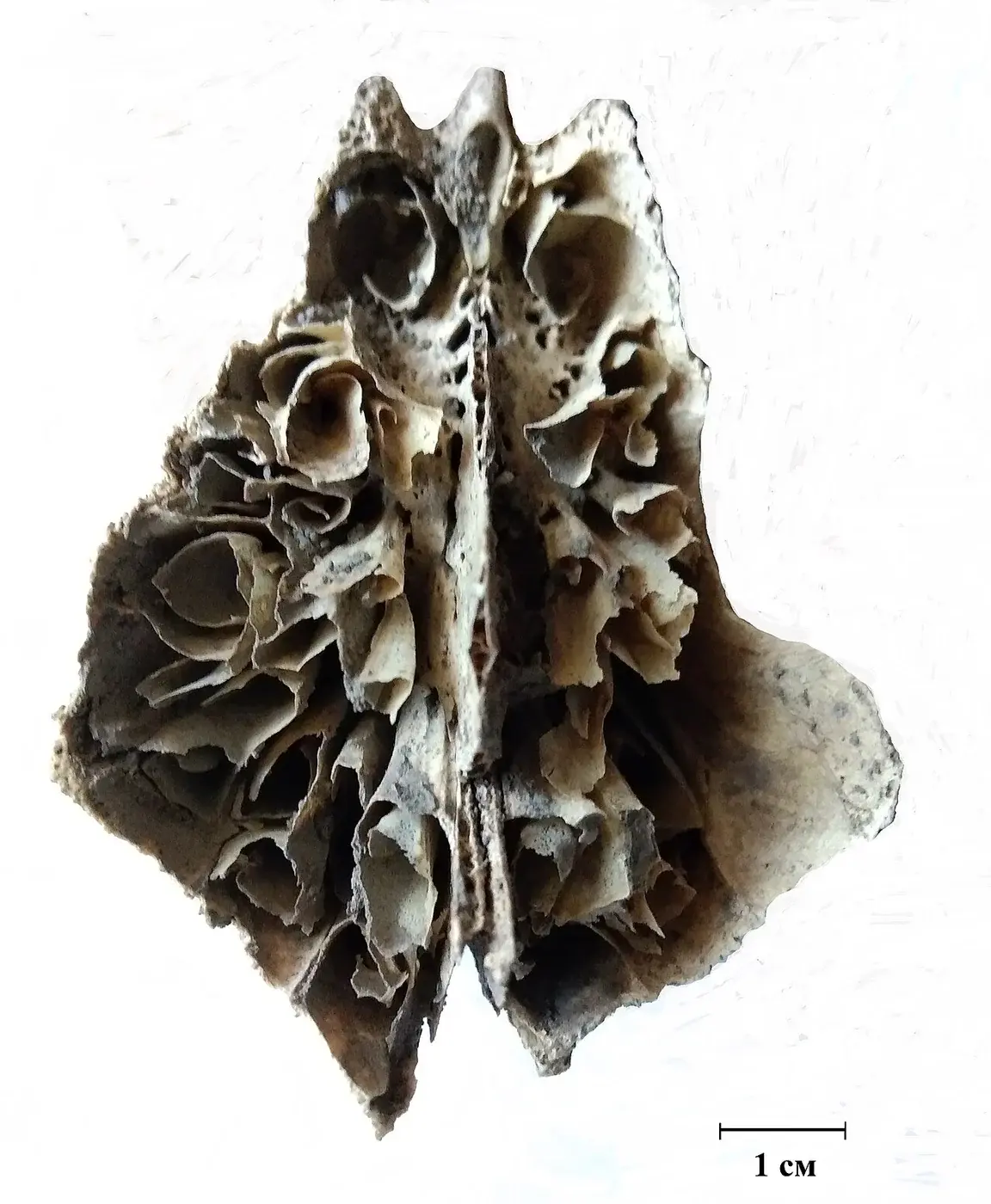
Penn State researchers once used MRI scans and computer simulations to map airflow inside a dog’s nasal passages, offering clues for designing better chemical sensors.
Insisting on cheerful hellos between unfamiliar dogs and people may feel like good manners, yet it often sows seeds of unease that later blossom into lasting worry.
The growing habit of treating pets as emotional support props risks eroding the delicate public trust that lets genuine working dogs do their vital jobs.
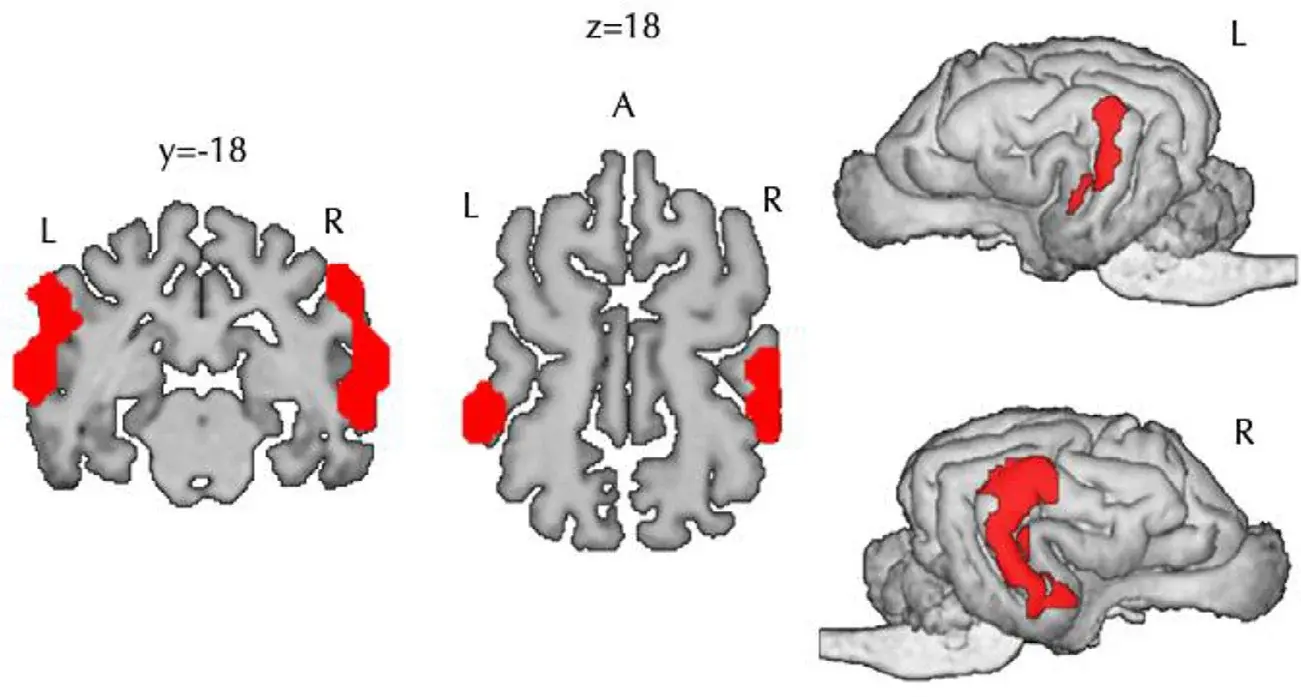
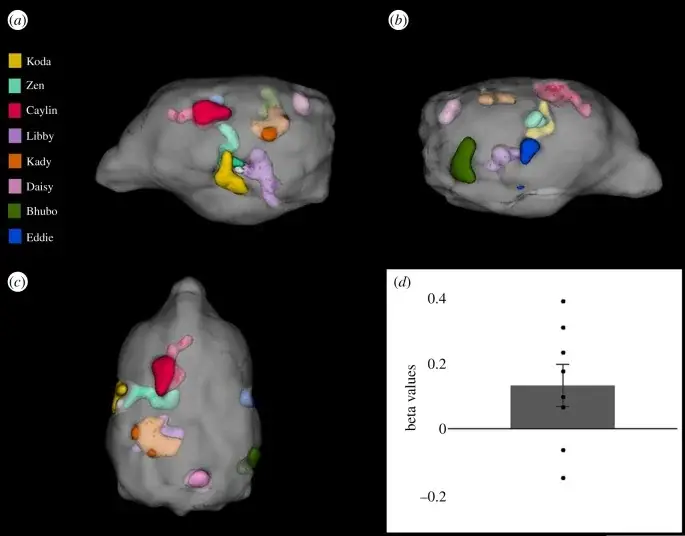
Comparative fMRI studies show that dogs, like humans, have brain regions that react more strongly to vocalizations than to non-vocal sounds, with sensitivity to emotional tone cues.
Dog-friendly workplaces may look like enlightened progress, yet they often trade genuine animal comfort for human optics, inviting us to imagine kinder, more honest arrangements instead.
Dedicated adult-only off-leash areas can ease urban tensions, encourage polite park sharing, and let mature dogs play in ways that suit their calmer energy.
The free-for-all atmosphere at typical dog parks often creates stress rather than genuine companionship, suggesting that structured alternatives could better serve canine welfare.
Unstructured gatherings in living rooms and backyards may feel friendly, yet they often invite hidden hazards that neutral ground or guided classes can sidestep.
Research shows the number of functional olfactory receptor genes varies among individual dogs, breeds, and their wild relatives, with some patterns linked to physical traits rather than specialized sniffing roles.
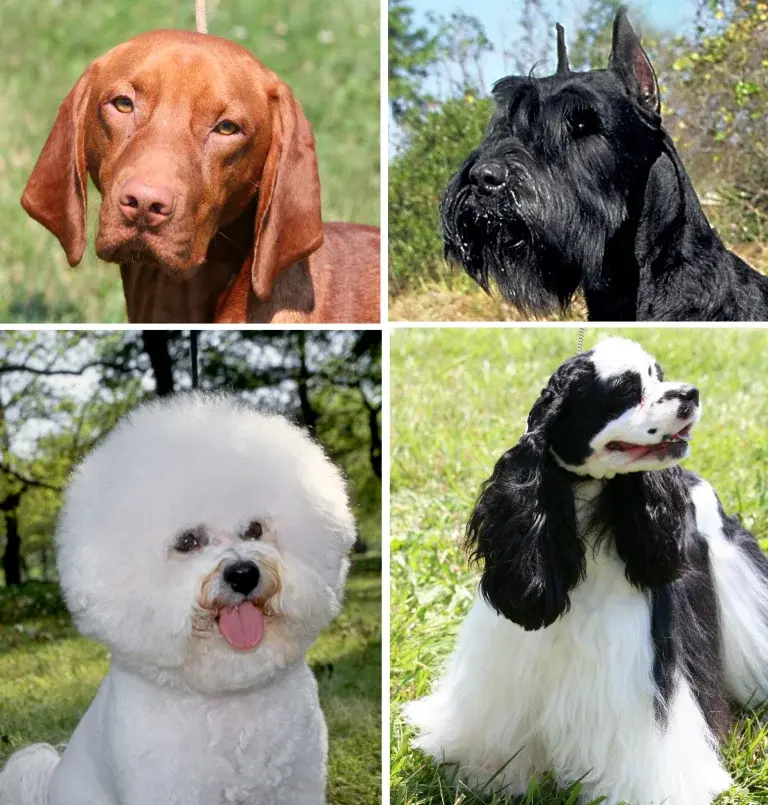
Show-ring ideals that once shaped elegant working lines now often saddle family dogs with health burdens that clash with the everyday joys of companionship.
The romantic image of dogs that panic without their owners may feel like ultimate loyalty, but it often masks distress that harms both pets and people.
Genetic studies of prehistoric remains show that dogs diversified into multiple lineages early in their history with humans, while sharing a common root distinct from modern wolves.
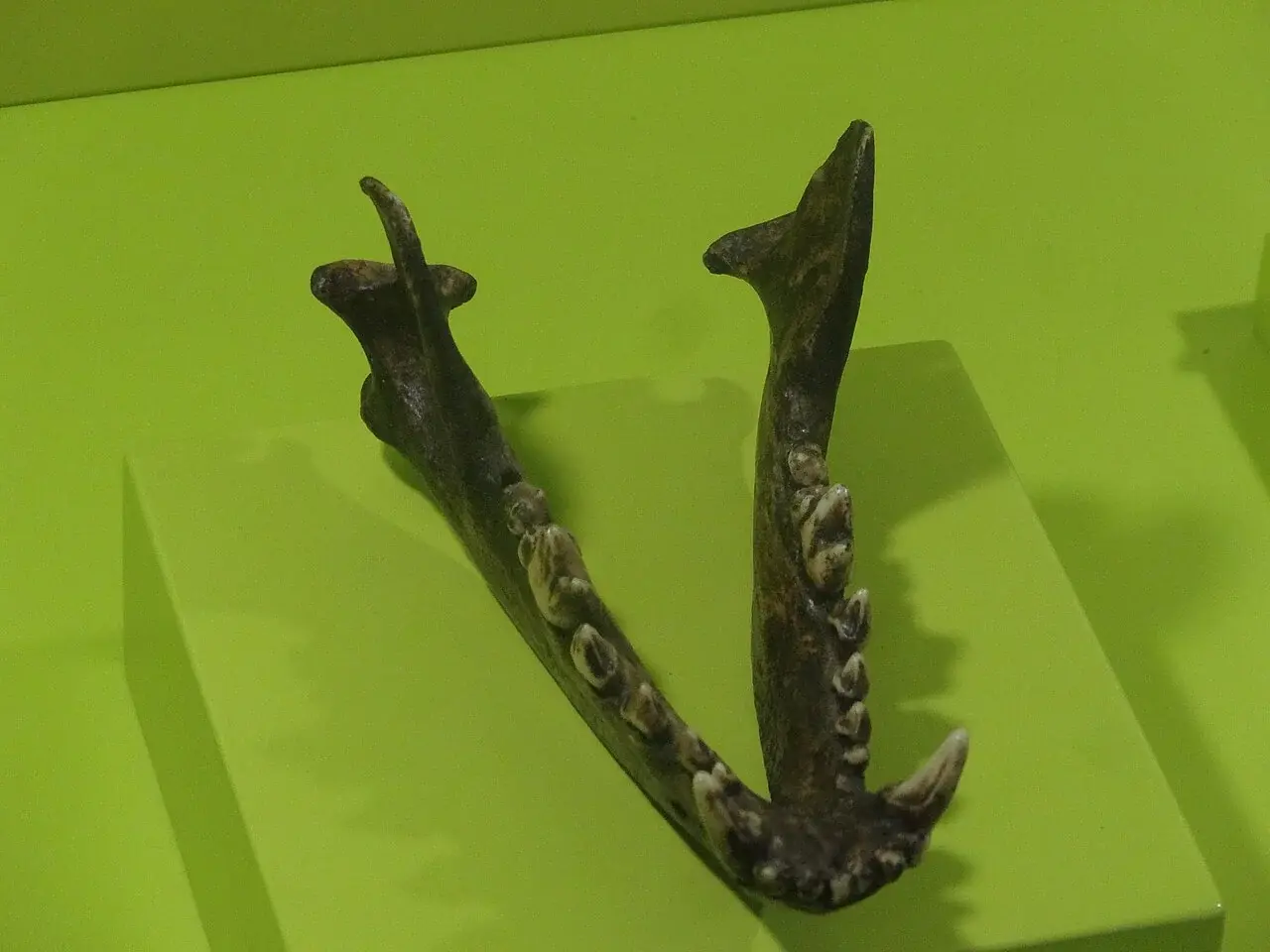
Isotope data and jaw shapes from Mesolithic through Chalcolithic canine remains show how dogs’ feeding patterns shifted alongside changes in human hunting and herding economies.
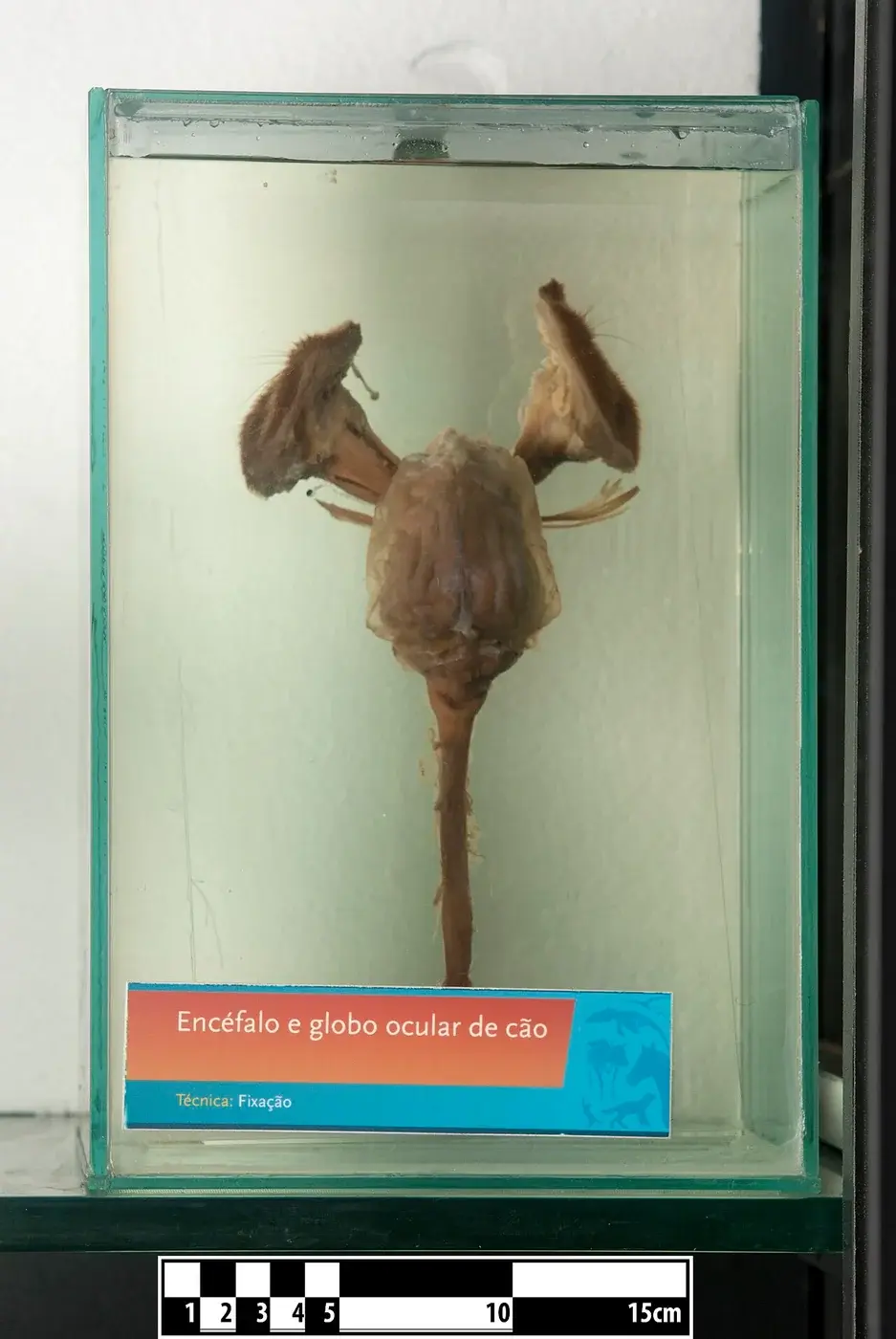
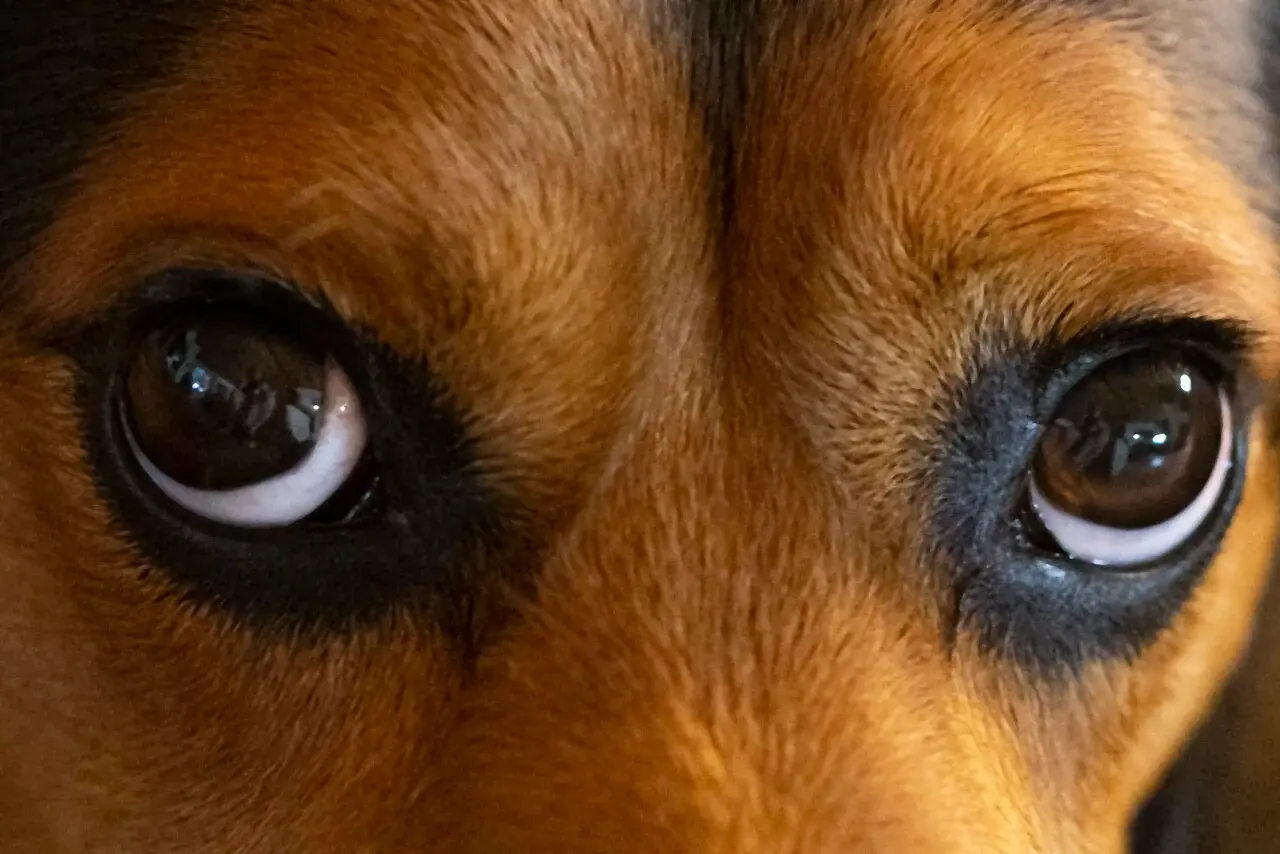
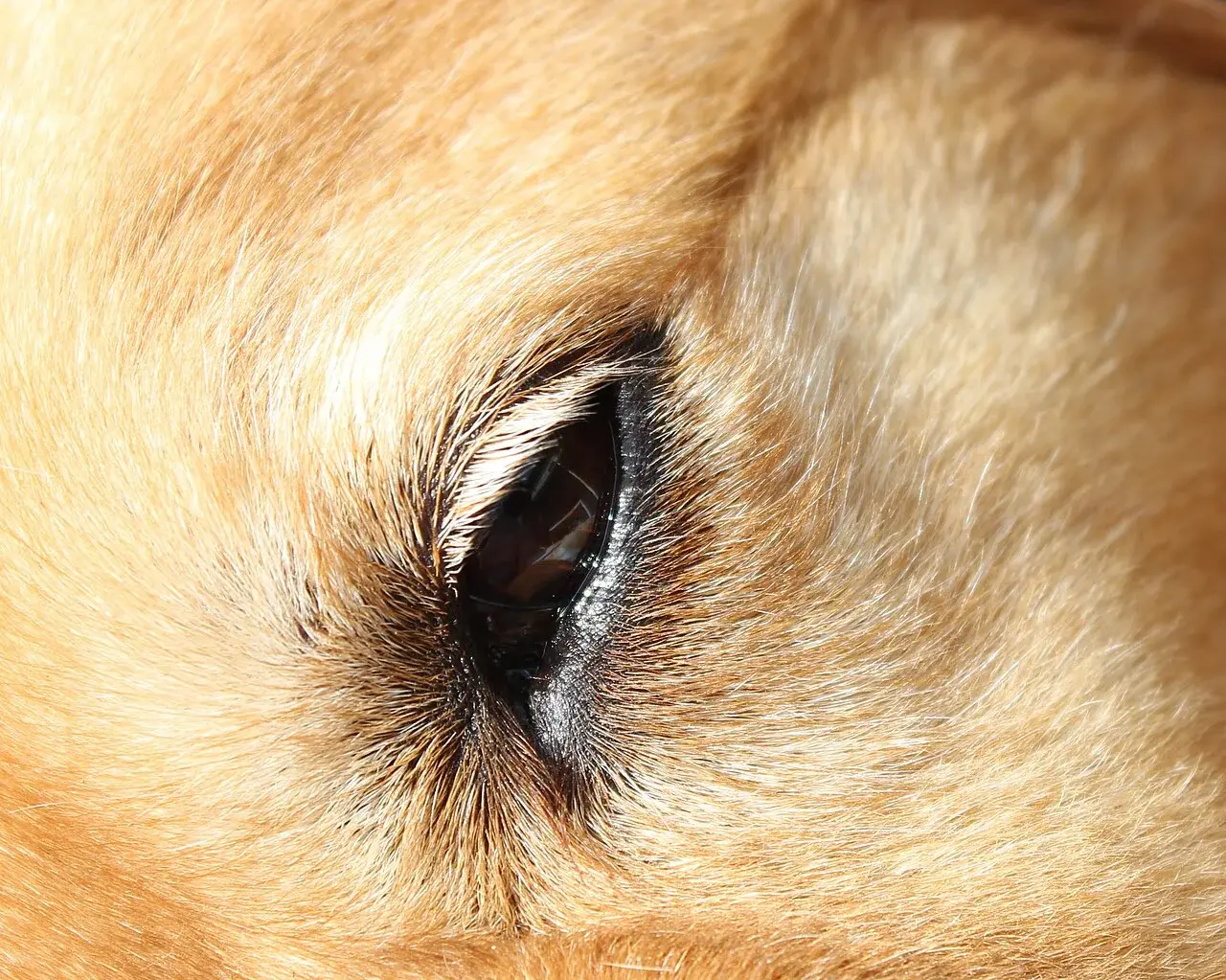
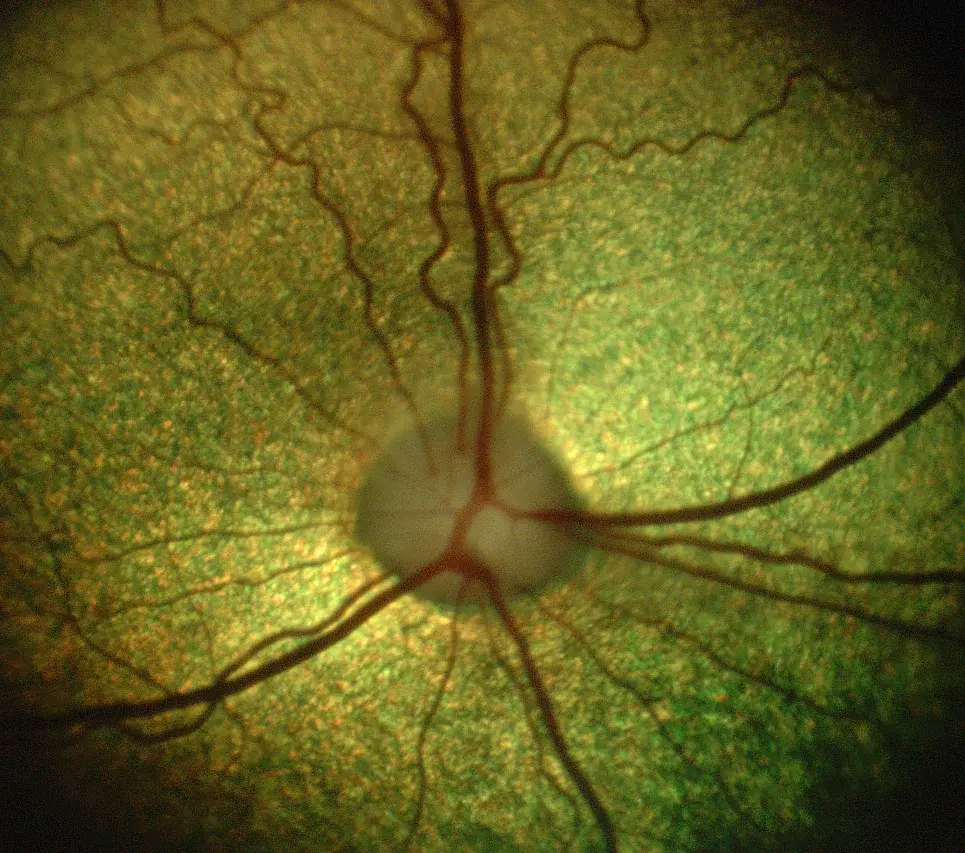
Centuries of human-guided breeding have shaped canine eyes in ways that can affect vision and disease risk, though the details remain an active area of veterinary study.
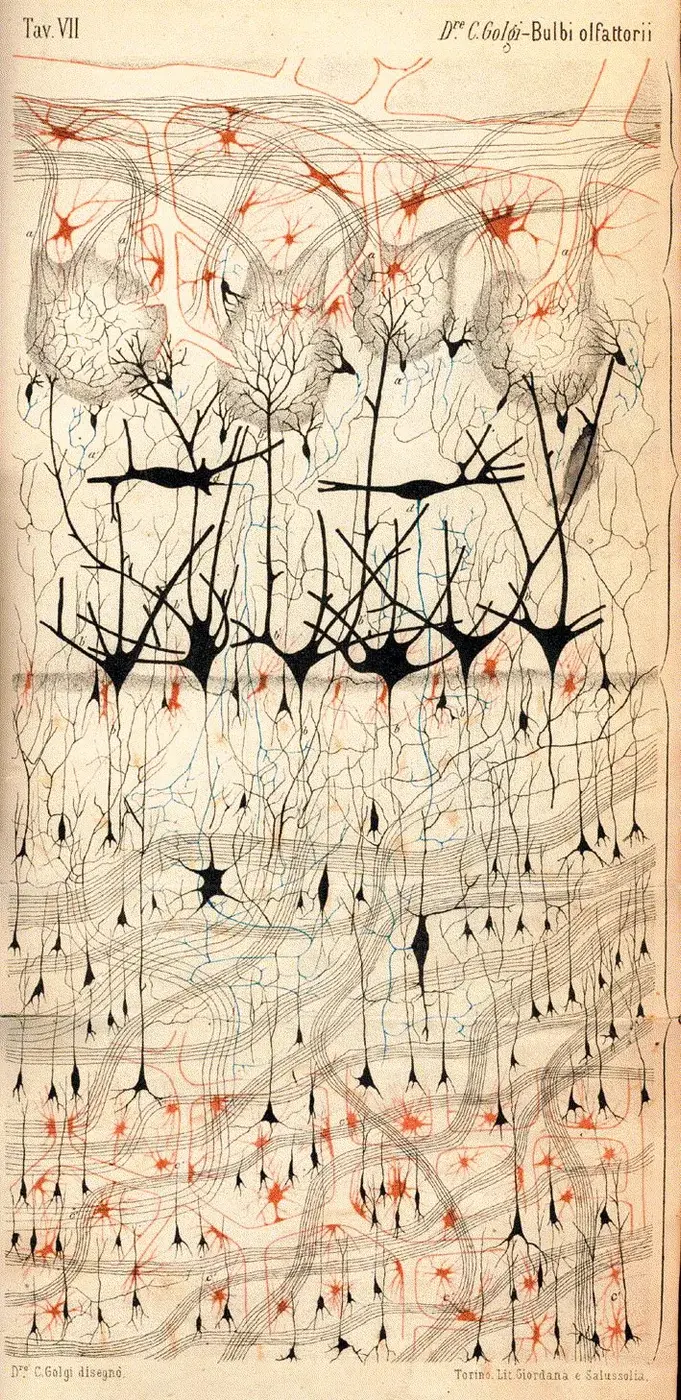
Studies using CT scans and MRI show that breeding for flatter faces in dogs has shifted the position of their olfactory bulbs, with possible effects on scent processing.
New DNA from roughly 15,000-year-old bones shows a widespread population of early dogs already living alongside humans across Europe and Anatolia during the Late Upper Paleolithic.
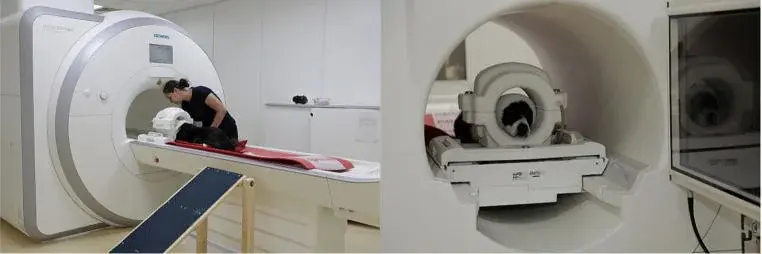
Scanning awake canines offers a window into their neural responses, yet motion, small samples, and uncertain haemodynamic timing require careful reading of every result.
Behavioral studies reveal that dogs display familiar submissive signals more in response to owner cues than to any understanding of past misbehavior, highlighting the gap between human interpretation and measurable canine cognition.
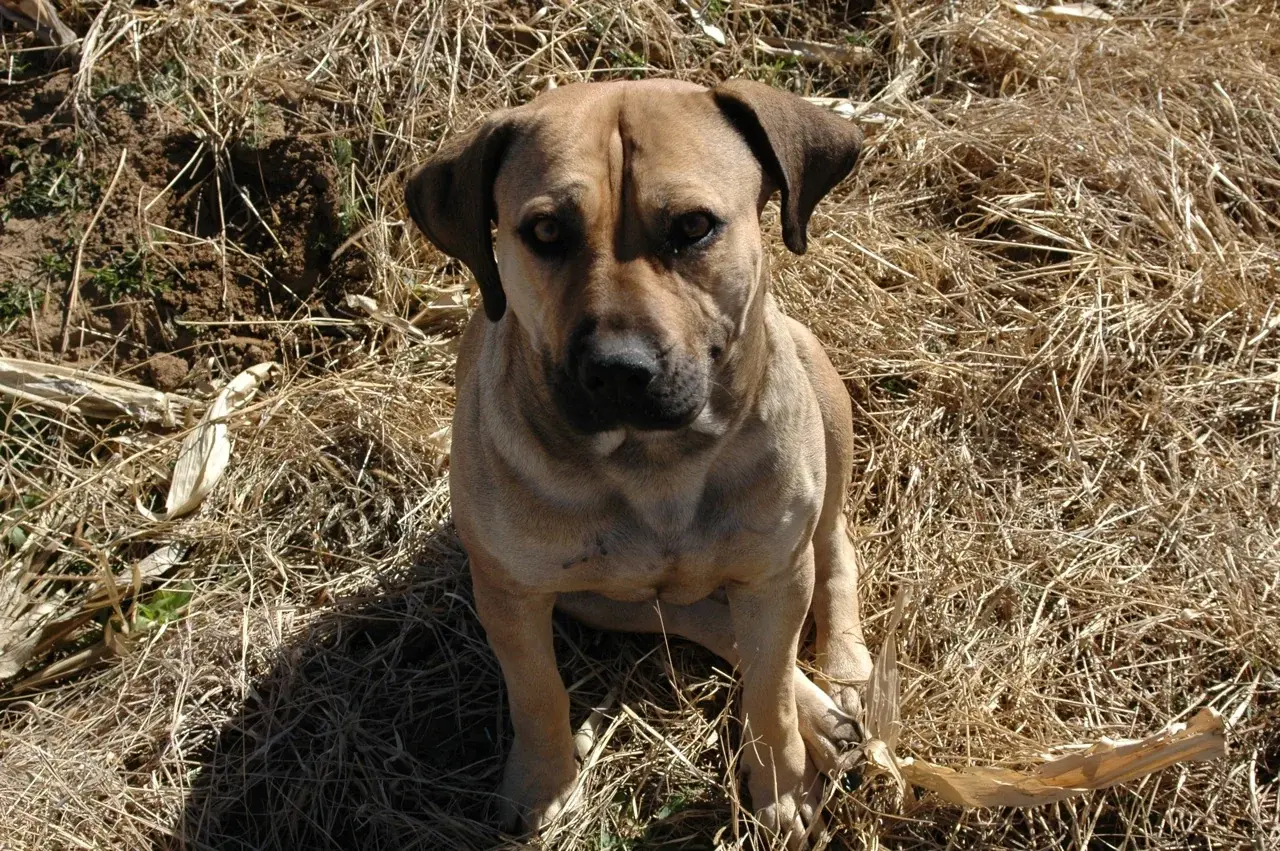
Large mastiff-type dogs have served as protectors on remote South African farms for generations, though many popular stories about their exact origins remain unverified tradition.
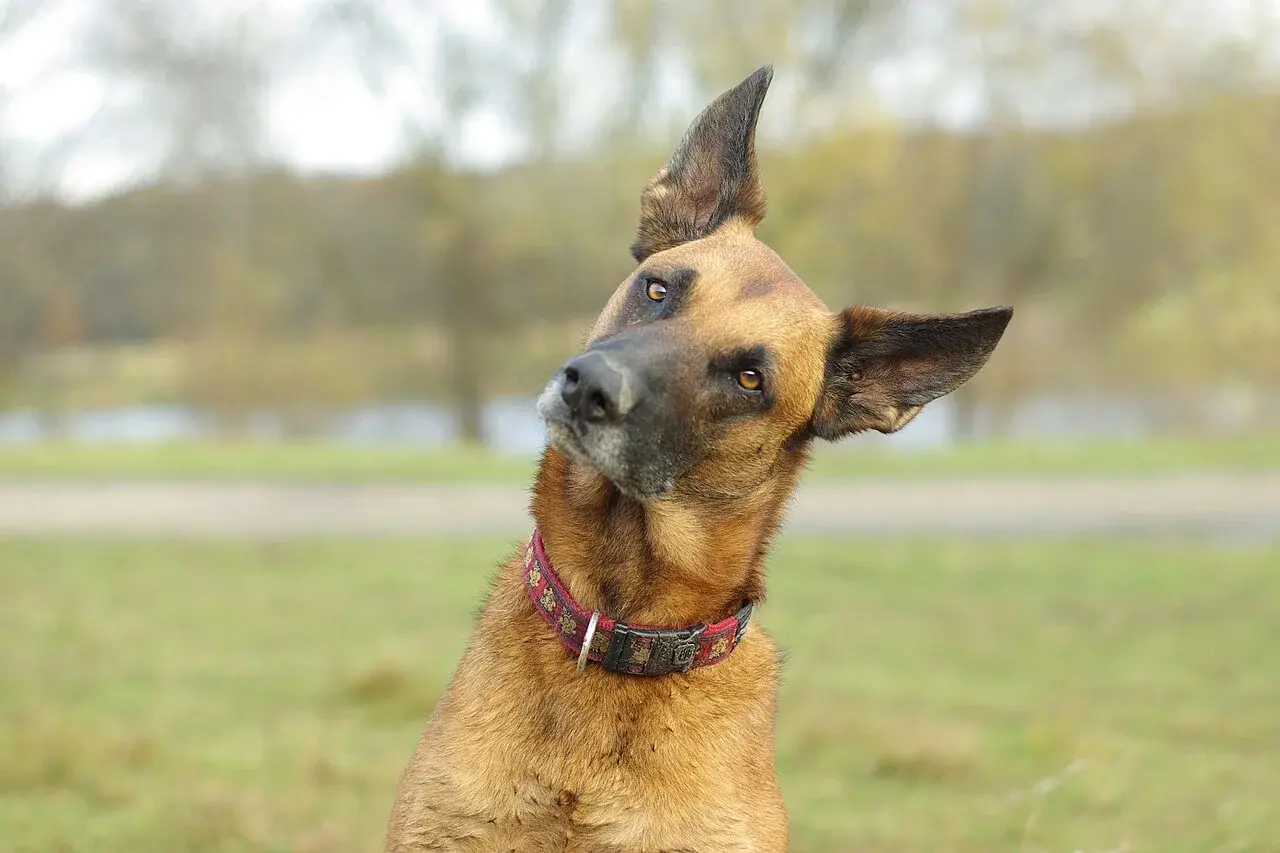
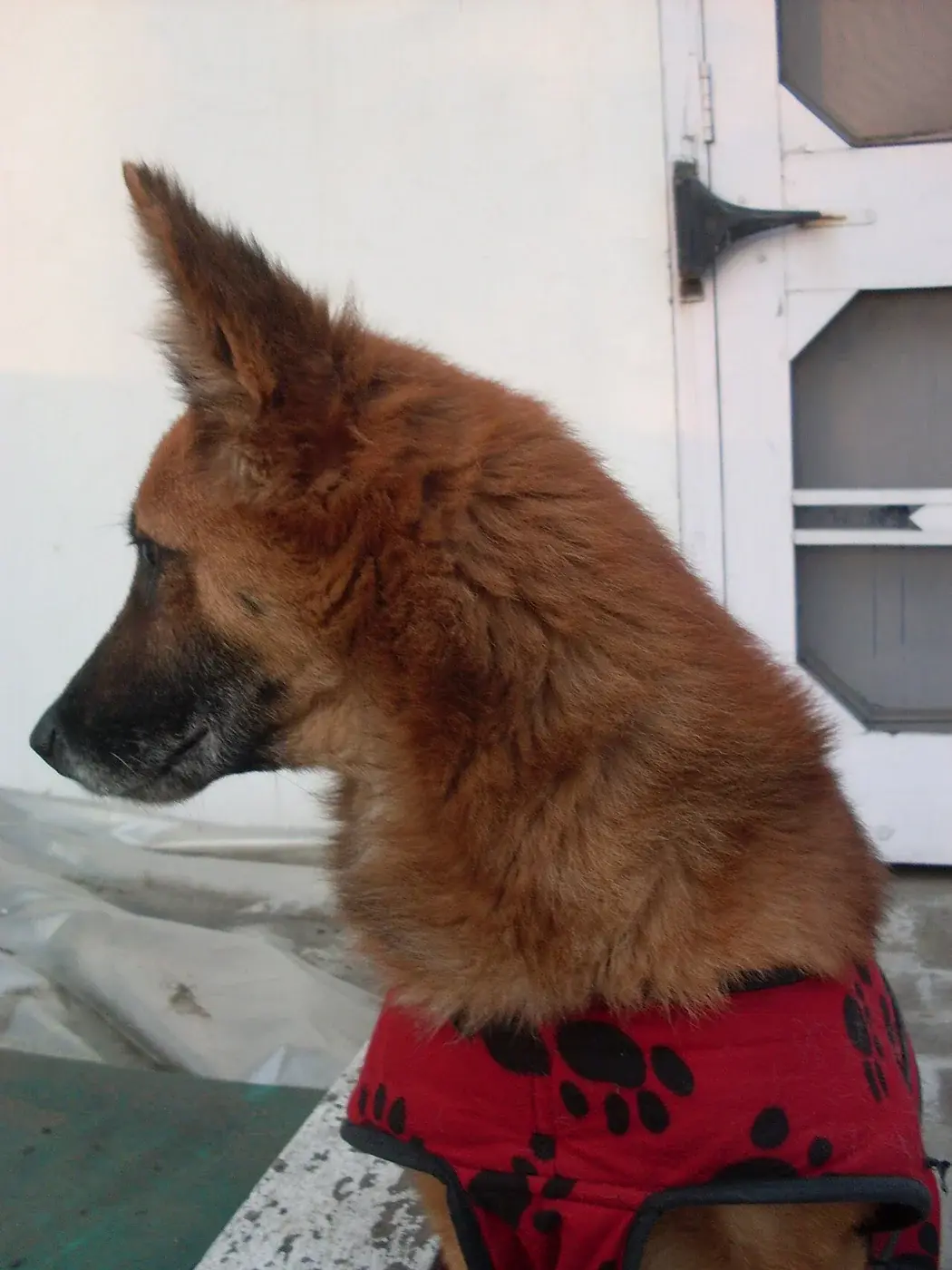
Studies link the familiar head-cock mainly to dogs that are unusually skilled at learning object names, suggesting it helps with processing meaningful spoken words rather than general sound sharpening.
Studies using fMRI and behavioral tasks reveal that dogs can spontaneously distinguish amounts, though their performance often differs from that of wolves and primates.
Recent studies of dog genomes show how closed breeding and popular sires have reduced genetic diversity and increased harmful variants in some lines, with clear examples in German Shepherds and Cavalier King Charles Spaniels.
Breed-level data show substantial genetic influence on certain cognitive factors, yet the picture remains nuanced and distinct from popular ideas of instant obedience.
Studies using minimum audible angle tests show dogs can localize certain noises with surprising precision, though results vary widely between individuals and don’t always outperform humans.
Dogs see the world in fewer hues than people do, but that doesn’t make their vision black and white. A look at the evidence, its limits, and what it means for life with dogs.
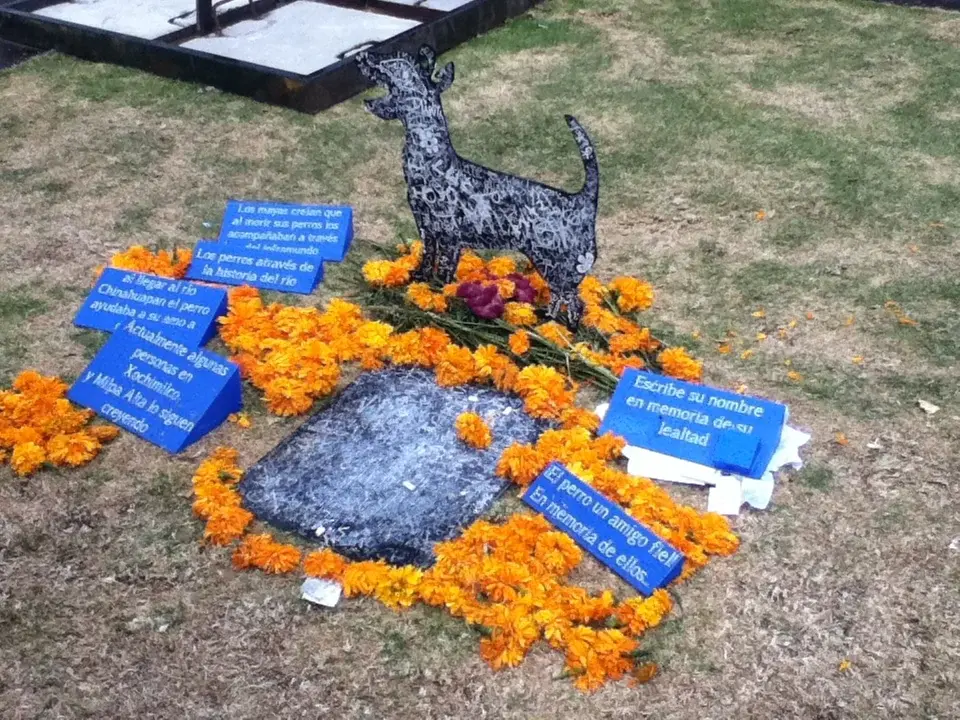
From prehispanic burials to contemporary altars, canines appear in some Mexican remembrances of the dead, reflecting long-held beliefs about guidance to the afterlife.
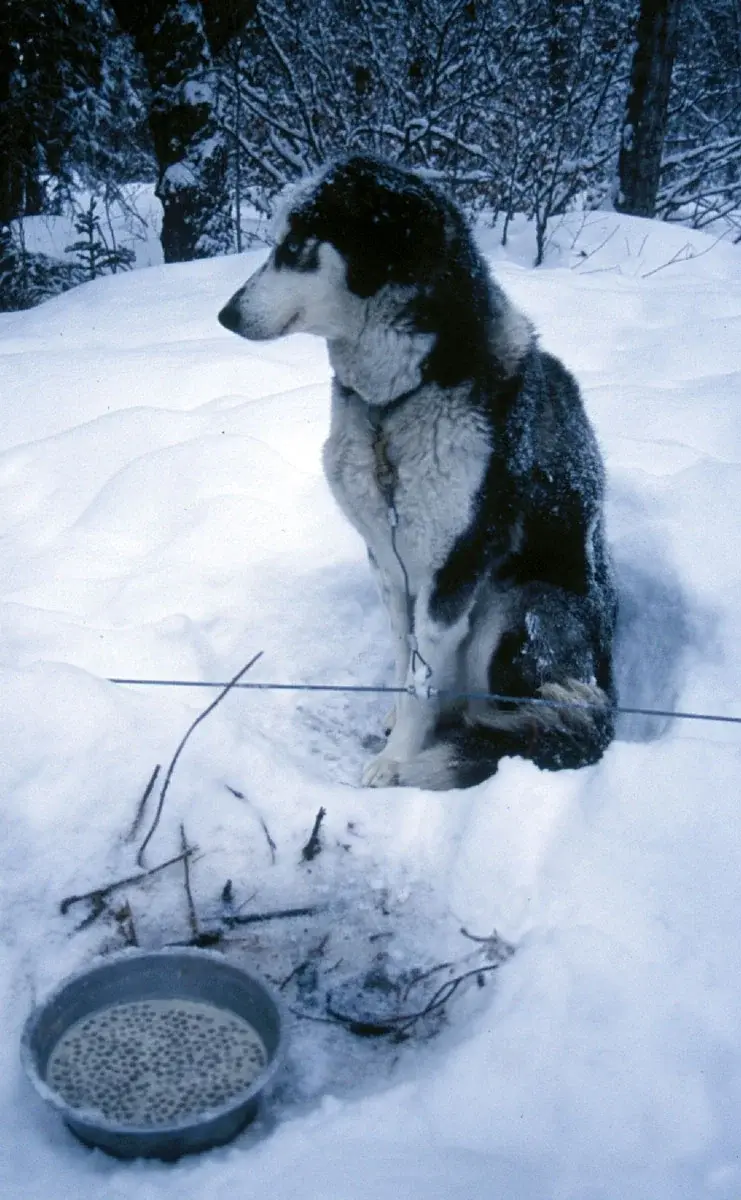
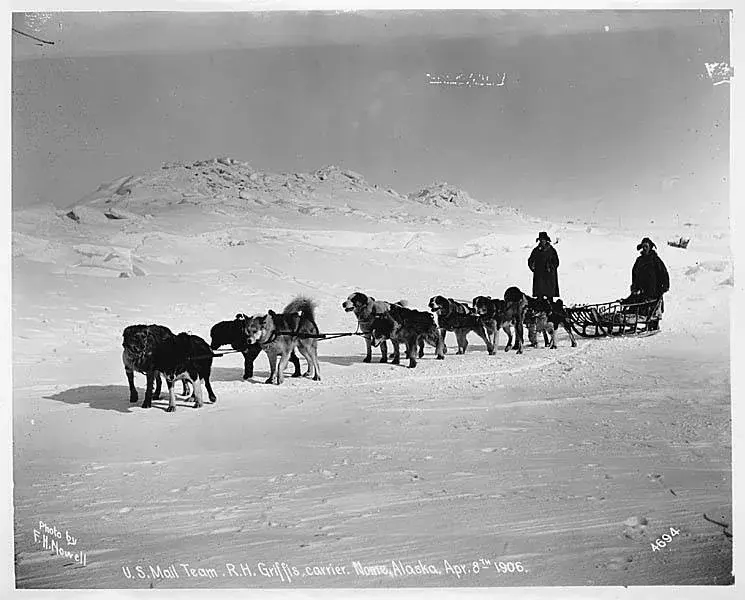
Centuries-old sledding methods once used to carry mail and supplies across Alaska continue to influence working traditions and cultural pride among northern dog teams today.
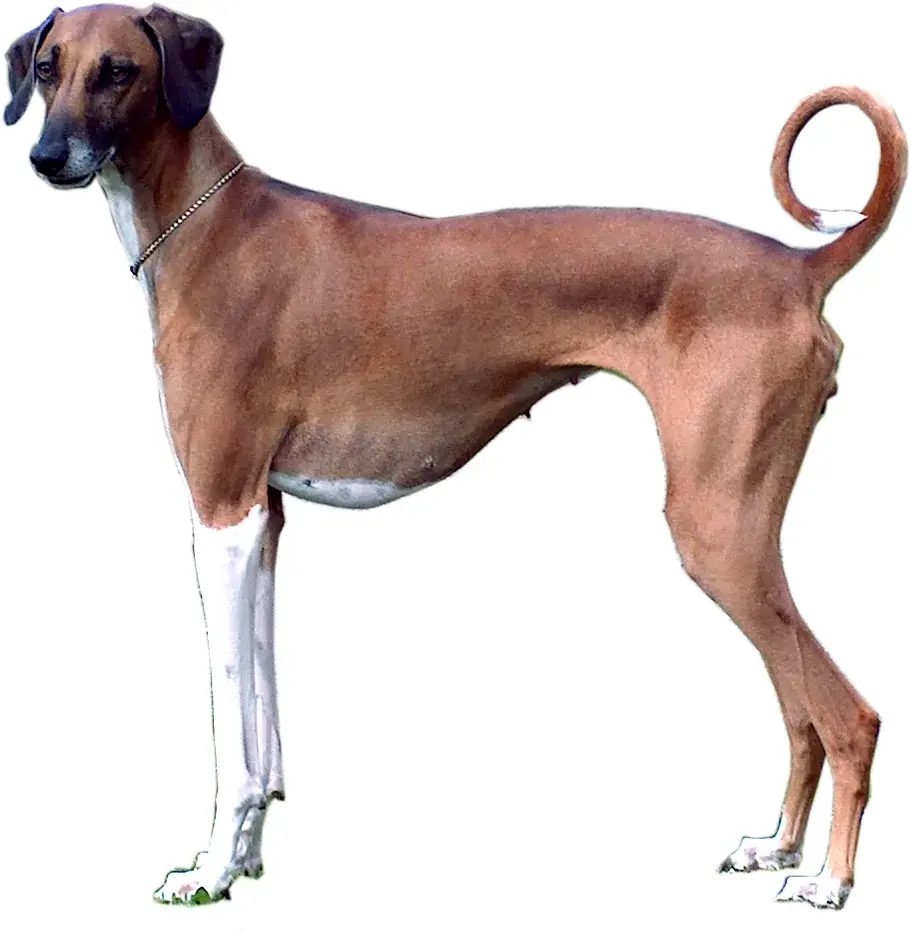
Historical accounts describe how nomadic hunters in the Sahara region combined birds of prey with swift dogs to pursue hare and gazelle, reflecting a shared cultural heritage across North Africa.
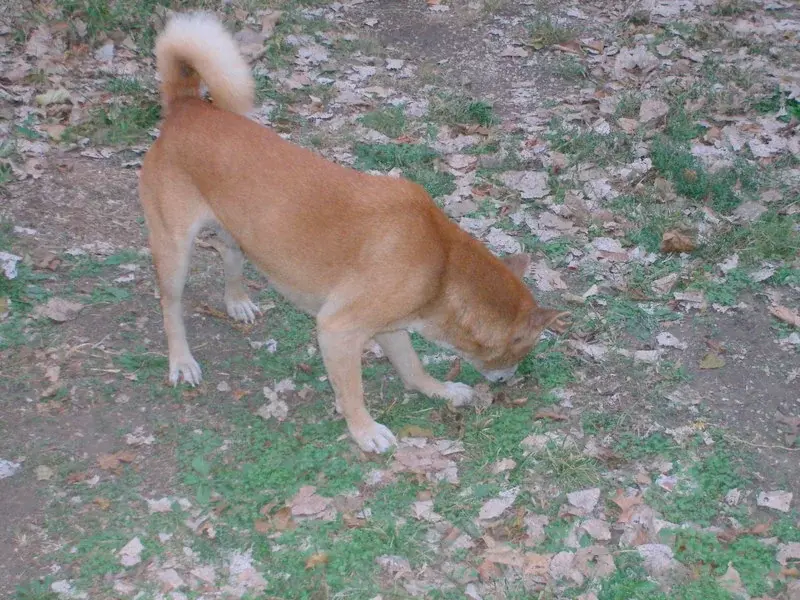
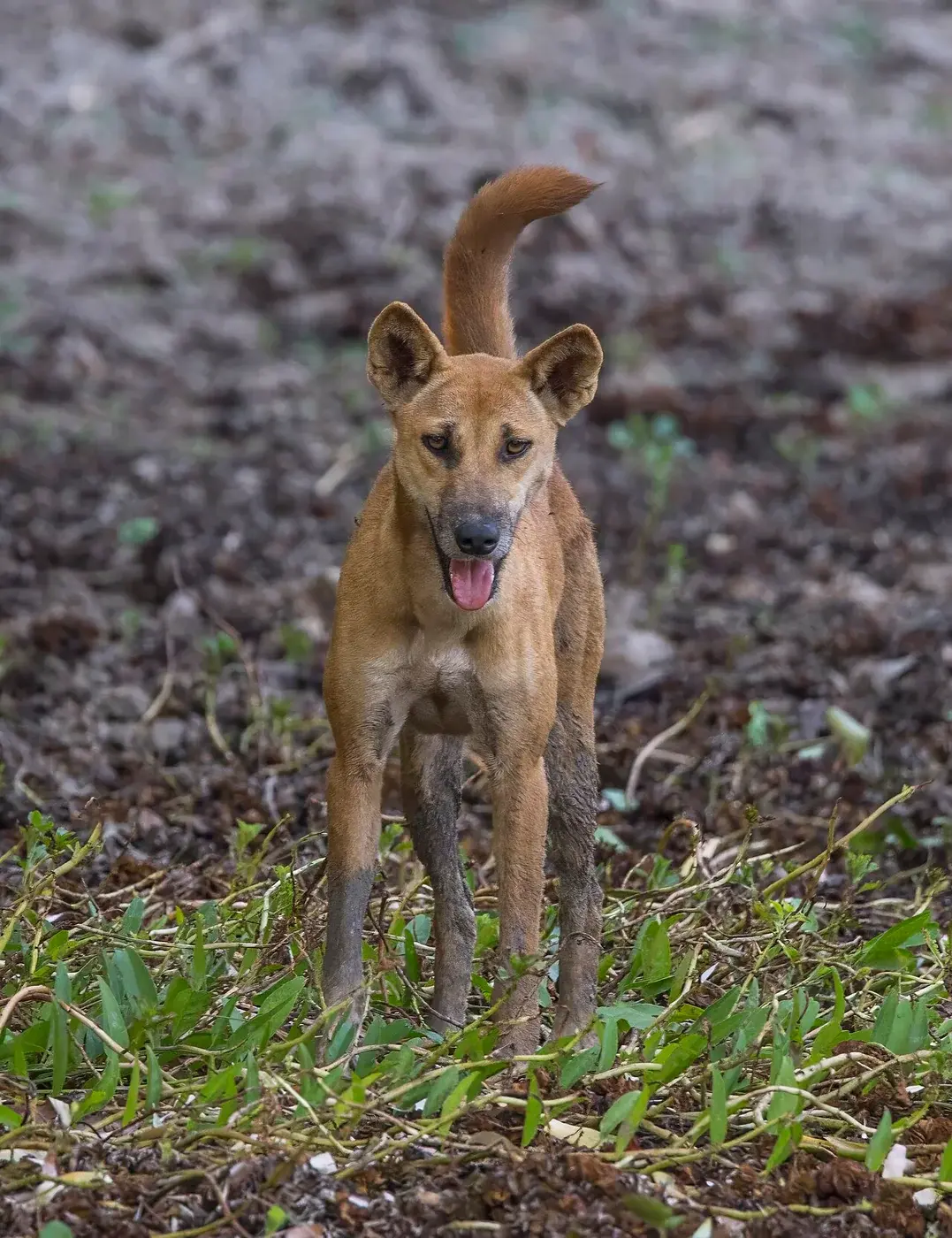
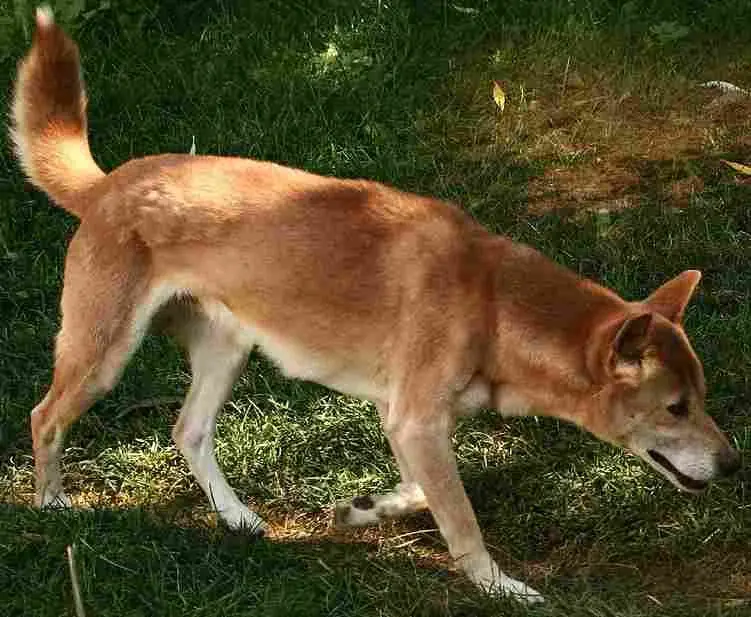
Communities near Puncak Jaya in Indonesia’s highlands share observations of these vocal canids, whose wild ancestors appear tied to the captive New Guinea singing dog population.
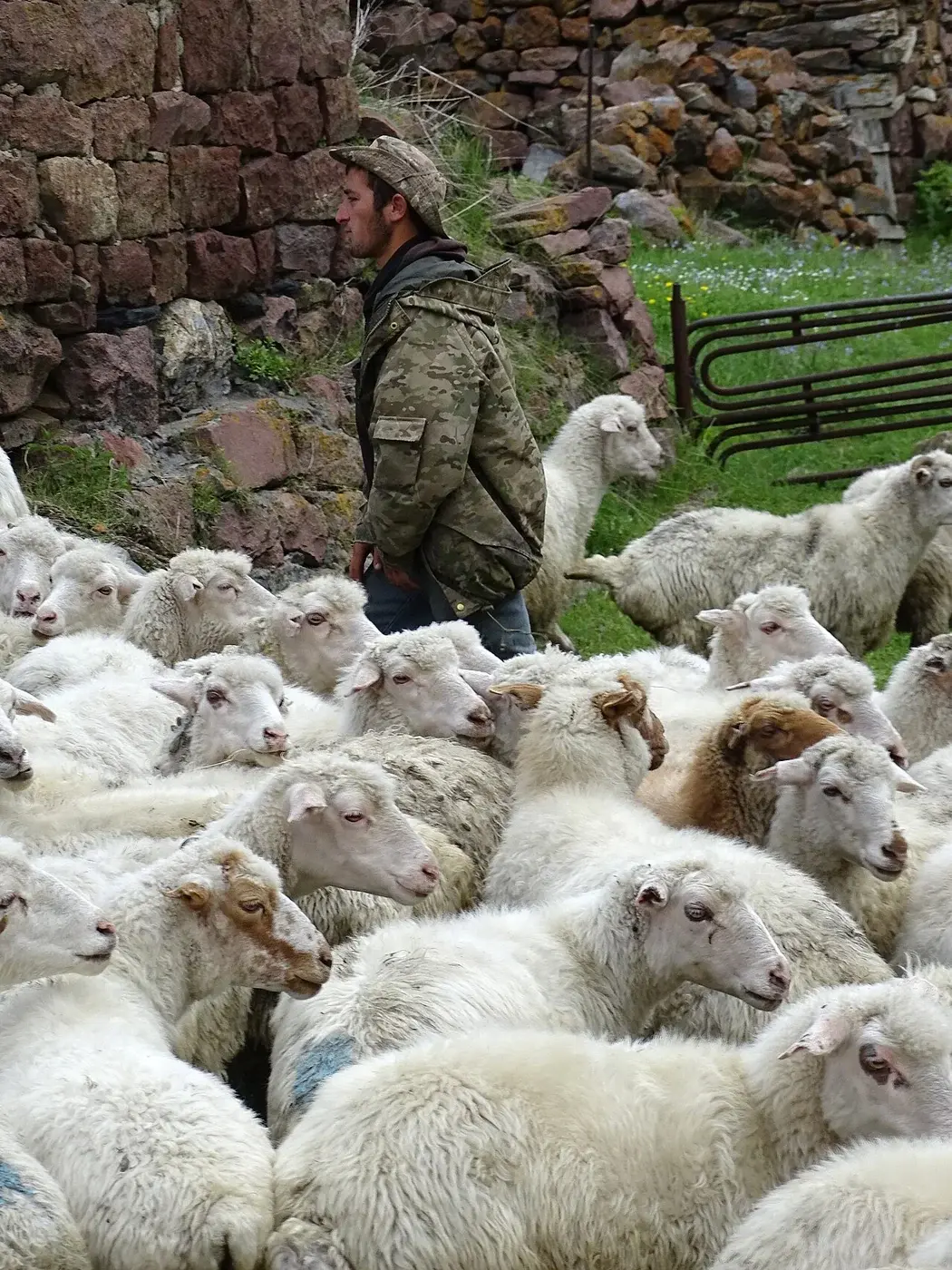
Georgian shepherds and their dogs follow ancient seasonal movements between high mountain meadows and lowland valleys, with the dogs helping protect flocks from threats during the cycle.
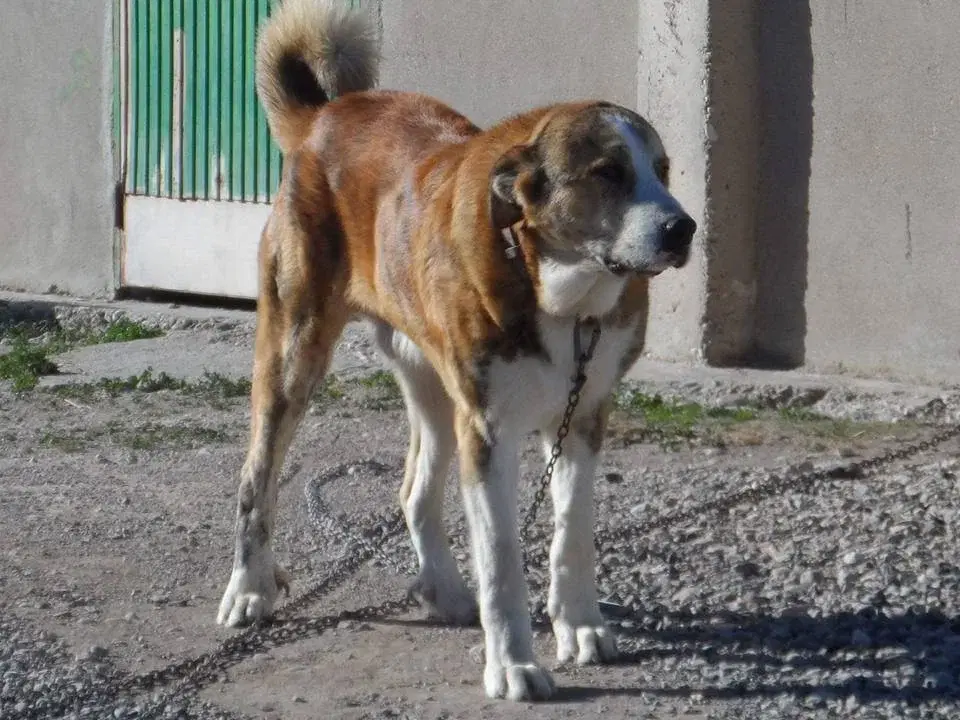
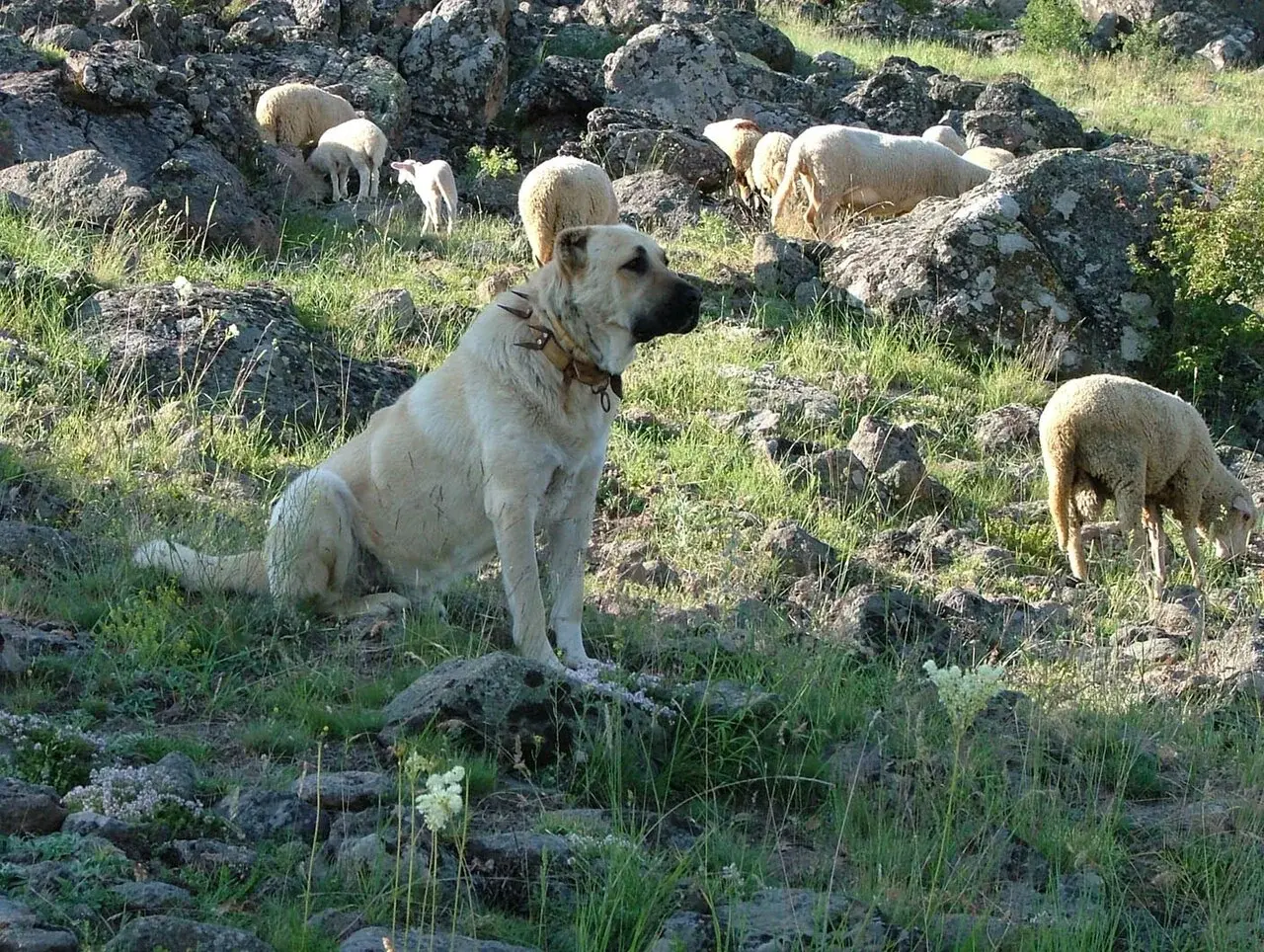
In the rugged pastures of central Anatolia, large guardian dogs help protect flocks during seasonal movements between villages and cooler summer grazing lands.
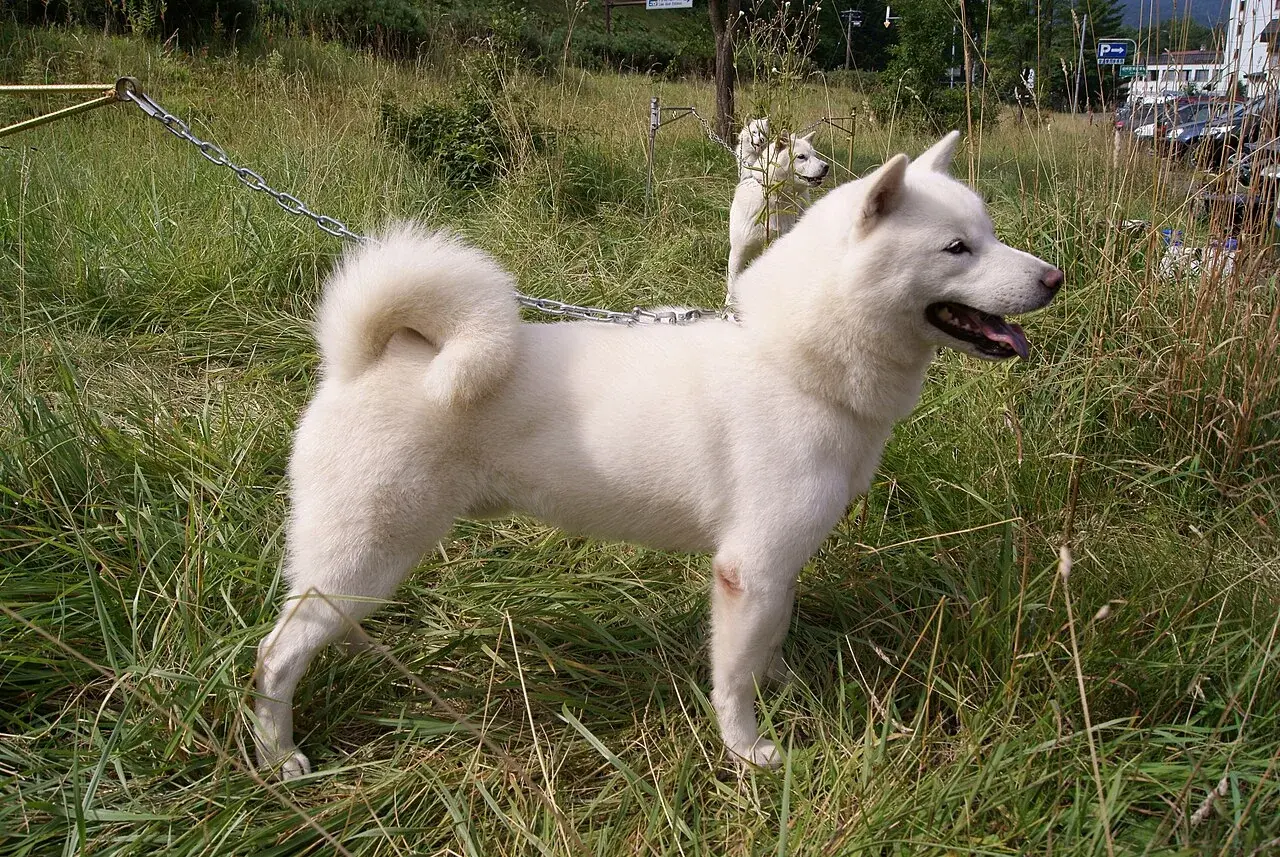
Evidence shows the breed has deep roots in eastern coastal provinces, where it has long served as a regional protector, though claims of specific border patrol heritage remain unsupported.
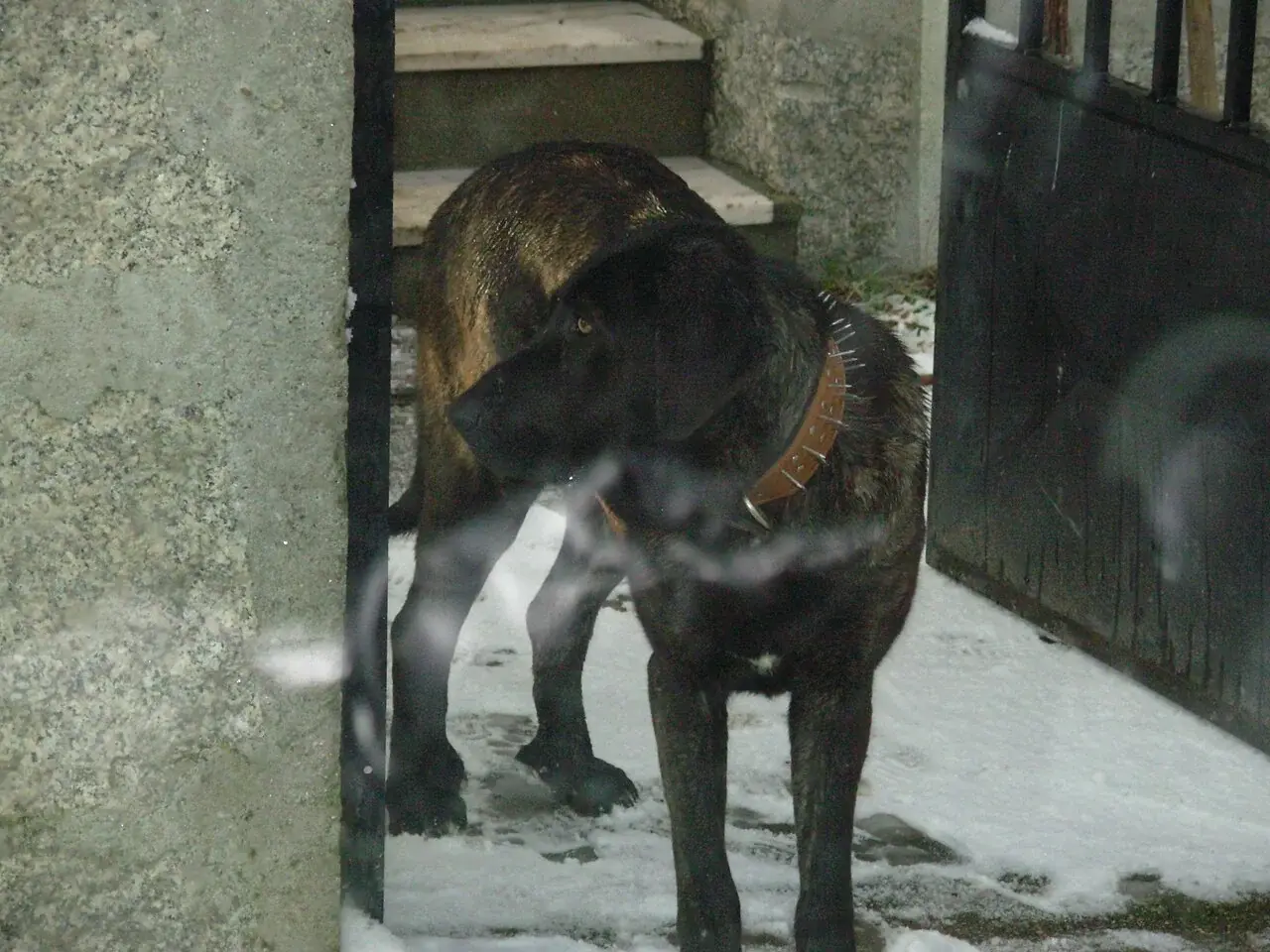
Native guardian breeds from northern Portugal continue to help farmers and conservationists reduce conflicts between people, livestock, and Iberian wolves.
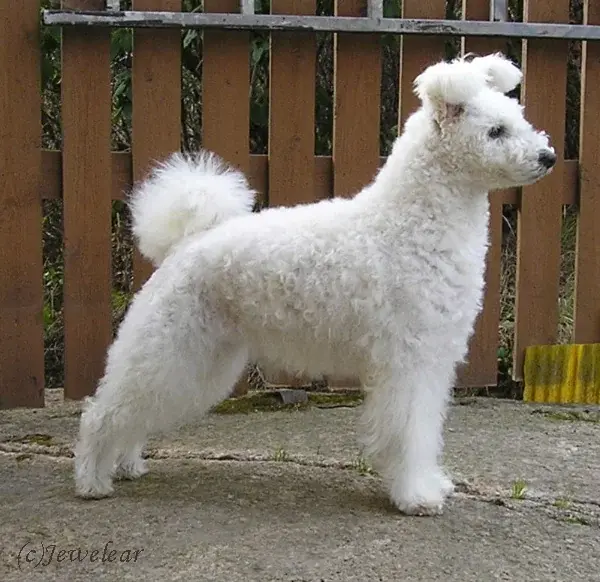
Enthusiastic breeders maintain the working abilities of native Hungarian sheepdogs like the Pumi by organizing instinct tests and style-specific trials rooted in shepherding culture.
Wild and semi-wild dogs connected to ancient Middle Eastern herding traditions continue to appear in the Negev, where conservationists work to maintain their natural traits amid modern pressures.
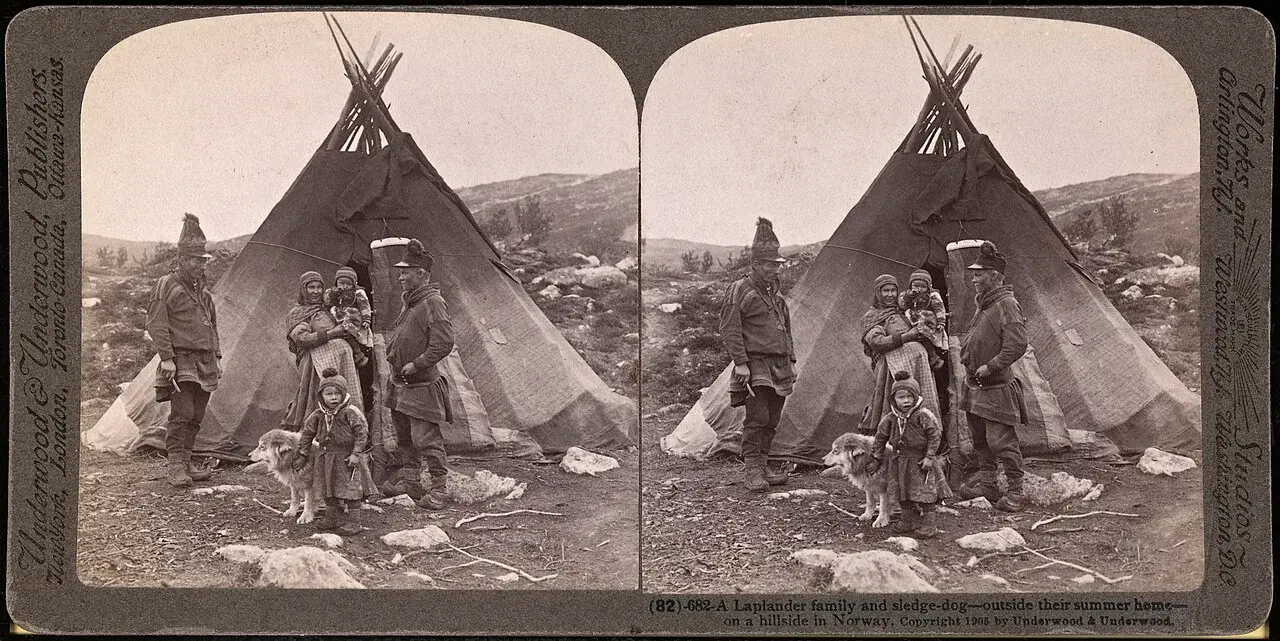
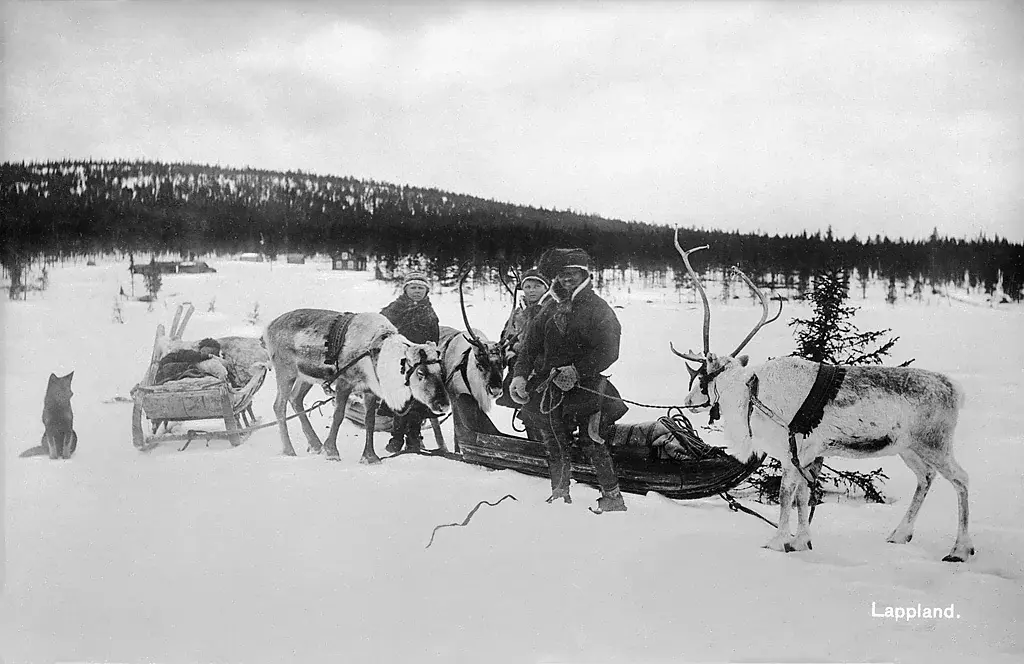
Archaeological and historical evidence shows how small-scale herding practices among the Sámi evolved into larger mobile pastoralism, with dogs later recognized for their contributions to reindeer work.
A 17th-century hunting dog named Shiro is remembered at a rare Japanese shrine dedicated to canine spirit, blending local Matagi tradition with prayers for safety and good fortune.
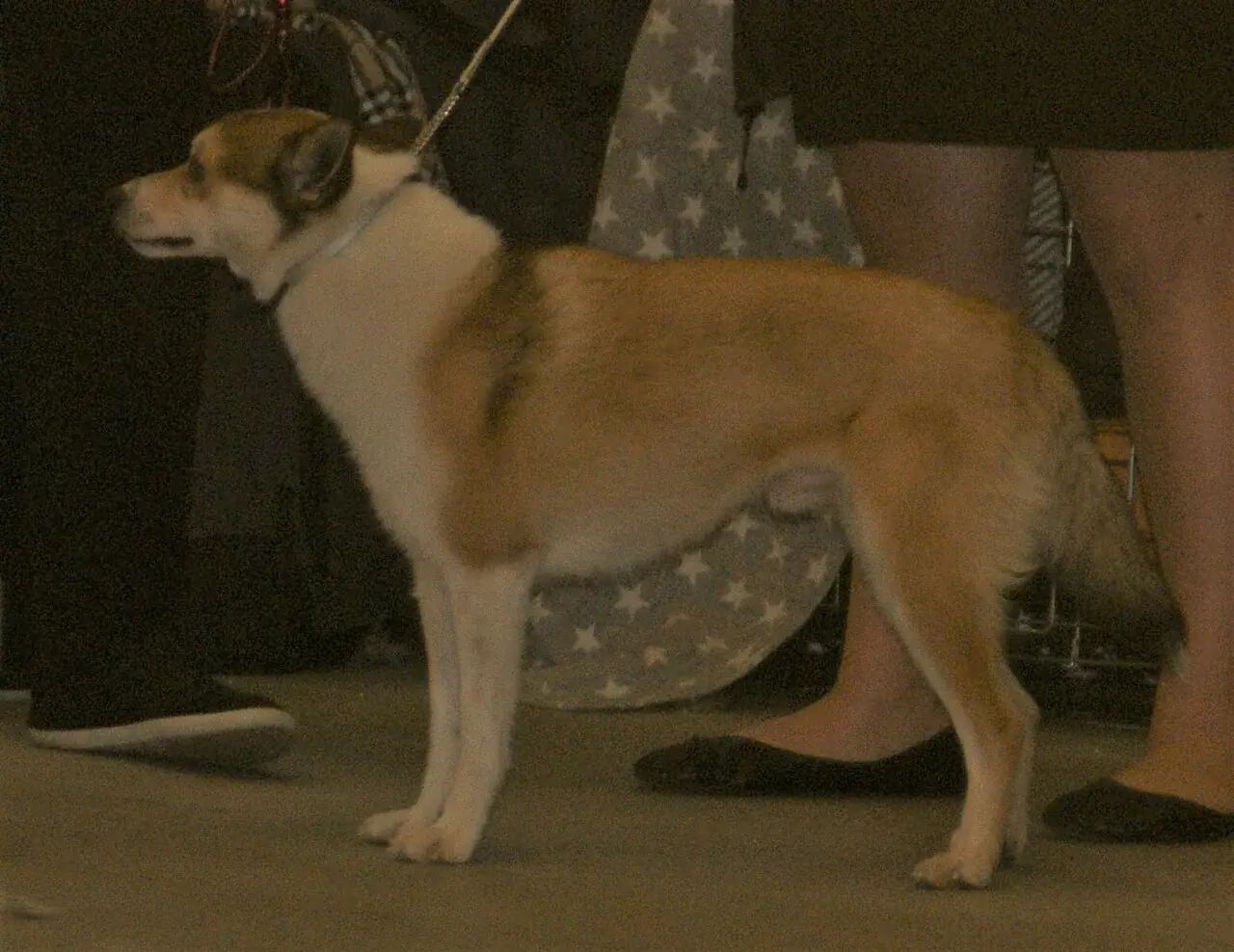
Written records from the late 16th century onward describe small, agile dogs helping coastal families in northern Norway gather seabirds for household use.
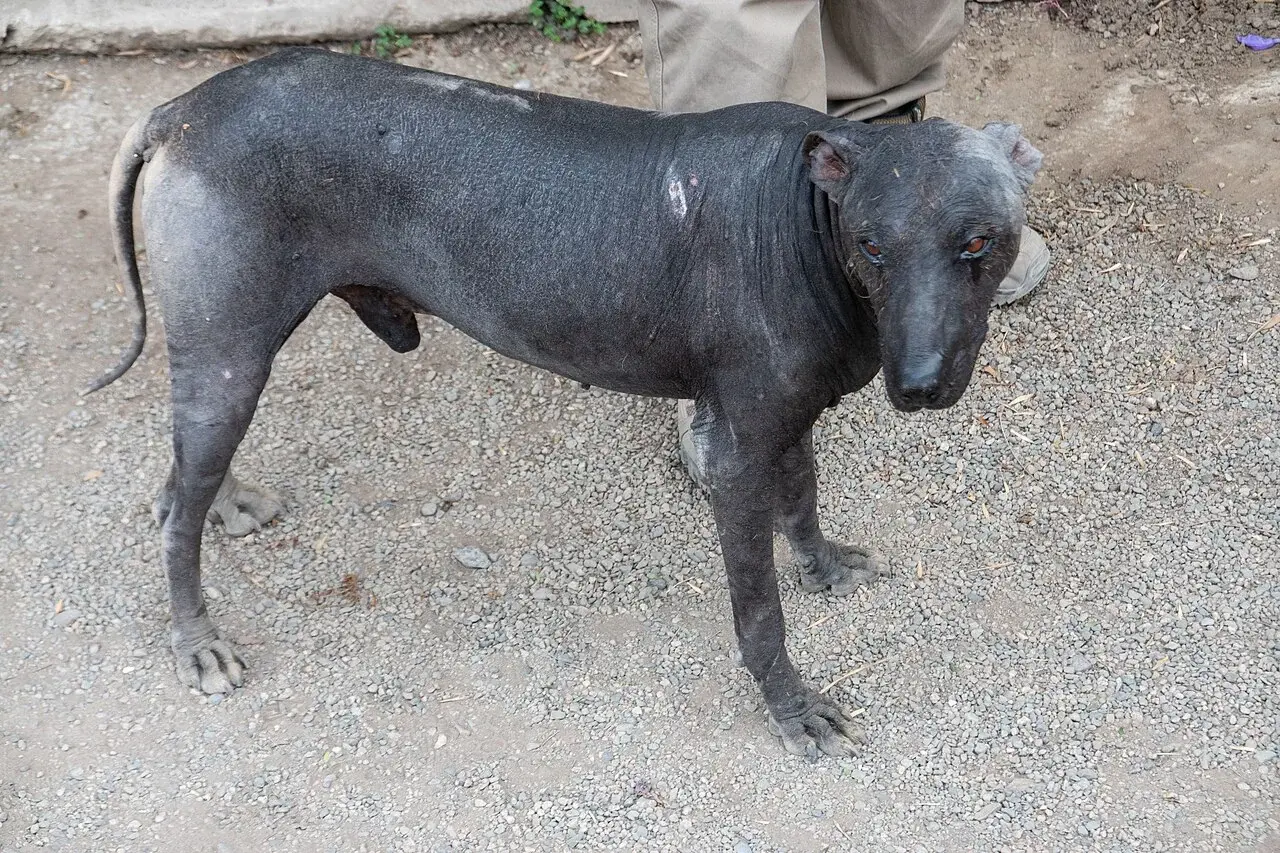
Recognized by international kennel organizations, this unique hairless breed has ties to South American history, though its precise role in pre-colonial textile traditions remains uncertain.
Accounts from the period describe how families in northern Scandinavia relied on working dogs to manage herds, drive animals to pasture, and guard against threats in daily nomadic life.
Temple inventories and Tibetan Buddhist archives offer rich architectural detail but remain silent on the small sentinel dogs later associated with the region.
Studies of methylation patterns in contemporary canids show clear distinctions that may relate to behavior and domestication, though direct evidence from ancient remains is absent.
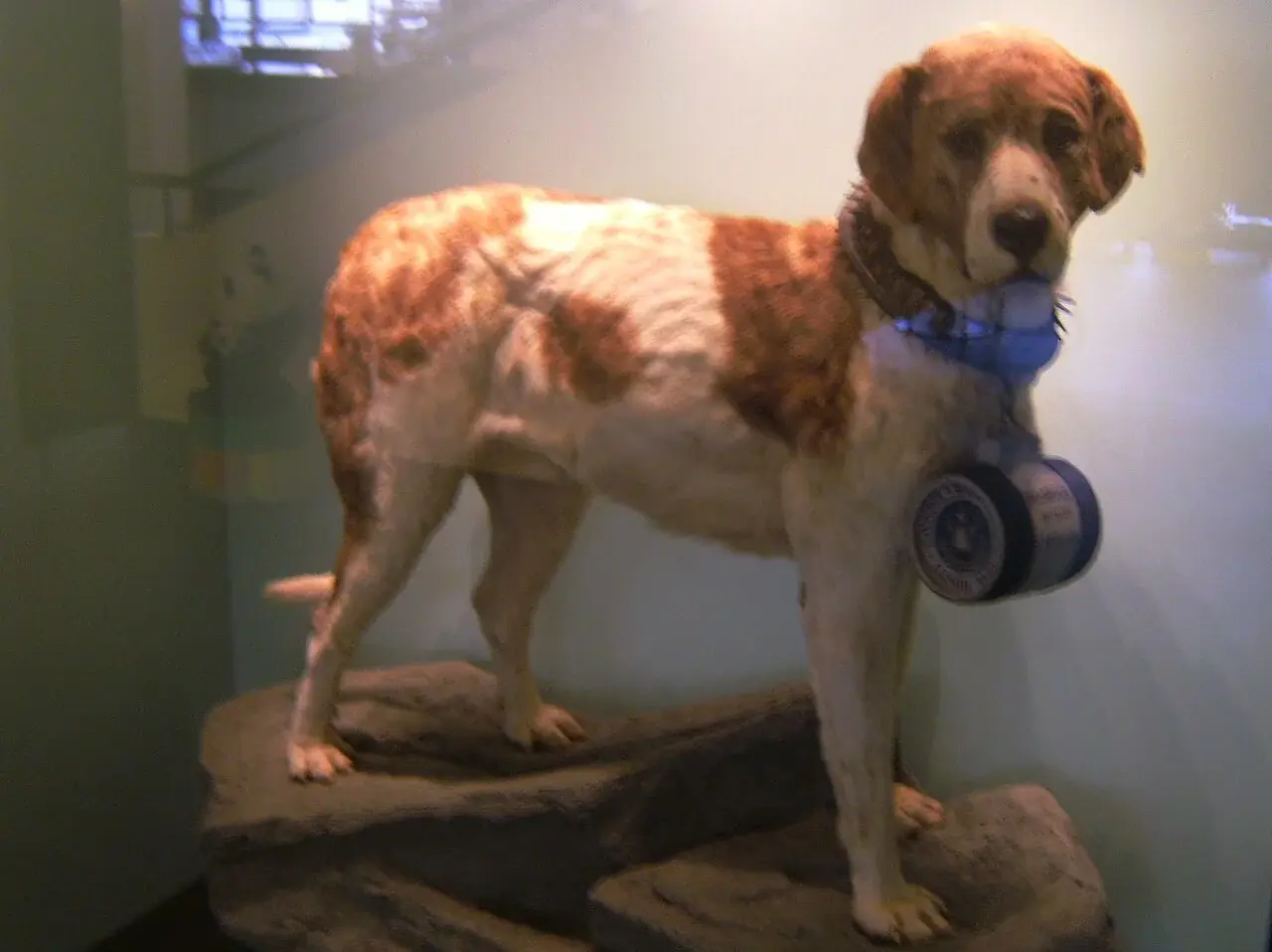
 Historical collection image