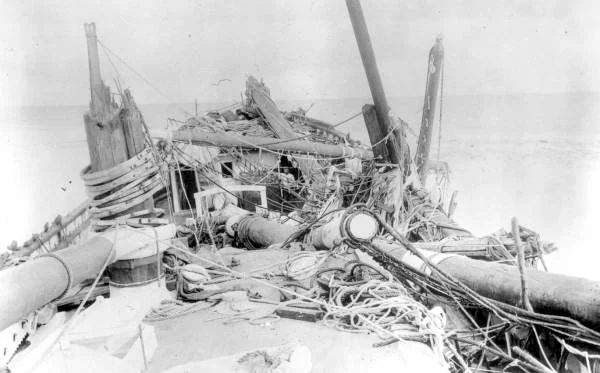
Unidentified foreign bark wrecked off coast after the hurricane of 1899, Dog Island, Florida. Archival photograph from 1899. State Library and Archives of Florida · Public domain · Web size optimized; source linked for the original.
Before modern lifeboats and radio distress calls, sailors facing shipwreck in the North Atlantic sometimes depended on a four-legged helper. Certain large, web-footed dogs were praised in 19th-century accounts for plunging into crashing waves to carry a rope from a stranded ship to shore. Two documented cases from 1816 show how these animals contributed to rescue efforts amid powerful surf and freezing water. The stories highlight both the dogs’ strength and the limits of such aid when storms overwhelmed even the hardiest efforts. While later writers sometimes generalized these incidents into tales of heroic “Newfoundland dogs” saving whole crews, the surviving records focus on specific wrecks where human hands also played a decisive role.
The Physical Traits That Made the Dogs Useful at Sea
Nineteenth-century observers noted that these dogs had webbed feet resembling those of a duck, which helped them swim powerfully even in rough conditions. Their thick coats and muscular builds allowed them to withstand cold water for short periods. Contemporary accounts describe the animals as ready to enter the sea when a human was in danger of drowning, a trait valued by people living along stormy coasts.
These characteristics proved relevant during shipwrecks when a line needed to be carried from a broken vessel to the beach. The dogs could battle surf that would quickly exhaust a person. Yet the same records show that even these strong swimmers sometimes became exhausted or were pulled back by currents, requiring sailors or bystanders to assist them. The evidence therefore portrays the dogs as capable helpers rather than infallible heroes.
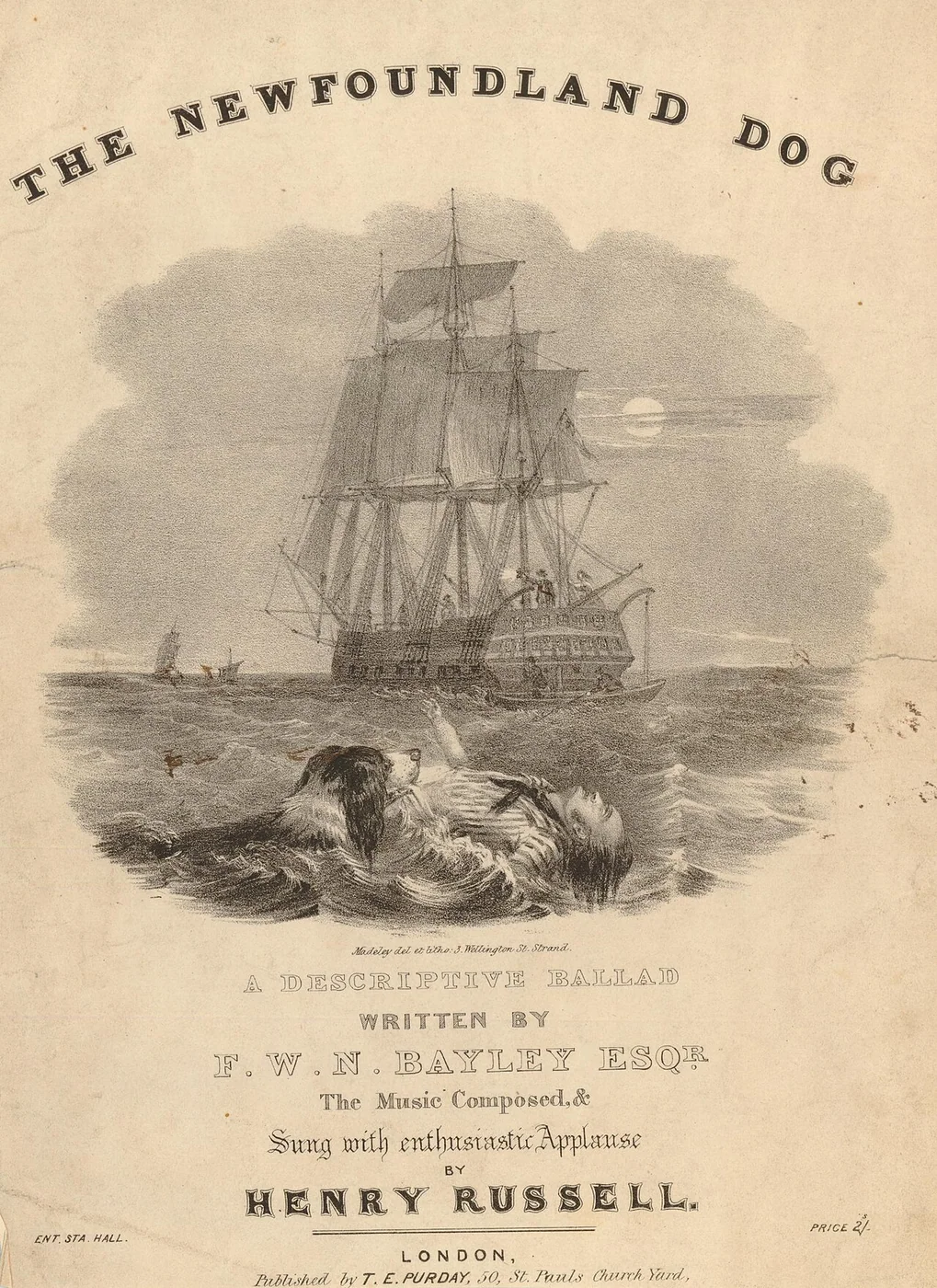
Music-cover sheet for 'The Newfoundland Dog' by Henry Russell; a Newfoundland dog swimming to right in foreground, rescuing a drowning man; rowing boat and ship with figures on board in middle ground; two ships in background at left. Lithograph, between 1832 and 1853. Print made by: G E Madeley (also draughtsman) Published by: T E Purday · Public domain. Web size optimized; original linked.
The 1816 Wreck of the Durham Packet off Norfolk
On a stormy day in 1816 the Durham packet from Sunderland ran aground near Clay in Norfolk. A large dog on board was used to carry a lead-line through heavy seas. The animal struggled against the powerful surf and the steep beach, still gripping the line in its mouth as it tired.
Two local men, Mr. Parker, a ship-builder from Wells, and Mr. Jackson junior of Clay, waded in and caught the exhausted dog. Their prompt action allowed a secure communication to be established with the wreck. All nine people aboard, including two children, reached shore safely. The incident appears in a 19th-century compilation citing contemporary witnesses, confirming that the dog’s effort, combined with human intervention, contributed to the successful rescue.
The Harpooner Disaster at Cape Pine, Newfoundland
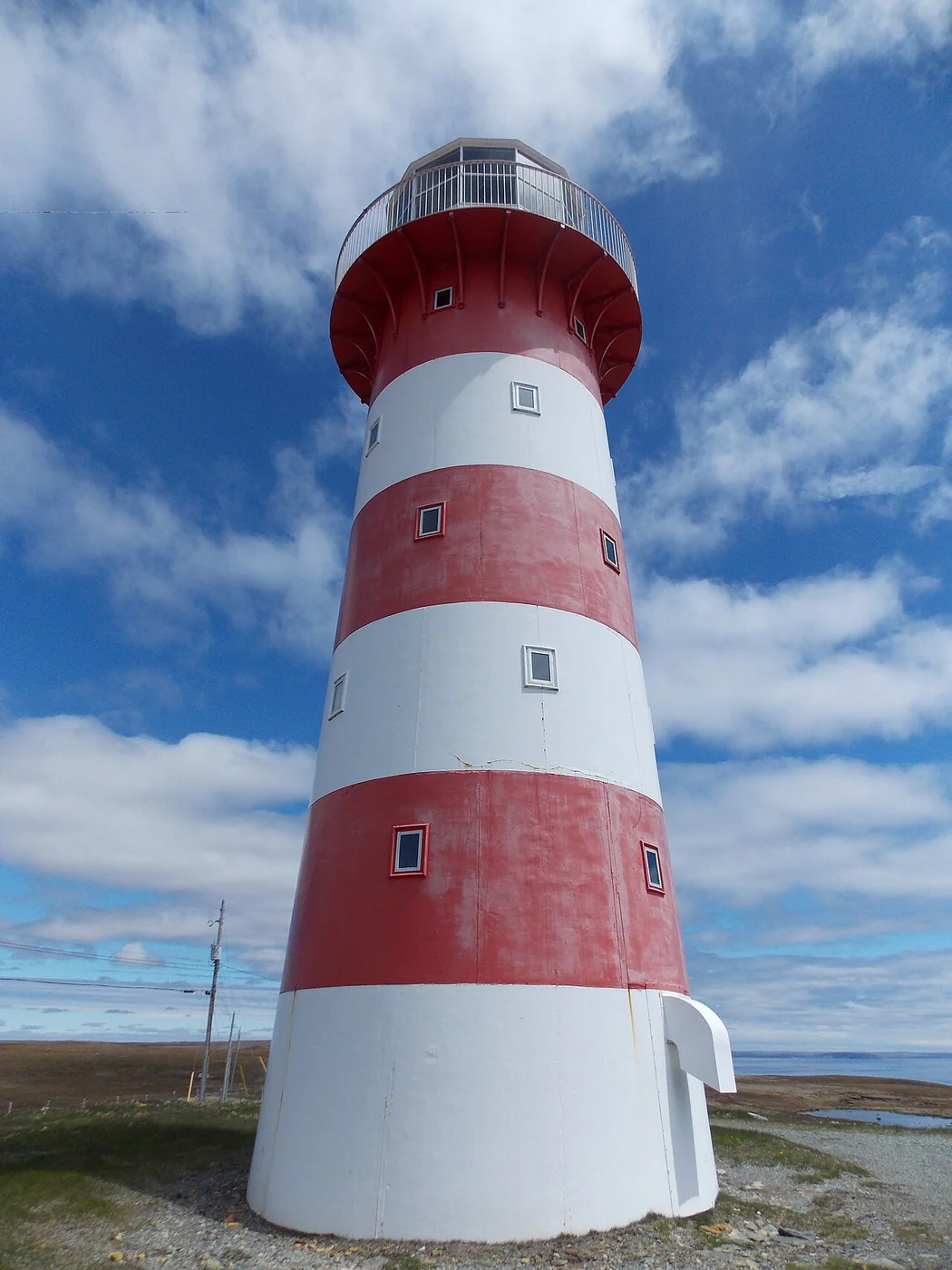
Later that same year, on 10 November 1816, the transport ship Harpooner was wrecked in a gale near Cape Pine, Newfoundland. Contemporary newspaper reports record that a rope was fastened around a dog aboard. The animal was thrown overboard with the line and swam toward shore, fighting surf that repeatedly dragged it back.
Sailors eventually lowered themselves to help the dog reach land just as it was sinking from exhaustion. The lifeline enabled some survivors, including the master and crew as well as roughly 160 passengers, to be brought ashore. However, many others perished as the ship broke up. Not every account of the wreck mentions the dog, and sources note that human efforts were also critical. The event remains one of the few documented 19th-century North Atlantic cases in which a dog assisted with a rescue line.
Cape Pine Lighthouse Nlartist · CC BY-SA 3.0. Web size optimized; original linked.
Editorial Analysis: Courage, Limits, and the Human Role
Reading these two 1816 wrecks side by side reveals a consistent pattern: the dogs provided a practical means of getting a line through surf that men could not easily cross. Their instinctive swimming ability and willingness to enter cold water gave crews a fighting chance. At the same time, the records show the animals reaching the edge of their endurance, underscoring that successful rescues depended on quick human action once the dog had done its part.
This balanced picture carries a gentle reminder for modern readers who enjoy romanticized dog-hero stories. The dogs were remarkable, yet they were not super-canine saviors operating alone. The evidence invites us to appreciate the partnership between people and working animals rather than inflating the animals into mythical figures. Light humor surfaces in imagining a soggy dog clutching a captain’s pocket-book while staggering up a beach, but the actual historical outcomes were often grim, with many lives still lost despite the best efforts of dogs and crews alike.
Questions for Further Reading and Modern Implications
What does it mean that the same dog breed or type appears in both a North Sea rescue and a Newfoundland wreck within the same year? The evidence does not supply a full breeding history or training program, so readers are left to wonder how widely these water-strong dogs were carried on sailing ships. Another useful question is how often such canine assistance was attempted but went unrecorded because the effort failed.
Today the stories carry implications for animal welfare and disaster preparedness. They highlight the stress placed on working dogs in extreme conditions and remind us that relying on any single living rescuer has clear limits. Contemporary coastguards use technology and trained teams rather than hoping a dog can beat the surf. Yet the historical accounts still evoke respect for the animals that entered freezing waves when no other option existed. Readers might ask themselves: if we value these dogs’ courage in the past, how should we treat their descendants who serve in search-and-rescue roles now?
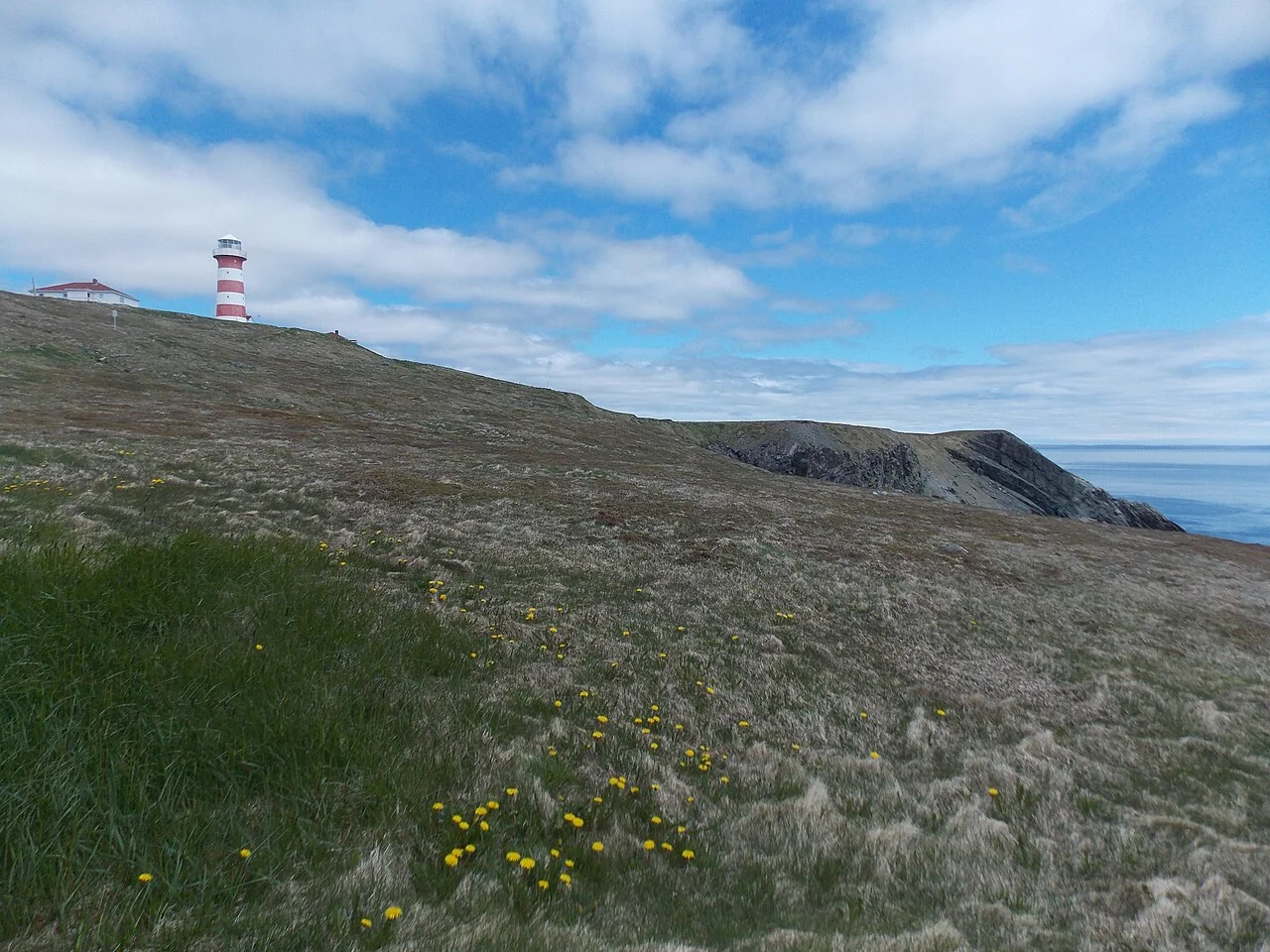
Lighthouse at Cape Pine, Newfoundland Nlartist · CC BY-SA 3.0. Web size optimized; original linked.
AI-assisted original writing. This feature was revised against source material and checked for unsupported claims. Follow the references below for evidence and its limits.
Royal charters set rules for restraining dogs to protect game, while hunting manuals later recorded the calls and names used by those who followed hounds on the trail.
Evidence from Saqqara and Asyut shows that dogs and other canids were mummified in large numbers as votive offerings connected to the gods Anubis and Wepwawet.
 Historical collection image