Dogs in Ancient Egyptian Temple Cults and Animal Necropolises
Evidence from Saqqara and Asyut shows that dogs and other canids were mummified in large numbers as votive offerings connected to the gods Anubis and Wepwawet.
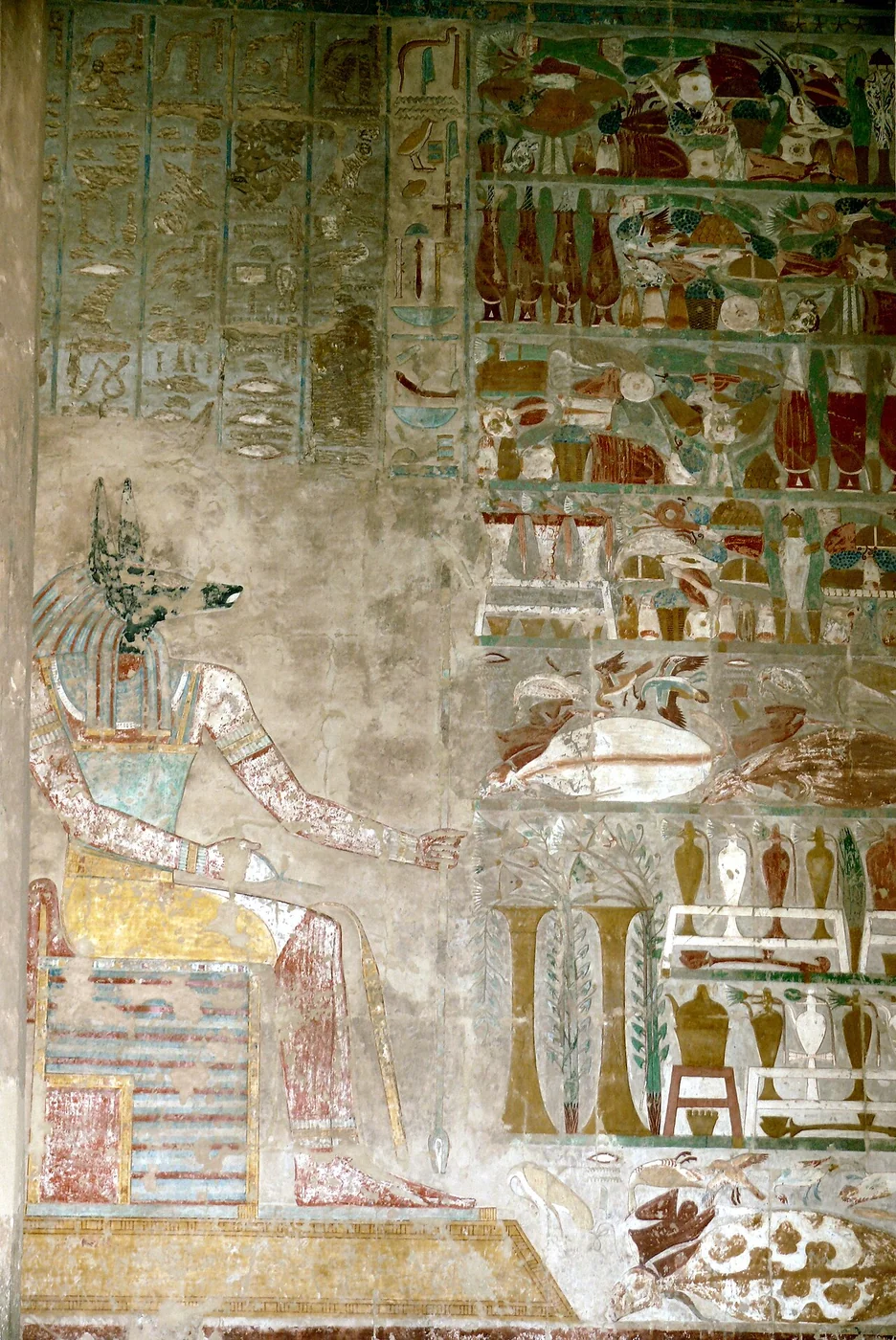
Wall painting of the seated figure of Anubis in the Mortuary Temple of Hatshepsut. Ad Meskens · CC BY-SA 3.0 · Web size optimized; source linked for the original.
In ancient Egypt, certain animals played important roles in religious practices, particularly those linked to deities associated with the afterlife, protection, and guidance. Two excavated sites—catacombs at Saqqara dedicated to Anubis and a tomb at Asyut connected to both Anubis and Wepwawet—reveal that large numbers of dogs and other canids were mummified and offered by pilgrims. These findings come from studies of physical remains, temple contexts, and related artifacts. While popular imagination often connects these animals directly to personal afterlife beliefs for their owners, the available evidence centers on their function in temple cults and as votive gifts meant to secure divine favor. This article examines what the archaeological record actually shows, what remains uncertain, and what thoughtful questions arise from the discoveries. Light humor: one can imagine the ancient equivalent of a busy temple gift shop, except the souvenirs were wrapped in linen and destined for eternity.
Anubis and the Saqqara Catacombs
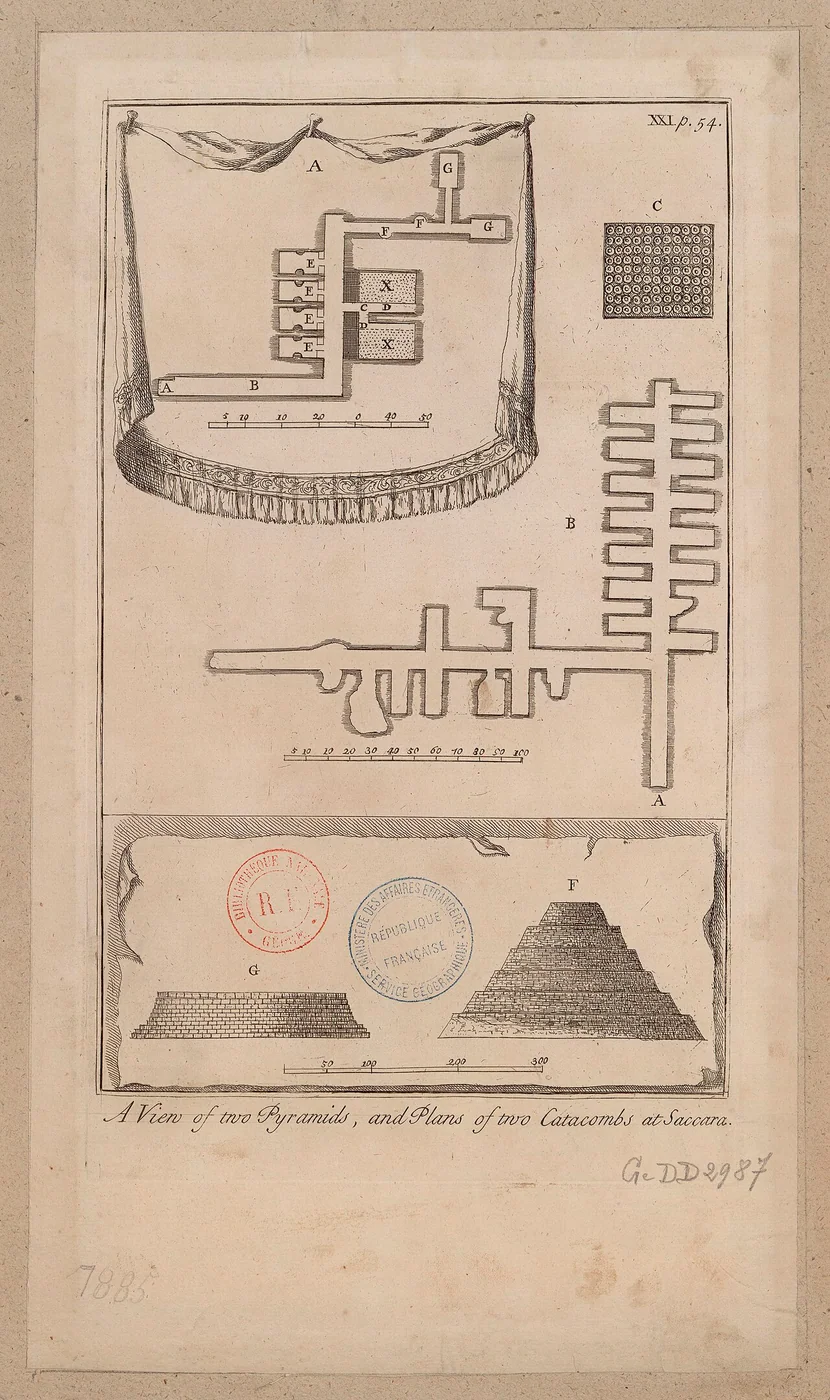
The catacombs at Saqqara, located side by side on the east of the plateau, were dedicated to the god Anubis. This deity is described in the evidence as overseeing embalming and protecting travelers. Pilgrims purchased mummified dogs to offer in these catacombs in hopes of obtaining the god’s favor. Studies of the monument’s size, depth of remains, and samples led researchers to estimate that the site may originally have contained up to eight million animals. However, because the start and end dates of the catacomb’s use are unknown, it is not possible to calculate annual numbers with certainty.
This scale suggests an organized system involving the breeding or collection of dogs, their mummification, and their sale to visitors. The presence of two separate but adjacent canine catacombs indicates that the cult of Anubis was significant enough to warrant substantial infrastructure. Textual and representational evidence has been examined alongside the physical remains to better understand how these practices fit into the broader religious economy. The mummified dogs thus served as a bridge between ordinary people and the divine, functioning as offerings rather than as personal companions guaranteed a place in an individual’s afterlife.
At Asyut, the Tomb of the Dogs forms part of an animal necropolis on Gebel Asyut al-gharbi. This site is connected to temples for the canine deities Wepwawet and Anubis. According to the research, packs of canids were kept in temple enclosures, mummified after death, and placed in the necropolis. Surface surveys and recovery from debris around the Tomb of the Dogs produced sixteen complete or nearly complete non-human mummies, twelve of which contained canids that are most probably dogs.
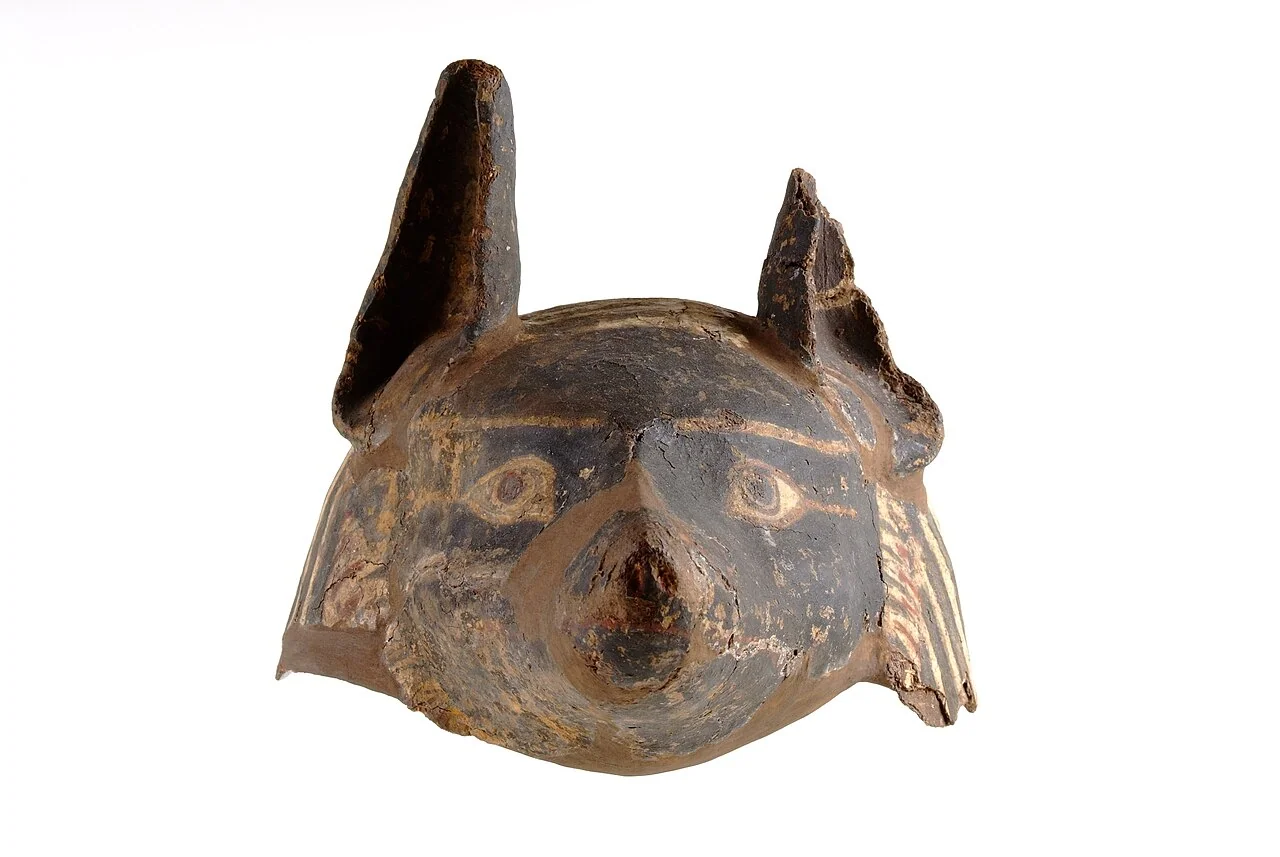
The connection between living temple animals and their eventual mummification points to a sustained relationship between the sacred spaces and the canids. Wepwawet, like Anubis, was a canine-associated god, often linked to guidance and opening the ways—roles that align with themes of protection and transition. The evidence does not detail individual dogs’ names or personal stories but instead illustrates institutional practices. One recovered object, a plaster dog muzzle that would have covered a mummy, still showed the fibre structure of bandages on its interior, offering a tangible link to the mummification process.
What the Mummies and Artifacts Reveal
Radiographic study of the Asyut mummies and careful examination of the Saqqara remains have provided concrete data about the animals selected for these cults. The twelve canid mummies from Asyut were found in debris, suggesting they had once been part of a larger, now disturbed deposit. The presence of a plaster muzzle designed to fit over a bandaged mummy indicates that care was taken in presentation, even if the primary purpose was votive rather than pet preservation.
At Saqqara, calculations based on physical measurements of the catacombs support the idea of enormous scale, yet the explicit caveat about unknown usage dates prevents firm conclusions about the intensity or duration of the practice. These details remind us that archaeology often yields impressive numbers alongside important limitations. The dogs were not presented in the sources as beloved individual pets crossing into the afterlife with their owners, but as part of a larger religious economy involving pilgrims, temples, and mass-produced offerings. This distinction helps ground modern understanding in the actual evidence rather than romantic assumptions.
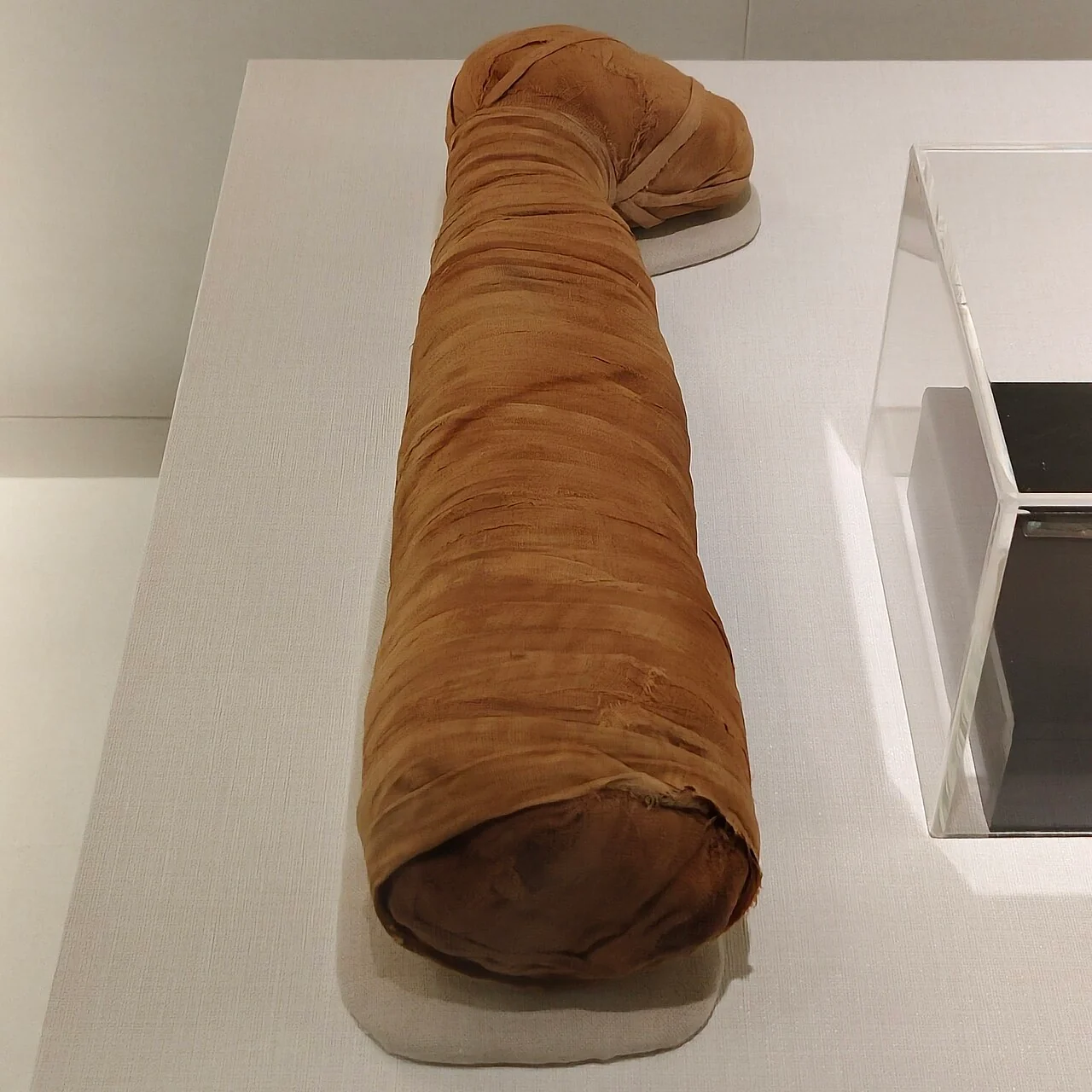
Mummified dog, representative of the large numbers of canid votive mummies produced as offerings. 丘崈 · CC0 1.0. Web size optimized; original linked.
Editorial Analysis: Offerings Versus Companions
The evidence invites reflection on the difference between symbolic religious use and personal companionship. While it is tempting to picture faithful dogs curled at the feet of their deceased owners in Egyptian tombs, the cited sources focus on temple-maintained packs and pilgrim-purchased mummies intended to please Anubis or Wepwawet. This does not diminish the cultural importance of canines; rather, it highlights their role as living embodiments of divine qualities. Editorial opinion: there is something quietly moving about the idea of people investing hope in a mummified dog to carry their prayers forward—though one might wonder whether the dogs themselves would have preferred a sunny courtyard to eternity in a catacomb.
Useful reading questions follow logically from the material. How did the economic demand for millions of offerings affect local animal populations and temple operations? What does the careful bandaging and use of plaster muzzles suggest about the respect given to these animals even in death? And to what extent did ordinary Egyptians believe that offering a dog mummy would genuinely influence their own journey after death? These questions cannot be answered definitively from the current evidence, but they illustrate how archaeology raises as many new inquiries as it resolves. Implications include a richer appreciation for the logistical sophistication of ancient Egyptian religion and a caution against projecting modern pet-owner sentiments onto ancient practices.
Uncertainties and the Limits of Current Knowledge
Both sources emphasize important unknowns. The Saqqara estimate of up to eight million animals comes with a clear statement that start and end dates remain unknown, making any calculation of yearly requirements impossible. Similarly, while the Asyut tomb yielded twelve canid mummies, the original extent of the necropolis and the full history of the temple packs are not fully detailed in the cited source material.
These gaps mean that any narrative about “dogs in the ancient Egyptian afterlife” must remain narrowly focused on what is directly supported: the use of canid mummies as votive offerings in specific cult contexts. No evidence is given for particular breeds, named dogs, or direct links to private funerary beliefs. Satirical aside (clearly labeled as fiction): one might invent a cartoonish ancient dog proudly wearing its plaster muzzle like a crown, but such imagery is playful speculation only and not historical fact. The real story is more measured—one of religious institutions, pilgrim devotion, and the archaeological record’s blend of impressive scale and frustrating incompleteness.
AI-assisted original writing. This feature was revised against source material and checked for unsupported claims. Follow the references below for evidence and its limits.
Royal charters set rules for restraining dogs to protect game, while hunting manuals later recorded the calls and names used by those who followed hounds on the trail.
 Historical collection image