A dog's ability to sprint, pull a sled, or simply romp in the yard depends on an efficient system for moving oxygen from lungs to tissues. Red blood cells filled with hemoglobin handle this job. While the basic process works the same way for most dogs, studies show clear differences between breeds in how much oxygen their blood can carry and how readily it releases. These variations appear tied to the jobs their ancestors performed. The evidence comes from controlled laboratory measurements and large veterinary record reviews. Any concerns about a dog's health or stamina should go straight to a veterinarian.
How Red Blood Cells and Hemoglobin Carry Oxygen
Red blood cells, also called erythrocytes, transport oxygen bound to the protein hemoglobin. Each hemoglobin molecule can carry up to four oxygen molecules picked up in the lungs and released where tissues need them. Veterinary studies confirm that dogs as a species release oxygen more readily than humans, horses, or cattle under standard conditions. The average pressure at which half the oxygen is released, known as P50, measures 28.8 mmHg in dogs compared with 26.6 mmHg in humans.
This moderate oxygen affinity helps active dogs unload oxygen during exercise when muscles produce carbon dioxide and heat. The oxygen exchange fraction in dogs also exceeds that of the other three species examined. These properties support the bursts of activity common in many breeds.
P50 values vary noticeably between dog breeds. In one set of measurements, spaniels showed a P50 of 25.8 mmHg while hounds reached 35.8 mmHg. Higher dispersion in dogs compared with other mammals is attributed to breed differences.
Retired racing Greyhounds display a lower P50 of 26.5 mmHg than the 29.9 mmHg average for non-Greyhound dogs. This indicates higher oxygen affinity in Greyhounds. The same study found Greyhounds also had significantly higher total hemoglobin, hematocrit, oxygen content, and oxygen capacity than non-Greyhound dogs. These traits support greater overall oxygen-carrying capacity in this breed.
Hematological Variation Across Many Breeds
A review of records from more than six thousand dogs across seventy-five pure breeds found that all hematological parameters except mean corpuscular hemoglobin concentration varied significantly by breed. Border Collies were among the breeds with enough individuals to support tentative breed-specific reference intervals, though their red-cell values were not described as extreme outliers.
Siberian Huskies showed relatively high lymphocyte counts but no distinctive red-blood-cell or hemoglobin phenotype stood out in the data. Age affected several blood parameters, and neutering influenced hemoglobin concentration. Red-blood-cell parameters did not differ by sex.
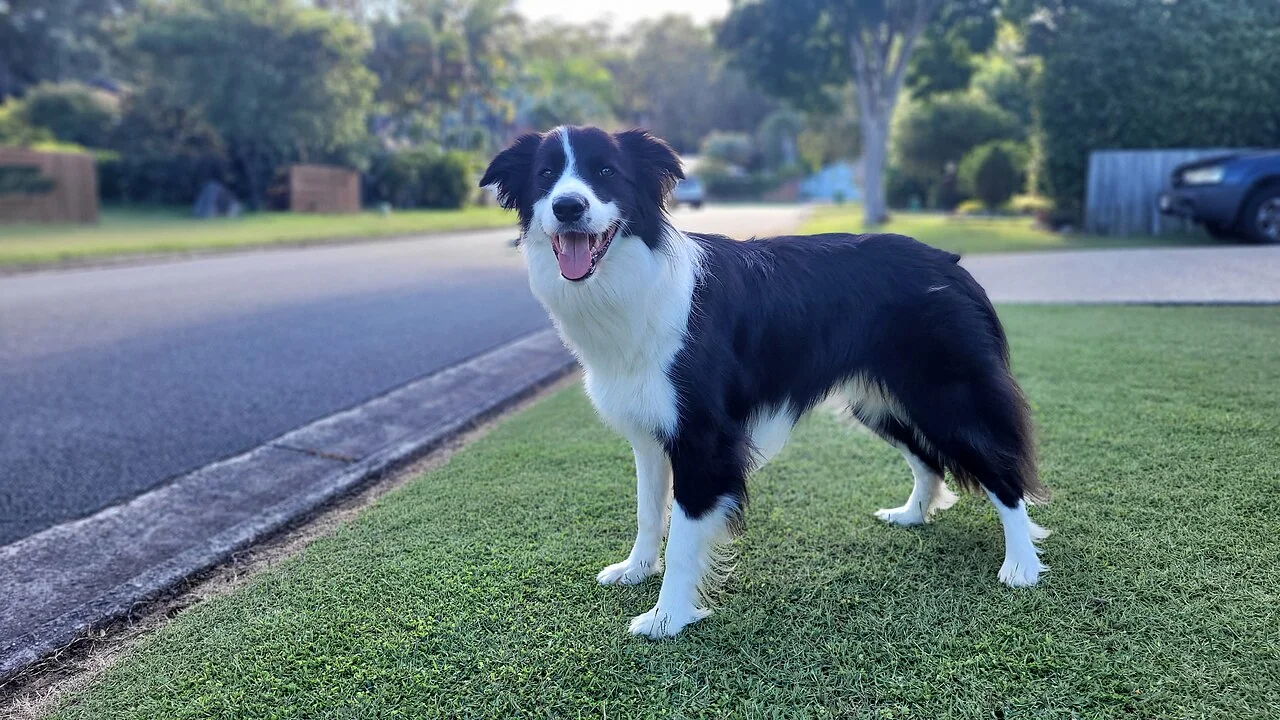
Modern documentary photograph of a male Border Collie standing. Janesalway · CC BY-SA 4.0. Web size optimized; original linked.
What These Differences Mean for Dogs
Higher oxygen-carrying capacity and adjusted release pressures can help certain breeds meet the demands of sprinting or endurance work. The Greyhound data, for instance, aligns with the breed's history of short, intense running. Yet the same studies emphasize that these are normal variations within healthy ranges.
Environmental factors such as altitude can also influence performance of the oxygen transport system. Owners of any breed benefit from paying attention to their dog's energy level and comfort in different conditions.
Practical Takeaways for Owners
Blood work during veterinary visits can reveal where an individual dog sits within breed-typical ranges. Because age, neuter status, and lifestyle also shape blood parameters, regular check-ups provide the most useful picture.
The evidence does not support claims that one breed is universally superior. Instead, it illustrates how selective breeding for different roles has produced measurable but modest shifts in oxygen transport traits. Keeping dogs fit through appropriate exercise and nutrition supports the systems that keep them active and happy.
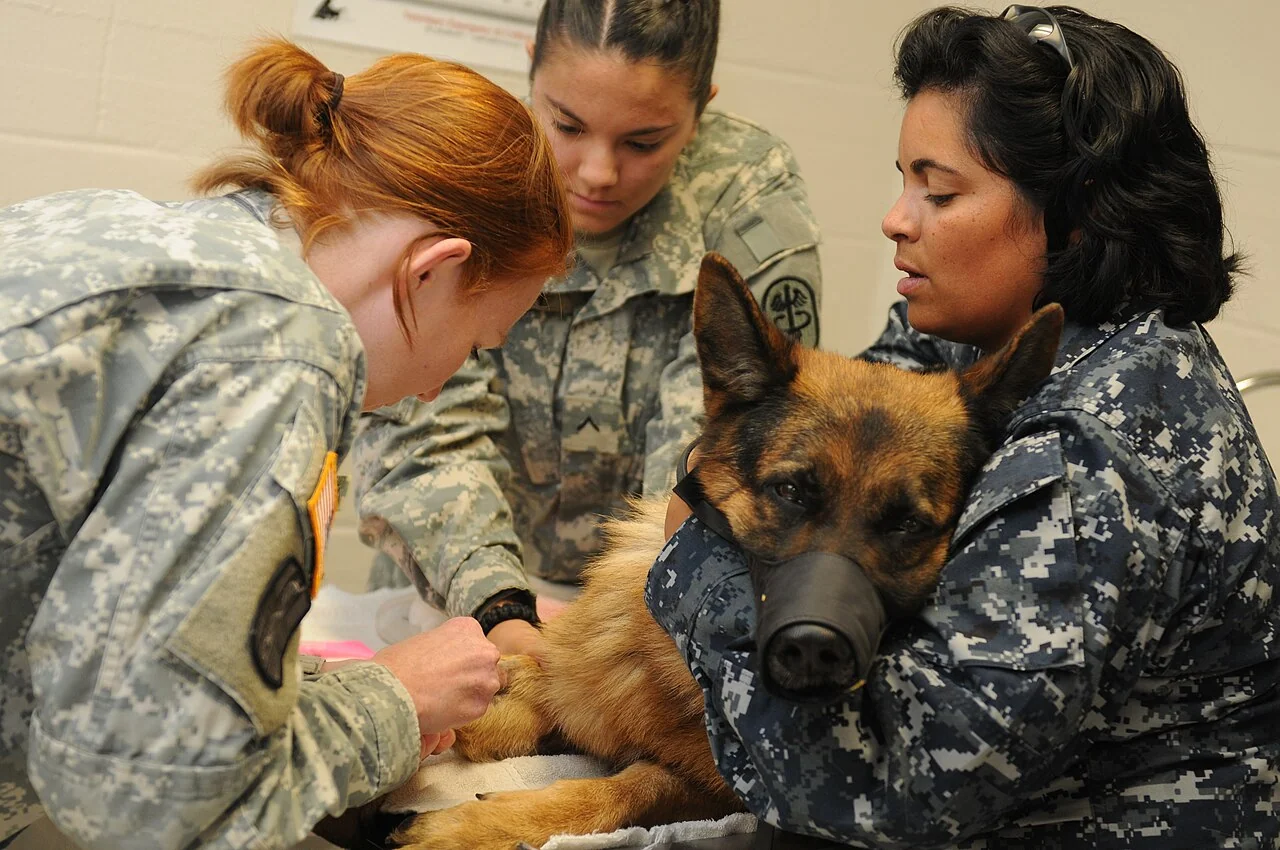
Documentary photo of a veterinary technician drawing blood from a dog at a military veterinary facility (2011). Maddelin Angebrand · Public domain. Web size optimized; original linked.
General education, not individual veterinary advice. Ask a veterinarian about your dog’s health and care.
AI-assisted original writing. This feature was revised against source material and checked for unsupported claims. Follow the references below for evidence and its limits.
Research shows canine cognition follows a clear arc of early gains, midlife peak, and later gentle decline, offering owners practical ways to support their pets at every age.
Protected command centers in the brain and spinal cord team up with far-reaching nerves that connect to muscles, skin, and organs, letting dogs react to scents, sounds, and sudden surprises.
 Photograph