Designer Dog Popularity and Its Effects on Shelters and Health
Rising demand for doodles and similar crosses has increased intakes at shelters while owner-reported health data shows mixed outcomes compared to purebred lines.
Miniature breed dogs in a puppy mill PETA · Public domain · Web size optimized; source linked for the original.
Social media images and word-of-mouth have driven interest in certain mixed-breed dogs known as designer crosses. This demand leads breeders to produce more puppies, often sold at high prices. Later, some of these dogs end up in shelters when owners face unexpected grooming needs, health costs or changes in circumstances. Evidence from shelter organizations and a large owner survey offers a clearer view of what follows the initial excitement.
Increased Shelter Intakes of Designer Mixes
When particular crosses gain attention, commercial breeders increase supply. Many of these dogs later reach shelters. A 2023 survey by Shelter Animals Count found that more than 60 percent of 314 responding organizations reported higher numbers of doodles and other intentionally mixed breeds in their care.
Shelter staff describe dogs arriving with severe matting or skin issues after owners underestimated grooming requirements. Economic factors add pressure. The cost of pet food rose 25 percent between March 2019 and March 2024, and veterinary bills increased as well. Nearly 60 percent of organizations in the survey noted surrenders from owners who had paid substantial amounts but could no longer afford ongoing expenses.
Medium and large designer mixes tend to stay longer in shelters. Overall adoptions for those size groups have declined. The added volume strains resources that could otherwise support other animals awaiting homes.
Health Comparisons Between Designer Crosses and Parent Breeds
Many people choose designer dogs hoping for hybrid vigor that might reduce inherited problems. A 2024 owner survey published in PLOS One compared reports for Cockapoos, Labradoodles and Cavapoos against their progenitor breeds: Cavalier King Charles Spaniel, Cocker Spaniel, Labrador Retriever and Poodle.
The analysis examined 57 common disorders. In 86.6 percent of the comparisons, odds did not differ in a statistically significant way. Designer-crossbreeds showed higher odds for 7.0 percent of disorders and lower odds for 6.4 percent. The study found no overall health advantage for the crosses.
Specific differences appeared in areas such as dietary indiscretion, vomiting, diarrhea, ear infections, allergies and skin problems. The authors noted that decisions between these types of dogs might better rest on factors like breeding conditions, temperament, conformation and health testing of parents rather than assumed vigor.
Physical Traits That Affect Welfare
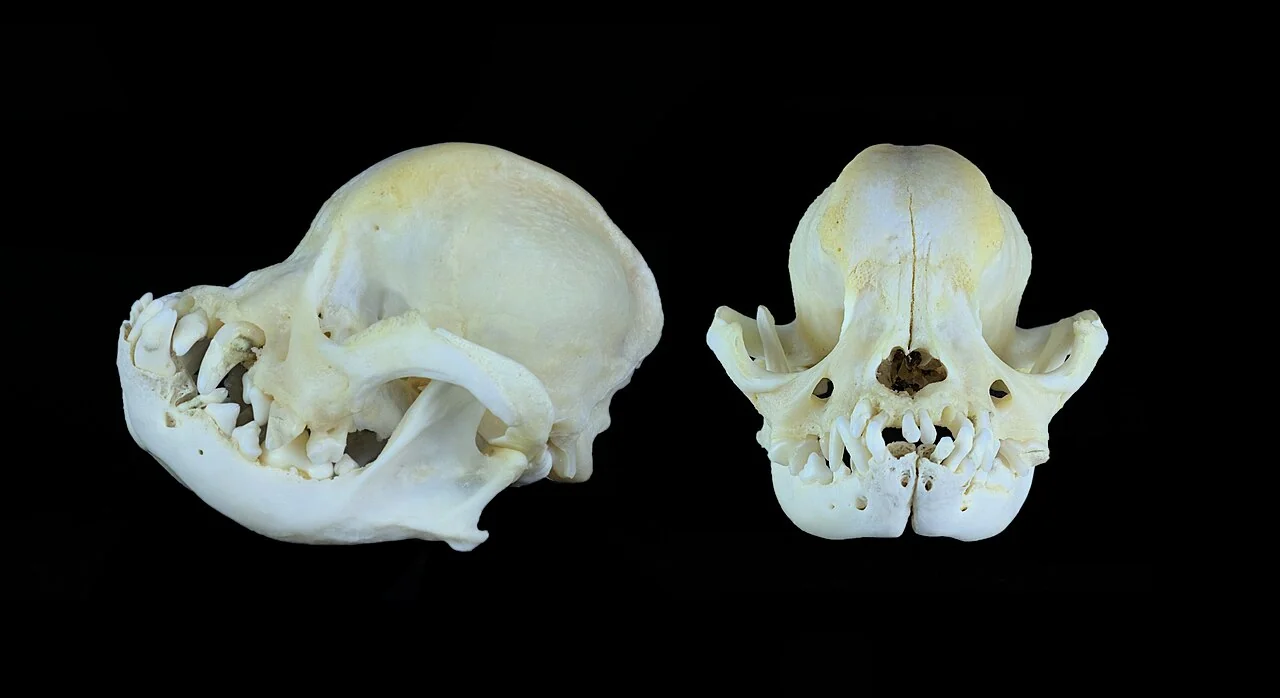
Certain features popular in trendy dogs bring welfare costs. Flat-faced breeds and mixes often experience breathing difficulties, heat intolerance and related issues such as eye problems or infected skin folds. Shelter reports mention increased surrenders of French bulldogs needing expensive care.
Heavy-coated mixes require regular grooming. Without it, matting becomes severe and costly to correct. Marketing that highlights only appealing images rarely shows the daily maintenance or potential medical needs. These patterns repeat across popularity cycles, with shelters absorbing dogs when interest fades.
Photograph of historic artifact: skull of a brachycephalic dog from the osteology collection of the Université libre de Bruxelles. Anja · CC BY-SA 4.0. Web size optimized; original linked.
Practical Considerations Before Acquiring a Dog
Selecting any dog starts with matching lifestyle realities. Available time, living space, budget for routine and unexpected veterinary costs, and readiness for exercise, training and grooming all matter. Organizations such as the American Veterinary Medical Association and the ASPCA have published general guidance on these points, though specific checklists are not detailed in the cited sources.
For curly-coated dogs, professional grooming every six to eight weeks can prevent matting. Understanding that first-generation crosses produce variable temperaments helps set realistic expectations. Adopting an adult dog whose personality is already known may suit some people better than seeking a puppy of the current trend.
Evaluating Claims About Designer Dogs
Marketing often promises hypoallergenic qualities or universal health benefits. Shelter professionals and the PLOS One study note that poodles produce less shed hair but still create dander and saliva that can affect allergies. Genetic outcomes in crosses vary, so results are not guaranteed.
Large-scale data from veterinary records and owner reports provide more reliable context than promotional material. When reviewing news or adoption stories, attention to study size, whether results separate first-generation crosses from later mixes, and acknowledgment of breed-specific risks offers a clearer picture. Trends shift, yet daily care and realistic expectations remain central.
Two black Labradoodle brothers, 18 months old, from a chocolate Labrador and black Standard Poodle cross Kwitten at English Wikipedia · Public domain. Web size optimized; original linked.
AI-assisted original writing. This feature was revised against source material and checked for unsupported claims. Follow the references below for evidence and its limits.



 Historical collection image