From sentries to messengers, dogs played practical roles in classical and Hellenistic warfare, though their use as battlefield combatants remains debated by scholars.
Dogs have accompanied humans in many endeavors, including conflict. In ancient Greece, they appear in military settings as early as the accounts of Homer. Evidence from classical texts and inscriptions shows them serving as guards, sentries, and helpers rather than frontline fighters. While some ancient writers described fierce breeds like the Molossian hounds, modern scholarship questions whether these animals were deployed as shock troops in battle. The available sources emphasize their support roles in camps and defensive systems, offering a more grounded picture than dramatic tales of war dogs charging into combat. This article explores what the evidence actually supports, with room for light-hearted reflection on how even in antiquity, a good dog was often valued for barking at the right time.
Early References to Dogs in Military Contexts
Accounts from the earliest Greek literature mention dogs around armies. Homer’s works depict dogs present in military camps, where they likely served practical purposes such as alerting soldiers to intruders. These references establish that the relationship between soldiers and canines was longstanding, predating the Hellenistic era. Scholars note that dogs traveled with armies in historical times, functioning as camp sentries and assistants to patrols. This pattern appears consistent across different periods of Greek history.
The presence of dogs in such settings raises interesting questions about daily life in an ancient army. How did soldiers manage these animals during marches or sieges? Were they fed from rations, or did they forage? While texts do not provide exhaustive details, the repeated mentions suggest dogs were integrated enough to be noteworthy. One can imagine the occasional chaos of a barking dog giving away a position, a scenario ripe for ancient comedy even if not recorded.
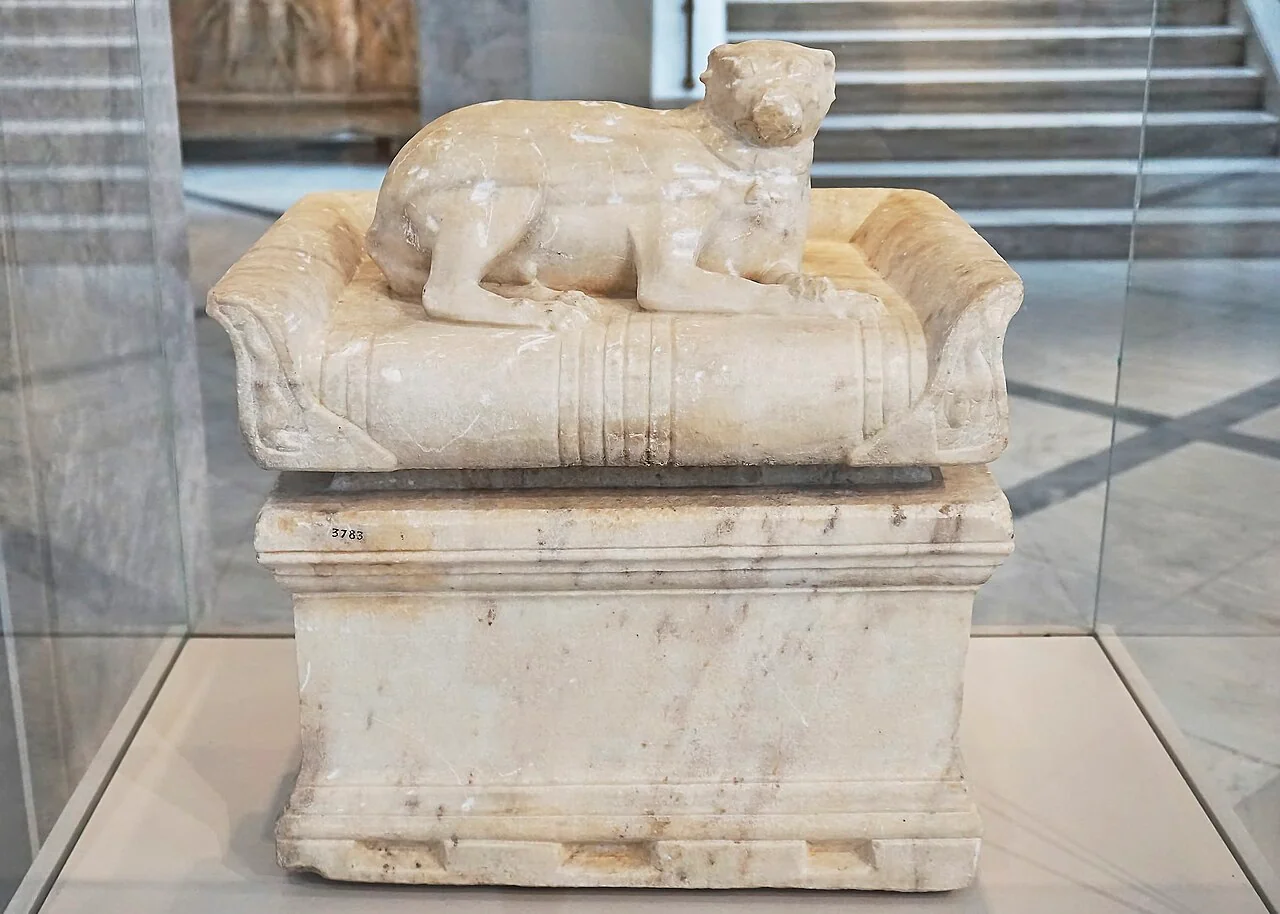
Small marble dog sarcophagus from the Roman period, National Archaeological Museum of Athens. The aged dog is depicted lying on striped bedding wearing a belled collar. George E. Koronaios · CC BY-SA 4.0. Web size optimized; original linked.
Roles as Guards and Sentries
A primary documented function of dogs in classical Greek warfare was guarding. Aeneas Tacticus, a writer on military matters, described tying dogs outside cities on dark nights to serve as sentries. This tactic leveraged the animals’ natural alertness to detect threats when human vision was limited. Similar uses appear in other sources, indicating that dogs were valued for their senses rather than their capacity to fight enemy soldiers directly.
In the Hellenistic period, this role continued and became more organized. An inscription from Rhamnous dated to 268/267 BC refers to the upkeep of dogs within a defensive system, including a position called the kynegos, or leader of the dogs. Plutarch recounts how Aratus employed numerous dogs—specifically fifty for a force of four hundred soldiers—to guard the fortress of Acro-Corinth in 243 BC. These examples illustrate dogs contributing to security in fixed positions, a useful but less glamorous duty than charging across battlefields. Editorial analysis suggests this pragmatic approach aligns with the realities of ancient logistics: maintaining fierce animals for occasional alerts was more sustainable than training them for combat.
The Molossian Hound in Ancient Texts
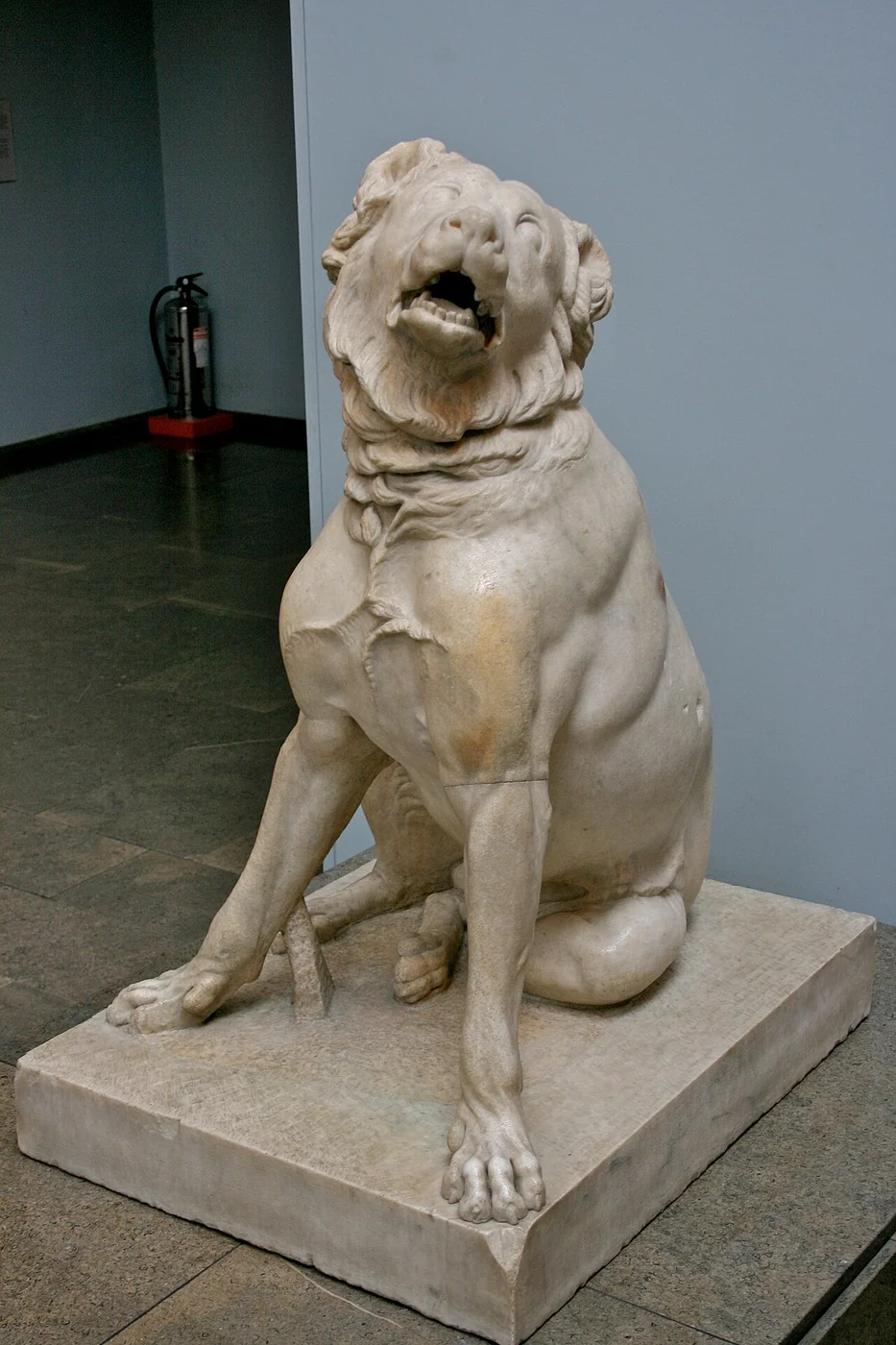
Aristotle, in his History of Animals, discusses the Molossian race of dogs. He notes that those used for hunting were similar to other dogs, while those employed with sheep were larger and more aggressive toward wild beasts. This distinction highlights selective use based on temperament and size, but the text contains no reference to military applications or battlefield deployment. The Molossians are thus presented as working animals suited to specific tasks, not as instruments of war.
Later pottery and artistic depictions sometimes show fierce-looking dogs alongside hoplites or cavalry. Scholars interpret these images as representations of guards, hunters, or even status symbols rather than confirmed combat participants. The absence of explicit links to fighting in primary evidence leads researchers to caution against assuming a direct military role. Reading question: If a breed is known for ferocity in one context, does that automatically translate to suitability for another? The sources suggest the answer is no, inviting readers to consider how ancient observers might have projected qualities onto animals.
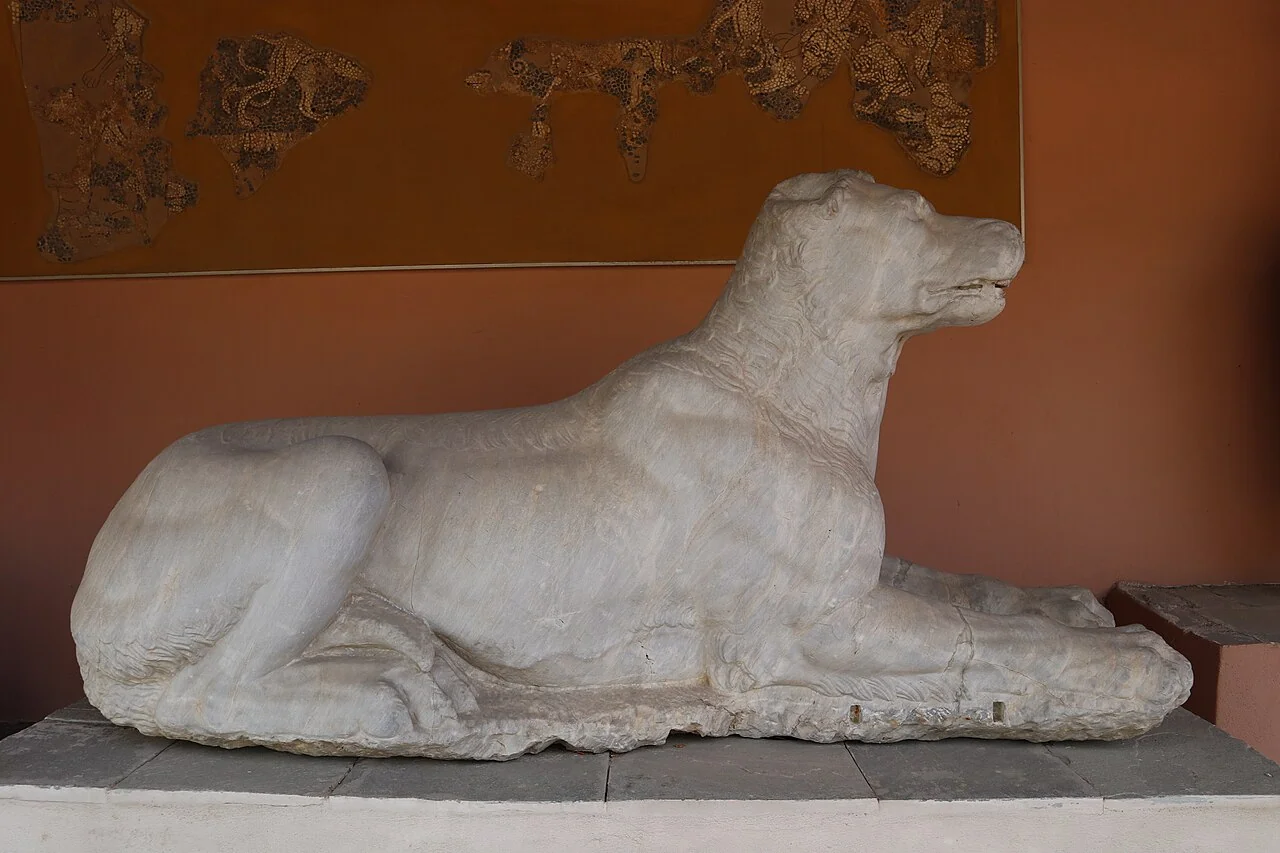
Statue of a Molossian hound, ca. 320 B.C., Archaeological Museum of Kerameikos, Athens (photograph of historic artifact) George E. Koronaios · CC BY-SA 4.0. Web size optimized; original linked.
Scholarly Views on Claims of Battlefield Use
Modern analysis of ancient accounts has led to skepticism about dogs fighting in battle. References in Pliny and Aelian describing dogs in combat are viewed by many scholars as misinformed or exaggerated. Recent studies support this dismissal, arguing that such narratives lack corroboration in contemporary records. Instead, the evidence points to dogs fulfilling auxiliary roles like patrolling and guarding rather than engaging as shock troops.
This scholarly consensus has implications for how we understand ancient warfare. It underscores the importance of distinguishing between colorful anecdotes and verifiable practices. An invented satirical scenario might imagine a Hellenistic general dramatically unleashing a pack of hounds only for them to chase rabbits instead of the enemy—a reminder that real military animals probably behaved like dogs, not legends. The evidence encourages a grounded view that prioritizes animal welfare considerations even in historical retrospect: using dogs primarily for non-combat duties likely reduced unnecessary risk to them.
Implications and Questions for Further Reflection
The documented use of dogs in Greek military camps invites broader consideration of human-animal partnerships in conflict. From messengers in regions like Epirus and Thessaly, as noted by Aeneas Tacticus, to organized guard units in the Hellenistic era, these animals filled gaps that technology could not yet address. Their integration reflects practical problem-solving rather than dramatic innovation in breeding or tactics.
Useful reading questions emerge: How did cultural attitudes toward dogs influence their military roles? What does the limited evidence say about the balance between utility and compassion? Implications include recognizing that ancient armies relied on living creatures in ways that parallel modern working-dog programs, albeit with different expectations. A light-hearted observation: even the toughest ancient soldier might have shared a scrap of bread with a camp dog, humanizing an otherwise harsh environment. Overall, the sources paint a picture of dogs as reliable supporters rather than mythical warriors, encouraging readers to value evidence-based history over romanticized tales.
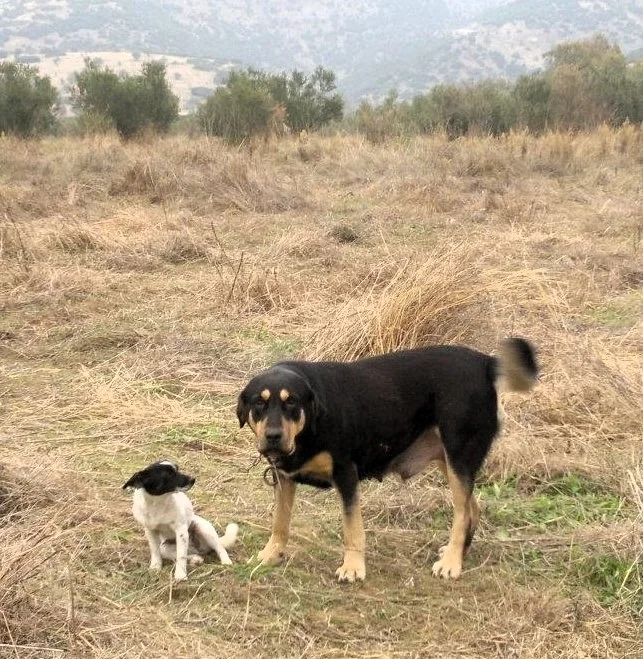
Alopekis dog with Molossian-type livestock guardian dog on a farm in Thessaly, Greece. Fainomenon · CC BY-SA 4.0. Web size optimized; original linked.
AI-assisted original writing. This feature was revised against source material and checked for unsupported claims. Follow the references below for evidence and its limits.
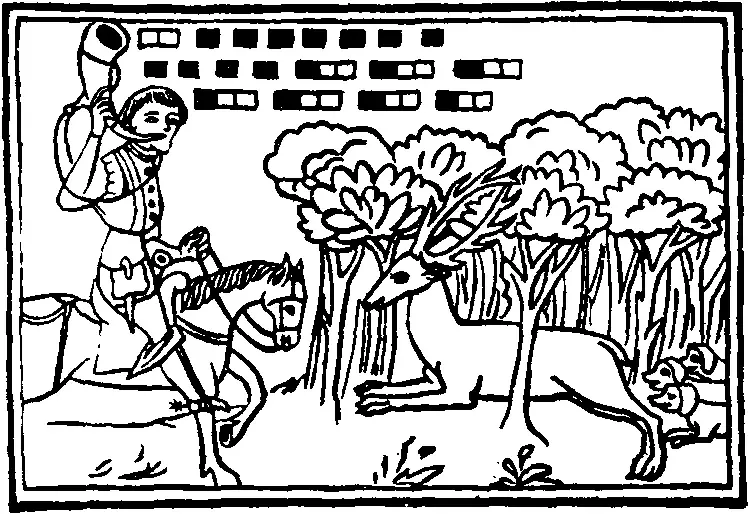
Royal charters set rules for restraining dogs to protect game, while hunting manuals later recorded the calls and names used by those who followed hounds on the trail.
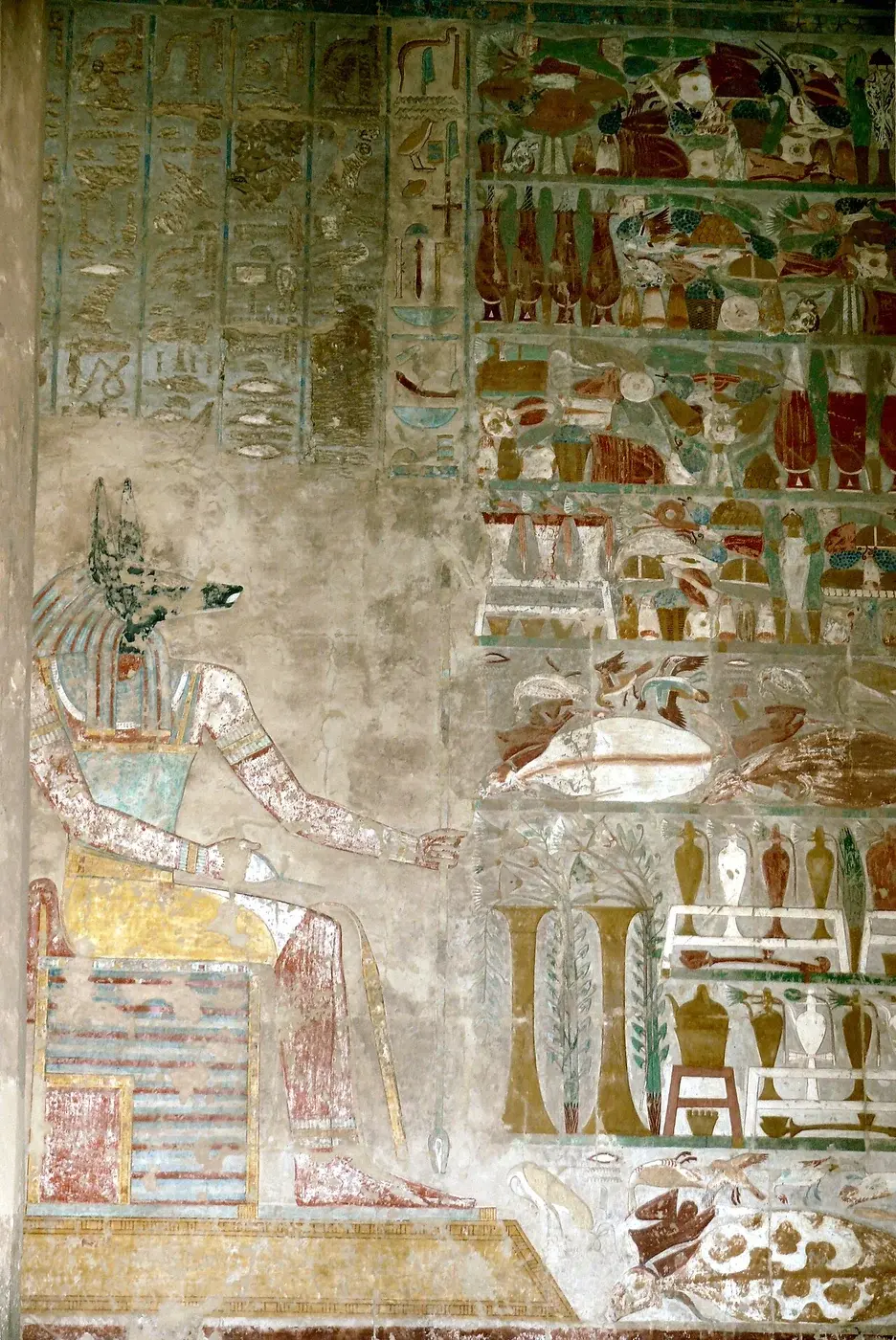
Evidence from Saqqara and Asyut shows that dogs and other canids were mummified in large numbers as votive offerings connected to the gods Anubis and Wepwawet.
 Historical collection image