Early Dog Shows in Britain: The 1859 Newcastle Event and the Founding of the Kennel Club
The first recorded dog show in 1859 focused on sporting dogs, while the Kennel Club later introduced consistent rules emphasizing registration, health, and fair play.
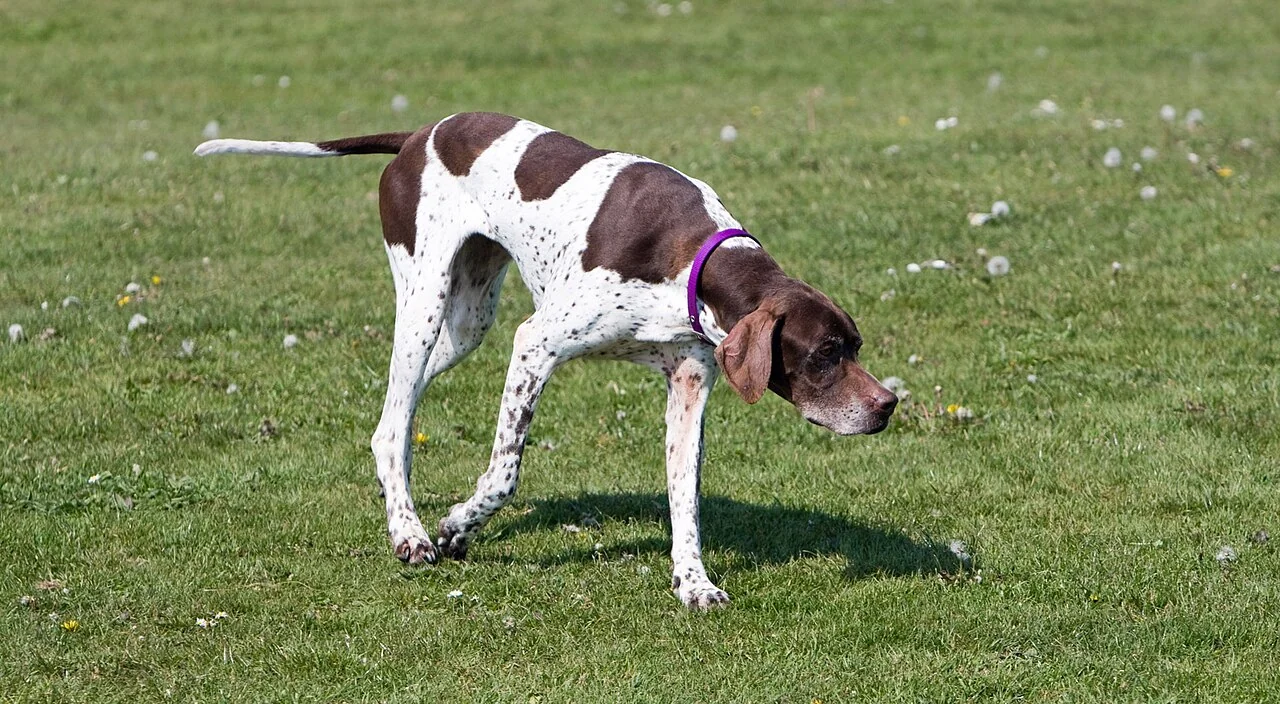
English Pointer in a field looking to find game No-longer-here from Pixabay · CC0 1.0 · Web size optimized; source linked for the original.
In the middle of the 19th century, British interest in organized dog exhibitions began to take shape. The earliest documented event brought together pointers and setters for judging, and a few years later a new organization stepped in to create uniform guidelines. These developments laid groundwork for how dogs would be exhibited and recorded, though the precise balance between working ability and physical traits evolved over time. The evidence shows a practical start tied to poultry shows and gun prizes, followed by efforts to bring order to what had been a patchwork of local events. This article explores what the records actually reveal, what remains uncertain, and what questions readers might consider about the shift toward structured competition. Light-hearted images of chained dogs and gun trophies remind us that these were serious sporting affairs with a touch of novelty.
The First Recorded Dog Show at Newcastle
According to a contemporary newspaper report reprinted in a later book, the inaugural dog show on record took place on 28 and 29 June 1859 in the New Corn Market at Newcastle-on-Tyne. It was added to an existing poultry exhibition rather than standing alone. Only pointers and setters were entered, with a total of 60 dogs competing. Prizes consisted of two valuable guns: one awarded to Mr. R. Brailsford for the best pointer, described as a liver-and-white dog, and the other to Mr. J. Jobling for his setter named Dandy. The report notes that the judges for pointers included J. H. Walsh, who wrote under the name 'Stonehenge.' Management was handled by Messrs. Shorthose, Reid, and Pape, the last being a gun manufacturer who supplied the prizes.
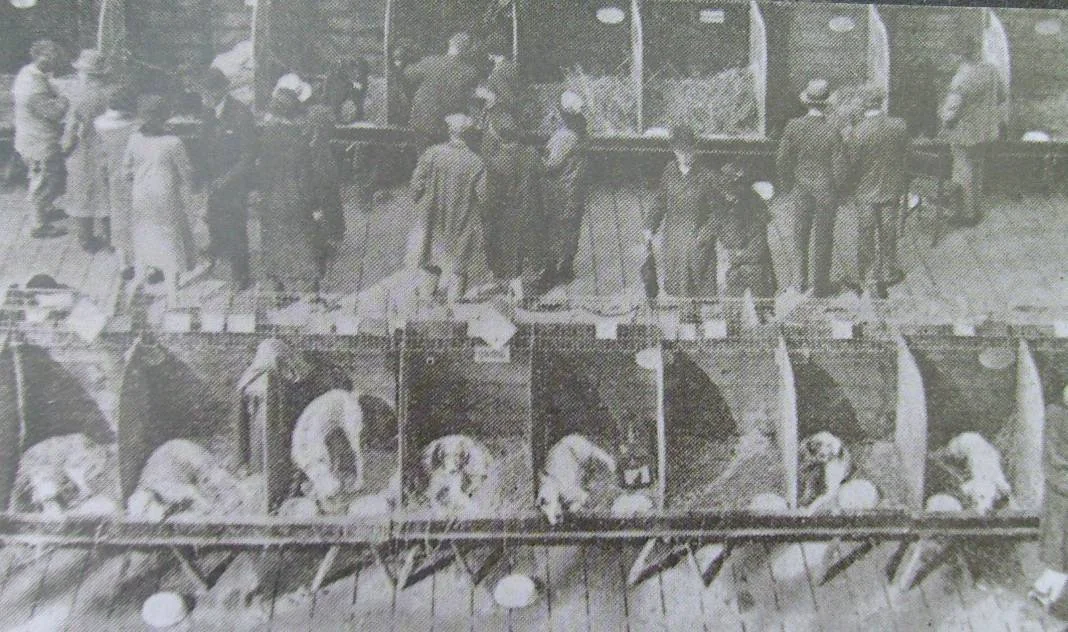
Dogs were displayed chained in litters separated by barriers, an arrangement that drew comment in the newspaper. While the account describes the physical setup in some detail, it does not spell out the exact criteria used by judges. Contemporary observations suggest that sporting dogs at these early events were evaluated on their look and shape, yet the primary record stops short of contrasting this directly with field performance. The event appears to have been a modest but noteworthy experiment that combined commerce, sport, and public display. One can imagine the scene with a touch of humor: serious sportsmen peering at rows of tethered dogs while poultry clucked nearby. This setup raises an editorial question worth pondering: did the addition of a dog section to a poultry show reflect genuine enthusiasm for canine competition or simply a convenient way to boost attendance?
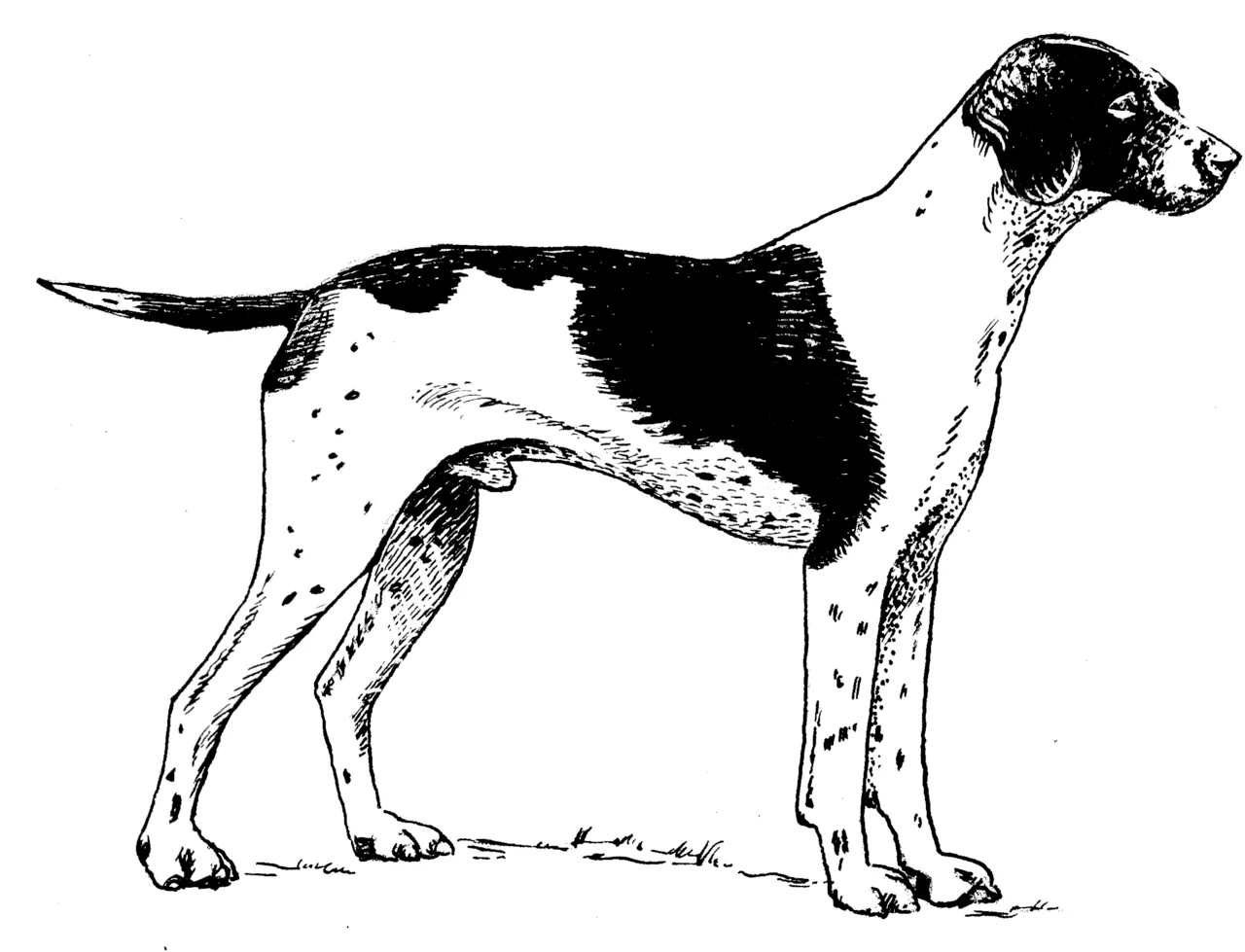
19th-century style engraving of an English Pointer, the breed featured at the first recorded dog show in Newcastle in 1859. Pearson Scott Foresman · Public domain. Web size optimized; original linked.
Organization and Early Judging Practices
The Newcastle show was not governed by a national body, so rules were local and likely varied from one event to the next. The evidence indicates that pre-1873 exhibitions operated without central authority, which could lead to inconsistency in how winners were chosen. Judges such as Walsh brought expertise from sporting journalism, yet the surviving report focuses more on logistics and prize details than on a formal points system. Barriers and chains kept dogs in place, perhaps for safety as much as presentation, hinting at the practical challenges of displaying working animals in a market hall.
Editorial analysis suggests that these early shows occupied a space between practical field evaluation and emerging public spectacle. The gun prizes imply a connection to hunting rather than purely aesthetic appeal, yet the emphasis on appearance in newspaper descriptions points to a gradual blending of criteria. Readers might usefully ask whether the absence of detailed judging standards in the record reflects a simpler era or simply incomplete documentation. The light-hearted image of gun-makers doubling as show organizers adds a note of gentle humor without diminishing the seriousness with which participants approached their dogs. These uncertainties highlight how much of the day-to-day reality of 19th-century dog shows remains open to interpretation based on limited primary sources.
The Formation of the Kennel Club in 1873
Fourteen years after the Newcastle event, the Kennel Club was established to bring consistency to dog shows and field trials across Britain. Its first stud book, published in 1874, compiled records of shows dating back to 1859 and set out rules for conducting exhibitions, trials, and the club itself. The volume includes requirements for a veterinary inspector at larger shows and the withdrawal of any dog showing signs of contagious disease. Emphasis was placed on fair play and basic health safeguards rather than on detailed breed points or appearance standards.
The stud book functioned as a national register of pedigrees by the 1880s, helping to verify lineage for dogs entered in future events. This represented a clear step toward greater structure, yet the 1874 volume does not codify fixed standards for individual breeds. Those developed later through breed clubs and sub-committees of the Kennel Club. From an editorial perspective, the creation of the club can be seen as an attempt to reduce chaos in a growing hobby. One might picture Victorian gentlemen in serious discussion over rulebooks, a faintly comic contrast to the muddy realities of working dogs. Useful questions for further reading include how much the new rules truly changed judging practices on the ground and whether the focus on registration inadvertently began to separate show dogs from their working counterparts.
By back-dating records to the 1859 Newcastle show, the Kennel Club's stud book created a continuous historical thread. This allowed owners to trace ancestry where information existed, providing a foundation for future breed development. The system prioritized accurate recording over prescriptive physical ideals in its earliest form. Health rules, such as mandatory veterinary checks, suggest that organizers were aware of disease risks when large numbers of dogs gathered.
The gradual nature of change is important to note. Pre-1873 events operated under variable local customs, and even after the club's founding the shift toward appearance-based standards for recognized breeds occurred incrementally. Editorial reflection suggests this evolution carried both benefits and trade-offs: greater consistency reduced disputes, yet it also encouraged specialization that may have distanced some lines from original working roles. A satirical invented scenario might imagine a fictional pointer complaining that its great-grandpups now win ribbons instead of retrieving birds; such a tale is offered only as playful commentary and not as historical fact. Readers could consider whether centralized registration ultimately served the dogs' welfare or primarily the interests of exhibitors.
Uncertainties, Later Developments, and Editorial Questions
the cited source material makes clear that breed standards were not fixed in the 1874 stud book and that interpretive secondary histories sometimes overstate the speed of transformation. Primary records focus on registration, show conduct, and health rather than an explicit overhaul of working dogs into show-only animals. This leaves room for uncertainty about exactly when and how appearance came to dominate in certain breeds. The Newcastle report, for instance, does not detail whether field ability was formally tested or merely assumed.
Looking forward from these foundations, the Kennel Club's framework enabled the growth of specialized breed clubs that later defined points for conformation. Editorial analysis observes that while standardization brought order, it also introduced new pressures that continue to spark debate among enthusiasts. Light humor surfaces again when considering the contrast between a 19th-century gun prize and today's rosettes, yet the underlying animal welfare concerns deserve earnest attention. Useful questions include: how can modern shows balance historical sporting roots with current health priorities? What lessons from the early emphasis on veterinary inspection might apply today? These inquiries flow directly from the evidence and invite ongoing reflection rather than definitive pronouncements.
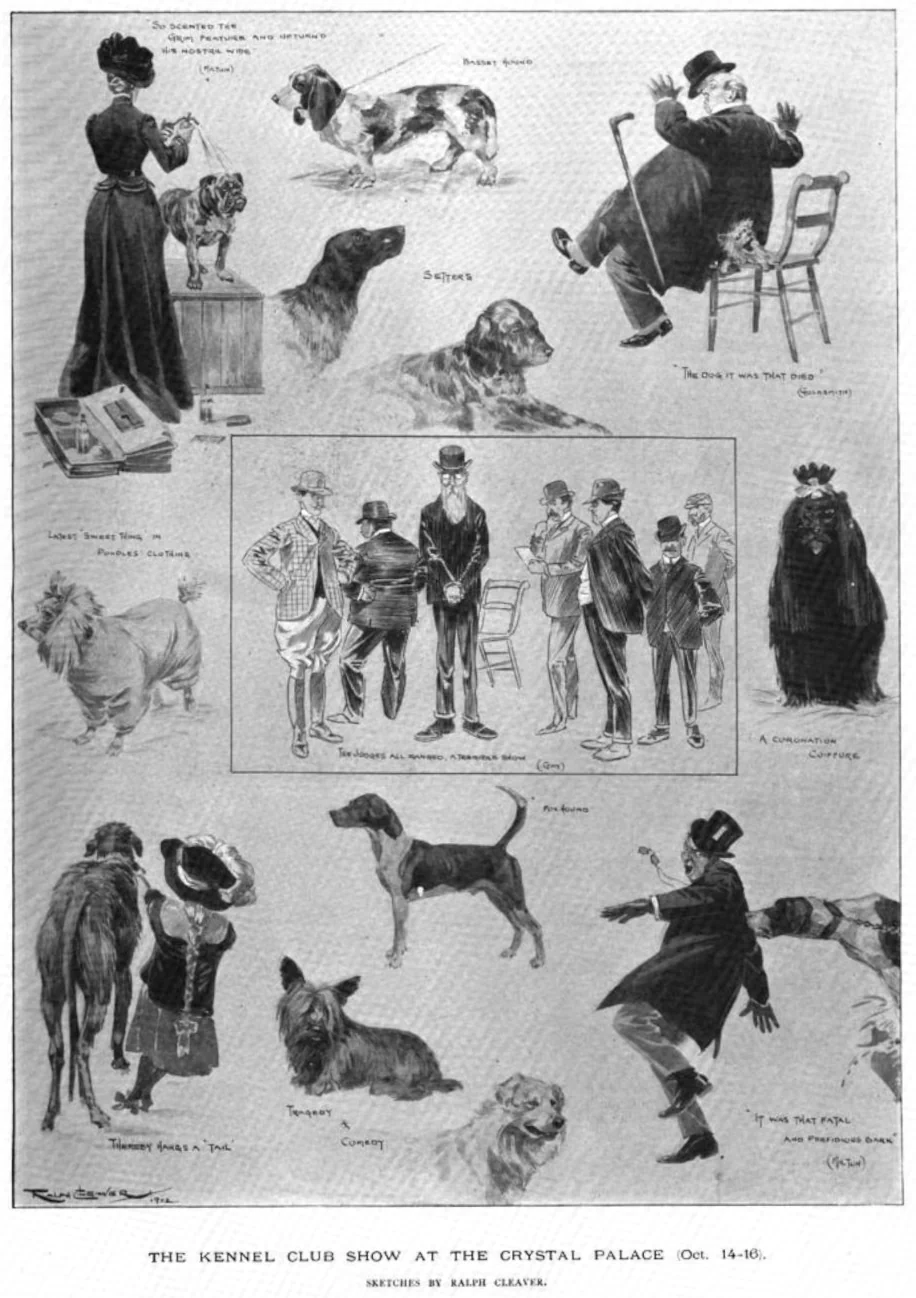
The Kennel Club Show at the Crystal Palace by Ralph Cleaver (1870–1938). Ralph Cleaver · Public domain. Web size optimized; original linked.
AI-assisted original writing. This feature was revised against source material and checked for unsupported claims. Follow the references below for evidence and its limits.
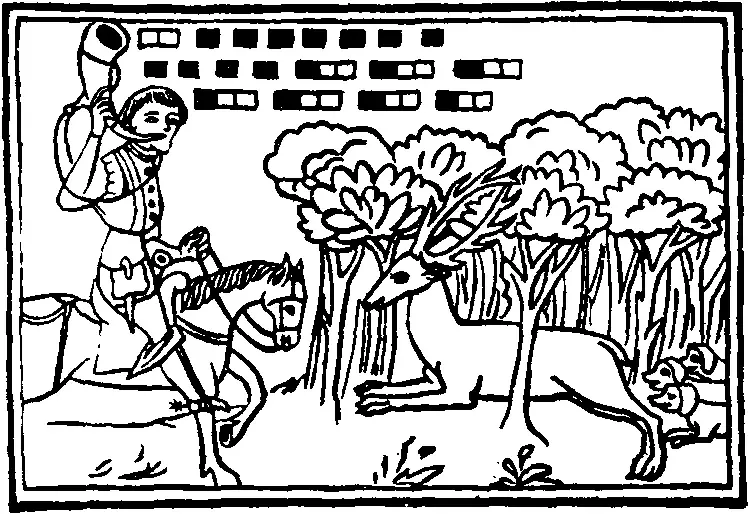
Royal charters set rules for restraining dogs to protect game, while hunting manuals later recorded the calls and names used by those who followed hounds on the trail.
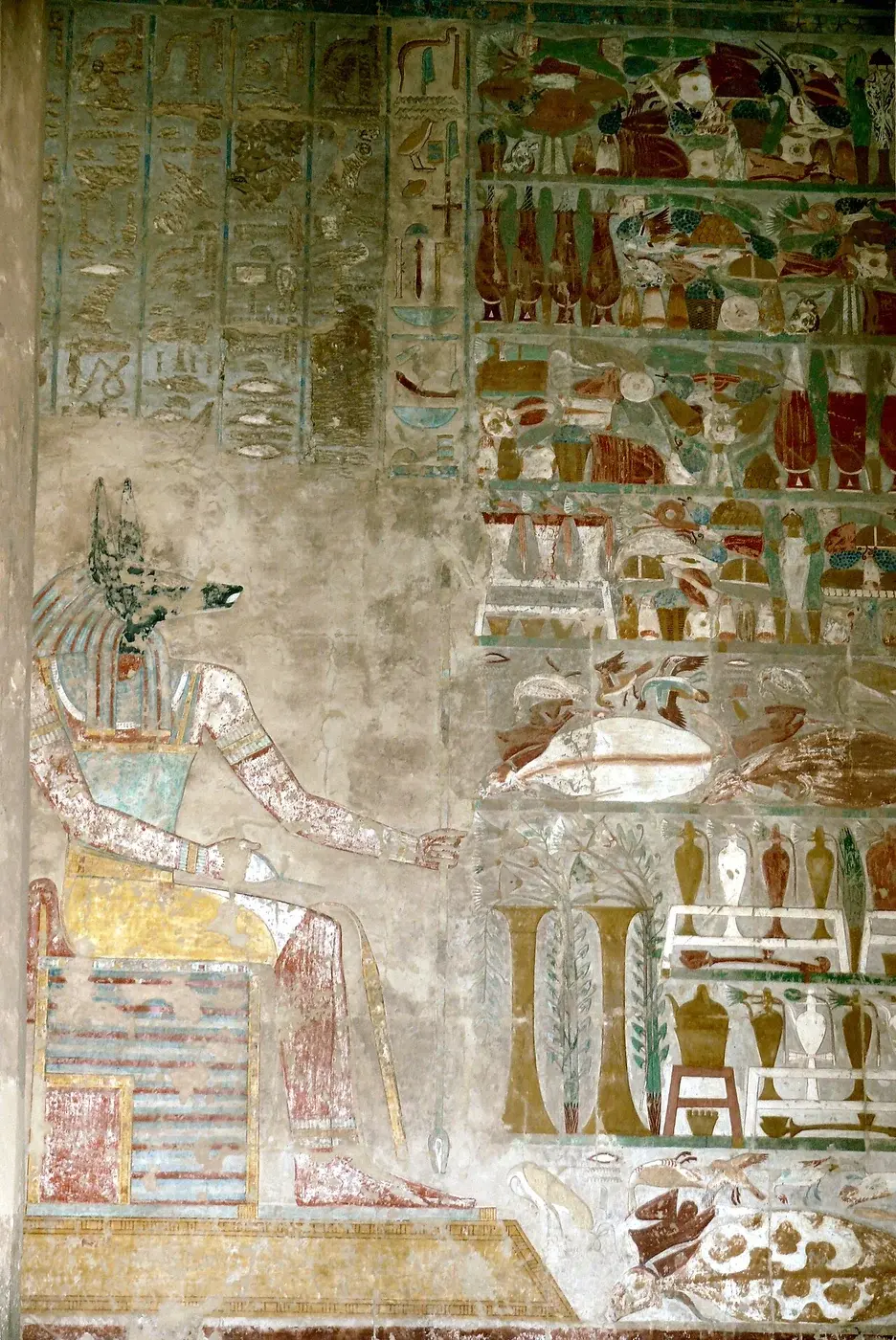
Evidence from Saqqara and Asyut shows that dogs and other canids were mummified in large numbers as votive offerings connected to the gods Anubis and Wepwawet.
 Historical collection image