Emerging Livestock Guardian Dog Lending Efforts Aim to Protect Western Ranches
Nonlethal programs in states like Colorado and Texas are exploring ways to share or place trained dogs with producers facing predators, offering one path toward reduced losses and better animal outcomes.
In parts of the American West, some ranchers dealing with predators such as wolves are gaining access to livestock guardian dogs through organized efforts rather than purchasing and raising puppies on their own. These initiatives, often tied to university extension services or wildlife agencies, focus on nonlethal coexistence. While descriptions of fully operational community-wide “dog libraries” with seasonal borrowing cycles are not confirmed in available reporting, the concept of providing or loaning dogs shows promise for keeping working animals active and supporting rural livelihoods. The evidence points to targeted placements and research programs that emphasize bonding dogs with livestock to deter threats around the clock.
Current Approaches to Sharing Guardian Dogs
A Colorado group led by a scientist focused on nonlethal coexistence is working to create a rapid-response team of guardian dogs that can be loaned to ranchers with predator problems on a case-by-case basis. This effort remains in development rather than a fully established widespread lending system. The idea reflects a practical response to the challenges ranchers face when predators increase pressure on cattle and sheep operations.
Such lending-like models could help address the reality that individual producers sometimes struggle with the long-term commitment of raising and caring for these large working dogs. By coordinating temporary placements, the approach seeks to match dogs to specific needs without requiring every ranch to maintain its own permanent pack. Editorial analysis suggests this flexibility might encourage more producers to try nonlethal tools, though success will depend on clear coordination and follow-through.
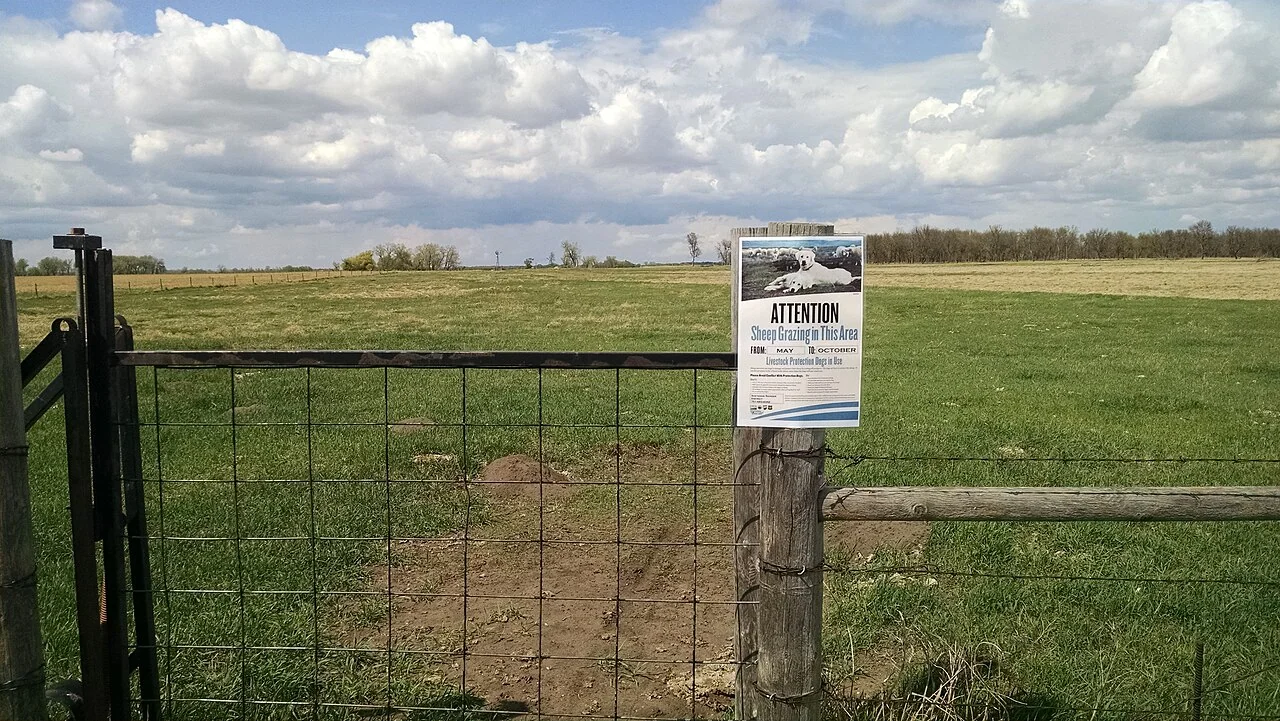
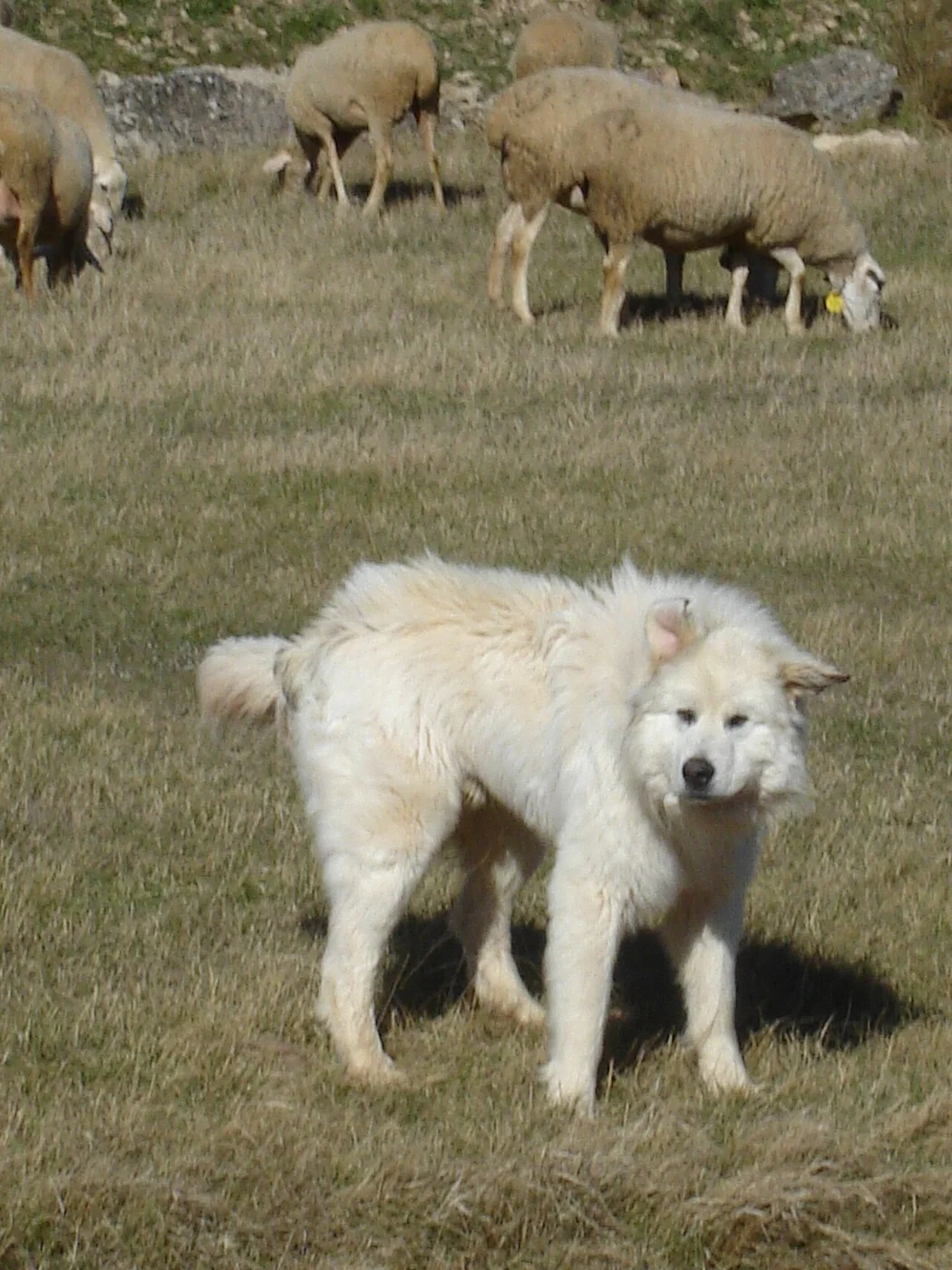
USDA FS Notice to Recreationists of Livestock Guardian Dog Presence, Sheyenne National Grassland, North Dakota, 2018 Forest Service - Northern Region · Public domain. Web size optimized; original linked.
Government and University Placement Programs
USDA Wildlife Services has provided livestock guardian dogs to Colorado ranchers, including two free guardian dog puppies, coverage of the first year of medical costs, and assistance with training, as part of nonlethal livestock protection projects in the American West. These placements are connected to wolf reintroduction and related predator concerns. The support includes elements of cost-sharing in some instances rather than purely temporary loans.
Separately, Texas A&M AgriLife operates a Livestock Guardian Dog Program that involves a multi-year bonding project with cooperating producers’ ranches. Dogs are placed to guard livestock and reduce predation. These structured placements highlight how extension services can facilitate the use of guardian breeds, though they function more as research-supported assignments than casual community borrowing. One useful question for readers is whether expanding such programs could scale to meet broader regional needs without straining agency resources.
How Guardian Dogs Work in Practice
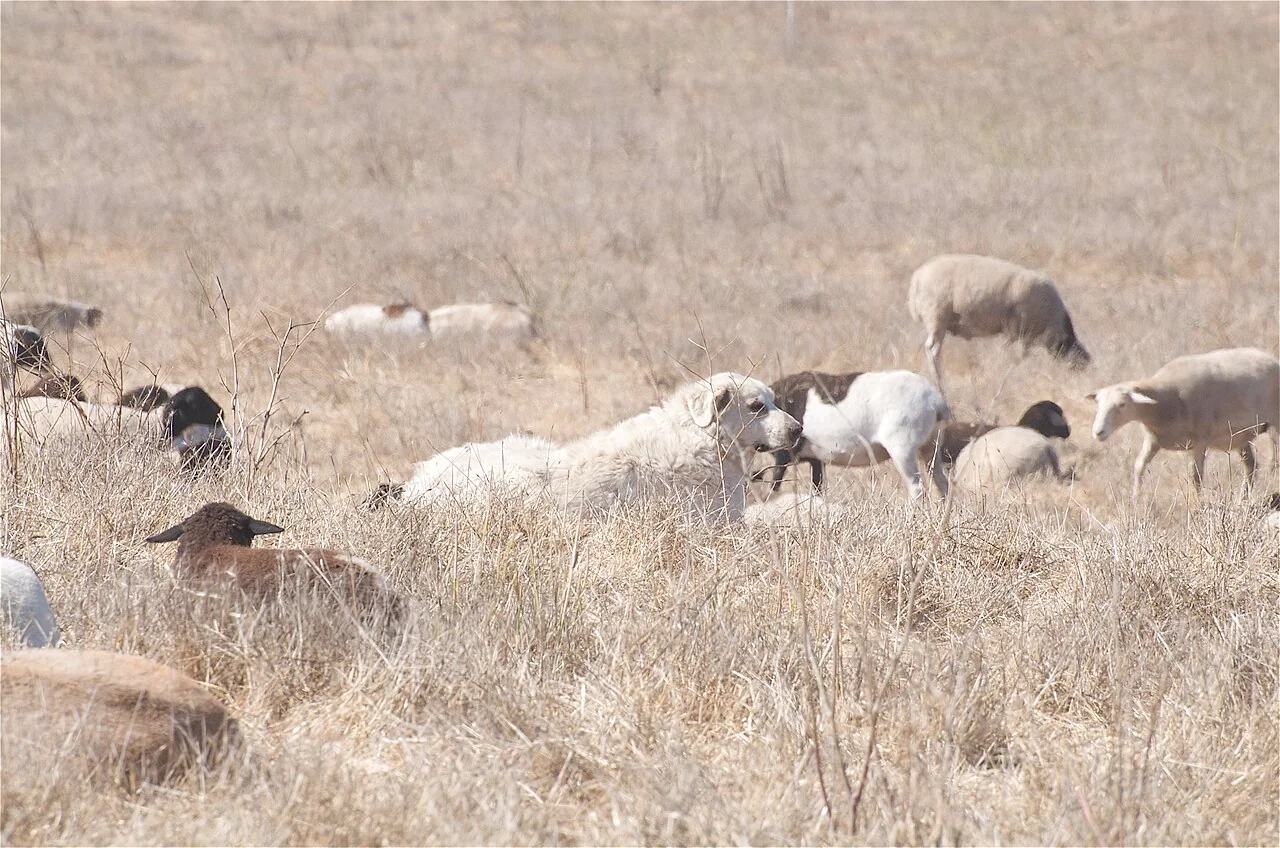
Livestock guardian dogs live with livestock and watch for predators 24 hours a day. When effectively bonded, they reduce predation through territorial exclusion, disruption, and confrontation. Properly managed dogs can be highly effective at controlling predation on sheep and goats, though it may take a couple of years for a new program to become fully effective.
Recommendations suggest one to two dogs per 100 ewes or nannies, but this varies with pasture size, terrain, predators, and other factors. The evidence underscores that bonding with the stock is essential for performance. From an editorial perspective, these dogs represent a time-tested partnership that aligns animal welfare with ranch economics, potentially sparing both livestock and dogs from worse outcomes. Implications include the possibility that wider access to such dogs could shift some operations away from lethal predator control.
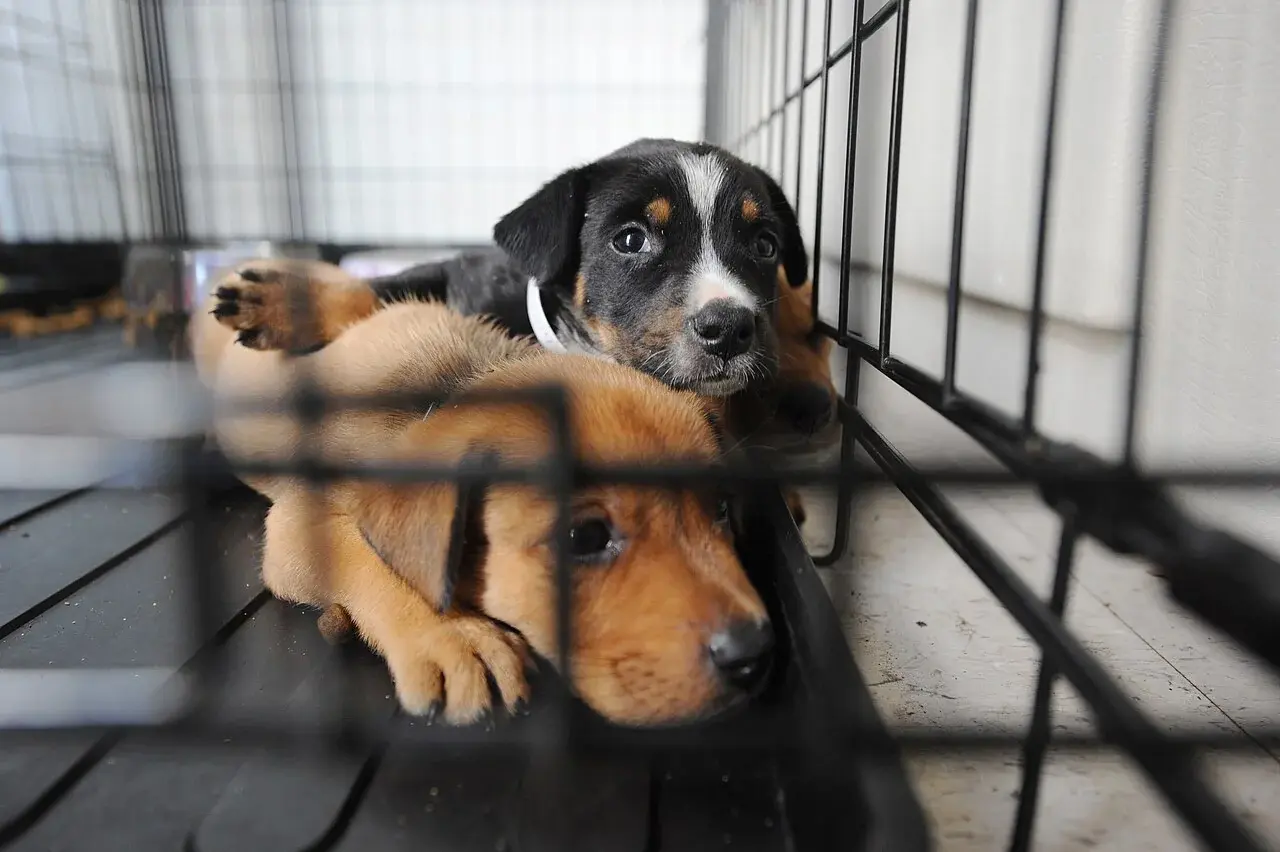
Programs that facilitate dog placements or loans may help lower livestock losses while giving working dogs purposeful roles. In regions where shelters occasionally receive large guardian breeds that are difficult to rehome, coordinated efforts could indirectly ease that pressure by keeping dogs in active ranch settings. Light fictional satire: imagine a dog checking out a novel like a library patron, only to realize the “book” is actually a flock of sheep that needs guarding every night—no late fees, just early mornings.
Social ripple effects could include knowledge sharing among producers and opportunities for younger farmers to learn nonlethal methods without heavy upfront investment. Reading question: how might rural communities measure success beyond simple loss statistics—perhaps through sustained dog welfare or stronger neighbor networks? The evidence supports cautious optimism that these efforts promote coexistence with native wildlife.
Looking Forward: Refining and Expanding Efforts
University researchers and extension agents continue to examine how best to integrate guardian dogs into modern ranching. Ongoing work includes studying bonding techniques and effectiveness against different predators. As climate and predator patterns shift, adaptable nonlethal tools like these dogs may become even more relevant for sustaining family operations.
Editorial analysis notes that while current programs show targeted value, scaling them will require attention to veterinary support, training consistency, and clear agreements between parties. Potential implications include broader adoption of nonlethal strategies that benefit both livestock and wildlife. The quiet progress in states like Colorado and Texas illustrates how practical cooperation can address real rural challenges without overstating current reach or outcomes.
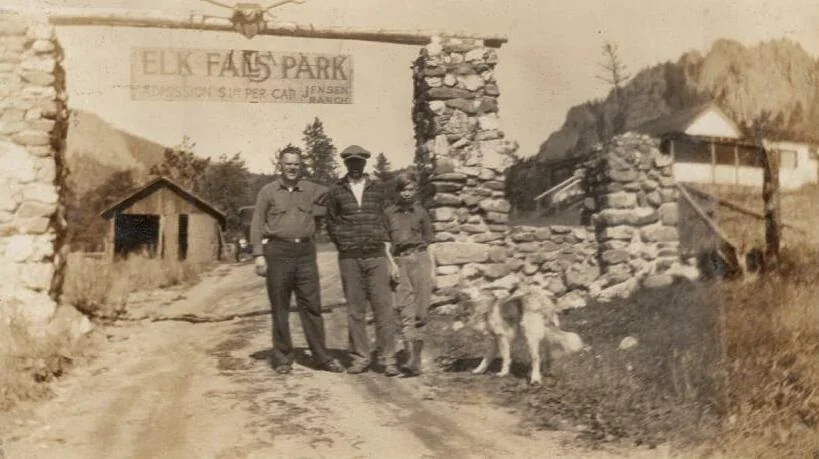
Leif Jensen at the Elk Falls Ranch in Park County, Colorado, circa 1925 AnonymousUnknown author · Public domain. Web size optimized; original linked.
AI-assisted original writing. This feature was revised against source material and checked for unsupported claims. Follow the references below for evidence and its limits.
 Photograph