Viral celebrity adoptions create quick interest spikes, yet evidence shows they often lead to short-lived surges that can strain resources when demand shifts to specific looks like doodle mixes.
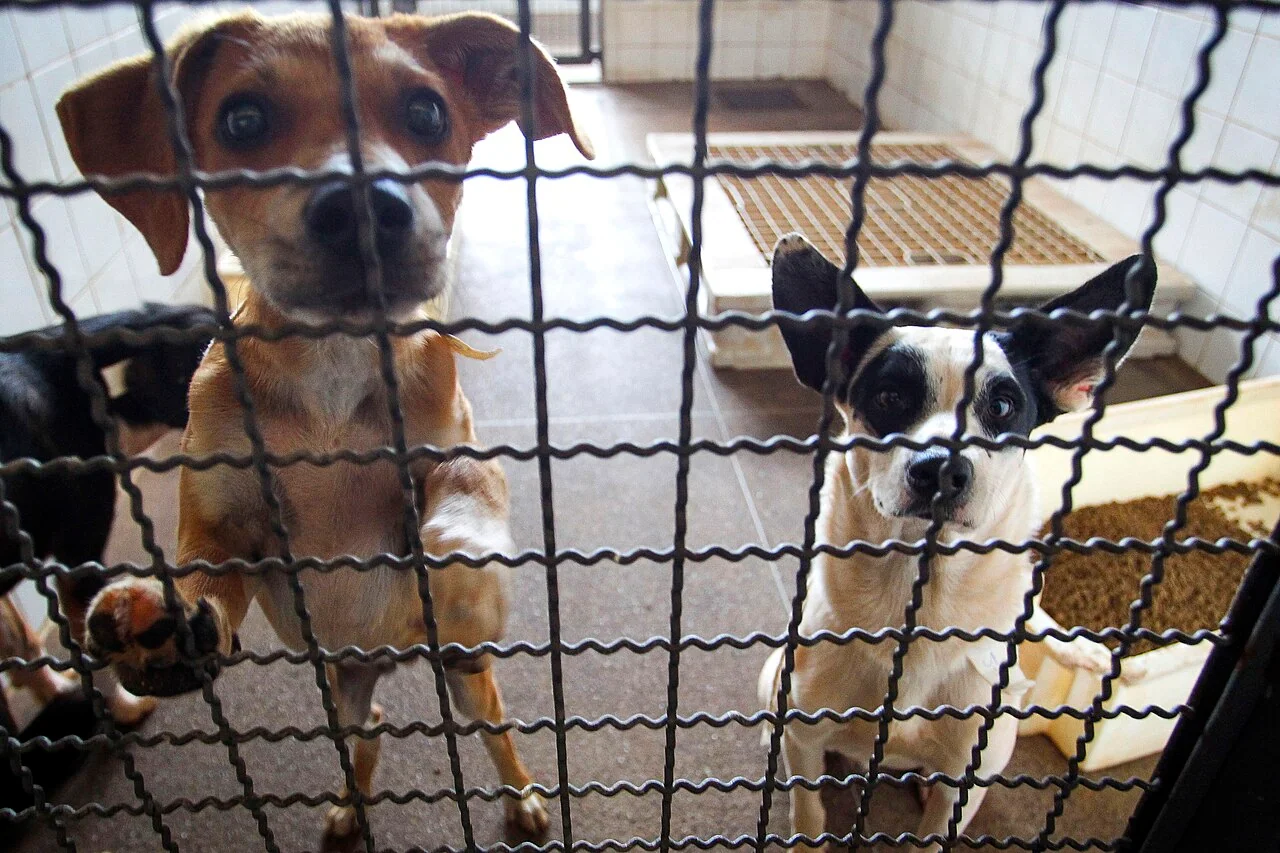
Dogs available for adoption at the Centro de Controle de Zoonoses do Distrito Federal, Brasília, Brazil (2015) Agência Brasília · CC BY 2.0 · Web size optimized; source linked for the original.
A celebrity sharing a photo with a newly adopted shelter dog can send social media into a frenzy. Inquiries pour in and shelters see a temporary lift in attention. These moments spotlight the appeal of rescue dogs. Yet the available evidence reveals a more measured reality. Short bursts of interest do not always produce lasting increases in adoptions. They can also heighten focus on certain appearances, contributing to later intake pressures when trends fade. Examining these patterns offers a clearer view for anyone considering adoption and for shelters aiming to turn fleeting buzz into steady support.
The Immediate Spark of Celebrity Spotlight
Social media posts from well-known figures can produce noticeable upticks in shelter activity. A single post may generate thousands of website visits and a rise in applications within hours. Campaigns can create global impressions that direct viewers toward adoption resources.
These events reflect public interest in rescue. Visibility can also bring donations and foster support that help free space for more animals. At the same time, attention tends to gather around photogenic or currently popular types. This can leave other residents with less glamour receiving comparatively little notice. New visitors sometimes arrive with expectations shaped by polished images rather than the adjustment period many shelter dogs require.
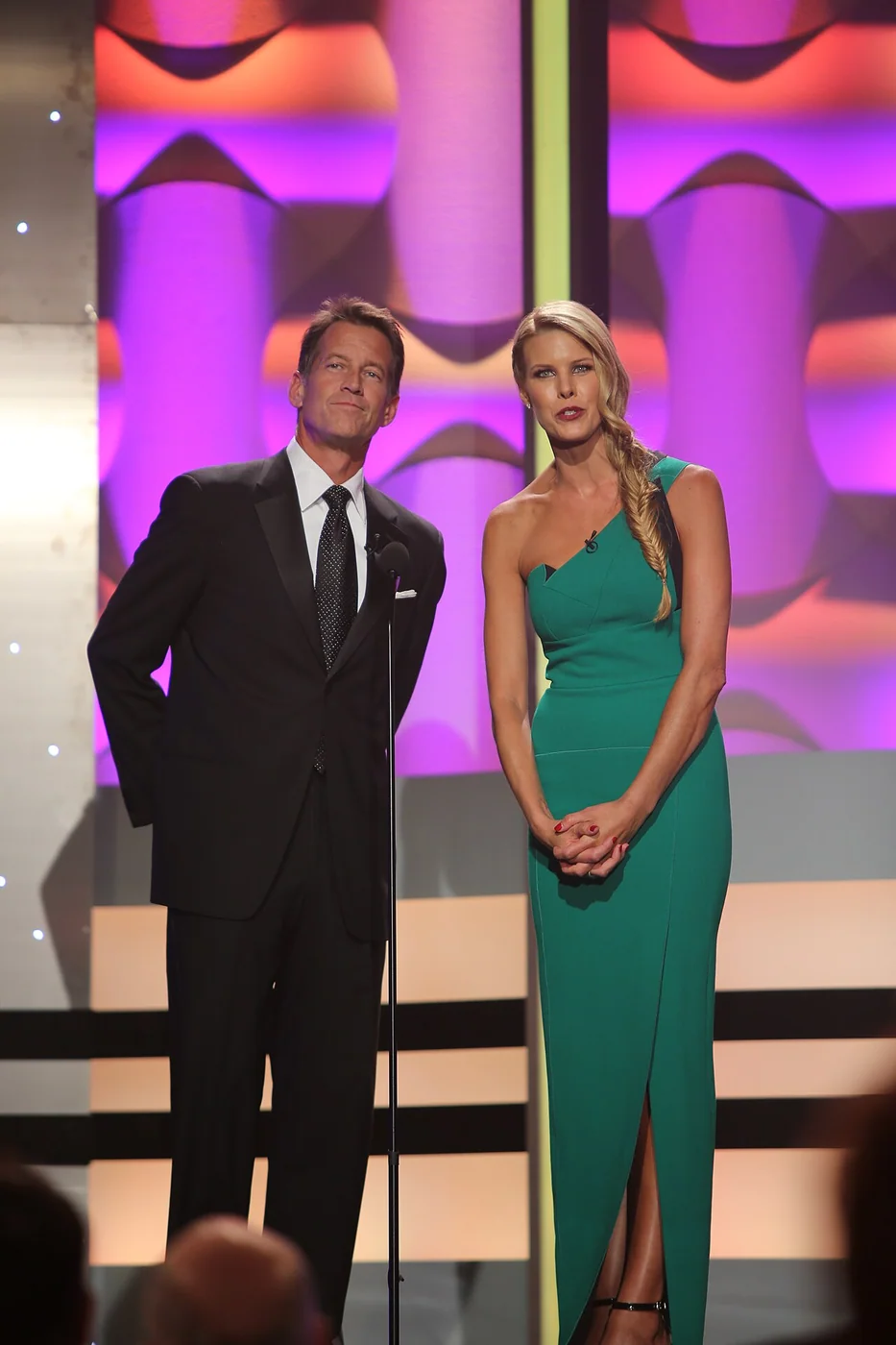
Celebrity hosts James Denton and Beth Stern at the 2014 AHA Hero Dog Awards State Farm · CC BY 2.0. Web size optimized; original linked.
Breed Demand Surges and Their Aftermath
High-profile moments sometimes spotlight mixed-breed dogs and can temporarily shift perceptions around types such as bully breeds. Campaigns that remove breed labels from profiles have been associated with higher adoption numbers for those dogs and lower euthanasia rates in some shelters. Dogs listed without labels have also recorded shorter median stays.
On the other side, surges in interest for particular looks have been linked to later increases in shelter intakes of those same types. A 2023 survey found that more than 60 percent of 314 responding organizations reported receiving doodles and other intentionally mixed breeds. Over half of respondents indicated they were getting puppies from breeders unable to sell them. Large and medium-sized dogs already tend to stay longer in shelters. When popular puppies return as adolescents with grooming, energy or health needs that exceed initial expectations, shelters face added demands.
Longer-Term Shelter Realities
Shelter data indicate that millions of dogs enter care each year. Recent analyses have shown overall dog adoptions decreasing by 5 percent compared with both 2023 and 2019 levels. Lengths of stay for large and medium-sized dogs have been increasing.
Celebrity visibility can help individual animals move through the system and create capacity for others. Yet it rarely alters the broader flow of owner surrenders or strays. Effective follow-through such as foster programs, adopter education and fee waivers during promotion periods helps convert initial excitement into permanent placements. Without those supports, interest can subside and leave ongoing capacity challenges.
Exterior of Harris County Animal Shelter building WhisperToMe · CC0 1.0. Web size optimized; original linked.
What the Data Actually Shows
University-led studies and national tracking have found that celebrity endorsements tend to generate short, sharp increases in interest rather than sustained changes in adoption baselines. Nationwide declines in euthanasia over decades have been more closely tied to spay-neuter programs and shifting cultural views of pets as family members.
Pit-bull-type dogs often make up a disproportionate share of shelter populations and experience longer waits when labeled as such. Removing labels and running positive campaigns have improved outcomes in some areas. At the same time, intakes of designer mixes have risen in connection with economic pressures and housing insecurity. The same 2023 survey noted that nearly 60 percent of organizations had received surrenders or requests from people who had paid high prices for dogs but could no longer afford upkeep. These patterns highlight that single campaigns cannot resolve systemic overcrowding. Communities combining visibility with practical measures such as pet-friendly housing policies have shown more cumulative progress.
Adopting with Eyes Wide Open
The appeal of a celebrity-and-dog image can spark empathy. Potential adopters do best when they visit shelters, ask about each dog’s observed behavior and prepare for possible training or medical expenses. Shelters have refined their methods with better photography, personality-focused descriptions and foster-to-adopt trials to present dogs accurately.
Campaigns that emphasize the realities of everyday rescue alongside the highlights tend to support steadier public commitment. Treating celebrity posts as short-term catalysts rather than complete answers allows the resulting energy to support year-round practices that ease shelter burdens.
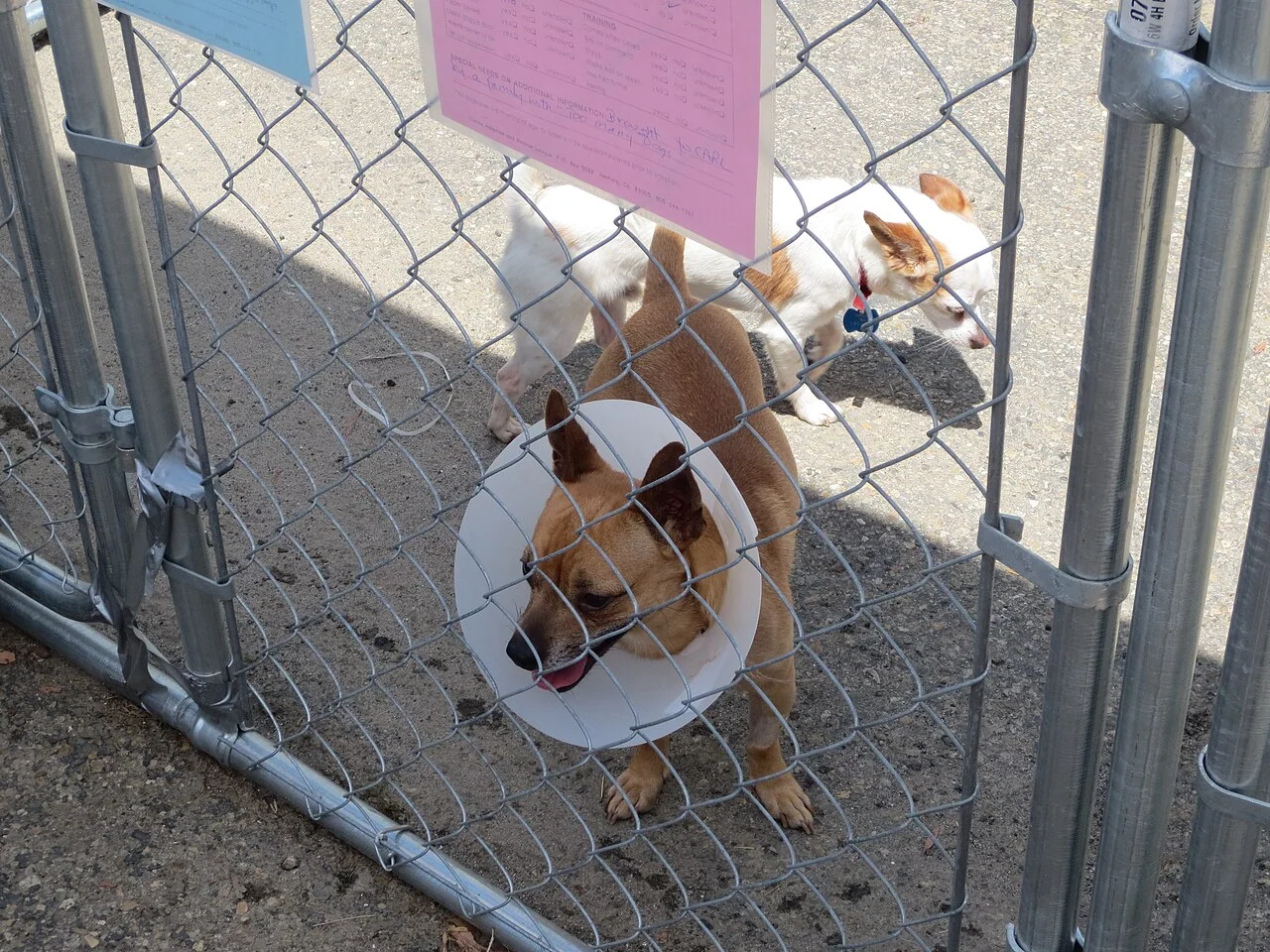
Pet adoption event at Fence Factory Agoura, showing dogs available for adoption Fence Factory · CC BY-SA 3.0. Web size optimized; original linked.
AI-assisted original writing. This feature was revised against source material and checked for unsupported claims. Follow the references below for evidence and its limits.

 Historical collection image