Free-roaming cat colonies drive much of shelter intake for felines, create resource pressures, and highlight important differences in how communities manage stray animals compared with dogs.
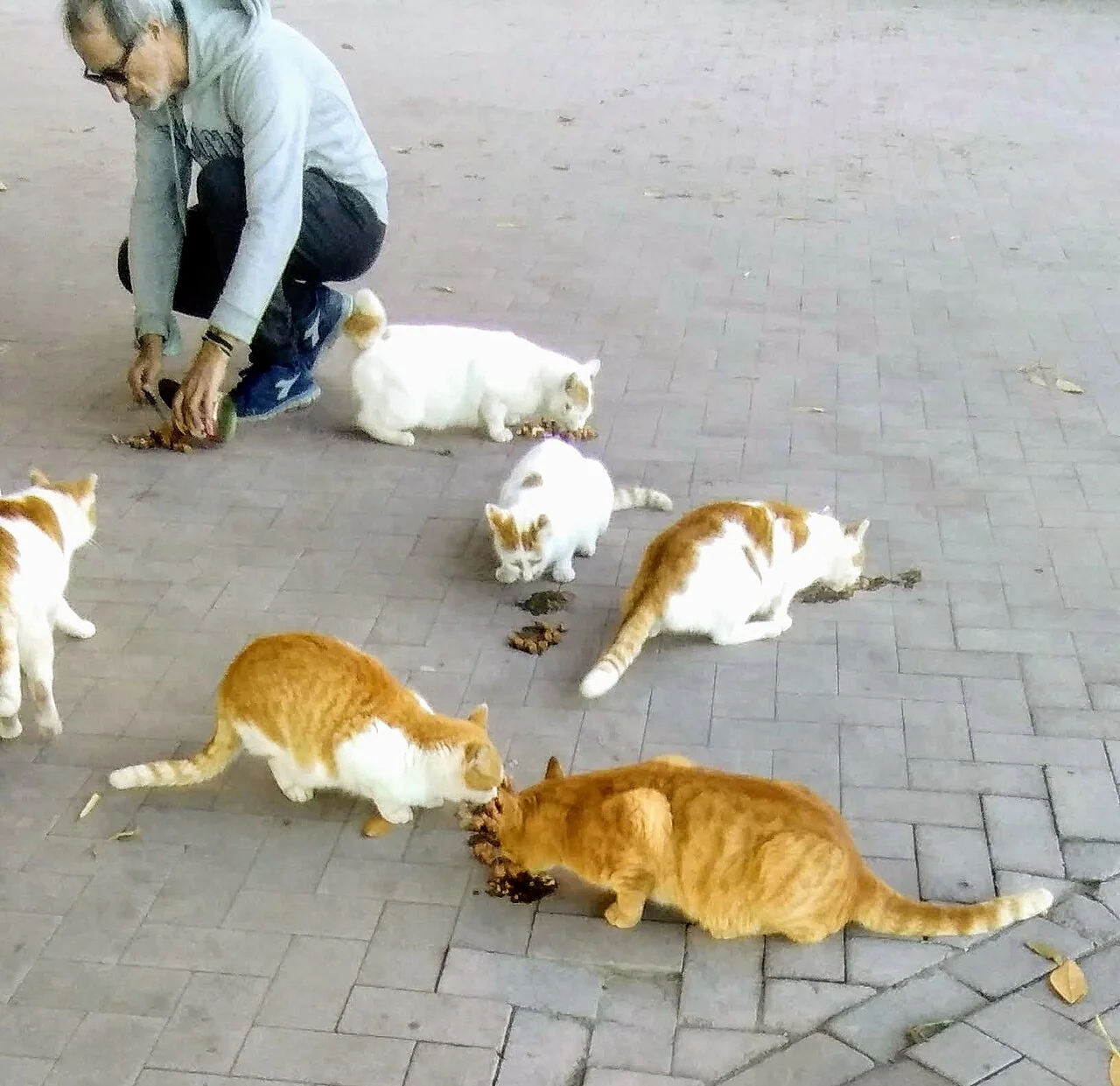
Modern documentary photograph of a semi-feral cat colony at Marina del Nettuno, Messina, Italy (2020). Jeanne Griffin · CC BY-SA 4.0 · Web size optimized; source linked for the original.
Community cats—unowned, free-roaming felines—play a large role in the numbers of animals entering shelters across the United States. Evidence from shelter organizations shows these cats arrive in far greater proportions than lost or surrendered pet cats, largely because so few are sterilized. This situation strains shelter capacity and affects outcomes for both cats and other animals, including dogs, that share the same limited resources. While the topic of dog overpopulation often dominates public discussion, data on feline intake offers a clearer picture of where the pressures actually lie. The following sections explore the scale of the community-cat population, sterilization rates, shelter statistics, management approaches, and what these patterns mean for communities.
Scale of the Community Cat Population
Free-roaming, un-owned cats, often called community cats, exist in substantial numbers in many U.S. communities. Estimates from the mid-2000s placed their total close to the number of pet cats, which at that time was reported around 82 to 88 million. These figures are approximate and dated, so current population size remains uncertain. What is clear is that community cats are far more common than free-roaming dogs, which are now rare in most parts of the country.
This abundance of community cats creates a steady supply of animals that can enter shelters. Because they live outdoors and reproduce freely, colonies can grow quickly. Shelter professionals note that the presence of these populations changes how communities think about stray animals in general. Rather than focusing only on dogs, many cities now devote significant attention and funding to managing unowned cats. The contrast with the relative scarcity of stray dogs underscores why cat-specific strategies have become central to modern animal-welfare programs.
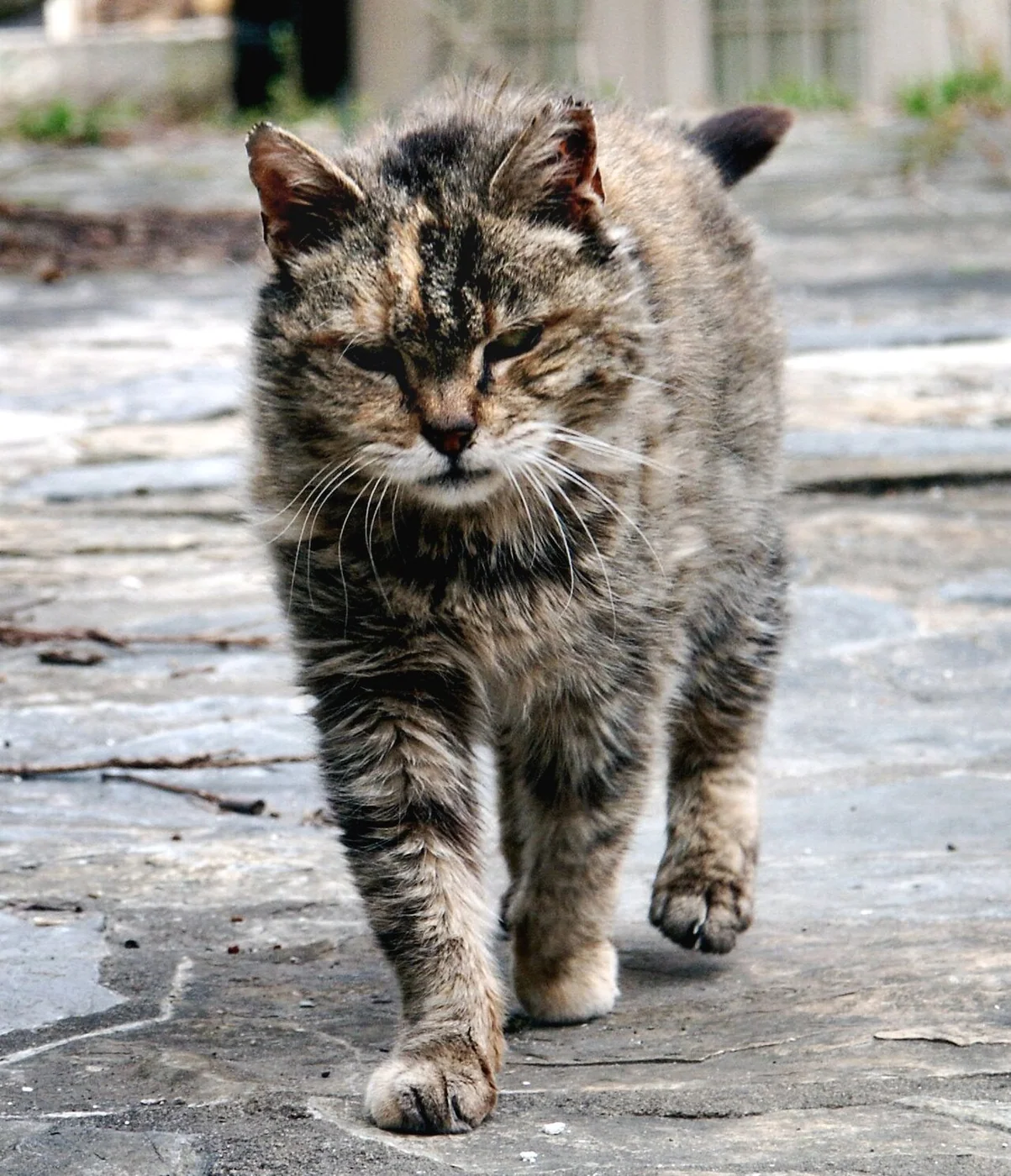
Feral barn cat in Virginia, 2002. Multiple healed injuries from catfights are visible. Stavrolo · CC BY 3.0. Web size optimized; original linked.
Sterilization Rates and Their Consequences
Data indicate that more than 80 percent of pet cats in the United States are sterilized. By comparison, only about 2 percent of community cats are sterilized, according to surveys and studies conducted between roughly 2005 and 2013. These older figures may not reflect today’s reality exactly, yet the gap remains a key explanation for high feline intake numbers.
Low sterilization among community cats leads to frequent litters and a continuing influx of kittens into shelters. Most litters from pet cats result from accidental breeding by owned animals that are not yet spayed or neutered. In contrast, the vast majority of community-cat reproduction happens because so few adults are altered. This difference helps explain why shelters see many more cats than would be expected from pet-cat relinquishments alone. The ongoing reproduction cycle also affects how shelters allocate space, staff time, and medical resources.
Shelter Intake and Live-Release Statistics
In a typical year the ASPCA estimates that 3.2 million cats enter the U.S. animal-sheltering system. Community cats account for a large share of this total. In California in 2010, only 28 percent of cats admitted to animal-control shelters were released alive, compared with 58 percent of dogs. While these figures are specific to one state and one year, they illustrate a national pattern in which cats generally have lower live-release rates than dogs.
The disparity is attributed in part to the high volume of community cats, many of which arrive unsocialized and harder to place. Shelters often struggle to find homes for non-feral cats when large numbers of incoming kittens and adults fill available space. This pressure can indirectly affect dogs by competing for the same adoption areas, volunteer hours, and funding. Understanding these intake dynamics helps explain why some communities see stray cats as the bigger day-to-day challenge even though dog-overpopulation stories still receive more media attention.
Cat shelter facility in České Budějovice, Czechia. Czeva · CC BY-SA 4.0. Web size optimized; original linked.
Recommended Management Approaches
Major organizations advise keeping healthy, unsocialized community cats out of shelters whenever possible. The ASPCA recommends that such cats should enter facilities only if they are ill, injured, pose an unmitigated nuisance, or are confirmed orphans too young to be sterilized and returned. The goal is to reduce stress on the cats, lower disease risk, avoid unnecessary euthanasia, and prevent displacing other animals that might be more adoptable.
Instead of routine shelter intake, the focus is on Trap-Neuter-Return-Maintain (TNRM) programs that stabilize colonies without removing cats from their outdoor homes. For socialized cats and kittens, shelters are encouraged to accept them only when they have spare capacity that does not crowd out other animals. These guidelines reflect a shift in thinking: assumptions that work well for managing stray dogs do not always translate directly to cats. The proceedings from veterinary conferences highlight this paradigm difference, noting that community-cat management requires its own set of tools and expectations.
Implications for Communities and Resource Sharing
Because community cats drive so much of shelter intake, they shape how entire animal-control systems operate. When shelters are full of cats and kittens, fewer kennels and less staff time are available for dogs. Funding that might have gone toward dog-focused adoption campaigns or spay-neuter clinics can be redirected to feline programs. This reality challenges the common narrative that centers primarily on dog overpopulation.
Communities therefore face practical questions: How much should be invested in TNRM versus traditional sheltering? What balance allows both cats and dogs to benefit? Editorial analysis suggests that accurate data on sterilization rates and intake sources can guide smarter spending. Rather than treating all strays the same, targeted efforts aimed at community cats may yield measurable reductions in shelter admissions. At the same time, no single approach fits every locale; local colony sizes, resources, and public attitudes vary. Policymakers and donors might ask themselves whether current budgets reflect the actual sources of intake or whether outdated assumptions about dogs still dominate decision-making. Light-hearted observation: while cats may not bark to get attention, their quiet but persistent population growth has certainly gotten the attention of shelter budgets nationwide.
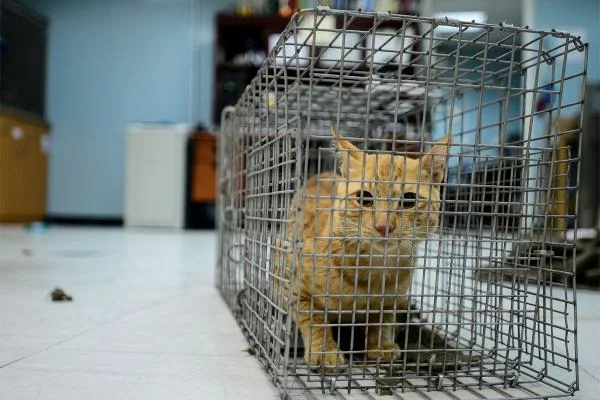
Stray cat captured during a U.S. military neuter and release program, crouching in a cage in Southwest Asia. Racheal E. Watson · Public domain. Web size optimized; original linked.
AI-assisted original writing. This feature was revised against source material and checked for unsupported claims. Follow the references below for evidence and its limits.

 Historical collection image