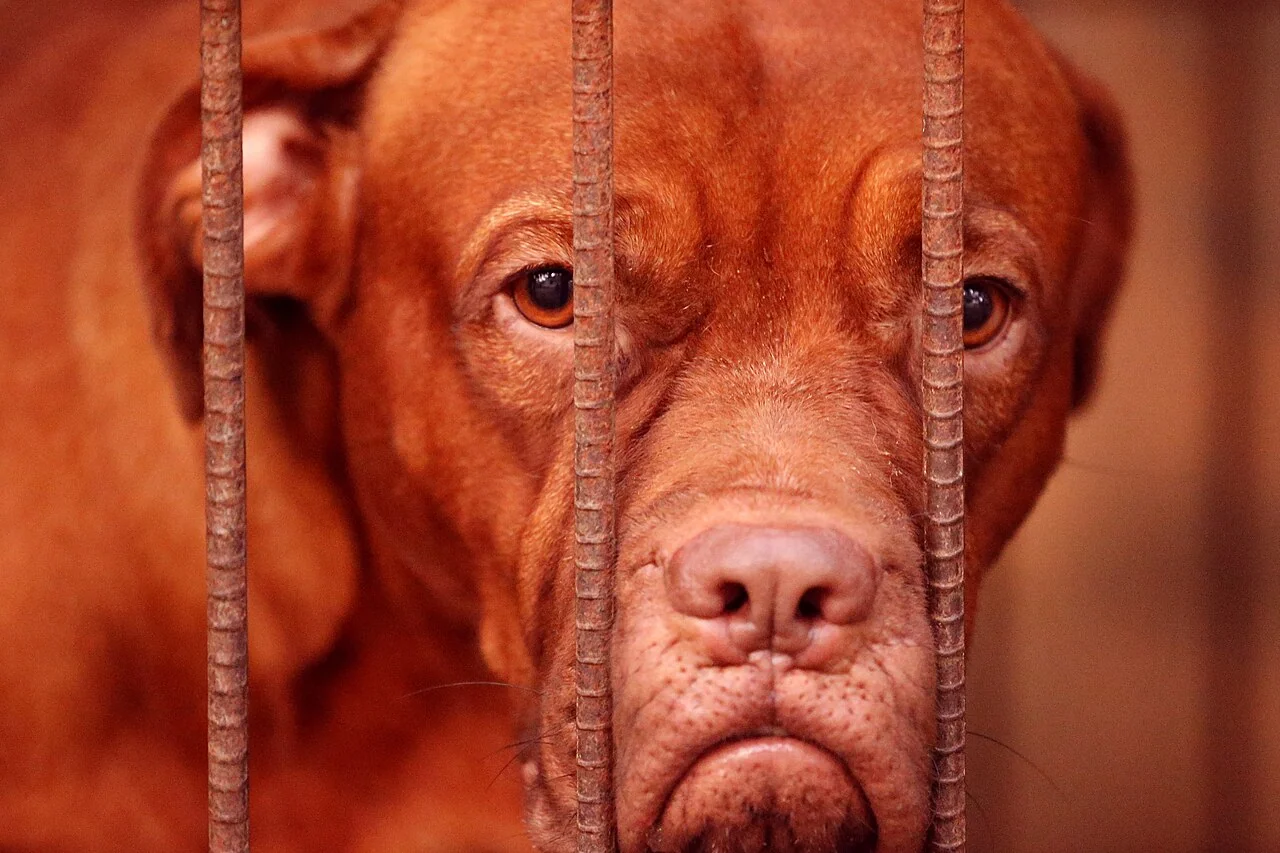
Dog in a cage at a shelter environment Devilal · CC BY-SA 3.0 · Web size optimized; source linked for the original.
Adopting a dog feels exciting, but the polished photos and short videos from shelters can sometimes paint an incomplete picture. Evidence from animal welfare organizations and behavior experts shows that a dog’s actions in the shelter environment are heavily shaped by stress and context. A single snapshot or clip may not reveal how that same dog will behave once settled in a quiet home. By learning to look past the obvious happy signals and spotting subtler clues, potential adopters can make more informed choices that support the animal’s welfare. This article draws directly from position statements and observational analyses to help readers interpret shelter media more thoughtfully, without overinterpreting any one image.
Why One Moment Doesn’t Tell the Whole Story
Behavior in a shelter setting is influenced by many factors including the dog’s emotional state, stress level, and the specific surroundings. A position statement from a major animal welfare organization notes that single observations or assessments conducted in the shelter may not accurately reflect how a dog will act once adopted into a home. This matters because adopters often decide based on appealing photos or videos that capture only a brief, possibly high-stress period.
The same source highlights that behavior assessments have not proven highly accurate or precise at predicting future aggression after adoption. In fact, a significant number of dogs that show aggression during an assessment do not display it in their new homes. This gap between shelter behavior and home behavior underscores why it is wise to treat any single photo or video with healthy skepticism rather than as a complete character reference. Asking questions like “What might this dog be feeling in this environment?” can lead to more realistic expectations.
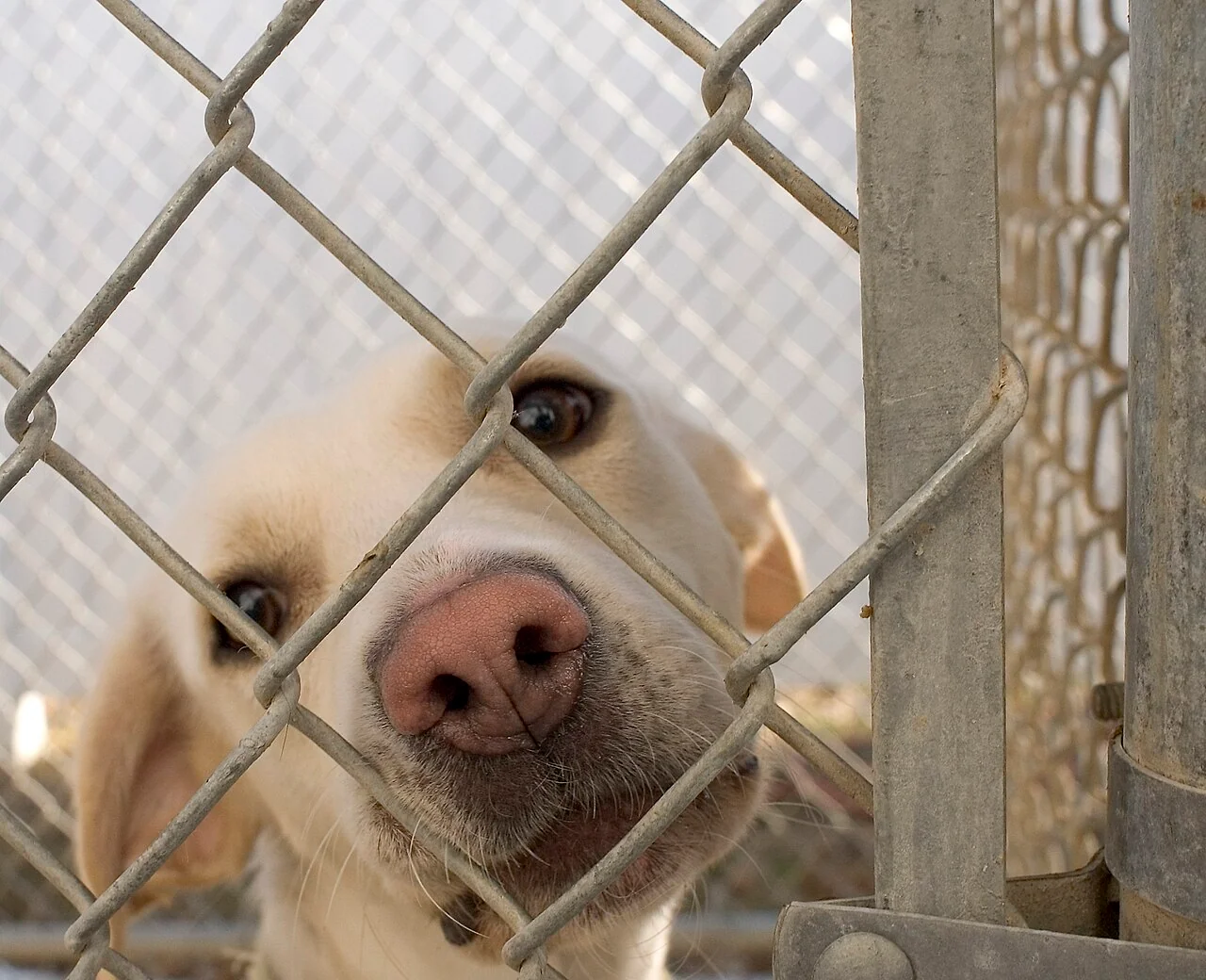
Dog behind a chain-link fence at an animal shelter in Washington, Iowa Nhandler · CC BY 2.5. Web size optimized; original linked.
When a Wagging Tail Isn’t a Clear Yes
Many shelter videos feature dogs with enthusiastically wagging tails, bouncing movements, or eager eating. Yet experts point out that stressed dogs can appear excited in exactly these ways. The tail wag, often taken as universal joy, can occur alongside other signals of discomfort that are harder to spot in a still photo or fast-moving clip.
Context remains essential. The same analysis advises evaluating the whole dog and the situation rather than isolating one behavior. A wagging tail paired with a tense body or other signs may indicate anxiety rather than pure happiness. Adopters might usefully ask themselves: Does this video show the dog in a quiet space or a busy, noisy area? Light humor helps here—imagine mistaking a nervous “please adopt me so I can leave this loud place” dance for pure party mode. Recognizing this prevents disappointment later and supports better matches between dogs and families.
Reading the Face Beyond the Open Mouth
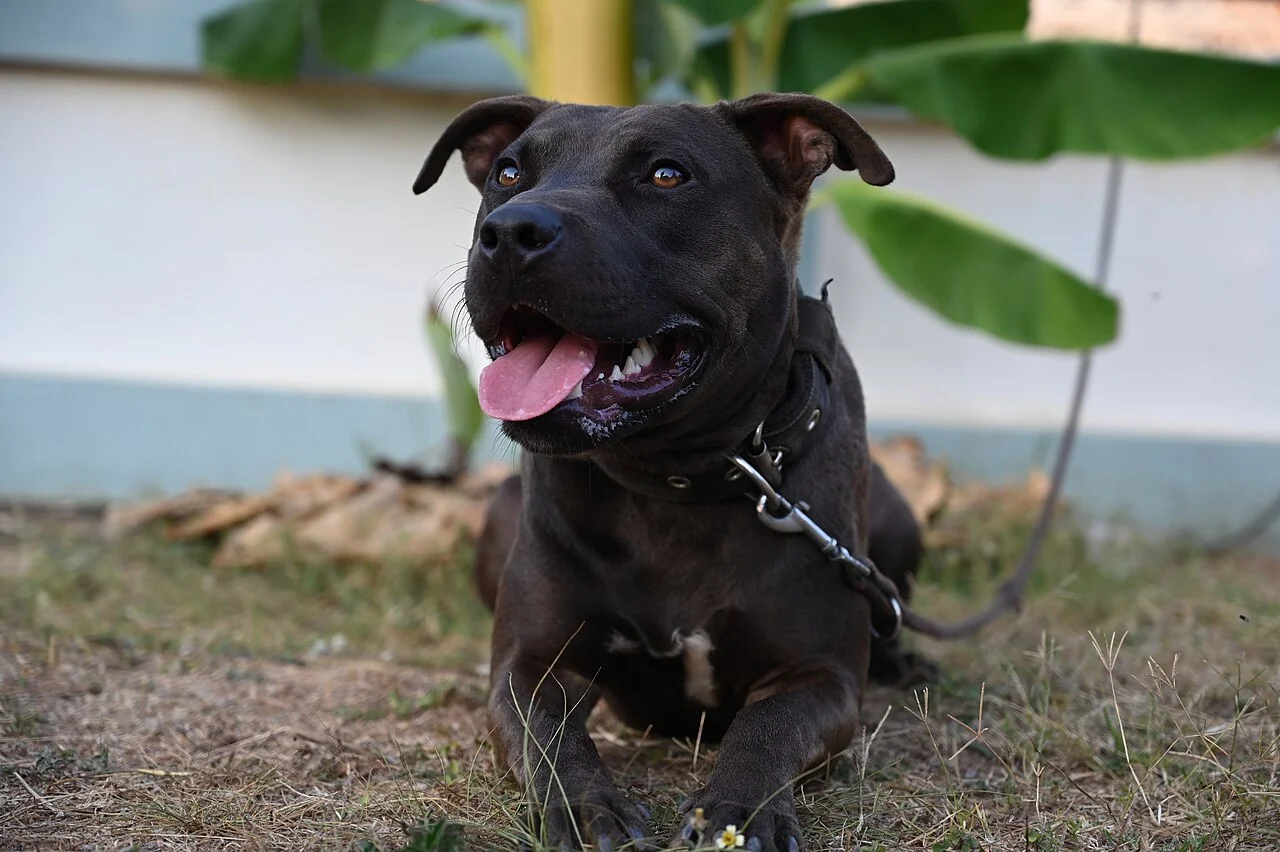
An open mouth in a dog photo often looks relaxed and friendly. However, research on canine facial expressions shows that tightness around the lower lip or bunched muscles on the cheek can signal stress even when the mouth is open. Comparing a shelter image to what a truly relaxed dog’s face looks like—smooth features and soft eyes—reveals differences that a casual glance might miss.
Dilated pupils can also appear in photos and videos of dogs experiencing tension, sometimes without more obvious signs like trembling or heavy panting. Observers are encouraged to look at multiple stills or watch video closely rather than relying on one polished image. This deeper look helps potential adopters consider whether the dog might need extra time to decompress after leaving the shelter environment. The evidence suggests that what seems like a “happy-go-lucky” expression in marketing materials may actually reflect a dog coping with uncertainty.
Happy pup soaking up the sun with a big smile and wagging tail PattayaPatrol · CC BY-SA 4.0. Web size optimized; original linked.
The Value of Foster Home Insights
Shelter organizations recommend gathering behavioral information from multiple sources, including foster homes, because a stay in a foster environment may offer the most accurate reflection of how a dog will behave in an adoptive home. Kennel behavior or behavior during a single assessment is heavily context-dependent and may not match daily life in a house.
This recommendation implies that adopters should look beyond the shelter’s own photos and videos when possible. If foster updates or additional footage exist, reviewing them can provide a fuller picture. Potential adopters might consider asking shelters for any available foster reports or longer-term observations. Such steps reduce the risk of surprise once the dog settles in and help ensure the new home meets the animal’s actual needs rather than the impression created by a single high-energy shelter clip.
Practical Questions to Ask Before Adopting
Looking critically at shelter imagery leads naturally to a set of practical questions. What is the context of this photo or video—crowded room, new people, or a quiet moment? Are there subtle signs such as ear position, facial tension, or body posture that might suggest discomfort even if the tail is wagging? These questions flow directly from the evidence that behavior is environment-specific.
Implications matter for animal welfare. Adopters who understand these nuances may be more patient during the transition period, allowing dogs time to show their calmer selves. This approach can reduce returns to shelters and support stronger human-animal bonds. While no method guarantees perfect predictions, applying these observation skills adds a thoughtful layer to the adoption process. Editorial reflection suggests that patience and curiosity serve both the dog’s well-being and the adopter’s satisfaction more reliably than instant assumptions based on cute marketing imagery alone.
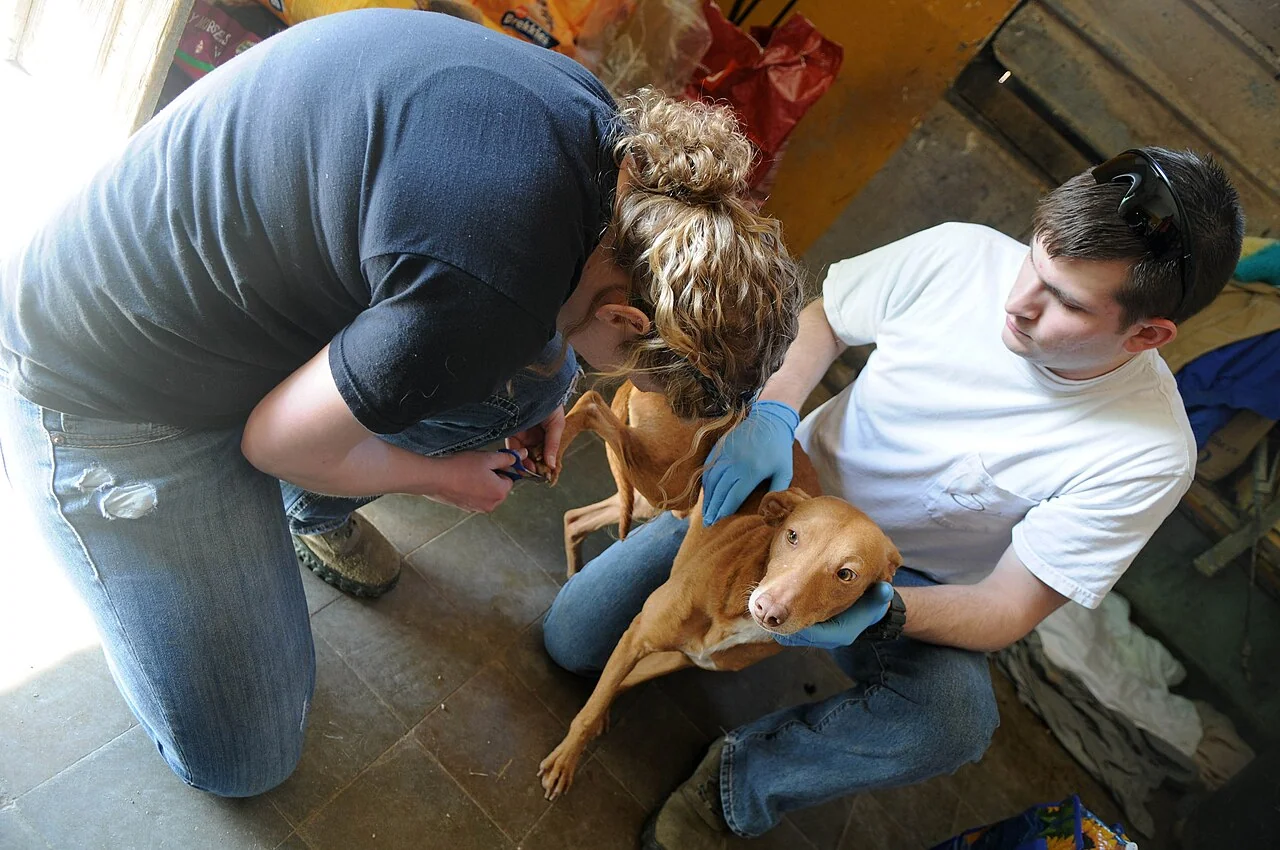
Tech. Sgt. Hannah Hobart and Airman 1st Class Stephen Dawkins trim the nails of a dog at a shelter for strays in southwest Europe, Feb. 10, 2013. (U.S. Air Force photo by Staff Sgt. Austin M. May) Staff Sgt. Austin May · Public domain. Web size optimized; original linked.
AI-assisted original writing. This feature was revised against source material and checked for unsupported claims. Follow the references below for evidence and its limits.
 Historical collection image