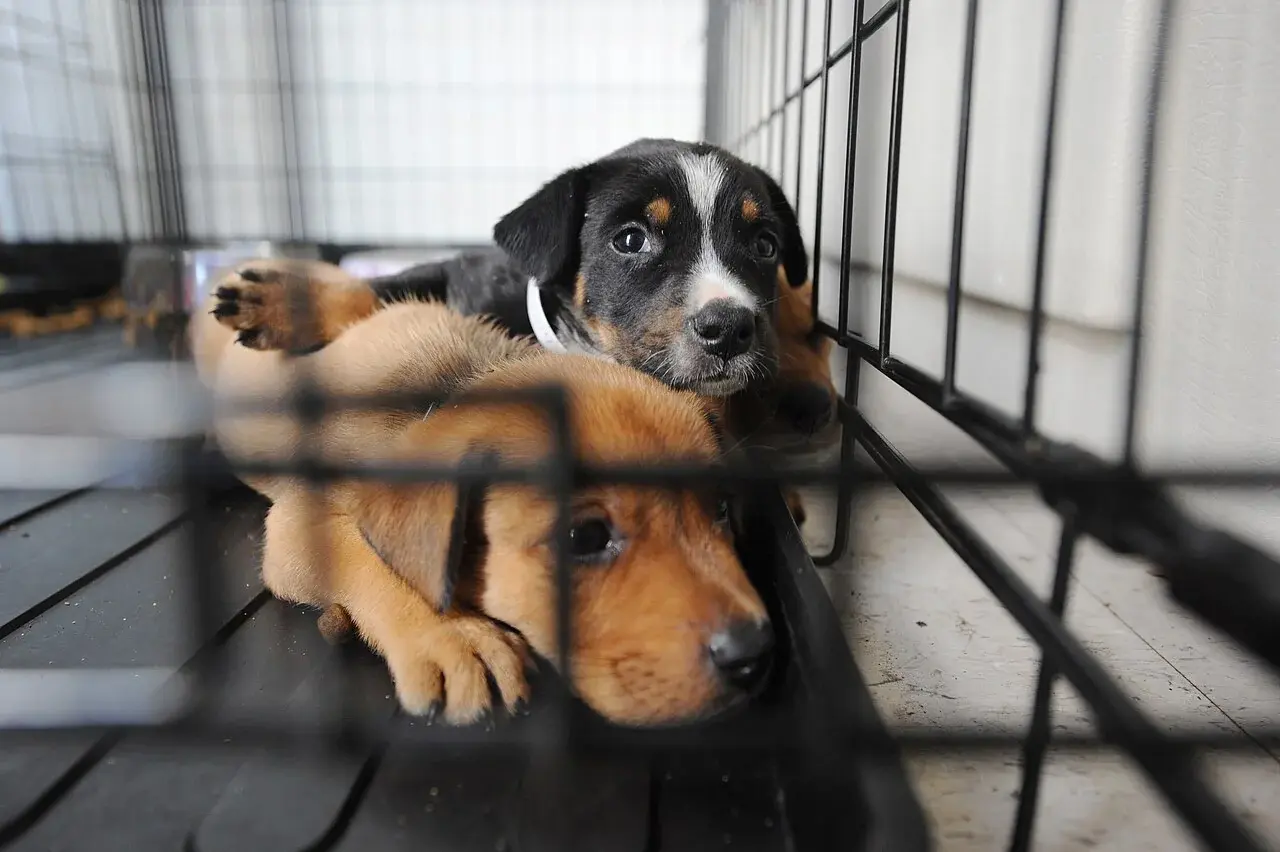
Programs pair young readers with calm dogs, creating a judgment-free space that eases anxiety for kids while giving shelter animals gentle human contact.
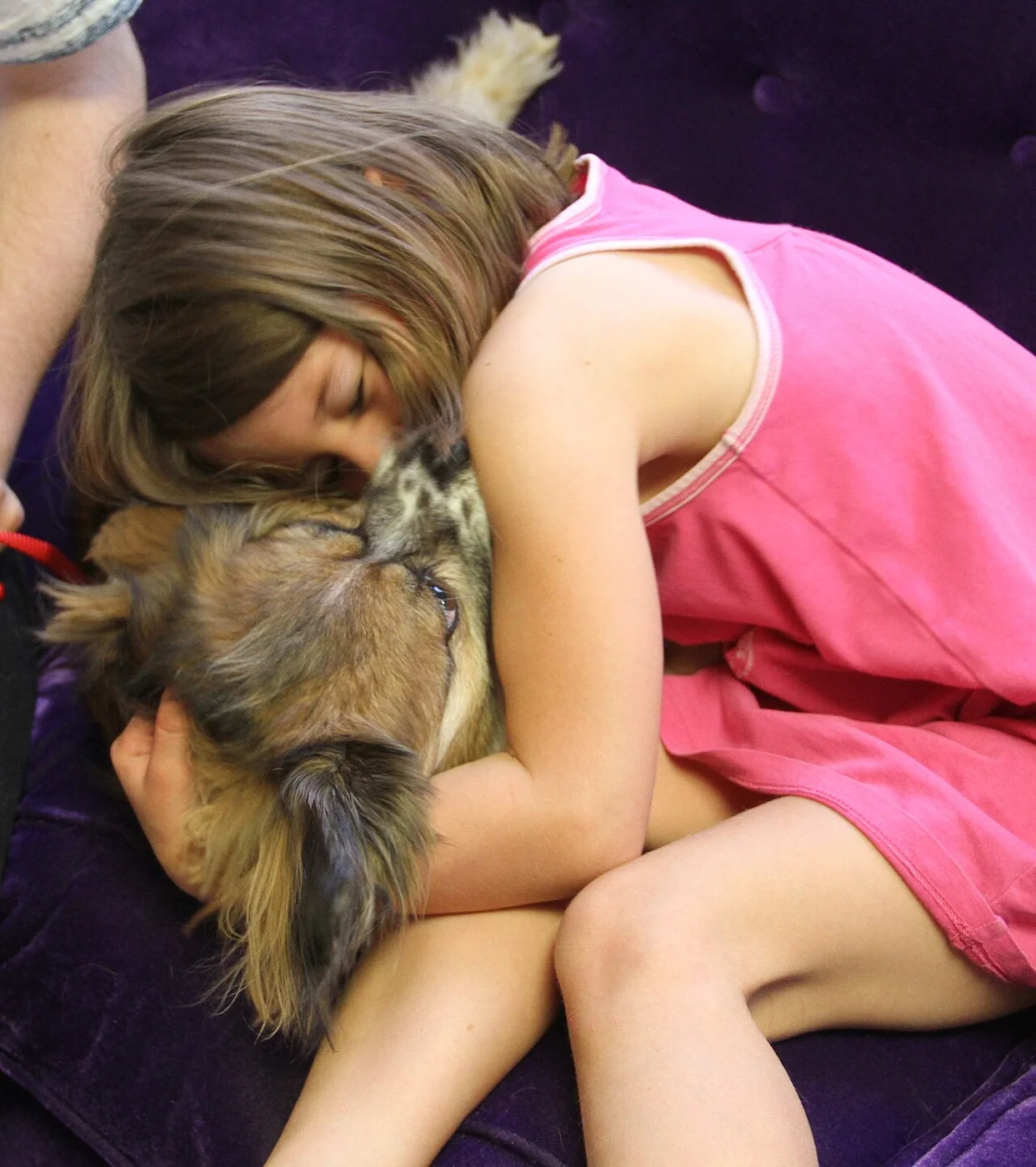
Lilie Foat, six, hugs Toby, a certified therapy dog, after reading him a book during a Paws for Reading session at Mickelsen Community Library on Fort Bliss March 16. Photo by Abigail Waldrop, Fort Bliss Bugle Staff · Public domain · Web size optimized; source linked for the original.
In many libraries and schools, children settle in with a book and a friendly dog nearby. The dog listens quietly as the child reads aloud, offering a calm presence that never corrects or interrupts. These sessions, part of established programs like Reading Education Assistance Dogs, aim to build reading confidence in a relaxed setting. The dogs, often from therapy or shelter backgrounds, receive steady, positive interaction that can help them stay composed around people.
The Structure of a Typical Session
Organized programs bring together trained therapy teams with young readers. A handler stays close to monitor the dog's comfort and guide the interaction. Sessions focus on one child and one dog at a time, allowing the reader to choose from suitable books and proceed at their own pace.
The atmosphere is deliberately low-pressure. Dogs are selected for calm behavior around children. Children often feel freer to stumble over words or repeat sentences because the listener does not judge. This setup appears in various locations, including public libraries that partner with therapy animal groups.
An elderly dog named Penny sits patiently as a young child reads to her at Wiesbaden Library, 2019. This is a real photo of a child reading aloud to a therapy dog in a library-based program. U.S. Army 105MPAD by Pfc. Laurie Ellen Wash · Public domain. Web size optimized; original linked.
Reported Benefits for Young Readers
Participants in these programs are said to gain comfort with reading aloud. The nonjudgmental attention from a dog can reduce performance anxiety, helping children focus on the story rather than worrying about mistakes.
Parents, students, and educators have shared positive reactions. Some note that children show greater willingness to read after regular sessions. The programs emphasize building confidence through repeated, gentle practice in a supportive environment.
Positive Interaction for the Dogs
The dogs involved receive calm, predictable human contact during the sessions. This gentle exposure to quiet voices and attentive children can contribute to their overall well-being.
Therapy animal organizations select and prepare dogs that tolerate this type of activity. The interaction is supervised to ensure it remains comfortable for the animal. Many programs view these sessions as a form of enrichment that keeps the dogs engaged with people in a low-stress way.
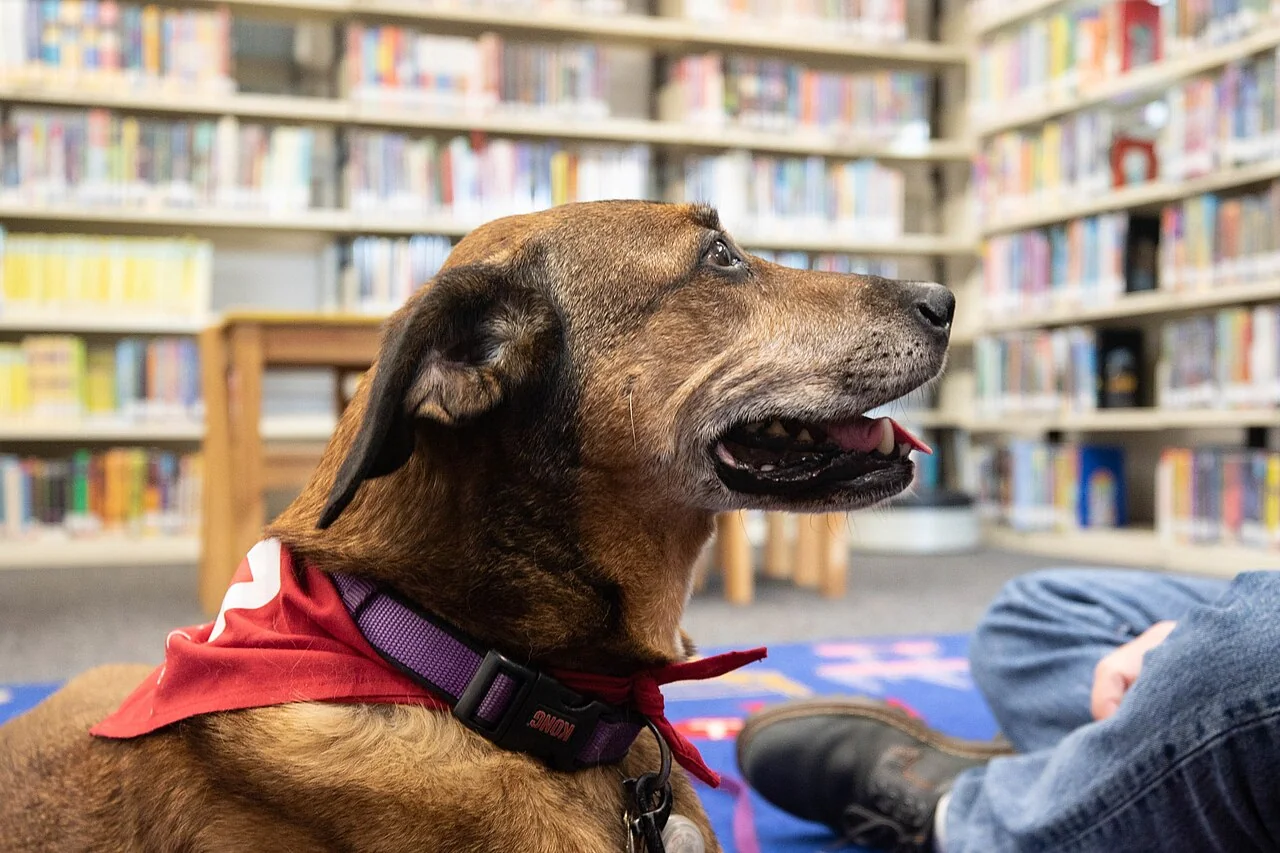
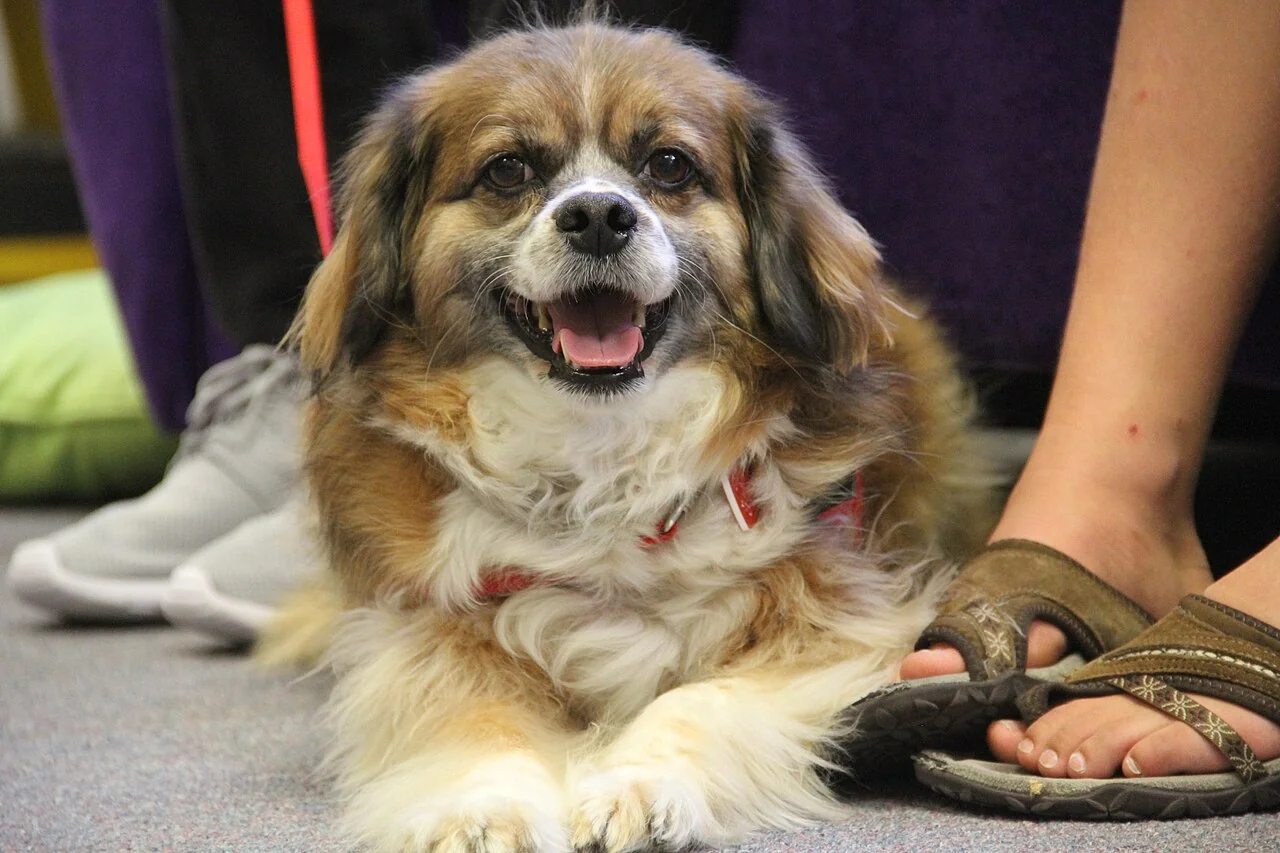
Certified therapy dog Toby poses during a Paws for Reading session at Mickelsen Community Library on Fort Bliss, 2016. This is a real photo of a therapy dog participating in a children's reading program. Photo by Abigail Waldrop, Fort Bliss Bugle Staff · Public domain. Web size optimized; original linked.
How to Support Similar Efforts Locally
Communities interested in these programs can look for established therapy animal affiliates or library partnerships. Volunteers with suitable dogs can pursue training to meet program standards for behavior and handling.
Simple actions at home or in shelters include offering quiet attention, respecting an animal's need for space, and moving slowly when meeting new dogs. Shelters may welcome volunteers who provide consistent, calm companionship to animals awaiting adoption.
Growth and Reach of These Programs
The model has expanded through networks of therapy animal groups, reaching libraries and schools in multiple areas. Training resources help handlers recognize signs of animal comfort or stress, supporting safe and sustained partnerships.
Some programs operate year-round, adapting to school calendars. The approach connects literacy support with animal interaction, creating opportunities for communities to engage both children and dogs in mutually gentle activities.
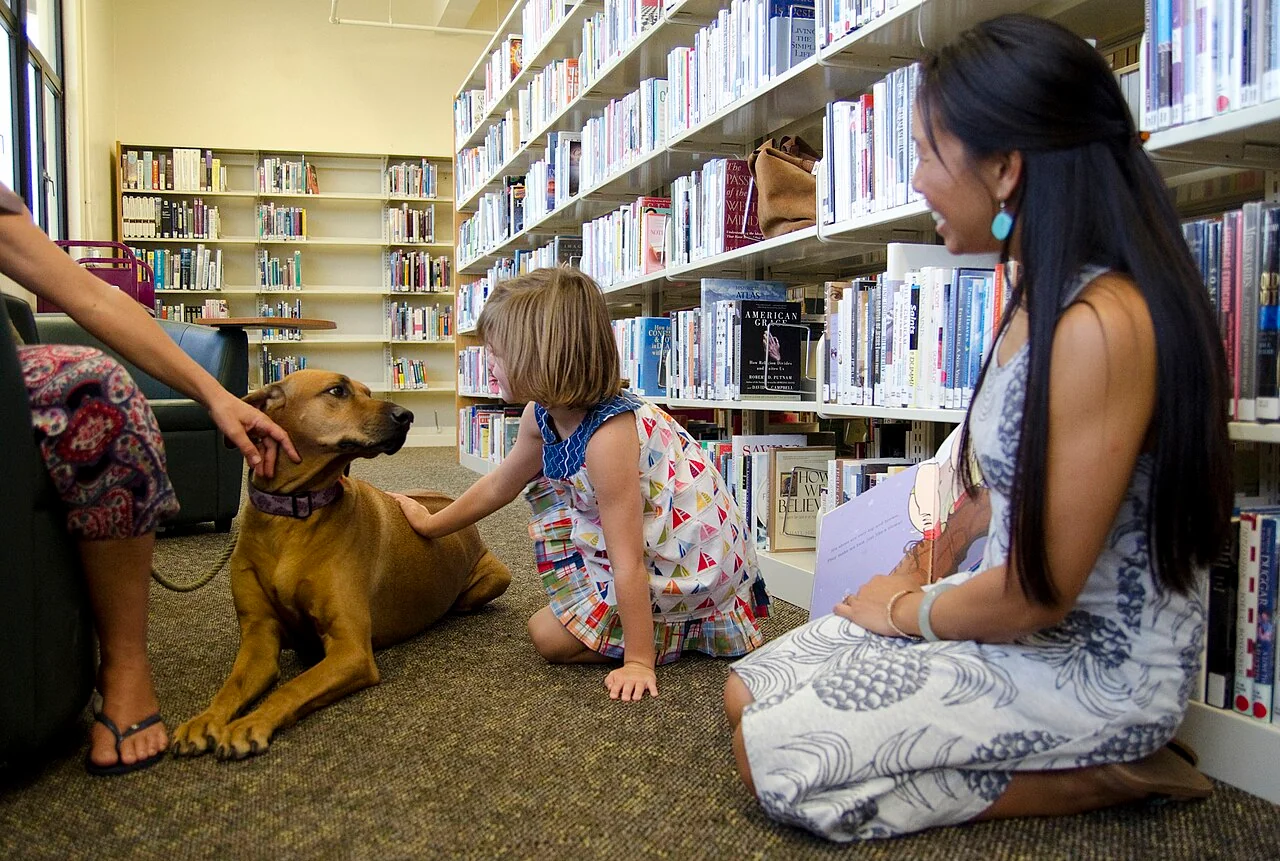
Jennifer Bishop, a behavioral therapist, and Giuliana Russo, 7, interact with therapy dog, Trouble, during the Reading to Dogs event at the base library, July 22, 2015. Trouble is certified with the Reading Education Assistance Dogs program. Kristen Wong · Public domain. Web size optimized; original linked.
AI-assisted original writing. This feature was revised against source material and checked for unsupported claims. Follow the references below for evidence and its limits.
 Photograph