Pet-Themed Art Auctions Supporting Spay-Neuter Services
Gallery events featuring animal-inspired works have directed proceeds to organizations offering low-cost veterinary care, including mobile clinics that reach varied communities.
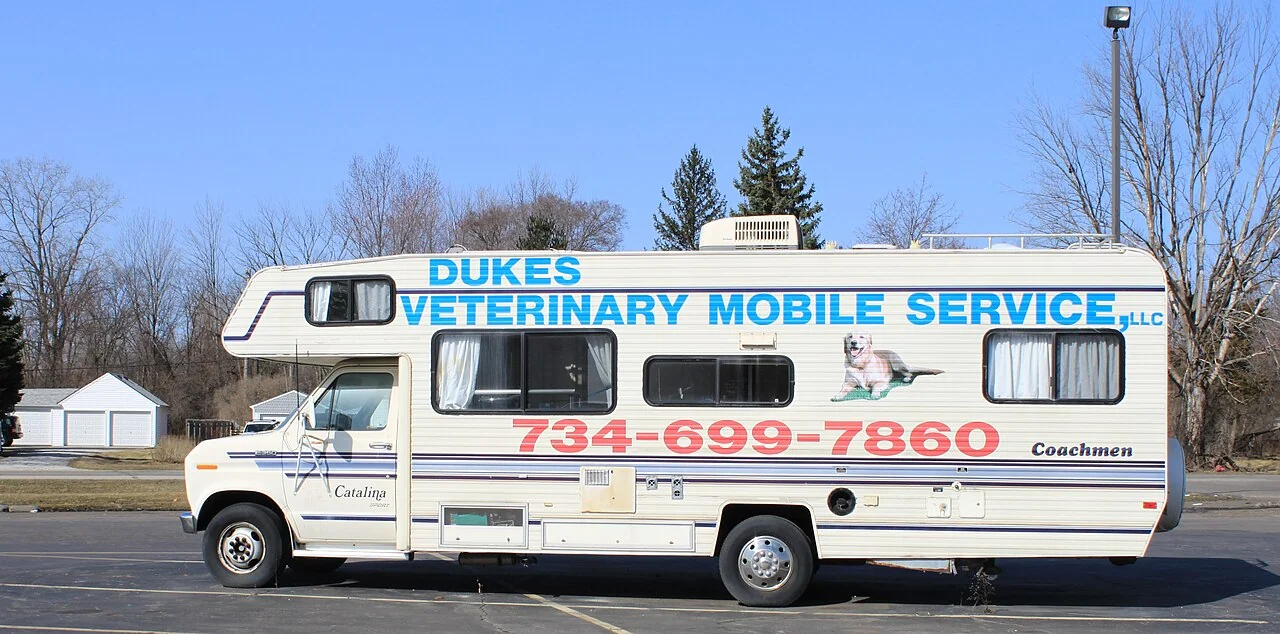
Dukes Veterinary Mobile Service van, Belleville, Michigan Dwight Burdette · CC BY 3.0 · Web size optimized; source linked for the original.
Rural dogs and their owners sometimes face practical hurdles to routine veterinary care. Distance, limited local facilities, and other barriers can make spay and neuter procedures harder to obtain. Two documented examples show how art auctions have channeled bidder enthusiasm into support for groups that provide these services. One local gallery invited pet-themed submissions and sent funds to a rescue offering low-cost spay-neuter alongside vaccinations. Another featured works by a single artist in a silent auction that benefited a task force operating a mobile clinic across multiple locations. These cases illustrate a creative intersection of visual art and animal welfare without claiming a widespread national trend.
A Gallery Auction Focused on Pet Themes
Uncanny Art House in Oklahoma organized a pet-themed charity auction called Dog Daze of Summer. The event invited artists to submit drawings, paintings, and sculptures related to pets, including dogs. Proceeds supported Lupa Legacy Animal Rescue, a group that provides low-cost vaccinations and spay-neuter services in the Noble, Oklahoma area. The auction took place as a livestream using an online bidding platform, opening participation beyond those who could attend in person. This approach allowed a wider circle of supporters to engage with the art while directing money toward practical veterinary help.
The report on this auction highlights the straightforward connection between creative works and animal care funding. It does not describe the pieces as exclusively canine-inspired, nor does it detail rural or remote service delivery. Instead, it emphasizes the local benefit to an animal rescue operating in a specific region. Such events can create a pleasant atmosphere where collectors enjoy the art and know their bids contribute to concrete services. Editorial note: while the exact number of animals helped is not supplied, the model offers one transparent way galleries have supported spay-neuter access without replacing established veterinary relationships.
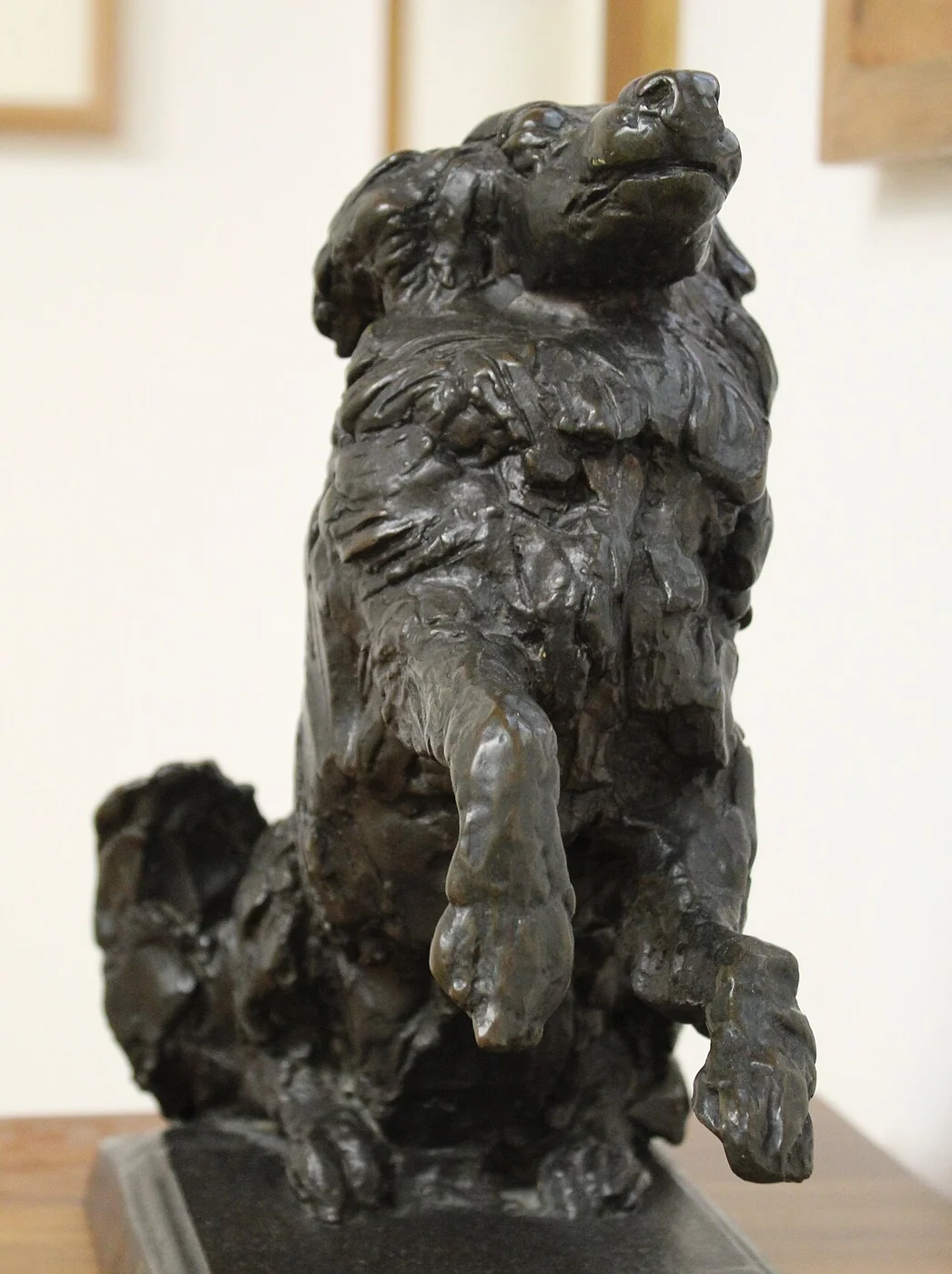
Frisky, the Sculptor's Dog by Jacob Epstein, a 1953 sculpture of a family pet in The New Art Gallery Walsall. 14GTR · CC BY-SA 4.0. Web size optimized; original linked.
Funding a Mobile Spay-Neuter Clinic Through Art
In Montana, a silent auction of watercolor paintings, sketchbooks, and other works by artist Freeman Butts raised money for the Montana Spay/Neuter Task Force. A portion of the proceeds went toward the organization's mobile clinic, which travels to provide free spay and neuter operations in various communities. The task force has operated this mobile van equipped for veterinary procedures and relies on local involvement to schedule events. One published account from 2008 notes that the group had been active since 1996, serving areas that include reservations.
This example shows how a single-artist exhibition translated into support for services that move to where they are needed rather than requiring animals and owners to travel long distances. The article implies the clinic reaches multiple parts of the state but does not use terms like 'overlooked rural counties' or focus exclusively on canine patients. Reading question: how might similar creative fundraisers adapt to current costs of fuel, equipment maintenance, and veterinary staffing? The case remains useful because it demonstrates a direct line from art sales to mobile veterinary capacity.
Partnerships Between Artists, Galleries, and Welfare Groups
Both documented auctions involved collaboration between creative venues and animal welfare organizations. Uncanny Art House worked with Lupa Legacy Animal Rescue, while the Freeman Butts exhibition supported the Montana Spay/Neuter Task Force. These partnerships appear to have kept overhead low enough that a meaningful share of proceeds reached the intended services. The Montana effort, in particular, highlights community involvement in scheduling the mobile clinic at convenient local spots.
Such arrangements can amplify limited resources. Editorial analysis suggests that when galleries set clear rules about how funds will be used, bidders gain confidence that their purchases have tangible effects. Light fictional humor: imagine a sculpture of a philosophical hound pondering its next meal while quietly subsidizing someone else's trip to the surgical table. This remains satire; no real dog has been observed calculating veterinary budgets. The evidence supports only that these two auctions occurred and directed money to spay-neuter providers.
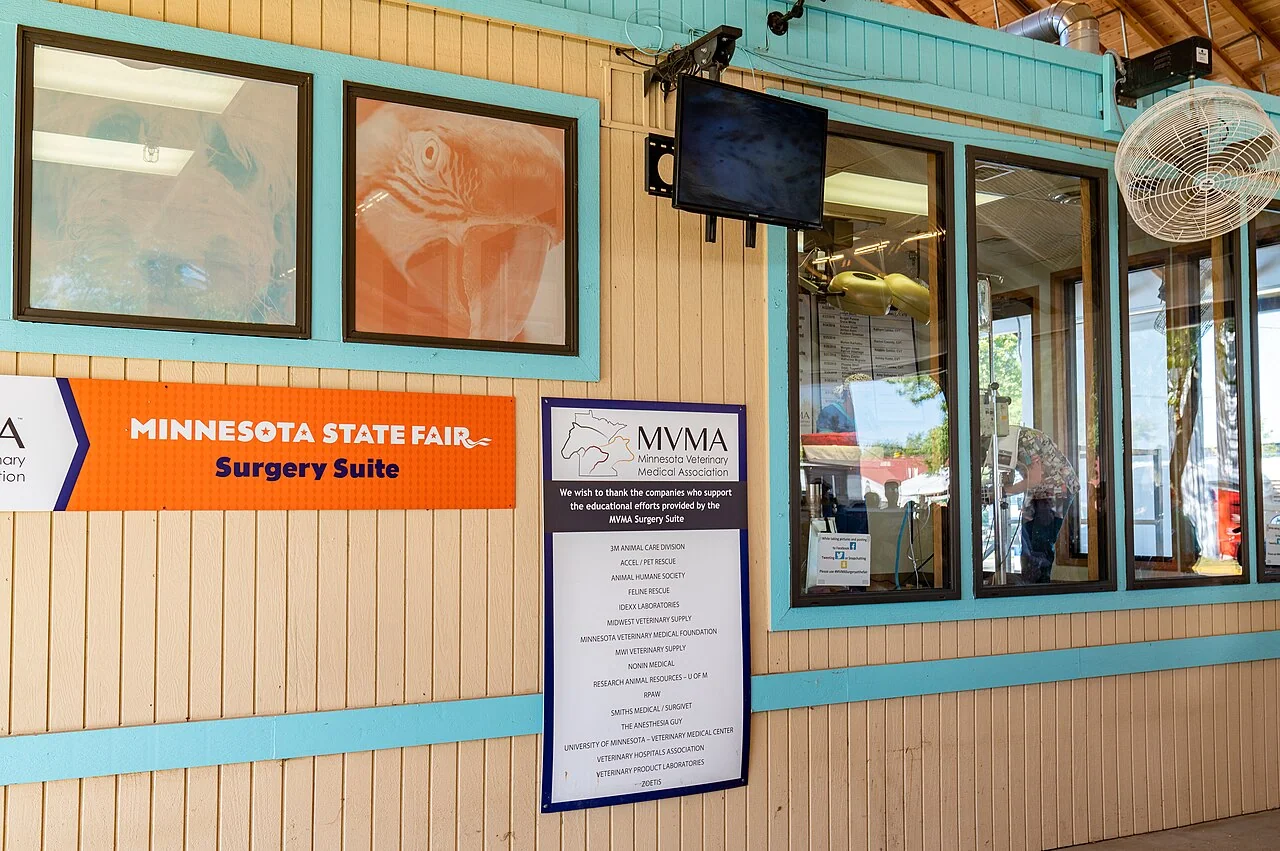
The Minnesota Veterinary Medical Association's Minnesota State Fair Surgery Suite, where veterinary doctors perform spay and neutering procedures before a live audience. (documentary photo, 2019) Tony Webster from Minneapolis, Minnesota, United States · CC BY 2.0. Web size optimized; original linked.
Artistic Traditions and Contemporary Fundraising
Humans have long portrayed animals in art, and these auctions continue that impulse by featuring works connected to pets. The Oklahoma event accepted a range of pet-themed pieces, while the Montana auction centered on one artist's varied output. Neither source describes the works in detail as avoiding sentimentality or focusing on rural mixed-breed dogs, so those interpretations are omitted here. What the reports do show is that art can serve as an accessible entry point for people who enjoy both visual culture and animal welfare.
Auction formats—whether livestream or silent—create different kinds of social energy. The Oklahoma livestream broadened geographic reach; the earlier Montana silent auction likely fostered in-person conversation among attendees. Implication: communities interested in replicating these events might weigh the strengths of each format against their own audience and technical capabilities. No evidence is provided on long-term population effects or shelter intake reductions, so those outcomes are not asserted.
Ways Readers Might Consider Similar Efforts
Individuals moved by these examples could explore whether local galleries or rescues have planned comparable events. Attending, bidding, or simply sharing information within one's network can increase participation. For dog owners, consulting a veterinarian about spay or neuter timing remains sound practice; mobile services, where available, supplement rather than replace ongoing individualized care. These steps follow logically from the evidence that targeted funding has supported veterinary outreach.
Civic groups or schools might discuss hosting small-scale art sales or raffles in partnership with established animal welfare organizations. The two documented cases show that even modest auctions can contribute to mobile clinics or low-cost services. Editorial reflection: creativity in fundraising invites experimentation, yet transparency about where funds go builds trust. Uncertainty remains about how many such auctions operate today or their aggregate reach, as the supplied reports cover only these specific instances. Readers might usefully ask what success looks like in their own locale beyond dollars raised.
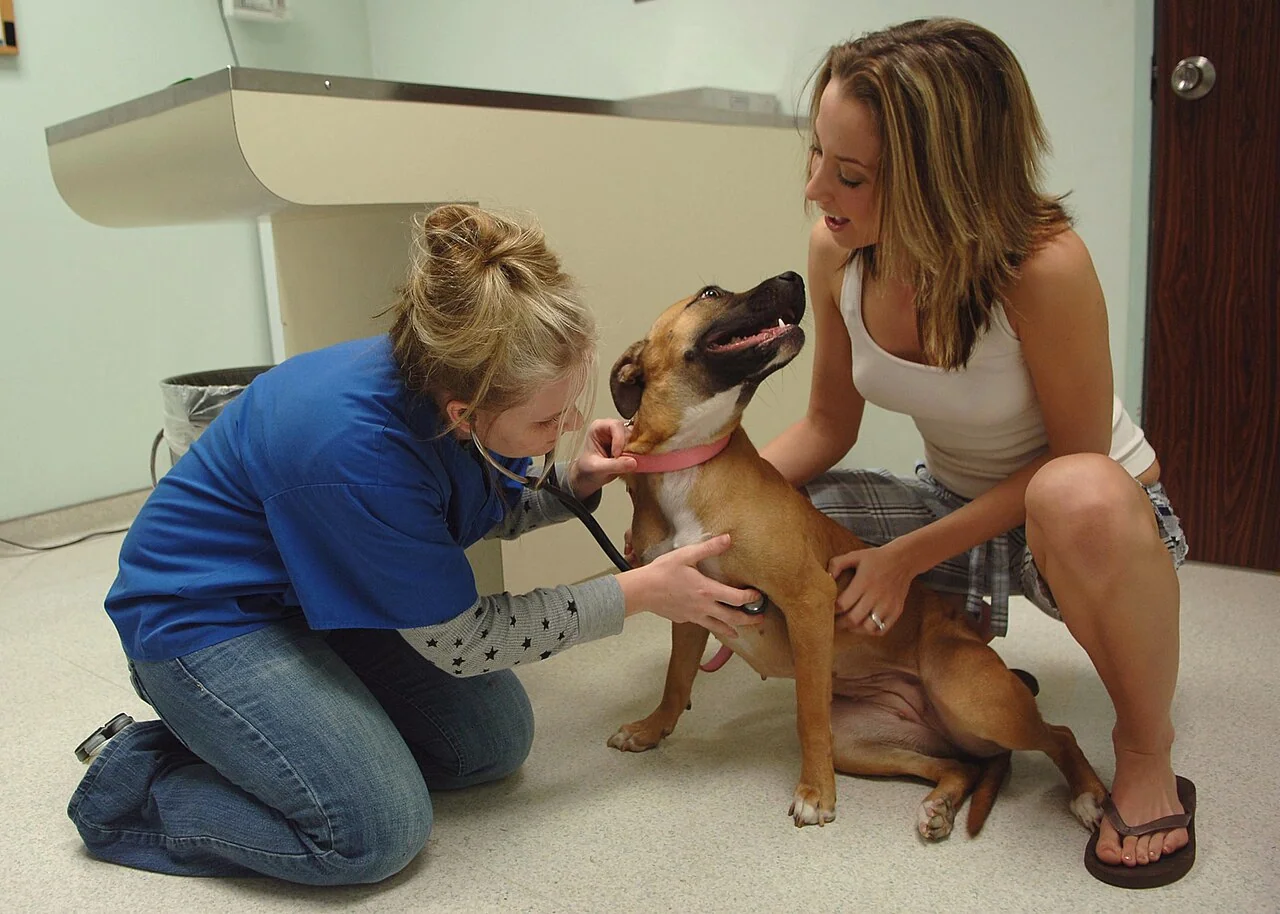
Veterinary Technician Brittany Dreier checks the vital signs of Jenna, a pit-bull, for her annual check up at the Yokota Air Base veterinary clinic. (documentary photo, 2007) U.S. Air Force photo by SrA Veronica Pierce · Public domain. Web size optimized; original linked.
AI-assisted original writing. This feature was revised against source material and checked for unsupported claims. Follow the references below for evidence and its limits.
 Photograph