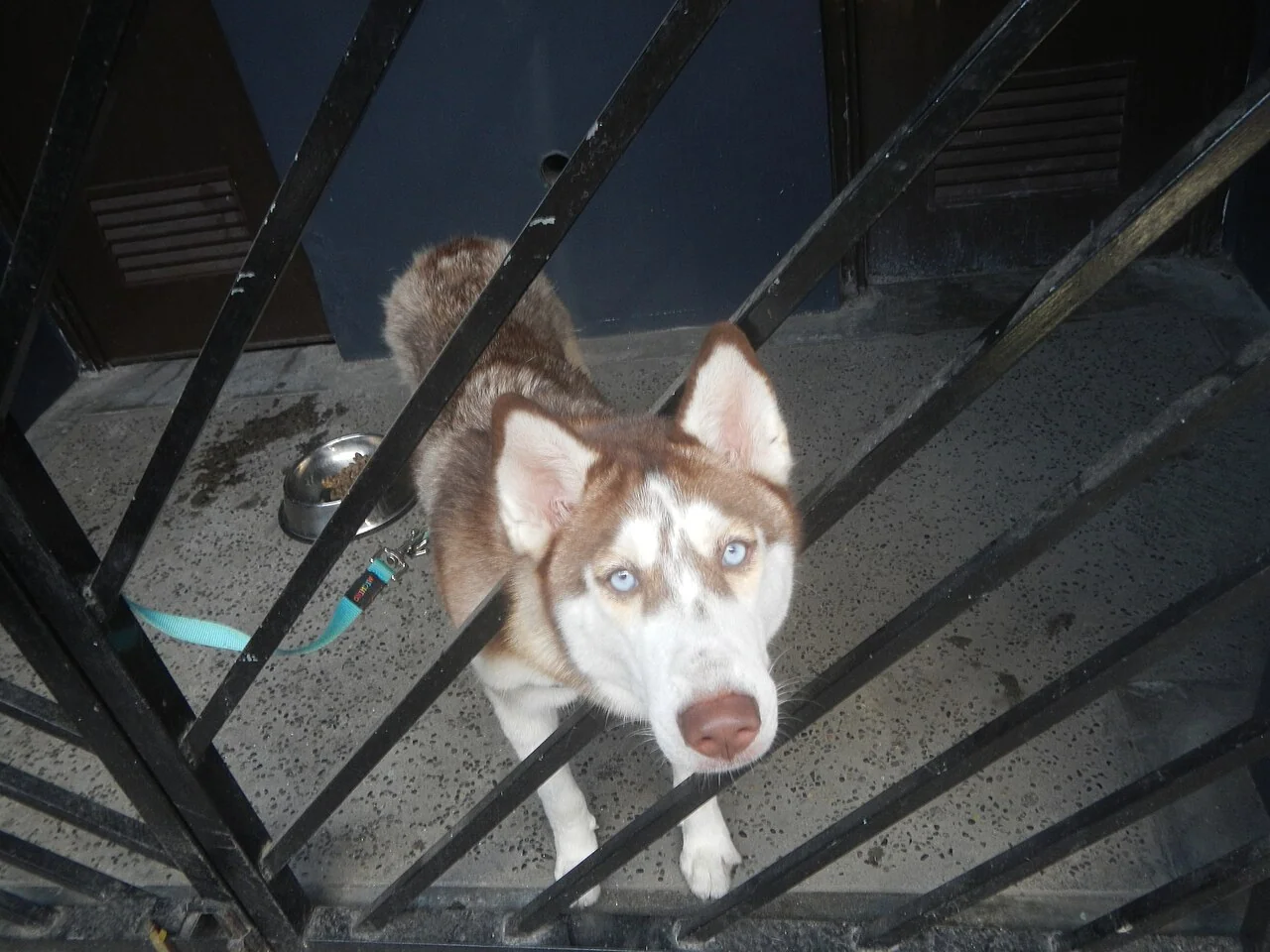
Shelter huskies in the Philippines Judgefloro · CC0 1.0 · Web size optimized; source linked for the original.
Community runs and walks that match volunteers with shelter dogs provide fresh air, gentle practice in new situations, and extra attention for the animals. These gatherings focus on calm pacing rather than competition. The dogs get a chance to move and meet people in a low-key setting, while the events raise awareness for local rescues. Evidence from several programs shows that regular outings can help dogs appear calmer around potential adopters.
How Paired Runs Typically Work
Programs match volunteers with shelter dogs according to size, energy level, and basic temperament notes from staff. Runners receive guidance on using a comfortable harness and watching simple signals such as a tucked tail or relaxed posture. Many events use wide paths and staggered starts to avoid crowding. Dogs often wear vests that say "adopt me" during the activity.
The focus stays on steady movement and positive reinforcement. Some dogs trot happily after consistent pacing and encouragement. Observed effects include dogs appearing calmer during later adoption meetings after they have released energy through regular runs. Programs such as those at Best Friends Animal Society in Atlanta and East Bay SPCA have volunteers run with shelter dogs on weekends to build bonds and increase visibility.
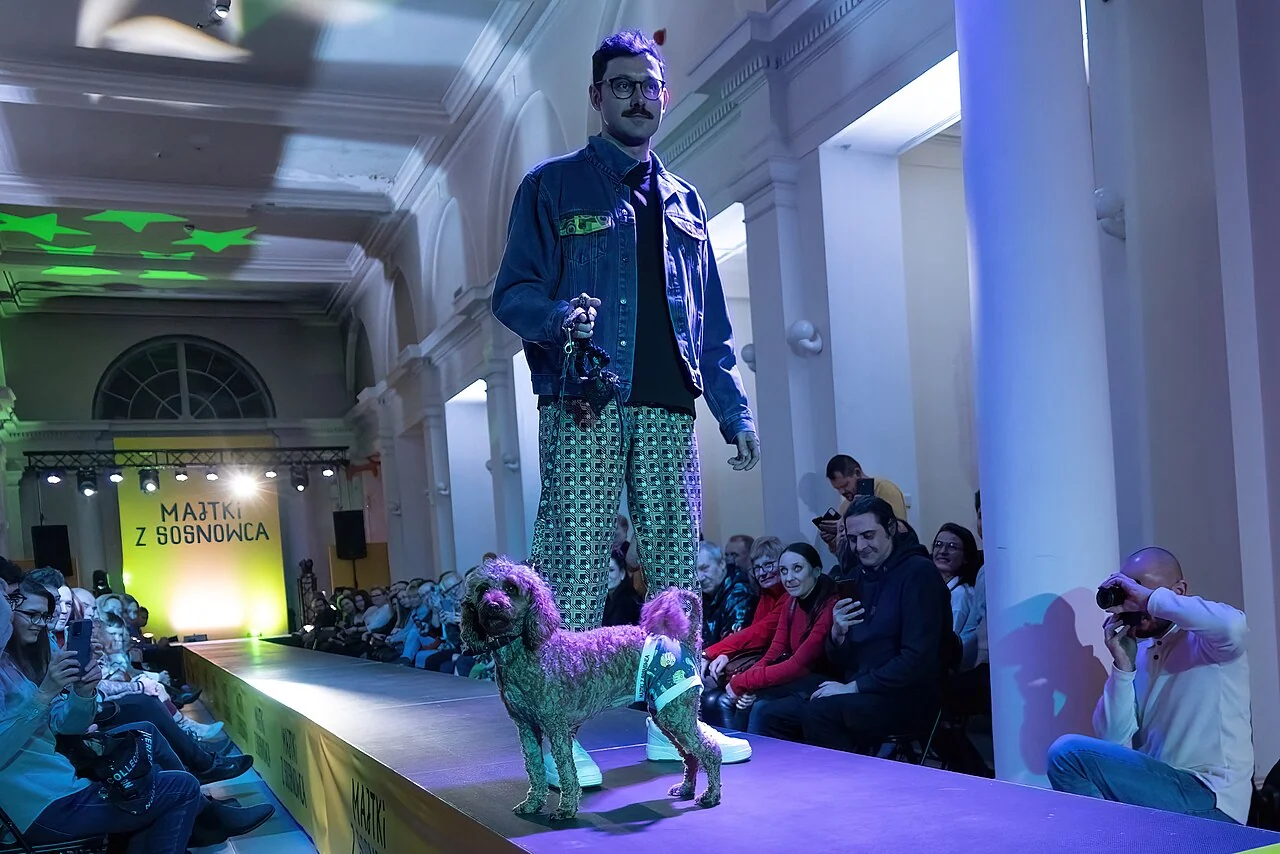
Model with a dog on the runway during a charity fashion show by the Majtki z Sosnowca brand combined with a pet food collection for the animal shelter in Sosnowiec, Poland. Krzysztof Popławski · CC BY-SA 4.0. Web size optimized; original linked.
Observed Benefits for Participating Dogs
Dogs that join regular runs often burn off energy and show improved calmness around people afterward. One volunteer's practice with timid or overlooked dogs suggests that the combination of exercise and mental stimulation can make animals more relaxed in shelter settings. In some cases, dogs that once needed extra encouragement begin to move more confidently alongside their running partner.
Events like the Dash Into Spring 5K have included shelter dogs in both the run and a separate booth for visitors, offering socialization opportunities. The East Bay SPCA's Jog-a-Dog program, active since 2012, pairs runners with dogs for weekday and weekend outings that stretch their legs and build exposure. These activities are not limited to shy dogs, but participants note that the outings help many animals look more approachable to potential adopters.
Community Events and Fundraising Examples
Some gatherings function as 5K runs and walks that raise money for the hosting rescue. The Dash Into Spring event paired racers with shelter dogs after a preparatory class, with proceeds supporting the rescue and a youth leadership program. Organizers sometimes combine the run with adoption visibility efforts such as on-site booths.
The East Bay SPCA has taken part in community 5Ks and expressed interest in hosting a larger fundraiser where shelter dogs jog alongside participants. These events draw both runners and casual supporters, keeping overhead low while directing attention toward the animals' needs. No universal dollar totals are reported across programs.
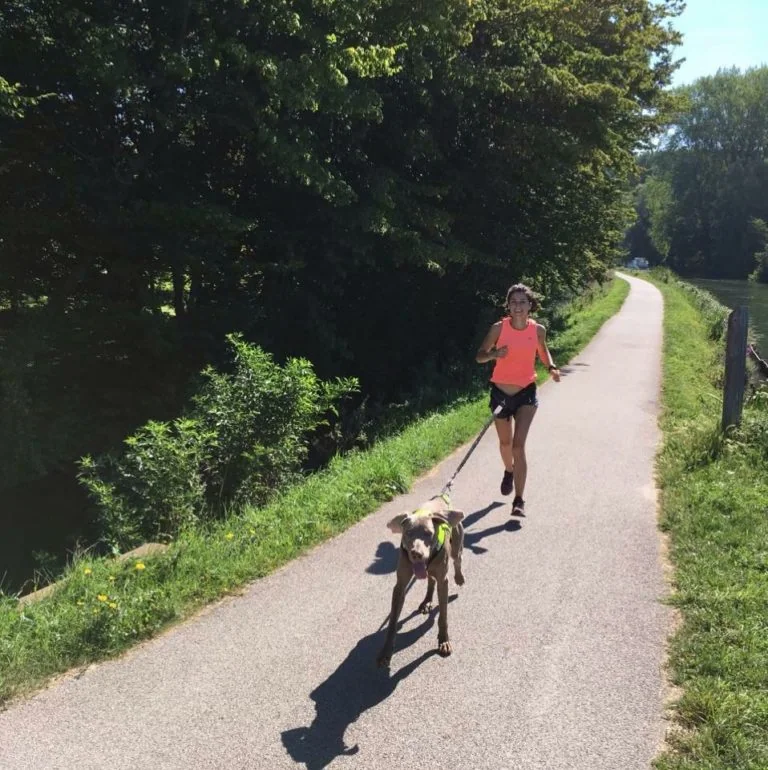
Canicross in France: a runner and dog exercising together. Context for dog-and-human running events; this is not a photograph of the named shelter fundraisers. Pocketjfr · CC BY-SA 4.0. Web size optimized; original linked.
Practical Ideas for Helping Shy Dogs
Respectful interactions can help nervous dogs feel safer in any setting. Allowing the dog to set the pace of contact, offering treats from an open palm, or sitting at a distance can reduce pressure. Quiet routines and predictable schedules may also ease anxiety for shelter or foster dogs.
Creating a quiet retreat area with soft bedding and low stimulation gives an animal a place to decompress. These small steps require no special equipment. Any changes to routine should be checked with a veterinarian to ensure they suit the individual dog's health.
Longer-Term Effects Seen by Volunteers
Many people return to run with the same dogs over multiple sessions and notice gradual changes in comfort level. Some dogs that start out hesitant begin to relax more fully during later outings. The added visibility from runs, including social media posts in one volunteer's case, has helped certain overlooked dogs find homes.
The practice of pairing humans with shelter dogs for movement appears in several locations, each adapting the idea to local trails and available volunteers. Programs emphasize patient handling and positive experiences that can carry over once a dog joins a permanent family.
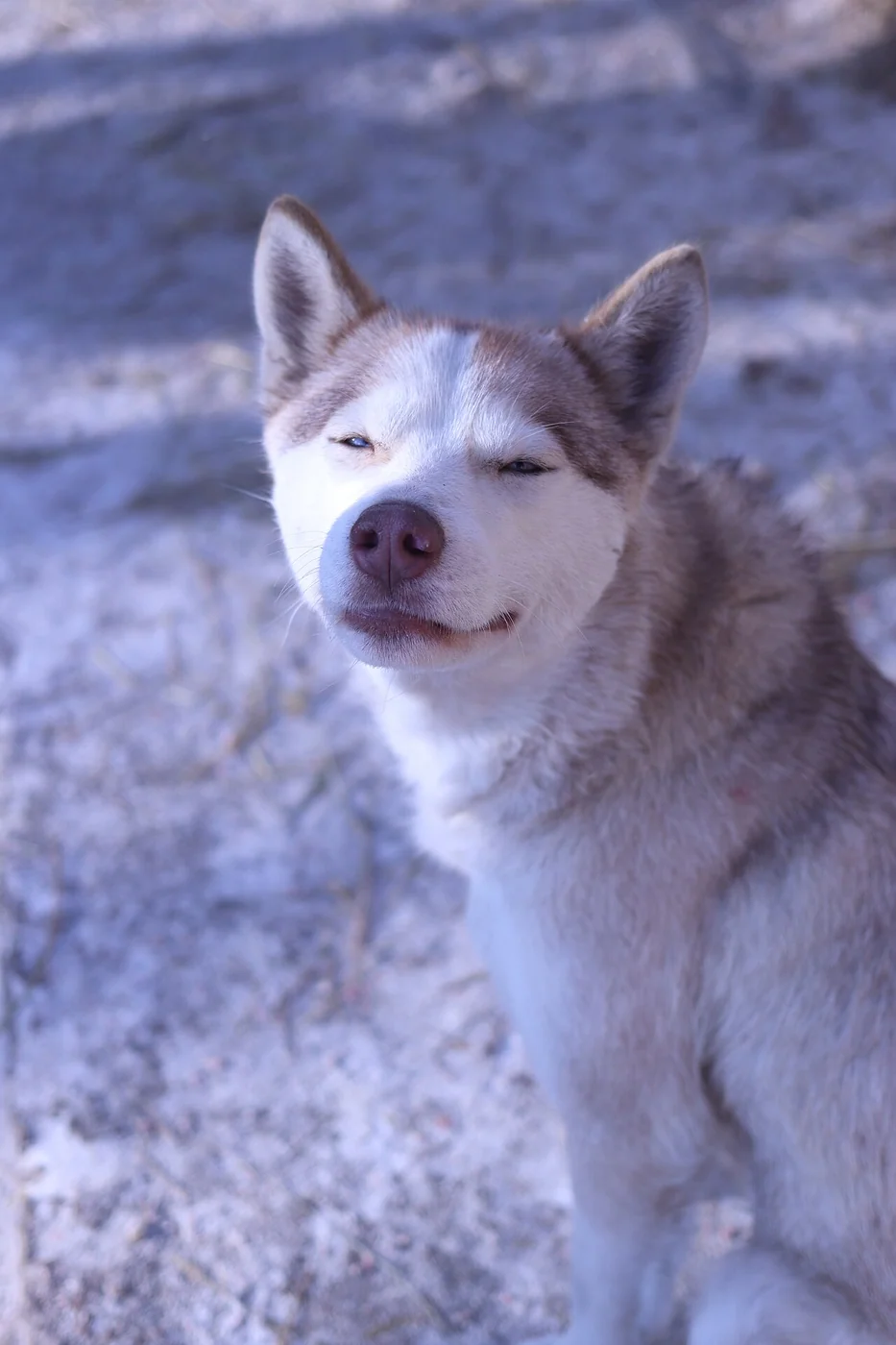
This image shows a dog pausing to enjoy the warmth of the sun. The relaxed expression demonstrates how animals communicate comfort through body language. Aigerabae · CC BY-SA 4.0. Web size optimized; original linked.
AI-assisted original writing. This feature was revised against source material and checked for unsupported claims. Follow the references below for evidence and its limits.
 Photograph