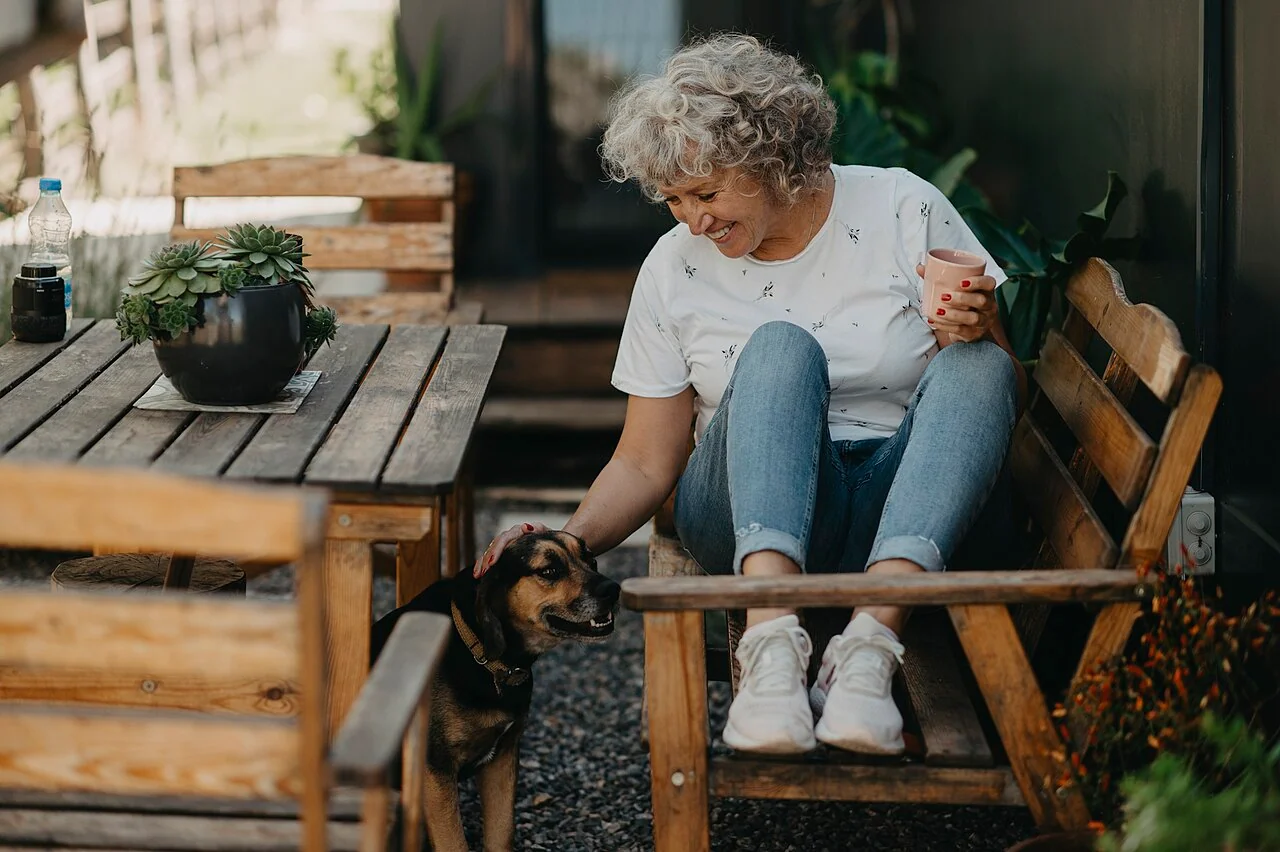
Senior woman enjoys peaceful moment with dog in garden Shixart1985 · CC BY 2.0 · Web size optimized; source linked for the original.
Pairing an older person with an older dog can create small daily moments of connection. Nursing homes that have tried resident or visiting dogs report changes in how some residents feel and interact. Research on these efforts points to possible reductions in depressive symptoms or loneliness for some participants, though the evidence is mixed and often limited in quality.
How Programs Typically Start
Nursing homes and animal shelters sometimes work together to bring calm senior dogs into facilities. Staff may assess a resident’s interest in animals and mobility before any introduction. Dogs selected are often at least seven years old and come with veterinary records showing vaccinations and any ongoing treatments.
A trial visit can let the person and dog spend supervised time together. If the match seems suitable, the dog may live full time in the home or visit regularly. Consistency matters. A resident or small group usually takes responsibility for feeding, walking, and basic care, which can encourage more movement around the facility.
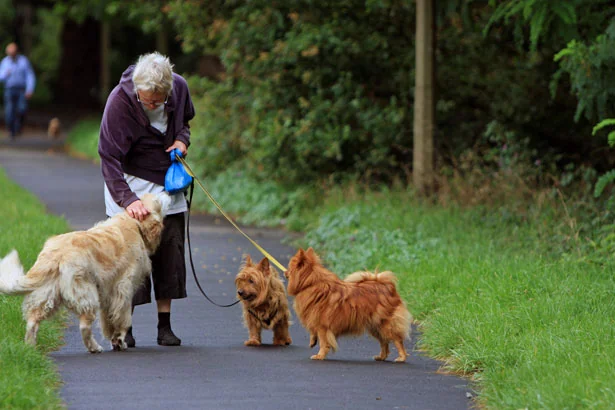
Senior lady walking her dogs Karen Arnold · CC0 1.0. Web size optimized; original linked.
What Studies Show About Residents
One long-term study in three Brisbane nursing homes compared a site with a resident dog, a visiting-dog site, and a control site with about 95 residents total. The resident-dog home showed reduced tension and confusion compared with the other two. All three groups showed significant decreases in depression scores over time, and all showed increases in vigour.
The visiting-dog and resident-dog groups both showed significant decreases in fatigue. A separate systematic review of 43 studies on dog-assisted interventions in long-term care found that improved social functioning appeared in 10 studies, reduced depressive symptoms in 6 studies, and reduced loneliness in 5 studies. A meta-analysis of five trials indicated a medium effect on reducing depressive or loneliness symptoms compared with usual care.
Many of the quantitative studies were rated low quality, and nearly half of them found no significant changes in the measured outcomes. No overall effect appeared on activities of daily living.
Observations About the Dogs
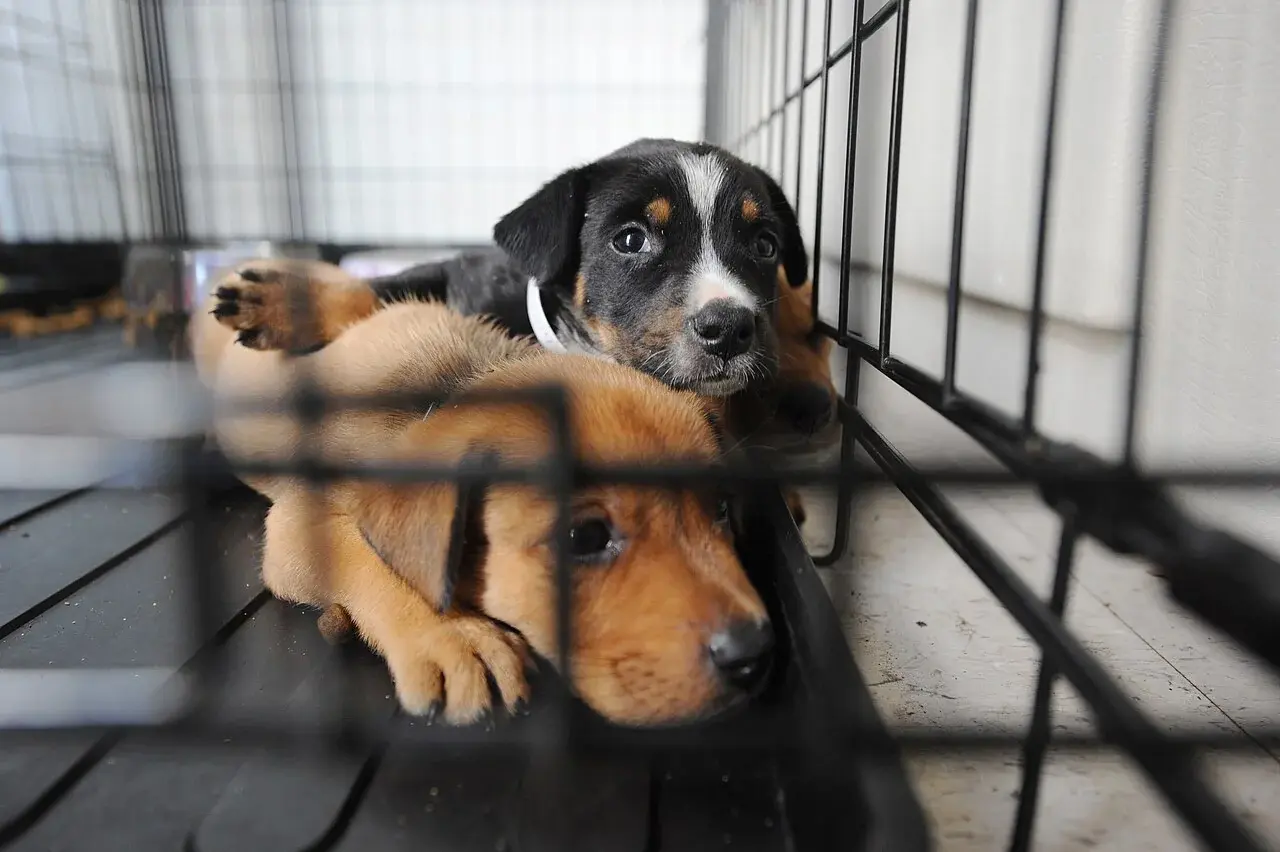
Senior dogs in shelters can face longer waits for adoption. A calm environment in a nursing home may offer regular short walks on smooth floors and consistent feeding schedules. Staff sometimes note shinier coats or steadier movement after a few weeks, though these observations are not formally quantified in the available research.
Veterinary care remains essential. Programs rely on licensed veterinarians for check-ups, dental care, and any medical needs. The research does not provide detailed data on dog outcomes, focusing instead on human participants.
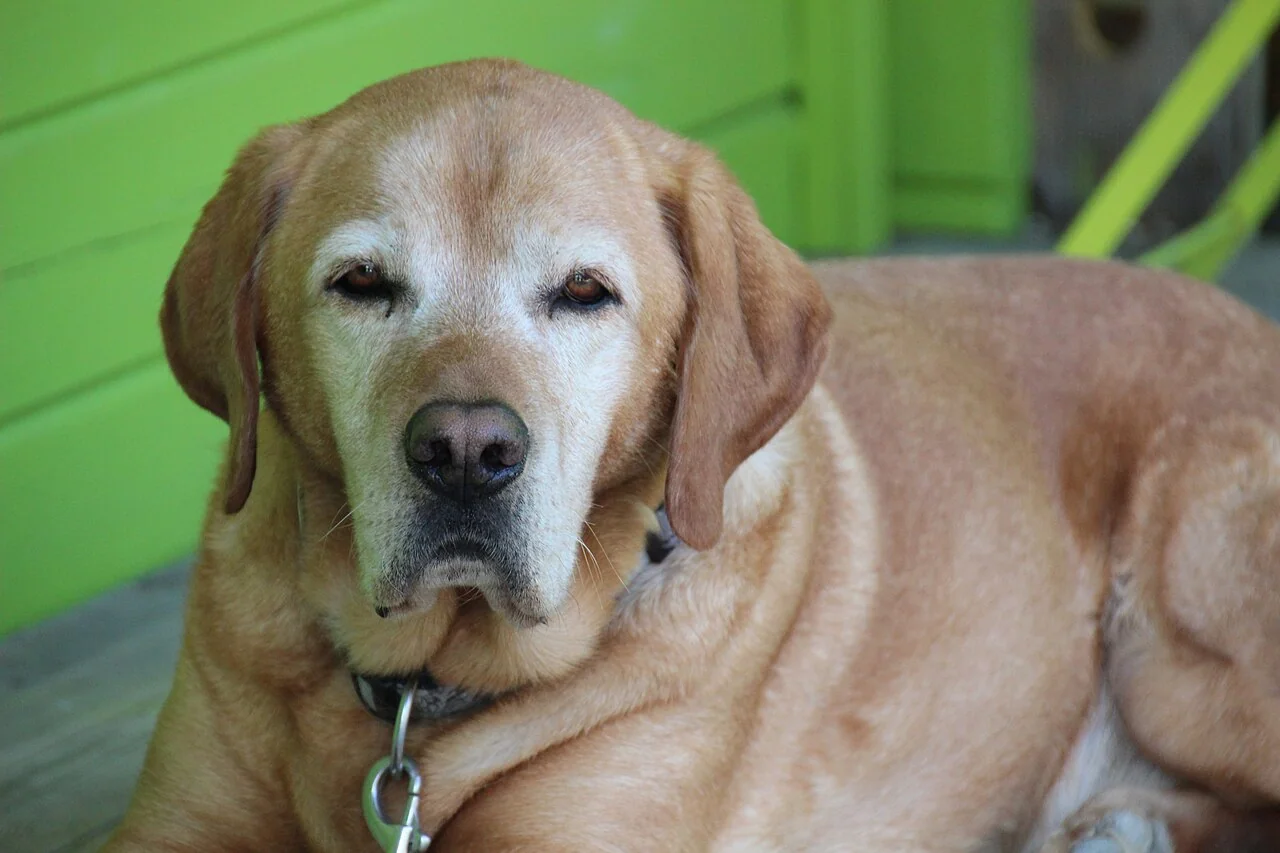
Calm senior mixed-breed dog Leo_65 · CC0 1.0. Web size optimized; original linked.
Simple Ways Communities Can Help
Interested groups can begin with short supervised visits between screened senior dogs and residents. Volunteers sometimes assist with transportation, grooming supplies, or basic items such as orthopedic beds or non-slip mats.
Outside formal programs, people can volunteer at shelters to walk and socialize older dogs. Temporary fostering can also give a senior dog more confidence. Small gestures like donating blankets or reporting stray senior dogs to rescues add to a supportive environment.
Realistic Outlook for These Pairings
These efforts depend on careful screening and ongoing veterinary guidance. Not every resident wants daily pet responsibilities, and not every dog adapts easily to facility life. Access to outdoor areas or indoor pads helps, as does basic animal-behavior training for staff.
Funding for food, bedding, and veterinary costs often comes from donations or nonprofits. The reviewed studies suggest benefits are not universal and that more high-quality research would be useful. At their best, the pairings offer gentle companionship for both an older person and an older dog.
AI-assisted original writing. This feature was revised against source material and checked for unsupported claims. Follow the references below for evidence and its limits.

 Photograph