Subsidized Spay-Neuter Programs and Shelter Trends
Research on community clinics and statewide data shows varied effects on animal intake and euthanasia, offering practical insights for cities seeking to support pet owners.
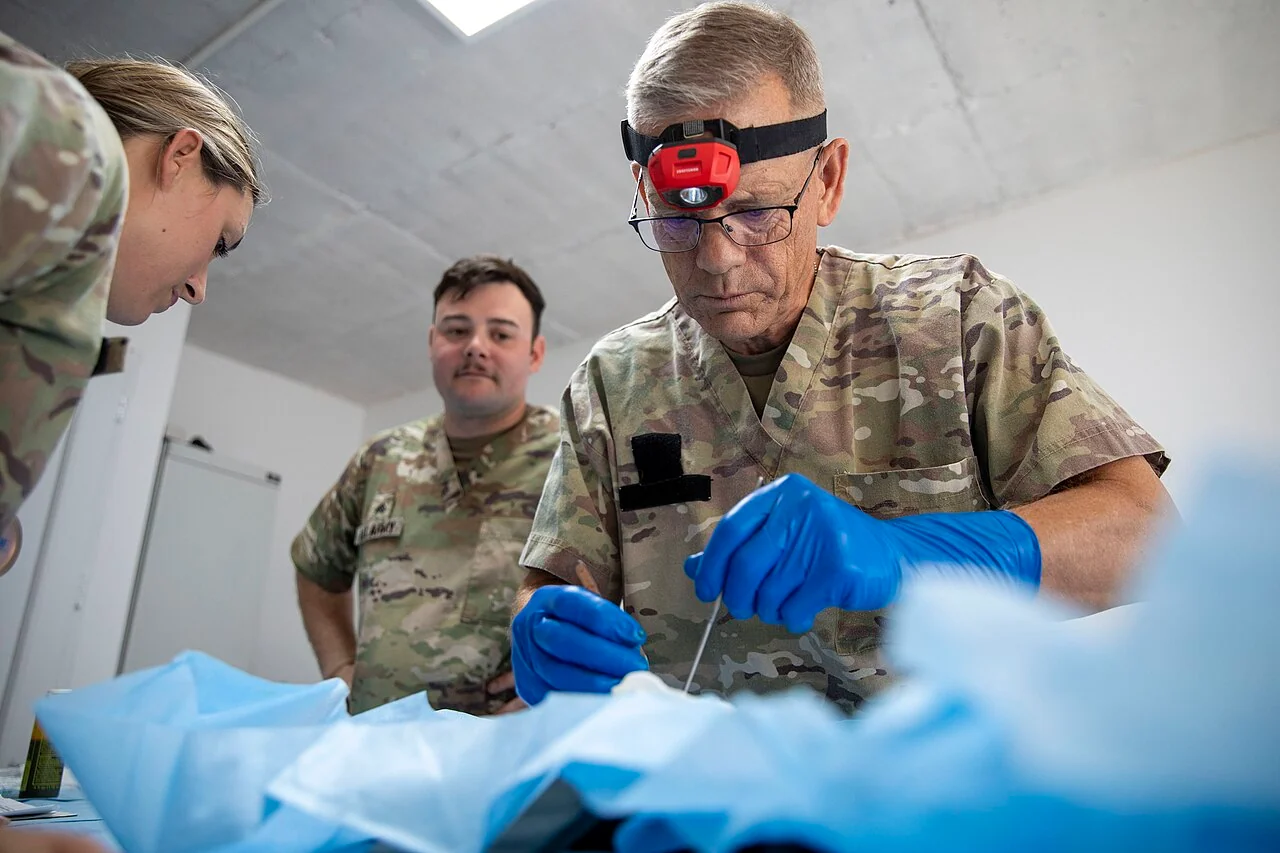
U.S. Army Reserves Col. Eugene Johnson performs a spay operation on a cat at a spay and neuter clinic, Camp Film City, Kosovo, 16 July 2025. (U.S. Army National Guard photo by Staff Sgt. Alyssa Lisenbe) U.S. Army National Guard photo by Staff Sgt. Alyssa Lisenbe · Public domain · Web size optimized; source linked for the original.
Community efforts to make spay and neuter surgeries more affordable have shown mixed but sometimes encouraging results in reducing shelter pressures. One study of a subsidized clinic in a North Carolina county documented notable drops in cat impoundments and euthanasia after the facility opened. Broader data from Colorado shelters across 16 years also reflect falling intake and euthanasia rates alongside rising live-release numbers. These examples highlight how targeted veterinary access can play a role in animal welfare without claiming universal formulas for every locale.
A North Carolina Clinic's Mixed Record
In 2005 a subsidized spay-neuter clinic opened in Transylvania County, North Carolina. Researchers examined its influence on the local community shelter. Dog intake per 1,000 residents had already been declining before the clinic started, and that decline did not speed up afterward. The rate of decline in dog euthanasia leveled off once the clinic was operating, and the proportion of impounded dogs that were euthanized showed no significant change.
Cat outcomes told a different story. Both the median number of cats impounded each year and the median number euthanized fell significantly after the clinic opened. Even so, the proportion of impounded cats that were euthanized remained about the same. These findings come from shelter records and were published in a peer-reviewed journal. The authors note that the program targeted low-cost surgeries rather than using a voucher system distributed through a city office.
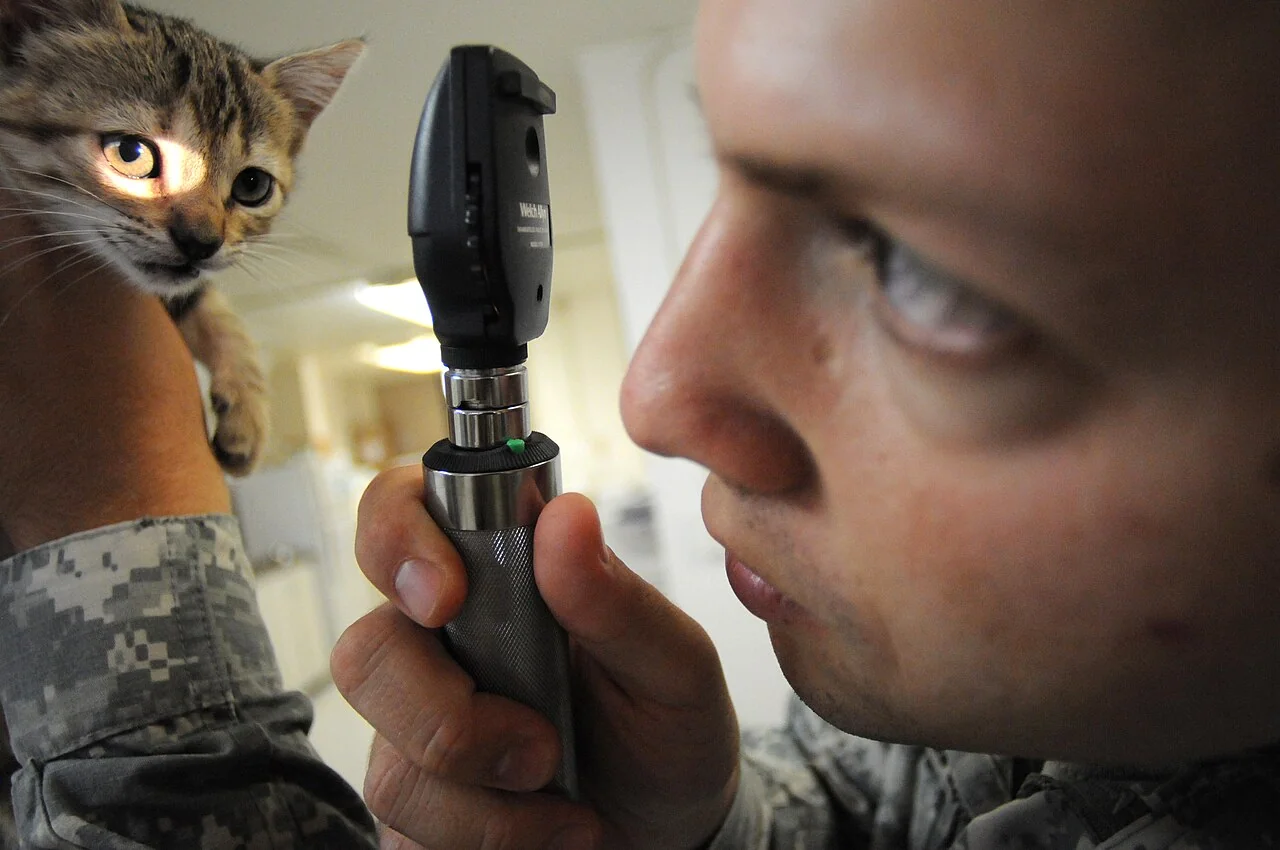
Army Sgt. Ardicio Galvao performs an eye examination on a kitten up for adoption at the Guantanamo Bay Veterinary Treatment Facility, July 14, 2010. The National Guard · Public domain. Web size optimized; original linked.
Colorado's Long-Term Shelter Improvements
Across Colorado, animal shelters and rescue groups recorded steady progress between 2000 and 2015. Annual intake and euthanasia rates for both dogs and cats decreased while live-release rates rose. The authors of a JAVMA study attribute part of this shift to spay-neuter programs, although they also credit adoption marketing, transfers between shelters, and general operational upgrades.
The data represent an aggregate view of many facilities rather than the experience of any single city. No specific municipal voucher program is isolated in the report, and the improvements unfolded gradually over a decade and a half. Still, the overall direction—fewer animals entering shelters and fewer euthanized—offers a hopeful backdrop for communities considering similar support.
Common Elements That Seem to Help
Both the North Carolina clinic and the Colorado trends point to the value of lowering financial barriers to spay-neuter surgery. When pet owners can access these services more easily, unplanned litters may decrease over time, which can ease crowding at shelters. The North Carolina example showed clearer benefits for cats than for dogs, suggesting that local factors such as existing population dynamics or species-specific outreach can shape results.
Colorado's broader success coincided with multiple strategies working together. Spay-neuter initiatives were only one piece of a larger puzzle that included better marketing of adoptable animals and smoother coordination among shelters. This variety reminds planners that no single tactic works everywhere.
Communities thinking about starting or expanding affordable spay-neuter options might begin by reviewing several years of their own shelter intake data. Spotting neighborhoods that send the most intact animals can help focus limited resources. Partnering with private veterinary clinics rather than building new facilities can keep initial costs down.
Simple outreach methods—such as notices at food pantries, community bulletin boards, or short talks at neighborhood events—have helped spread the word in other places. Clear eligibility rules based on residency and income, paired with quick verification, reduce paperwork headaches. Tracking how many vouchers or appointments are used lets organizers adjust their approach as they learn what works locally.
Health and Welfare Considerations
Spaying and neutering can reduce certain health risks and behaviors. For females, the procedures lower the chance of mammary tumors; for males, they eliminate the risk of testicular cancer. These surgeries may also decrease roaming, urine marking, and some hormone-related aggression, potentially leading to fewer surrender reasons at shelters.
Local veterinarians generally advise tailoring decisions to each animal's breed, size, age, and health status. Owners are encouraged to discuss timing and options with their own vet rather than following one-size-fits-all guidance. Educational notes included with subsidized services can reinforce this individualized approach.
Veterinarian with a small white dog and stethoscope Nenad Stojkovic · CC BY 2.0. Web size optimized; original linked.
AI-assisted original writing. This feature was revised against source material and checked for unsupported claims. Follow the references below for evidence and its limits.

 Photograph