The Secret Life of Couch Forts: What Your Dog Knows That You Don't
In this gently satirical look at canine interior design, discover why your blanket fort fails the sniff test and how subtle redesigns might earn tail-wagging approval.
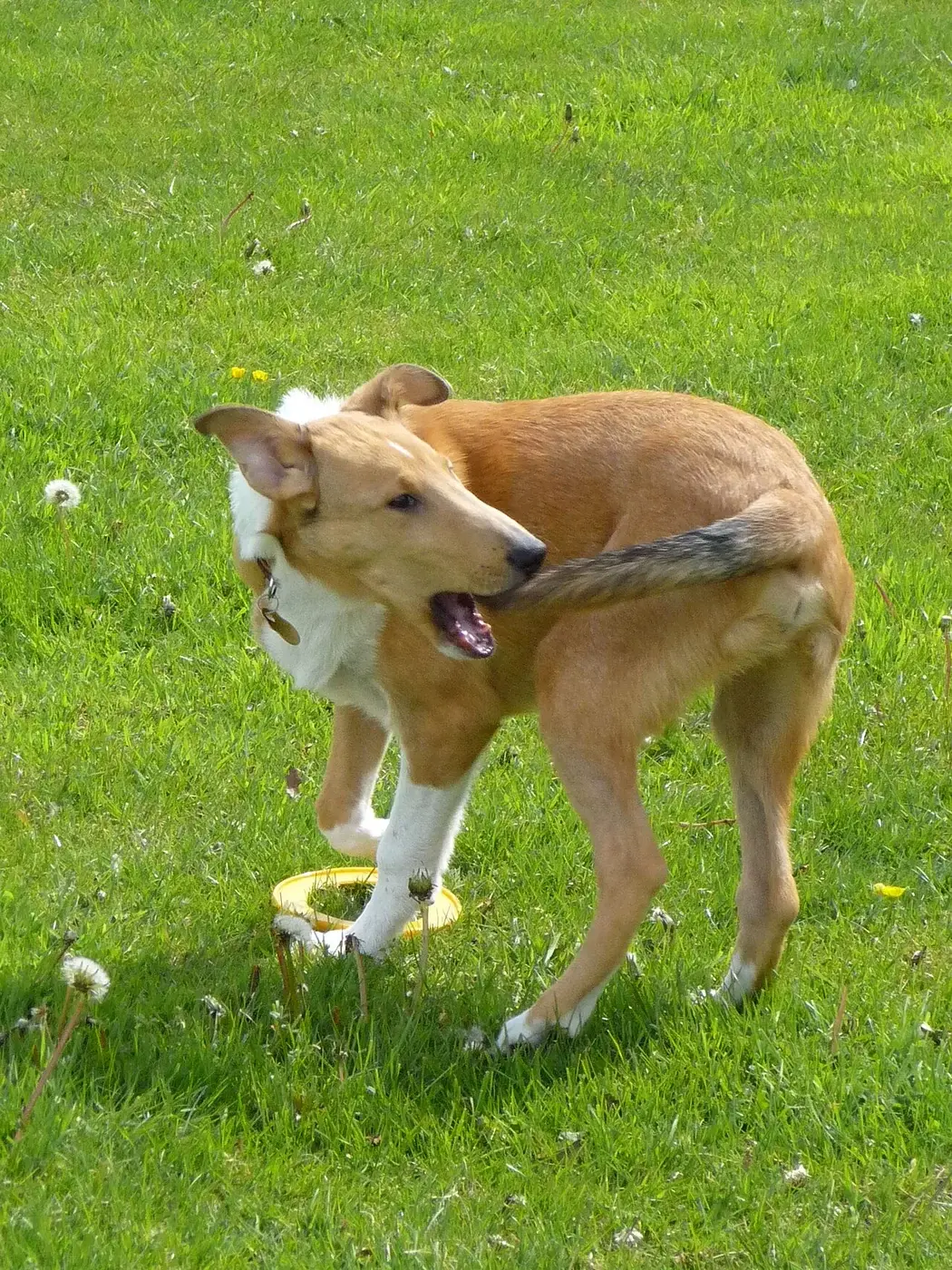
Indian Pariah Dog named Scratchy standing Solise · CC BY-SA 4.0 · Web size optimized; source linked for the original.
Every weekend, across suburban living rooms, humans proudly drape blankets over chairs, tuck in flashlights, and declare their couch fort a masterpiece of domestic ingenuity. The family dog, however, stands at the entrance with the weary expression of a Michelin inspector who has just been served a hot dog on a paper plate. This is not mere stubbornness. It is architectural critique from a creature who has been perfecting dens since wolves first discovered that caves beat sleeping under the stars. Welcome to the secret life of couch forts, where your best efforts are silently graded on a scale that only a Labrador can read.
The Structural Flaws Only a Dog Can See
From their belly-level vantage, dogs spot engineering disasters that would make any self-respecting beaver roll its eyes. That heroic blanket ceiling you anchored with dining-room chairs? It sags like a defeated soufflé the moment an excited tail begins to helicopter. Support beams wobble at the first enthusiastic nose-poke, while mysterious gaps at floor level invite drafts but somehow remain too narrow for a dignified entrance. Imagine Sir Barks-a-Lot, a portly beagle with the soul of an ancient Roman engineer, mentally deducting points while you high-five your spouse over a Pinterest-worthy creation.
The real comedy unfolds when the family steps back to admire their handiwork. Within ninety seconds, the discerning hound has methodically shouldered aside three throw pillows, repositioned a wayward ottoman, and created a lower, burrow-like profile that feels reassuring rather than precarious. Humans reach for more string lights. The dog reaches for structural integrity. By the time the fort has been rebuilt three times, the living room resembles a fabric crime scene and the Labrador has retreated to the couch with an expression that clearly says, "Amateurs."
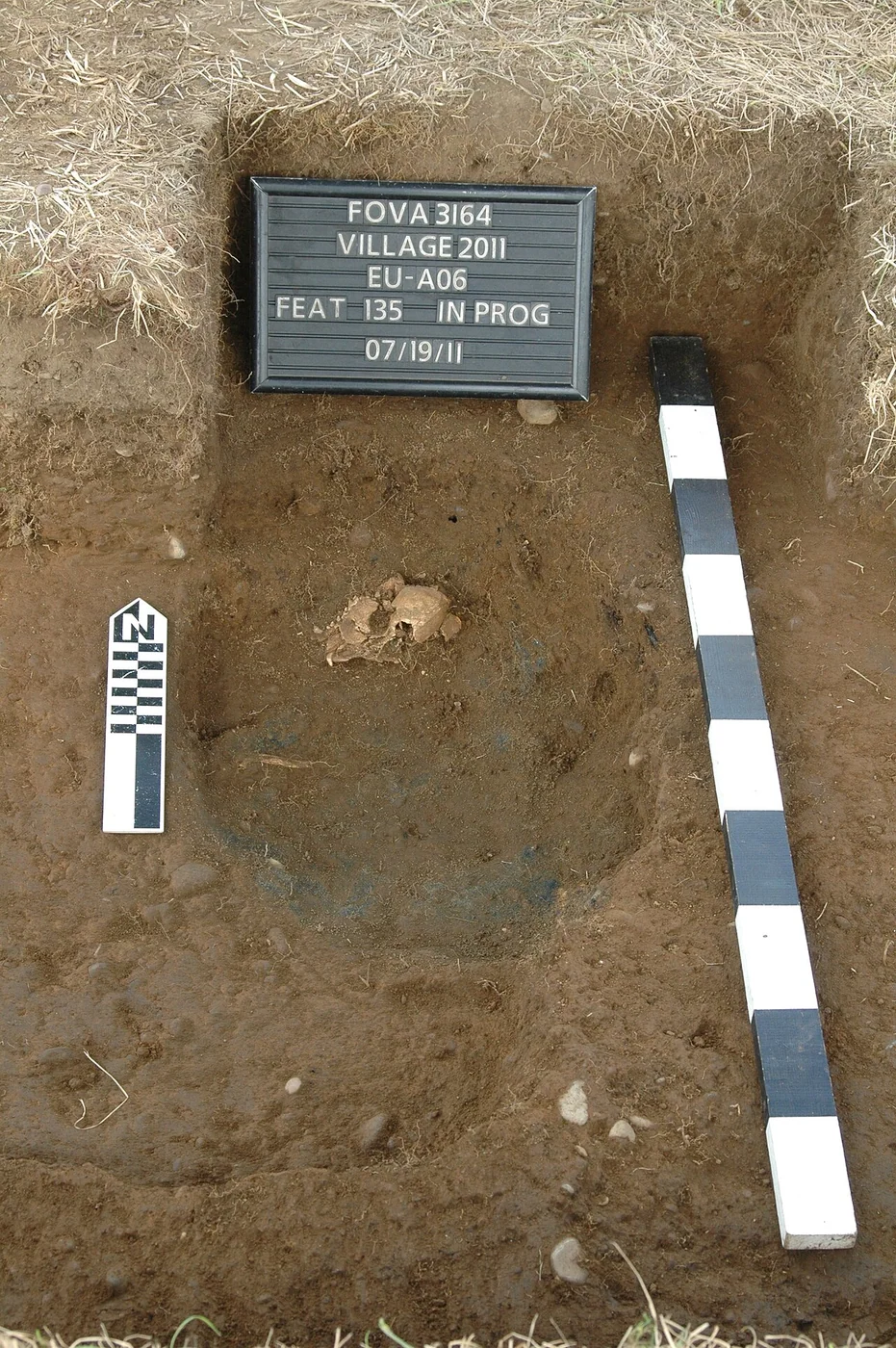
Small dog found by archaeologists in the Fort Vancouver Village NPS Photo · Public domain. Web size optimized; original linked.
Scent Strategy and the Nose Knows Principle
While humans rely on their eyes to judge a fort's charm, dogs navigate an olfactory universe that turns every blanket structure into a potential perfume disaster. That lavender fabric spray you misted for freshness? To a border collie named Duchess it registers as an assault on the delicate bouquet of yesterday's tennis ball, last week's pizza crust, and the comforting aroma of the delivery driver's socks. She circles once, twice, three times, composing a mental redesign that would allow just the right amount of household essence to waft through without dilution.
The ritual peaks when Duchess finally deposits her slightly-chewed stuffed squirrel in the exact center like a sommelier adding the perfect cork. Humans interpret this as random dog behavior. In truth it is olfactory feng shui, a four-legged attempt to transform your synthetic scented catastrophe into a sanctuary that smells like home rather than a candle shop having an identity crisis. The result is either instant approval, signaled by a dramatic flop onto her side, or a slow, judgmental backing away that somehow conveys both pity and profound disappointment.
Historical Denning Instincts Meet Modern Furniture
Long before sectional sofas existed, canine ancestors were crafting cozy caves from fallen logs and convenient rock overhangs. This ancient wisdom lives on in modern dogs, who view your average couch fort with the same horror an Italian grandmother might reserve for store-bought pasta. A Great Dane named Reginald finds the typical construction comically undersized, while a tiny Chihuahua named Señor Pickles considers it an echoing cavern suitable only for bats. Both deliver their verdicts through strategic demolition rather than polite feedback forms.
The humor sharpens when you watch a poodle named Coco approach the project like a tiny interior decorator. She nudges throw pillows into buttress positions, tugs blankets lower to create a more burrow-appropriate entry, and arranges chew toys in what appears to be a deliberate pattern of positive reinforcement. Humans armed with measuring tapes and YouTube tutorials stand no chance against this instinctual expertise. The resulting fort may look less like an Instagram dream and more like a laundry pile that achieved sentience, but it earns the ultimate canine seal of approval: uninterrupted snoring.
A Great Dane at a garden event in Balboa Park, San Diego. Contextual breed photograph; the dog is not the fictional character in the article. Swedam · CC BY-SA 4.0. Web size optimized; original linked.
Stress Reduction Through Approved Fort Design
When a golden retriever named Buttercup finally settles into a properly proportioned fort with a contented sigh instead of immediately dismantling it like a furry wrecking ball, the entire household feels the shift. What was once a battlefield of blankets and hurt feelings becomes a shared sanctuary where thunder sounds less threatening and fireworks seem farther away. The secret lies in heavier fabrics that refuse to collapse, multiple discreet air vents that prevent stuffiness, and sightlines that allow a dog to monitor the room without feeling trapped like a reluctant magician's assistant.
The real comedy arrives during family game night when Dad consults his spirit level while Buttercup waits with the patient judgment of someone who has seen every iteration of human folly. After several false starts involving too many pillows and an ill-advised disco ball, the final version receives the ultimate endorsement: Buttercup curls up with her favorite bone and falls asleep with one ear still cocked toward the door, ready to protect her pack from imaginary squirrels. The humans, exhausted but victorious, realize they have accidentally created domestic peace through the ancient art of listening to the dog.
Building a Better Future One Blanket at a Time
Envision a future where living rooms feature permanent dog-approved nooks seamlessly integrated into furniture arrangements, where blanket forts evolve from weekend novelties into architectural statements judged by the neighborhood canine collective at block parties. Picture afternoon light filtering through carefully draped sheets, the soft rhythmic thud of satisfied tails against cushions, and the occasional triumphant bark when a particularly inspired design passes inspection. Humans gain the stress relief that comes from playful creativity; dogs gain spaces that honor their ancient sensory priorities rather than fighting them.
In the end, our dogs offer constant, wordless lessons in simplicity and presence. They remind us that true comfort rarely comes from complicated instructions or color-coordinated accessories. Sometimes it arrives in the form of a slightly lopsided blanket arrangement that smells faintly of yesterday's adventures and feels exactly like safety. By learning to read their subtle architectural critiques with a wink and a tail wag of our own, we might just craft living spaces that feel less like human territory defended by throw pillows and more like genuine homes for every member of the pack, four-legged critics included.
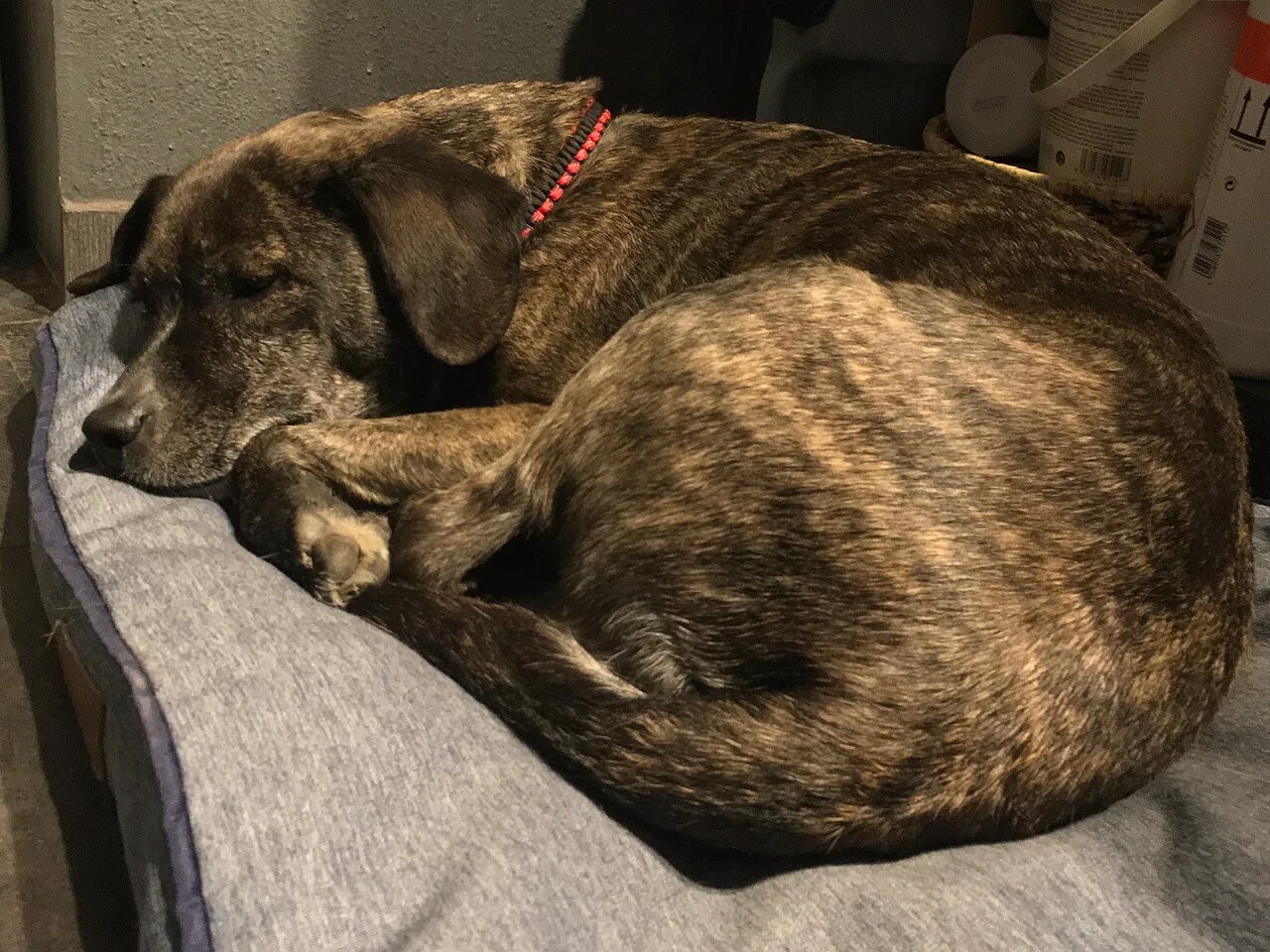
A dog curled up on its blanket at its owner’s workplace. Real contextual photograph of a comfortable resting space. (Pittigrilli, 2024, CC BY 4.0, via Wikimedia Commons) Pittigrilli · CC BY 4.0. Web size optimized; original linked.
AI-assisted original writing. This feature was revised against source material and checked for unsupported claims. Fictional satire: the characters and situations are invented.
In this satirical negotiation, household dogs and their noisy gadgets hammer out a paw-friendly accord laced with positive reinforcement and desensitization playlists.
In this fictional satire, a philosophical hound spirals over the futility of chasing its own tail until enrichment toys that echo ancestral hunting instincts step in to restore a sense of purpose.


 Photograph