Conquistadors brought large mastiffs to the Americas in the early 1500s. Contemporary accounts describe the animals creating fear among Indigenous fighters.
Spanish Mastiff (mastín español), a large working breed historically used for livestock protection in Spain; similar mastiffs were brought by conquistadors in the early 1500s. Vicente Rojan · CC0 1.0 · Web size optimized; source linked for the original.
Spanish expeditions to the Americas in the early 1500s carried horses, steel weapons, and large dogs. One eyewitness, Bernal Diaz del Castillo, recorded the presence and impact of these animals during campaigns in Mexico. His memoirs, written decades later, offer a soldier’s perspective on how the dogs affected battles and the reactions of local warriors. The text emphasizes that the dogs formed part of a larger force that included cavalry and firearms. Historians treat the descriptions as valuable but note the passage of time between events and writing.
Dogs in the Expedition Accounts
Bernal Diaz del Castillo participated in the campaign led by Hernán Cortés. In his memoirs he lists many details of the expedition, including horses and the men who sailed with them. He notes the presence of dogs among the company that arrived in New Spain. The animals are mentioned alongside other elements that were new to the peoples encountered.
The text presents the dogs as part of the force that moved inland from the coast. Diaz describes battles in which Spanish troops, horses, and dogs advanced together. He writes that the combination produced strong reactions among Indigenous warriors who had not seen such large domestic canines before.
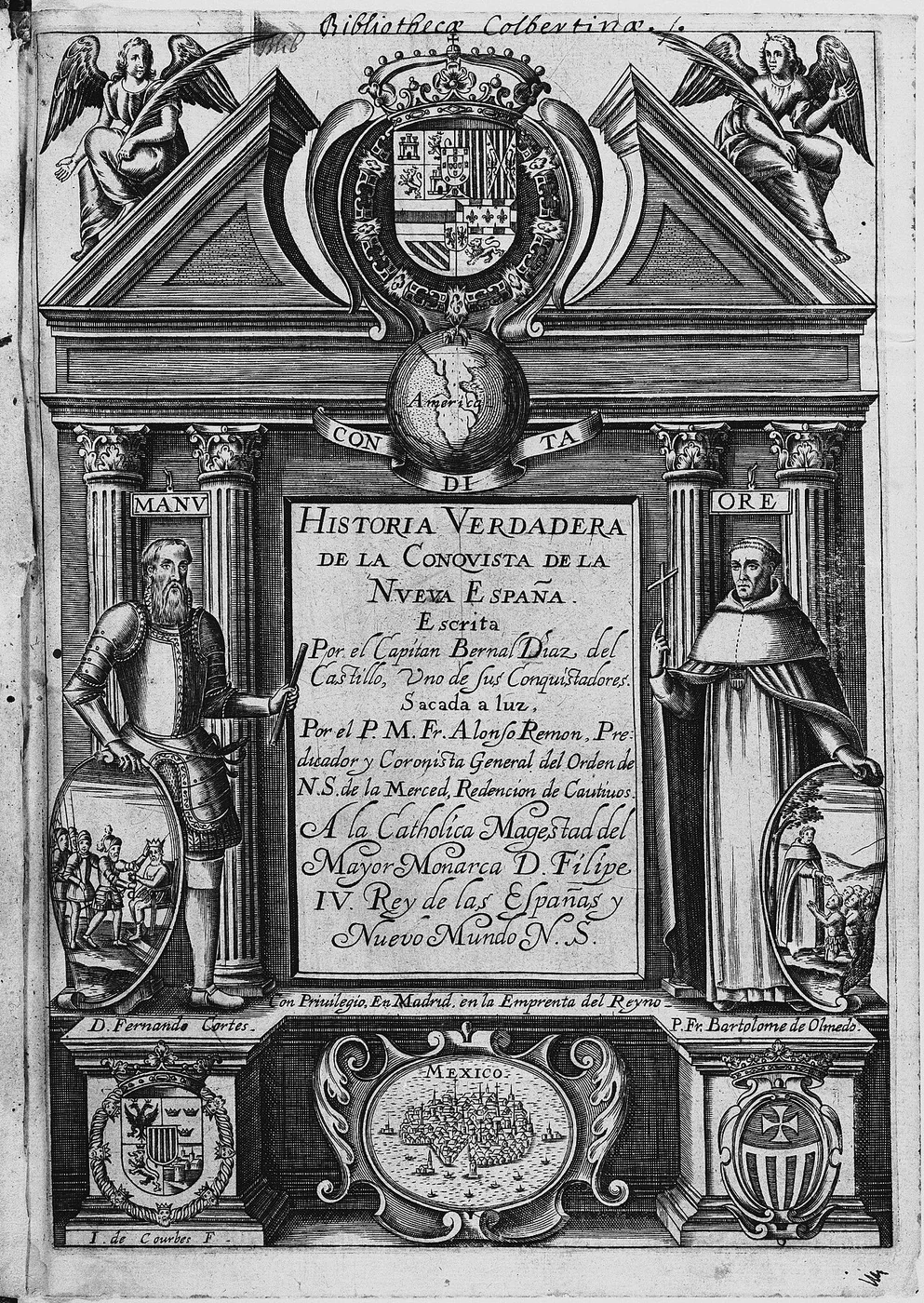
Title page of Bernal Díaz del Castillo’s Historia verdadera de la conquista de la Nueva España (1632 edition), the primary source memoir that records the presence of dogs with the Cortés expedition. Díaz del Castillo, Bernal, 1496-1584 · Public domain. Web size optimized; original linked.
Descriptions of the Animals
Diaz refers to the dogs as large and fierce. He records that they were used in combat and that their appearance and sounds contributed to disorder in opposing ranks. Specific weights, breeds, or armor are not detailed in the cited source material.
The memoirs stress that the dogs were directed by handlers and released at chosen moments. Diaz portrays them as effective in breaking formations, especially when they moved among shields or attacked from the side or rear.
Reactions Recorded by the Chronicler
According to Diaz, the baying and charge of the dogs caused immediate confusion. He states that in some clashes the animals created more disruption than the cavalry by darting between fighters and pulling them down. The unfamiliar sight, sound, and smell appear to have added to the alarm felt by warriors facing steel weapons and horses at the same time.
The account does not claim the dogs decided every battle. It presents them as one factor among several that contributed to Spanish successes. Diaz repeatedly notes that he is writing from memory and personal observation years after the events.
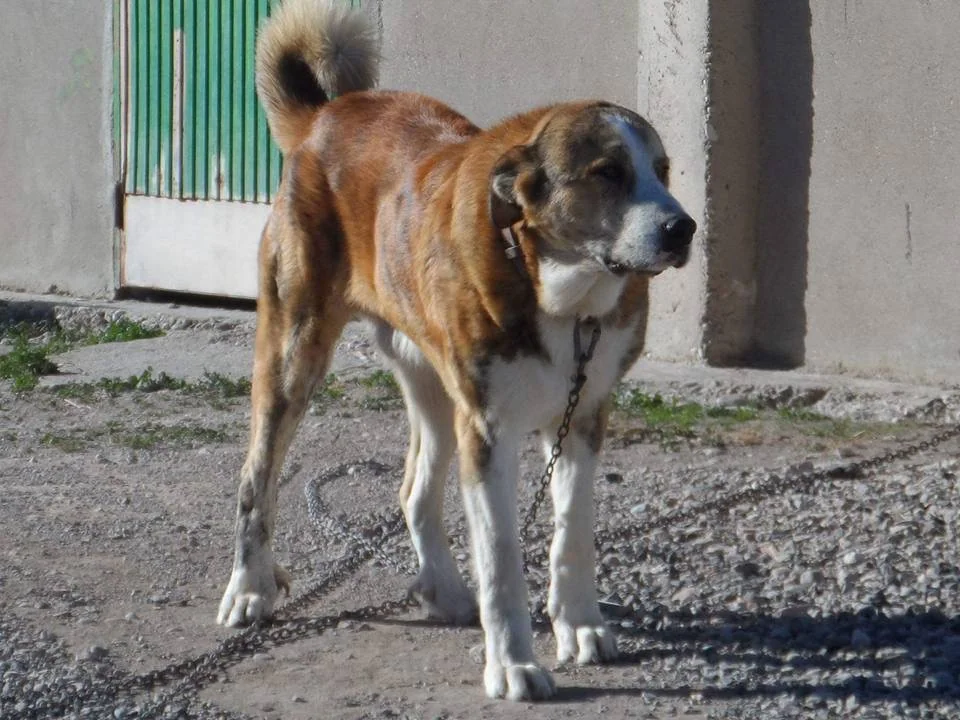
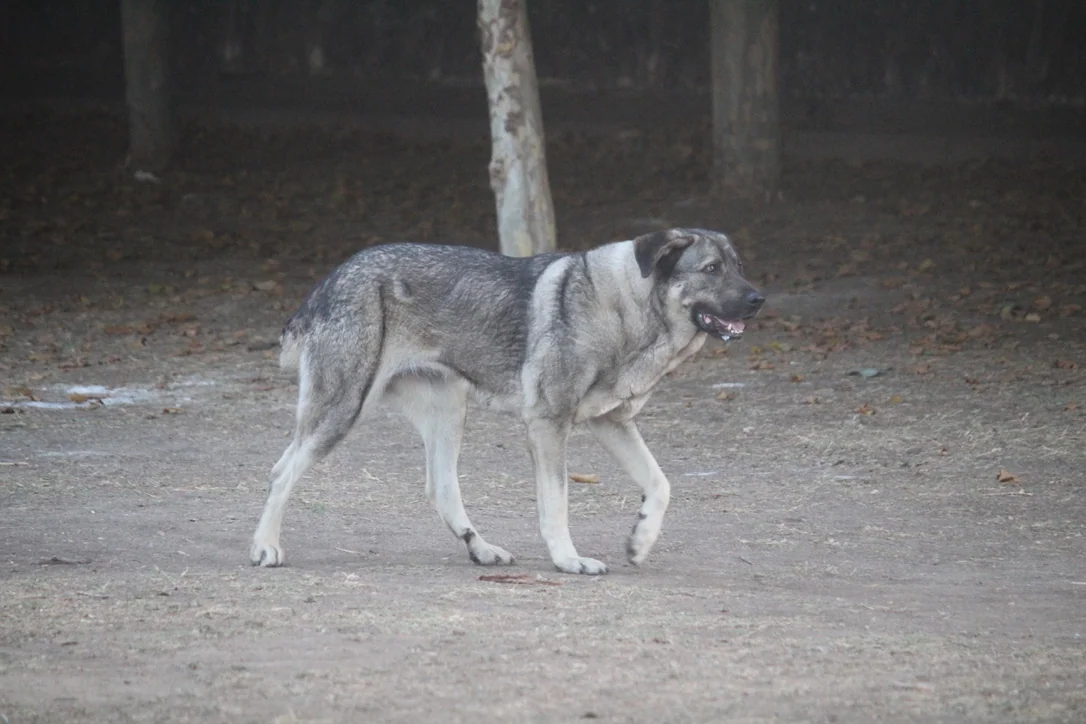
Spanish Mastiff, a modern breed descended from the large war dogs used in the Spanish Conquest of Mexico Qwexcxewq · CC BY-SA 4.0. Web size optimized; original linked.
Context Within the Larger Campaign
The dogs operated alongside cavalry charges and gunfire. Diaz describes coordinated actions in which horsemen drove opponents toward waiting troops and dogs. The memoirs give the impression that commanders timed the release of the animals to exploit fear and break cohesion.
Diaz is careful to credit the collective effort of the soldiers rather than any single element. He lists companions by name in later chapters and insists the conquest was the work of many. The dogs are therefore presented as tools within a broader military effort rather than independent super-weapons.
Value of the Source for Historians
Bernal Diaz completed his manuscript in 1568. He states that he wrote “from my day-book and memory” and that he was present at the events described. The work is valued for its plain style and for the author’s insistence on truthfulness, though modern readers recognize that memory can be selective.
The text has been used by later writers seeking firsthand detail. It remains one of the few extended accounts written by a common soldier rather than an officer or court historian. References to the dogs appear within a narrative that also corrects what Diaz saw as errors in other books about the same campaign.
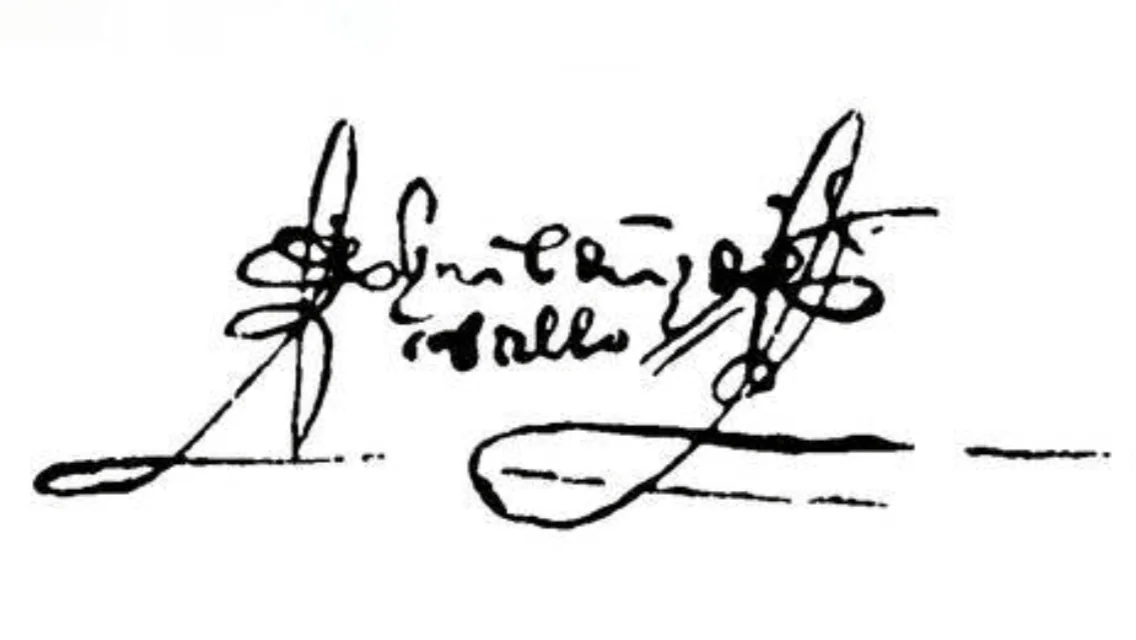
Signature of Bernal Díaz del Castillo from his manuscript, the primary source describing the use of dogs in the conquest. Bernal Díaz del Brawl · Public domain. Web size optimized; original linked.
AI-assisted original writing. This feature was revised against source material and checked for unsupported claims. Follow the references below for evidence and its limits.
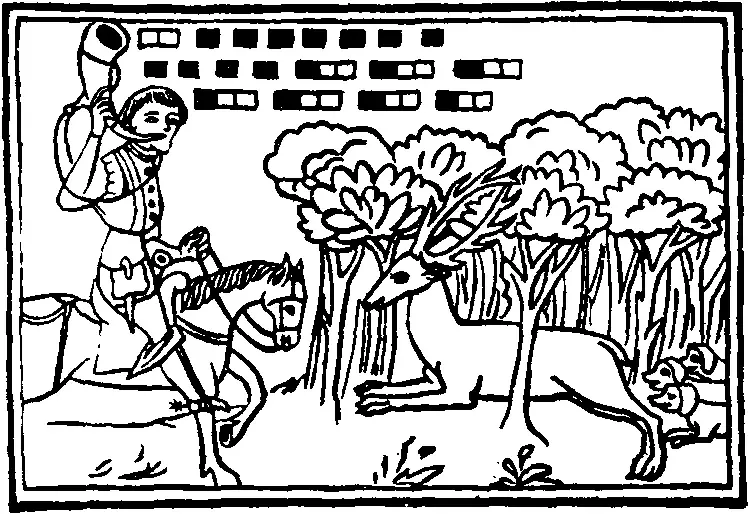
Royal charters set rules for restraining dogs to protect game, while hunting manuals later recorded the calls and names used by those who followed hounds on the trail.
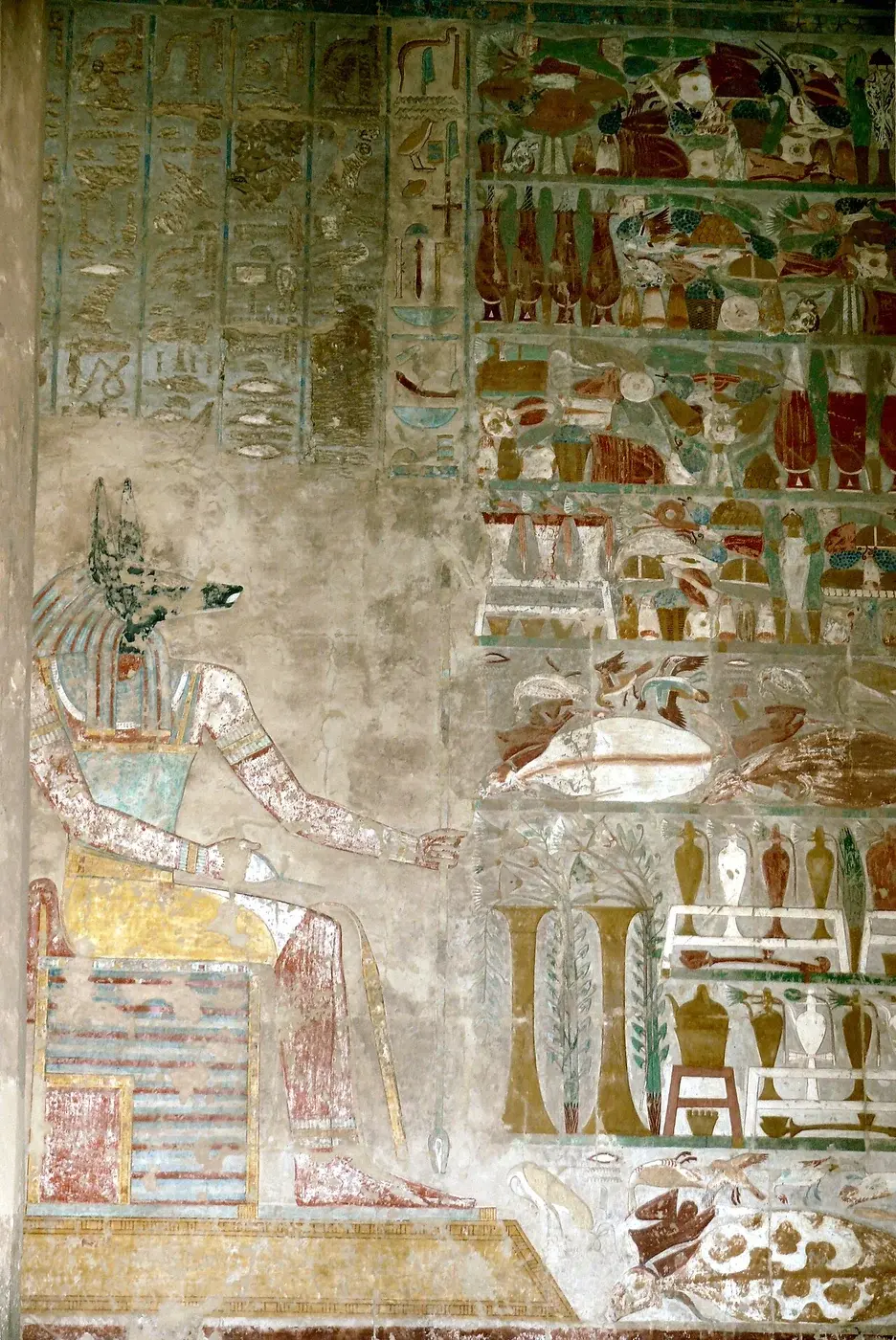
Evidence from Saqqara and Asyut shows that dogs and other canids were mummified in large numbers as votive offerings connected to the gods Anubis and Wepwawet.
 Historical collection image