The benchmark promoted by Best Friends Animal Society measures lifesaving progress, yet it highlights differences in how facilities handle intake, transfers, and community responsibilities.
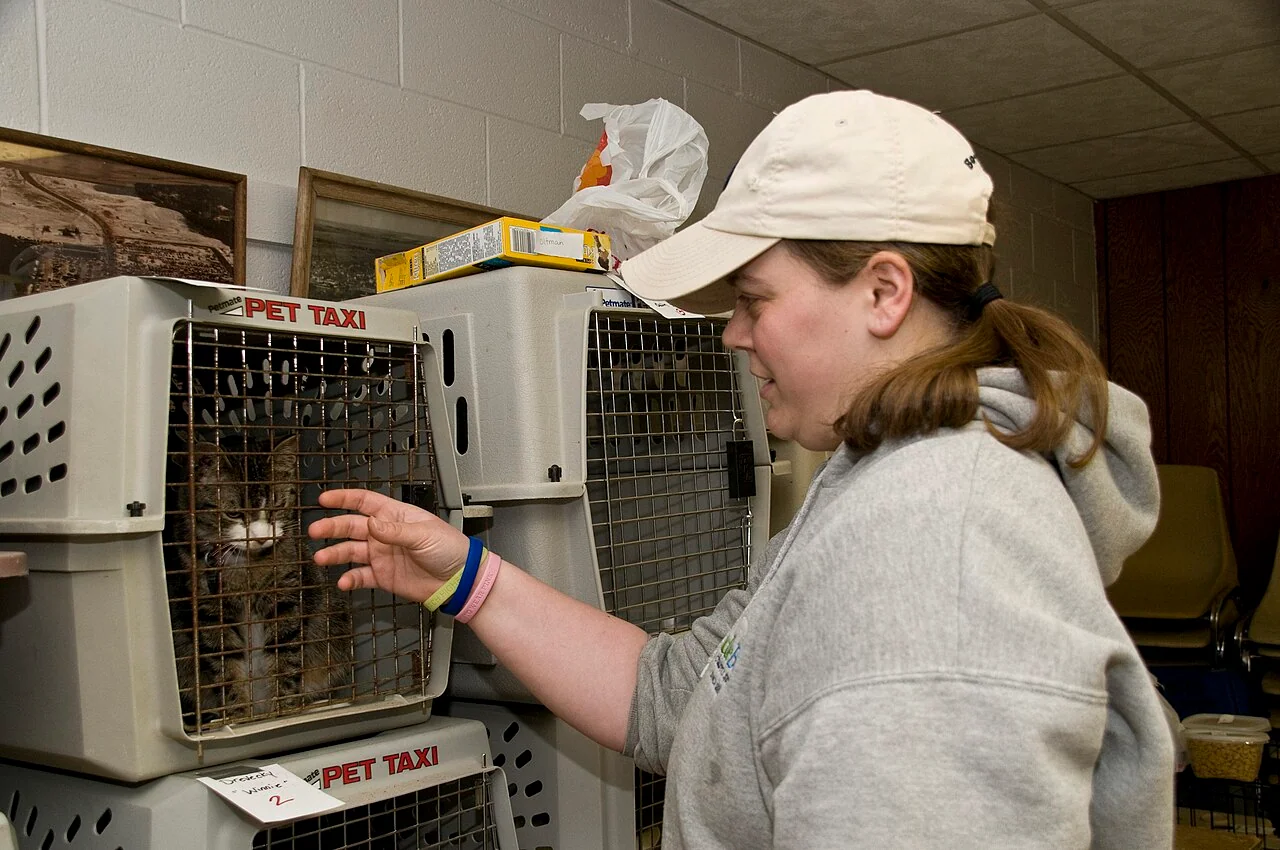
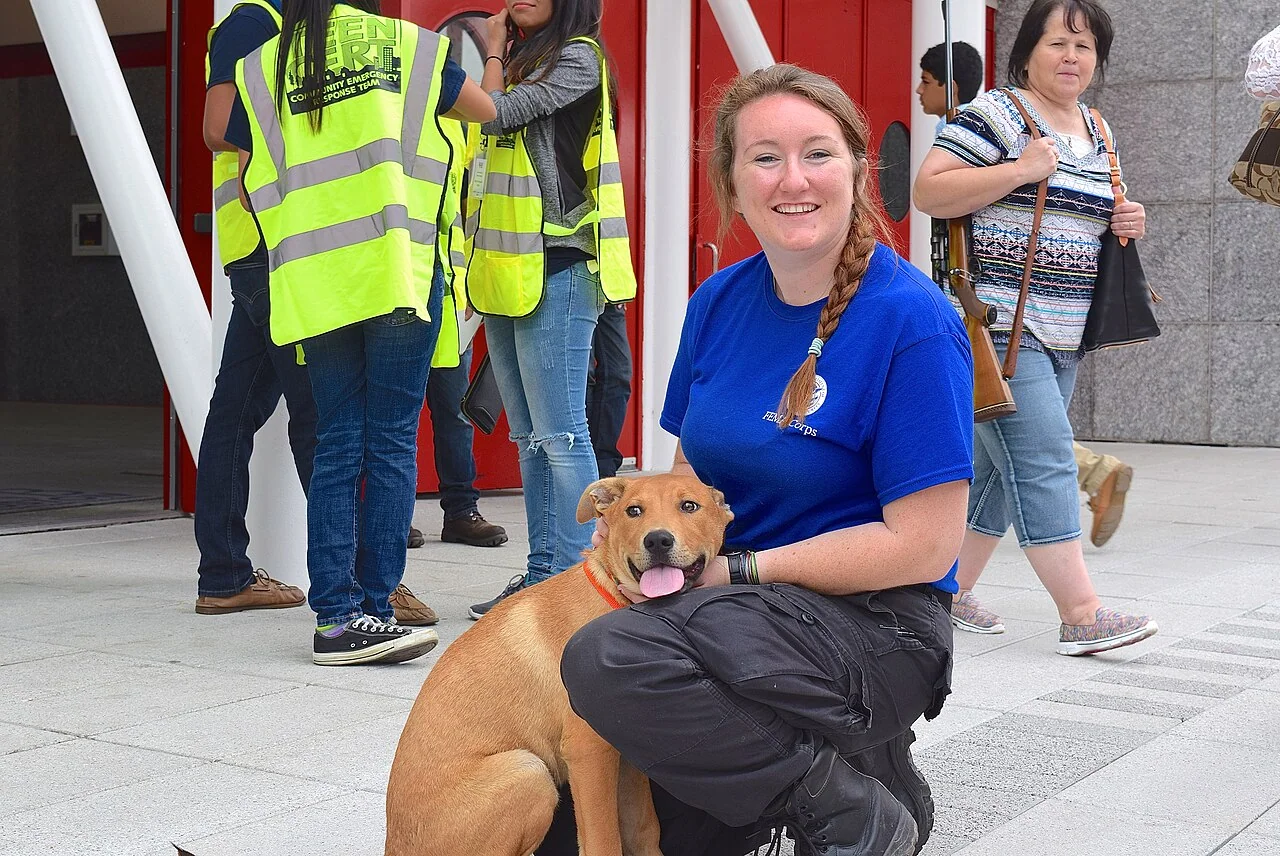
Emergency animal shelter in Valley City, North Dakota, 2009. Volunteer caring for animals displaced by flooding. Patsy Lynch · Public domain · Web size optimized; source linked for the original.
A shelter that reaches no-kill status often displays cheerful adoption areas and impressive yearly figures showing most animals leave alive. The 90 percent save rate offers a practical way to track improvement, but the label also reflects choices about which animals a facility accepts and how it works with others in the area. Looking closely at the standard helps people understand shelter operations and decide how to support animals effectively.
How the 90 Percent Benchmark Is Calculated
Best Friends Animal Society defines a 90 percent save rate as the standard for no-kill status. The rate is figured as live outcomes divided by live intakes over any consecutive 12-month period. A shelter can earn the designation even if not every month meets the threshold, and once achieved it carries forward for the next reporting year.
Non-live outcomes in the formula include animals euthanized, those euthanized at owner request, animals that died in care, or those lost in care. Best Friends counts owner-requested euthanasia as both intake and non-live outcome for most shelters. The organization applies the calculation only to brick-and-mortar facilities, noting that foster-based groups rarely euthanize healthy or treatable animals.
The 90 percent figure is presented as a commonsense benchmark because the share of animals entering shelters with irremediable medical or behavioral conditions that prevent rehoming is typically not more than 10 percent. The goal remains saving every animal that can be saved.
Owner-Requested Euthanasia and Variations in Counting
Best Friends includes owner-requested euthanasia within the save-rate calculation for typical shelters. The number generally fits inside the 10 percent allowance that keeps a facility at or above the no-kill threshold.
An exception applies to shelters that also operate a full-service public veterinary clinic. In those cases, owner-requested euthanasia is treated as a clinic service rather than sheltering and is excluded from the save-rate math.
Differences in how organizations define treatable conditions or handle owner requests can lead to varying reported rates even when raw numbers look similar. The absence of fully uniform standards across all shelters means the label invites comparison but also calls for attention to the detailed data behind it.
The Role of Transfers in Reaching High Save Rates
Transfer programs allow animals to move from one shelter to another with more space, specialized care, or stronger adoption demand in a different area. Best Friends lists transport programs among the best practices that help communities reduce euthanasia.
When managed carefully, transfers can prevent euthanasia that would otherwise occur because of capacity limits at the source shelter. The practice is part of a broader set of strategies that also includes targeted spay-neuter services, adoption and foster programs, and community cat initiatives using trap-neuter-return or return-to-field methods.
Best Friends notes that data-driven decisions help shelters identify which programs will have the greatest impact in their specific community.
Best Friends emphasizes that no-kill status for a community requires every brick-and-mortar shelter in a county to reach the 90 percent save rate. The approach relies on collaboration among shelters, rescue groups, government agencies, and community members.
Successful efforts often involve coalitions that share resources, maintain consistent reporting, and focus on collective responsibility. Examples include past initiatives such as No-Kill Utah and No-Kill Los Angeles.
The organization stresses that the ultimate aim is not simply to obtain a designation but to build systems that address why animals enter shelters and that support the human-animal bond.
Reading Reports and Supporting Local Efforts
When shelters announce progress toward no-kill status, it helps to examine intake policies, how owner-requested cases are counted, and what support is offered to animals that may not be accepted. Best Friends encourages transparency and provides a pet lifesaving dashboard so people can view data for shelters in their state.
Community support for spay-neuter programs, foster networks, and retention services can reduce overall intake and ease pressure on all facilities. The no-kill philosophy distinguishes between preventable deaths and euthanasia performed as a genuine act of mercy for animals with irremediable conditions that affect quality of life or public safety.
Best Friends avoids the term “kill shelter” because it can discourage the community backing that many facilities need to improve.
AI-assisted original writing. This feature was revised against source material and checked for unsupported claims. Follow the references below for evidence and its limits.
 Historical collection image