What We Know About the Lives of Dogs Retired From Commercial Breeding
Studies show many former breeding dogs carry lasting fears and health differences even after years in adoptive homes, pointing to the value of careful preparation and ongoing support.
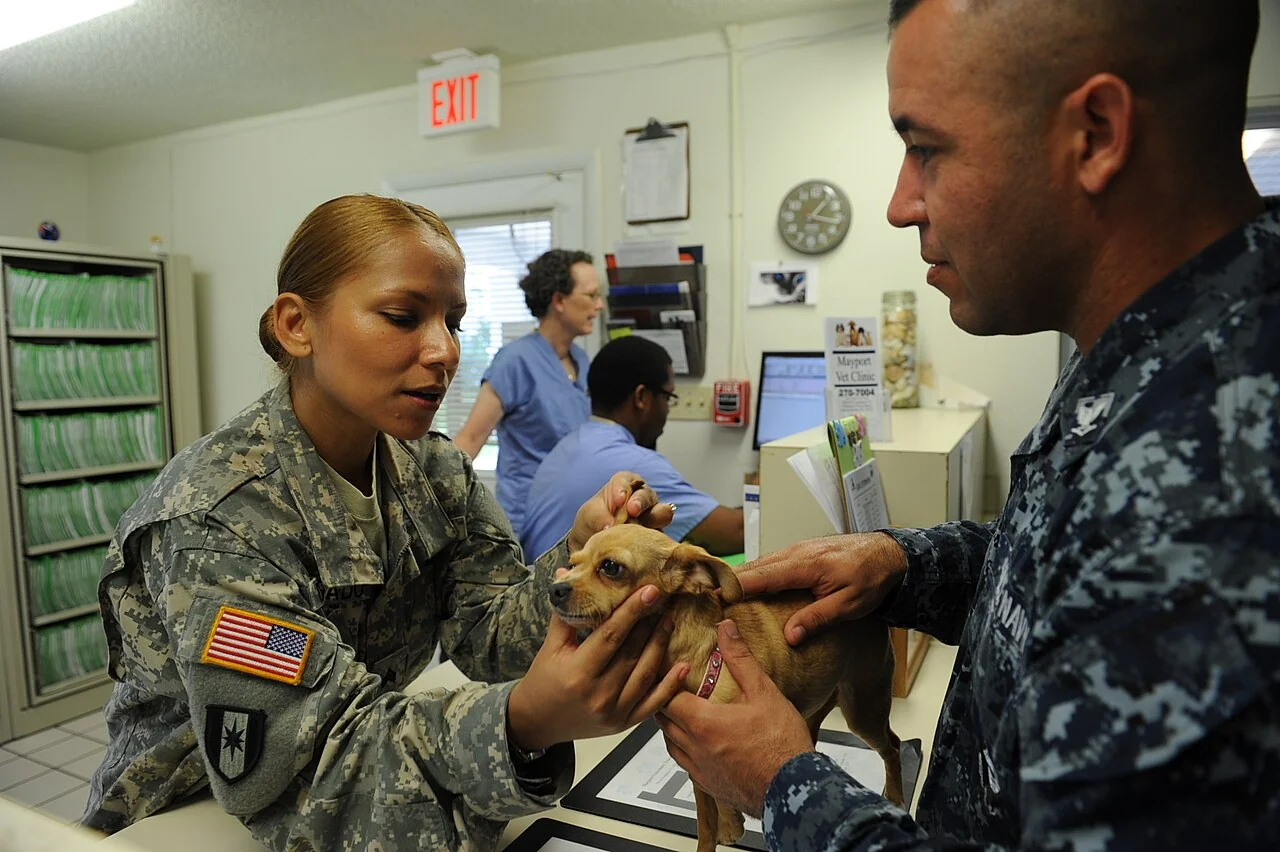
Sgt. Bethzabe Delgado prepares a military working dog for her annual checkup at Naval Station Mayport's Veterinary Clinic, 2013. Petty Officer 3rd Class Damian Berg · Public domain · Web size optimized; source linked for the original.
Dogs that leave commercial breeding facilities often arrive in new homes carrying the marks of their earlier lives. Two research efforts using owner reports and direct observations have started to map what those marks look like years later. The findings do not paint a uniform picture of trauma or easy recovery. Instead they highlight persistent fear in many dogs, alongside some encouraging links between early behavior and later success. Understanding these patterns can help rescuers, adopters, and specialists set realistic expectations and choose effective supports. The data come with clear limits: most dogs were assessed through questionnaires filled out by owners, and the facilities involved were not always large-scale seizure operations. Still, the studies offer a grounded starting point for anyone considering adoption of a retired breeding dog.
Health Differences Reported by Owners
One large survey looked at 1,169 dogs that had lived in commercial breeding establishments before adoption. On average these dogs had been in their new homes for two years when owners completed a standard behavioral questionnaire. Compared with a matched group of typical pet dogs, the former breeding dogs were reported to have health problems at a higher rate: 23.5 percent versus 16.6 percent. The exact nature of those problems was not detailed in the summary data, yet the gap suggests that years spent in commercial conditions can leave a measurable physical legacy.
Owners also described differences in everyday behavior that may connect to health. The retired dogs showed lower energy and excitability than pet dogs. While this could reflect simple aging or breed variation, it might also point to chronic stress or untreated medical issues that dampen a dog’s interest in play. Adopters should therefore schedule thorough veterinary check-ups soon after bringing a new dog home. Reading question: If a dog seems unusually quiet or reluctant to move, could an undiagnosed condition be contributing to its fearfulness? The evidence cannot answer for any single animal, but it does remind us that physical and behavioral care often need to travel together.
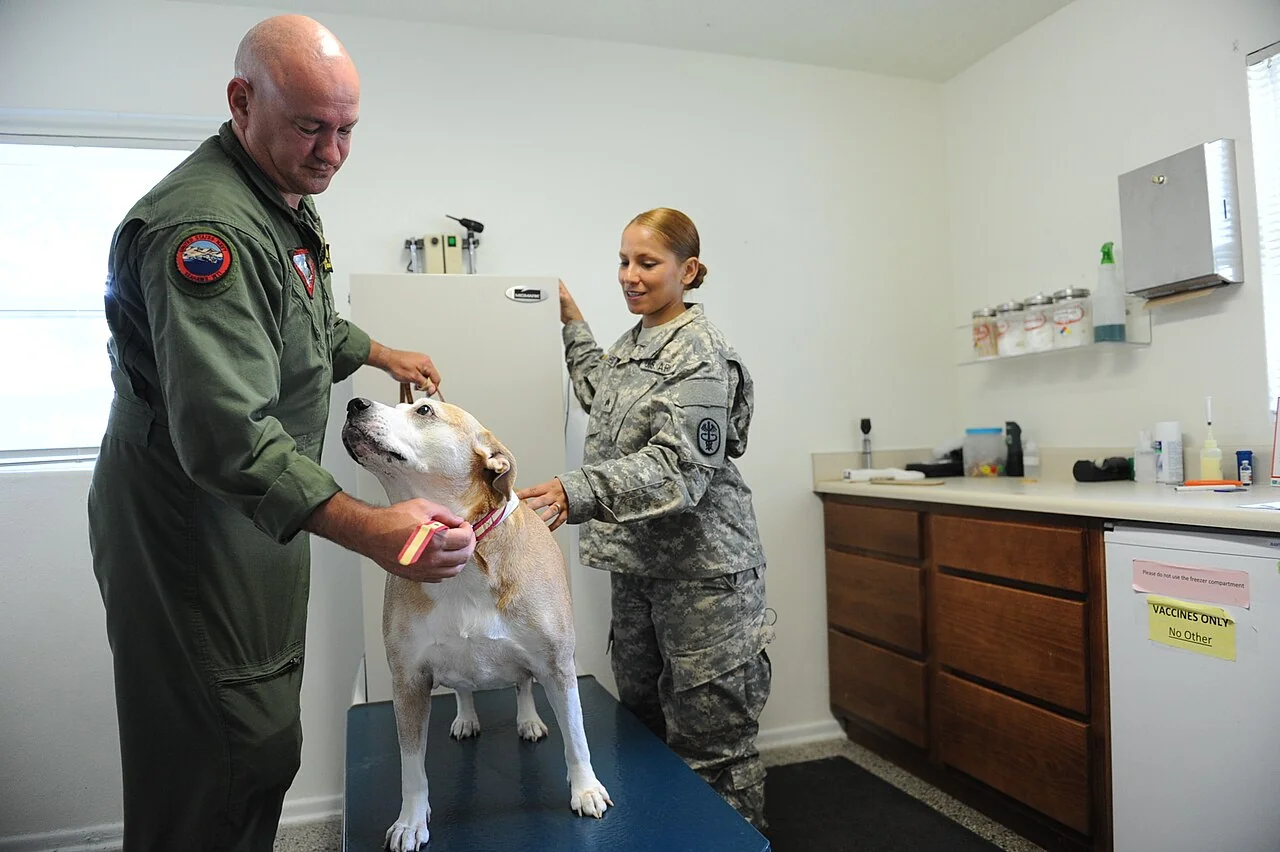
Sgt. Bethzabe Delgado performs an ear infection check on a dog during its annual veterinary checkup at Naval Station Mayport's Veterinary Clinic (U.S. Navy photo, 17 April 2013). Petty Officer 3rd Class Damian Berg · Public domain. Web size optimized; original linked.
Persistent Fear and Anxiety Patterns
Fear stood out as the most consistent challenge. The same group of 1,169 dogs displayed significantly higher rates of both social and non-social fear than matched pet dogs. Many appeared to experience regular anxiety even after two years in a caring household. Some stared compulsively, others struggled with house-soiling linked to fear rather than lack of training. The researchers noted that these dogs can find normal existence difficult, a reminder that patience is not optional but essential.
The second study, which followed 32 dogs from 30 participating kennels, found a moderate proportion showing fearful responses during pre-adoption assessments. Importantly, dogs that scored higher on sociability while still in the kennel later showed lower fear and better trainability once adopted. This link offers a practical clue: early observation of how a dog interacts with people and other dogs may help forecast which animals will settle more readily. Editorial note: These numbers reflect group trends, not guarantees. An individual dog that trembles at every new sound may still thrive with the right environment, but the data suggest that adopters should plan for gradual introductions rather than expecting instant confidence.
Behavioral Strengths That Can Help
Not every difference was a deficit. The larger survey found that former breeding dogs scored lower on aggression, trainability, excitability, and energy when compared with typical pets. Lower aggression can be a genuine asset in a multi-dog or family home, provided other needs are met. The calmer baseline may also suit owners who prefer a quieter companion over a high-drive athlete.
The smaller study reinforced the value of in-kennel behavior as a predictor. Dogs rated as sociable in the kennel environment tended to do better after adoption on measures of fear and trainability. This suggests that facilities or rescue groups willing to invest time in gentle handling and positive exposure could improve outcomes. Light-hearted observation: If a dog politely waits its turn for attention instead of bouncing off the walls, that restraint might be a hard-won skill worth celebrating, even if it arrives wrapped in a few extra fears. The evidence supports thoughtful matching between dog and home more than any one-size-fits-all rescue narrative.
A calm dog resting while appearing deep in thought. Brainwavewizard · CC BY-SA 4.0. Web size optimized; original linked.
Practical Implications for Adopters and Specialists
Both studies point toward the same practical takeaway: preparation matters. Comprehensive behavioral assessment before adoption can flag dogs at higher risk of ongoing difficulty. Once home, consistent, low-pressure routines help many dogs learn that the world is safer than they once believed. Professional trainers experienced with fearful animals can offer tools such as counter-conditioning and desensitization, always tailored to the individual.
Adopters should also consider their own lifestyle. A quiet household with predictable schedules may suit a dog that finds novelty stressful. Reading question: Are you prepared to celebrate tiny signs of progress, such as a dog choosing to approach rather than hide, even if full confidence takes years? The data cannot promise a timeline, yet they do indicate that many dogs improve slowly when given steady, kind support. Veterinary behaviorists and rescue organizations can provide guidance, but the daily work falls to the people who live with the dog.
Limitations and What the Research Cannot Yet Tell Us
Both papers carry important caveats. The larger study relied on owner-reported data collected through rescue channels; dogs from large-scale seizures may differ from those retired under more controlled conditions. The smaller study explicitly notes that the 30 participating kennels are not necessarily representative of facilities targeted in puppy-mill raids. Conditions of origin were often unknown, making it hard to draw direct lines between specific past experiences and current behavior.
No study here tracked the same dogs from seizure through many years, so long-term trajectories remain partly hidden. We also lack clear data on which interventions work best or how breed, age at retirement, or litter history might influence outcomes. These gaps matter. Editorial analysis: Without broader, longitudinal evidence, it is easy to overgeneralize either optimism or despair. The existing findings therefore serve best as a cautious map rather than a crystal ball. They invite further research that follows seized dogs across time and tests specific rehabilitation programs. In the meantime, they encourage humility and careful observation from everyone involved in these adoptions.
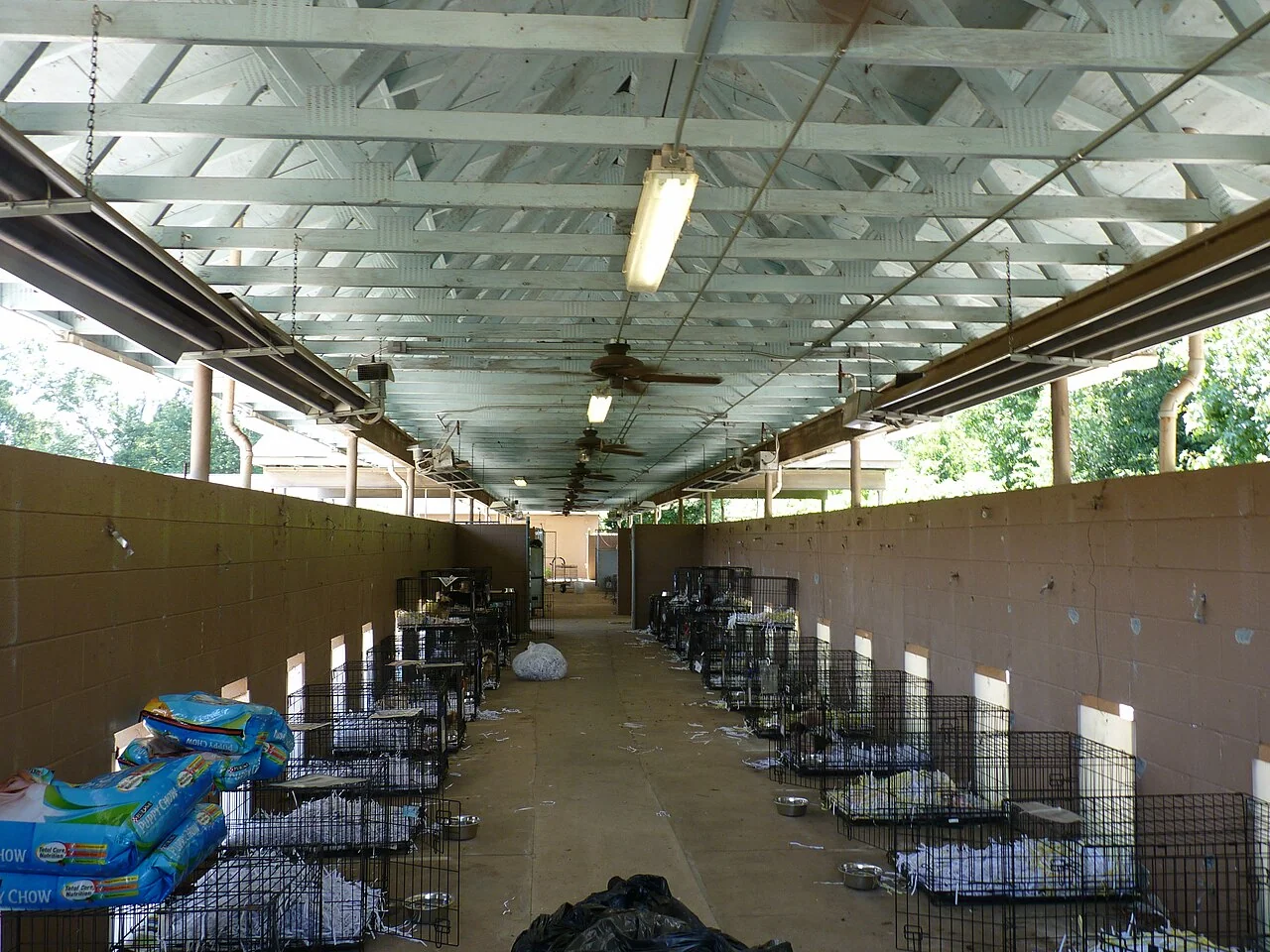
A look inside the make-shift animal shelter in Anderson County, S.C. Aug. 10, 2013. The S.C. National Guard responded to the Anderson County Sheriff Office with 28 other agencies in Anderson County, S.C., after more than 150 dogs were discovered in a suspected puppy mill operation with potential exposure to parvovirus. (U.S. Army National Guard photo by Maj. Cindi King) Maj. Cindi King · Public domain. Web size optimized; original linked.
AI-assisted original writing. This feature was revised against source material and checked for unsupported claims. Follow the references below for evidence and its limits.

 Historical collection image