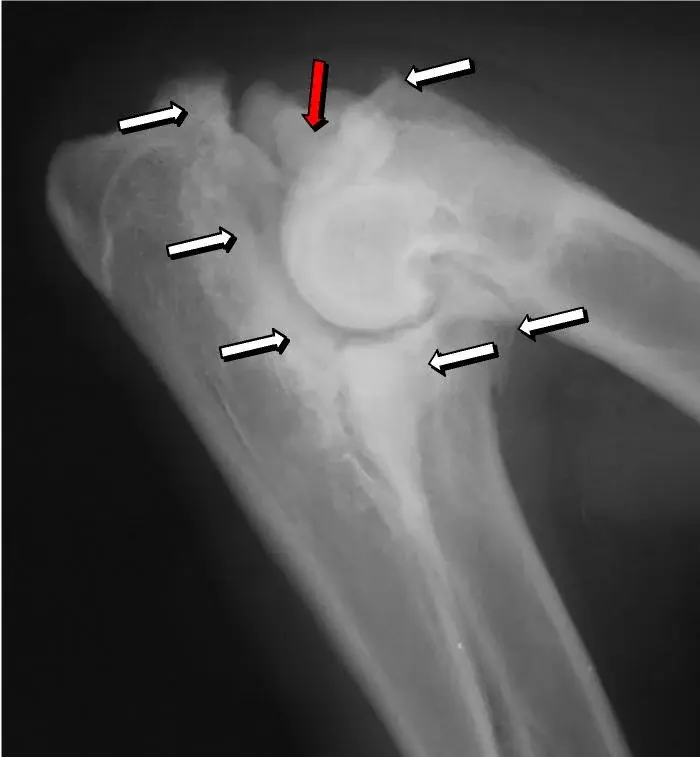
Federal and state breeding laws set basic floors that allow tight cages, repeated litters, and weak oversight, letting many operations stay in business while dogs suffer.
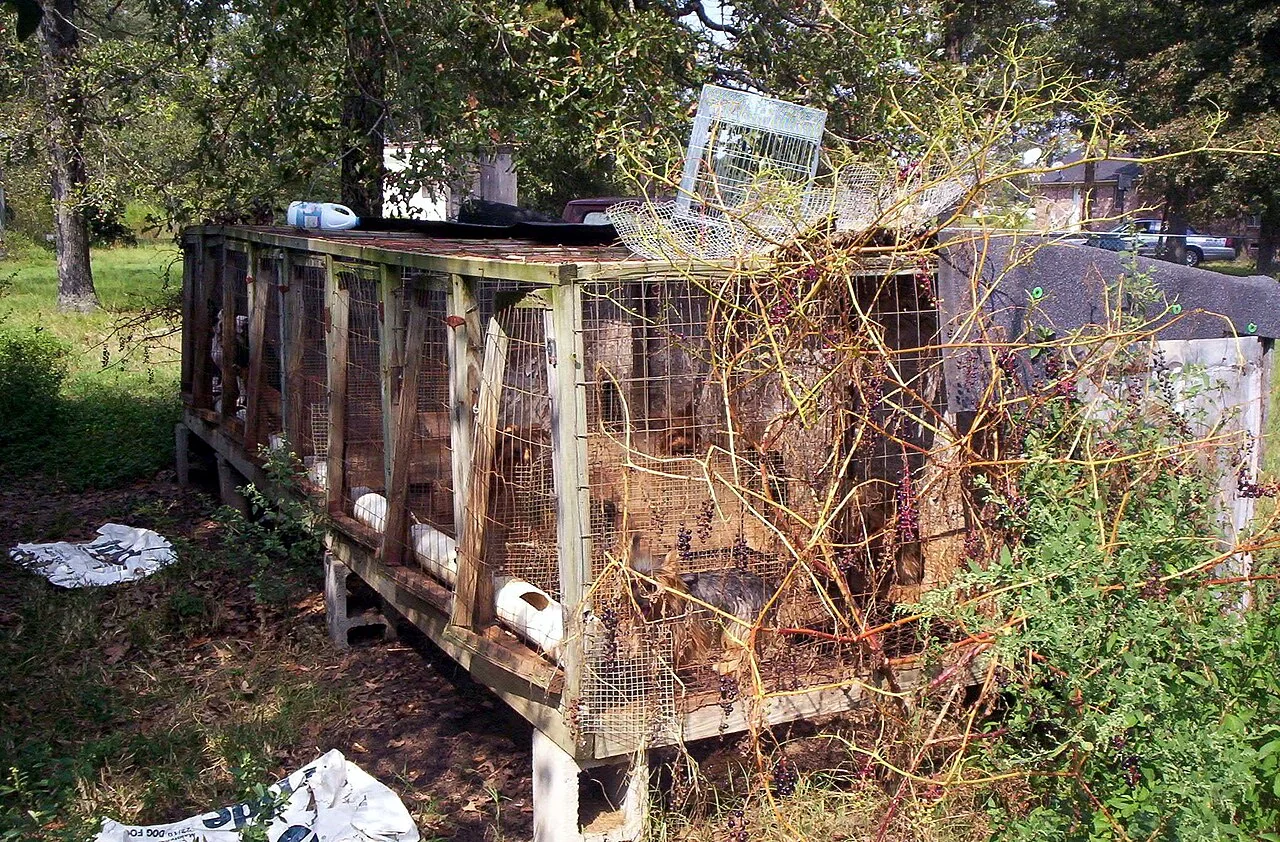
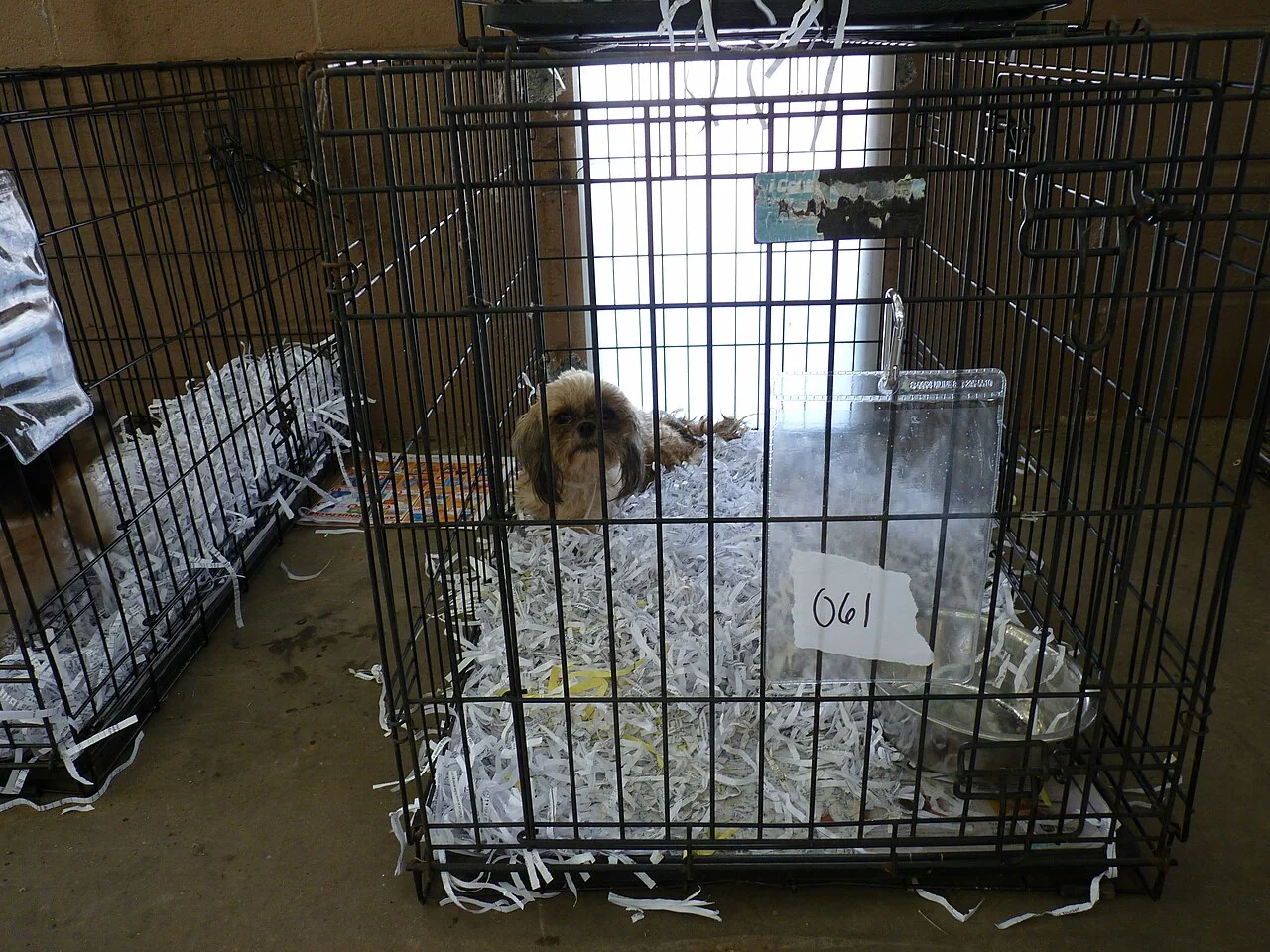
A puppy mill in the rural United States. PETA · Public domain · Web size optimized; source linked for the original.
Many dogs arrive at shelters showing signs of lives spent in tight, stacked cages: missing teeth, skin problems, and nervous behavior. The main federal law covering large-scale commercial dog breeding, the Animal Welfare Act, requires licensing and minimum care standards for certain facilities. Yet those standards permit conditions that can lead to health and behavior troubles even when followed. States add their own rules, but gaps remain. Limited inspections, exemptions for small operations, and ways around sales restrictions let problem breeders continue. The evidence shows that passing laws alone does not always translate into better lives for the dogs involved.
Federal Standards and Their Limits
The Animal Welfare Act is enforced by the USDA's Animal and Plant Health Inspection Service. Facilities that sell puppies sight-unseen or to brokers and have more than four breeding females generally need a license. The rules cover housing, sanitation, veterinary care, and exercise.
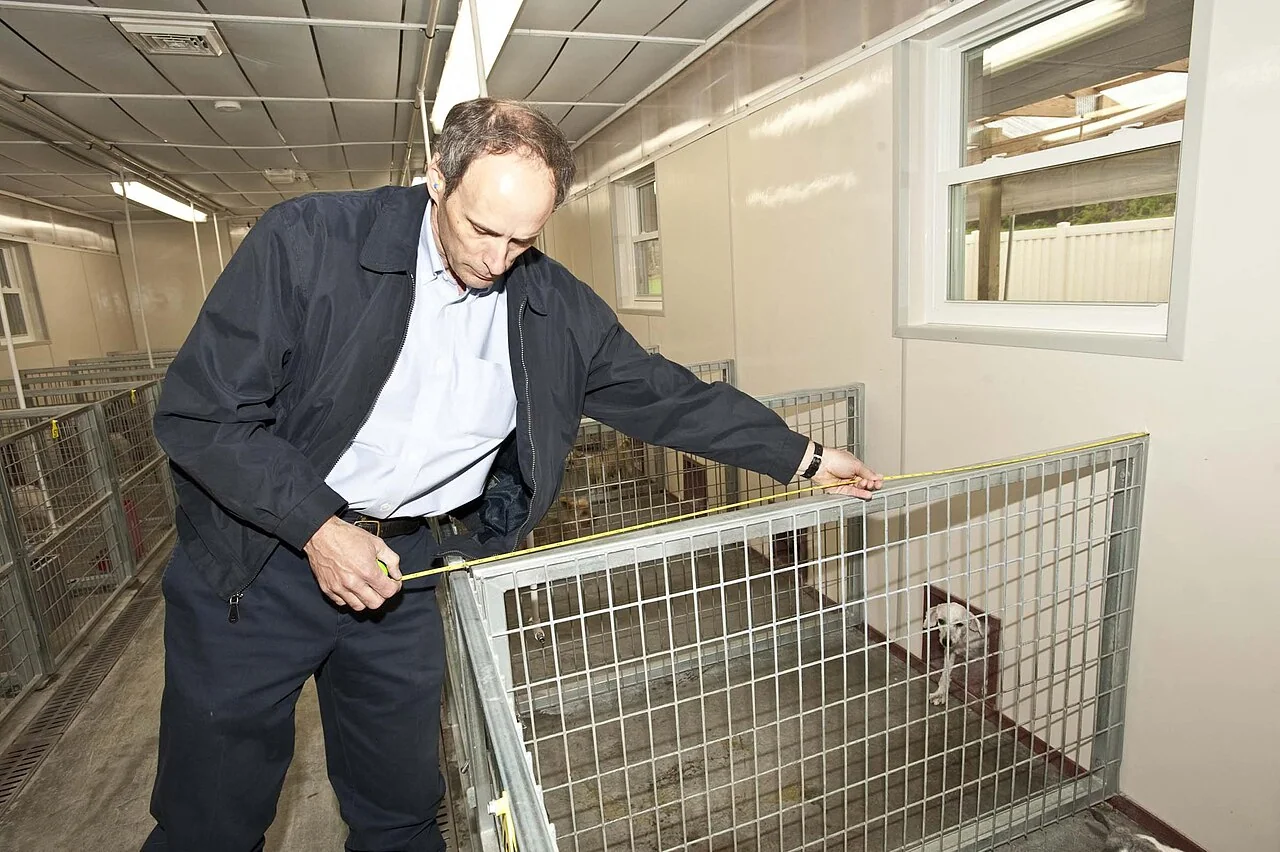
Enclosures can be sized using a formula based on the dog's length plus six inches. This can result in spaces where dogs cannot fully stretch or turn. Wire flooring is allowed in many cases, which can cause paw injuries over time. Basic shelter is required for weather protection, but climate control is not mandated.
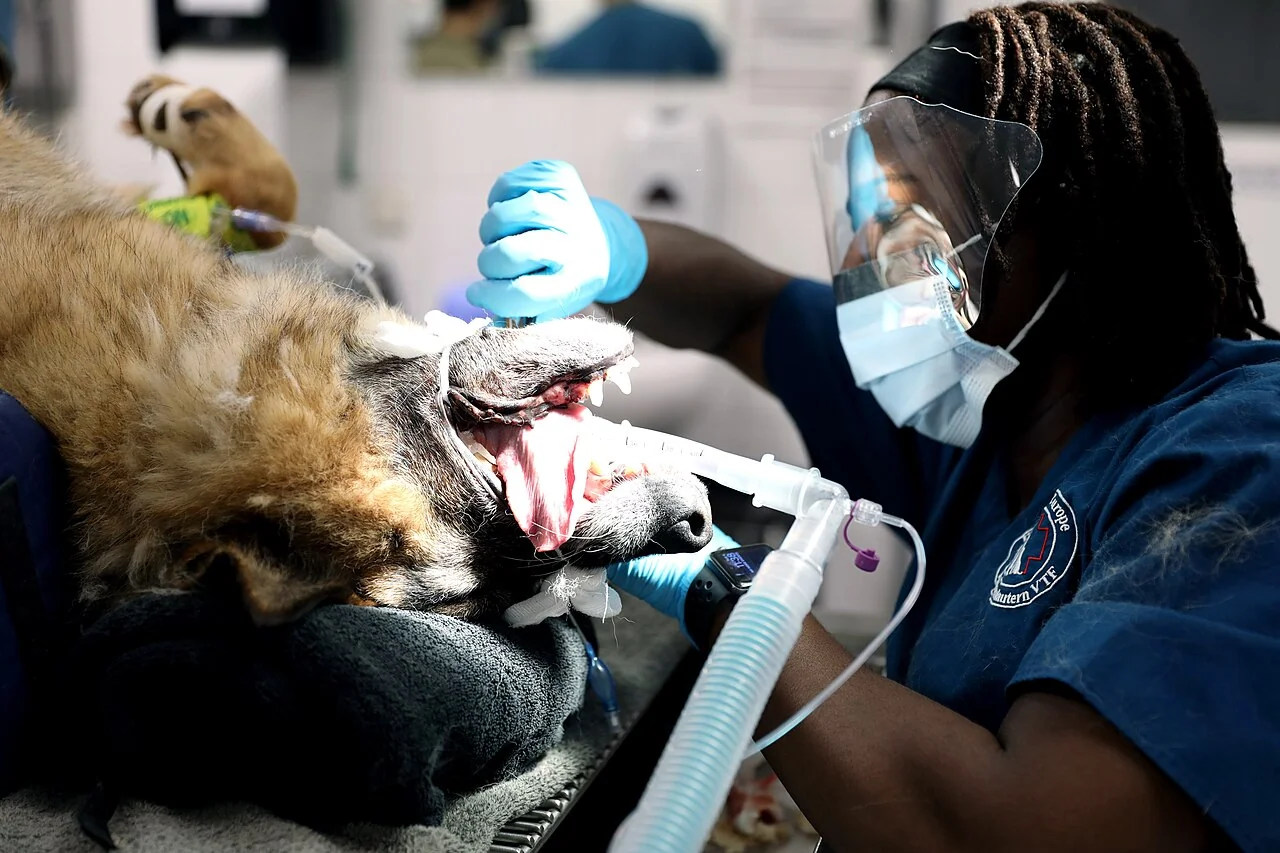
Breeding females face few limits on how often they can have litters. Veterinary care requires an attending veterinarian and a written program, but annual hands-on exams are not always required. Dental disease or matted coats may go unaddressed if not noticed in infrequent checks.
These minimum requirements mean a licensed facility can meet the rules on paper while dogs experience repeated breeding cycles that affect their health and ability to socialize. The standards have seen little major change over decades. The small-breeder exemption covers operations with four or fewer intact females that sell puppies only from their own litters in face-to-face deals. These skip federal licensing.
Online sales make it harder for buyers to see the conditions before purchase. The evidence indicates that even licensed breeders can produce puppies with issues stemming from these baseline conditions.
An Animal Care inspector measures a dog pen to make sure it meets Animal Welfare Act standards. USDA photo by R. Anson Eaglin (2017) APHIS.gov · Public domain. Web size optimized; original linked.
Loopholes and Workarounds
Some breeders cancel a license after violations and have a relative or associate apply for a new one at the same site with the same dogs. This can reset the enforcement record without changing the facility.
State laws differ widely. Some states have no commercial breeding rules. Others set minimum ages for selling puppies or require veterinary records. Preemption laws in certain states block local pet-store bans, limiting market pressure on breeders.
Retail sales bans in some states and cities have led sellers to shift to online platforms, appointment-only sales, or other models. Importing puppies from areas with weaker rules adds another layer. Without strong traceability, buyers may not know a puppy's origin. The evidence points to these adaptations allowing high-volume operations to persist.
Enforcement Shortfalls
The USDA has a limited number of inspectors for thousands of licensed facilities. Some operations go years between visits. Analysis of records has shown that in some years one-third of active dog dealers received no compliance inspection.
Documented problems such as lack of adequate water, infestations, or untreated injuries often lead to warnings rather than stronger action. In certain periods, hundreds of violations resulted in no license revocations or monetary penalties.
Inspectors have sometimes been denied access multiple times without quick consequences. State and local enforcement varies. Many places respond only to complaints rather than conducting routine checks. Definitions of commercial breeding differ, creating gray areas. The evidence from oversight records and audits shows that enforcement has often been inconsistent and limited by resources.
Veterinary technician cleaning the teeth of a military working dog during a health check U.S. Army RHCE by Russell Toof · Public domain. Web size optimized; original linked.
Market and Transparency Approaches
Some efforts focus on giving buyers more information rather than solely tightening rules. Public databases of inspection reports, such as the USDA's searchable tool, let people check a seller's record.
Retail bans on puppies from commercial breeders in hundreds of cities have shifted some demand toward shelters, rescues, and breeders who allow visits, show parent dogs, and share veterinary histories. These work better when combined with support for shelters and spay-neuter programs.
Veterinary guidance stresses health testing for inherited conditions, early socialization, and proper care, going beyond legal minimums. Encouraging buyers to visit facilities, ask detailed questions, and consider adopting from shelters can reduce the market for mass-produced puppies. The evidence supports that consumer awareness and local sales restrictions have influenced some parts of the market.
Toward Better Outcomes for Dogs
Suggestions for improvement include requiring clearer ownership transparency, including family and property connections, before renewing licenses. More frequent unannounced inspections and automatic penalties for repeated violations could change the incentives.
Updating federal standards based on veterinary input for space, exercise, mental stimulation, and maternal care could raise the baseline. Public campaigns that highlight red flags, such as sellers who refuse to show the full premises or promise any breed on demand, can help buyers avoid low-welfare sources.
Partnerships among registries, breed clubs, and welfare groups can promote practices that value temperament and health over volume. The evidence shows no single law eliminates all risks, but focusing on healthier, better-socialized dogs through a mix of smarter oversight, enforcement, and informed consumer choices offers a practical direction.
Rescued puppy sits in clean bedding at a make-shift animal shelter in Anderson County, S.C. after a suspected puppy mill operation was discovered in 2013. (U.S. Army National Guard photo by Maj. Cindi King) Maj. Cindi King · Public domain. Web size optimized; original linked.
AI-assisted original writing. This feature was revised against source material and checked for unsupported claims. Follow the references below for evidence and its limits.
 Historical collection image