Genetic studies of prehistoric remains show that dogs diversified into multiple lineages early in their history with humans, while sharing a common root distinct from modern wolves.
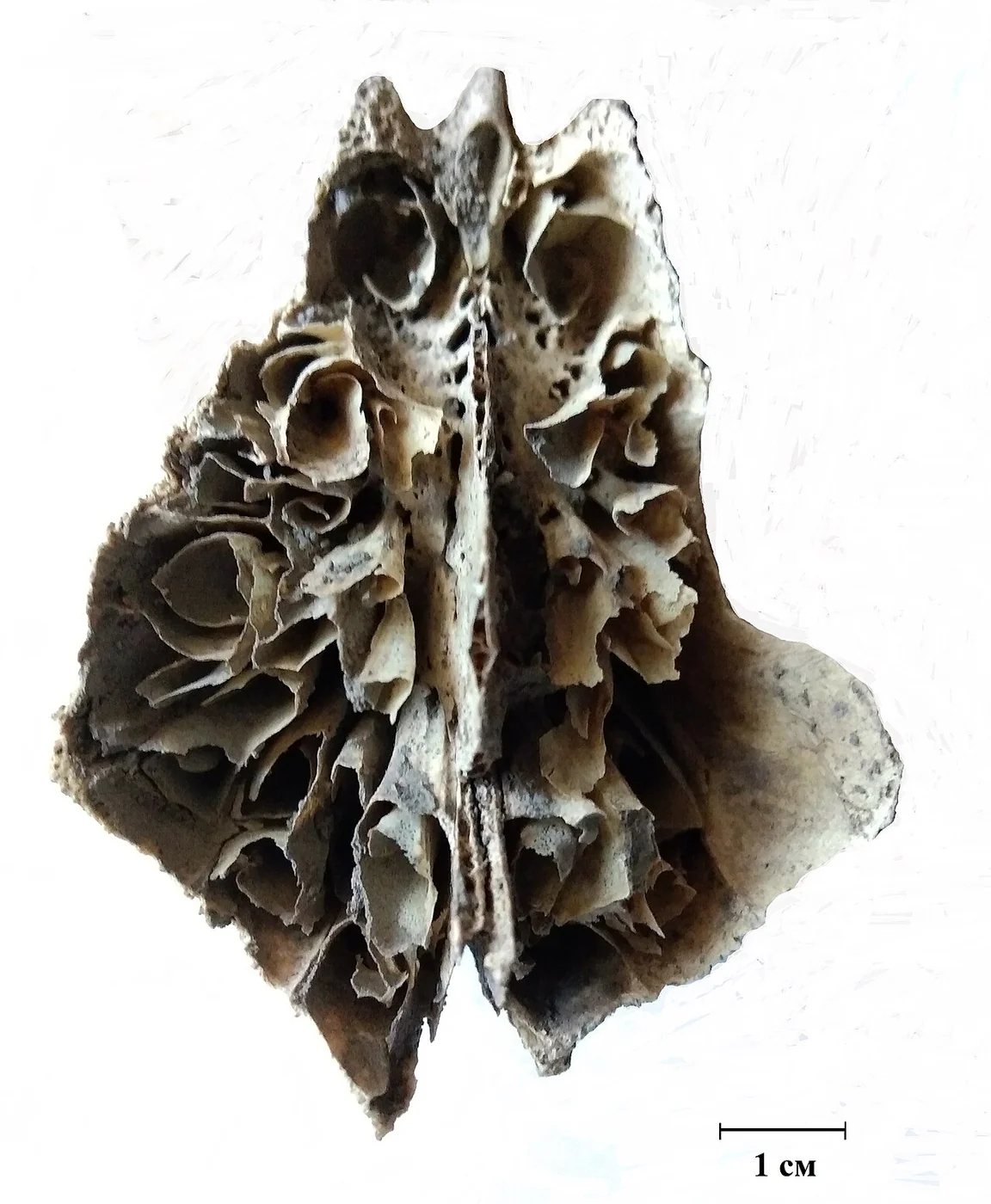
Skull of an ancient dog from Olbia, excavations in 2020. Photograph of historic artifact. Yanish E · CC BY 4.0 · Web size optimized; source linked for the original.
Two major genetic studies published in recent years have examined DNA from ancient dog bones, offering fresh perspective on how our canine companions became part of human life. Rather than confirming separate domestication events on different continents, the data point to a single deep ancestry for all sampled ancient dogs, followed by early diversification into at least five major lineages by around 11,000 years ago. The findings also highlight how dog population shifts sometimes mirrored and sometimes diverged from human migration patterns. While the exact timing and location of the first domestication remain uncertain, the evidence underscores a long, intertwined history between people and dogs across the Paleolithic world. This genetic record invites us to consider what these ancient partnerships looked like in practice and what they might mean for modern dog breeds and conservation.
A Common Ancestry Distinct From Wolves
Both research teams found that the ancient dogs they studied all trace back to a shared ancestral population that is clearly separate from today's wolves. Gene flow between dogs and wolves has occurred since those early days, but it has been mostly in one direction: from dogs back into wolf populations. This pattern suggests that once the initial domestication process took hold, the two groups largely went their own ways genetically, with dogs contributing DNA to wild wolves more often than the reverse.
The studies sequenced DNA from dozens of ancient canid remains, including a total of 27 ancient dog genomes in one paper and genome-wide data from 141 specimens in the other. These large datasets allowed researchers to compare ancient and modern samples with greater resolution than before. The consistent signal of a distinct dog lineage across samples from different regions supports the idea of an early foundational event, even if the precise details of that event are still hazy. For anyone who has watched a wolf pack on a nature documentary and then looked at their snoring lapdog, this genetic divide adds a layer of wonder: our pets really do belong to their own ancient branch of the family tree.
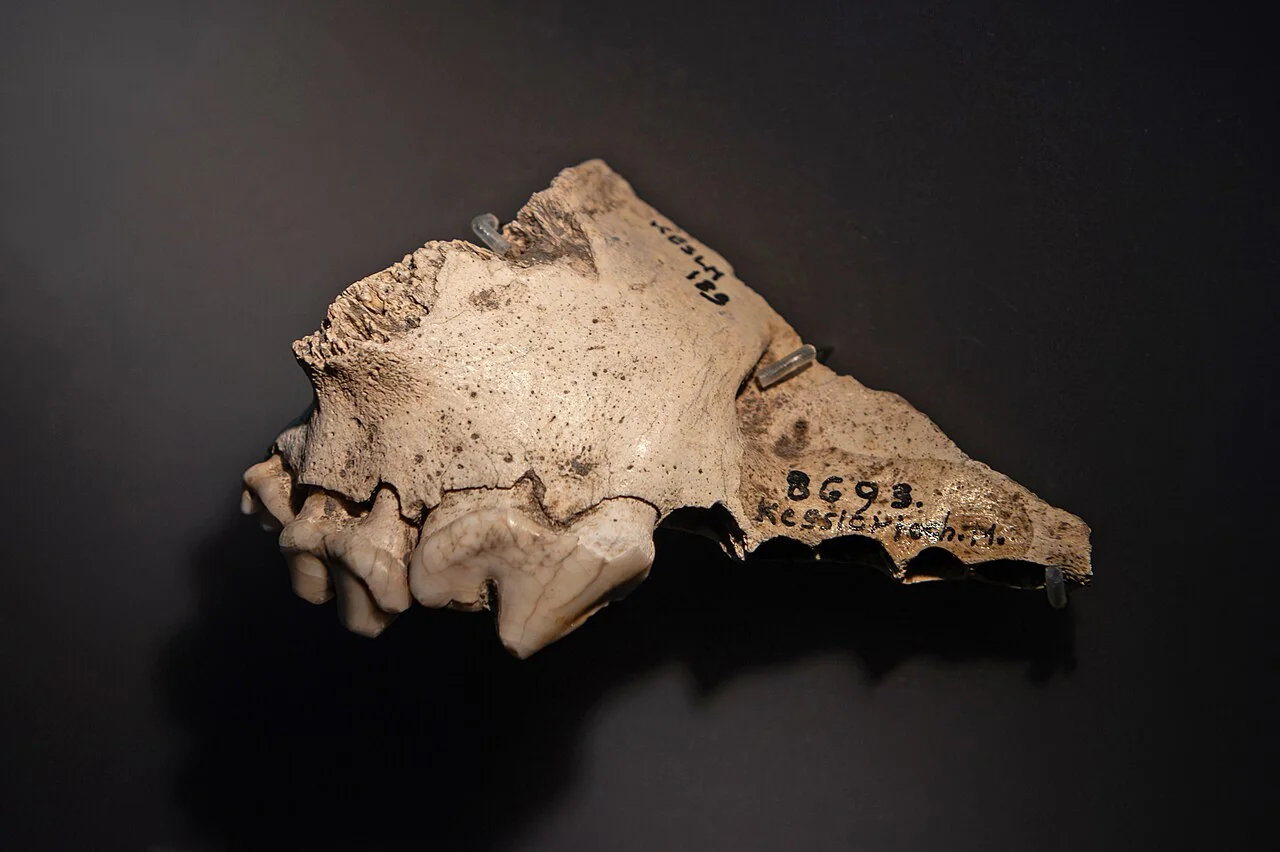
Upper jaw (maxilla) of a canid from the Kesslerloch site, Switzerland. This is one of the ancient specimens whose DNA contributed to studies of early dog lineages distinct from wolves. Thilo Parg · CC BY-SA 4.0. Web size optimized; original linked.
Early Diversification Into Multiple Lineages
By approximately 11,000 years ago, at least five major ancestry groups had already emerged among dogs. This diversification happened during the Paleolithic, indicating that the genetic history of dogs is deeper and more complex than many earlier models assumed. The timing is described as approximate, based on the available samples and dating methods used in the studies.
One particularly old specimen, a 14,200-year-old dog from the Kesslerloch site in Switzerland, already shows genetic ties to later dogs found across the world. Yet it clusters more closely with Mesolithic, Neolithic, and present-day European dogs than with Asian ones. This suggests that noticeable genetic differences between regional dog populations had begun well before that Swiss dog lived. The finding does not support the notion of a completely separate European domestication from local wolves; instead, it reinforces a shared deep ancestry. Reading this, one can't help but picture small groups of humans and dogs spreading out after the last Ice Age, each adapting in their own corner of the landscape while still carrying echoes of the same original partnership.
Mirrors and Differences With Human History
When researchers compared dog genomes with those of ancient humans, they noticed some parallels but also clear departures. For example, certain ancestry components linked to the Levant appear in both dogs and humans in Africa and in early agricultural Europe. These overlaps hint that dogs sometimes traveled alongside people during key migrations or cultural shifts.
Other patterns diverge sharply. The impact of steppe pastoralist expansions looks different in dogs than in humans, and there was a near-complete turnover of dog ancestry in Neolithic Europe that does not match the human record exactly. A later influx of Southwest Asian ancestry reached European dogs during the Neolithic, but on a smaller scale than the corresponding movement in people. Mesolithic dogs, meanwhile, appear to have contributed substantially to both Neolithic and many modern European dogs. These contrasts raise interesting questions: Did dogs sometimes stay behind when humans moved on, or form new bonds with incoming groups? The genetic mismatches invite readers to imagine ancient scenarios where a loyal dog might have switched camps or simply carried on local traditions while its human neighbors changed.
Editorial analysis: The partial alignment between dog and human histories feels intuitively right. Dogs are famously adaptable companions, so it makes sense that their genetic legacy would track some human journeys while preserving independent threads. This nuance cautions against overly simple stories of 'man and dog conquering the world together.'
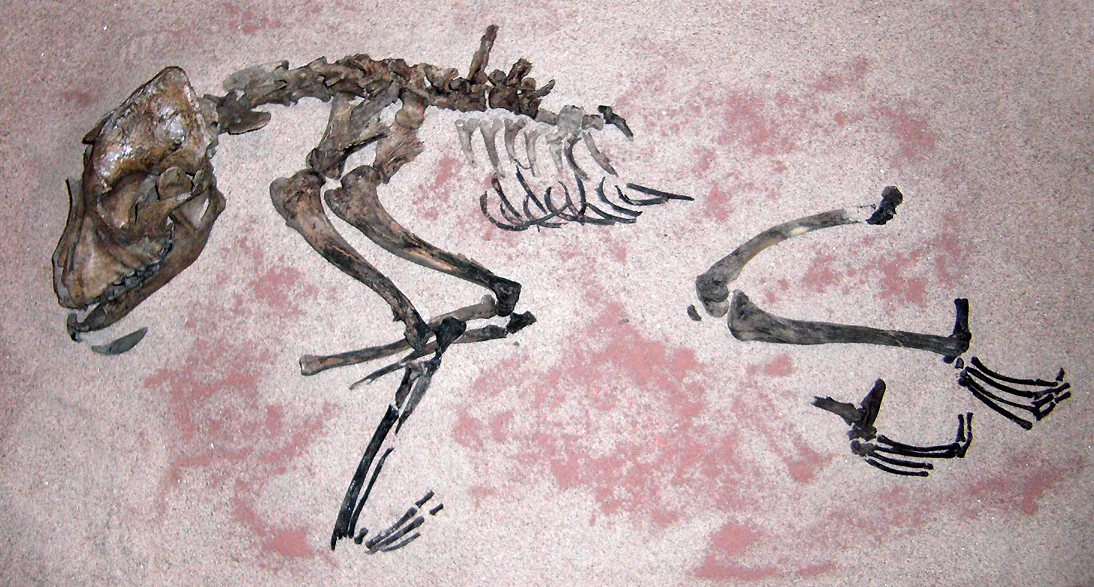
Mesolithic dog skeleton (Canis lupus familiaris) from Almeö at the lake Hornborgasjön, Sweden. The skeleton is 10,500 years old and is exhibited at Falbygdens museum in Falköping. Gunnar Creutz · CC0 1.0. Web size optimized; original linked.
What the Data Cannot Yet Tell Us
Despite the richness of the new genetic datasets, important uncertainties remain. The studies do not directly confirm or rule out multiple independent domestications from distinct wolf populations. The evidence is compatible with a single origin followed by rapid early spread and diversification, but it leaves room for more complicated scenarios that future finds might illuminate.
Sample sizes, while impressive, still represent only a fraction of the dogs that once lived alongside Paleolithic humans. Dating of both the bones and the genetic divergence events carries inherent margins of error. As a result, any claim about the exact time or place of first domestication would be premature. Readers might usefully ask: How many ancient dog remains in under-sampled regions like Africa or Southeast Asia could shift this picture? And what role did human cultural practices, such as selective breeding for hunting or guarding, play in accelerating the genetic splits we now see?
Light fictional satire: In an invented prehistoric sitcom, a wolf pack leader complains that his cousin started hanging out with humans and now won't stop fetching sticks. The moral, clearly labeled as made-up, is that even in the Paleolithic, family reunions were awkward once someone went domestic.
Implications for Today's Dogs and Future Research
The ancient DNA work shows that many modern European dogs owe a sizable genetic debt to Mesolithic ancestors, with only a modest later addition from Southwest Asia. This deep continuity suggests that some of the traits we value in our pets, from herding instinct to companionship, may have been shaped over tens of thousands of years in specific regional contexts.
For animal welfare and breed conservation, these findings encourage a broader view. Rather than focusing solely on recent breed standards, preserving genetic diversity that echoes those ancient lineages could help dogs stay healthy and adaptable. The studies also highlight how human activities, from agriculture to migration, have left lasting marks on canine genomes, sometimes replacing entire populations of dogs in a region. This parallel with human history prompts reflection on our shared responsibilities: if we shaped dogs so profoundly in the distant past, we owe them thoughtful stewardship now.
Useful reading questions: How might understanding this deep history influence the way we approach dog breeding or efforts to rewild certain traits? And what ethical lines should we draw when modern genetics lets us reintroduce ancient DNA into living animals? The evidence does not provide prescriptions, but it does invite careful, informed conversation among scientists, breeders, and pet owners alike.
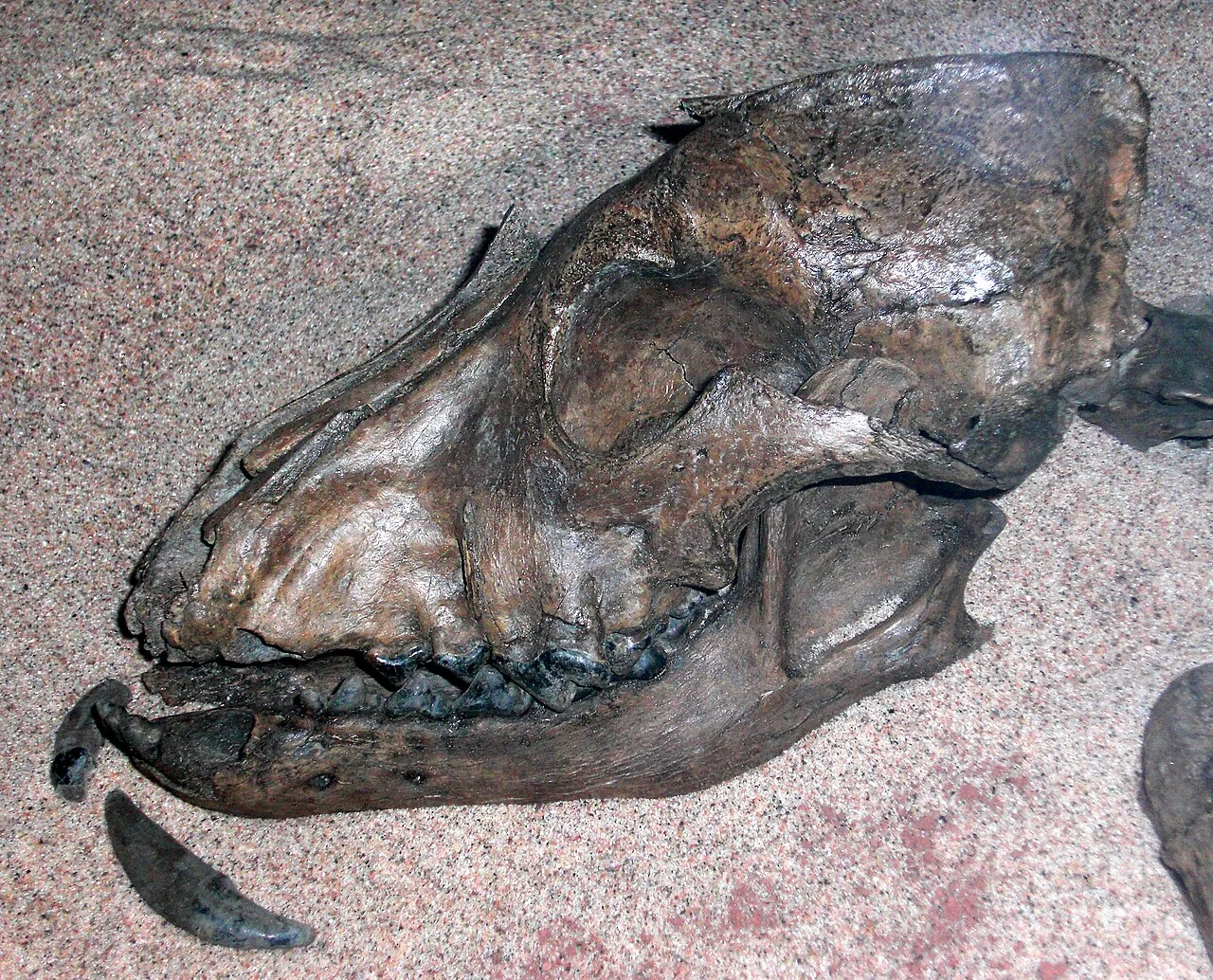
Skull of a Mesolithic dog skeleton from Almeö, Sweden, dated to approximately 9,300 years old, representing ancient European dog ancestry Gunnar Creutz · CC0 1.0. Web size optimized; original linked.
AI-assisted original writing. This feature was revised against source material and checked for unsupported claims. Follow the references below for evidence and its limits.
Archaeological finds from select European sites offer glimpses into possible relationships between people and dogs, while underscoring the challenges of interpreting ancient deposits.
Owner-led projects offer scale and real-world glimpses into canine minds, yet differences in tester identity and uncontrolled home settings can introduce systematic errors that large samples do not automatically cancel out.
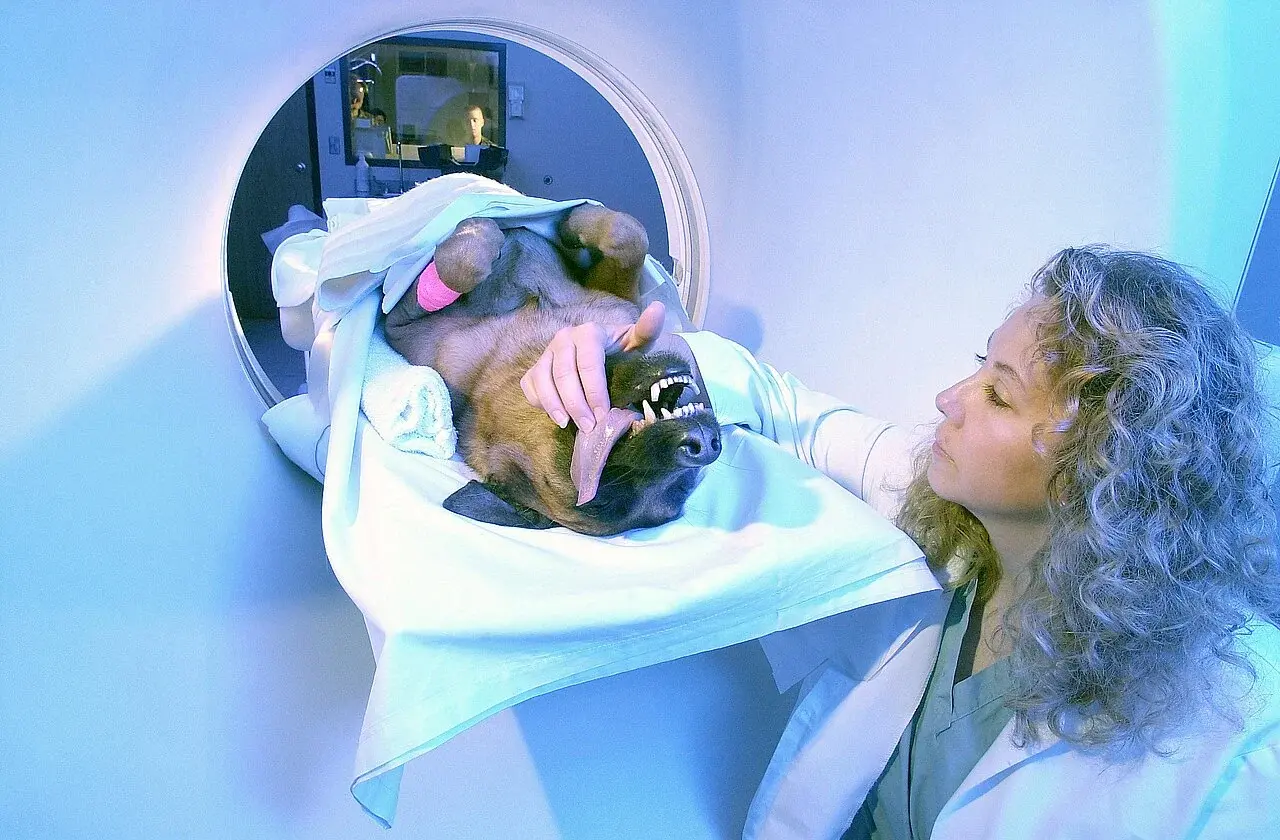
Penn State researchers once used MRI scans and computer simulations to map airflow inside a dog’s nasal passages, offering clues for designing better chemical sensors.
 Photograph