Hidden Biases in Citizen-Science Studies of Dog Behavior
Owner-led projects offer scale and real-world glimpses into canine minds, yet differences in tester identity and uncontrolled home settings can introduce systematic errors that large samples do not automatically cancel out.
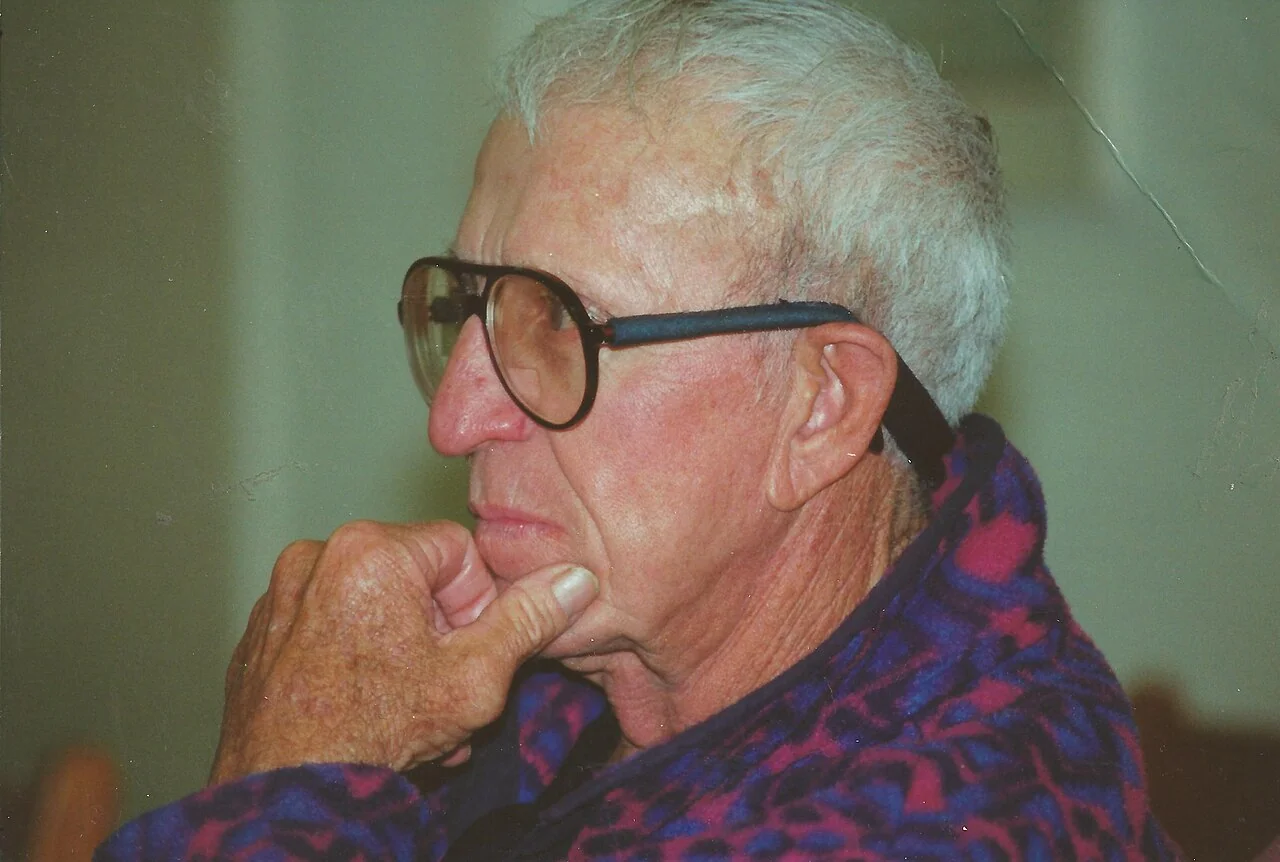
Dr. John Pilley, behavioral psychologist and owner-trainer of Chaser. Pilleybianchi · CC BY-SA 4.0 · Web size optimized; source linked for the original.
Citizen science brings enthusiastic dog owners into research, promising large datasets on how our canine companions think and behave. Yet two recent studies highlight real limits: data collected by owners or shelter staff can differ meaningfully from results gathered by trained researchers, and home-based experiments often lack the tight controls of laboratory work. These findings do not dismiss the value of public participation; they simply urge greater caution and better safeguards. The evidence reminds us that the emotional bond between people and dogs, while wonderful, can quietly shape test outcomes in ways that random error never would. With light-hearted awareness of our own optimism bias—yes, we all secretly believe our dog is a genius—we can design smarter projects that respect both scientific rigor and animal welfare.
Tester Identity Shapes What We Measure
One study directly compared behavioral results when the same tests were run by owners or shelter volunteers versus trained researchers. In both the Alone Time Test and the Three Toy Test, outcomes varied systematically depending on who was conducting the session. This pattern held across samples of shelter dogs and dogs living long-term with their owners. The researchers emphasize that the difference is not mere noise; it reflects a consistent influence tied to the tester’s identity rather than random mistakes that would average out in a big enough group.
This matters because many citizen-science projects rely on owners as the primary data collectors. The bidirectional emotional bond between owner and dog appears to play a role here, something that goes beyond ordinary concerns about researcher objectivity. A dog might behave differently when its favorite person is watching, and that difference can skew measures of behavioral flexibility or problem-solving. Recognizing this helps project leaders decide when professional testers are essential and when owner involvement can still yield useful, if interpreted, insights.
Rudolfine Menzel with three dogs in front of the Palestine Research Institute for Canine Psychology and Training, 1939 Unknown authorUnknown author · Public domain. Web size optimized; original linked.
Home Labs Lack the Controls of the Real Lab
Asynchronous citizen science, in which dog guardians follow written or video instructions without live supervision, faces built-in limitations. Variables such as room size, layout, lighting, and even whether the owner correctly understood the protocol are hard to standardize. When errors happen, researchers often have no choice but to discard the data because real-time correction is impossible. In contrast, laboratory studies conducted by trained staff maintain far higher consistency in materials, timing, and environment.
These practical differences mean that home-based findings can be more variable than lab results. The evidence does not claim that citizen science is worthless; it simply shows that the trade-off for scale is reduced experimental precision. For questions that require fine-grained measurement, this gap can matter. Project designers might therefore mix approaches—using citizen collectors for broad surveys while reserving tightly controlled tests for the laboratory.
Why Systematic Error Beats Random Error Here
A key caution from the research is that the errors introduced by citizen testers are often systematic rather than random. Large sample sizes are usually praised for washing out random mistakes, yet they cannot correct for consistent bias linked to who is testing or the emotional context of the test. Assuming otherwise risks building conclusions on shaky foundations. The authors therefore recommend that future projects build in explicit controls to test for tester effects before scaling up.
This advice carries a gentle reminder that enthusiasm alone is not a research method. Dog lovers naturally want to help science, and that goodwill is precious. But treating it as automatically reliable data would be unfair to the dogs, whose welfare depends on honest interpretation of their behavior. Adding simple checks—perhaps having a subset of tests duplicated by researchers—can protect both the science and the animals involved.
Prairie dog trapped by scientists outside its burrow in Wind Cave National Park as part of a field test. USFWS Mountain Prairie · Public domain. Web size optimized; original linked.
Practical Steps for More Reliable Citizen Projects
The studies suggest several concrete improvements. First, pilot phases can compare owner-collected data against researcher data on the same dogs to quantify any tester effect. Second, clearer training materials, perhaps with short video check-ins or app-based guidance, may reduce misunderstandings. Third, statistical models can explicitly account for tester identity as a variable rather than treating it as invisible noise.
These adjustments do not eliminate all limitations, but they make the limitations transparent. For citizen-science organizers, the payoff is more trustworthy findings and happier participants who see their efforts valued rather than quietly discarded. For readers of such studies, the payoff is knowing which results deserve extra skepticism and which appear more robust.
Reading Questions and Forward Implications
When you next encounter a headline about what “dogs really think,” it is worth asking: Who actually ran the test? Were the same dogs tested by both owners and researchers? How were home-environment variables handled? These questions flow directly from the evidence and help separate solid insight from optimistic overreach. They also protect animal welfare by discouraging policies or training advice built on potentially biased data.
The broader implication is optimistic once we accept the constraints. Citizen science remains a powerful way to study dogs in the messy reality of daily life, something a lab can never fully replicate. By layering on modest controls and transparent reporting of tester effects, these projects can deliver genuine value without overstating their precision. In the end, the goal is not to prove our dogs are geniuses but to understand them honestly—and that is a pursuit worth doing carefully, with both rigor and affection.
AI-assisted original writing. This feature was revised against source material and checked for unsupported claims. Follow the references below for evidence and its limits.
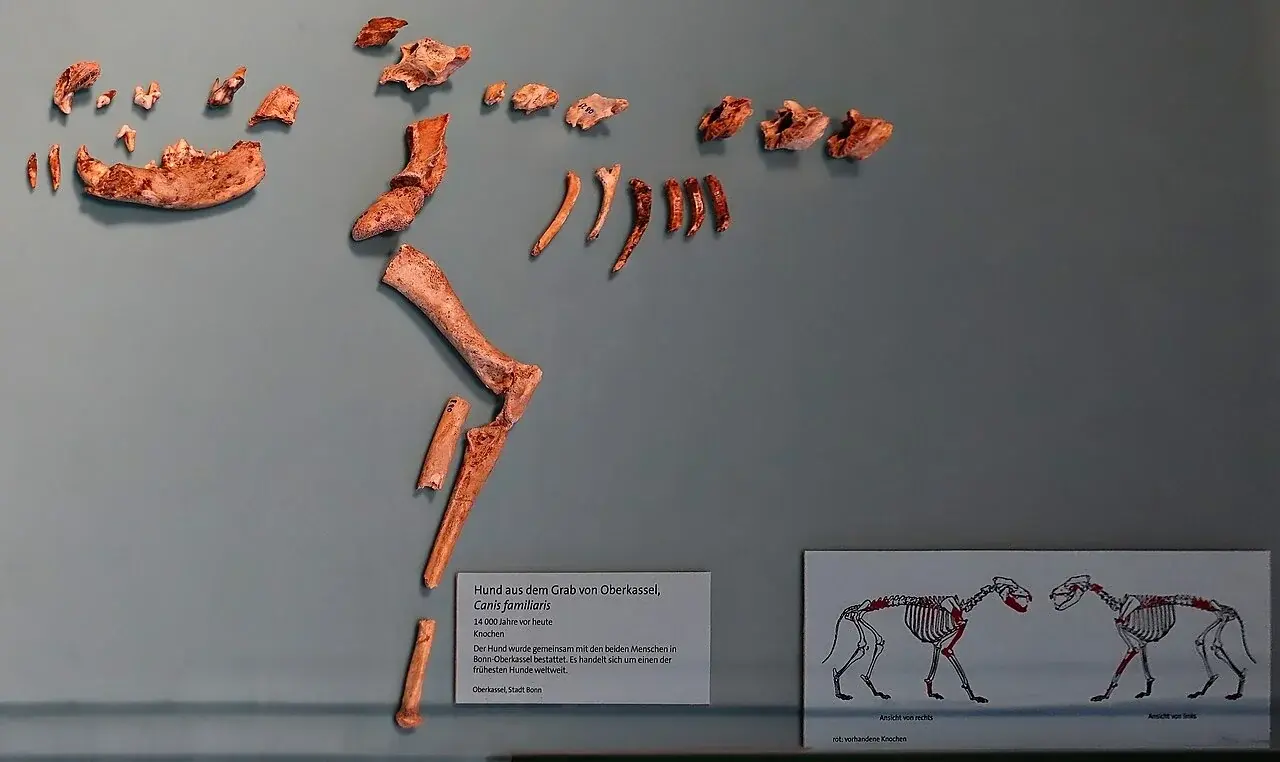
Archaeological finds from select European sites offer glimpses into possible relationships between people and dogs, while underscoring the challenges of interpreting ancient deposits.
Penn State researchers once used MRI scans and computer simulations to map airflow inside a dog’s nasal passages, offering clues for designing better chemical sensors.
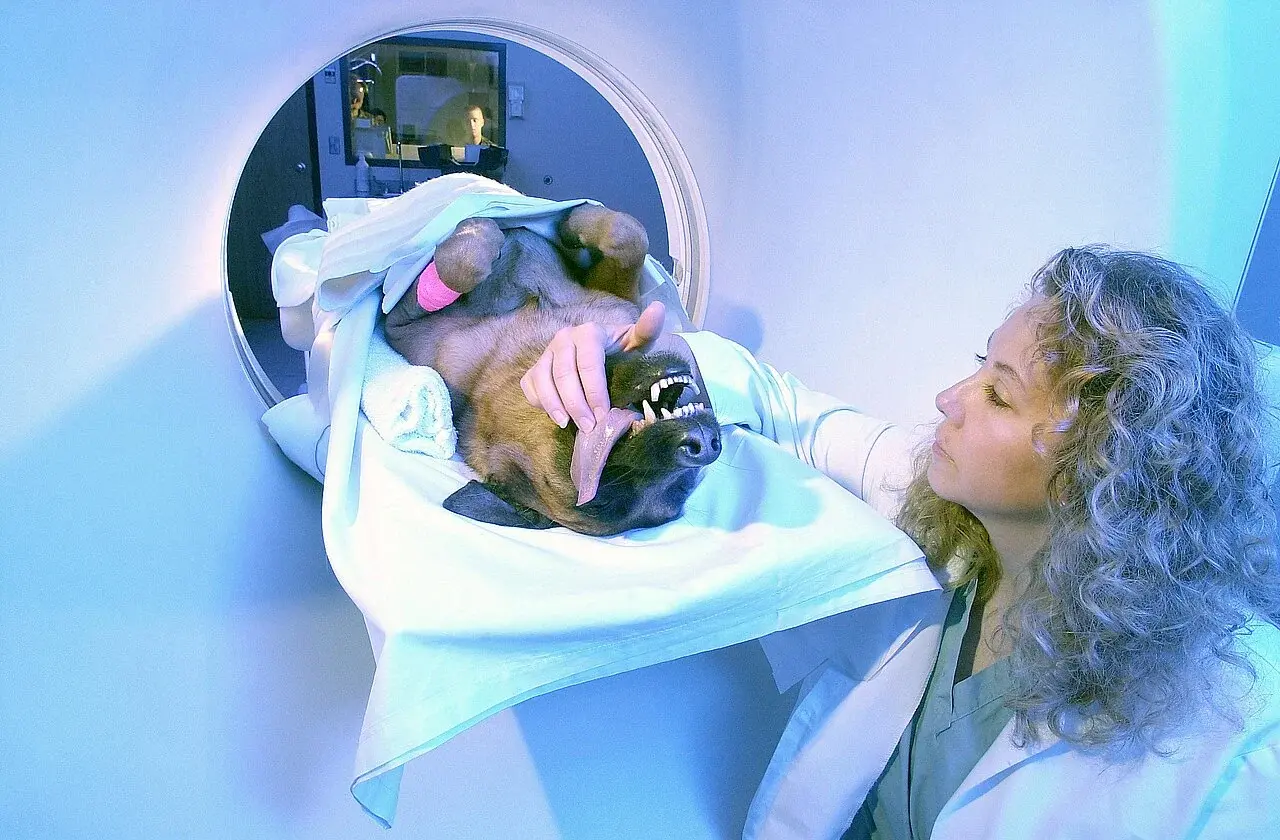
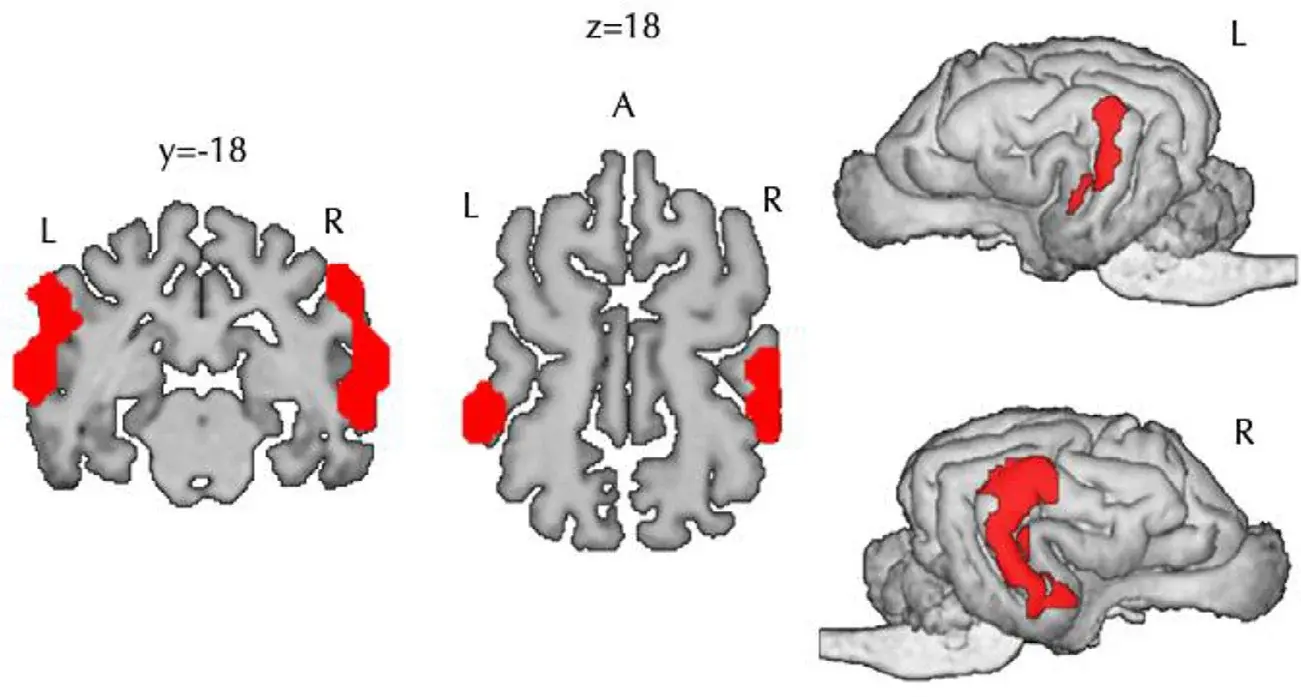
Comparative fMRI studies show that dogs, like humans, have brain regions that react more strongly to vocalizations than to non-vocal sounds, with sensitivity to emotional tone cues.


 Photograph