Dogs in Mexican Day of the Dead Ofrendas: Ancient Companions and Modern Traditions
From prehispanic burials to contemporary altars, canines appear in some Mexican remembrances of the dead, reflecting long-held beliefs about guidance to the afterlife.
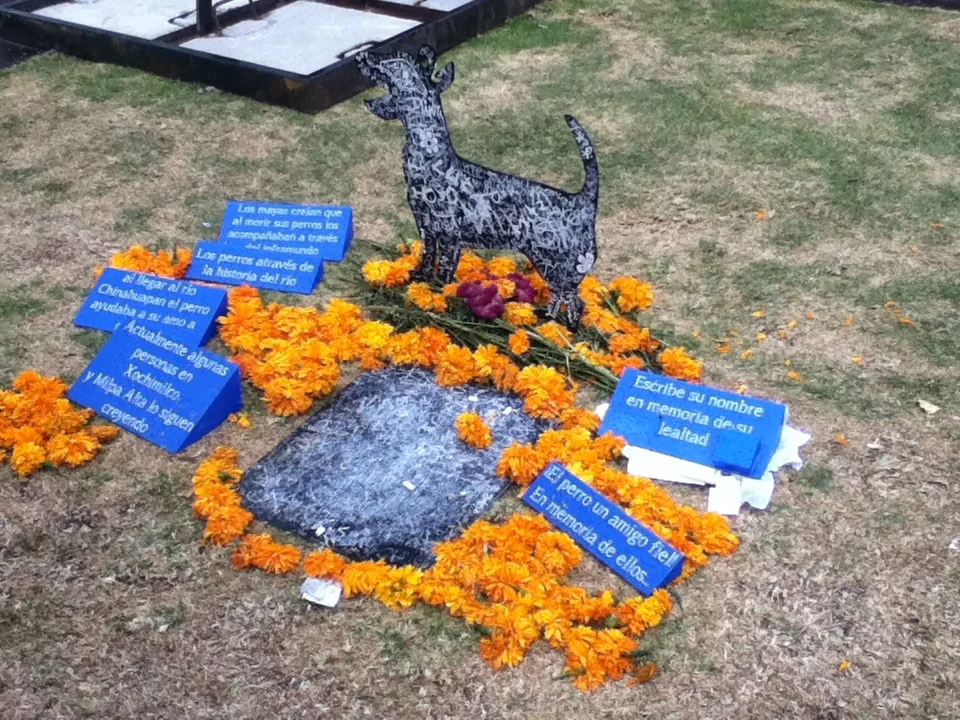
Ofrenda para perros, Mega Ofrenda 2012, Mexico City. Modern ofrenda honoring the traditional belief that dogs accompany their owners in the afterlife. Delvallevillegas · CC BY-SA 3.0 · Web size optimized; source linked for the original.
In many Mexican homes and communities, Day of the Dead ofrendas feature symbolic items meant to welcome and honor the departed. Among these, figures or images of dogs sometimes appear, drawing on older ideas that these animals help souls navigate the journey after death. While the hairless Xoloitzcuintli has become a popular modern symbol for this role, researchers note that ancient associations involved dogs more broadly. Evidence from archaeology and cultural commentary shows a deep history of human-canine bonds in life and death, though specific practices vary by region and family. This mix of tradition and interpretation offers a window into how communities blend past beliefs with present-day observances, often with affection for their pets. The topic invites reflection on what these symbols mean today, without assuming uniformity across Mexico.
Dogs in Prehispanic Funerary Contexts
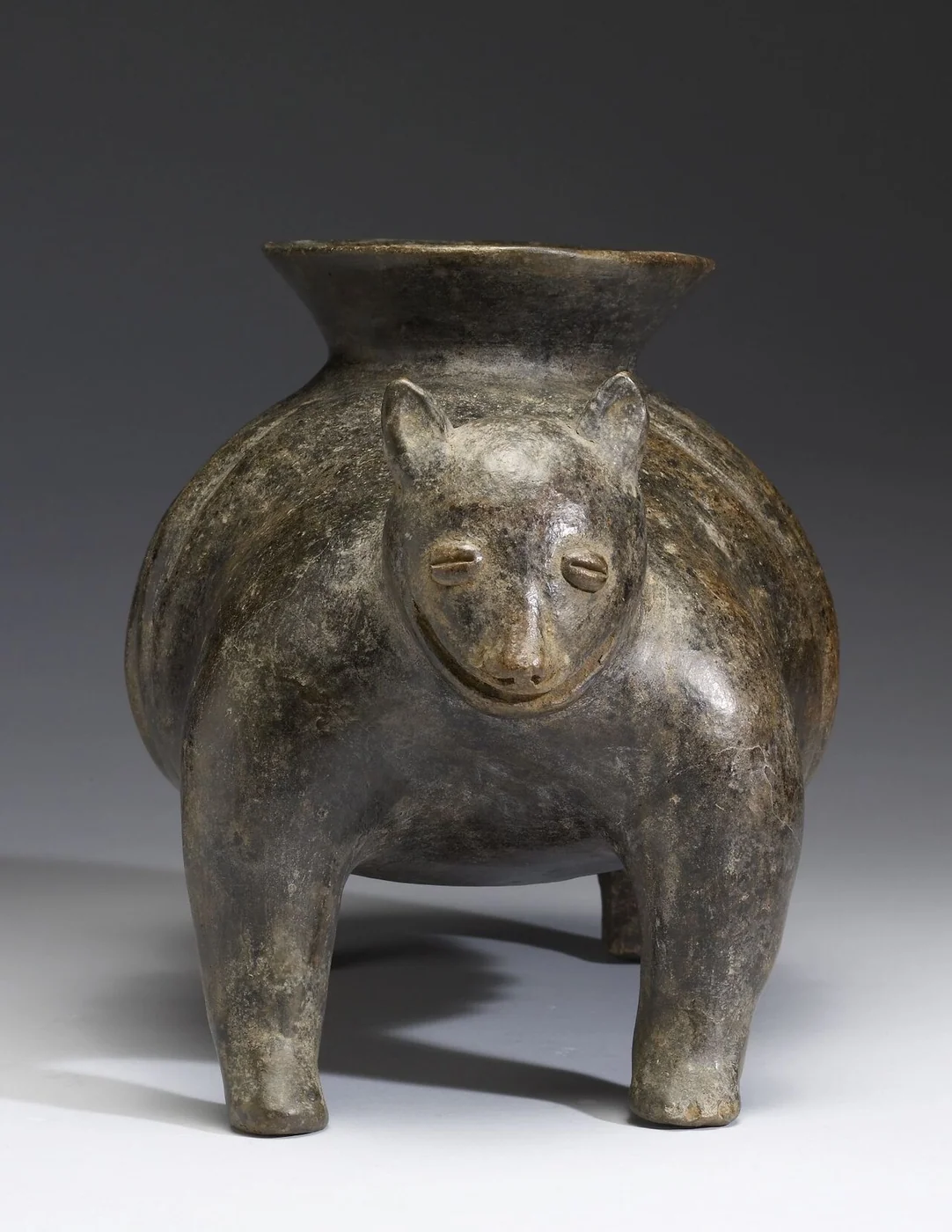
Archaeological findings from western Mexico, including areas like Colima, indicate that dogs were sometimes included in ancient burials. This points to a longstanding view of canines as companions that continued beyond life. Researchers highlight over 15,000 years of close relationships between people and dogs in Mesoamerica, seen in both daily life and funerary settings. These discoveries suggest dogs were thought to accompany the deceased, though the exact beliefs behind the practice remain open to interpretation by experts.
INAH materials and studies by scholars like Raúl Valadez Azúa from UNAM emphasize this accompaniment role. Valadez Azúa notes that prehispanic burials demonstrate a bond of mutual support that extended into the afterlife. However, the evidence does not single out one breed exclusively. Multiple types of dogs appear in the records, reminding us that popular images today may simplify a more varied historical reality. This complexity adds nuance to how we understand these ancient customs, blending factual remains with cultural storytelling.
Jalisco dog effigy vessel from West Mexico shaft tomb context, 300 BC–AD 200. Ceramic portrayal of a dog, likely modeled on the Mexican hairless. Anonymous (Jalisco)Unknown author · Public domain. Web size optimized; original linked.
The Role of Canines in Guiding Souls
In Mexica tradition, a figure representing a dog is sometimes placed on ofrendas because it was believed to help souls cross a river on the way to Mictlán, the land of the dead. This idea persists in contemporary descriptions of Día de Muertos elements. Yet sources caution that ofrendas are not uniform; they differ by region and family preference, including within Michoacán. The specific link to a hairless breed as the sole guide is described as a modern popular image rather than a strictly documented ancient exclusive.
Articles from Mexican tourism and cultural outlets portray the dog as a knowing guide familiar with the path to the afterlife. These accounts mix popular narrative with historical references, noting that beliefs in dogs assisting the dead originate in prehispanic Mesoamerican customs. Editorial analysis here suggests the symbolism resonates because it reflects real emotional bonds people have with pets. It raises a useful question: How do such symbols help families process loss while honoring both history and personal experience? The warmth in these traditions often includes light recognition of dogs' loyal, sometimes comical personalities in life.
Contemporary Inclusion of Pets in Altars
Some modern observances set aside time to remember deceased pets. Official tourism information from Mexico's Secretaría de Turismo lists October 27 as a day to receive animals that have passed. In 2026, a Secretaría de Cultura initiative in Pátzcuaro, Michoacán, encouraged families to create ofrendas specifically for lost animals. These practices treat pets as part of the broader remembrance, though they are framed as contemporary rather than direct continuations of every ancient rite.
Communities in various areas believe animals can accompany souls during the November 1-2 period when the dead are thought to visit. Valadez Azúa observes that while animals are not usually featured on ofrendas, certain groups maintain this accompanying role. This variation underscores that traditions evolve. An editorial implication is that including pets today may serve emotional needs, offering comfort similar to how ancient people perhaps found solace in the idea of continued companionship. A reading question emerges: In what ways do these evolving practices strengthen family connections across generations?
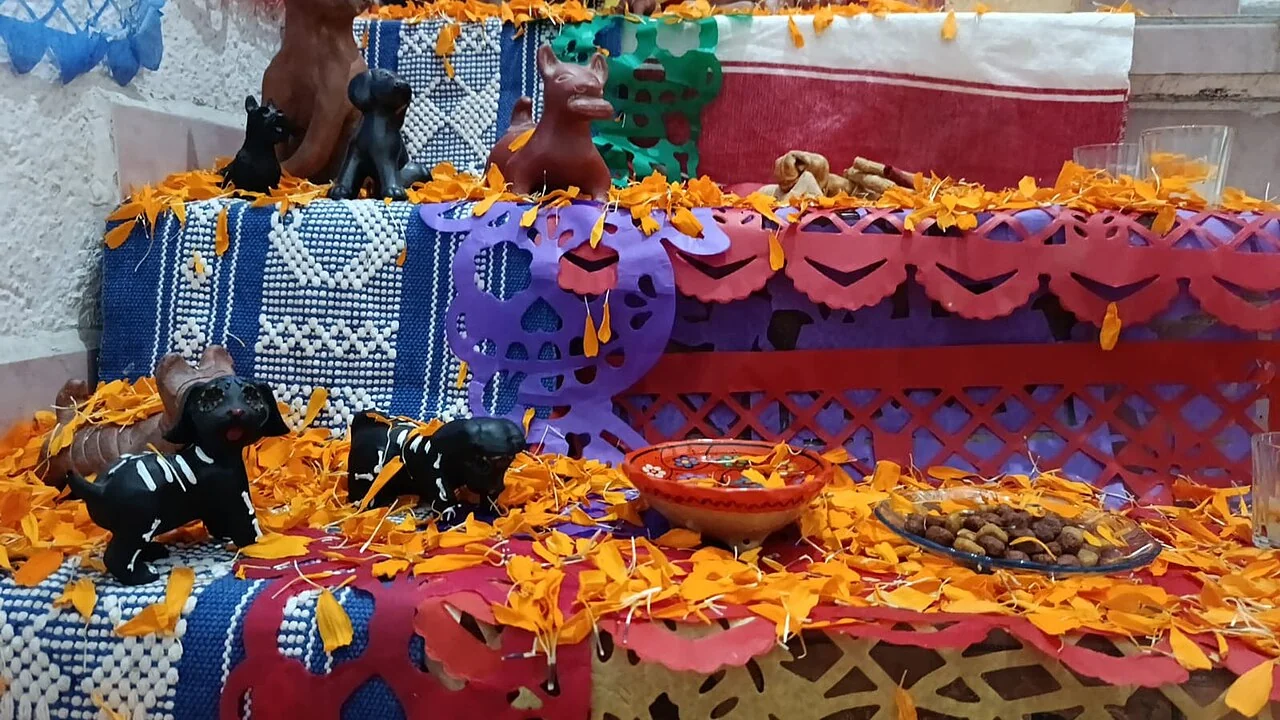
Modern Day of the Dead altar created as an ofrenda for perritos (deceased dogs), photographed in 2026. PetrohsW · CC BY-SA 4.0. Web size optimized; original linked.
Variations Across Regions and Families
Ofrendas look different depending on where and by whom they are made. In Michoacán and other parts of Mexico, elements reflect local customs, and not every altar includes dog figures. The evidence stresses this diversity, warning against assuming a single standard. Some families draw on the Mexica story of soul guidance, while others focus on different symbols like flowers, candles, or favorite foods of the departed.
News sources from Michoacán describe canine imagery appearing in art, sculptures, and celebrations tied to Día de Muertos. These representations often stand for the ancestral companion. Yet researchers note the need to separate popular imagery from archaeological specifics. This distinction invites thoughtful analysis: Traditions gain power through adaptation, but clarity about what is historical versus interpretive helps preserve authenticity. Light humor might arise in imagining a loyal dog patiently waiting at the riverbank, a fictional scenario that captures the affectionate spirit without claiming literal truth.
Implications for Cultural Continuity and Reflection
The enduring presence of dog symbols in Day of the Dead speaks to cultural continuity amid change. While ancient links involved dogs generally, today's popular focus on the Xoloitzcuintli as guide captures public imagination and supports appreciation for the breed in modern homes. Sources frame this as a blend of tradition and contemporary values, where pets hold family-like status. Editorial thoughts suggest this evolution enriches rather than replaces older meanings, prompting consideration of how symbols serve living communities.
Uncertainties remain about precise ancient beliefs, as direct records are limited and interpretations vary. A useful reading question is whether emphasizing one breed today might overshadow the broader canine history evidenced in archaeology. Implications include encouraging respectful engagement with these traditions, perhaps by learning from regional differences. In a warm sense, the idea of a faithful dog helping souls feels comforting, even if the details are partly shaped by modern storytelling. This perspective highlights the human need for connection, using history as a gentle guide rather than a rigid script. Overall, the topic reveals how Mexican observances balance reverence, adaptation, and affection in remembering the dead and their companions.
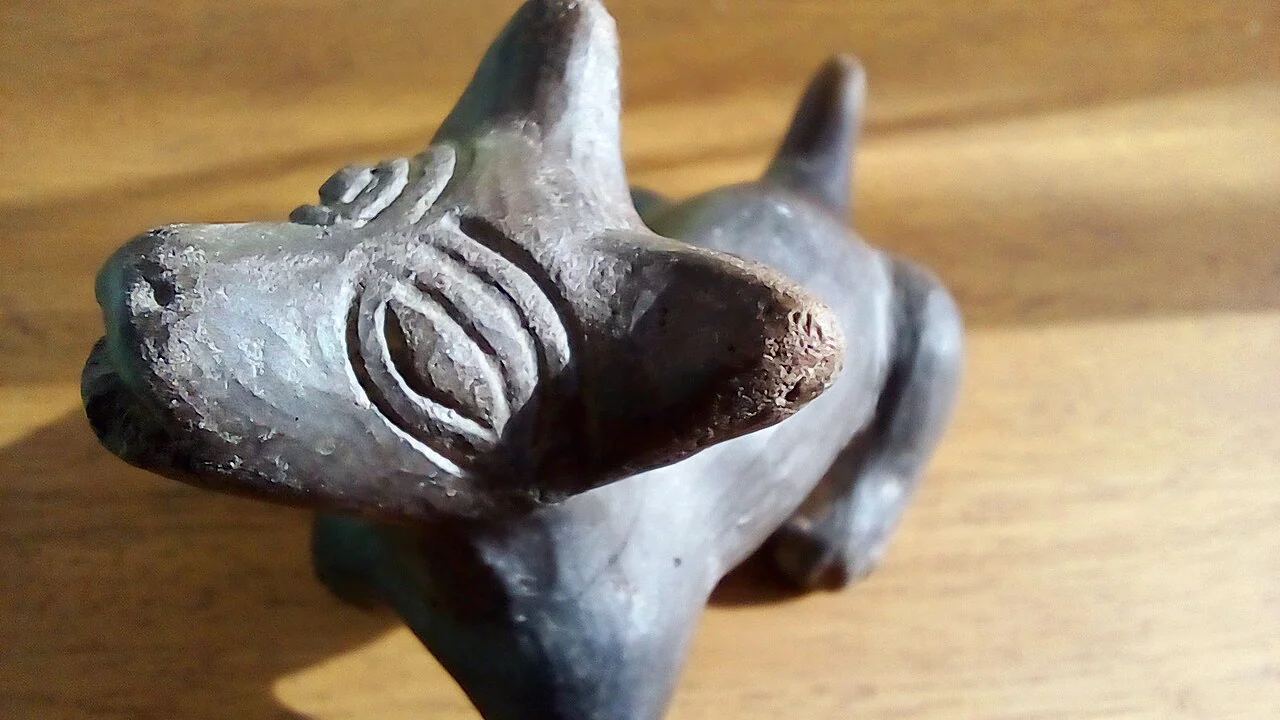
Small clay figure of a Xoloitzcuintle (Xoloitzcuintli), traditional Mexican ceramic representation of the hairless dog associated with Day of the Dead soul-guiding lore. Ehécatl Cabrera · CC BY-SA 4.0. Web size optimized; original linked.
AI-assisted original writing. This feature was revised against source material and checked for unsupported claims. Follow the references below for evidence and its limits.
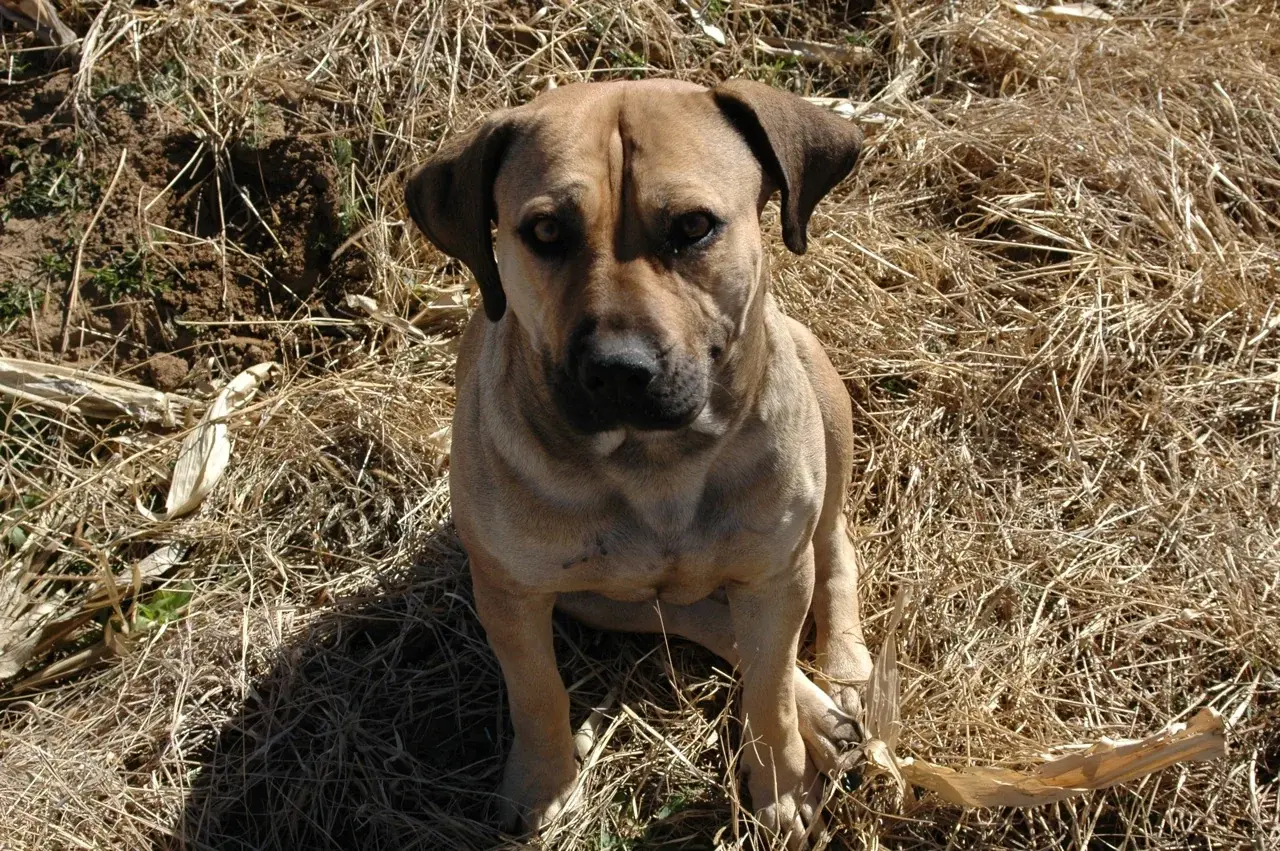
Large mastiff-type dogs have served as protectors on remote South African farms for generations, though many popular stories about their exact origins remain unverified tradition.
 Photograph