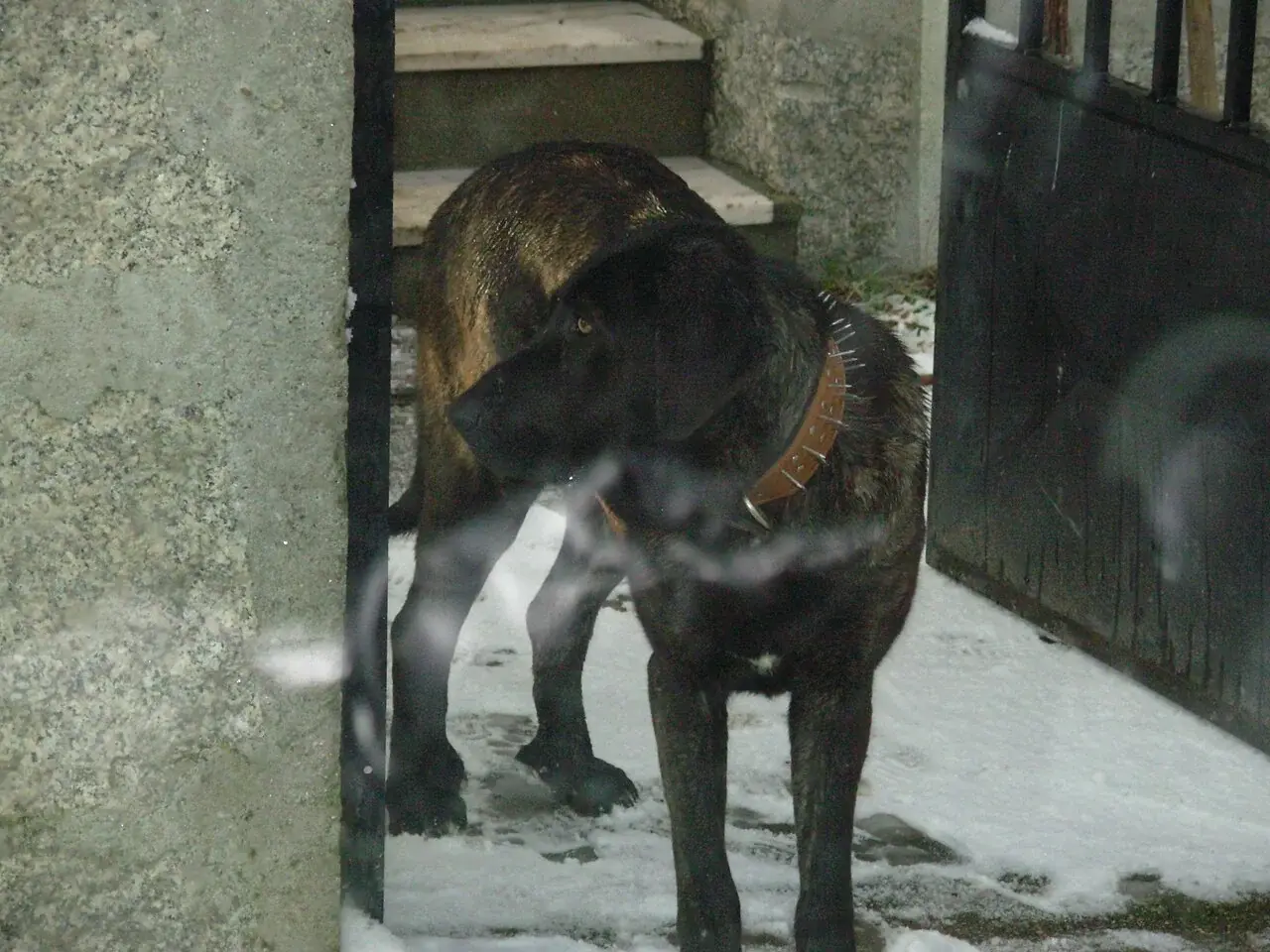
Large mastiff-type dogs have served as protectors on remote South African farms for generations, though many popular stories about their exact origins remain unverified tradition.
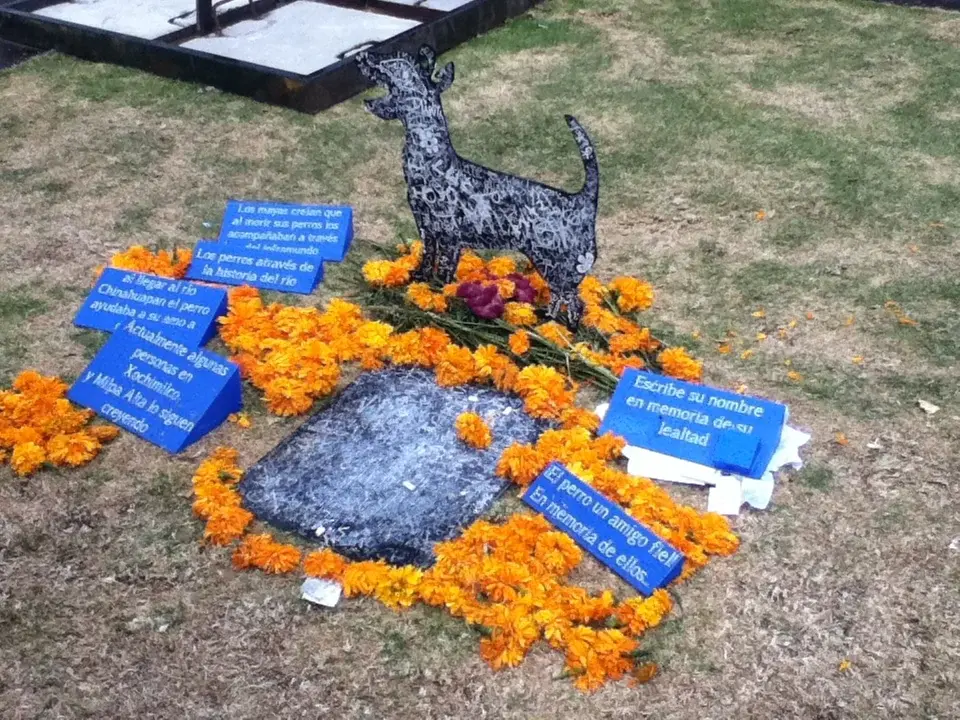
From prehispanic burials to contemporary altars, canines appear in some Mexican remembrances of the dead, reflecting long-held beliefs about guidance to the afterlife.
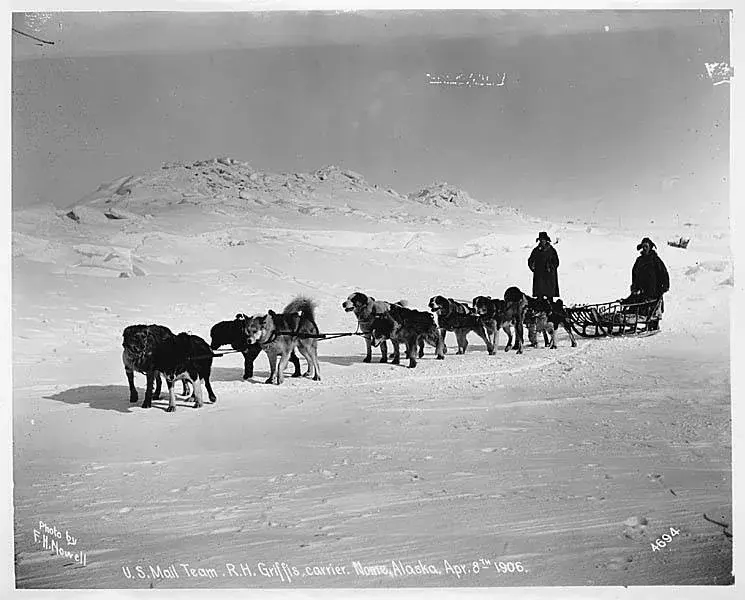
Centuries-old sledding methods once used to carry mail and supplies across Alaska continue to influence working traditions and cultural pride among northern dog teams today.
Historical accounts describe how nomadic hunters in the Sahara region combined birds of prey with swift dogs to pursue hare and gazelle, reflecting a shared cultural heritage across North Africa.
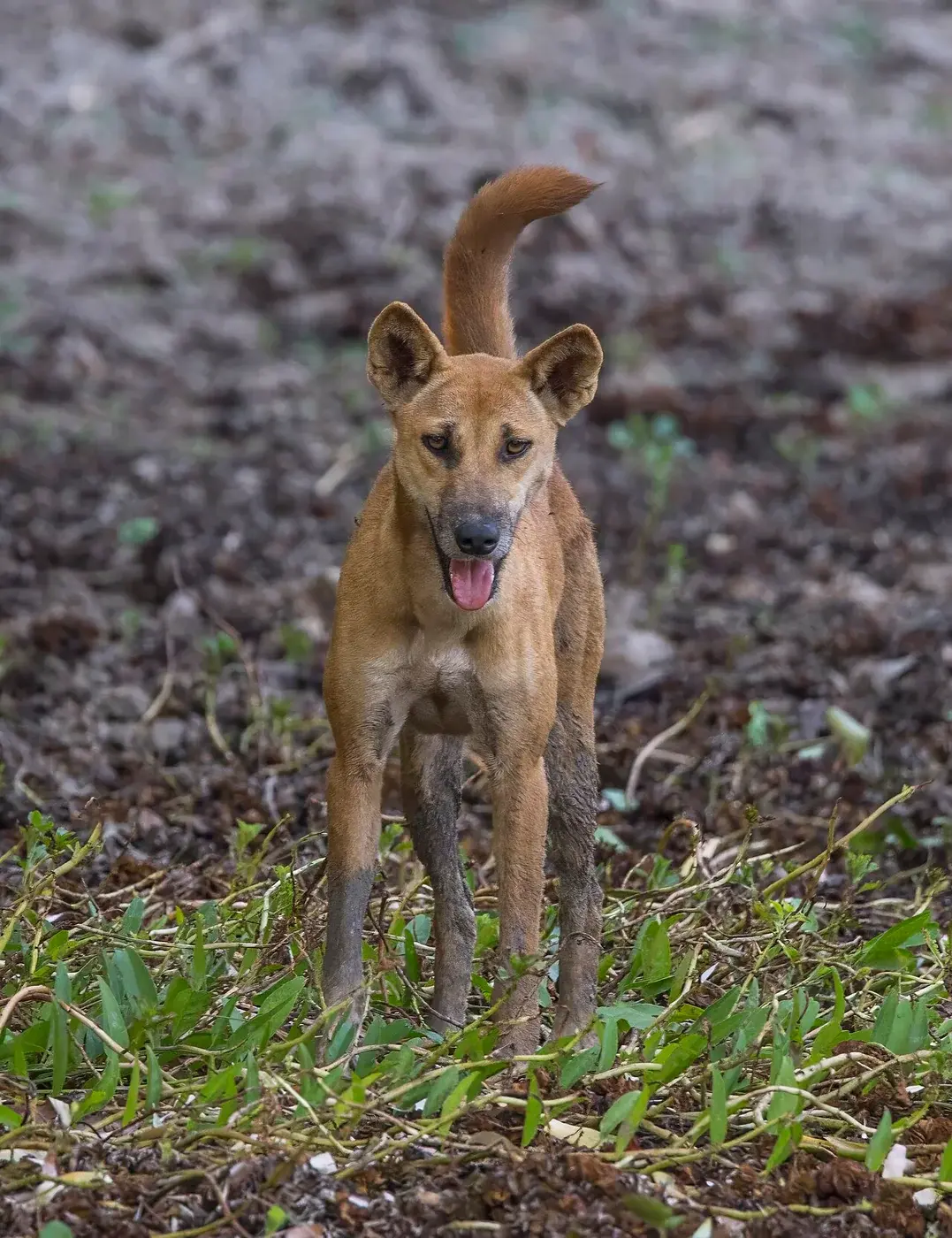
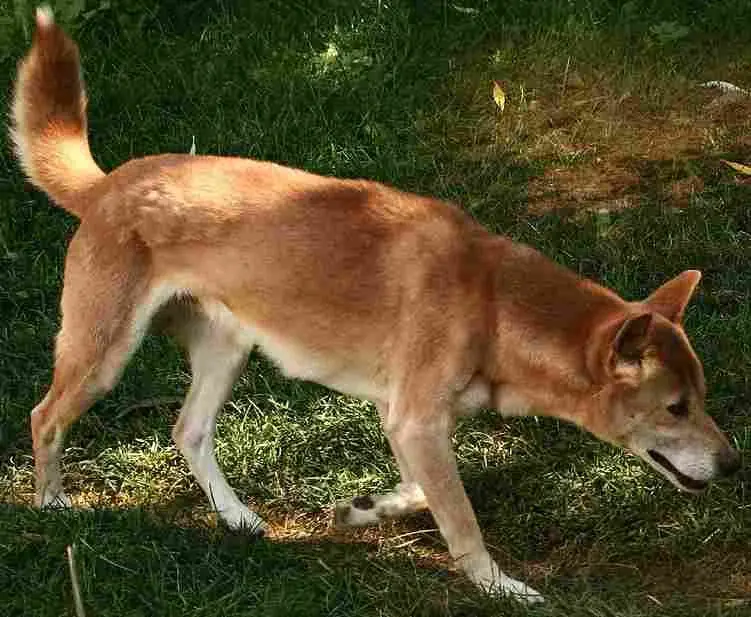
Communities near Puncak Jaya in Indonesia’s highlands share observations of these vocal canids, whose wild ancestors appear tied to the captive New Guinea singing dog population.
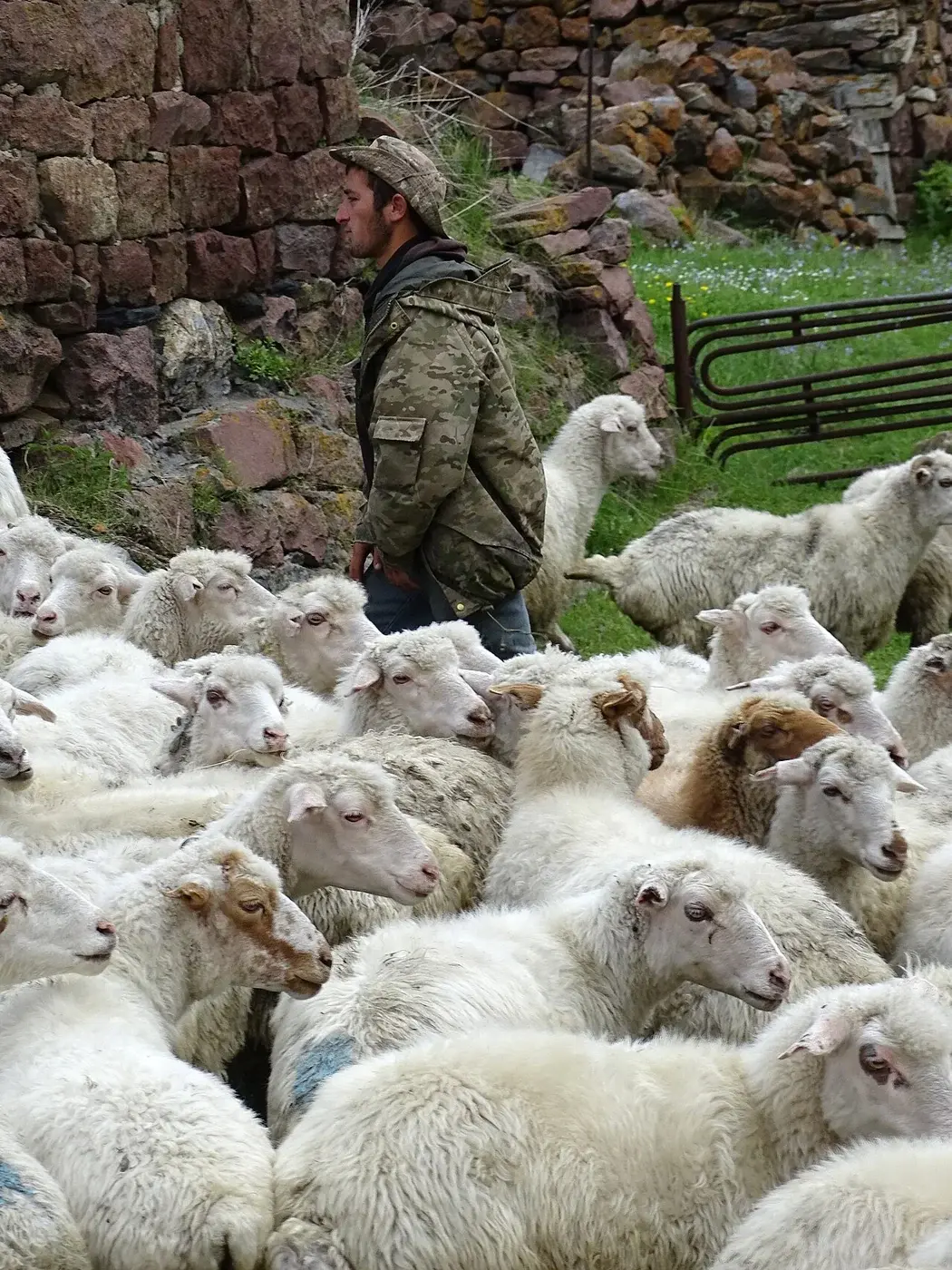
Georgian shepherds and their dogs follow ancient seasonal movements between high mountain meadows and lowland valleys, with the dogs helping protect flocks from threats during the cycle.
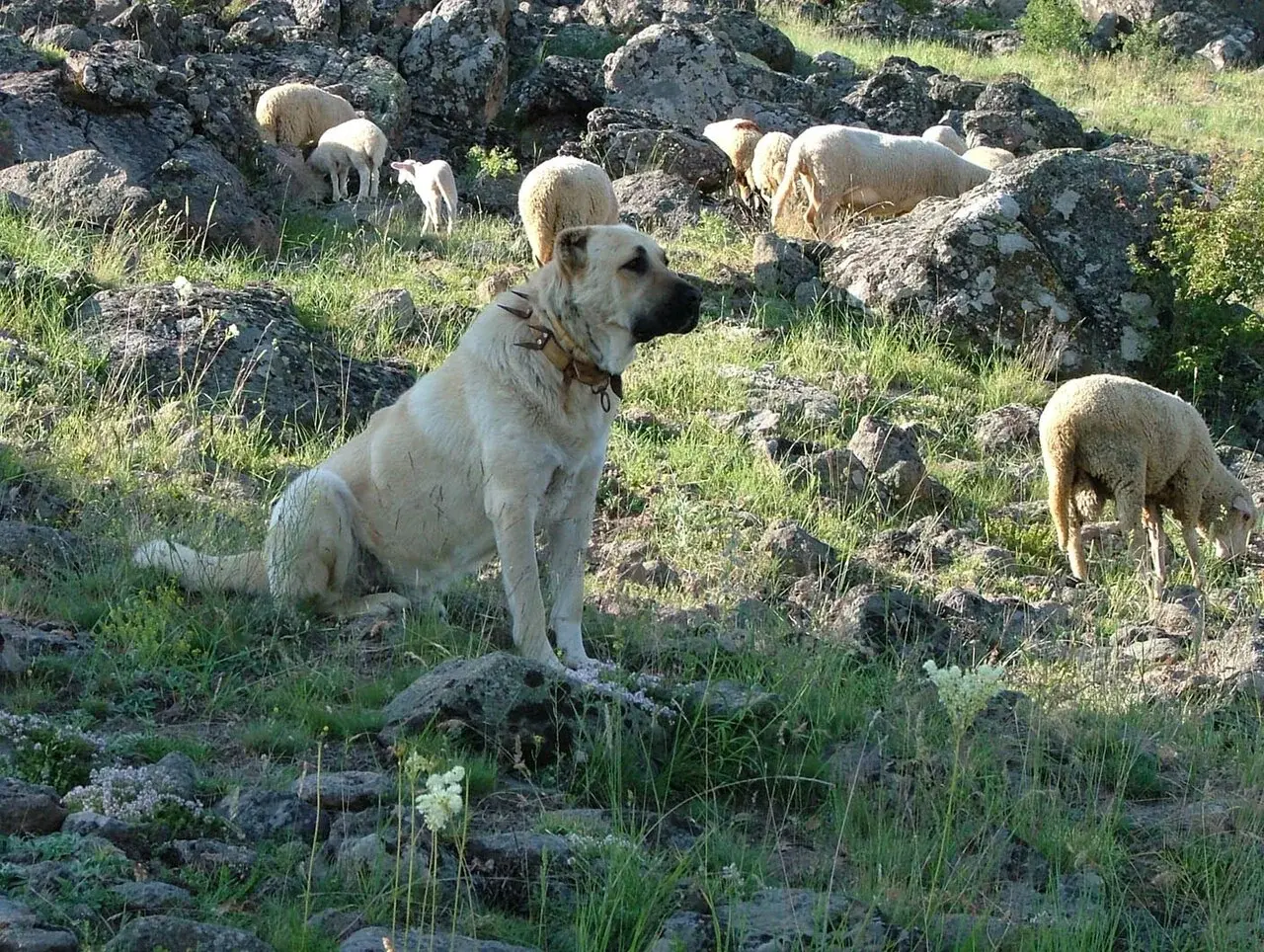
In the rugged pastures of central Anatolia, large guardian dogs help protect flocks during seasonal movements between villages and cooler summer grazing lands.
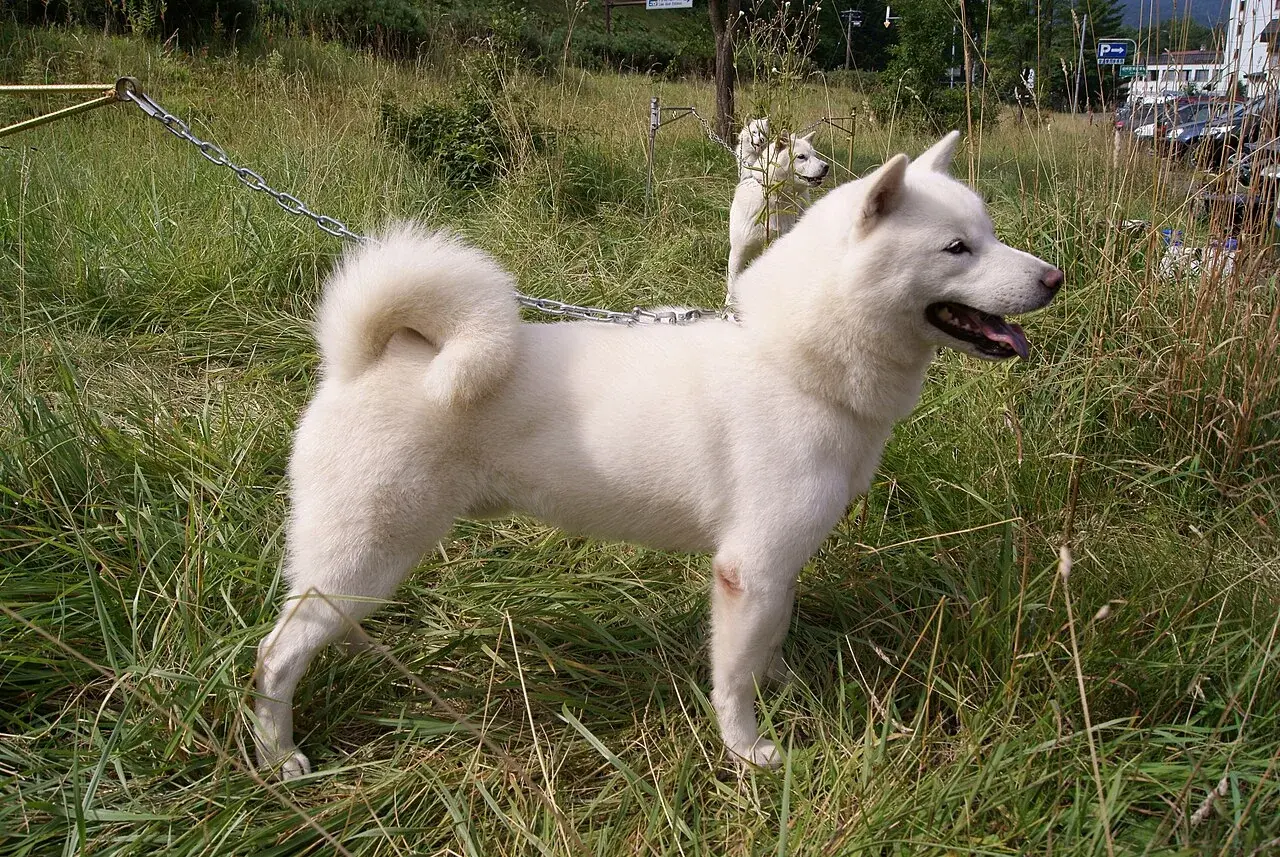
Evidence shows the breed has deep roots in eastern coastal provinces, where it has long served as a regional protector, though claims of specific border patrol heritage remain unsupported.
Native guardian breeds from northern Portugal continue to help farmers and conservationists reduce conflicts between people, livestock, and Iberian wolves.
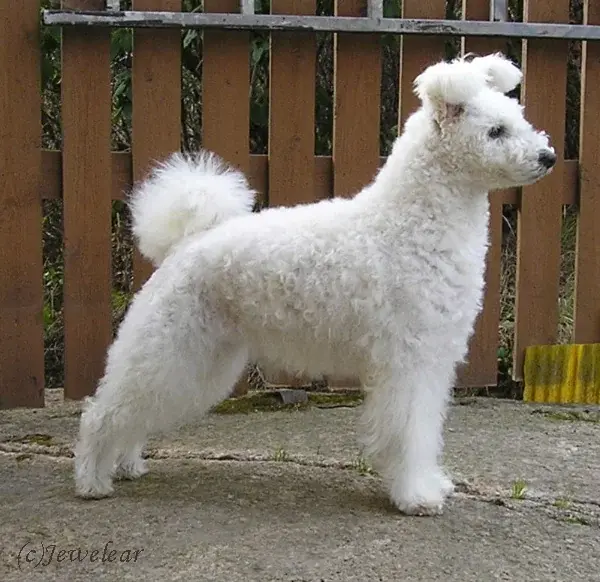
Enthusiastic breeders maintain the working abilities of native Hungarian sheepdogs like the Pumi by organizing instinct tests and style-specific trials rooted in shepherding culture.
Wild and semi-wild dogs connected to ancient Middle Eastern herding traditions continue to appear in the Negev, where conservationists work to maintain their natural traits amid modern pressures.
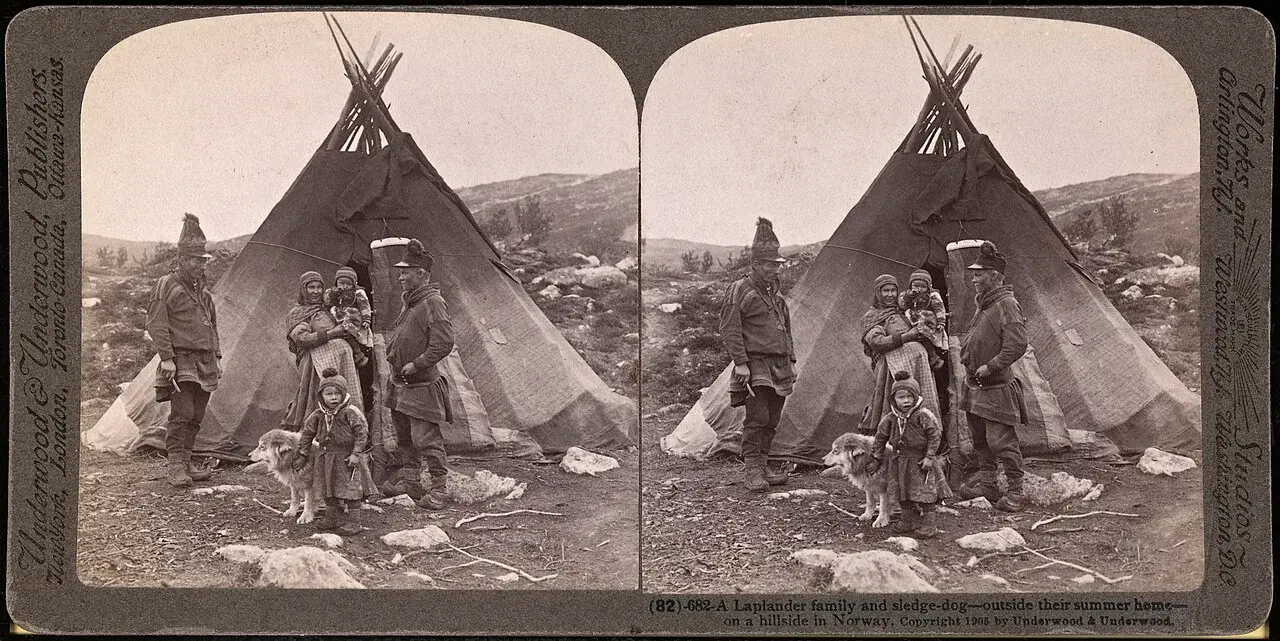
Archaeological and historical evidence shows how small-scale herding practices among the Sámi evolved into larger mobile pastoralism, with dogs later recognized for their contributions to reindeer work.
A 17th-century hunting dog named Shiro is remembered at a rare Japanese shrine dedicated to canine spirit, blending local Matagi tradition with prayers for safety and good fortune.
Written records from the late 16th century onward describe small, agile dogs helping coastal families in northern Norway gather seabirds for household use.
Recognized by international kennel organizations, this unique hairless breed has ties to South American history, though its precise role in pre-colonial textile traditions remains uncertain.
Temple inventories and Tibetan Buddhist archives offer rich architectural detail but remain silent on the small sentinel dogs later associated with the region.
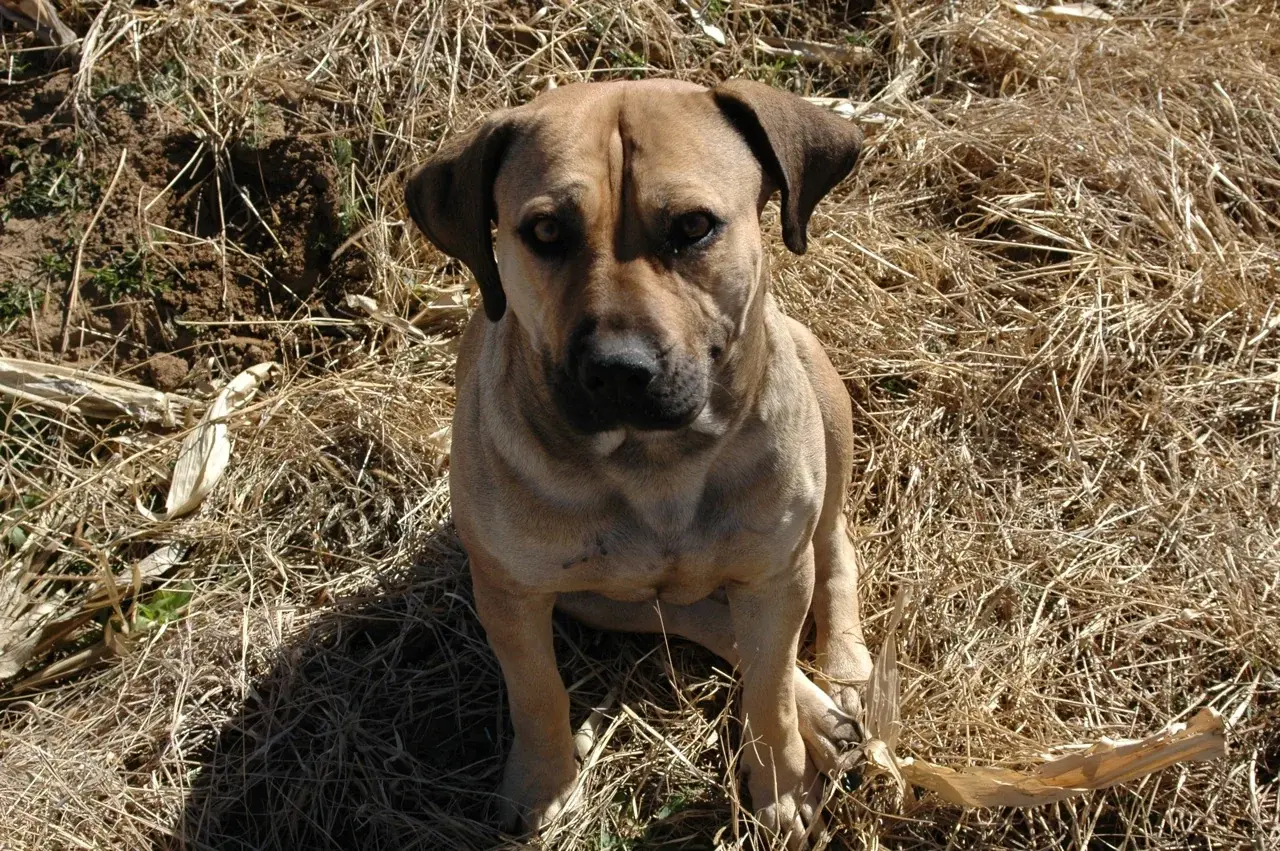 Photograph