Dogsled Mail Routes That Shaped Alaska’s Winter Trails
Centuries-old sledding methods once used to carry mail and supplies across Alaska continue to influence working traditions and cultural pride among northern dog teams today.
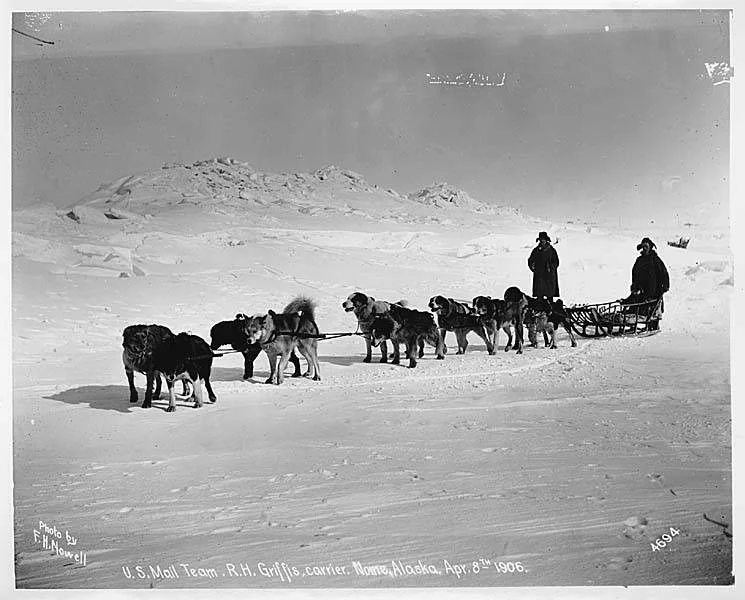
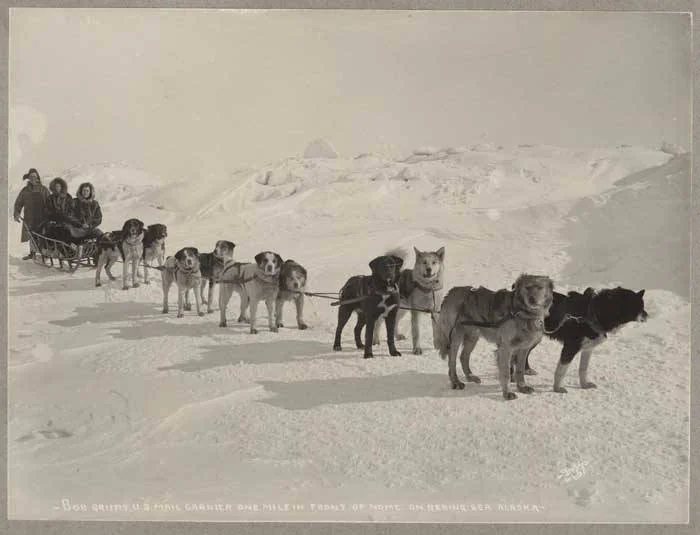
United States Mail dogsled team, Nome, April 8, 1906. Historical photograph. Frank H. Nowell · Public domain · Web size optimized; source linked for the original.
Long before airplanes or snowmobiles reached remote Alaskan communities, dogsled teams served as vital lifelines. Mushers followed trails originally developed by Alaska Native peoples, hauling mail, food, and essential gear through harsh winter conditions. These routes, including the historic Iditarod Trail, supported mining booms and isolated settlements. While the Alaskan Malamute is often associated with this heritage, historical accounts describe a variety of hardy sled dogs working alongside mushers. The practices established during these freight-pulling eras still echo in modern sled-dog culture, even as the primary uses have shifted from mail delivery to racing and recreation. This article explores the evidence-based history, avoiding romanticized myths about specific breeds dominating every route.
Origins in Native Knowledge and Early Freight Trails
Alaska Native peoples, including the Malemiut Inupiat of the Seward Peninsula, relied on dogs for winter transportation long before European contact. These ancient traditions involved using dogs to pull sleds across snow-covered landscapes, enabling movement and trade in environments where other forms of transport were impractical. The Iditarod Trail and similar winter paths were later built primarily to support freight mushers who carried mail, food, and gear to isolated miners during the gold rush eras. This foundation in Native practices provided the know-how that shaped early non-Native use of the trails.
Evidence shows that these trails were not originally designed for sport but for practical freight hauling. Mushers often worked with teams of twenty or more dogs capable of pulling heavy loads. While the Malemiut people developed a hardy type of sled dog now known as the Malamute, accounts indicate that various breeds and mixes contributed to the work. This diversity reflects the pragmatic needs of the time rather than a single idealized breed. Understanding this context helps separate cultural pride from unsupported claims of exclusive breed dominance on every historic route.
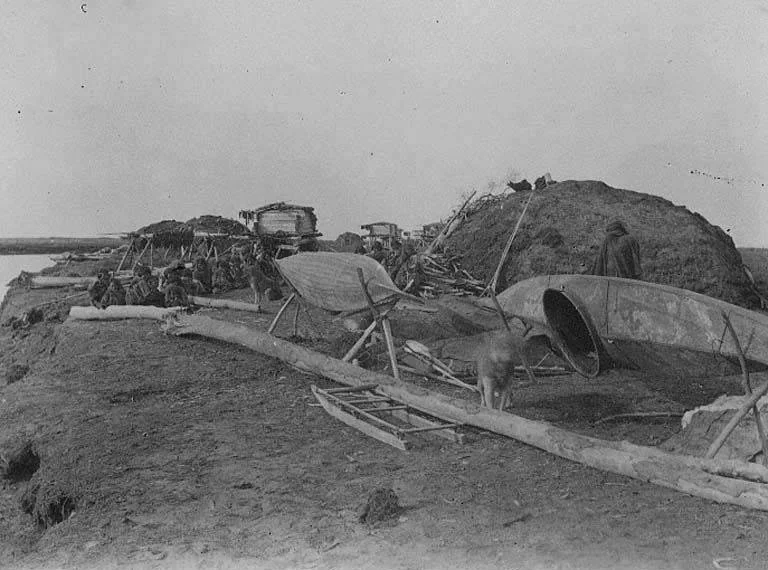
Eskimo settlement showing sod dwellings, kayak, and dog sled, western Alaska, 1884. Historical photograph. Hartmann and Weinland · Public domain. Web size optimized; original linked.
Mail Delivery in the Late 1800s and Early 1900s
By the late 1800s, dogsleds became a primary means of moving mail between mining camps, roadhouses, and remote Alaskan communities. These routes operated in extreme conditions, with temperatures dropping below negative 40 degrees Fahrenheit. One documented sled from 1922, used on the Circle-Eagle route, was constructed of hickory and could carry up to 500 pounds of mail. Such equipment highlights the durability required for consistent service across vast distances.
The main dog trail known as the Iditarod stretched approximately 2,300 miles from Seward to Nome, serving as a critical artery for communication and supplies. Mushers navigated these paths with heavier, longer sleds than those used in modern racing. Loads typically ranged from 500 to 700 pounds total, though this varied with terrain and conditions. Historical postcards and accounts describe teams managing these weights, often distributing around 100 pounds per dog on average, though less on more challenging stretches. These operations required skill, endurance, and respect for the dogs’ limits.
Working Conditions and Equipment Challenges
Freight mushers faced significant physical and environmental demands. Trails built for winter travel exposed both humans and dogs to blizzards, extreme cold, and rugged terrain. Sleds needed to be robust enough to handle half a ton or more in some cases, demanding strong, well-conditioned teams. The evidence underscores that not every team matched the popular image of sleek racing dogs; many were built for power and stamina over speed.
A light-hearted observation: imagine asking a modern delivery driver to swap their van for a dogsled in minus-forty weather. The historical reality was no joke, yet it fostered deep bonds between mushers and their dogs. These partnerships emphasized welfare through practical care, as an exhausted or injured dog could jeopardize the entire run. Today’s working-dog enthusiasts often reference these conditions when discussing responsible breeding and training, reminding us that animal welfare has always been tied to survival on the trail.
Dogsled owned by an Alaskan mail carrier, ca. 1905. A heavy freight sled designed for carrying mail in extreme winter conditions. Beverly Bennett Dobbs · Public domain. Web size optimized; original linked.
Cultural Legacy and Modern Traditions
The sled-dog mail era left a lasting imprint on Alaskan identity. Communities along the routes developed pride in this heritage, celebrating the ingenuity and resilience it represented. While contemporary Iditarod races focus on speed and competition rather than freight, many participants and spectators draw inspiration from the earlier mail-carrying traditions. This connection sustains cultural events and educational programs that honor the history without claiming unbroken continuity in every detail.
Questions for further reading include: How do modern mushers balance respect for historical methods with advances in animal care? What role should breed-specific narratives play when evidence shows a mix of dogs contributed to the work? These inquiries encourage thoughtful engagement rather than oversimplified stories. The legacy also prompts reflection on how northern communities continue to value working dogs, adapting traditions to contemporary realities while preserving core elements of respect and partnership.
Implications for Today’s Dog Teams and Preservation Efforts
Contemporary sled-dog activities owe much to the freight-pulling foundations, even if the primary purpose has evolved. Many teams still train on segments of historic trails, and cultural pride remains strong among northern communities. However, evidence cautions against attributing all success or tradition to one breed alone. Accounts describe Malamutes as typical participants in mail runs, yet they operated alongside other hardy types often referred to interchangeably with huskies in older sources.
This history carries practical implications for breeding, training, and welfare standards. Organizations involved in sled sports increasingly emphasize evidence-based practices that prioritize dog health over romanticized images. Editorial analysis suggests that celebrating the full diversity of sled dogs, rather than elevating one type above others without complete documentation, leads to more accurate storytelling and better-informed care. Readers might consider supporting preservation of trail history through museums and educational initiatives that rely on primary accounts rather than popularized myths. In this way, the spirit of those original mail routes endures without being frozen in unsupported legend.
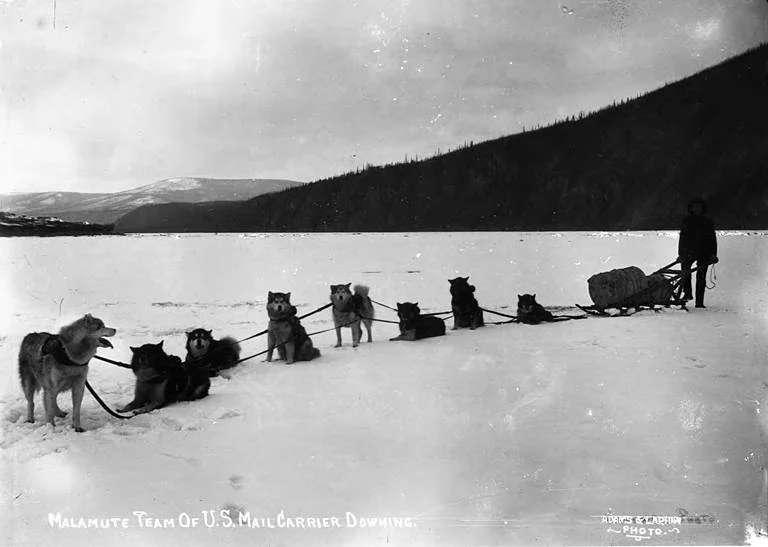
Archival black-and-white photograph from circa 1901 showing a Malamute team of US mail carrier Ben Downing loaded with mail, leaving Dawson, Yukon Territory. George G. Cantwell · Public domain. Web size optimized; original linked.
AI-assisted original writing. This feature was revised against source material and checked for unsupported claims. Follow the references below for evidence and its limits.
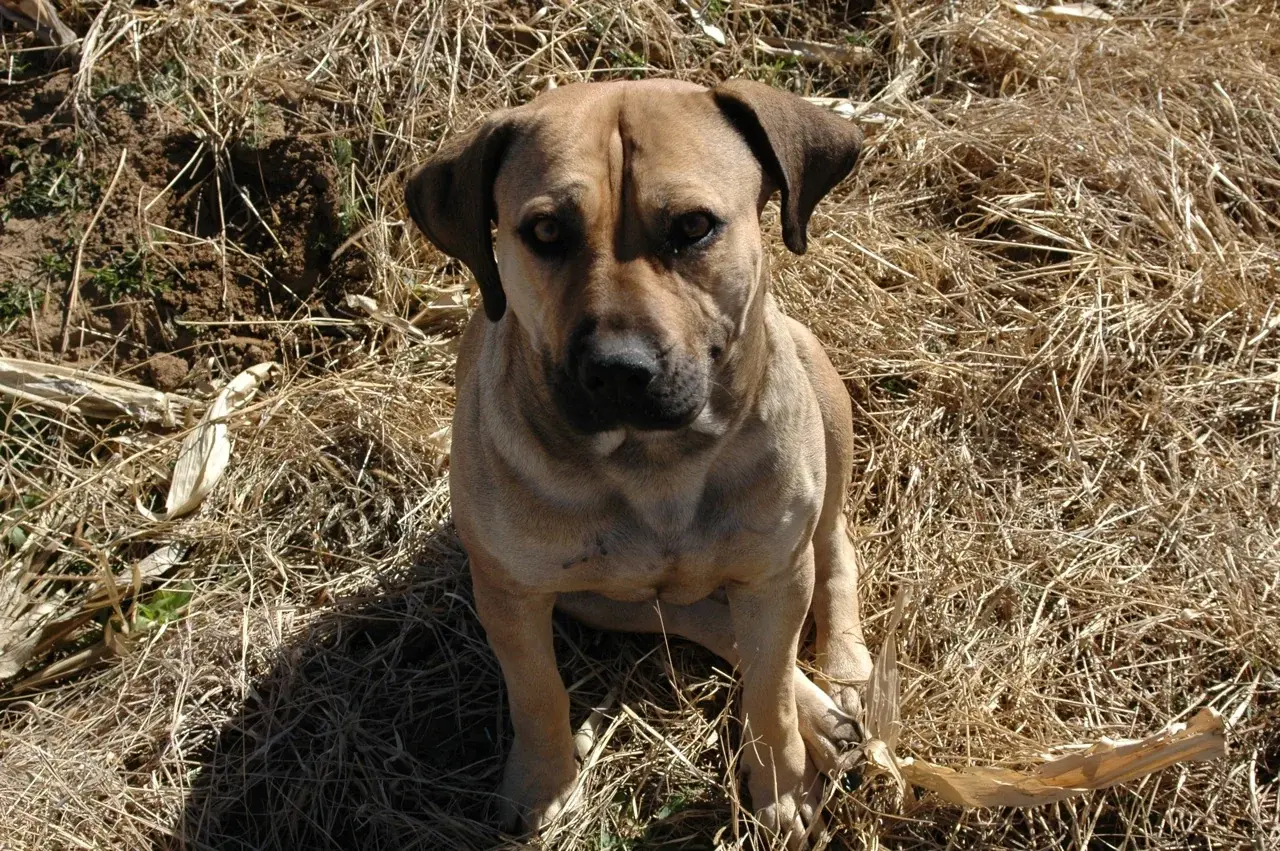
Large mastiff-type dogs have served as protectors on remote South African farms for generations, though many popular stories about their exact origins remain unverified tradition.
 Photograph