Falconry and Greyhounds in North African Desert Traditions
Historical accounts describe how nomadic hunters in the Sahara region combined birds of prey with swift dogs to pursue hare and gazelle, reflecting a shared cultural heritage across North Africa.
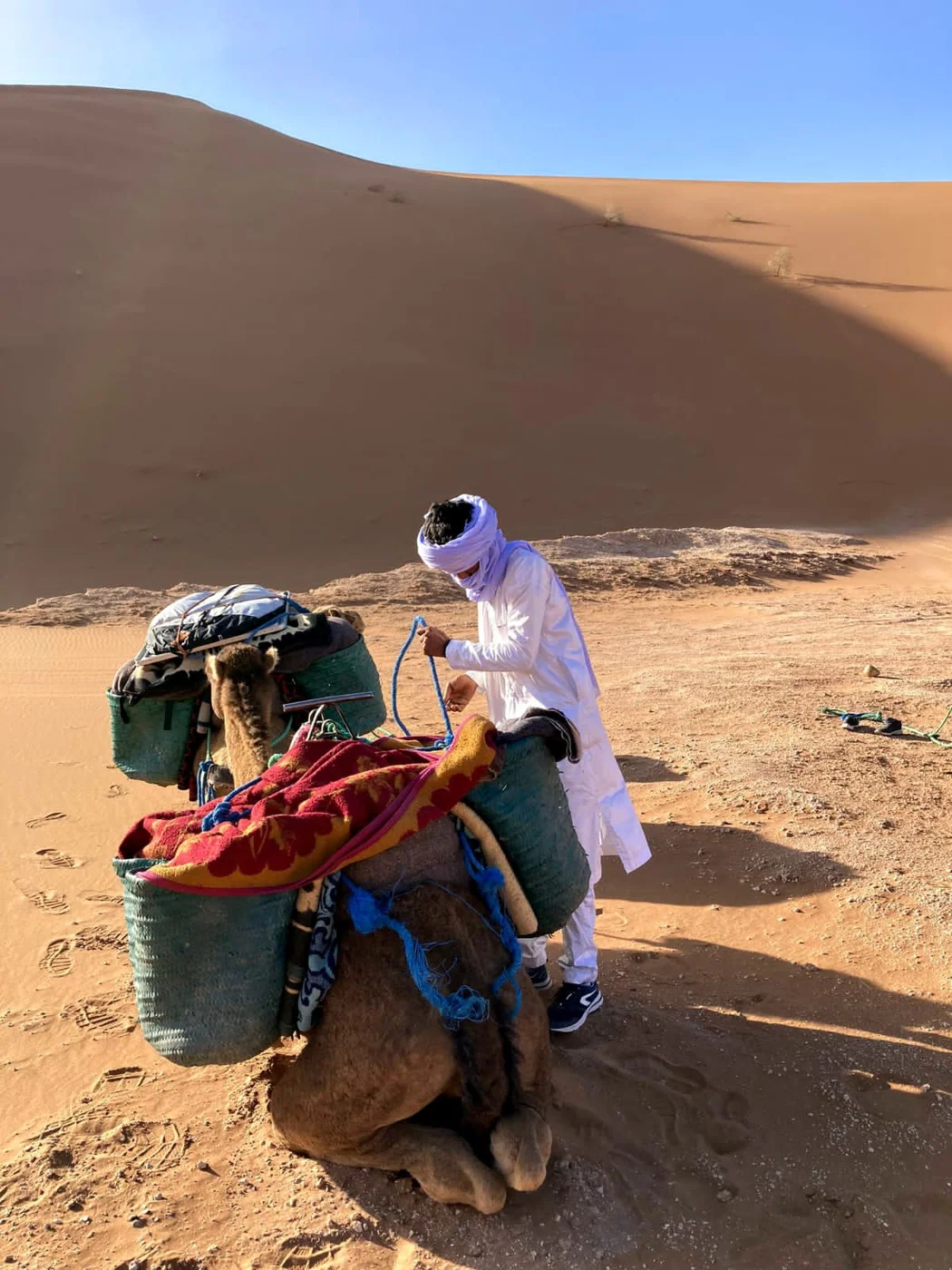
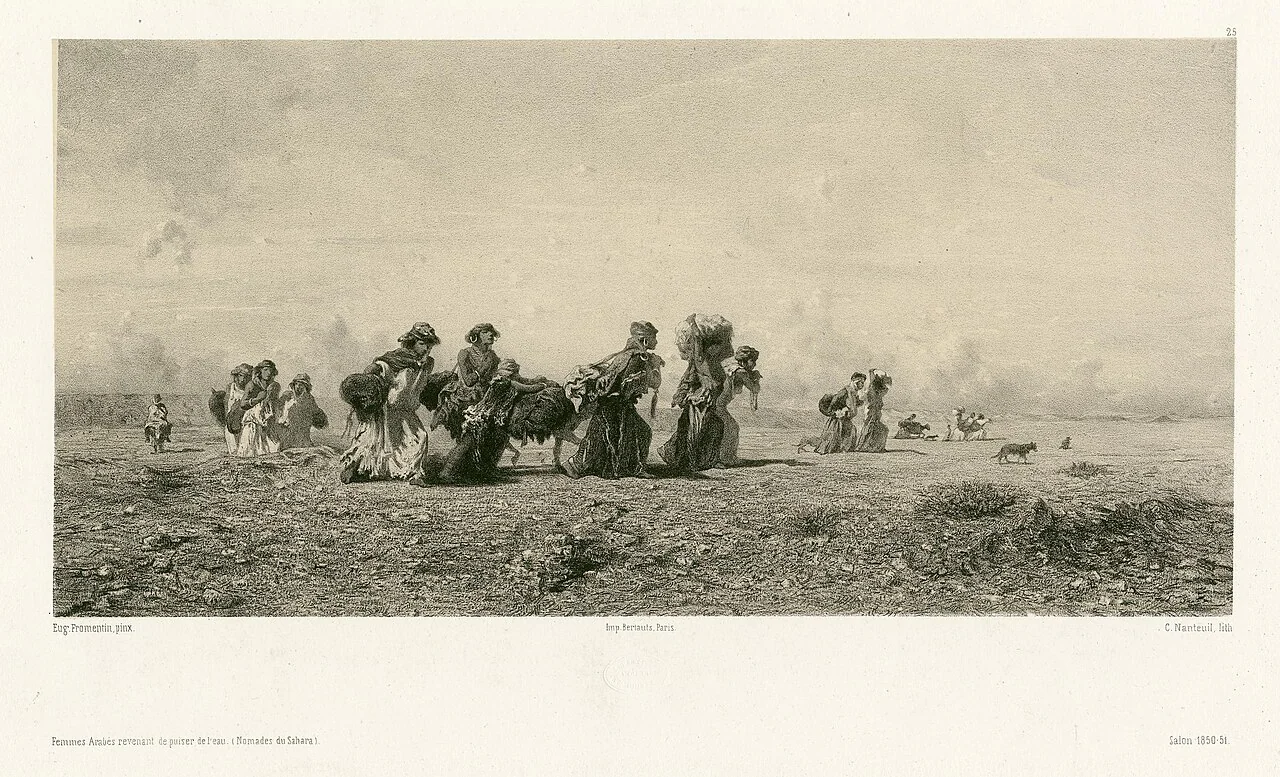
Nomads in the Sahara desert Zinelife05 · CC BY 4.0 · Web size optimized; source linked for the original.
Across the semi-arid expanses of North Africa, generations of nomadic peoples developed hunting practices that paired keen-eyed falcons with fast-running dogs. These traditions, rooted in the practical needs of life on the move, highlight a partnership between humans, horses, birds, and canines. While specific details vary by time and place, the evidence points to a deep cultural reliance on these animals for both sustenance and sport. Modern overviews and 19th-century observations offer glimpses into these methods, though they also underscore the challenges of verifying exact practices in remote desert settings. This article explores the available historical insights, with an eye toward what they reveal about adaptability, animal roles, and cultural continuity.
The Role of Nomadic Life in Shaping Hunting Practices
Nomadic groups such as the Arab-Berbers of North Africa traveled vast semi-desert regions in search of pastures, often carrying their traditions with them. These movements were driven by climatic shifts, and hunting served both practical and social purposes. Accounts describe how entire ways of life revolved around a set of animal companions that made survival and recreation possible in challenging environments. The integration of different species into daily routines reflects a pragmatic approach to the demands of tent-based civilization.
In these contexts, the animals were not mere tools but constant presences that accompanied people across long distances. This setup allowed for opportunistic hunting while on the move. The evidence suggests that such practices were perpetuated over generations, becoming embedded in cultural identity. However, the sources remain broad overviews rather than granular field reports, leaving room for interpretation about how uniformly these methods were applied across different Saharan zones.
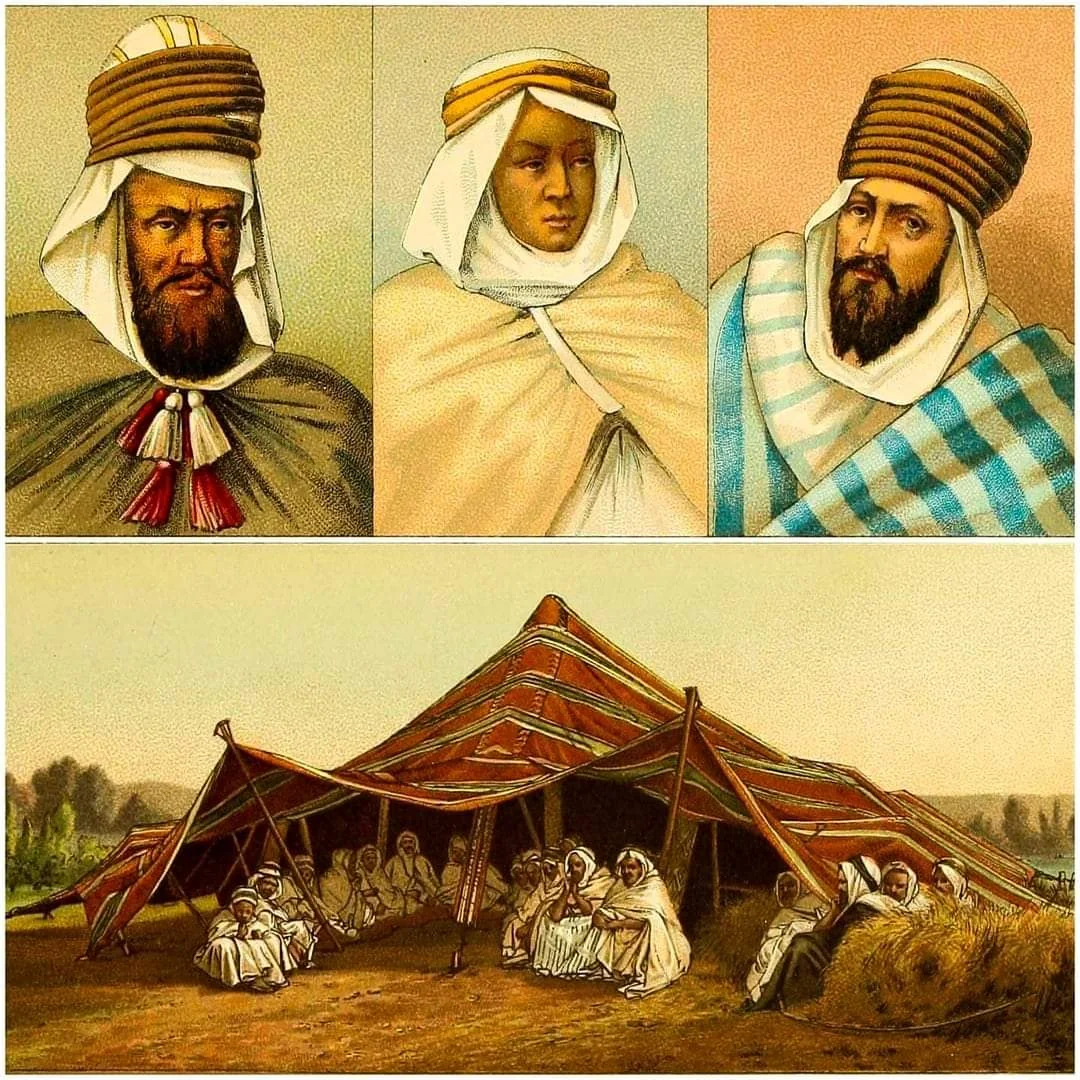
Drawings of the Arab Beni Amer tribe, 1888, showing the Arab Tent used by nomads. Ibn maliks · CC BY-SA 4.0. Web size optimized; original linked.
Falcons as Essential Hunting Partners
Falconry held a place of distinction among noble hunters in the Sahara. Birds described as "thair el horr" or birds of race were valued for their ability to take down hares, rabbits, and young gazelles. Parties of falconers, sometimes numbering in the dozens, would set out together, turning the activity into a communal event. This social dimension added layers of prestige and camaraderie to the pursuit.
The birds' effectiveness in open terrain made them well-suited to the landscape. Yet the historical text notes that falconry was one element within a broader sporting tradition. It does not claim that every hunt relied solely on raptors, hinting at complementary methods. Readers might ask how the birds' performance varied with seasonal changes or prey availability, questions the sources raise without fully resolving.
The Contribution of Sloughi-Type Greyhounds
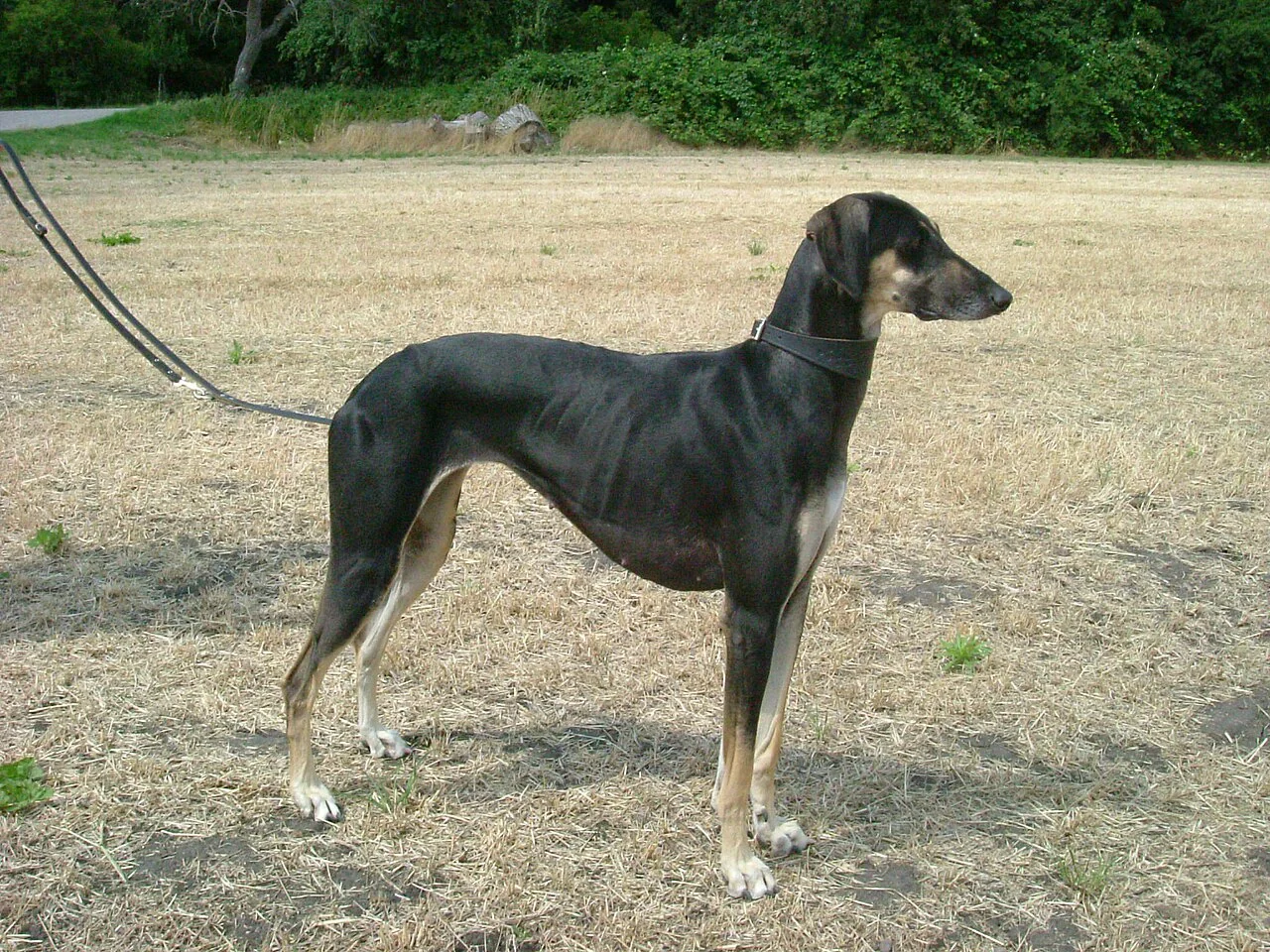
Swift dogs known as slougui or sloughi were prized for their speed and sight in pursuing hare and gazelle. A horseman chasing hare was advised to bring such a greyhound, as only the most capable could run down larger game like gazelle. These dogs appear in descriptions alongside other essential equipment, suggesting they formed a core part of the hunter's kit in desert conditions.
Their role complemented the terrain's demands, where endurance and quick vision could prove decisive. The evidence frames them as rare and valuable assets, particularly those that could sustain a chase. Editorial analysis here invites consideration of animal welfare: while these hunts provided food and sport, the physical toll on dogs running in harsh heat deserves mindful reflection. Light-hearted speculation might imagine a sloughi pausing mid-pursuit for a dignified sip from a shared waterskin, though such scenes remain fictional embellishment.
Some modern summaries note that hunters were sometimes accompanied by slougui working alongside falcons when targeting hare. This suggests occasional teamwork in the Maghreb and northern semi-desert areas. Yet the 19th-century observations separate the two: one section discusses dogs for coursing, while another details falconry parties. The texts do not explicitly confirm that dogs and birds routinely operated together in the same hunt within the deeper Sahara.
This distinction matters for accuracy. The Algerian-focused account extends by cultural similarity to Moroccan contexts, but direct eyewitness corroboration for joint Saharan use is absent. Uncertainties persist about frequency, training methods, and whether such pairings were exceptional or standard. Useful questions for further reading include how environmental factors influenced these choices and what modern practitioners preserve from these traditions.
Implications for Cultural Heritage and Contemporary Reflection
These historical practices illustrate a sophisticated understanding of animal capabilities and environmental cues. The reliance on multiple species points to an adaptive strategy that balanced efficiency with the realities of nomadic existence. Today, such accounts serve as windows into a fading way of life, prompting discussions on conservation, cultural preservation, and ethical treatment of working animals.
Editorial analysis suggests that while the romance of desert hunts appeals to the imagination, the evidence calls for cautious interpretation. Overstating seamless partnerships between falcons and greyhounds risks romanticizing without basis. Instead, the sources encourage appreciation of separate yet parallel traditions. For those interested in animal welfare, considering the demands placed on both birds and dogs in extreme conditions can foster more informed views. Fictional satire might depict a modern-day sloughi attending a falconry conference and delivering a wry speech on "work-life balance in the dunes," but this is invented for illustration and not drawn from any record. Ultimately, the evidence underscores the value of traceable history over embellished narrative.
AI-assisted original writing. This feature was revised against source material and checked for unsupported claims. Follow the references below for evidence and its limits.
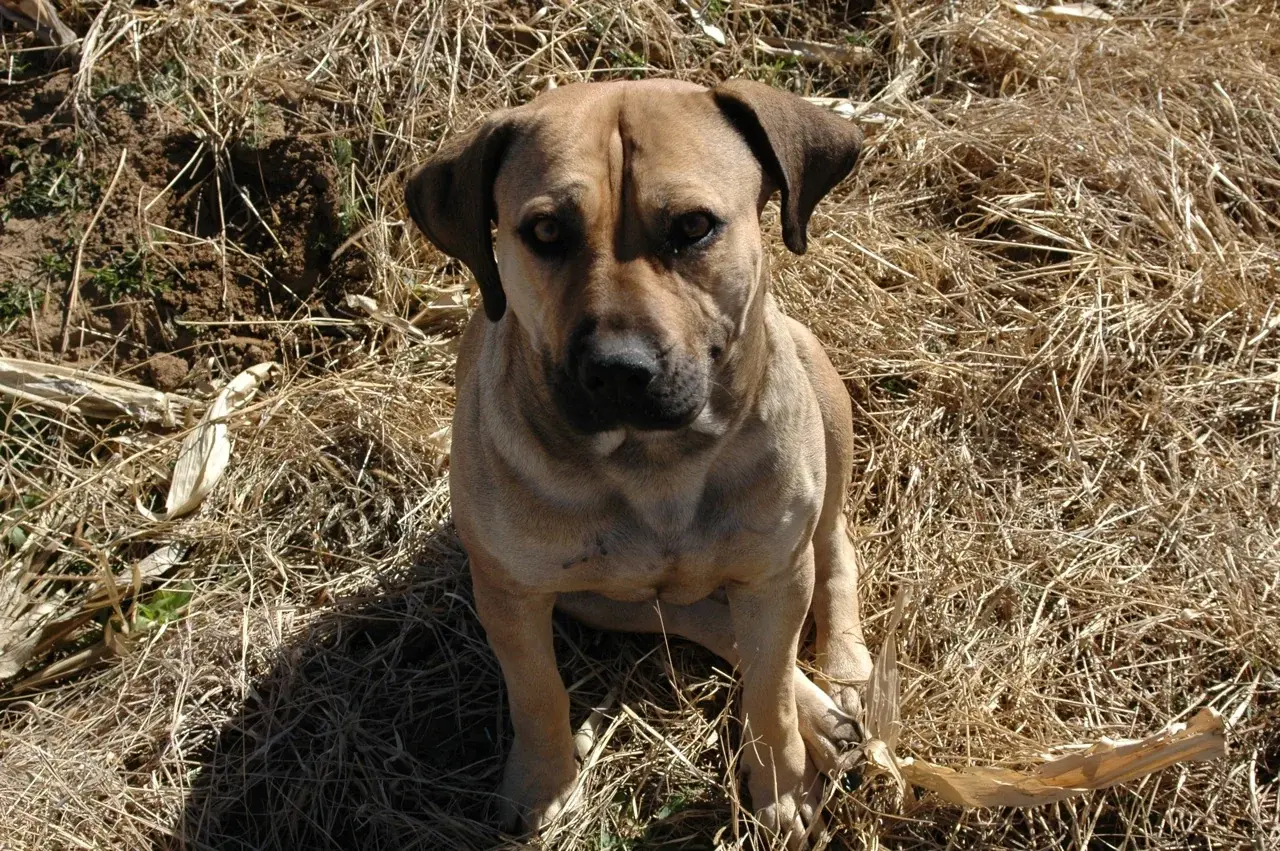
Large mastiff-type dogs have served as protectors on remote South African farms for generations, though many popular stories about their exact origins remain unverified tradition.
 Photograph