How Many Working Scent Genes Do Dogs Actually Carry?
Research shows the number of functional olfactory receptor genes varies among individual dogs, breeds, and their wild relatives, with some patterns linked to physical traits rather than specialized sniffing roles.
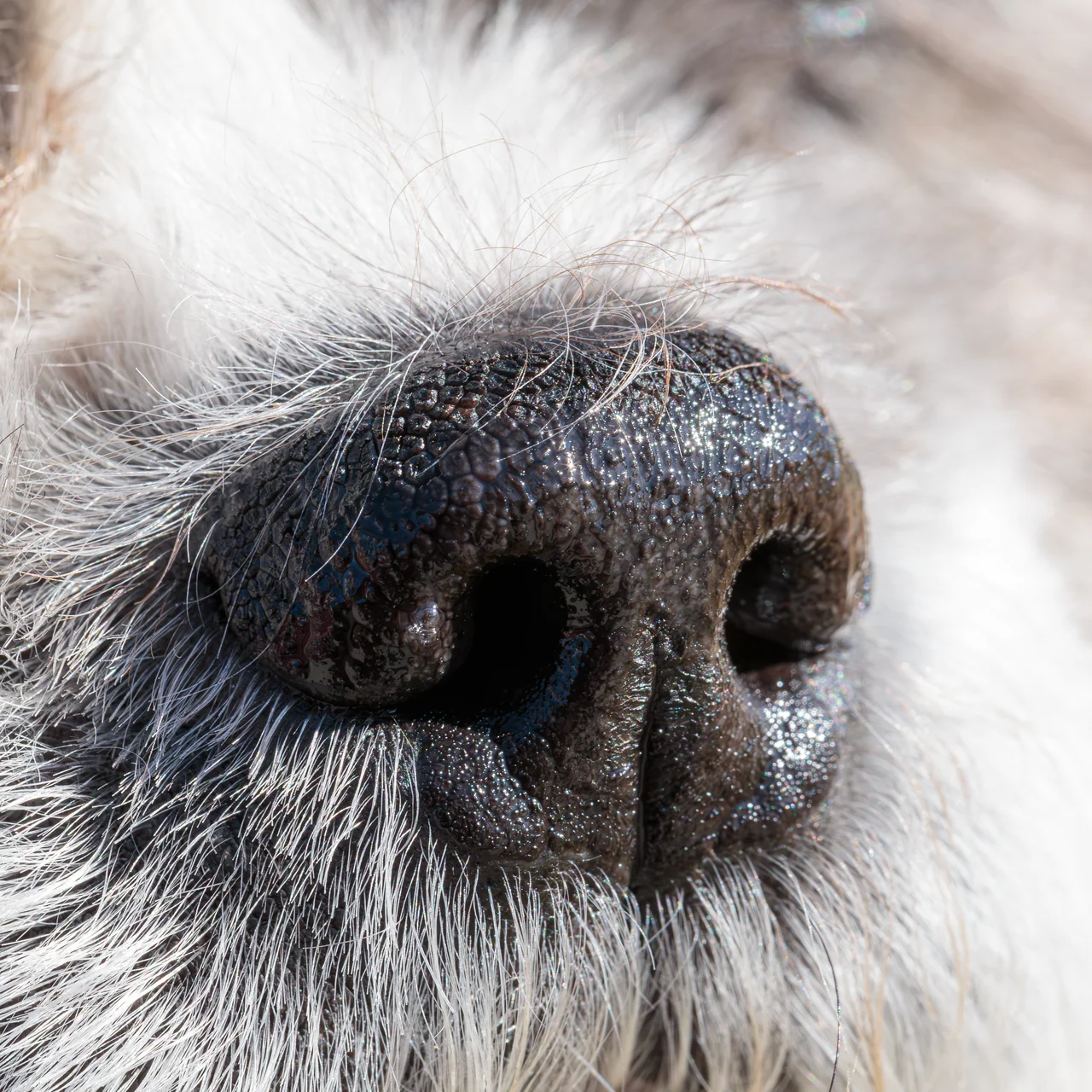
Close-up of a canine nose and nasal planum demonstrating texture, nostrils and natural moisture layer (2020 documentary photograph). Metography · CC BY-SA 4.0 · Web size optimized; source linked for the original.
Dogs are famous for their noses, but the genetic foundation behind their sense of smell turns out to be more varied and nuanced than many assume. Studies examining canine genomes have cataloged hundreds of olfactory receptor (OR) genes, yet the exact count of working copies differs from one animal to the next. Some breeds show signs of reduced functional genes, while comparisons with wolves and coyotes suggest domestication may have played a role in reshaping this genetic toolkit. These findings come from genomic analyses that avoid simple assumptions about “super sniffers.” Instead, they highlight how gene counts, pseudogenes, and physical structure interact in ways that keep researchers curious. This article draws directly from three peer-reviewed papers to explore what the evidence actually shows, what remains uncertain, and what practical questions dog lovers and scientists might ask next. Light-hearted as the topic is, the welfare of every dog—whether a pug with a squished face or a working detection animal—remains front of mind.
Early Catalogs of Canine Olfactory Genes
One of the first large-scale looks at the dog’s scent-detecting gene collection identified more than 800 novel sequences. After detailed characterization, researchers settled on roughly 661 sequences that represented about half of the total estimated repertoire. Of those examined, 18 percent were predicted to be pseudogenes—essentially broken copies that do not produce working receptors. By comparison, the human genome shows a much higher pseudogene rate of around 63 percent in the same gene family. This contrast suggests the dog lineage kept more of its scent-related genes intact during evolution.
The genes were found scattered across 24 dog chromosomes in 37 distinct regions, often clustered together. The largest groups appeared on chromosomes 18 and 21. When scientists mapped these locations against the human genome, they noticed strong conservation in overall distribution, yet evidence of expansion in the canine line that produced some dog-specific olfactory receptor genes. These early maps provided a foundation for later work but also made clear that the full picture would require more complete genome assemblies and broader sampling across individuals and breeds. The work remains a useful reference point rather than a final count.
More recent whole-genome data from 635 dogs representing 121 breeds, plus eight wolves, revealed 179 segregating pseudogenes in olfactory receptor genes. The number of functional OR genes per individual ranged from 779 to 807. Counts for two other chemosensory gene families—vomeronasal type 1 receptors and taste receptor type 2—stayed nearly fixed at eight and sixteen respectively. This stability in non-olfactory families contrasts with the noticeable wiggle room in the main scent-detection set.
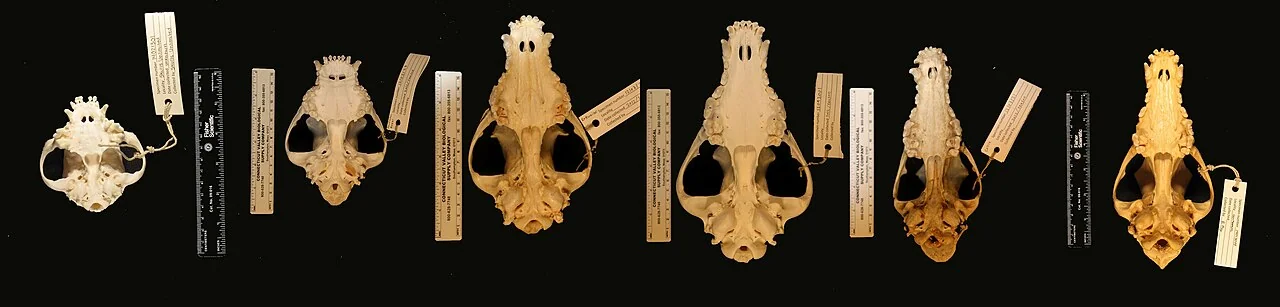
The same study found that dogs as a group carried higher ratios of amino-acid-changing mutations compared with wolves. Researchers interpreted this as a sign of relaxed evolutionary pressure after domestication, although they were careful to note the pattern shows correlation rather than proven cause and effect. Among the breeds examined, pugs stood out with significantly fewer functional OR genes and an even higher ratio of such mutations. One particular receptor, an ortholog of the human OR7D4 gene, was fully pseudogenized in every pug sampled yet remained mostly intact in other dogs. The finding is intriguing because pugs are brachycephalic—their short noses and flat faces are the very traits many owners find adorable, yet those same features may come with a genetic trade-off in scent capability.
Dogs Versus Wild Canids
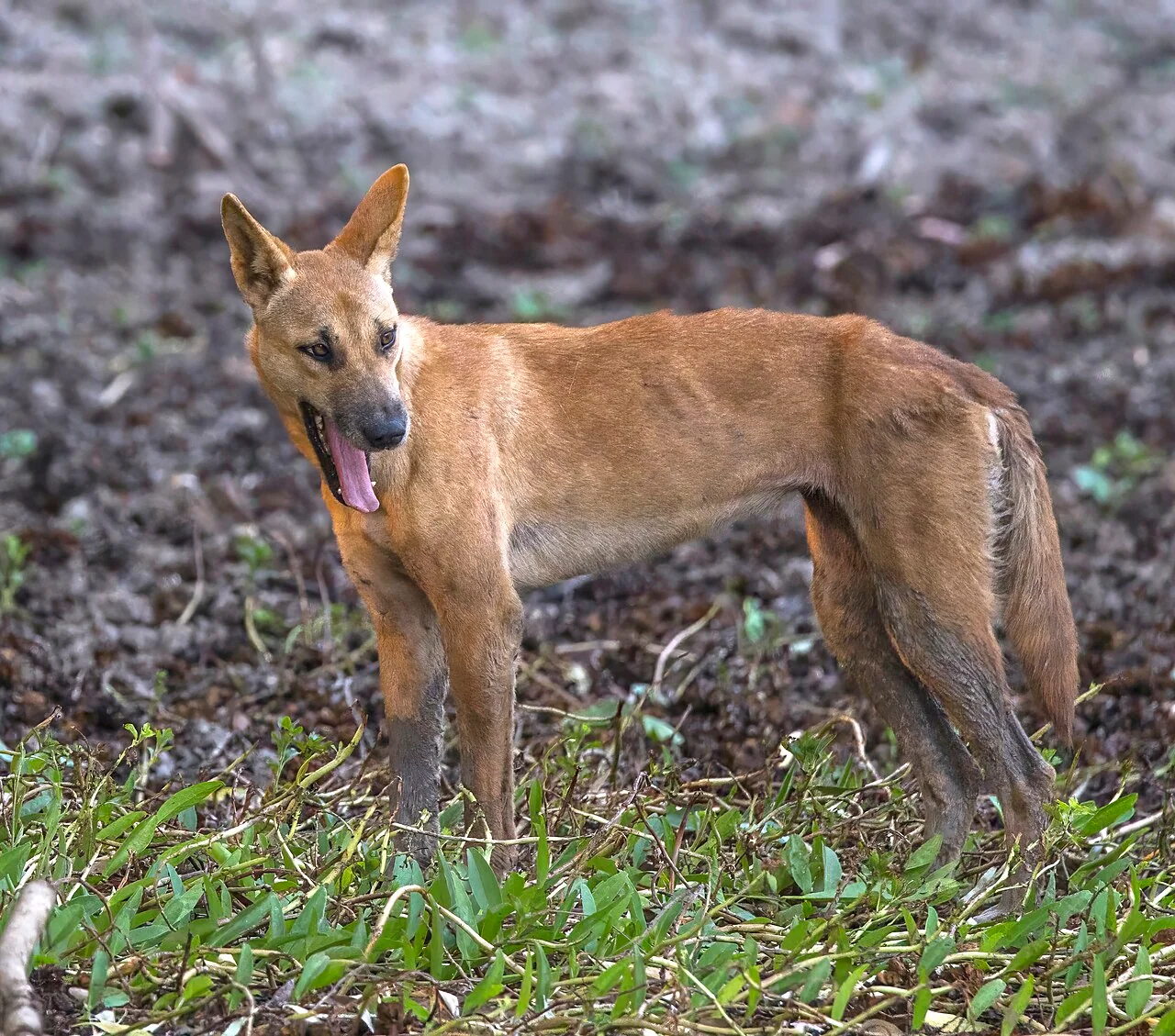
When domestic dogs were compared with gray wolves and coyotes, the domestic animals showed significantly fewer functional OR genes on average. Individual dogs in the sampled set ranged from 749 to 822 functional copies, while breed averages fell between 760 and 820. One breed, the dingo, consistently showed higher counts than several others such as German shepherds, salukis, and rottweilers. These numbers come from a single study using specific annotation methods, so they should be read as indicative ranges rather than universal truths.
Importantly, the researchers found no clear statistical difference between dogs traditionally labeled “scent breeds” and those considered non-scent breeds. The variation that does exist seems driven more by factors such as nasal morphology changes that occurred during early domestication than by later breed-specific selection for detection work. The authors explicitly state that superior performance in scent-detection tasks is more likely explained by behavior, training, and motivation than by sheer gene count. This observation carries practical weight for anyone choosing or training a dog for nosework: pedigree alone may not predict olfactory talent.
Dingo (Canis lupus dingo) in natural habitat, Kakadu National Park, Australia (2023 documentary photograph). Charles J. Sharp · CC BY-SA 4.0. Web size optimized; original linked.
What the Numbers Mean for Dog Welfare and Breeding
The consistent appearance of reduced functional OR genes in pugs raises gentle but serious questions about the long-term costs of extreme brachycephaly. While the data do not prove that every pug suffers from a measurably poorer sense of smell, the genetic pattern aligns with known breathing and thermoregulation challenges faced by flat-faced breeds. Responsible breeders already screen for airway issues; future work could explore whether olfactory capacity should join the list of welfare considerations.
On a lighter note, it is oddly reassuring to learn that your average mutt may carry just as many working scent genes as a specially marketed “sniffer” breed. The absence of a shared genetic profile among scent-working lines suggests that enthusiasm, clear training, and a healthy nose still matter more than any genetic scorecard. Owners of working detection dogs—be they customs inspectors or truffle hunters—might therefore focus less on breed myths and more on early socialization and positive reinforcement. The science gently pokes fun at our human tendency to over-romanticize canine superpowers while reminding us that every dog is an individual.
Open Questions and Practical Takeaways
Several uncertainties remain. The studies rely on current genome annotations that will likely improve with longer-read sequencing technologies. Sample sizes for some wild canids are small, and the precise functional impact of each pseudogene is not yet known. It is also unclear how gene count interacts with the physical surface area of the olfactory epithelium or with brain regions that process smell. These gaps mean any sweeping claim about “the best smelling dog” is premature.
For readers who share their lives with dogs, a few grounded questions emerge. If you compete in scent sports, does your dog’s breed or facial shape correlate with training speed in your experience? Might simple environmental enrichment—new smells, varied terrain—compensate for modest genetic differences? And for breeders, how might thoughtful selection against extreme shortening of the muzzle indirectly support a richer olfactory repertoire? The evidence does not hand us definitive answers, but it does invite thoughtful conversation that puts animal welfare first. In the end, the canine nose remains partly mystery, partly measurable biology, and wholly delightful.
Collection of domestic dog skulls showing variation from brachycephalic (short-faced, left) to dolichocephalic (long-faced, right) types, including examples like Pug, Boxer, Rottweiler, Wolf, Collie and Standard Poodle. Dmccabe · CC BY-SA 4.0. Web size optimized; original linked.
AI-assisted original writing. This feature was revised against source material and checked for unsupported claims. Follow the references below for evidence and its limits.
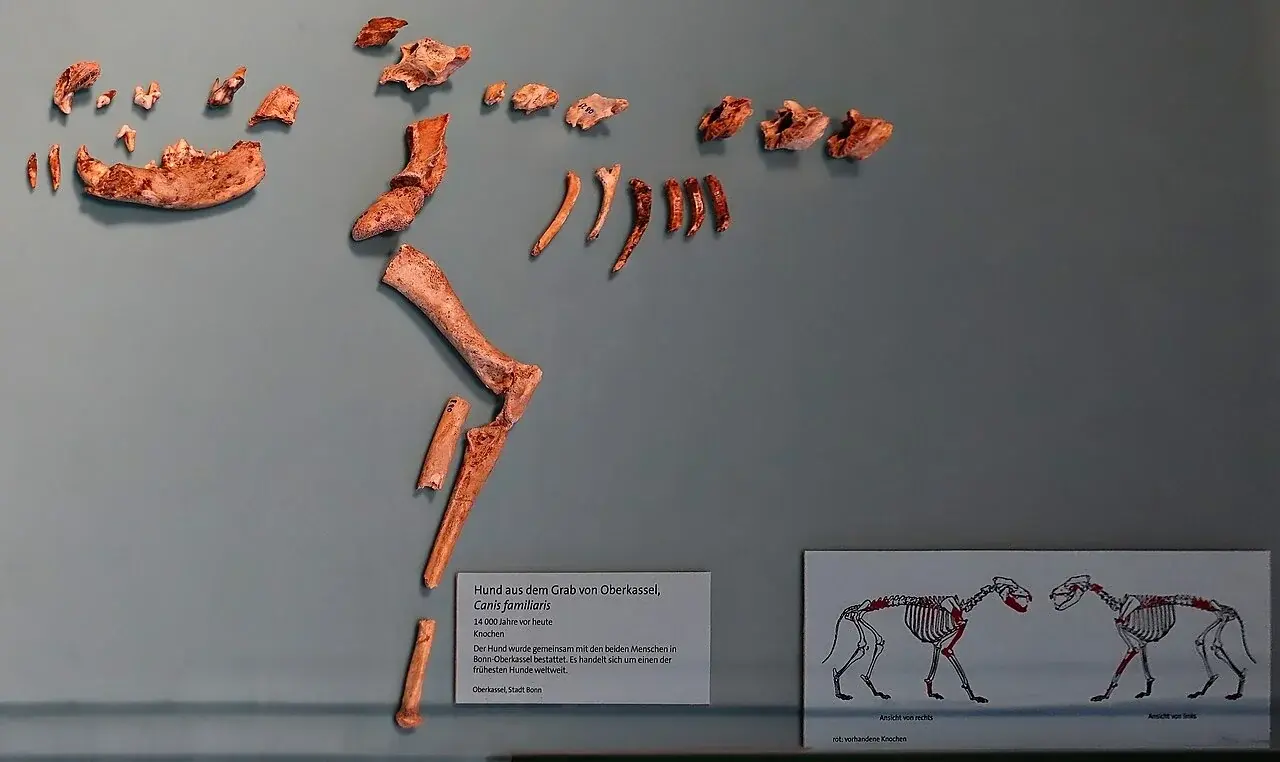
Archaeological finds from select European sites offer glimpses into possible relationships between people and dogs, while underscoring the challenges of interpreting ancient deposits.
Owner-led projects offer scale and real-world glimpses into canine minds, yet differences in tester identity and uncontrolled home settings can introduce systematic errors that large samples do not automatically cancel out.
Penn State researchers once used MRI scans and computer simulations to map airflow inside a dog’s nasal passages, offering clues for designing better chemical sensors.
 Photograph