Centuries of human-guided breeding have shaped canine eyes in ways that can affect vision and disease risk, though the details remain an active area of veterinary study.
Most dog owners notice that different breeds seem tuned to different tasks. A sprinting greyhound locks onto movement while a beagle follows a scent trail with its nose to the ground. These working styles reflect centuries of selective breeding that have also left marks on the eyes themselves. Veterinary ophthalmologists continue to explore how these genetic changes influence what dogs see and how prone their eyes are to certain conditions. The story is one of partnership between humans and dogs, with ongoing research revealing both benefits and challenges for animal welfare.
The Role of Veterinary Ophthalmologists
The American College of Veterinary Ophthalmologists promotes excellence through advanced training, certification, research, and education. Board-certified specialists work alongside general veterinarians to diagnose and treat eye conditions that can affect a dog's quality of life.
These experts emphasize the importance of early detection. Many eye problems in dogs, such as glaucoma, develop gradually and may not show obvious signs until significant damage has occurred. Regular check-ups with a veterinary ophthalmologist can help preserve vision.
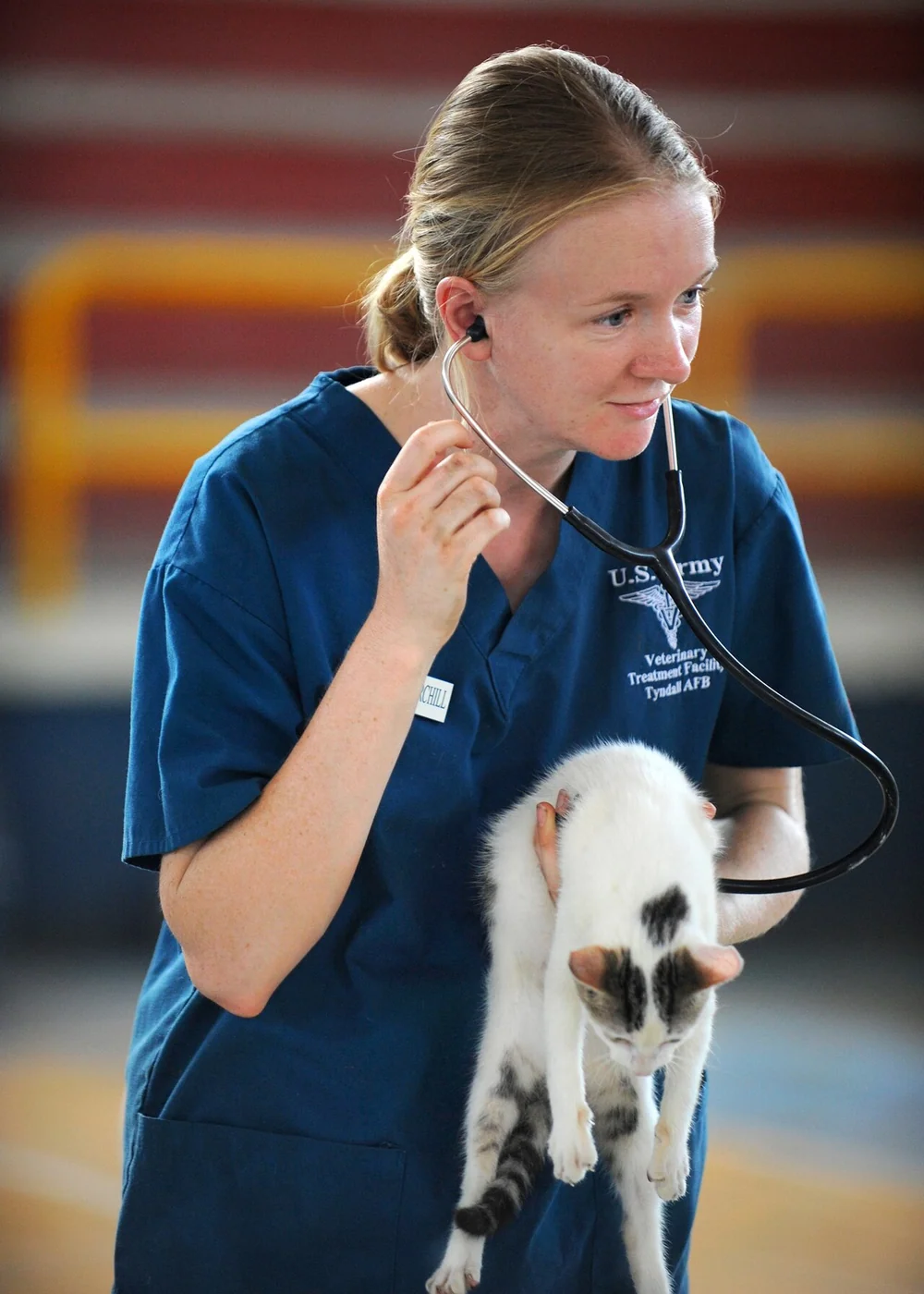
Dr. Victoria Churchill examines a cat at a temporary clinic on a Colombian Marine base in Tumaco, Colombia, June 6, 2011. Churchill is one of many veterinarians taking part in Continuing Promise 2011. Petty Officer 2nd Class Eric C. Tretter · Public domain. Web size optimized; original linked.
Common Eye Conditions in Dogs
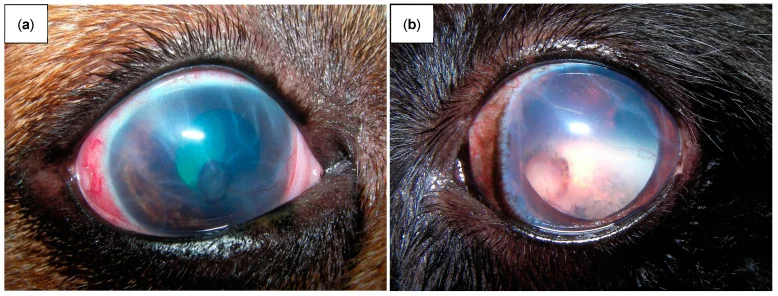
Glaucoma occurs when pressure inside the eye becomes too high, often because fluid cannot drain normally. This increased pressure can damage the optic nerve and retina, leading to pain and permanent vision loss.
Certain breeds show higher rates of specific eye diseases, which is why responsible breeding programs now use genetic screening. The ACVO's Companion Animal Eye Registry collects data from examinations performed by board-certified specialists to help breeders make informed decisions.
Other frequent issues include conjunctivitis and corneal ulcers, particularly in cats, but dogs also face inherited retinal conditions. Veterinary ophthalmologists provide targeted care that general practitioners may refer out for complex cases.
Screening Programs and Research Support
The ACVO collaborates with the Orthopedic Foundation for Animals on the Companion Animal Eye Registry. Only board-certified veterinary ophthalmologists may perform these screening exams, which help reduce the frequency of inherited eye diseases.
A portion of the proceeds from CAER registrations supports the ACVO Vision for Animals Foundation. This foundation funds research aimed at eliminating ocular diseases that cause vision loss and suffering in animals. As of the end of 2024, donations had exceeded $350,000.
Annual events such as ACVO-SAVES provide free screening eye exams for service and working animals. In seventeen years, participating ophthalmologists have donated more than 92,000 exams, with over 300 specialists volunteering each year.
The ACVO offers on-demand educational resources and continuing education for general practitioners. These materials help veterinarians recognize when a case should be referred to a specialist.
Recent member achievements highlight the growing reach of specialized care, including expanded services in remote areas and award-winning clinic designs that improve patient experience.
Public resources such as the ACVO's blog and common-conditions guide equip owners with reliable information on topics ranging from glaucoma to post-surgical care, always encouraging consultation with a boarded specialist.
What Owners Should Know
If a dog shows signs such as squinting, redness, discharge, or cloudiness, an examination by a veterinary ophthalmologist may be warranted. Early intervention often leads to better outcomes.
Breeders and owners alike benefit from understanding that while selective breeding has produced remarkable working abilities, it has also concentrated certain genetic risks. DNA tests and regular eye screenings form the foundation of responsible stewardship.
The field continues to evolve with new imaging techniques and treatment options. Veterinary ophthalmologists remain at the forefront, balancing the preservation of breed traits with the goal of healthier eyes for future generations of dogs.
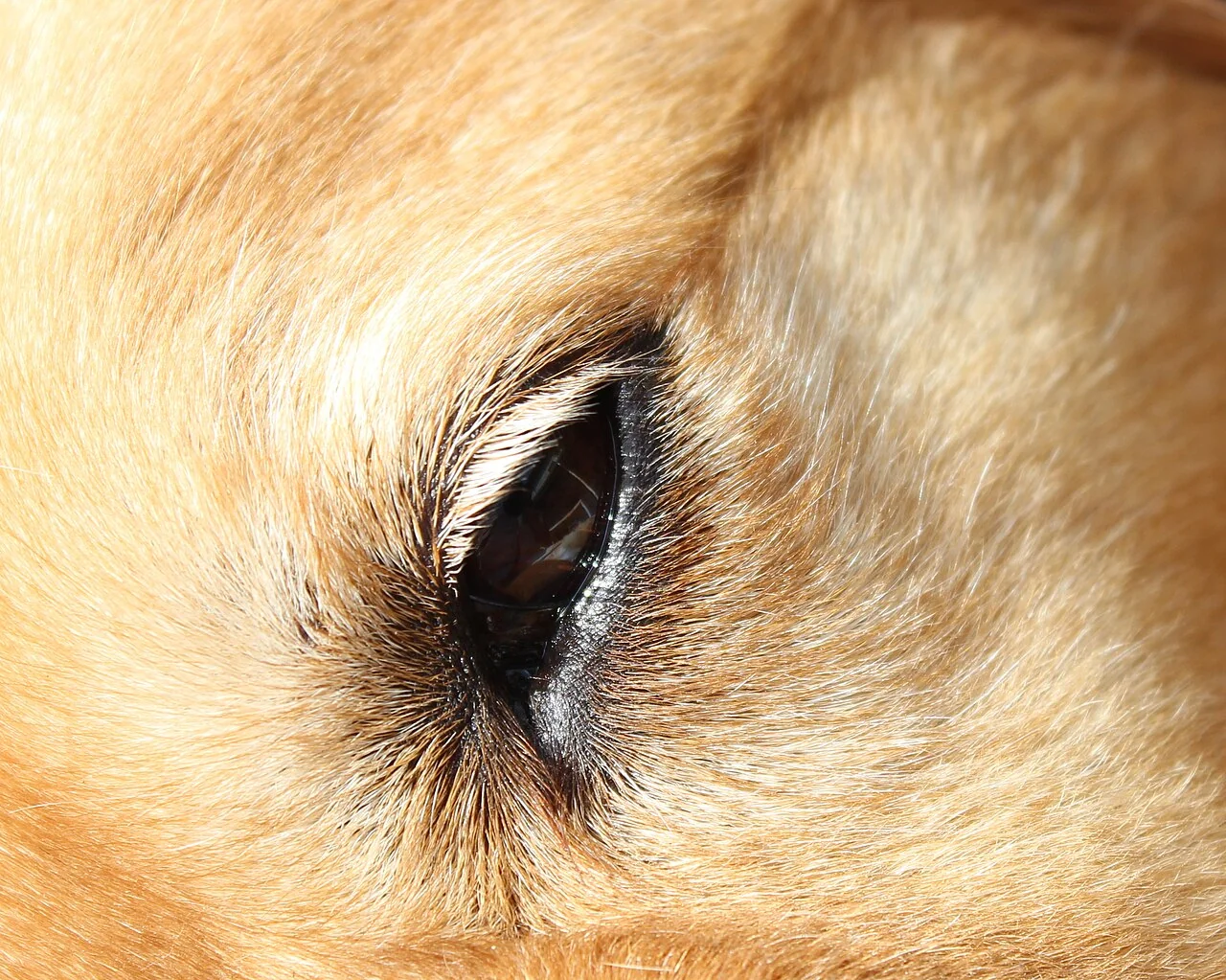
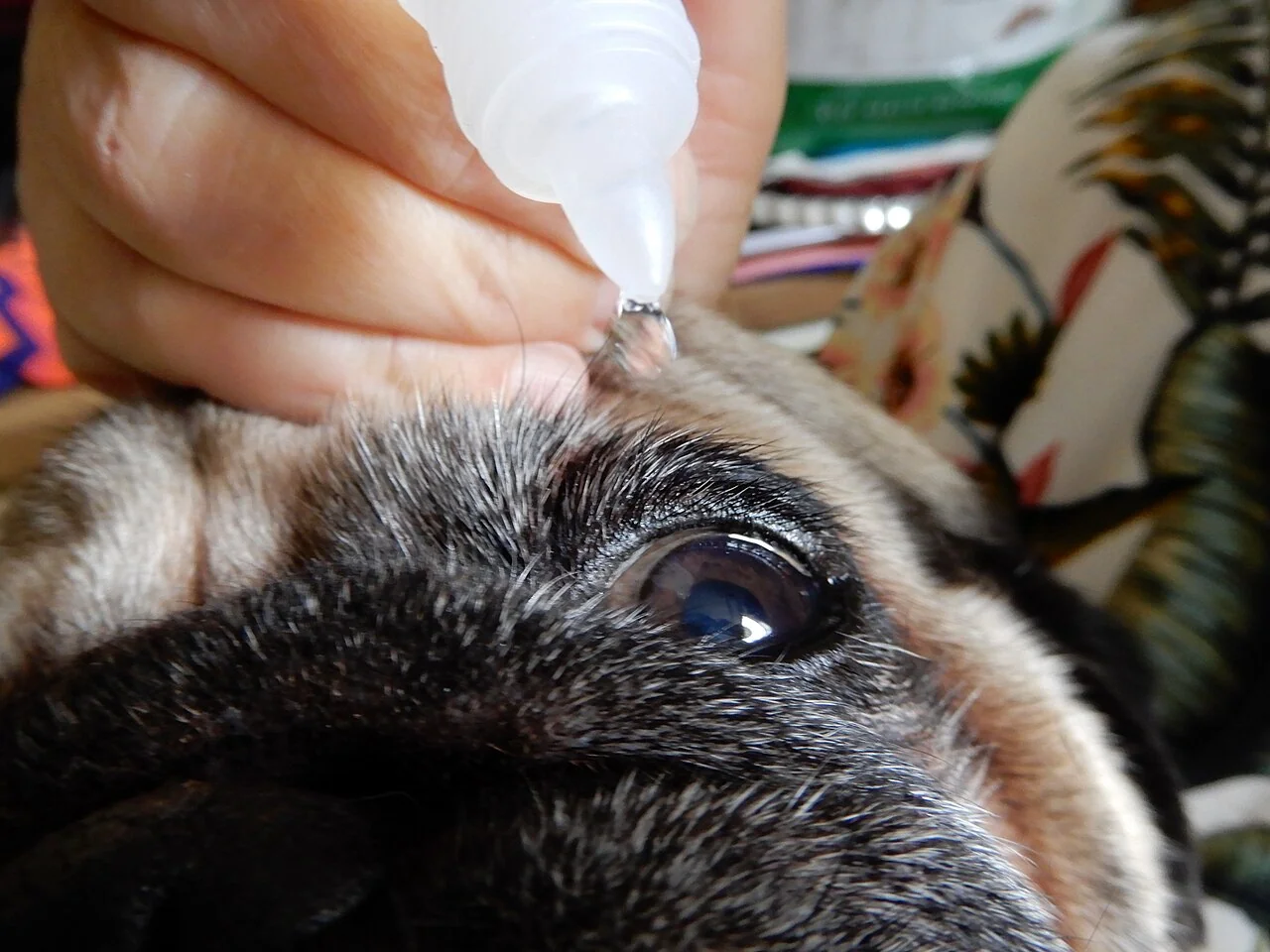
Applying saline solution to a dog's eye Tulumnes · CC BY-SA 4.0. Web size optimized; original linked.
AI-assisted original writing. This feature was revised against source material and checked for unsupported claims. Follow the references below for evidence and its limits.
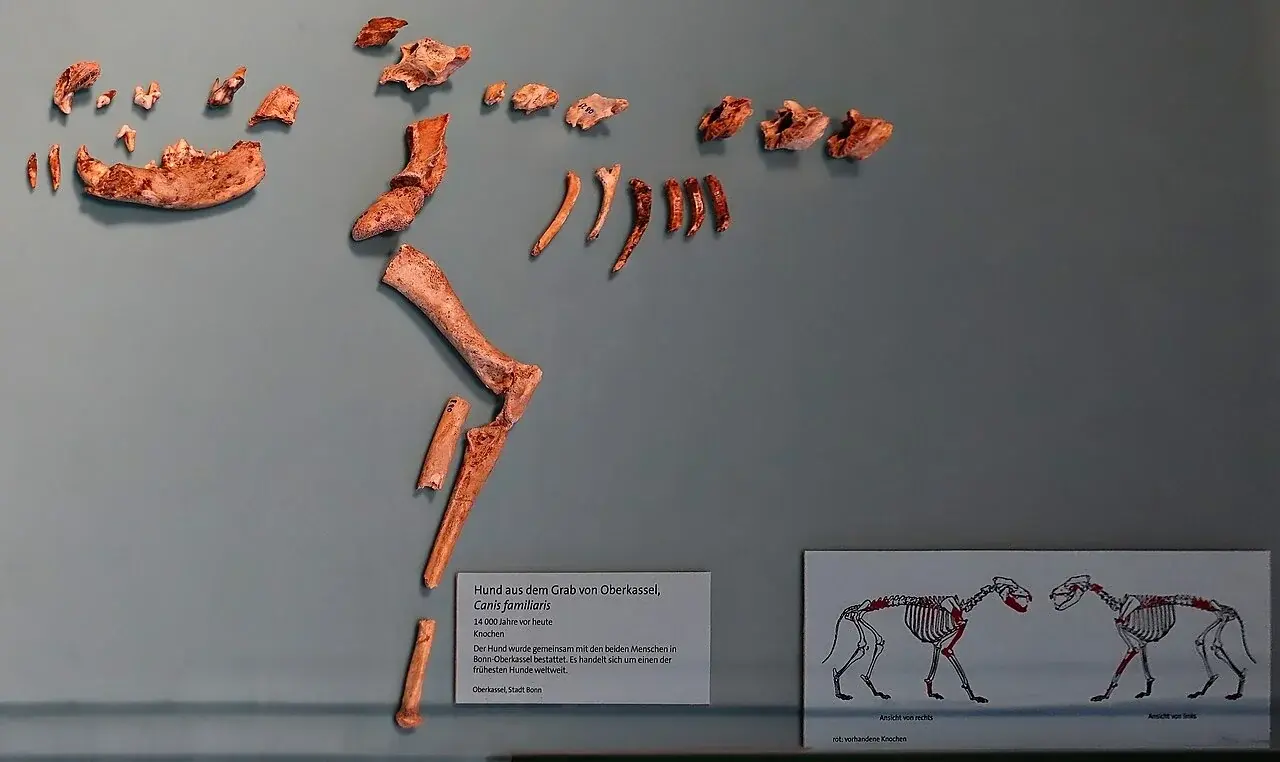
Archaeological finds from select European sites offer glimpses into possible relationships between people and dogs, while underscoring the challenges of interpreting ancient deposits.
Owner-led projects offer scale and real-world glimpses into canine minds, yet differences in tester identity and uncontrolled home settings can introduce systematic errors that large samples do not automatically cancel out.
Penn State researchers once used MRI scans and computer simulations to map airflow inside a dog’s nasal passages, offering clues for designing better chemical sensors.
 Photograph