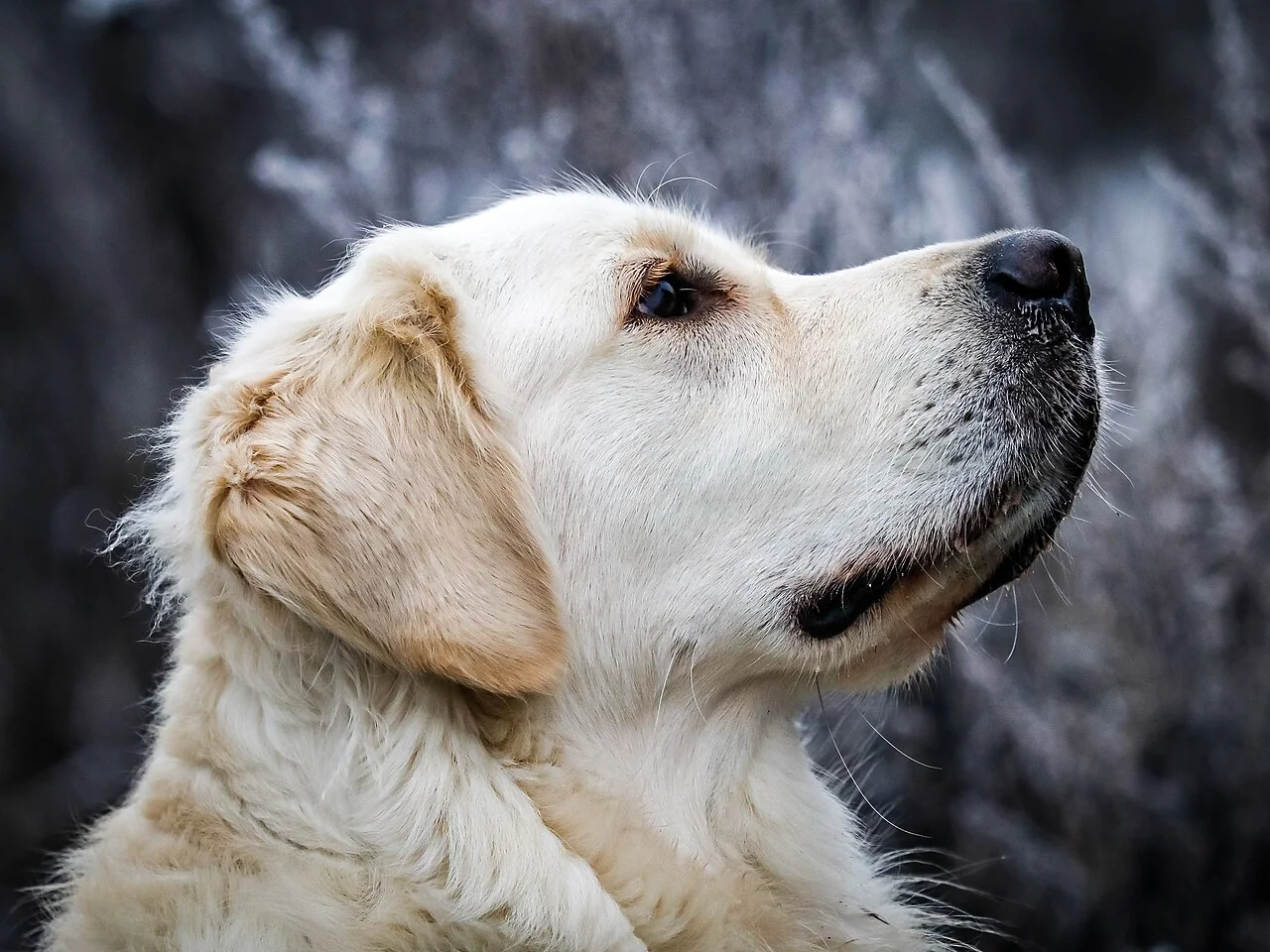
Golden Retriever in woodland setting Dietmar Rabich · CC BY-SA 4.0 · Web size optimized; source linked for the original.
There is something undeniably comforting about draping a dog in human terms. We call them babies, dress them in tiny jackets, and interpret every tail wag as proof of undying devotion. Yet in our eagerness to fold them into our emotional lives, we sometimes blur the line between affection and misunderstanding. A thoughtful approach to living with dogs asks us to step back from the fur-baby lens and rediscover the ancient, lively creature at the end of the leash. The result is not less love, but a clearer, more honest companionship that benefits both sides.
The Warm Pull of Anthropomorphism
Imagine a rainy Tuesday evening. You come home exhausted, and your dog greets you with that full-body wiggle that feels like pure adoration. It is tempting to scoop him up, settle onto the couch, and spend the night sharing popcorn and whispered endearments. In this moment he becomes less a dog and more an emotional support plush toy with heartbeat. The impulse is understandable. Dogs do ease loneliness in ways few other beings can. Their steady presence can soften the sharp edges of a difficult day.
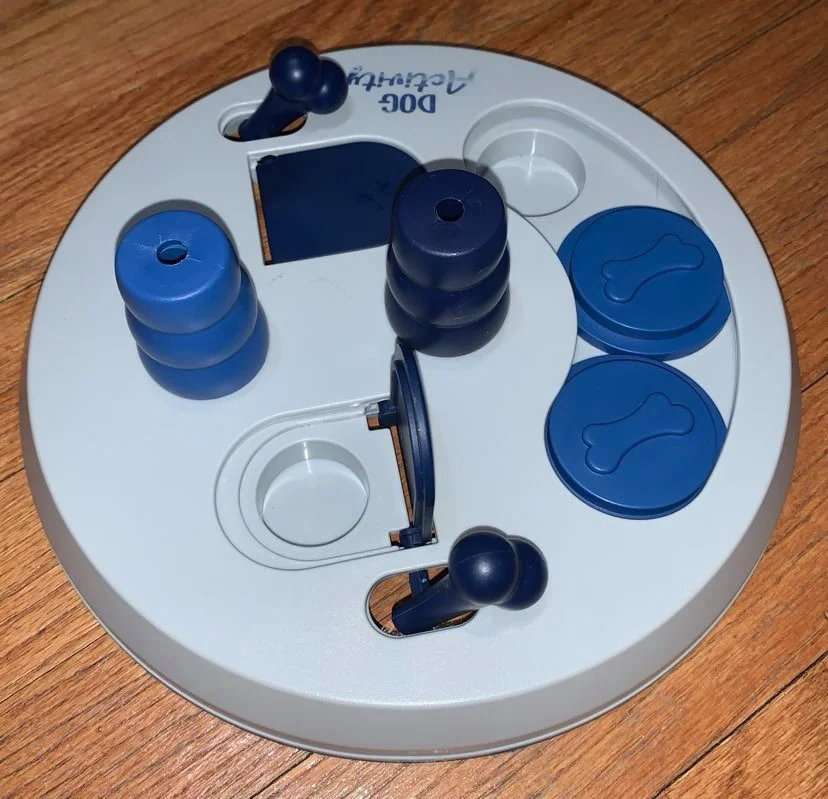
Yet this tender projection carries a subtle cost. When every need is answered with closeness rather than purposeful engagement, a dog may grow restless beneath the calm surface. Picture a golden retriever who has never been asked to wait at a doorway or solve a simple hidden-treat puzzle. Over time the lack of small challenges can surface as frantic pacing or sudden barking at nothing in particular. The tradeoff is real: the immediate comfort of babying meets the longer, quieter satisfaction of seeing a dog light up with purposeful activity. Love, in this light, might mean occasionally saying no to the lap and yes to the backyard game that lets him be brilliantly canine.
Dog puzzle toy for mental stimulation Jessica1954 · CC BY-SA 4.0. Web size optimized; original linked.
The Generous Table That Harms
Consider the well-meaning owner who cannot resist those soulful eyes at dinner. A sliver of steak here, a corner of cheese there. Each offering feels like an act of generosity, a way to include the dog in the family ritual. In the short term the shared bites create a cozy bond. Over months, however, the scale begins its slow climb. The once-spry terrier mix starts to lumber rather than dash, and the joyful zoomies grow rarer. What began as affection quietly limits the very vitality we claim to celebrate.
The alternative asks for a gentle discipline that can feel stingy at first. Measuring meals, reserving treats for training moments, and choosing a long, leisurely walk where the dog’s nose leads the way instead of another lap on the couch. These choices require us to tolerate a few pleading glances and perhaps our own guilt. Yet the payoff appears in brighter eyes, easier breathing on summer days, and the pure pleasure of watching a dog move through the world with the lightness his body was built for. The tradeoff is between fleeting culinary kindness and sustained physical joy.
Training That Speaks Dog, Not Toddler
Envision a lively young Labrador bounding toward every visitor with paws on shoulders and tongue aimed at faces. The owner laughs and says he is only excited to say hello. In that interpretation the dog becomes a furry toddler whose enthusiasm must be indulged. The behavior solidifies, and soon the family avoids guests or keeps the dog crated during gatherings. The very sociability that drew them to the breed becomes a source of stress.
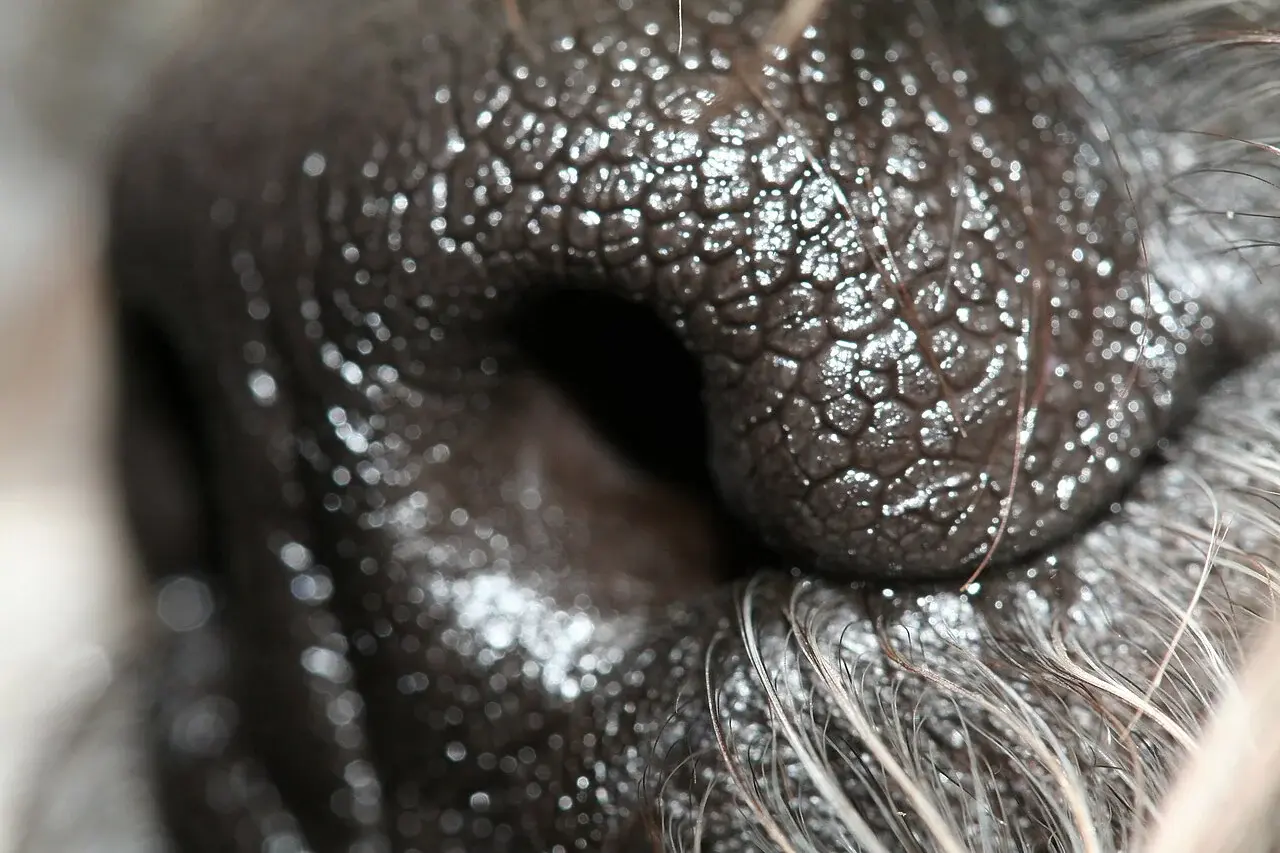
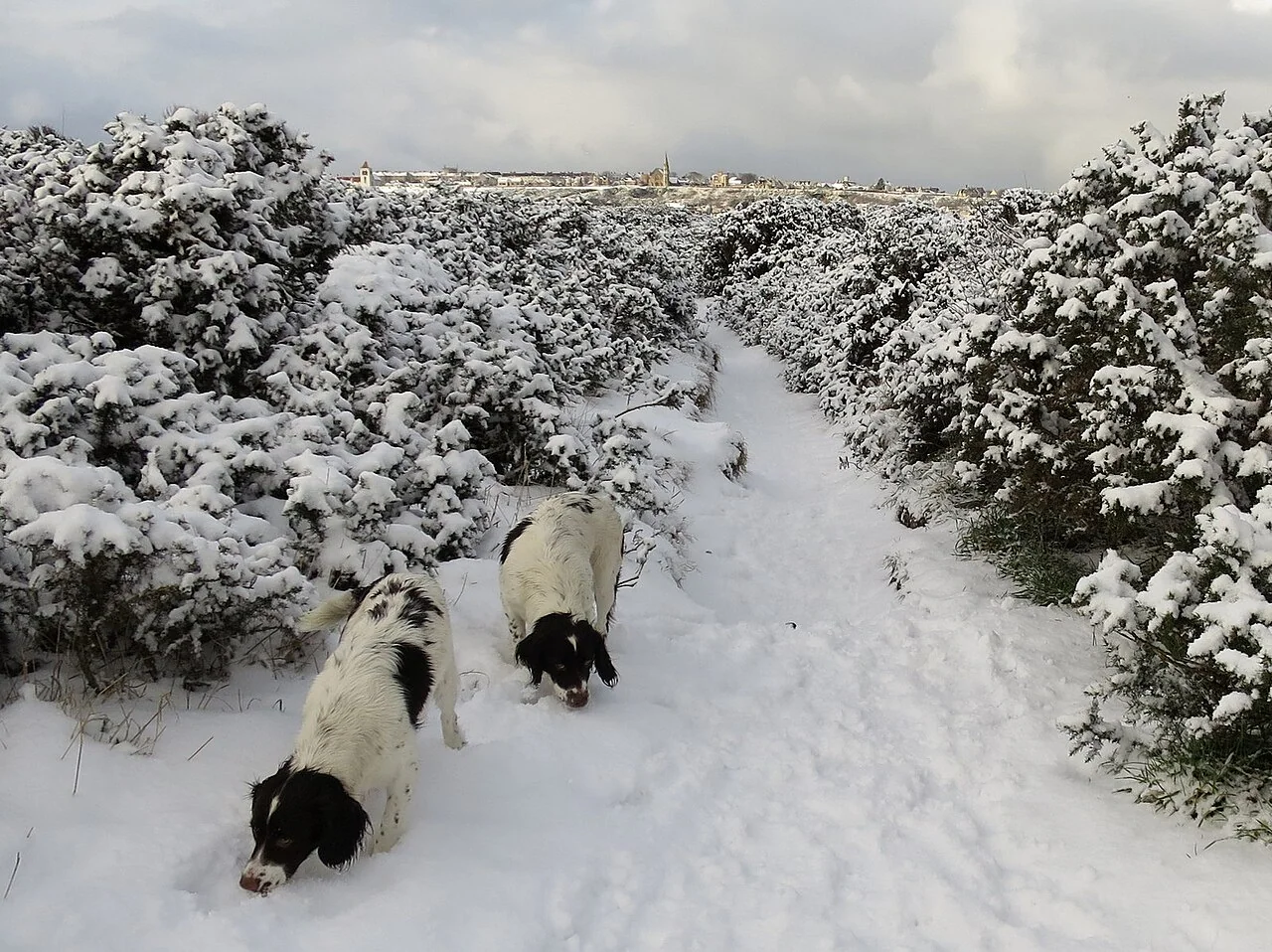
Shifting perspective changes everything. Clear cues delivered in the moment, consistent boundaries practiced daily, and games that channel the dog’s natural drive to search and solve can transform the same animal into a gracious host. Scent games in the yard, where treats are hidden beneath leaves or along fence lines, let him flex the remarkable equipment nature gave him. The effort demands patience and a willingness to look a little silly waving arms or hiding kibble, yet the reward is a dog who understands his role and carries himself with calm confidence. The tradeoff is between easy permissiveness and the deeper satisfaction of mutual understanding.
There's always a scent for a Spaniel! Des Colhoun · CC BY-SA 2.0. Web size optimized; original linked.
Sharing the World Without Apology
Picture a crowded park on a Saturday morning. One owner releases her spaniel to chase a frisbee near a group of picnicking families, explaining that he is “just a big puppy at heart.” The children scatter, parents frown, and another small crack appears in the social contract that lets dogs roam our public spaces. When we prioritize our dog’s emotional freedom above everyone else’s comfort, we risk inviting rules that shrink opportunities for all dogs.
A different path honors both the dog’s nature and the shared environment. Practicing a rock-solid recall, choosing designated off-leash areas for wild play, and teaching polite leash manners create a dog who enhances rather than disrupts community life. The work involves early mornings at the dog park, consistent reinforcement at crosswalks, and the occasional missed social event while training takes priority. In return, neighbors smile instead of sigh, trails stay open to canine hikers, and the dog experiences the rich variety of sights and smells without constant correction. The tradeoff is between unchecked impulse and the lasting freedom that good manners earns.
Rediscovering the Simple Magic of Dogness
None of this means withholding warmth. A dog curled at your feet after a long ramble through woods still feels the depth of your affection. The difference lies in the quality of that time together. When walks include time for serious sniffing, when training games respect the power of a nose that can detect a treat from across the yard, and when household rules reduce anxiety rather than create it, the relationship gains texture. The tail that wags then carries the satisfaction of purpose rather than the jitter of unmet need.
Living well with dogs ultimately asks us to balance our human longing for closeness with their ancient inheritance as scent-driven, pack-oriented hunters and guardians. We trade the Instagram-ready image of a dog in sunglasses for the living reality of an animal who thrives on clarity, movement, and mental challenge. In that exchange we often find a quieter, more durable joy. The hypothetical dog who once seemed perpetually needy becomes a steady partner whose bright eyes and willing cooperation remind us daily why we invited another species into our homes. Both lives feel larger for the honesty of that arrangement.
AI-assisted original writing. This feature was revised against source material and checked for unsupported claims. An editorial perspective; interpretations are distinguished from factual reporting.
Sources & further reading
This article is labeled opinion and offers an editorial perspective.
Focusing on certain breeds distracts from the real drivers of dog bites: negligent ownership and missed opportunities for early socialization that affect every kind of pup.
Urban planners rarely pause to consider how their straight paths and echoing plazas feel through a dog's nose, ears, and eyes, yet a few gentle adjustments could transform shared spaces into places where both species truly thrive together.
Strict enforcement on suburban paths and trails quietly shields our canine companions from injury, escape, and tense encounters that off-leash freedom too often invites.
 Photograph