Livestock Guarding Dogs in Turkey’s Highland Sheep Systems
In the rugged pastures of central Anatolia, large guardian dogs help protect flocks during seasonal movements between villages and cooler summer grazing lands.
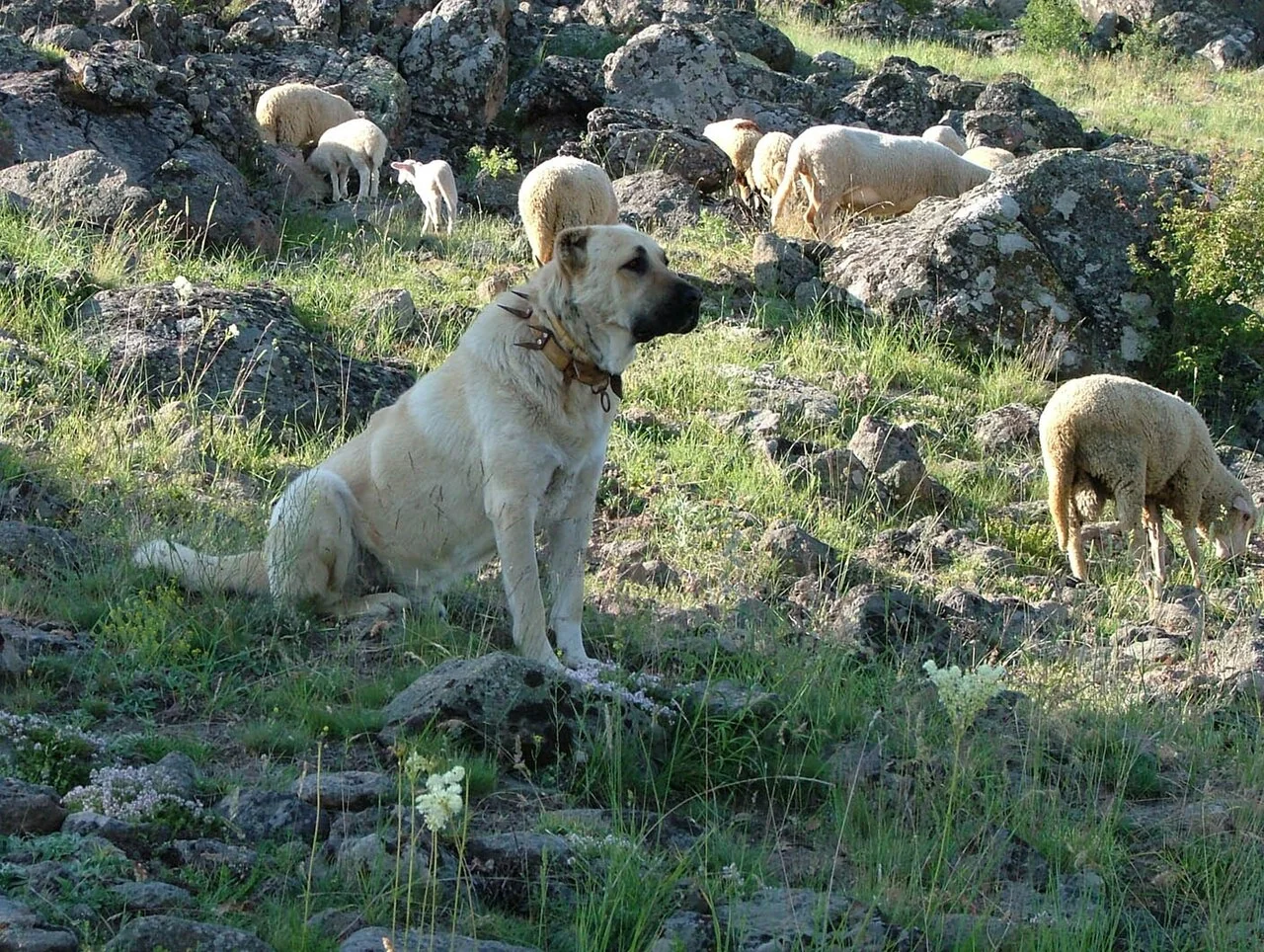
Kangal Shepherd Dog standing with sheep in Turkey (2005) friend of tr:user:Onur1991 · CC BY-SA 3.0 · Web size optimized; source linked for the original.
Turkey’s traditional sheep-rearing practices often involve moving animals from lowland villages to highland pastures each summer. In regions such as Sivas, dogs play a role alongside shepherds in keeping watch over the flocks. Research has examined how these dogs behave in their native environment, revealing patterns that reflect both their working role and the influence of human handlers. While the dogs are known for their protective instincts, studies highlight nuances in how they interact with both livestock and people. This article draws directly from available field observations and descriptions of Turkish livestock systems to explore the practical realities of these guardian animals, with some light editorial observations on what their behavior might mean for modern herding.
Turkey’s Highland Sheep Production Patterns
Sheep production in northeastern, eastern, and southern Turkey frequently follows a highland system. Animals are kept in villages during winter and early spring, then moved to higher pastures in late spring or early summer. This migration typically lasts three to five months, after which the flocks return to the villages once grazing resources are depleted. The pattern allows sheep to access cooler, fresher forage during the hotter months, reducing stress on both animals and the land around permanent settlements. In central Anatolia, including areas around Sivas, this transhumance is a longstanding practice tied to the local environment and the needs of breeds such as Akkaraman sheep.
A related but distinct nomadic system operates in parts of eastern and southeastern Turkey, where larger groups may travel with flocks numbering in the tens or even hundreds of thousands. These movements shift from southeastern lowlands in colder periods to higher eastern lands during hot seasons. While the scale differs, both approaches reflect adaptation to seasonal changes in climate and vegetation. The evidence underscores that such systems are shaped by geography rather than any single management tool or animal type, though local livestock guardians often form part of the picture in central regions.
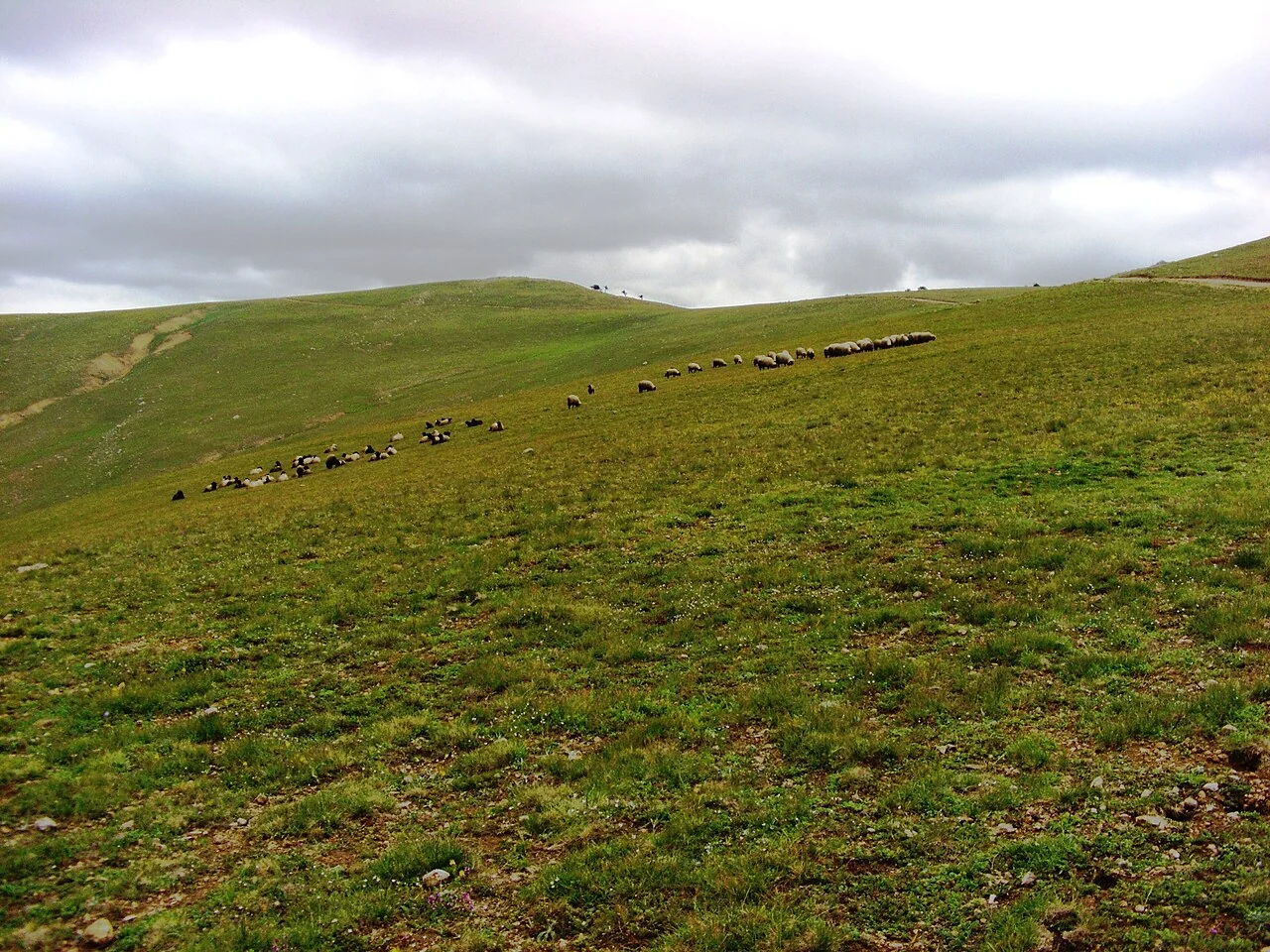
Karayaka sheep flock grazing on highland pastures in Çekümbeli, Gümüşhane Province, Turkey Dr. Zeynel Cebeci · CC BY-SA 3.0. Web size optimized; original linked.
Characteristics of Kangal Shepherd Dogs
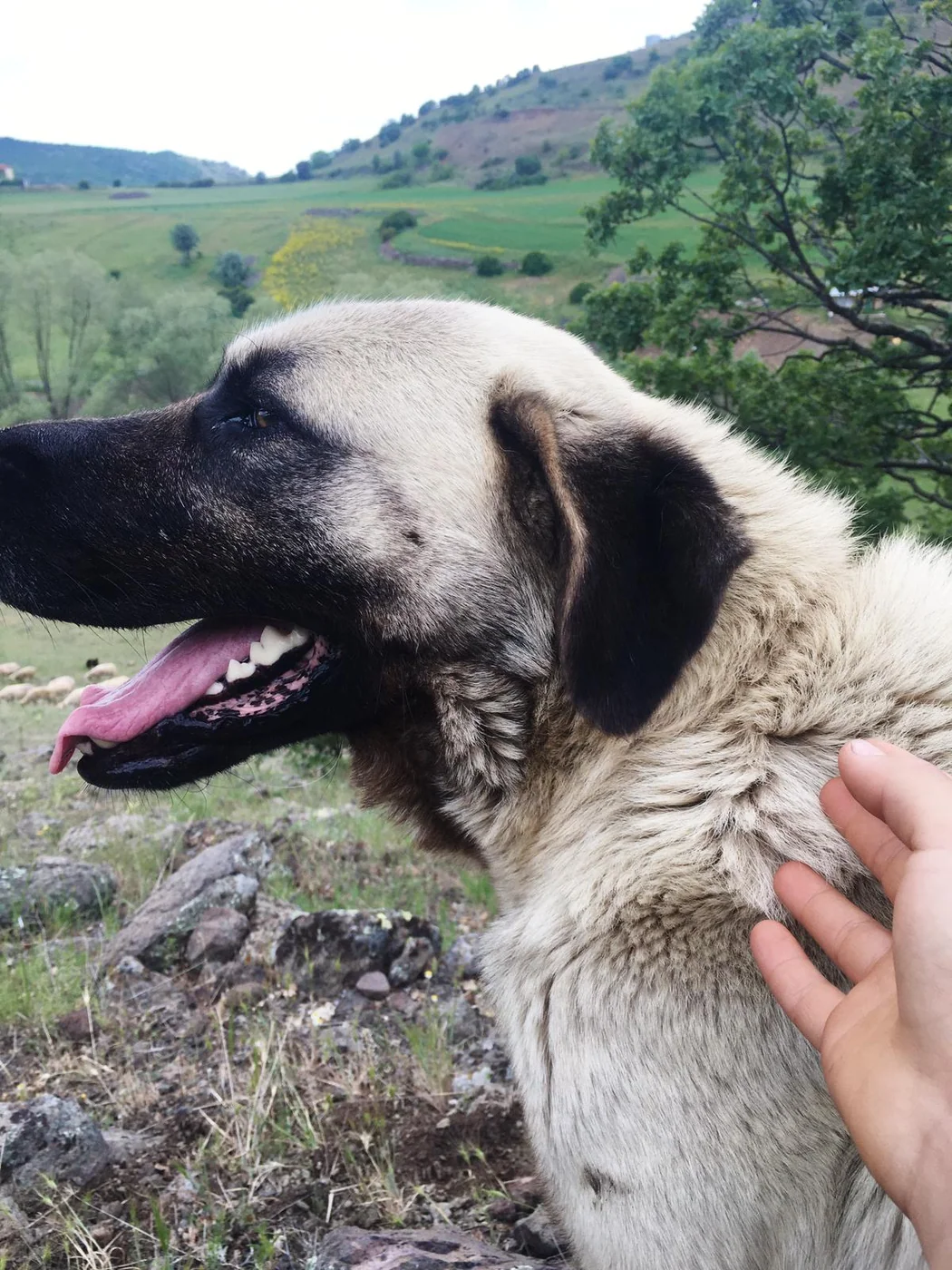
The Kangal Shepherd Dog is described as an endemic large breed from Anatolia, Turkey, traditionally used for guarding livestock. Originating from the area around the town of Kangal in Sivas Province, these dogs are noted for their ability to handle the cold, harsh climate of eastern Anatolia. They are characterized as molosser-type flock guardians that act as fearless protectors. Their physical build and temperament suit them to outdoor work in demanding conditions, where they stay alert to potential threats.
Historical and descriptive accounts link the breed closely with Akkaraman sheep production, which is prominent in the same province. The dogs’ regional association with these sheep systems suggests a practical pairing shaped by local needs. However, the sources do not provide evidence that the dogs accompany every flock or participate directly in long-distance migrations; their connection remains one of overlapping geography and traditional use rather than documented universal involvement.
Observed Behavior in Natural Pasture Settings
A field study tracked ten sheep flocks guarded by Kangal dogs in the Sivas region using GPS devices on dogs, sheep, and shepherds. The data showed that the dogs tended to move farther from the herd than the shepherd did during nighttime hours. Interestingly, both the dogs and the human herders stayed closer to the flock at night compared with daytime hours, when animals and people spread out more across the pasture. This pattern points to heightened vigilance after dark, when predation risks may increase.
The research also found that the dogs generally formed a closer working relationship with the shepherd than with the sheep themselves. This observation has been interpreted as possibly indicating some disruption in one of the classic livestock-guarding behavioral traits—attentiveness to the flock—potentially influenced by the strong human-animal bond. Such findings invite questions about how modern management practices shape the dogs’ instincts, without diminishing their overall contribution to flock security.
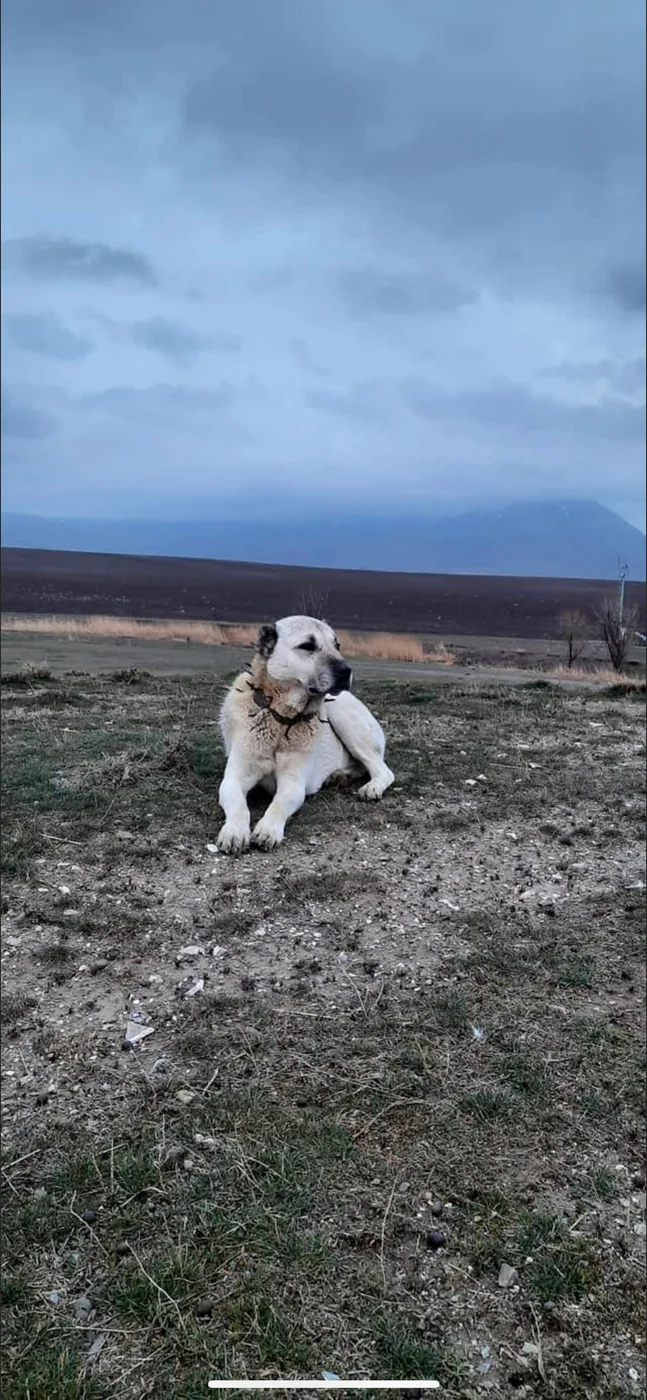
Kangal dog watching sheep in a pasture setting Ömer · CC BY-SA 4.0. Web size optimized; original linked.
Implications for Shepherds and Flock Management
The GPS evidence suggests that effective guarding may rely as much on coordination between dog and shepherd as on the dog’s independent attachment to the sheep. When dogs align more closely with people, shepherds gain a reliable partner for monitoring wide areas, especially at night. This partnership could reduce losses, though the sources do not quantify exact outcomes or compare different guarding strategies. For herders practicing seasonal transhumance, having dogs that respond to human cues may simplify oversight during the physically demanding moves between lowlands and highlands.
From an editorial perspective, these insights raise practical questions for anyone involved in livestock protection: How can handlers encourage both strong human bonds and sufficient flock attentiveness? In Turkey’s varied production systems, the answer likely depends on flock size, terrain, and specific threats. Light-hearted reflection suggests the dogs have found a clever balance—staying loyal to the person who provides dinner while still keeping an eye on their woolly charges. Yet the research reminds us that real welfare gains come from thoughtful management rather than assuming any breed is automatically suited to every context.
Reading Questions and Broader Considerations
Considering the described behaviors, readers might ask: What training or selection methods best maintain a dog’s protective instincts while preserving its bond with handlers? How do changing land-use patterns in Anatolia affect the feasibility of traditional highland migrations and the role of guardian dogs within them? These questions flow directly from the observed distance patterns and the regional overlap between Kangal dogs and transhumance systems. They highlight the need for ongoing field studies rather than relying on assumptions about any single animal’s performance.
On the opinion side, one might imagine a fictional scenario in which a Kangal dog, tired of following both shepherd and sheep across the same hill for the umpteenth summer, decides to open a canine travel agency specializing in “guided pasture tours.” This satirical invention is offered purely for amusement and does not reflect any documented events, research findings, or real-world claims. In serious terms, the evidence supports viewing these dogs as adaptable partners within a larger, geographically driven livestock system—one that balances animal welfare, human livelihood, and environmental realities. Their story underscores the value of evidence-based understanding over romanticized notions of unbreakable flock loyalty.
AI-assisted original writing. This feature was revised against source material and checked for unsupported claims. Follow the references below for evidence and its limits.
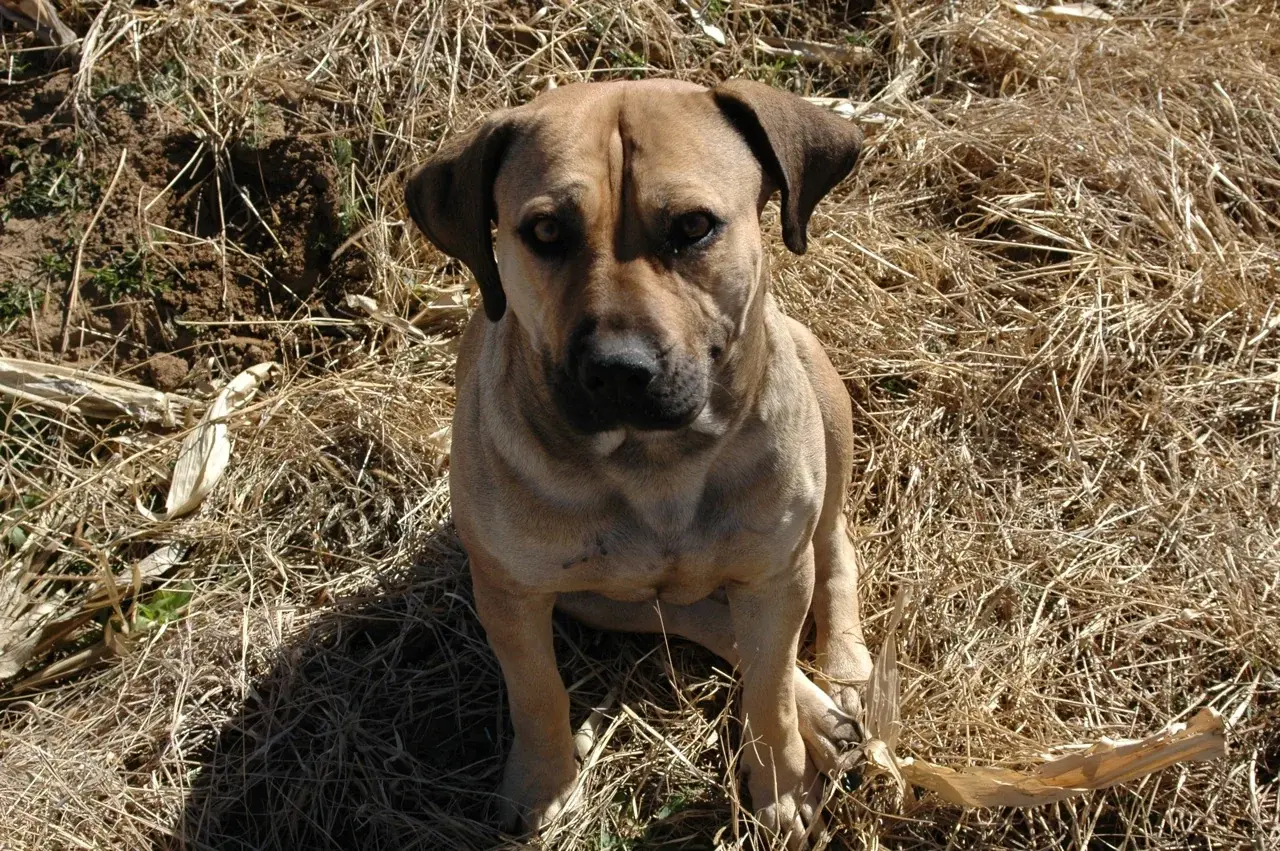
Large mastiff-type dogs have served as protectors on remote South African farms for generations, though many popular stories about their exact origins remain unverified tradition.
 Photograph