Portuguese Livestock Guardians: Working Dogs in Wolf Country
Native guardian breeds from northern Portugal continue to help farmers and conservationists reduce conflicts between people, livestock, and Iberian wolves.
Cão de Castro Laboreiro in Entalada, Castro Laboreiro, northern Portugal (2006). Maria Lemos from Porto, Portugal · CC BY-SA 2.0 · Web size optimized; source linked for the original.
In the rugged mountains of northern Portugal, dogs have long played a practical role alongside shepherds and their flocks. Among the native breeds valued for this work are sturdy livestock guardians that help deter wolves. Official kennel club records and a long-running conservation program describe these dogs as loyal protectors in high-country terrain where wolf encounters remain a reality. While specific long-term data on any single breed can be limited, the overall approach illustrates a hands-on way to ease human-wolf tensions. This article looks at the background, current use, and broader implications drawn from available sources, with some light observations on the dogs’ character that reflect common descriptions rather than proven science.
Origins in Portugal’s Northern Mountains
The Cão de Castro Laboreiro takes its name from a village in the Melgaço municipality in extreme northern Portugal. The breed is associated with a mountainous rustic region stretching from the Minho River to the Peneda and Soajo mountains, where altitudes reach up to 1,400 metres. According to the Portuguese Kennel Club, it is considered one of the most ancient breeds of the Iberian Peninsula. These dogs were traditionally valued in an environment where livestock needed reliable protection from predators.
The official breed standard highlights the dog’s historical role in a landscape shaped by both geography and traditional farming. Steep slopes, seasonal weather changes, and the presence of wolves have influenced the type of animal best suited to the work. While the kennel club presents the breed as an established part of local heritage, independent historical records that isolate its exact development over centuries are not provided in the cited source material. Readers might usefully ask how much of the “ancient” label rests on oral tradition versus documented lineage, a common uncertainty when tracing working breeds.
Landscape of Parque Nacional da Peneda-Gerês, northern Portugal (2016). Harpagornis · CC BY-SA 4.0. Web size optimized; original linked.
Traditional Role as Flock Protectors
Portuguese kennel club materials describe the Cão de Castro Laboreiro primarily as a guard dog, watch dog, and livestock guarding dog. Its main practical function has been the protection of flocks. The breed standard notes that the dogs are loyal and docile with their own families while remaining indispensable for defending livestock against wolf attacks, which the document states are still frequent in areas near the breed’s origin.
This combination of traits—affectionate at home and vigilant in the field—appears repeatedly in descriptions of Iberian guardian breeds. A touch of humor emerges in the mental image of a powerful dog that might ignore a stranger at the gate yet melt when greeted by its shepherd; such personality contrasts are often reported anecdotally but should be taken as interpretive color rather than verified behavioral science. The evidence does not quantify how many wolves are turned away by any individual dog or breed, only that the role is considered ongoing.
Modern Conservation Efforts
Since 1987, the Portuguese wolf conservation group Grupo Lobo has run a program that supplies native livestock guardian breeds, including the Cão de Castro Laboreiro, to farmers in wolf areas. The initiative operates in mountainous districts such as Vila Real, terrain that shares environmental features with the breed’s historic range. The goal is straightforward: reduce conflict between wolves and livestock by giving farmers working dogs that can deter predators without lethal measures.
Grupo Lobo reports that its broader program has supported more than 380 livestock farmers and has integrated and monitored more than 690 puppies of several native guardian breeds. These cumulative figures cover multiple types of dogs and do not break out exact numbers for the Cão de Castro Laboreiro alone. The organization also notes that the breed continues to be used to protect cattle herds in its origin region even as traditional livestock practices have declined. This suggests the dogs retain practical value beyond nostalgia, though the evidence remains descriptive rather than statistically controlled.
Cão de Castro Laboreiro, a native Portuguese livestock guardian breed supplied to farmers by Grupo Lobo since 1987. Schiowa · CC BY-SA 3.0. Web size optimized; original linked.
Challenges and Practical Limitations
Both the kennel club and the conservation group acknowledge that wolf presence is a continuing reality in northern Portugal. Yet the cited sources provide no specific counts of prevented attacks, exact survival rates of distributed puppies, or long-term economic impact on individual farms. The absence of isolated data for any one breed is a recurring limitation; results are presented as program-wide rather than breed-specific.
This raises useful questions for readers interested in conservation tools. How durable are these dogs in today’s changing agricultural economy? Can a single breed carry the full weight of expectations placed on it, or does success depend on mixing several guardian types? The evidence supports the idea that the dogs form one part of a larger toolkit, but it stops short of claiming they are a complete or guaranteed solution. Light-hearted as it may sound, even the toughest mountain dog occasionally needs a dry bed and a kind word—reminders that welfare matters on both sides of the predator-prey equation.
Implications for Coexistence
The Portuguese experience offers a practical model for living alongside large carnivores. By reinforcing traditional guardian dogs within a formal conservation program, farmers gain non-lethal options while wolves retain habitat. The approach aligns with wider European efforts to balance rural livelihoods and biodiversity. Still, success appears to rest on continued monitoring, farmer buy-in, and realistic expectations about what dogs can achieve in variable conditions.
For those considering similar programs elsewhere, the Portuguese example suggests starting with breeds already adapted to local climates and predator pressures. Editorial reflection: the quiet partnership between shepherd, dog, and wolf feels almost poetic, yet it demands ongoing commitment and funding. No source claims the conflict has been solved; rather, it is managed. Readers might ask what additional measures—better fencing, compensation schemes, or public education—would strengthen the current system. The dogs themselves remain impressive working partners, even if their legend sometimes outpaces the measurable data.
Cão de Castro Laboreiro famous mountain dog in Portugal Reiner Ehlers · CC BY 2.0. Web size optimized; original linked.
AI-assisted original writing. This feature was revised against source material and checked for unsupported claims. Follow the references below for evidence and its limits.
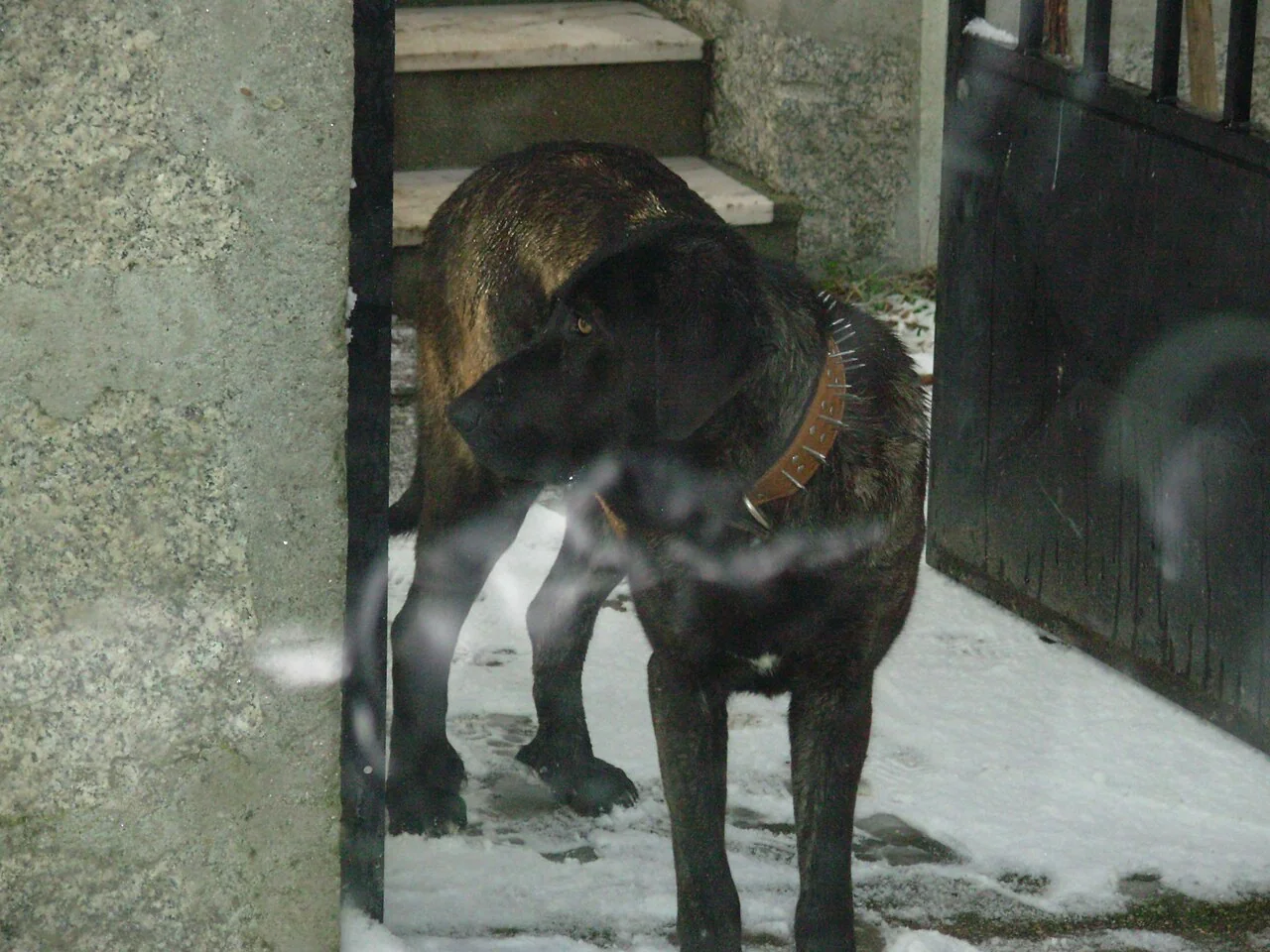
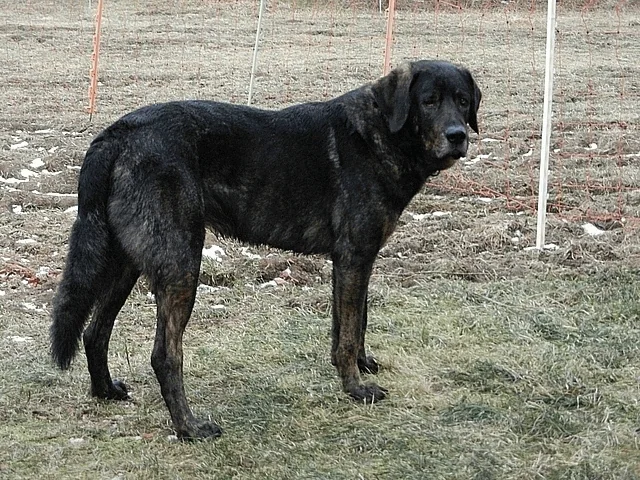
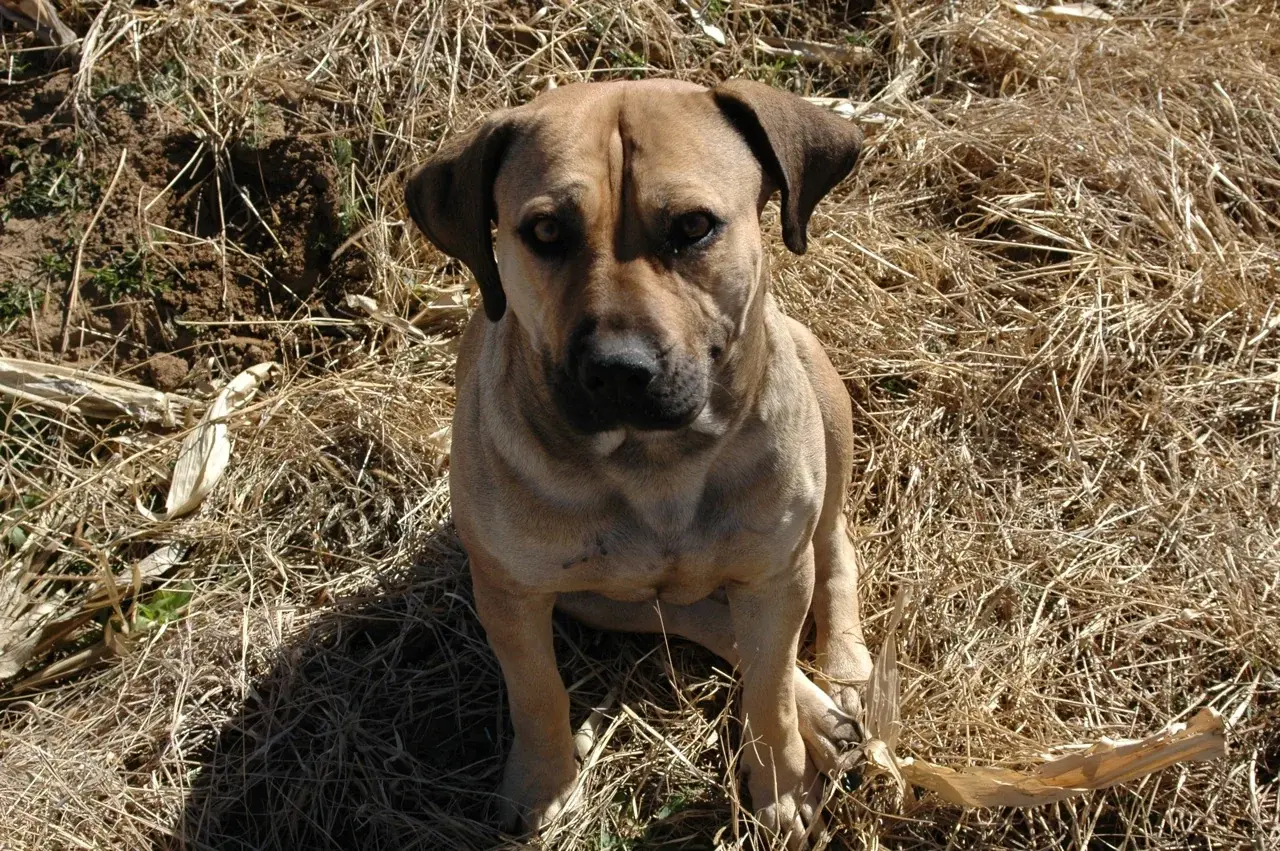
Large mastiff-type dogs have served as protectors on remote South African farms for generations, though many popular stories about their exact origins remain unverified tradition.

 Photograph