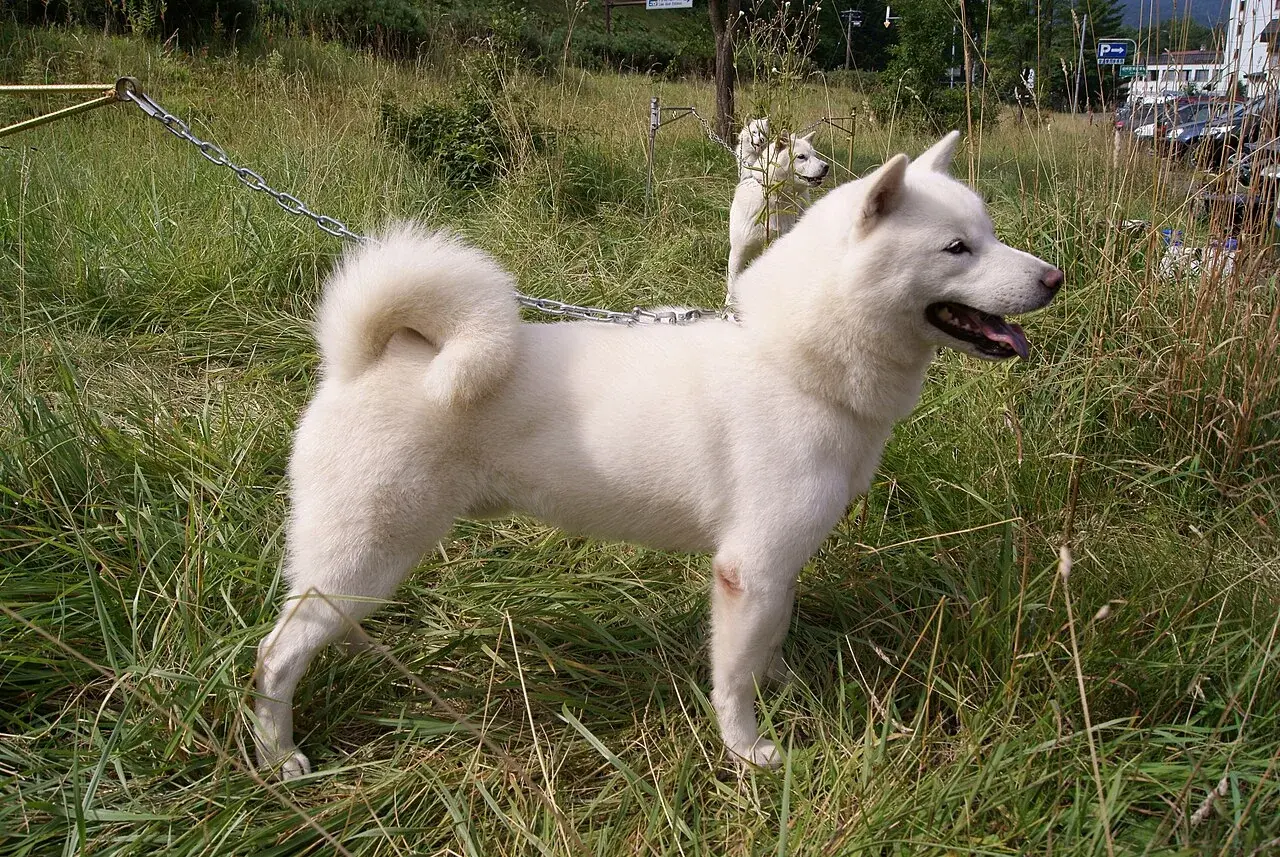
Preserving Hungarian Herding Traditions Through Competitions
Enthusiastic breeders maintain the working abilities of native Hungarian sheepdogs like the Pumi by organizing instinct tests and style-specific trials rooted in shepherding culture.
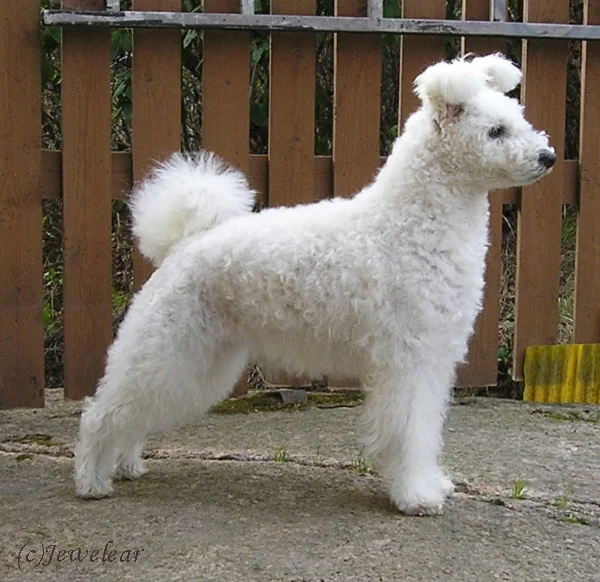
Pumi female, Jewelear Betula Lupulina Taru T Torpström · CC BY-SA 3.0 · Web size optimized; source linked for the original.
In Hungary, a small group of dedicated breeders and shepherds has worked since the late 1990s to keep alive the practical herding skills of the country’s native sheepdogs. These efforts center on organized events that test a dog’s natural instincts and learned control of livestock, all while honoring long-standing rural traditions. The Pumi, known for its lively terrier-like energy, features prominently in these activities. The events blend competition with cultural preservation, giving handlers and dogs a chance to demonstrate partnership in managing flocks without harm. While the programs focus on several Hungarian breeds, they highlight the distinctive approaches each brings to the task.
Origins of Organized Herding Trials
The structured testing of herding instincts among Hungarian sheepdogs began in April 1997 under the umbrella of the Hungarian Kennel Club (MEOE) and the Hungarian Puli-Pumi-Mudi Club. These initial examinations used native sheep to evaluate the natural abilities of thoroughbred dogs from the Puli, Pumi, and Mudi breeds. The goal was straightforward: to confirm that the dogs retained the traits that made them useful to generations of shepherds. Within a year, this led to the first Hungarian Amateur Shepherd Championship, held on 10 October 1998 in Nyíregyháza. That event set a pattern that continues today, requiring dogs to pass qualifying rounds before they can compete for the title of Hungarian Champion.
These early steps reflected a broader concern that modern breeding trends might dilute the working character of these dogs. By creating regular, nationwide qualifying events, organizers ensured that only dogs demonstrating genuine ability advanced. The championships now run alongside other activities such as breeding reviews, dog shows, obedience trials, and character assessments. This mix keeps the focus on well-rounded animals that can thrive both in the show ring and in practical fieldwork. The cooperative effort between MEOE and the Duna-Tisza Hungarian Shepherd Dog Tradition Preserving and Sport Association has helped embed these tests within the larger framework of Hungarian canine sports.
Sheepdog herding trial in progress Geoff Charles · CC BY-SA 4.0. Web size optimized; original linked.
The Distinctive Hungarian Herding Style
Hungarian herding competitions emphasize a traditional approach known as magyar stílus. This style draws directly from centuries of shepherding culture and relies on the natural behaviors of native breeds. Rather than silent, crouching work seen in some other herding traditions, Hungarian dogs often use barking and energetic movement to manage their flocks. They circle the sheep, vocalize, and apply just enough pressure to keep the group together and moving in the desired direction. Judges look for dogs that understand the flock’s dynamics quickly and work with confidence even if they have limited prior experience.
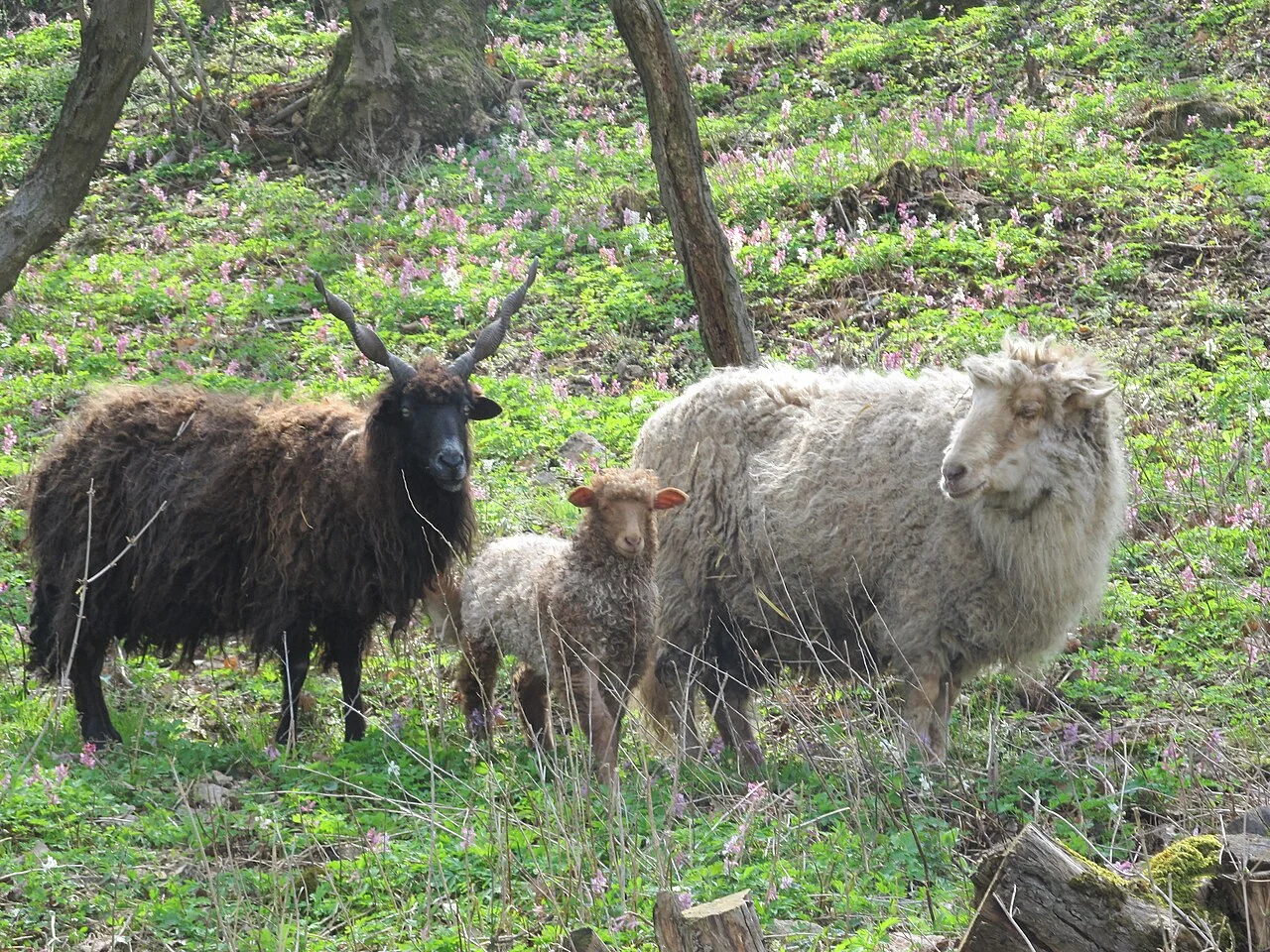
A well-trained dog in these trials avoids bruising or injuring the sheep, relying instead on positioning, noise, and controlled dashes. This method suits the terrain and the types of livestock historically found in Hungary, including the distinctive Racka sheep with their spiral horns. The style rewards dogs that show initiative and read both the handler’s cues and the flock’s mood. For breeds like the Pumi, this energetic, almost playful approach fits their terrier-type character, turning the work into a lively display of partnership rather than a quiet, mechanical exercise. Observers often note the visible enthusiasm these dogs bring to the task.
How Instinct Tests and Competitions Work
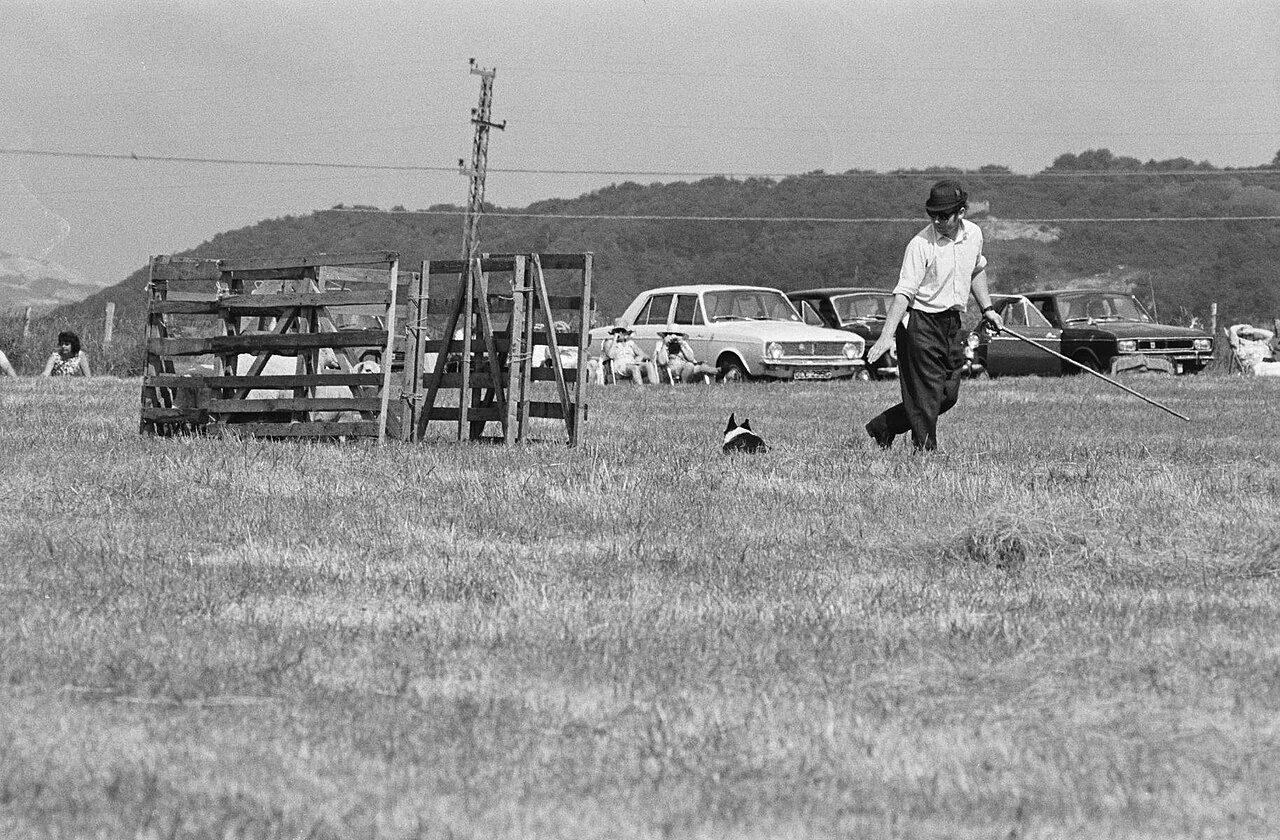
At the start of a typical trial, the handler and dog approach the flock together. Beginners usually work on leash while more experienced teams perform off-leash. Judges evaluate the dog’s initial reactions: does it show interest in the sheep? Does it attempt to control their movement in a balanced way? Dogs that demonstrate strong instinct are allowed to progress to more advanced herding tasks. The emphasis is on natural ability first, with training building on that foundation.
Qualifying rounds take place across the country each year, giving handlers from different regions a chance to participate. Only those who pass these preliminary tests may enter the national championship competition. The events are designed not just to crown winners but to identify and promote dogs that carry forward the working heritage of their breed. Handlers receive feedback on their dog’s performance, helping them improve for future trials. The atmosphere at these gatherings often mixes serious evaluation with a sense of community among people who value the old ways of rural life.
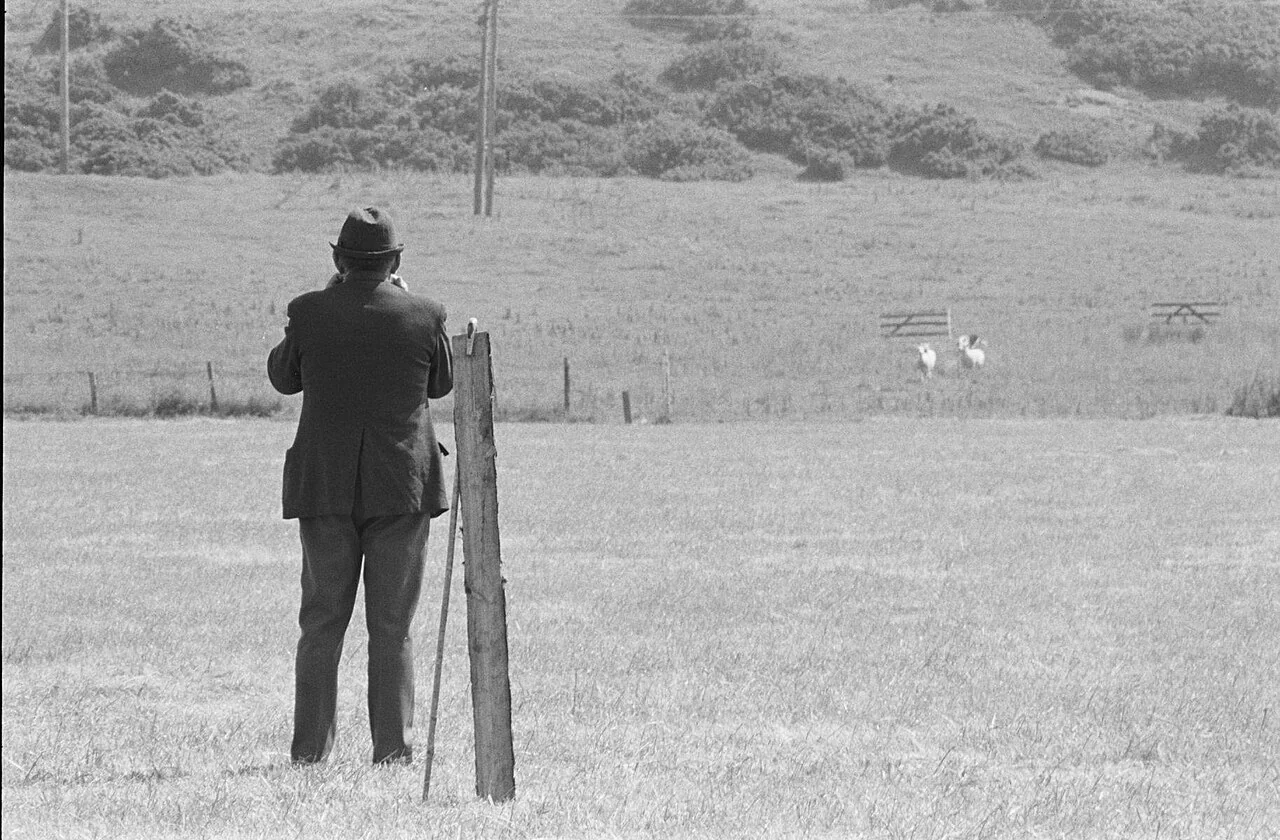
Sheepdog trial in progress, Llandudno 1972 Geoff Charles · CC BY-SA 4.0. Web size optimized; original linked.
Role of the Pumi and Similar Breeds
The Pumi stands out in these events for its quick understanding of flock management. Even dogs without extensive training often show an immediate grasp of how to influence sheep movement. Their compact size, alertness, and vocal nature make them well-suited to the Hungarian style, where barking and active circling serve as primary tools. The breed’s terrier-like spark adds an element of liveliness that spectators and judges alike seem to enjoy. While the trials include multiple native breeds, the Pumi’s distinctive approach helps illustrate the variety within Hungarian herding culture.
Preserving these internal working traits matters as much as maintaining physical conformation standards. Breeders use the competition results to guide future pairings, aiming to keep the dogs mentally sharp and physically capable. This dual focus helps prevent the breeds from becoming purely ornamental. At the same time, the events offer an enjoyable outlet for owners who may not have access to large flocks in daily life. Watching a Pumi dart around a group of sheep, barking instructions in its own way, provides a vivid reminder of why these dogs were developed in the first place.
Implications and Questions for the Future
These herding programs demonstrate how targeted events can help maintain breed character that might otherwise fade. By linking competition success to instinct and traditional style, organizers create incentives for breeders and handlers to prioritize working ability. The acknowledged rules, developed from practical experience and recognized by the FCI, provide a consistent framework that balances animal welfare with cultural continuity. Sheep remain unharmed when dogs are properly prepared, showing that effective control does not require force.
Still, questions remain about long-term impact. How many new handlers are drawn into these traditions each year? Will the emphasis on competition encourage wider participation or remain a specialized pursuit? Readers might consider whether similar programs could be adapted for other native breeds around the world facing comparable pressures. The Hungarian example suggests that blending sport, tradition, and community offers one path forward. While the trials themselves are serious evaluations, they also carry a light-hearted spirit—watching an eager Pumi boss a flock with noisy confidence can bring a smile even as it underscores the seriousness of preservation work. The ongoing effort reminds us that cultural heritage in working dogs requires active stewardship rather than passive nostalgia.
Three Racka sheep (modern documentary photograph) Lsmaster · CC BY-SA 3.0. Web size optimized; original linked.
AI-assisted original writing. This feature was revised against source material and checked for unsupported claims. Follow the references below for evidence and its limits.
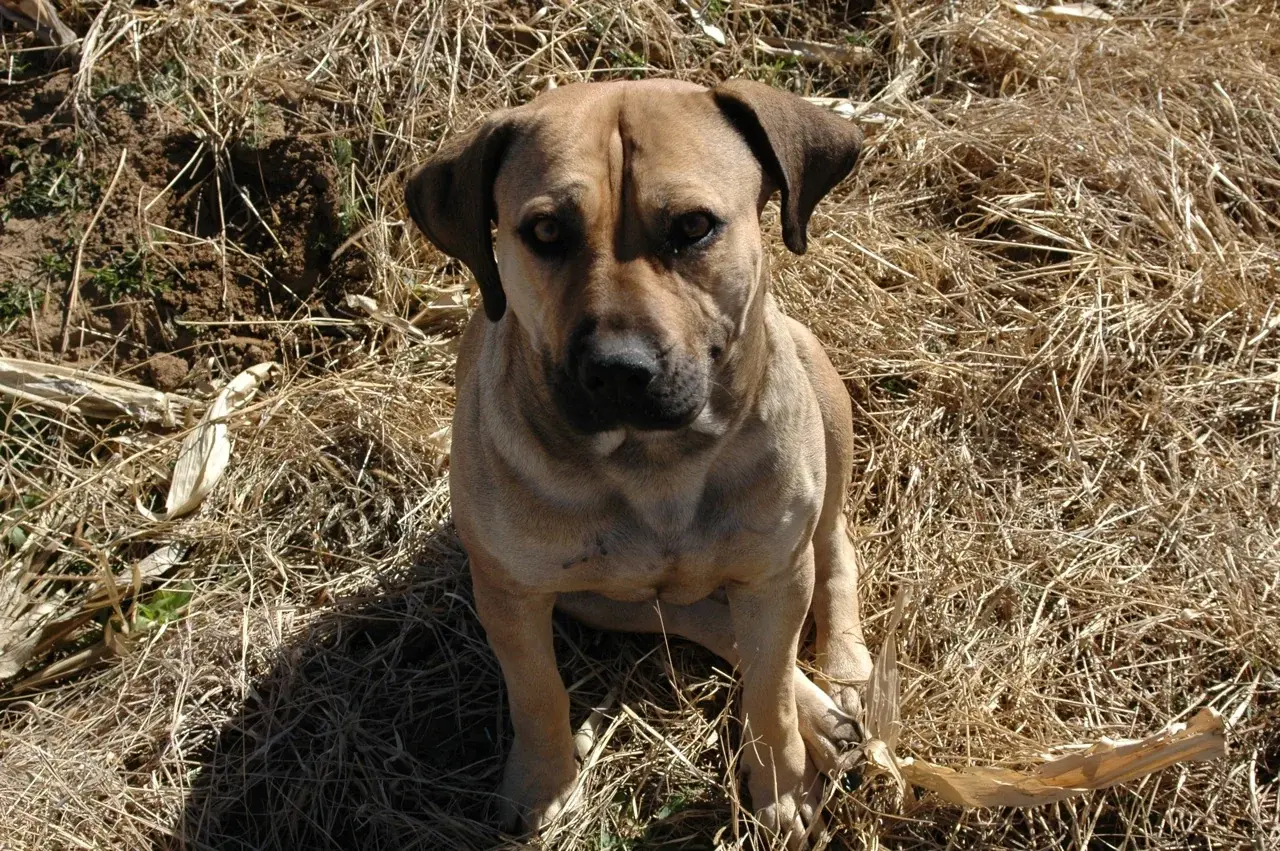
Large mastiff-type dogs have served as protectors on remote South African farms for generations, though many popular stories about their exact origins remain unverified tradition.
 Photograph