Raw Diets for Dogs: A Gamble We Might Not Need to Take
Feeding uncooked meat can feel like a pure return to nature, yet it quietly invites tradeoffs that touch the health and harmony of every household sharing space with our canine companions.
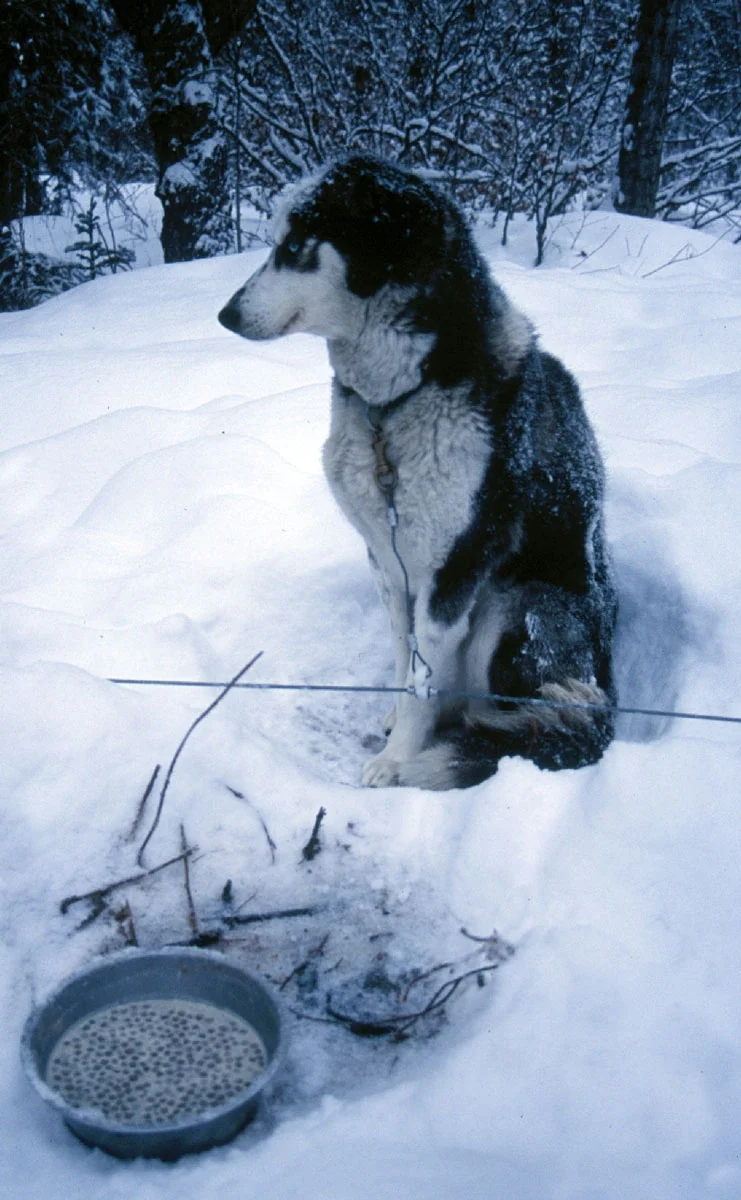
A dog sits next to a bowl of food, in a snowy forest. Before and after the run, dogs get kibble soaked in hot water. (NPS Photo) NPS Photo · Public domain · Web size optimized; source linked for the original.
The image is seductive: a dog crunching through a glistening cut of meat, eyes bright, coat gleaming, as if channeling some ancient wolf ancestor. For many devoted owners, raw feeding promises vitality and instinctual satisfaction that kibble never could. Yet beneath that appealing vision lie real questions about what we risk when we prioritize one kind of “natural” over the quieter comforts of shared safety. Living well with dogs means embracing both their wild spark and our modern realities, weighing the emotional pull of a raw bowl against the practical ripples it sends through families, neighbors, and other pets. The choice isn’t simple, and pretending otherwise does no one any favors.
The Allure and the Unseen Guests
Imagine a devoted owner, fresh from the farmers’ market, portioning out chicken necks and organ bits for her energetic young retriever. The dog devours it with unmistakable relish, tail thumping like a drum. In that moment, the choice feels deeply right, a small rebellion against sterile pellets. Yet that same bowl might quietly host bacteria that survive the chill of the freezer and linger on kitchen counters long after the meal is gone. A single enthusiastic lick could pass those organisms to a child’s curious hands or an elderly parent’s sweater, possibilities that hover even in the most fastidious homes.
This isn’t about panic or prohibition. It’s about acknowledging that our kitchens are not sterile laboratories. What feels like an act of love for one beloved animal can subtly reshape the microbial landscape we all navigate together. The warmth we feel watching our dogs eat with such gusto is genuine, but so is the responsibility to notice who else might be affected by those invisible hitchhikers. Thoughtful companionship asks us to hold both truths at once.
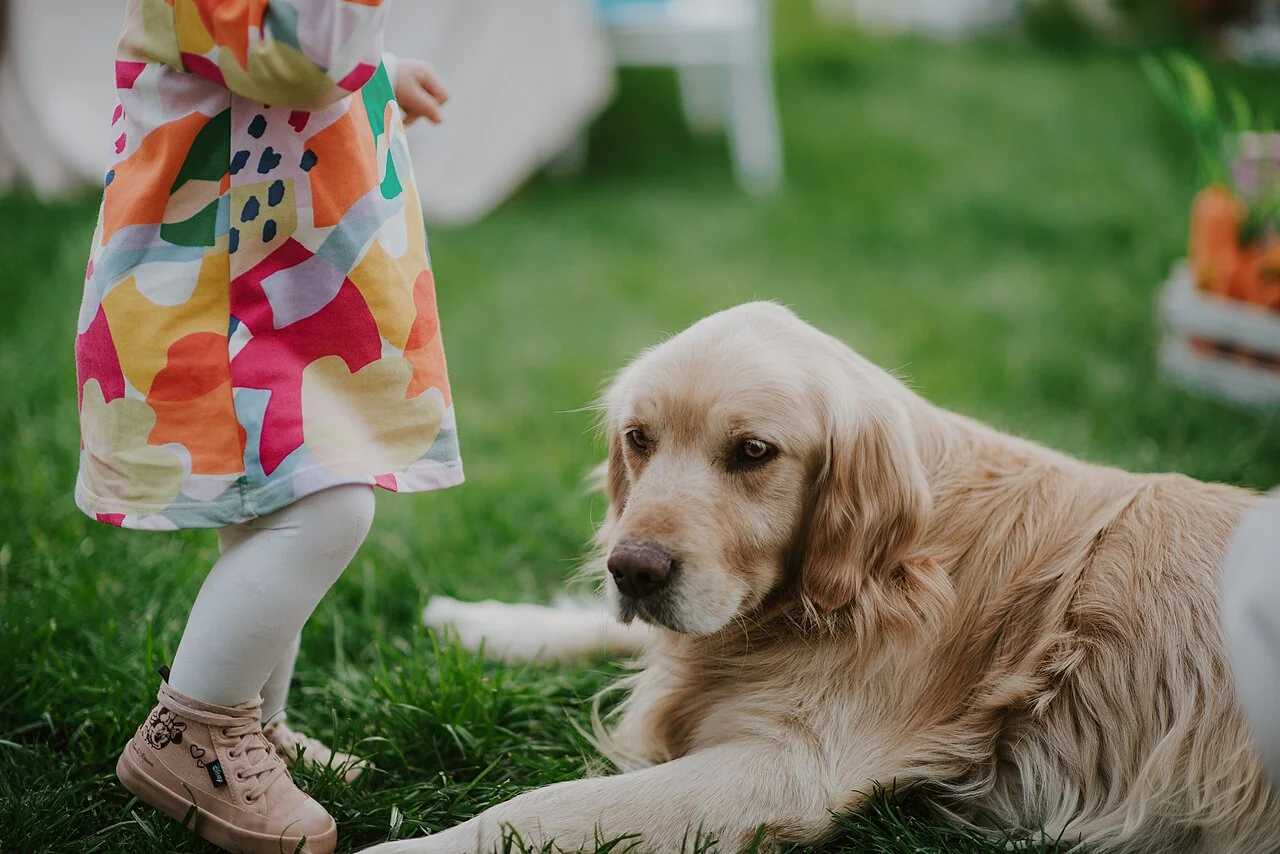
A young child in a colorful dress interacts with a golden retriever lying on lush green grass. Shixart1985 · CC BY 2.0. Web size optimized; original linked.
Protecting the Most Fragile Among Us
Picture a household where a golden retriever shares the couch with a toddler recovering from ear infections and a grandmother whose immune system has been worn thin by years of medication. The dog’s raw meals might bring him shiny fur and boundless energy, yet they could also raise the background risks in rooms where bare feet pad across floors and sticky fingers reach for furry ears. In such homes, the line between pet happiness and family well-being grows especially delicate, inviting us to consider whether one animal’s feast is worth even a modest increase in worry for the humans who love him.
These scenarios play out in countless variations across city apartments and suburban yards. A new puppy class becomes a petri dish of possibilities when one raw-fed dog greets another with a friendly muzzle. An immunocompromised teenager might hesitate before burying her face in the family mutt’s neck after dinner time. The joy of interspecies living should not demand that we ignore these quieter costs. Instead, we might seek gentler paths that honor both the dog’s evident pleasure in chewing real meat and the peace of mind every family member deserves.
The Wider Ripple Through Our Canine Communities
Consider the lively dog park on a Saturday morning, where half a dozen dogs tumble together while their people chat. One exuberant shepherd, fresh from a raw breakfast, shares a water bowl with a shy senior beagle whose kidneys are beginning to falter. What begins as innocent play could quietly transfer more than slobber. The robust dog might carry no outward signs, yet the older one could pay a steeper price for that shared sip. In these everyday intersections, one owner’s dietary preference becomes part of a larger web of consequences that touches dogs we will never meet.
Rescue organizations and boarding facilities face similar invisible pressures. A well-meaning adopter brings home a raw-fed terrier who seems the picture of health, only for that choice to complicate life in a multi-dog foster home already stretched thin. The emotional appeal of “species-appropriate” meals is powerful, yet it must be balanced against the practical safety of every animal moving through our shared world. Responsible love for our own dogs should include a measure of concern for the broader pack that makes our canine-loving culture possible.
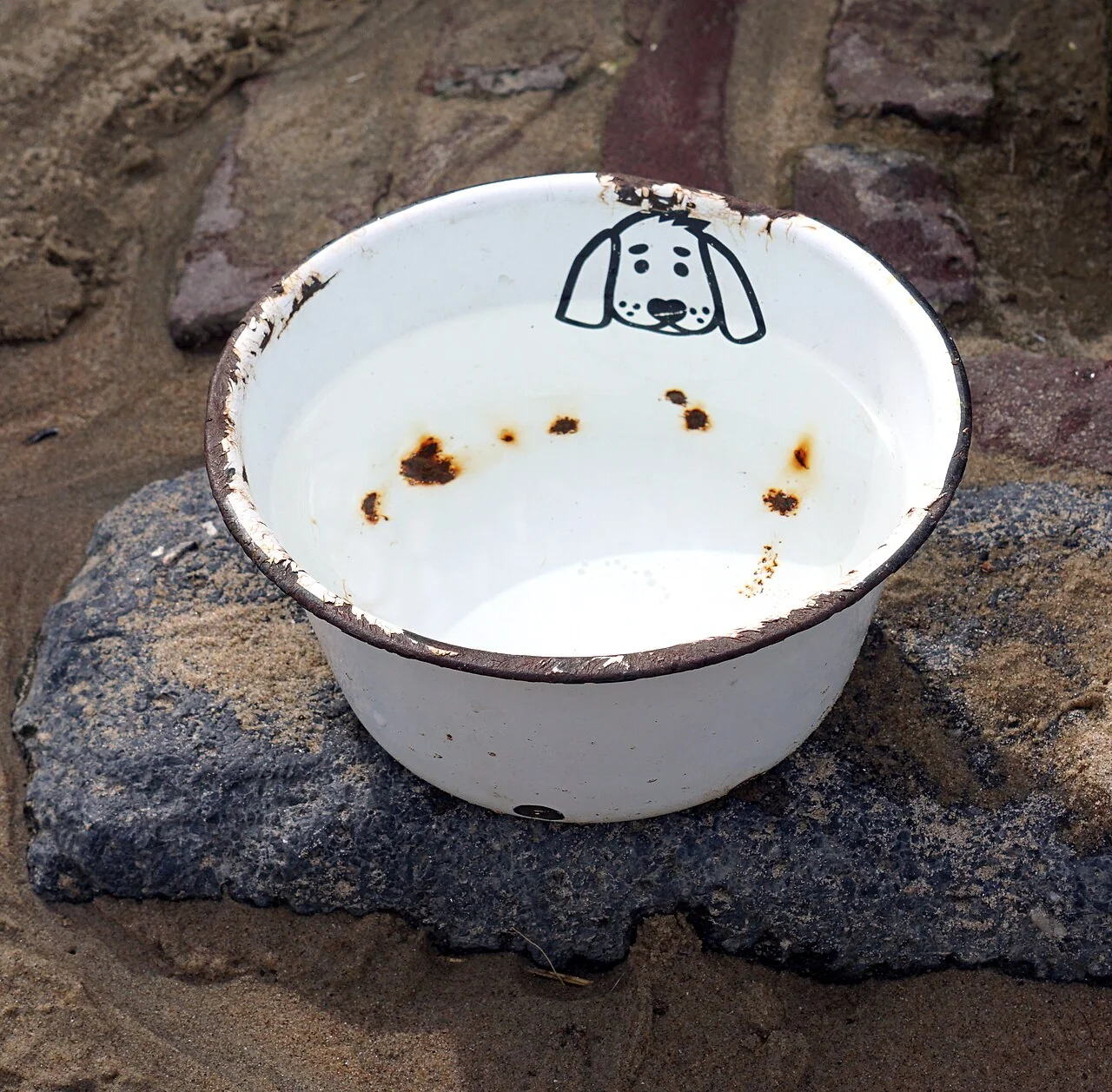
Public water bowl for dogs at Wassenaarse Slag, Netherlands (2024) Arjuno3 · CC BY-SA 4.0. Web size optimized; original linked.
The Limits of Perfect Vigilance
Enthusiasts often insist that meticulous sourcing, careful thawing, and rigorous cleaning can neutralize every hazard. Envision a meticulous owner in a spotless kitchen, wearing gloves, sanitizing every surface, timing the disposal of leftovers with scientific precision. Even here, life intrudes: a distracted teenager grabs the wrong sponge, a power outage warms the refrigerator, or a premium raw brand arrives with an undetected flaw. The gap between ideal biosecurity and the beautiful mess of real households can be wider than we like to admit.
Rather than demanding clinical perfection from busy people who already juggle jobs, children, and aging parents, we might embrace a middle path. Veterinary conversations could become more nuanced, offering tailored guidance that respects personal choice while clearly mapping the specific risks for each unique family. This approach avoids both outright bans and blanket endorsements, instead fostering informed decisions that feel humane rather than judgmental. Education remains valuable, yet it works best when paired with realistic expectations about what most of us can actually sustain day after day.
Finding a Warmer, More Balanced Path
Dogs have walked beside us through centuries of shared meals that included cooked meats, table scraps, grains, and whatever the season provided. The modern insistence on exclusively raw fare sometimes flattens that rich history into a single idealized image. We can celebrate their predatory heritage without importing every risk that once came with scavenging. Gently cooked proteins, thoughtfully formulated commercial foods, or vet-supervised homemade diets often deliver robust health without the same microbial lottery. The goal remains the same: nourishing our companions while safeguarding the fragile ecosystem of our homes.
The conversation around feeding need not fracture into opposing camps of purists and skeptics. Rooted in the same affection that sends us researching late into the night or spending extra on better ingredients, it can evolve toward practices that protect the vulnerable without dimming the daily delight of caring for a dog. Clearer product standards, routine veterinary check-ins, and a willingness to adapt as our households change all help strike that balance. In the end, the deepest bond flourishes when emotion and practicality walk side by side, allowing wagging tails and peaceful kitchens to coexist without unnecessary shadows.
AI-assisted original writing. This feature was revised against source material and checked for unsupported claims. An editorial perspective; interpretations are distinguished from factual reporting.
Sources & further reading
This article is labeled opinion and offers an editorial perspective.
Focusing on certain breeds distracts from the real drivers of dog bites: negligent ownership and missed opportunities for early socialization that affect every kind of pup.
Urban planners rarely pause to consider how their straight paths and echoing plazas feel through a dog's nose, ears, and eyes, yet a few gentle adjustments could transform shared spaces into places where both species truly thrive together.
Strict enforcement on suburban paths and trails quietly shields our canine companions from injury, escape, and tense encounters that off-leash freedom too often invites.
 Photograph