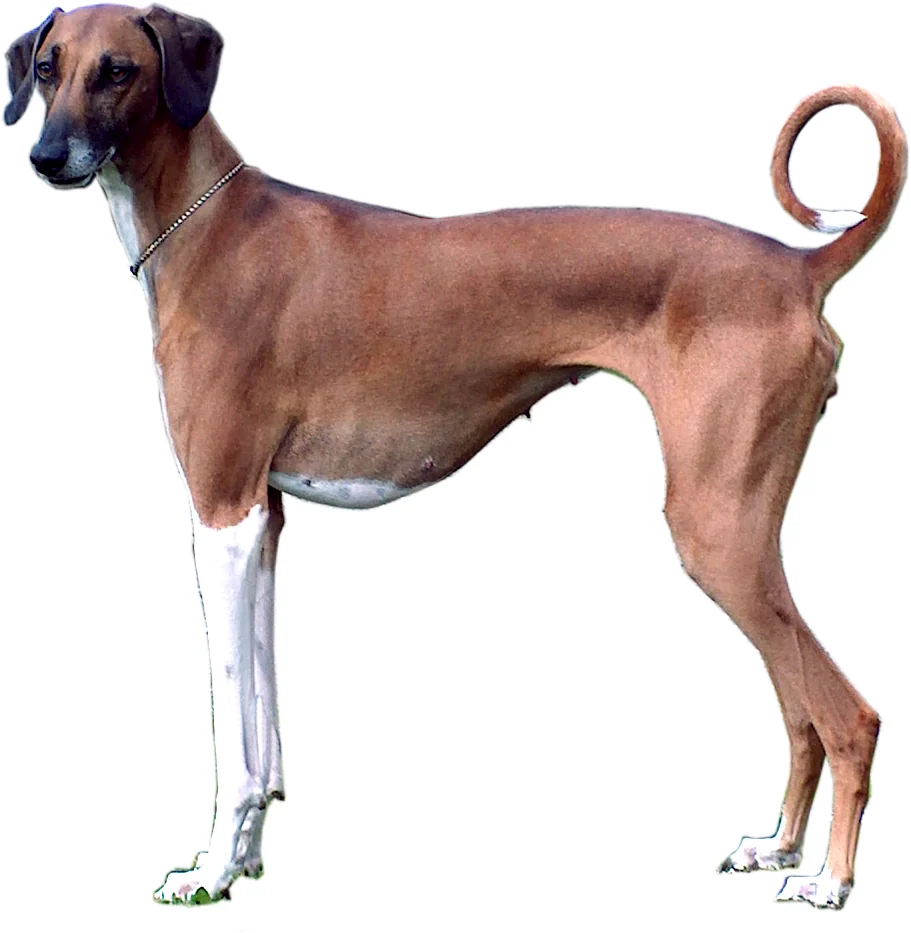
Azawakh bitch Shira, a Sahelian sighthound also known as the Tuareg Sloughi. ToB (2004) · Public domain · Web size optimized; source linked for the original.
Across the dry grasslands and scrublands of the Sahel, certain lean, elegant dogs have lived alongside nomadic herders for generations. These sighthounds, known locally by names such as idi n'illeli or oska, appear in the daily routines of cattle-breeding peoples including Tuareg groups, Bella, and Fulani communities. While romantic stories sometimes link them to dramatic desert trade expeditions, the verified evidence centers on more grounded roles: protecting camps, guarding herds, and joining hunts for small game. The dogs' slender build suits the harsh environment, where they must cover long distances with minimal water. Understanding their place in nomadic life offers a window into how people and animals adapt together to one of the planet's toughest regions. This article draws only from documented observations to separate everyday realities from later embellishments, with a light-hearted nod to the idea that these dogs probably never balanced salt slabs on their heads.
The Dogs Themselves and Their Regional Spread
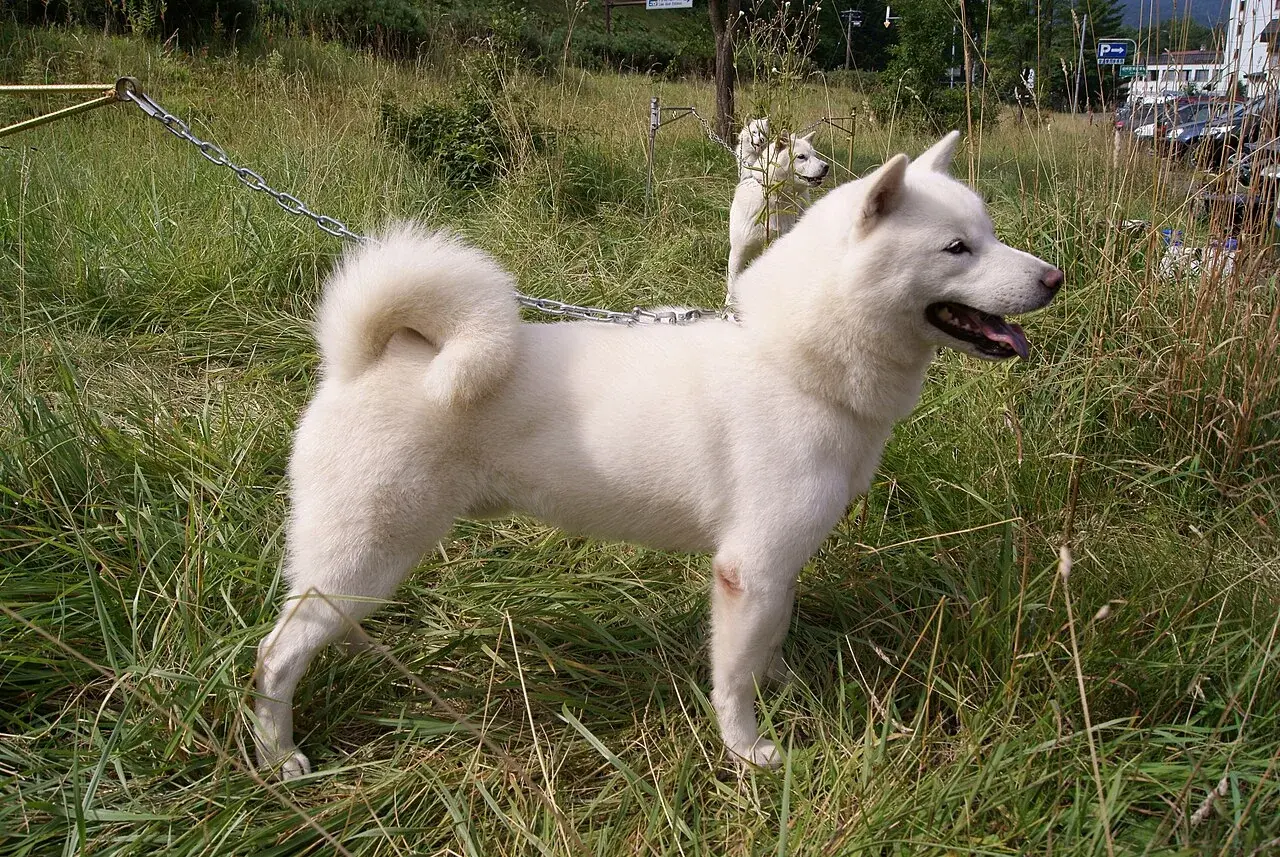
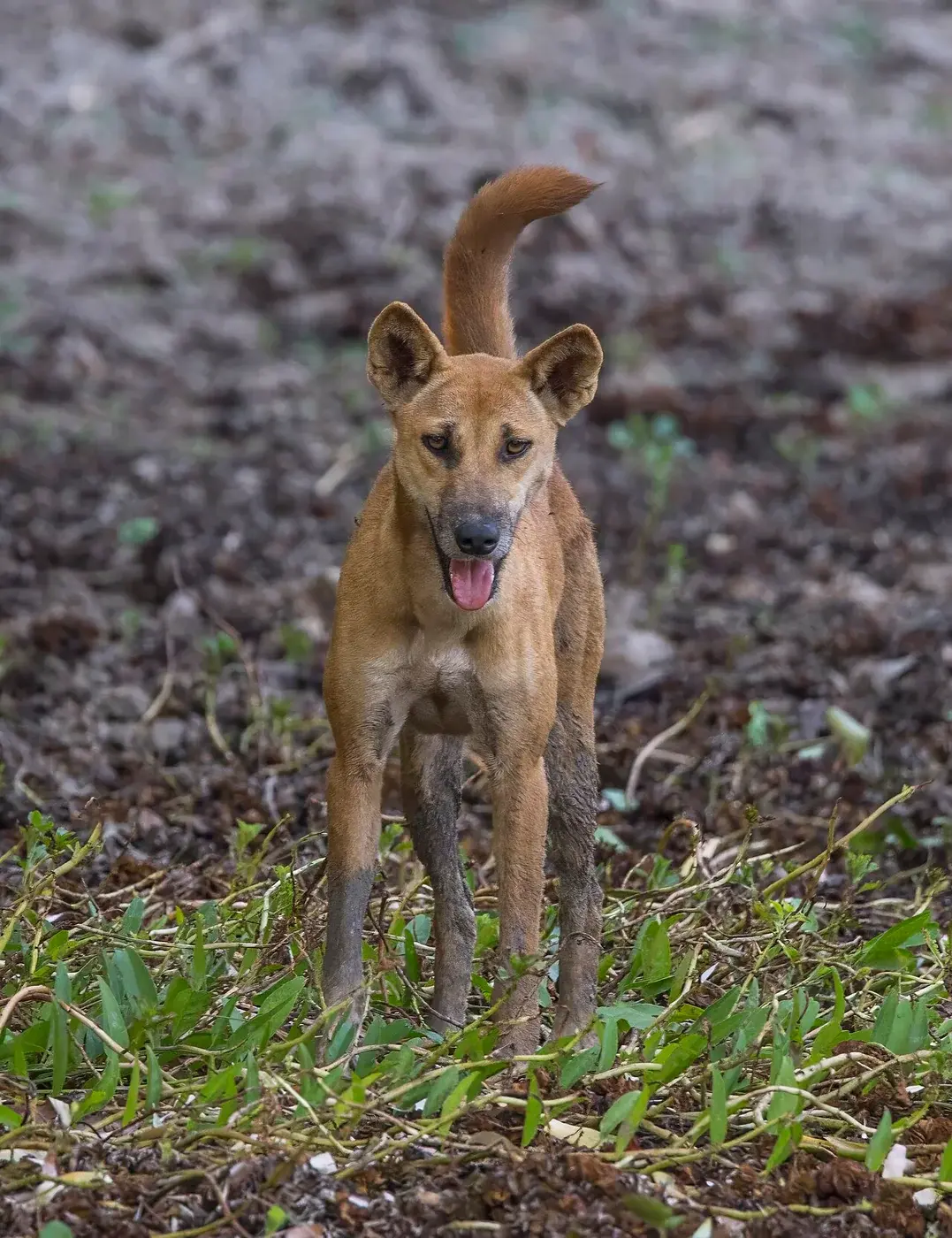
Field studies describe these Sahelian sighthounds as tall, elegant dogs with a fine bone structure that allows speed and endurance in hot, arid conditions. Veterinary observations from the 1970s, later reinforced by expeditions in the 1990s and 2000s, place them among cattle-herding communities across Mali, Niger, and Burkina Faso. The dogs are not confined to a single ethnic group or narrow valley; instead, they appear with Tuareg confederations as well as neighboring Bella and Peul (Fulani) peoples. Their local names vary, reflecting the linguistic diversity of the region. This wide distribution suggests a long-shared partnership shaped by practical needs rather than formal breeding programs. Editorial analysis: the dogs' physical type seems well-matched to the environment, yet their numbers have declined as nomadic livelihoods face pressure. A useful reading question is whether preserving these dogs requires supporting the herding cultures that raised them. The implication is clear: cultural and ecological survival are linked.
Later expeditions by the Association Burkinbé Idi du Sahel confirmed the earlier morphological descriptions and expanded the known range. Researchers noted consistent use patterns across different Sahelian zones, underscoring that the dogs belong to a broader pastoral tradition rather than one isolated story. Light humor intrudes when imagining these elegant creatures auditioning for the role of "caravan navigator"; the evidence firmly keeps them on the ground as working companions. The documents emphasize that the dogs' survival has been tied to the health of nomadic economies. When herders prosper, the dogs thrive; when drought and economic hardship hit, both suffer. This interdependence deserves attention from anyone interested in livestock guardian breeds or sighthound history.
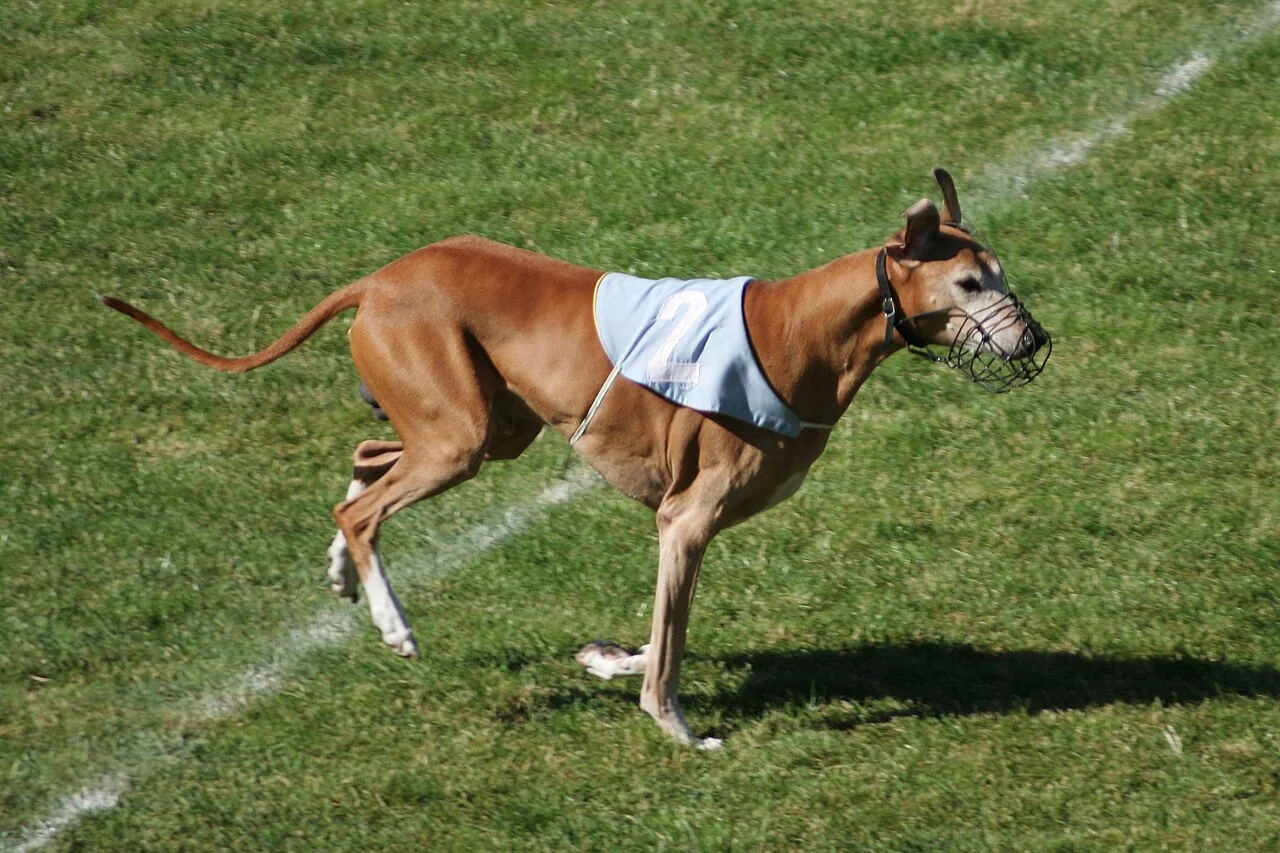
Azawakh during the dog's racing in Bytom - Szombierki, Poland. Przykuta · CC BY-SA 3.0. Web size optimized; original linked.
Daily Roles: Guardians and Hunters
The primary documented functions of these dogs are camp and herd guarding against predators and intruders, plus participation in pack hunts for gazelle and hare. Summaries of field observations repeatedly highlight these two tasks as central to their value among nomadic groups. A good guardian dog alerts the camp at night and helps deter threats to livestock, a vital service where veterinary care is distant and every animal counts. Hunting contributes occasional protein and keeps the dogs mentally engaged. These roles fit the mobile lifestyle of cattle breeders who move seasonally in search of pasture. Editorial perspective: such partnerships illustrate a pragmatic, low-input form of animal management that contrasts with modern kennel-based breeding. One might ask how these dogs' alertness and athleticism could inform contemporary livestock protection programs. The logical implication is that losing nomadic knowledge could narrow the genetic and behavioral diversity available to future breeders.
Hunting with the dogs is typically done in small packs, capitalizing on their speed and sight. Observers noted that the dogs work cooperatively with humans rather than independently, suggesting a trained partnership refined over many generations. There is gentle amusement in picturing a sighthound solemnly "reviewing" the day's hunt tally like a weary accountant, but the record stays factual. The evidence also records increasing challenges: reduced game populations and prolonged droughts have made both herding and hunting harder. Consequently, the dogs' traditional roles are under strain. This situation raises a practical question for readers: can small-scale conservation projects help maintain these working lines without turning them into show dogs detached from their original context?
The Salt Trade Context Without Canine Participation
Historical accounts describe extensive Tuareg-led camel caravans transporting salt from Saharan mines such as Taghaza and later Taoudenni to trading centers like Timbuktu. This commerce dates back to at least the early centuries CE and became especially important between the 9th and 12th centuries, exchanging salt for gold, ivory, and foodstuffs. Specific routes, including the Azalaï from Timbuktu to Taoudenni and the Taghlamt from Agadez to Bilma, were managed by particular Tuareg confederations such as the Kel Gres and Kel Owey. These caravans could involve thousands of camels and represented a sophisticated long-distance trade network. Yet none of the available sources mention dogs traveling with the caravans or contributing to route maintenance. Editorial note: the absence of canine references in trade histories reminds us how easily attractive legends grow around real cultural elements. A reading question is how much popular imagery of desert life blends verified practice with appealing fiction. The implication is that respecting the genuine history of Tuareg traders means resisting the temptation to insert dogs where records show none.
The salt trade relied on camel physiology, human navigation skills, and established social monopolies rather than additional animal assistants. Documents focus on the logistical demands of crossing vast waterless stretches, the organization of large caravans, and the economic importance of the commodity. While the sighthounds lived in the same broader cultural sphere, their documented activities remained tied to pastoral camps and hunting grounds rather than the specialized salt expeditions. This distinction matters for accuracy. Light satire might invent a fictional scenario in which a bored Azawakh attempts to unionize the camels for better snack breaks during a 40-day trek; such a tale is explicitly invented for illustration and claims no historical basis. The real story is one of human and camel endurance, with dogs playing their own separate part elsewhere in nomadic society.
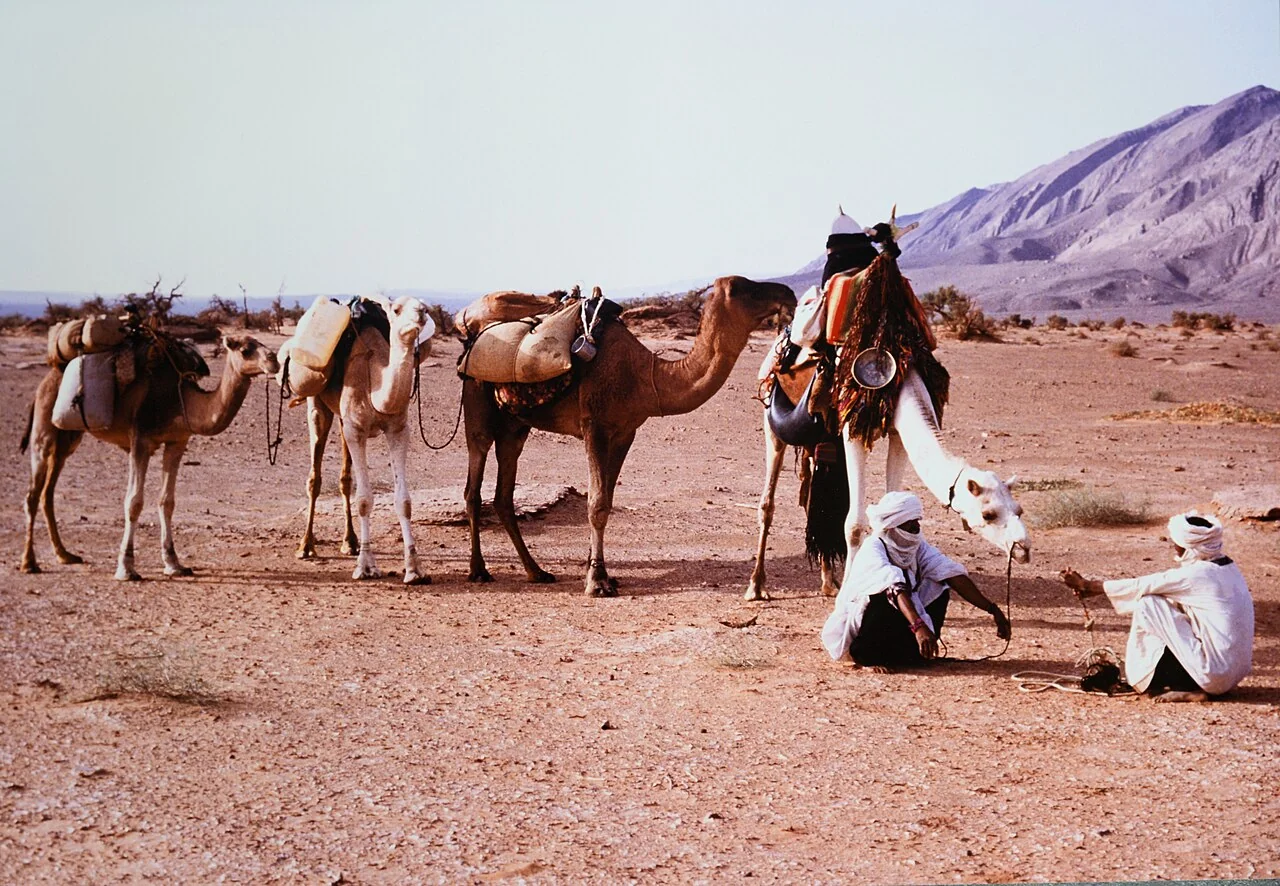
Two Tuareg nomads meet on the way. The man on the left with his camel and three pack camels is transporting materials. Heribertus2 · CC BY-SA 4.0. Web size optimized; original linked.
Modern Pressures and Population Concerns
Research summaries indicate that Sahelian sighthound populations face multiple threats, including prolonged drought, declining game availability, and the economic impoverishment of nomadic communities. These factors reduce both the need for and the ability to maintain working dogs. Earlier veterinary descriptions already noted the dogs' dependence on active herding lifestyles; later expeditions found smaller numbers and increasing genetic bottlenecks in some areas. The pattern suggests that cultural change directly affects animal survival. An editorial observation is that conservation discussions too often focus on Western show populations while overlooking the source cultures. Readers might usefully ask what forms of support could strengthen rather than replace traditional knowledge. The logical follow-on is that genuine preservation may require attention to land rights, drought resilience, and economic viability for the herders themselves.
Field reports also highlight how reduced mobility and settlement trends alter the dogs' traditional roles. When families move less or keep fewer cattle, the need for large, active guardians diminishes. This shift risks turning a working breed into a nostalgic symbol. The evidence cautions against romanticizing the past while ignoring present hardships. A touch of warm humor appears in acknowledging that these dogs, like many of us, would probably prefer a shady spot and regular meals over epic desert treks; the difference is that their ancestors earned those naps by staying alert at night. The broader implication is that animal-welfare conversations in arid zones must include the human communities whose decisions ultimately determine the dogs' future.
What the Evidence Teaches About Cultural Accuracy
Reviewing the available sources reveals a consistent gap between popular narratives that place these dogs in ancient salt caravans and the documented record that situates them in pastoral guarding and hunting. The veterinary thesis and later expedition summaries focus on morphology, regional distribution, and practical uses within nomadic camps. Trade histories, in turn, detail camel logistics and economic patterns without canine references. This contrast offers a useful case study in how attractive imagery can outrun primary evidence. Editorial analysis suggests that enthusiasts of the breed should celebrate its real contributions to herding life rather than retrofit it into unrelated historical scenes. A practical reading question is how breed clubs and historians can better distinguish documented tradition from appealing legend. The implication is that accurate storytelling strengthens cultural respect and helps direct conservation efforts toward genuine needs.
Separating fact from embellishment does not diminish the dogs' worth; it simply grounds appreciation in reality. Their documented partnership with Sahelian herders already demonstrates adaptability, loyalty, and utility under difficult conditions. By focusing on what the records actually show, we avoid inventing roles that could mislead future research or policy. Light fictional satire might feature a confused dog character mistakenly showing up at a salt mine with a tiny backpack, but such inventions are labeled as imaginative exercises only. The serious takeaway is that both animal welfare and historical integrity benefit when we let the evidence set the boundaries. In an age of rapid cultural change, careful attention to primary observations may be one of the best tools for preserving living traditions.
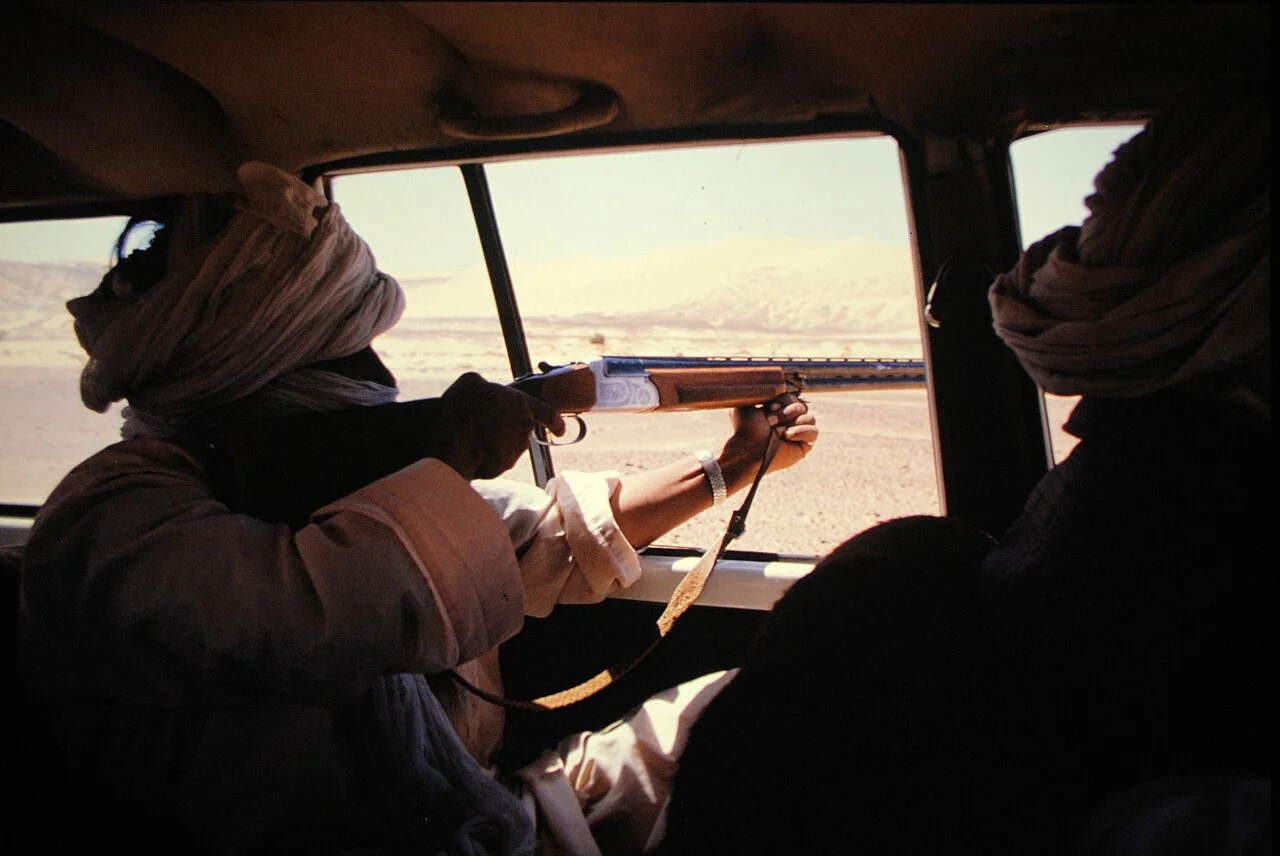
Tuareg hunting gazelle from a vehicle in Algeria, 1991; illustrates modern pressures on traditional Sahelian hunting practices and gazelle populations mentioned in field reports. Heribertus2 · CC BY-SA 4.0. Web size optimized; original linked.
AI-assisted original writing. This feature was revised against source material and checked for unsupported claims. Follow the references below for evidence and its limits.
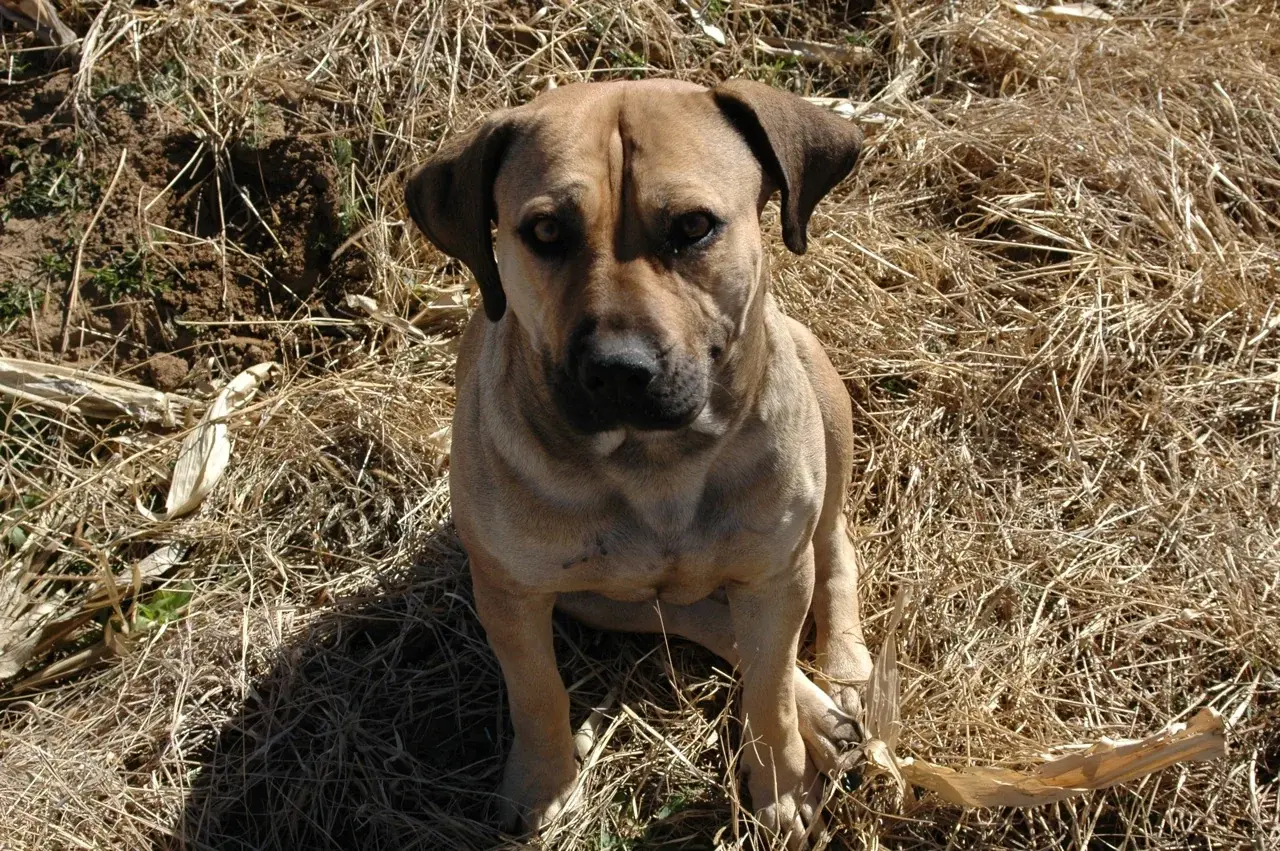
Large mastiff-type dogs have served as protectors on remote South African farms for generations, though many popular stories about their exact origins remain unverified tradition.
 Photograph