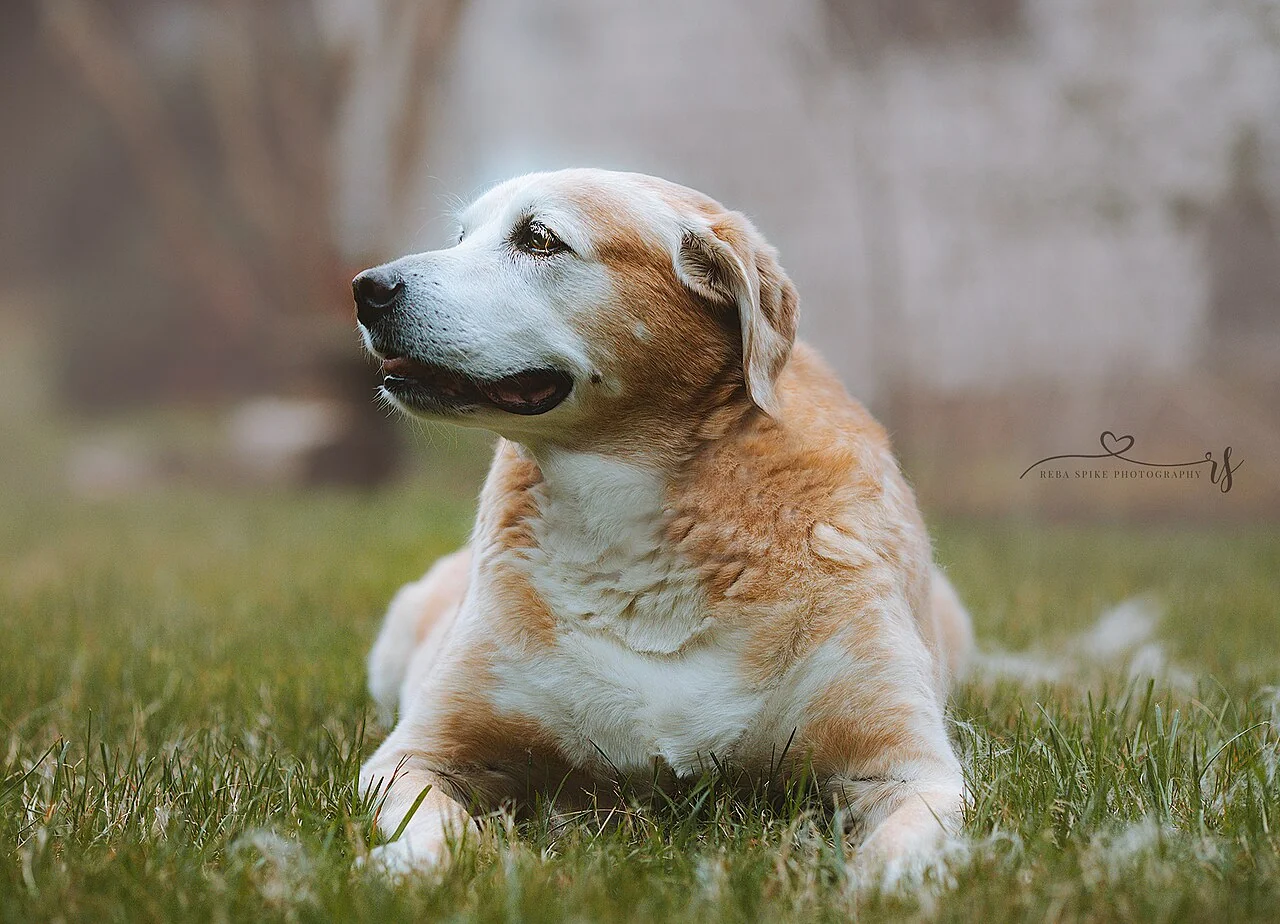
Senior Labrador retriever sitting in a yard Reba Spike · CC BY 2.0 · Web size optimized; source linked for the original.
We share our homes and hearts with dogs knowing full well that their lives will likely end before ours. Yet many of us drift through the comfortable middle years without preparing for the final chapter, as if love alone will cushion every blow. A senior dog who has padded beside us through career shifts, new babies, and quiet evenings deserves better than a frantic scramble when our own health falters. Planning ahead is not morbid; it is the gentlest way to repay years of uncomplicated devotion. By imagining possible futures instead of hoping for the best, we give our old companions the stability their slowing bodies and minds crave.
The Emotional Cost of Late-Life Rehoming
Picture an eleven-year-old Labrador whose days have settled into a rhythm of sunrise walks, afternoon naps on the sun-warmed rug, and gentle ear scratches from the same hands that have known him since puppyhood. Should his person suddenly require hospitalization or long-term care, that predictable world can vanish overnight. Even the kindest foster home carries unfamiliar smells, different footsteps on the stairs, and voices pitched in unfamiliar keys. For a dog already navigating arthritis or cloudy vision, such disruption can deepen confusion and erode what little joy remains.
Responsible guardians understand that every upheaval extracts a toll. A dog who has already adapted to a new house, a child leaving for college, or the arrival of a boisterous grandchild has used up many of his reserves of resilience. Planning for continuity honors the quiet pact we made when we brought him home: that we would remain his North Star as long as we are able. Imagining the possibility of our own decline allows us to soften the landing rather than leave it to chance.
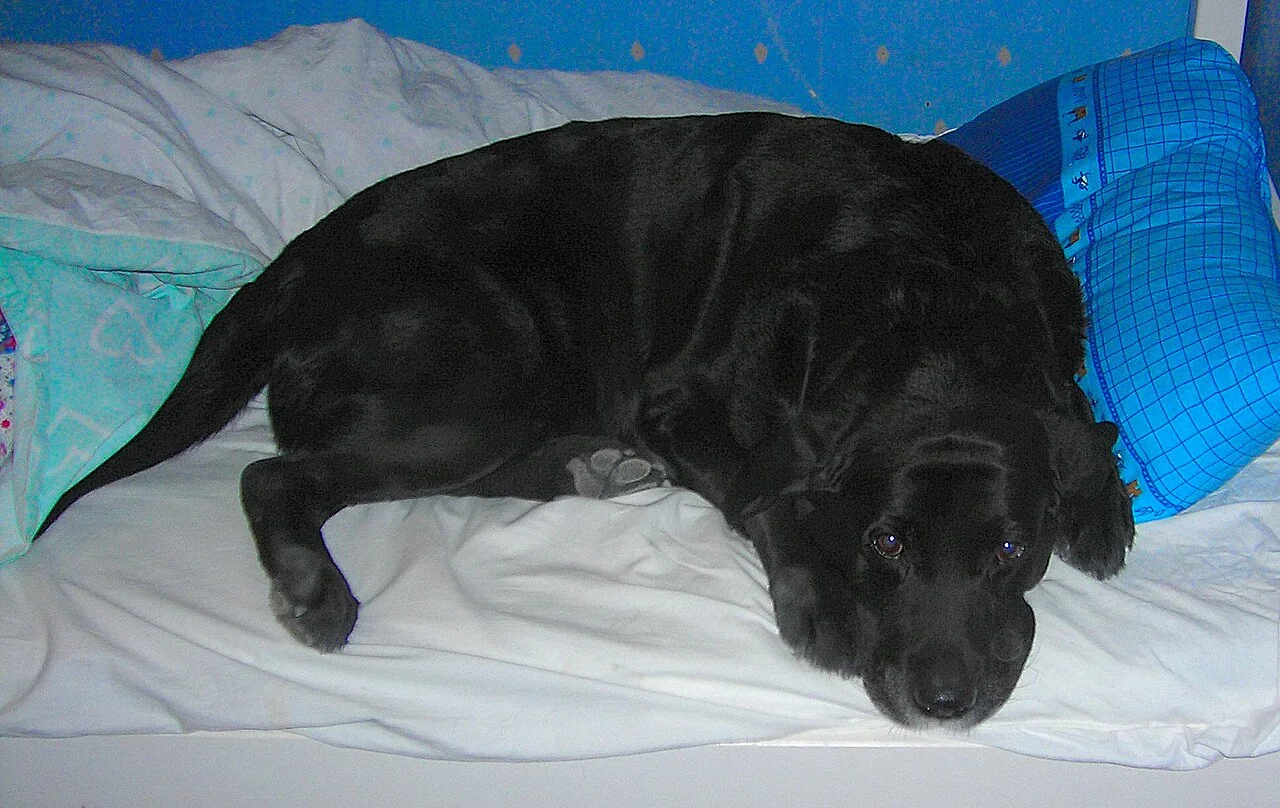
Old black Labrador retriever named Rico Linsenhejhej · CC BY-SA 3.0. Web size optimized; original linked.
Building a Financial Cushion for Golden Years
Geriatric care can transform from manageable to crushing with one diagnosis. Suppose a graceful old greyhound develops kidney issues requiring special food, regular fluids, and medications that must be compounded because pills are now impossible to hide in a treat. Without dedicated resources, the person who once promised to care for him might face impossible choices between their own medical bills and his comfort. Setting aside money early, perhaps in a plain savings account labeled simply “Luna’s Later Years,” removes panic from those decisions and lets affection guide the path.
Some might consider pet insurance that stretches to cover chronic conditions, though the fine print often grows stricter as dogs age. Others might earmark a modest inheritance or monthly transfer that grows quietly like a retirement fund for a loyal employee. The approach need not be extravagant. The warmth that comes from knowing a beloved dog can receive pain relief or a final dignified goodbye without financial desperation is a gift both dog and guardian give themselves. It is discipline wrapped in love.
Legal Tools That Protect Continuity
A thoughtfully written pet trust can act like an anchor in stormy seas. Imagine naming a trusted neighbor who already shares evening walks and knows exactly how gently to lift an arthritic setter into the car. The trust can specify funds for that same brand of senior kibble, the familiar orthopedic bed, even the preferred park where squirrels provide endless entertainment. Unlike a casual promise made over coffee, a legal document carries weight that survives confusion, family disputes, or an owner’s incapacity.
Temporary powers of attorney offer another layer of protection. Should an elderly guardian need emergency surgery, a pre-chosen friend could step in immediately to approve treatment or arrange boarding without frantic late-night calls to shelters. These instruments cannot prevent every hardship, yet they tilt the odds toward familiarity. The dog who has spent a decade responding to one particular whistle keeps hearing something close to it. That small mercy can make the difference between fearful withdrawal and peaceful acceptance.
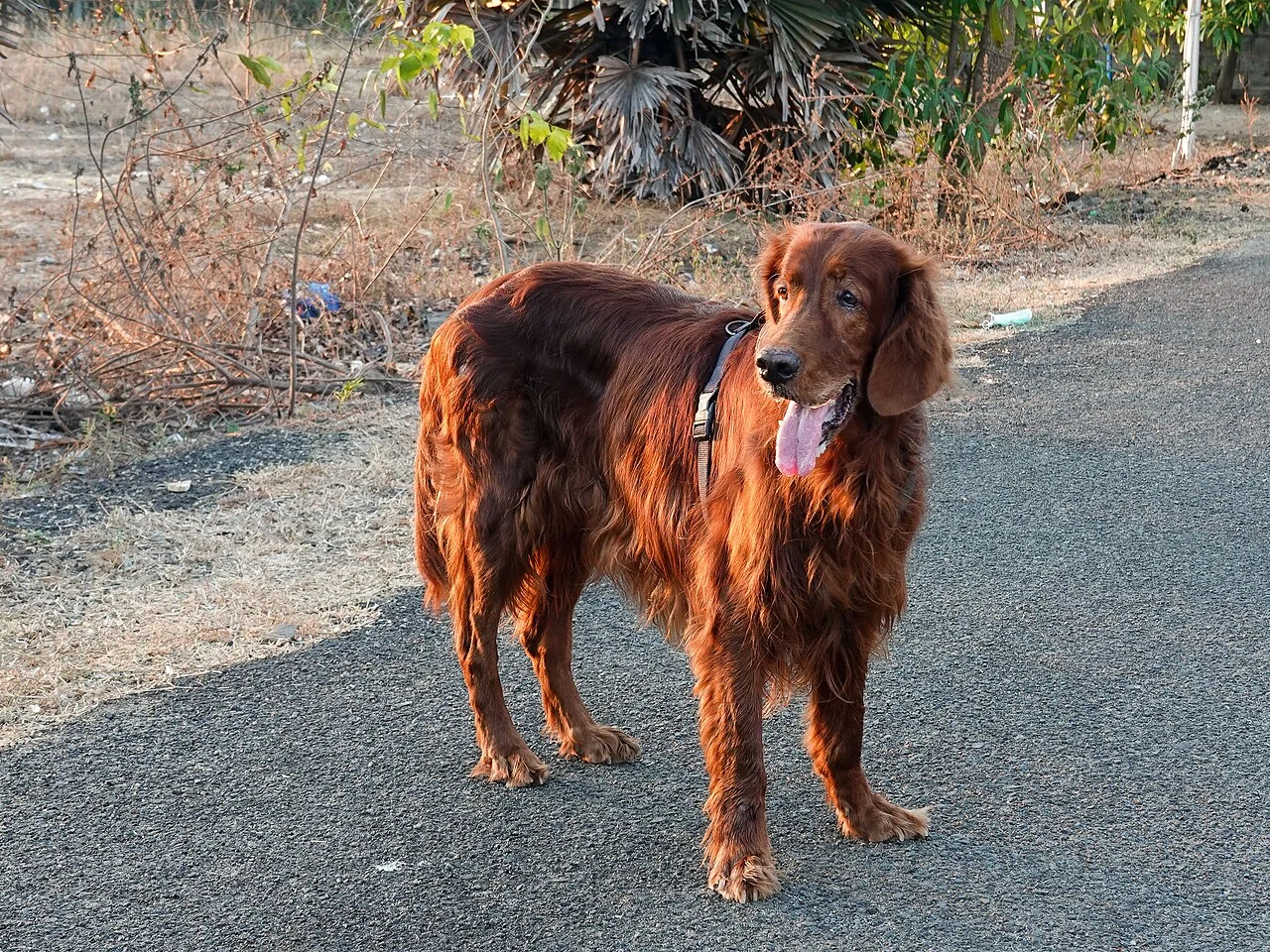
Rusty, 11 year 9 month old Irish Setter, in evening sunlight, walking in VGP Layout, Uthandi, Chennai, Tamilnadu, India Timothy A. Gonsalves · CC BY-SA 4.0. Web size optimized; original linked.
Why Breed Rescues Cannot Bear the Full Burden
Breed-specific rescues perform quiet miracles every day, stretching limited funds to cover dental work for an old bulldog or physical therapy for a limping shepherd. Their volunteers drive through snow to deliver medication and sit with frightened seniors until they feel safe again. Yet these organizations already juggle more urgent cases than they can comfortably handle. Expecting them to serve as a default retirement home for every unprepared owner shifts a personal duty onto already weary shoulders.
Not every senior dog slides neatly into a rescue pipeline. A beloved mutt whose paperwork vanished years ago, or a once-purebred dog now indistinguishable from the neighborhood strays, may find himself in limbo. Proactive planning by individual guardians eases the load on these nonprofits, reserving their energy for true emergencies. It acknowledges that rescues are safety nets woven of generosity and grit, not substitutes for our own foresight. The most respectful stance is to need them as little as possible.
Practical Steps Any Owner Can Take Today
Begin with an honest conversation with your veterinarian about what a particular dog’s size, temperament, and emerging quirks might require in later life. Turn those estimates into a concrete savings target—perhaps twenty dollars a week that disappears into its own account before it can be spent on new hiking boots. An estate attorney experienced with animal provisions can draft a simple trust for a reasonable fee, outlining preferences for everything from daily routines to final arrangements. Life changes, so revisit the documents whenever addresses shift or new family members appear.
Next, identify a primary and backup caregiver who truly wants the role rather than one who merely feels cornered by obligation. Invite these people for regular visits so the dog learns their scent and laughter. Keep medical records in an accessible digital folder and maintain a printed care manual that details everything from the exact way he likes his water bowl filled to the soft command that calms him during storms. These steps may feel somber on a bright Saturday afternoon, yet they spring from the deepest affection. Planning for the end of our stewardship is the last, largest kindness we can offer the creatures who asked so little and gave us the world.
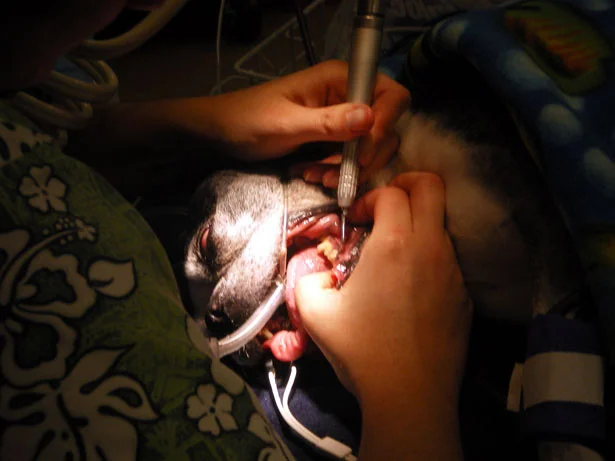
A veterinarian cleans a dog's teeth Julie Gentry · CC0 1.0. Web size optimized; original linked.
AI-assisted original writing. This feature was revised against source material and checked for unsupported claims. An editorial perspective; interpretations are distinguished from factual reporting.
Sources & further reading
This article is labeled opinion and offers an editorial perspective.
Focusing on certain breeds distracts from the real drivers of dog bites: negligent ownership and missed opportunities for early socialization that affect every kind of pup.
Urban planners rarely pause to consider how their straight paths and echoing plazas feel through a dog's nose, ears, and eyes, yet a few gentle adjustments could transform shared spaces into places where both species truly thrive together.
Strict enforcement on suburban paths and trails quietly shields our canine companions from injury, escape, and tense encounters that off-leash freedom too often invites.
 Photograph