The Norwegian Lundehund: A Flexible Dog Once Used in Traditional Puffin Harvesting
Written records from the late 16th century onward describe small, agile dogs helping coastal families in northern Norway gather seabirds for household use.
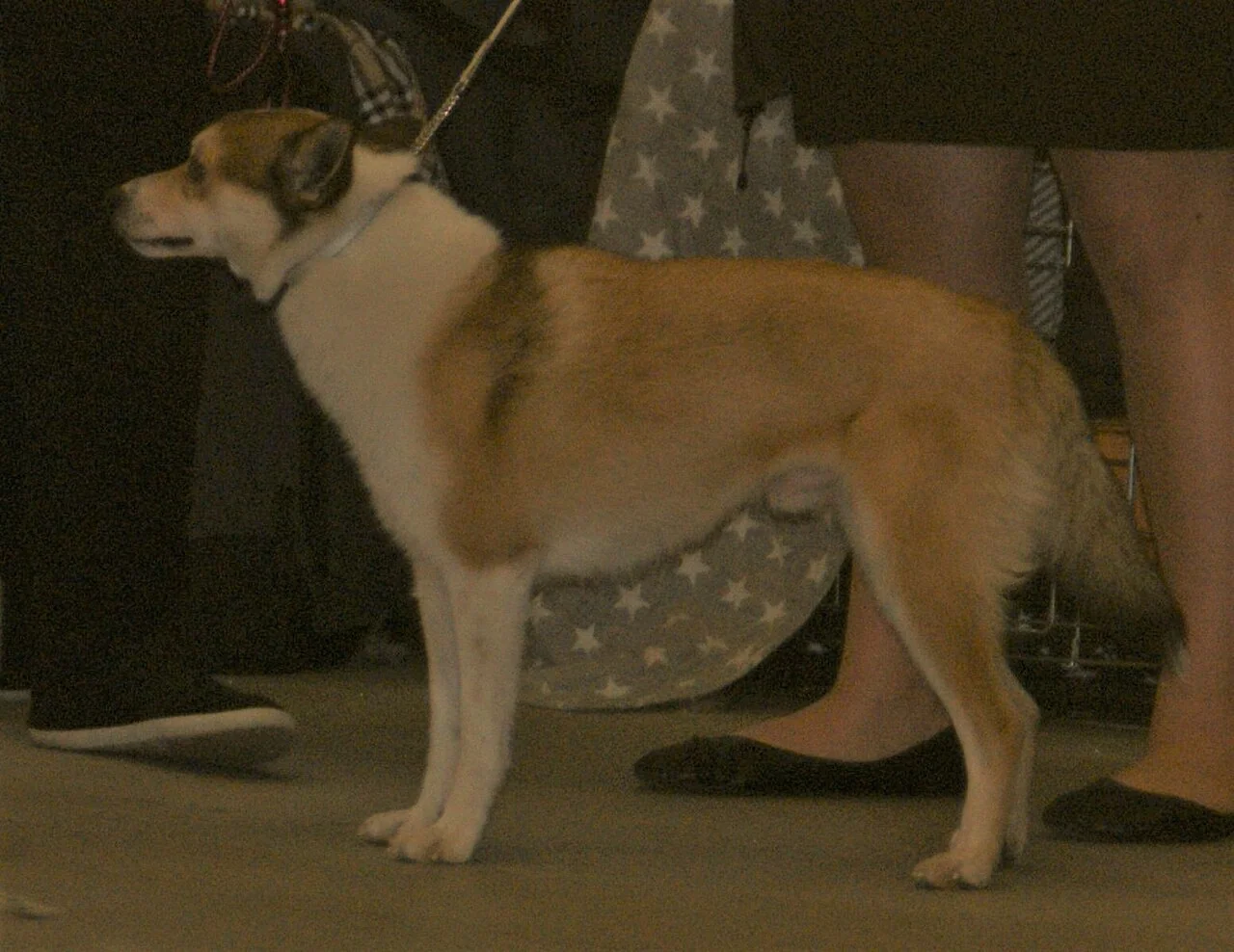
A male Norwegian Lundehund, photographed indoors. The breed is identified in the source record. Canarian · CC BY-SA 4.0 · Web size optimized; source linked for the original.
The Norwegian Lundehund stands out among dog breeds for its unusual physical traits that once made it useful in a rugged coastal livelihood. Historical accounts from northern Norway mention these dogs helping people reach puffins nesting in tight rock crevices. Evidence shows the practice was tied to local food needs rather than large-scale commercial hunting. Modern understanding of the breed rests largely on dogs that survived in one isolated community. This article draws directly from two key sources to outline what is known, what remains uncertain, and what the story suggests about human-animal partnerships in harsh environments. Light-hearted images of small dogs squeezing into cliffs add color, yet the record underscores that such traditions were practical and limited in scope.
Earliest Written Mentions of the Dogs
The first reliable written description of a small dog used for puffin hunting appears in 1591. Bailiff Erik Hansen Schønnebøl recorded that puffins nested in deep screes and burrows, requiring a compact dog that could crawl in and pull the birds out. This note comes from a voyage to Northern Norway and marks the start of documented use rather than proof of ancient origins. The exact age of the practice before 1591 is unknown, so historians treat 1591 as the firm baseline.
Later literary references reinforce the picture. Peter Dass’s poem “Nordlands Trompet,” composed between about 1675 and 1695, depicts small flexible dogs on Lovund island around 1700. These dogs crawled into narrow spaces to extract live puffins. The accounts indicate the dogs were part of a seasonal activity rather than a daily routine. Both sources emphasize the dogs’ ability to navigate terrain that people could not easily reach, offering a practical solution in a landscape of cliffs and rocks. Reading question: How might the physical demands of that environment have shaped the dogs’ unusual flexibility over generations?
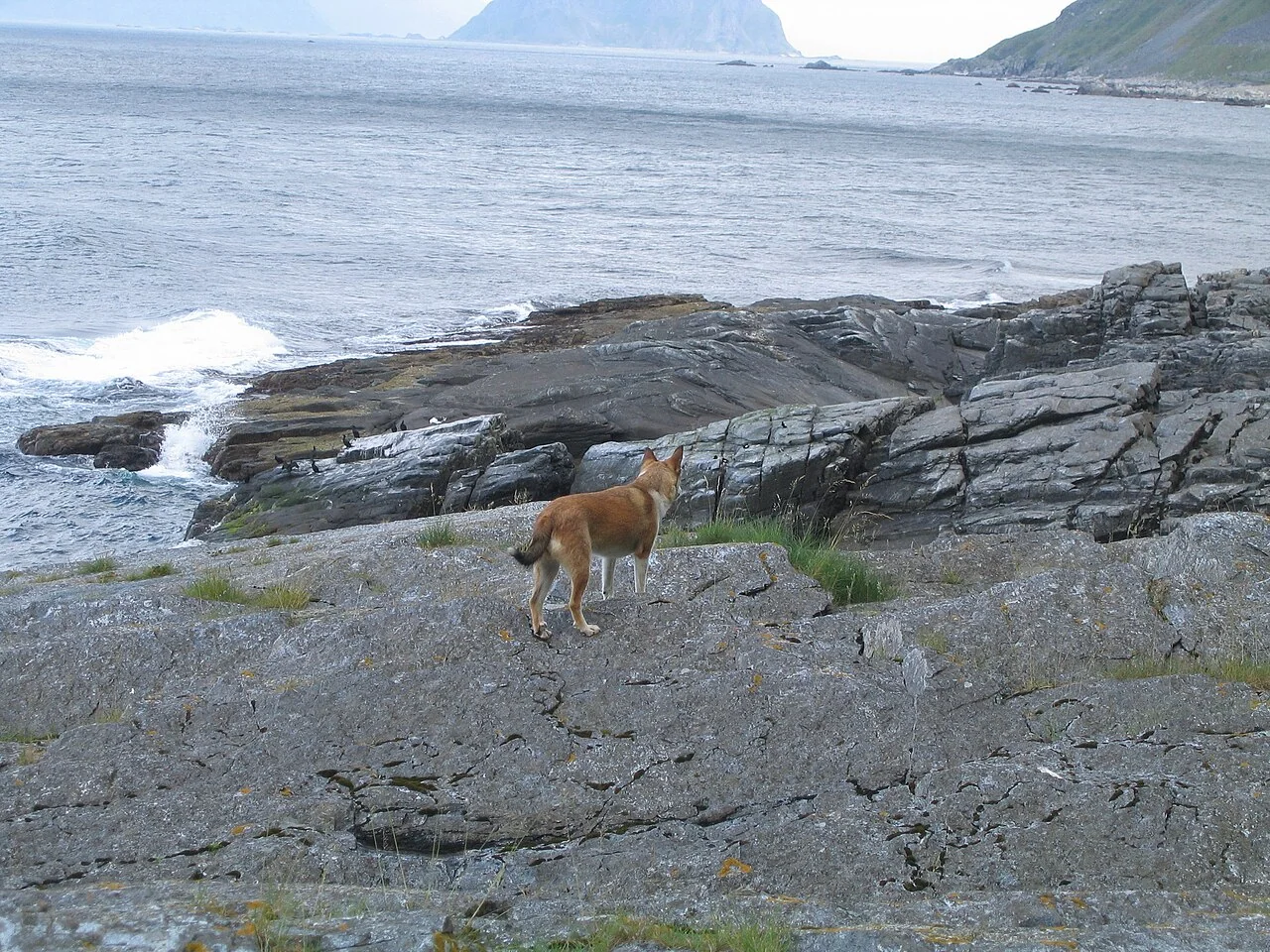
Norwegian Lundehund “Gyda” looking out at the ocean on the north side of the island Værøy in Northern Norway, the historic center of the breed’s remaining population. ZorroIII · CC BY-SA 3.0. Web size optimized; original linked.
Where and How the Dogs Were Used
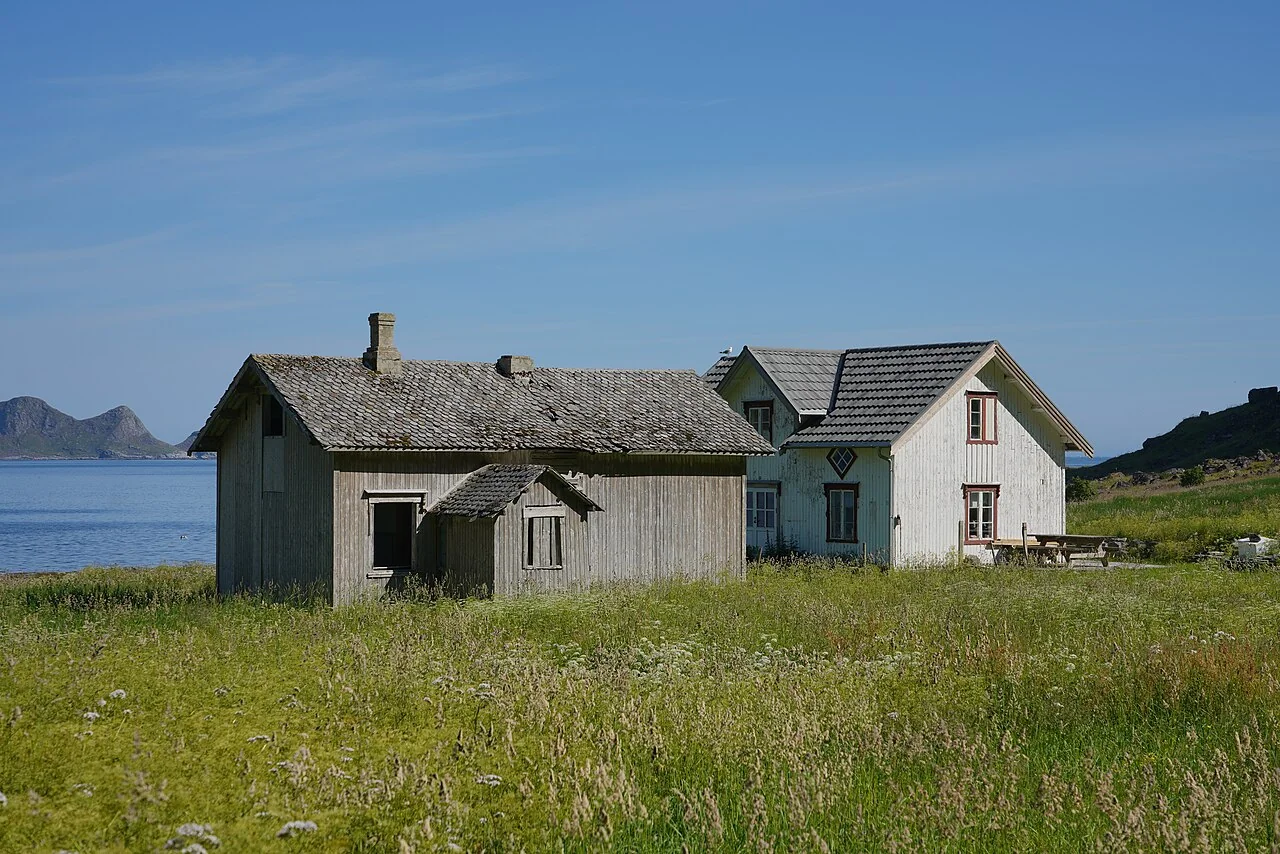
Reports from the 16th and 17th centuries place the dogs along the coast from Helgeland to Finnmark, wherever puffin colonies existed. By later historical periods their use narrowed to Værøy and Røst in the Lofoten area, including the remote hamlet of Måstad on Værøy. All present-day Lundehunds trace their lineage to the dogs that remained in Måstad, a detail that highlights both isolation and genetic bottlenecks.
The dogs worked alongside simple tools such as sticks and hooks. They were mainly sent after large puffin chicks ready to fledge, often at night when the young birds became active. Harvesting frequently fell to women and children, and families kept several dogs. The activity targeted chicks in rock piles or ground burrows rather than adult birds in every case. These patterns suggest a household-level practice calibrated to immediate needs. Editorial note: The image of children and dogs working together at dusk carries a certain rustic charm, yet it also reminds us that the work was labor-intensive and tied to survival in a marginal landscape.
Value and Replacement by Other Methods
A capable Lundehund carried real economic weight. One 17th-to-19th-century account from Fugløy in Gildeskål equated a good dog with the value of a milk cow. This comparison illustrates how important the animals were to families who depended on seabirds for meat. The high regard helps explain why the breed persisted in isolated pockets even as broader changes occurred.
Over time, nets began to replace dogs for catching puffins in many areas. The shift appears linked to practicality rather than any sudden decline in the dog population. On Værøy and Røst, however, the Lundehund continued to assist with household harvesting into more recent historical times. The sources do not specify exact dates when dog use fully ended, leaving a gap between “recent historical” and the present. Uncertainty remains about whether similar dogs were used in puffin harvesting on the Hebrides, Faroes, or Iceland; the Norwegian Lundehund may or may not share ancestry with those working animals.
Måstad on Værøya in Nordland, Norway, the isolated settlement where the last working Lundehunds were kept and from which the entire modern breed descends. Lukas Beck · CC BY 4.0. Web size optimized; original linked.
Sustainability and Local Needs
Scholarly synthesis of folklore and primary records indicates that traditional puffin harvesting, including the use of dogs, stayed within sustainable bounds for local consumption. Communities took only what they required rather than pursuing surplus for trade or profit. This restraint appears consistent across broader North Atlantic contexts that include the Lofoten islands. The evidence does not claim modern continuation of the dog-assisted harvest, nor does it provide quantitative data on bird populations before or after the practice.
The focus on chicks rather than breeding adults likely helped protect colony reproduction. Working at night and using dogs’ natural agility minimized disturbance compared with other methods. These details invite reflection on how traditional knowledge can sometimes align with ecological limits. Implication: In an era of industrial food systems, stories of small-scale, need-based harvesting offer a reminder that restraint can be culturally embedded. A light satirical scenario might imagine a modern Lundehund filing a union grievance for “excessive cliff hours,” but that remains pure fiction and is labeled as such here.
Modern Reflections and Lingering Questions
Today the Norwegian Lundehund is known more as a rare breed with distinctive traits—extra toes, extreme flexibility, and a mobile neck—than as a working partner in seabird harvesting. Its entire contemporary population descends from the Måstad dogs, which underscores both resilience and vulnerability. The breed standard document and folklore research together preserve the historical link without romanticizing the labor involved.
Useful questions for further reading include: What genetic consequences followed from the narrow founding population? How did climate, changing diets, and tourism reshape coastal livelihoods in Lofoten after the dog-assisted harvest declined? The sources cannot answer these fully, reminding readers that historical records are incomplete. Editorial analysis: The Lundehund’s story illustrates a once-functional partnership that has largely shifted from utility to companionship and conservation. Its survival offers quiet testimony to the value of preserving living connections to the past, even when the original work is no longer practiced. The blend of canine agility and human stewardship feels both practical and poignant, yet the record stays grounded in documented coastal life rather than myth.
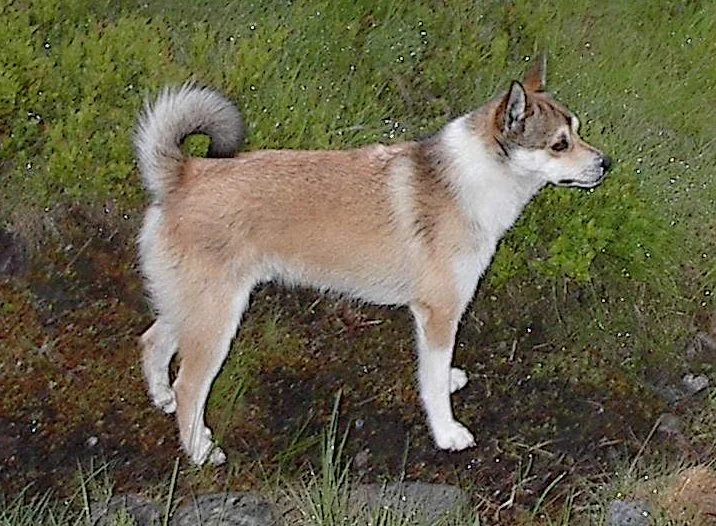
Norwegian Lundehund photographed in 2003, representing the modern rare breed whose entire population traces back to the Måstad dogs. Karen Elise Dahlmo · CC BY-SA 3.0. Web size optimized; original linked.
AI-assisted original writing. This feature was revised against source material and checked for unsupported claims. Follow the references below for evidence and its limits.
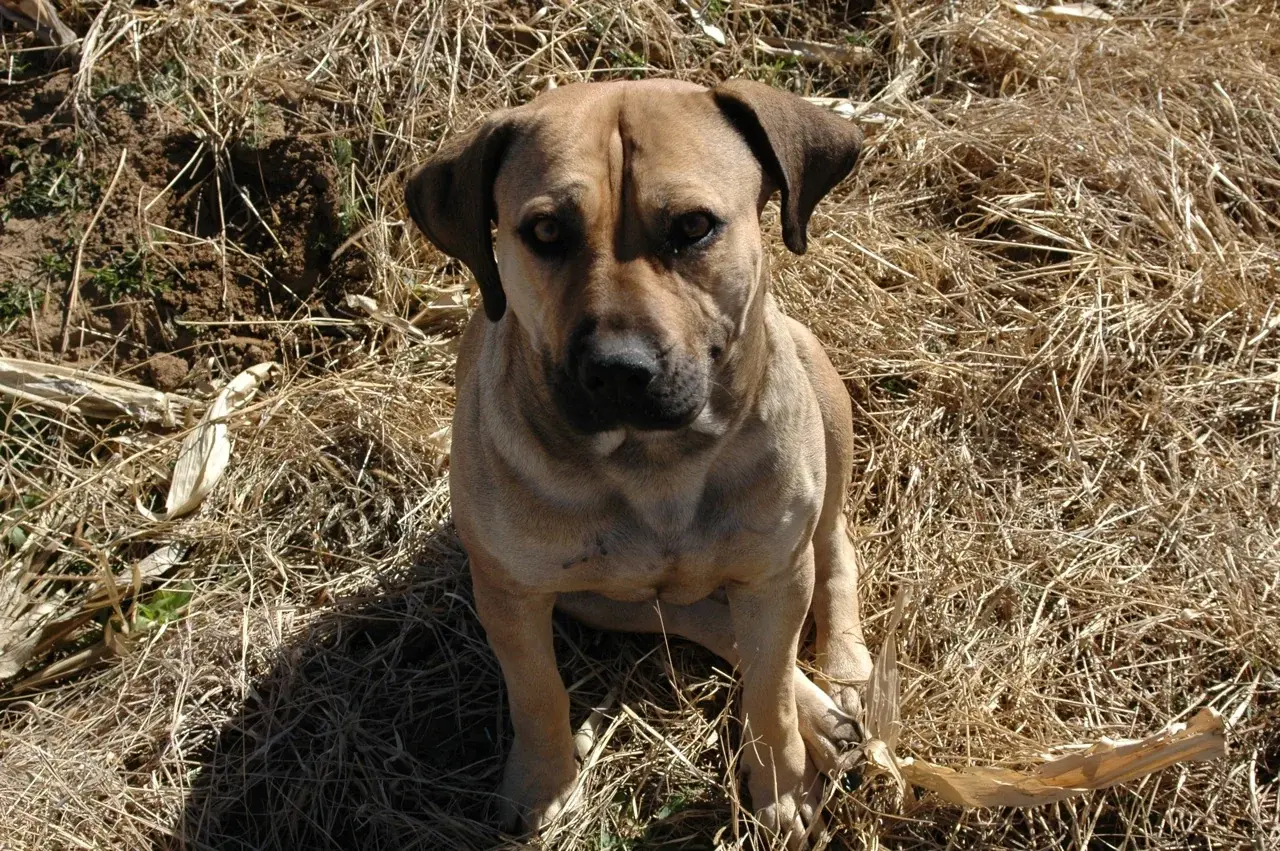
Large mastiff-type dogs have served as protectors on remote South African farms for generations, though many popular stories about their exact origins remain unverified tradition.
 Photograph