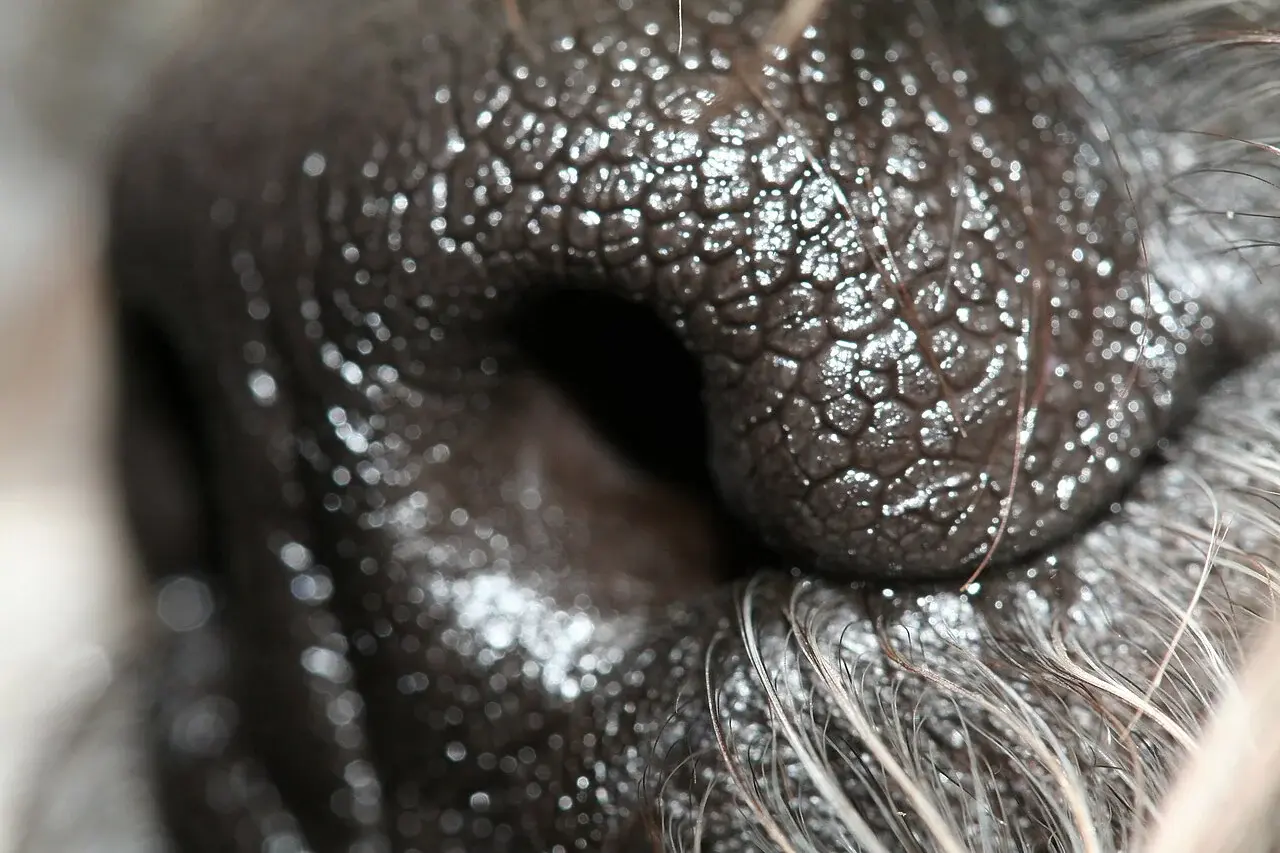
Living well alongside our canine companions means embracing both the luminous joys and the everyday trade-offs, finding a humane balance that honors their wild hearts and our shared spaces.
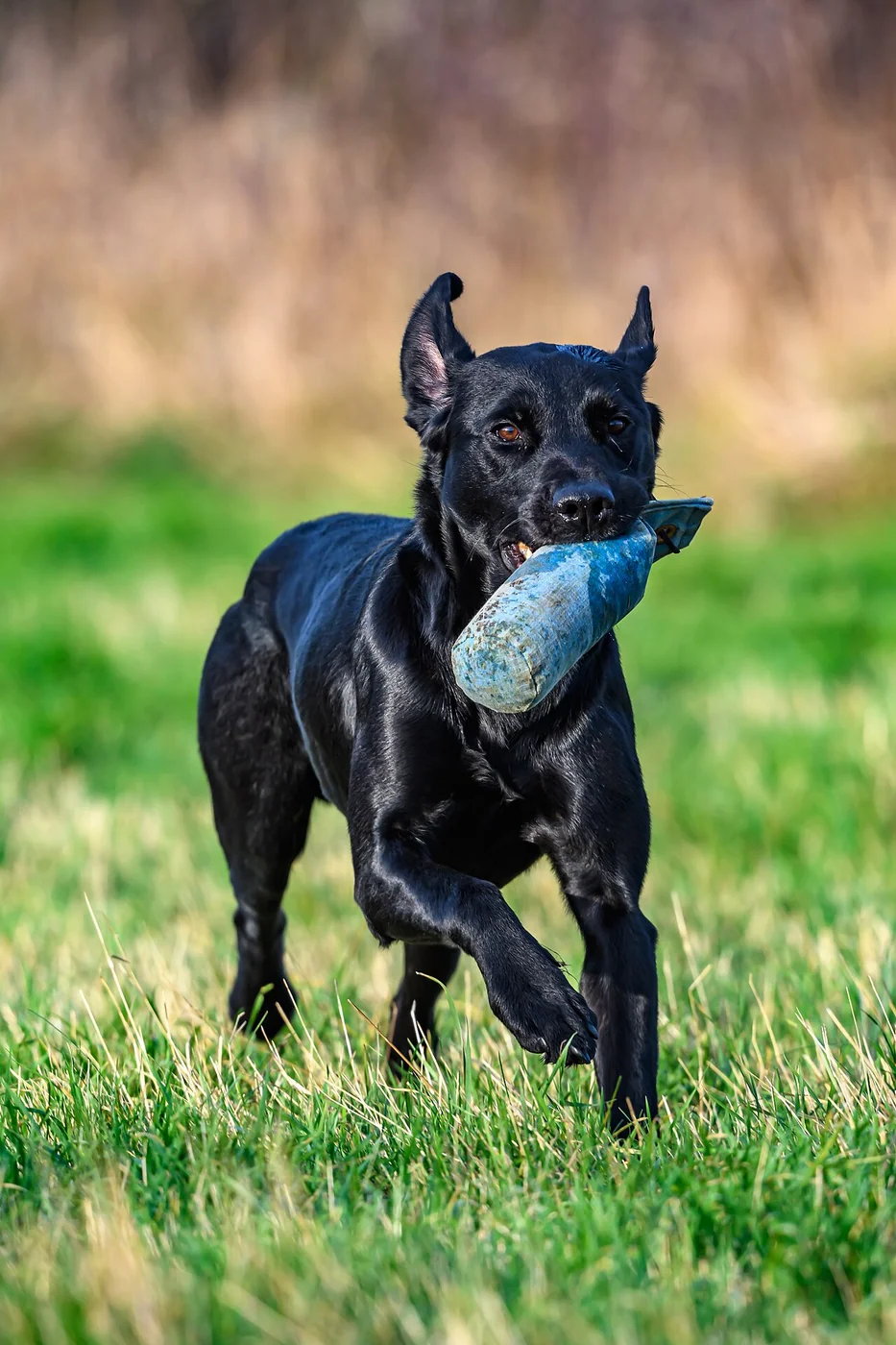
Black Labrador Retriever standing in a marshy outdoor setting on New Year's Day 2021. Alan Shearman from London · CC BY 2.0 · Web size optimized; source linked for the original.
There is a particular alchemy that happens when a person chooses to share life with a dog. The relationship asks us to enlarge our sense of responsibility while simultaneously opening doors to spontaneous delight. We trade tidy floors for muddy paw prints, quiet evenings for dawn walks in the rain, and a measure of personal freedom for the steady companionship of a creature who experiences the world through scent and motion. This is not a transaction to be tallied in a ledger but a living bargain, one that rewards us with loyalty and playfulness if we meet it with patience and imagination. The art lies in recognizing that true harmony emerges not from perfection but from thoughtful compromises that respect both human limits and canine natures.
The Morning Ritual and Its Hidden Costs
Imagine a woman named Clara who lives in a leafy neighborhood of narrow sidewalks and early-rising neighbors. Each dawn she clips the leash to her energetic beagle, Milo, and they set off into the half-light. The walk is non-negotiable; without it, Milo’s anxiety ripples through the house all day, turning furniture into chew toys and turning Clara’s focus to shreds. Yet the ritual carries trade-offs. She sacrifices an extra hour of sleep, carries plastic bags like a reluctant magician, and sometimes dodges the judgmental glances of joggers who prefer their parks pristine.
This hypothetical scene captures a common tension. Dogs demand rhythm and presence. Their needs pull us outdoors in weather we might otherwise avoid, reminding us that comfort is sometimes overrated. The tradeoff is real: time and convenience exchanged for the grounding effect of another heartbeat. Clara returns home muddy but clearer-headed, having witnessed the neighborhood wake up through Milo’s eager nose. In such small exchanges, we learn that living well with dogs often means letting their urgency reorder our priorities.
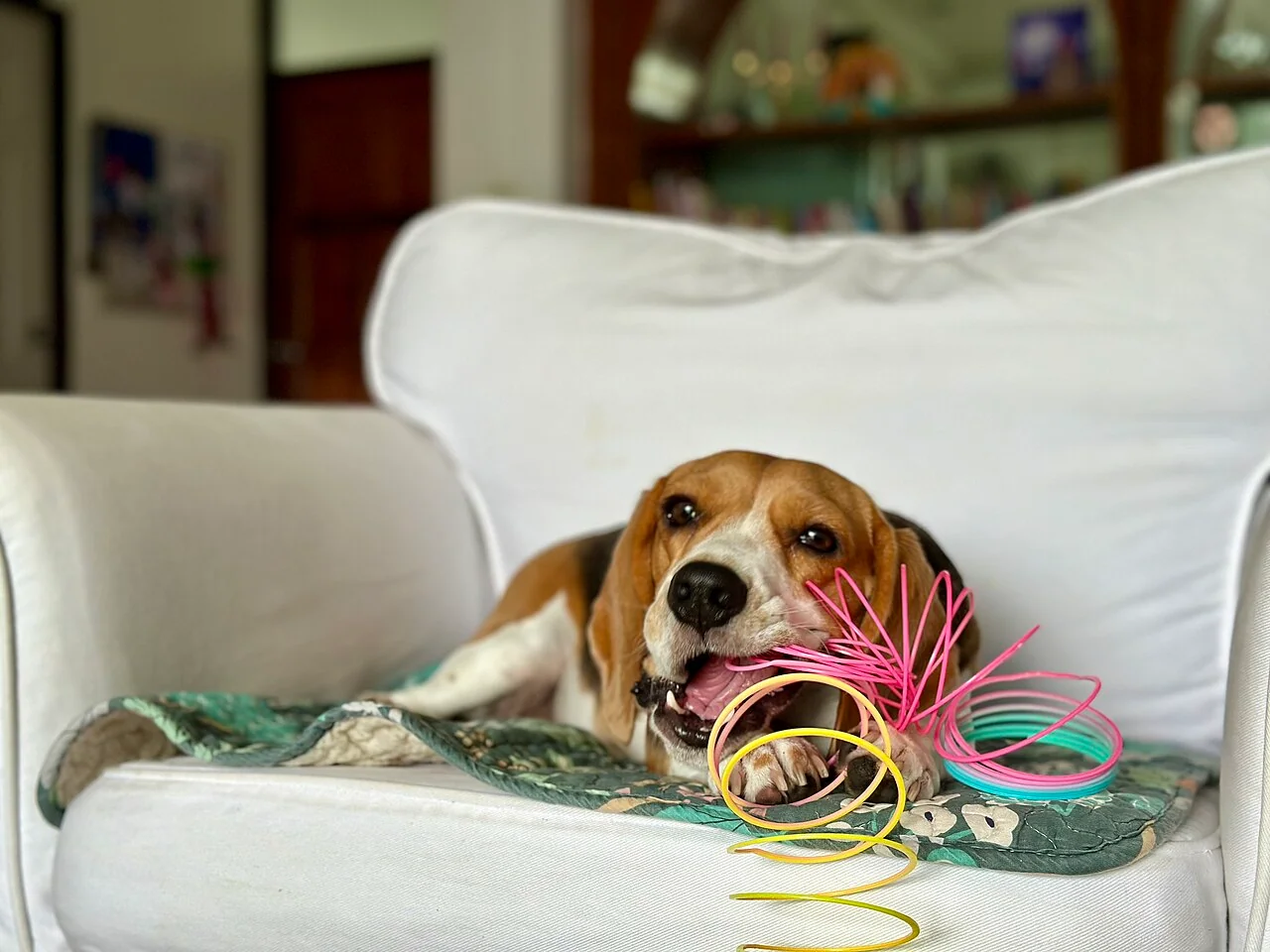
Beagle chewing on a slinky (documentary photograph) Slyronit · CC BY-SA 4.0. Web size optimized; original linked.
Shared Spaces and the Politics of Paws
Picture a bustling city park on a Saturday afternoon. A young family spreads a blanket for a picnic while, twenty yards away, a golden retriever named Luna gallops after a frisbee, her paws churning the turf into soft divots. The parents might smile at her joy or quietly calculate the odds of stepping in something unpleasant later. This imagined vignette reveals the delicate ecology of public ground: dogs enrich these spaces with vitality and connection, yet their enthusiastic use can wear paths bare and scatter reminders of their digestion.
The thoughtful response is not to banish the dogs or shame their people but to design with both groups in mind. Perhaps a modest annual contribution from households without dogs could fund separate, thoughtfully engineered zones with washable surfaces and plentiful bins, leaving the open lawns freer for games and quiet reflection. Such an approach acknowledges that benefits are unevenly distributed without turning neighbors into adversaries. It asks us to weigh the pleasure of watching dogs at full speed against the desire for unblemished grass, then find a middle path that enlarges the commons rather than dividing it.
The Emotional Ledger of Companionship
Consider an older man named Elias whose terrier, Scout, arrived shortly after his wife’s passing. The dog’s relentless need for affection and adventure became both anchor and sail. Elias traded peaceful solitude for twice-daily outings that coaxed him into conversations with strangers and reintroduced him to the changing seasons. Yet the tradeoff appeared in smaller moments: the vacuuming of endless hair, the vet bills that rearranged his budget, and the gentle guilt when a trip out of town required finding a sitter.
These are the intimate calculations many dog guardians navigate. The animal offers uncritical love and a reason to keep moving, yet asks in return that we enlarge our empathy and loosen our grip on convenience. The reward is a life less solitary, more attuned to the present tense. When Elias watches Scout chase leaves in the wind, the emotional ledger balances. The trade-off feels not like sacrifice but like a fair price for rediscovering wonder in ordinary days.
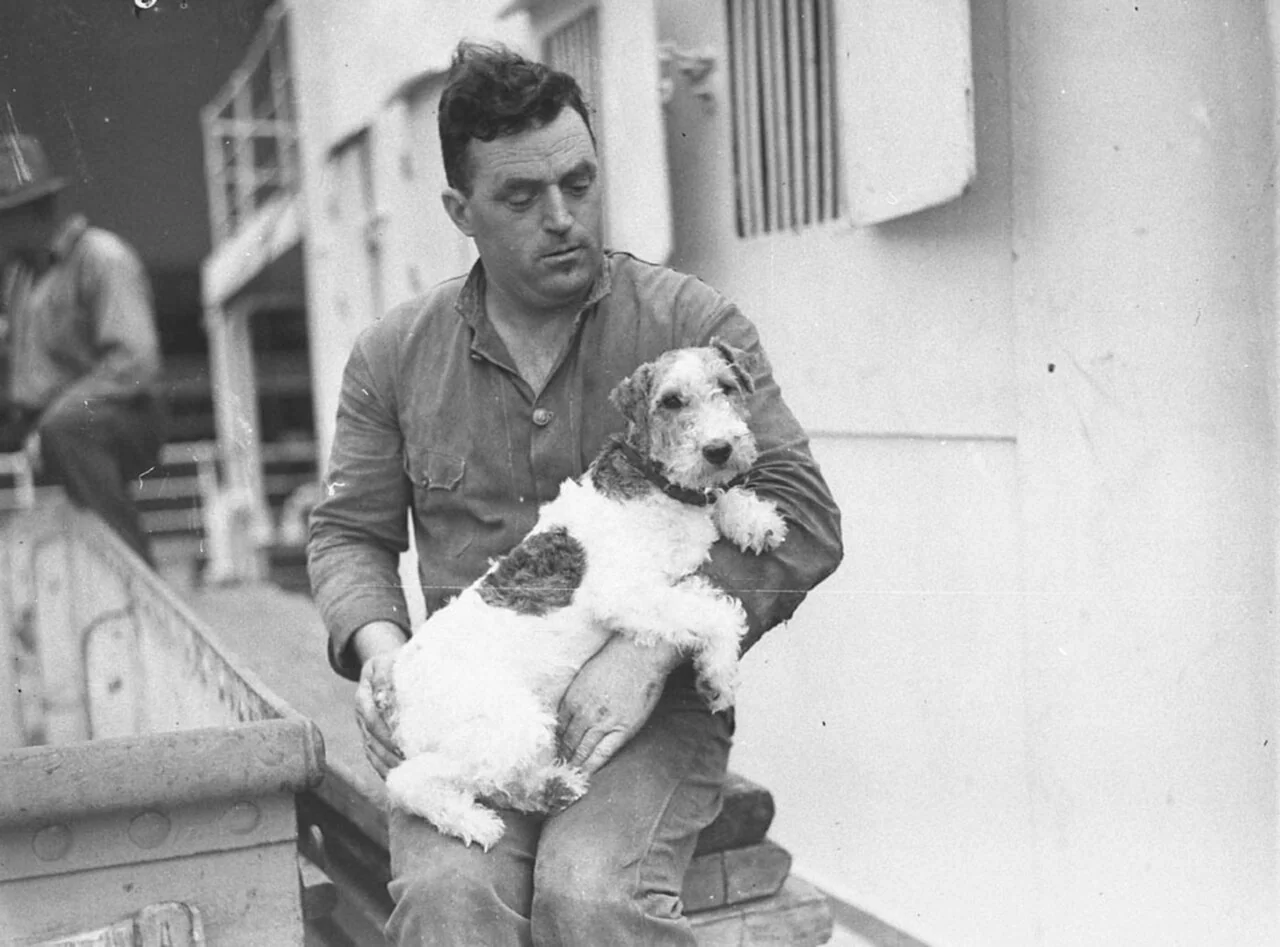
Man holding a shaggy-haired terrier Sam Hood · Public domain. Web size optimized; original linked.
Training as Dialogue, Not Domination
Envision a couple teaching their young Labrador, Finn, to greet visitors without launching himself like a furry missile. They invest evenings in patient repetition, using treats and praise instead of scolding. The process requires consistency they sometimes lack after long workdays, and the occasional setback tests their goodwill. Yet the tradeoff is a dog who becomes a gracious participant in their social world rather than a chaotic force.
Good training is less about control than about mutual understanding. We ask dogs to temper instincts that once ensured survival, while they ask us to become more observant, calmer, and clearer in our signals. The hypothetical success of Finn’s progress shows how these efforts ripple outward: fewer startled neighbors, more invitations to gatherings, and a deeper bond forged through shared language. The cost is time and humility; the return is a relationship built on respect instead of frustration.
The Long View: Aging Together
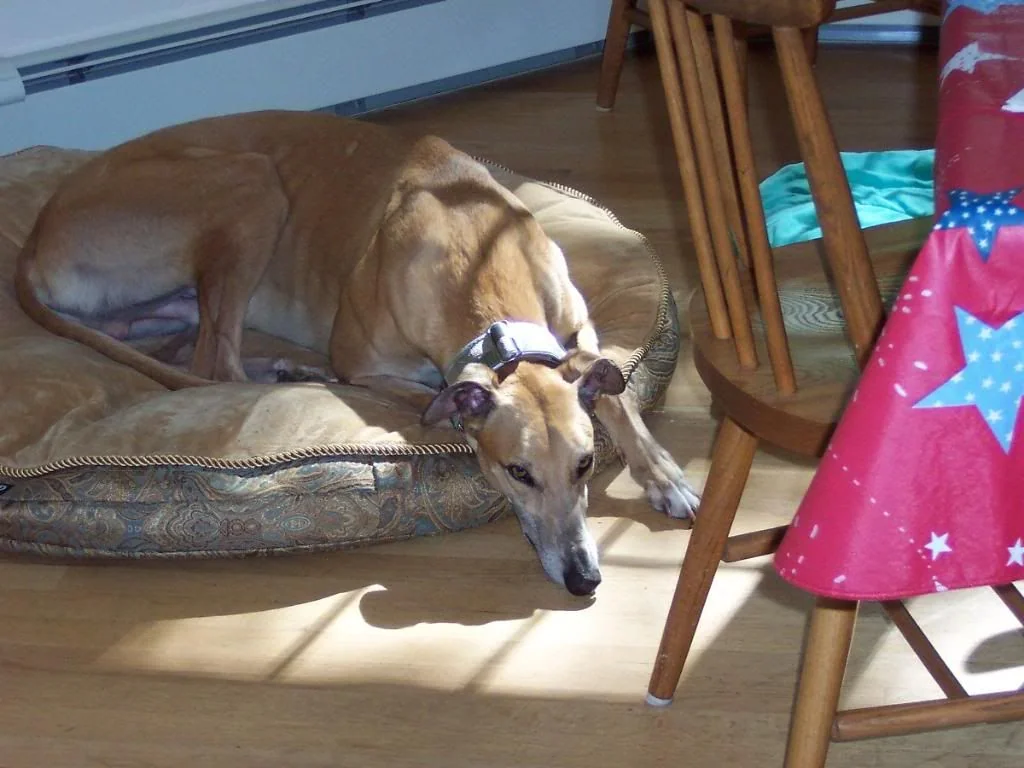
Think of a couple in their sixties whose aging greyhound, Pearl, now moves with deliberate slowness. Walks have shortened, medications multiplied, and the once-eager sprinter now prefers sunbeams on the living room floor. The pair trades their own travel dreams for the steady rhythm of home care, learning that love at this stage means accepting decline with grace. They adjust furniture for easier navigation and celebrate small victories like a gentle wag at dinnertime.
This final chapter of life with a dog invites the deepest reflection on tradeoffs. The animal who once expanded our world now contracts it in tender, necessary ways. We weigh the sorrow of impending loss against the privilege of having been chosen as stewards. The humane response is to meet each stage with presence rather than resistance. In doing so, we discover that living well with dogs ultimately teaches us how to live well with impermanence, offering lessons in loyalty, forgiveness, and the quiet beauty of ordinary days shared.
Post-racing greyhound resting in a sunbeam (2010 documentary photograph) Chaoticfluffy · CC BY-SA 3.0. Web size optimized; original linked.
AI-assisted original writing. This feature was revised against source material and checked for unsupported claims. An editorial perspective; interpretations are distinguished from factual reporting.
Sources & further reading
This article is labeled opinion and offers an editorial perspective.
Focusing on certain breeds distracts from the real drivers of dog bites: negligent ownership and missed opportunities for early socialization that affect every kind of pup.
Urban planners rarely pause to consider how their straight paths and echoing plazas feel through a dog's nose, ears, and eyes, yet a few gentle adjustments could transform shared spaces into places where both species truly thrive together.
THE EDITORIAL DESK · 5 MIN READ
The Quiet Bargain We Make with Our Dogs | The Barkington Times
Strict enforcement on suburban paths and trails quietly shields our canine companions from injury, escape, and tense encounters that off-leash freedom too often invites.
 Photograph