The Quiet Grace of Giving Reactive Dogs Room to Breathe
Public shaming of owners whose dogs bark, lunge, or freeze often deepens their isolation instead of helping; a gentler approach honors the hidden struggles and fosters real progress.
Small dog appearing scared with tucked posture Frank Pierson · CC BY 2.0 · Web size optimized; source linked for the original.
In the shared spaces where our lives tangle with our dogs', a single growl can spark judgment faster than a wagging tail draws smiles. Yet many of these moments reveal not neglect but the quiet battles of creatures trying to navigate a world that feels too loud, too close, too much. Rather than rushing to shame the handler, we might pause and imagine the unseen weight they carry. A more humane path lies in empathy that makes room for difference, turning potential conflict into quiet solidarity.
When a Bark Echoes More Than Disobedience
Picture a woman on a leafy suburban trail at dusk, her medium-sized mutt suddenly freezing at the sight of another dog rounding the bend. The leash goes taut; a low growl ripples out. Onlookers might assume she has failed to train him properly, perhaps muttering about irresponsible owners as they pass. Yet suppose this dog arrived from a shelter with a history of unpredictable noises startling him during his early months, leaving him wired to interpret every approach as threat. Her careful distance isn't rudeness but a deliberate strategy, rehearsed over months of small, hopeful steps.
Reactivity like this rarely springs from nowhere. It can stem from genetic sensitivities that make certain movements or sounds overwhelming, or from early experiences that taught a pup the world was unreliable. In hypothetical scenarios, an owner might spend evenings practicing counter-conditioning in the backyard, rewarding calm glances at distant triggers with tiny treats and soft praise. Public disapproval risks unraveling that fragile trust. Instead of lectures, a simple crossing to the other side of the path could preserve the progress, allowing both dog and person to continue their careful dance without added fear.
Dogs, like people, sometimes carry conditions that don't announce themselves with obvious signs. Imagine a sleek hound who lunges at passing bicycles not out of aggression but because a slight inner-ear quirk turns the whoosh of wheels into a disorienting whirl. His owner knows this from veterinary insights and has built a life around predictable routes and gradual exposures. A stranger's eye-roll or pointed comment about "control your animal" lands like salt in a wound already tender from years of managing what can't be fully cured.
This parallel to human invisible challenges invites us to trade snap judgments for curiosity. A bright ribbon tied to the leash might signal the need for space, a gentle cue that could prevent escalation. In imagined neighborhoods adopting such markers, courtesy blooms naturally; walkers shorten their own leads or offer understanding nods. Punishment or public calls for instant fixes often backfire, heightening anxiety and fraying the bond. True management asks for patience, professional guidance when possible, and the grace to accept that some dogs will always need extra consideration rather than a miracle cure.
How Shame Ripples Through Lives
The sting of sideways glances or overheard whispers can accumulate like storm clouds. Consider a young professional who begins avoiding the local park after a series of confrontations about her terrier's barking at joggers. What began as hopeful outings turns into solitary backyard play, cutting off chances for controlled socialization that might have slowly built confidence. The isolation weighs on her, and her dog senses the tension, mirroring it in tighter, more reactive loops during rare walks.
This cycle rarely improves the behavior; it often deepens it. In hypothetical cases, stressed owners might delay seeking help, fearing further criticism, or even contemplate surrendering a companion they've come to love despite the challenges. A kinder community response, perhaps a quiet step aside or a sympathetic smile, costs nothing yet signals belonging. It keeps the pair engaged with the world instead of retreating from it, preserving opportunities for the small victories that make shared life worthwhile.
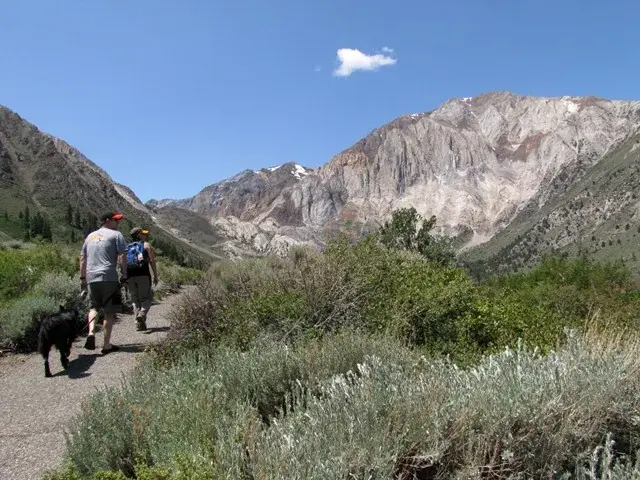
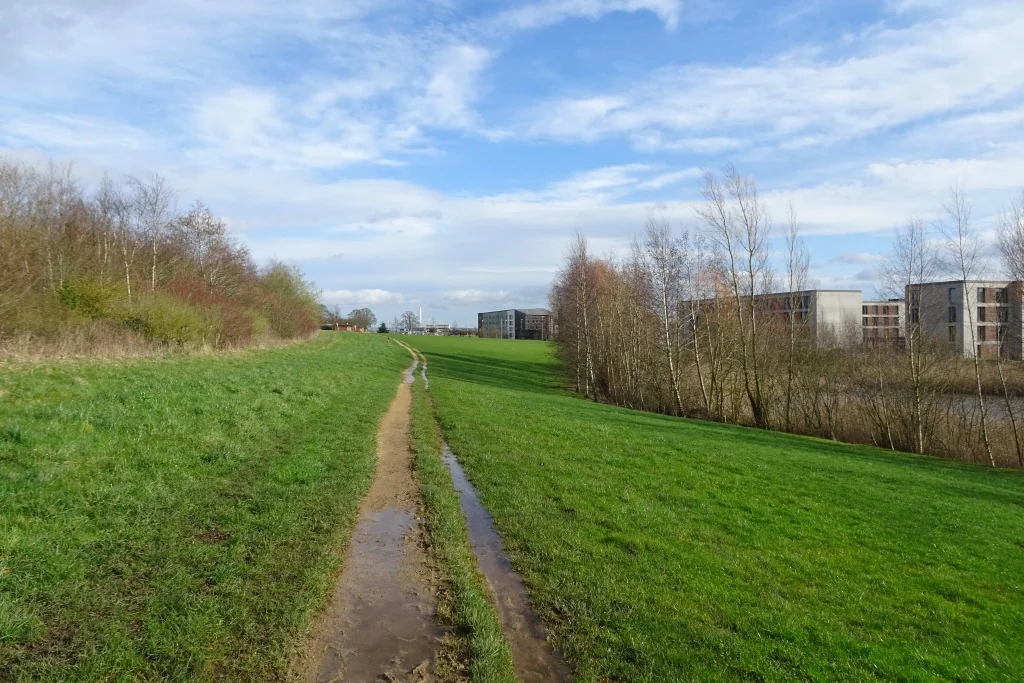
Dog walkers path DS Pugh · CC BY-SA 2.0. Web size optimized; original linked.
Choosing Education Over Embarrassment
Rather than outrage, what if we invested in gentle, accessible learning? Local gathering spots could offer informal sessions on spotting early signs of discomfort in dogs, from tucked tails to averted eyes, helping everyone recognize when space is a gift rather than an insult. In these imagined settings, participants explore positive methods like pairing strangers with good things, building associations that feel safe and rewarding. The emphasis falls on understanding triggers instead of demanding perfection.
Responsible care also means knowing when to bring in experts, whether for health checks that might reveal pain contributing to irritability or for tailored plans that respect a dog's unique temperament. Community adjustments, such as marked quiet paths or times when busy areas thin out, could accommodate varied needs without forcing uniformity. The aim isn't to overlook genuine risks but to create conditions where improvement feels possible, where owners feel supported rather than scrutinized. This shift honors the trade-off: we give up the satisfaction of quick condemnation for the slower, deeper reward of collective compassion.
The Joy That Empathy Unlocks
Dogs draw us together because they thrive on connection, reflecting our own longing for understanding. When we encounter a struggling pair, resisting the urge to broadcast disapproval can be an act of profound kindness. It preserves the handler's dignity and keeps the dog in a space where learning can continue, one careful encounter at a time. Over time, these small choices weave a neighborhood where differences don't divide but enrich the daily rhythm of walks and greetings.
Living well with dogs ultimately balances our responsibilities with patience for one another's unseen stories. Not every outburst signals danger; some whisper of distress that deserves space to settle. By opting for education and empathy over public embarrassment, we cultivate places where reactive dogs and their devoted people can flourish alongside the confident ones. The next time a bark breaks the calm, consider stepping aside with quiet grace. That single gesture might nurture more progress than any lecture, reminding us that true companionship grows in the soil of understanding.
AI-assisted original writing. This feature was revised against source material and checked for unsupported claims. An editorial perspective; interpretations are distinguished from factual reporting.
Sources & further reading
This article is labeled opinion and offers an editorial perspective.
Focusing on certain breeds distracts from the real drivers of dog bites: negligent ownership and missed opportunities for early socialization that affect every kind of pup.
Urban planners rarely pause to consider how their straight paths and echoing plazas feel through a dog's nose, ears, and eyes, yet a few gentle adjustments could transform shared spaces into places where both species truly thrive together.
Strict enforcement on suburban paths and trails quietly shields our canine companions from injury, escape, and tense encounters that off-leash freedom too often invites.

 Photograph