What Dogs Notice About Quantities: Insights From Brain Scans and Choice Tests
Studies using fMRI and behavioral tasks reveal that dogs can spontaneously distinguish amounts, though their performance often differs from that of wolves and primates.
Dogs live in a world of routines, meals, and walks, yet hidden beneath their familiar routines may lie a basic ability to notice differences in quantity. Recent neuroimaging and behavioral experiments have explored whether dogs possess something like a number sense, the approximate number system that helps many animals judge “more” or “less” without counting words. The evidence shows that dogs activate brain regions in a ratio-dependent way when viewing dot patterns and can choose larger food amounts in controlled tests. However, their skills appear more limited than those of wolves raised under identical conditions, and results stop well short of suggesting dogs can truly count. This article reviews the key findings, highlights what remains uncertain, and offers practical questions for dog owners and trainers curious about how quantity perception might shape everyday canine decisions.
Brain Activation Patterns in Dogs Viewing Dot Arrays
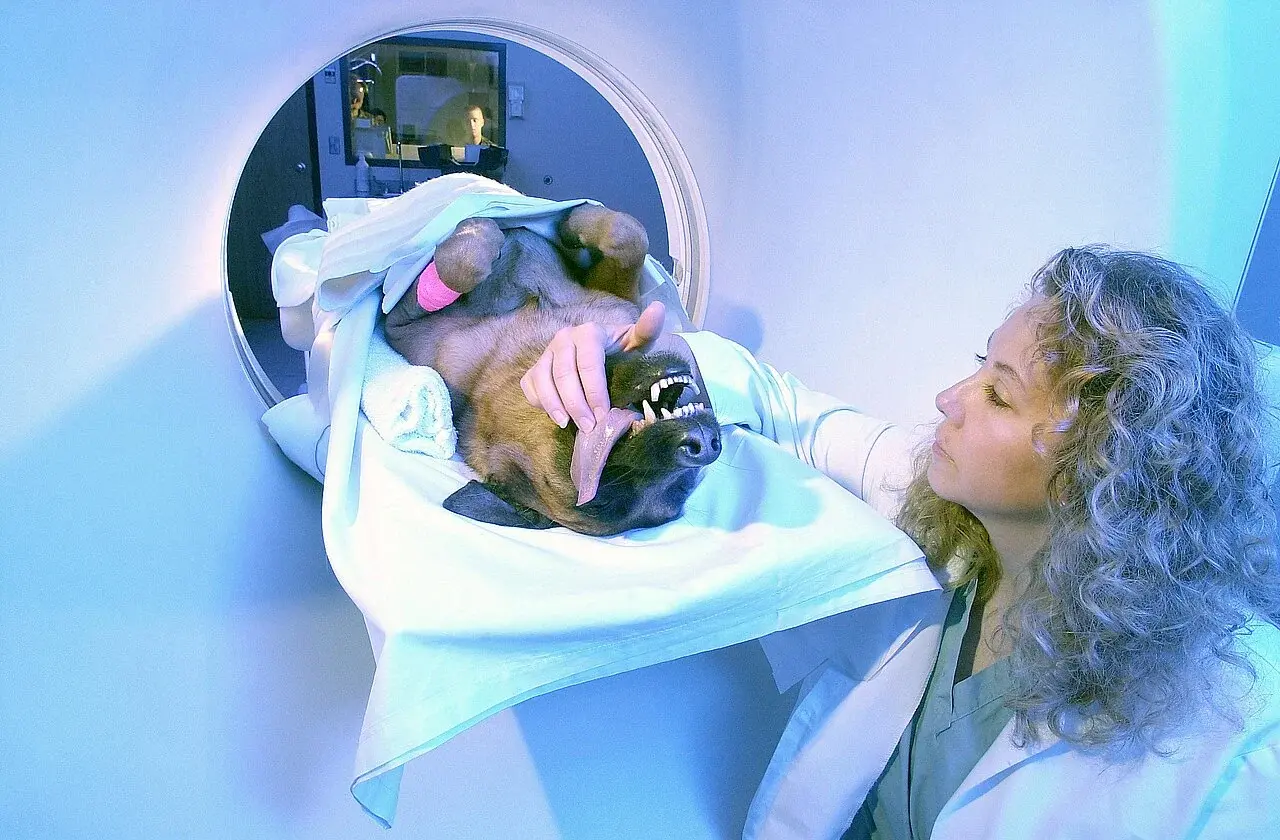
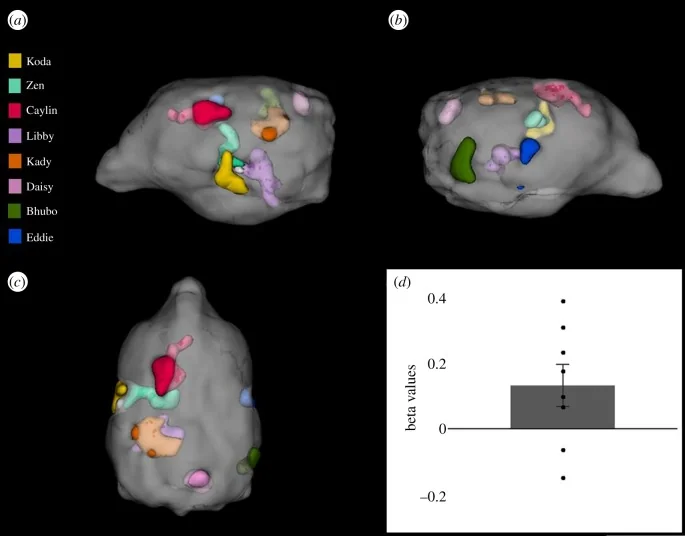
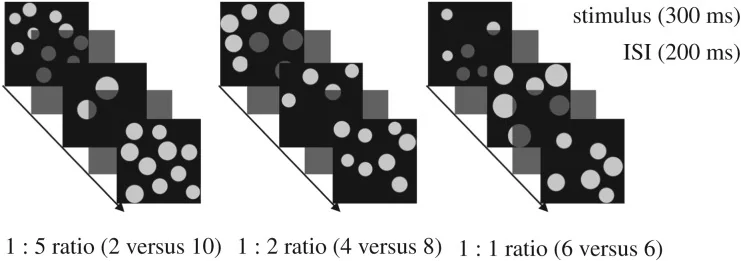
In one set of experiments, researchers used functional magnetic resonance imaging to watch what happened inside dogs’ brains while the animals passively viewed arrays of dots. The dogs had received no prior training on numbers. The arrays varied in their numerical ratios, sometimes with the same total surface area but different individual dot sizes. In eight of the eleven dogs tested, a region of the parietotemporal cortex showed activation that depended on the ratio between the numbers of dots. This pattern is considered a hallmark of the approximate number system seen across many species, including primates. The activation persisted even when cumulative area was controlled, suggesting the dogs were responding to visual numerosity rather than just overall size or brightness.
This finding is noteworthy because it demonstrates spontaneous discrimination of quantity in a non-primate mammal without any explicit teaching. It implies that dogs may possess neural machinery for representing approximate numbers that is broadly similar to what is found in humans and apes. At the same time, the study tested only a small number of animals, and activation was not seen in every dog. Variability like this reminds us that individual differences matter and that brain imaging in awake, unrestrained dogs is still a relatively new technique with technical challenges. Owners might wonder whether their own dog would show the same brain response and what that could mean for training or enrichment.
Comparing Quantity Discrimination in Dogs and Wolves
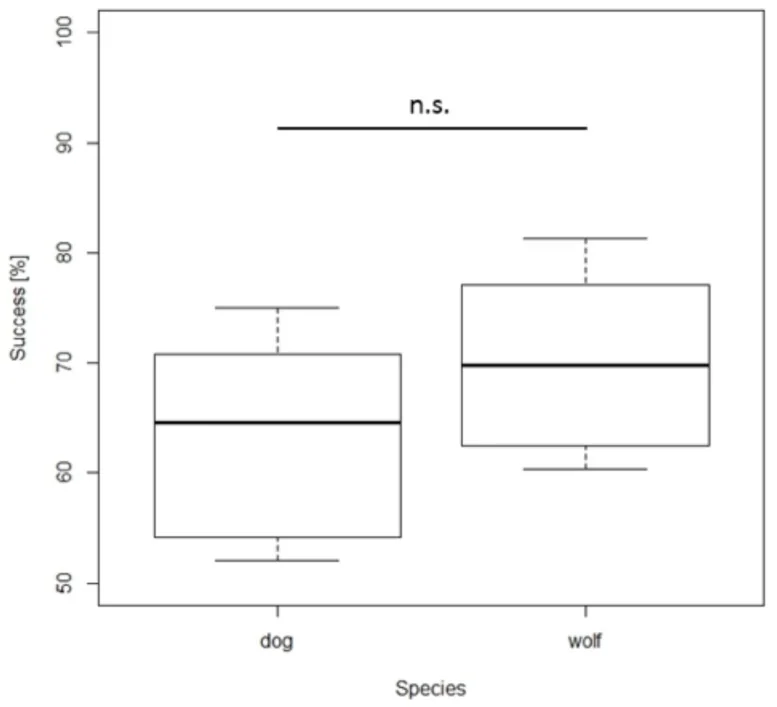
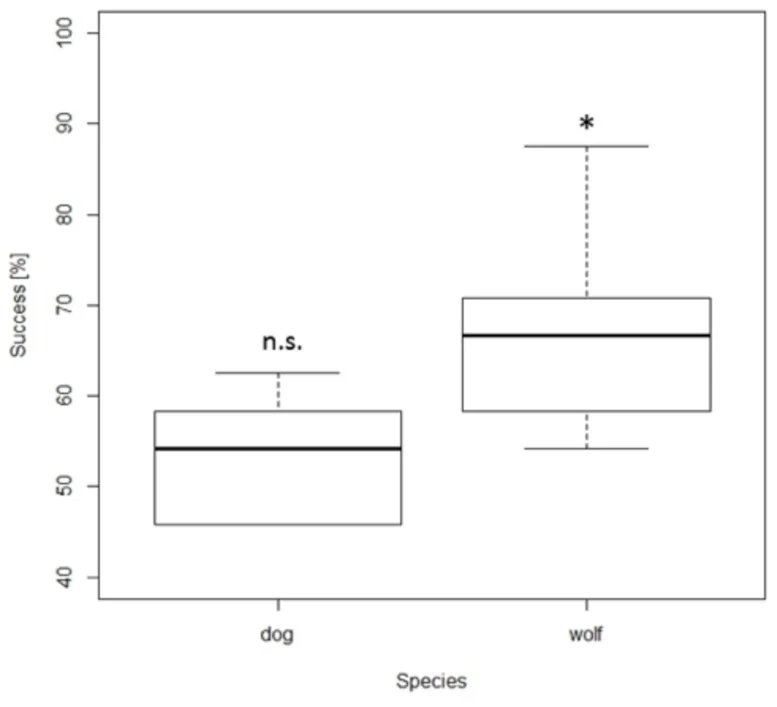
Another line of research directly compared dogs and wolves that had been hand-raised and housed under the same conditions. The animals faced a sequential invisible quantity discrimination task in which food items were dropped one by one into opaque containers. Quantities ranged from one to four items. Wolves selected the larger quantity above chance levels across all tested ratios, including relatively difficult ones such as 0.67 and 0.75. Dogs, by contrast, succeeded only at easier ratios of 0.5 or lower and performed at or below chance on the harder comparisons.
When researchers added control conditions that equated the total time of insertion and the number of movement events, wolves continued to choose correctly while dogs did not. These results have prompted discussion about whether domestication might have altered dogs’ ability to keep mental representations of unseen quantities compared with their wild relatives. The authors themselves note that differences in visual acuity, motivation, or attention could also explain the gap, so the domestication hypothesis remains one possible interpretation rather than a settled conclusion. For pet owners this raises an interesting question: do domestic dogs rely more on immediate visual cues than on building internal tallies, and does that change how we present food or toys?
How Dogs Perform When Food Quantities Are Shown Simultaneously or Hidden
In a third set of behavioral tests, dogs were shown two visible piles of food at the same time and allowed to choose one. They selected the larger set more often than the smaller one overall, but their accuracy dropped when the two quantities were numerically closer together. The same dogs were also tested in conditions where the food was made visually unavailable after the initial viewing period, including trials that required them to track quantities presented successively. Even without seeing the food at the moment of choice, many dogs still approached the larger amount more often than expected by chance.
Controls ruled out olfactory cues and subtle experimenter signals as explanations for the choices. The pattern suggests that at least some dogs can form internal representations of quantity that persist briefly after the food is hidden. Yet group performance showed clear limits and individual variability, and the experiments did not demonstrate exact counting or precise arithmetic. The authors compared the dogs’ abilities to those seen in apes but emphasized that the canine results reflect an approximate rather than a precise system. This distinction matters for anyone who has watched a dog stare longingly at a slightly larger biscuit or treat pile; the animal may be registering “more” without performing anything like the mental math a child learns in school.
Practical Implications for Dog Owners and Trainers
The reviewed studies collectively indicate that dogs notice quantity differences in both visual arrays and food rewards, yet their discrimination is ratio-dependent and often weaker than that of wolves on more challenging tasks. This knowledge can inform how we structure feeding routines, enrichment activities, or training games. For example, presenting clearly unequal portions may be more salient to a dog than offering two very similar piles. Simple games that hide treats in containers of different numbers could provide mental stimulation, but owners should not expect perfect performance on close ratios.
Editorial analysis suggests that recognizing these cognitive limits can foster more realistic expectations and reduce frustration during training. If a dog seems indifferent to a small difference in treat count, the issue may be perceptual rather than willful. At the same time, the spontaneous brain activation observed in the imaging study hints that quantity sensitivity is a basic part of how dogs parse their environment. Trainers might experiment with ratio-rich puzzles and observe individual responses, keeping in mind that motivation and context matter. A light-hearted way to think about it: your dog may not be able to count his toys, but he probably knows when you are short-changing the evening biscuit allotment.
Uncertainties, Limitations, and Questions for Further Thought
Several important uncertainties remain. The imaging study tested a modest number of dogs and found activation in only a majority, not all. The behavioral comparisons between dogs and wolves, while carefully controlled for rearing, cannot completely exclude alternative explanations such as differences in visual processing or drive. None of the work demonstrates that dogs possess exact numerical cognition or language-like counting; the evidence points instead to an approximate, ratio-sensitive system. Future research with larger samples, varied breeds, and additional control conditions will be needed to clarify the boundaries of canine quantity perception.
For readers interested in animal minds, useful questions include: How does a dog’s everyday experience with food distribution influence its sensitivity to quantity? Would training on numerical tasks sharpen performance, or is the system largely fixed? And what does the apparent gap between dogs and wolves suggest about the cognitive trade-offs of domestication? These studies invite us to appreciate dogs as they are—capable of noticing “more” in many situations, yet operating with a practical, approximate sense of quantity that fits their lives as human companions. Keeping that perspective can deepen the bond without projecting human-style mathematics onto wet noses and wagging tails.
AI-assisted original writing. This feature was revised against source material and checked for unsupported claims. Follow the references below for evidence and its limits.
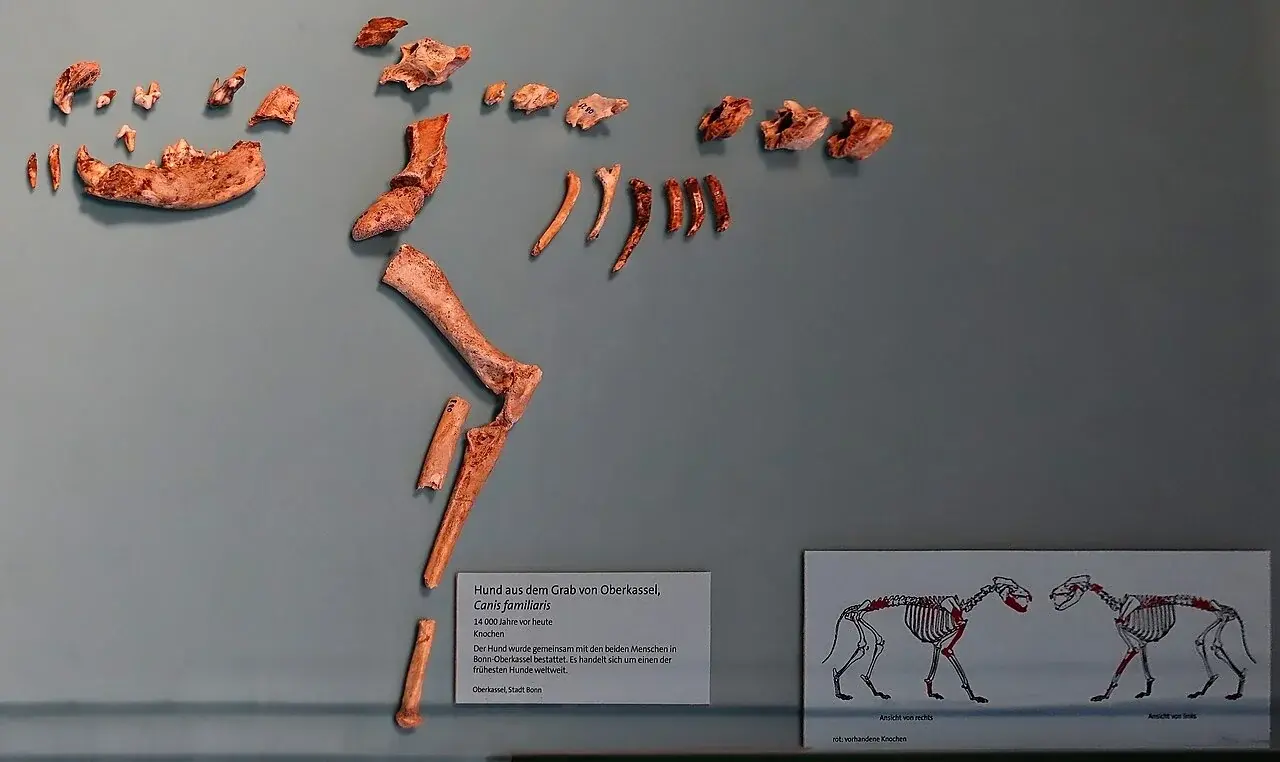
Archaeological finds from select European sites offer glimpses into possible relationships between people and dogs, while underscoring the challenges of interpreting ancient deposits.
Owner-led projects offer scale and real-world glimpses into canine minds, yet differences in tester identity and uncontrolled home settings can introduce systematic errors that large samples do not automatically cancel out.
Penn State researchers once used MRI scans and computer simulations to map airflow inside a dog’s nasal passages, offering clues for designing better chemical sensors.
 Photograph