What Genomics Reveals About Inbreeding in Popular Dog Breeds
Recent studies of dog genomes show how closed breeding and popular sires have reduced genetic diversity and increased harmful variants in some lines, with clear examples in German Shepherds and Cavalier King Charles Spaniels.
Black and Tan Cavalier King Charles Spaniel Harold Frazier · CC BY-SA 4.0 · Web size optimized; source linked for the original.
Dog lovers often celebrate the unique looks and personalities of different breeds. Yet behind the charm lies a genetic reality shaped by human choices. Three recent genomic studies trace how selective breeding over the past century has affected the DNA of certain popular breeds. The evidence points to measurable declines in diversity and rises in potentially harmful mutations, particularly after World War II in German Shepherd Dogs and in heavily bottlenecked lines such as Cavalier King Charles Spaniels. These findings raise practical questions for breeders, owners, and anyone thinking about the long-term welfare of our canine companions. While the data focus on specific breeds and cannot be generalized to all dogs, they offer a window into the trade-offs of closed registries and intense selection for traits.
Tracking Genomic Changes Over a Century in German Shepherds
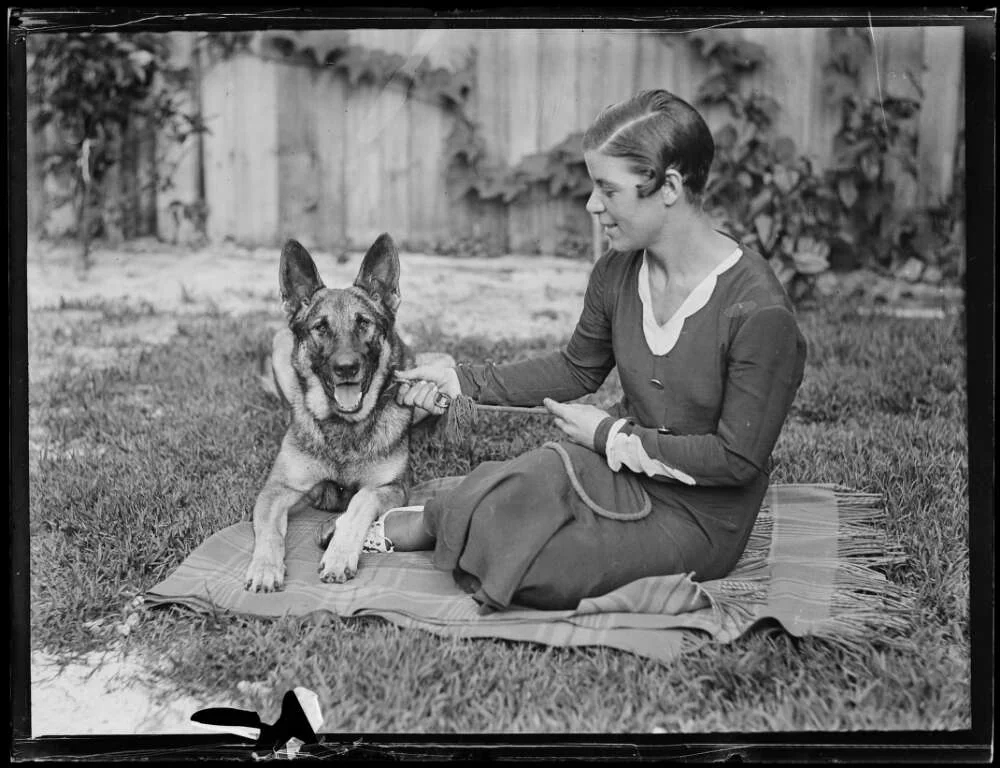
Researchers sequenced historical genomes from preserved 20th-century specimens of German Shepherd Dogs alongside modern ones. They observed a significant drop in genome-wide heterozygosity after World War II. This period coincided with repeated population bottlenecks tied to the overuse of popular sires. The result has been longer runs of homozygosity across the genome and an increased genetic load of recessive deleterious alleles in today’s dogs compared with earlier in the century.
These patterns suggest that the closed breeding practices common in pedigree systems can concentrate harmful variants over generations. The study notes that the most pronounced declines occurred in the last century rather than at the initial formation of the breed. This distinction matters because it ties the changes more directly to modern registry practices than to the founding events of the breed. For owners of German Shepherds, the data invite reflection on whether current health screening programs adequately address the accumulating genetic burden.
Measuring Deleterious Variation in Cavalier King Charles Spaniels
In a separate whole-genome sequencing effort, scientists compared eight common breeds that differ in how intensely they have been selectively bred. The Cavalier King Charles Spaniel stood out as the most heavily bottlenecked. These dogs carry roughly 10 percent more derived alleles at evolutionarily conserved sites than several other breeds in the set, along with 6 to 13 percent more deleterious alleles per genome.
This finding represents the first documented case of a relative increase in deleterious genetic variation linked to a specific breed’s recent history. The same dataset also turned up candidate risk alleles connected to myxomatous mitral valve disease, the most frequently reported veterinary problem in the breed. While the study cautions that results are limited to the breeds examined, it underscores how tight breeding circles can allow harmful mutations to drift to higher frequencies. Prospective owners might reasonably ask breeders about genetic testing for heart conditions before choosing a puppy.
Identity by Descent and Its Link to Disease Risk
A third analysis looked at identity-by-descent segments and runs of homozygosity across breed dogs, village dogs, and wolves. Breed dogs show markedly higher levels of these markers of inbreeding than their free-ranging counterparts. The burden of such homozygous stretches correlates with certain disease phenotypes, including lymphoma in some breed populations.
Interestingly, the number of known disease-associated variants reported for a breed tracks more closely with the breed’s popularity than with its actual genomic measures of inbreeding. This pattern points to ascertainment bias: popular breeds simply get studied more. The authors highlight that many breeds remain understudied, so the true picture of genetic risk is still incomplete. Even so, mapping where runs of homozygosity cluster in the genome can spotlight potential hotspots for inbreeding depression, offering breeders a practical tool for future decisions.
Taken together, the three studies paint a consistent picture: closed breeding and the repeated use of popular sires can reduce genetic diversity and elevate the frequency of deleterious variants within a few generations. The German Shepherd data show this clearly in the post-WWII period, while the Cavalier results quantify the extra load carried by one heavily selected breed. The identity-by-descent work adds that such patterns are widespread across many registered lines, though the clinical consequences vary and are better documented in popular breeds.
For breeders, the evidence supports wider use of outcrossing programs where permitted by registries, along with transparent genetic testing. Owners benefit from asking about a puppy’s genetic background rather than focusing solely on conformation or pedigree papers. Light-hearted as it may sound, the old joke about a dog inheriting its grandpa’s bad hips carries a genomic truth; preventing that outcome requires looking beyond surface traits. Editorial analysis suggests that breed clubs could play a stronger role by rewarding health metrics alongside appearance in show rings.
Reading Questions and Future Implications
Several practical questions emerge from the data. How many generations of careful outcrossing would be needed to restore lost heterozygosity without losing valued working traits? Could open pedigree databases help breeders avoid unknowingly repeating the same popular-sire bottlenecks? And what responsibility do registries have when genomic studies flag rising genetic loads in their breeds?
The implications stretch beyond individual dogs. If certain breeds continue to accumulate deleterious variants, veterinary costs may rise and some lines could face sustainability challenges. On a lighter note, one can imagine a satirical future in which dogs come with QR codes linking to their personal “genetic load score,” complete with humorous warnings like “Caution: 12 percent higher risk of inherited drama.” Yet beneath the jest lies a serious welfare point: informed breeding choices today can spare future dogs and their humans unnecessary suffering. These studies do not indict all purebred dogs, but they do encourage a more genomics-informed approach to preserving the health and vitality of the breeds we love.
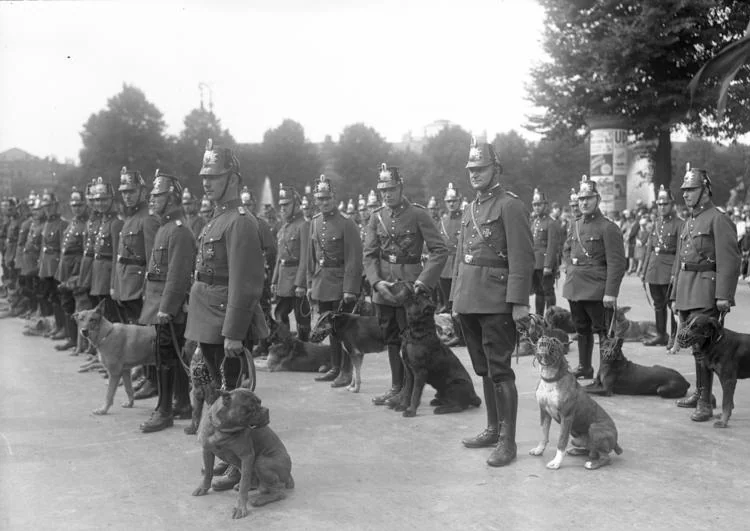
German police dog handler with his dog at a 1931 demonstration UnknownUnknown · CC BY-SA 3.0. Web size optimized; original linked.
AI-assisted original writing. This feature was revised against source material and checked for unsupported claims. Follow the references below for evidence and its limits.
Archaeological finds from select European sites offer glimpses into possible relationships between people and dogs, while underscoring the challenges of interpreting ancient deposits.
Owner-led projects offer scale and real-world glimpses into canine minds, yet differences in tester identity and uncontrolled home settings can introduce systematic errors that large samples do not automatically cancel out.
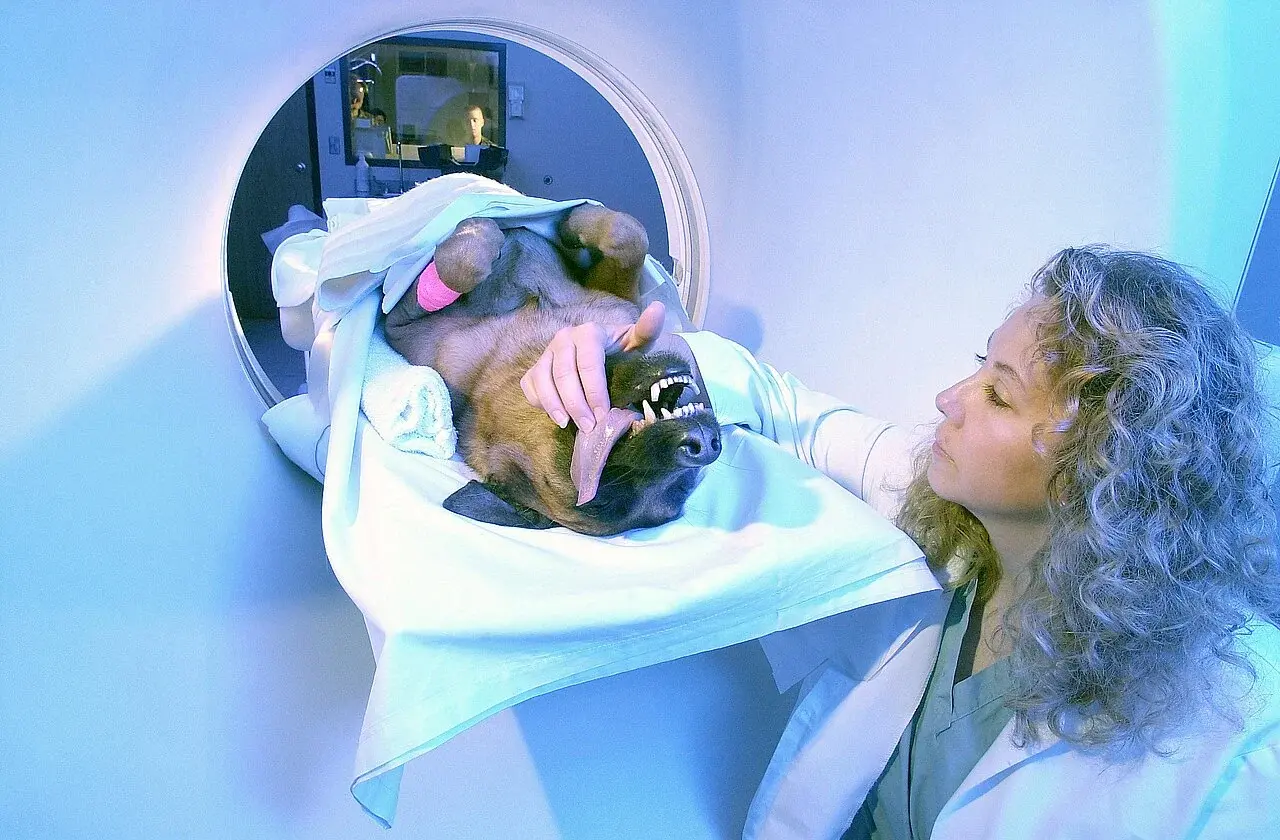
Penn State researchers once used MRI scans and computer simulations to map airflow inside a dog’s nasal passages, offering clues for designing better chemical sensors.

 Photograph