What Monastery Records Actually Say About Dogs in Historic Lhasa
Temple inventories and Tibetan Buddhist archives offer rich architectural detail but remain silent on the small sentinel dogs later associated with the region.
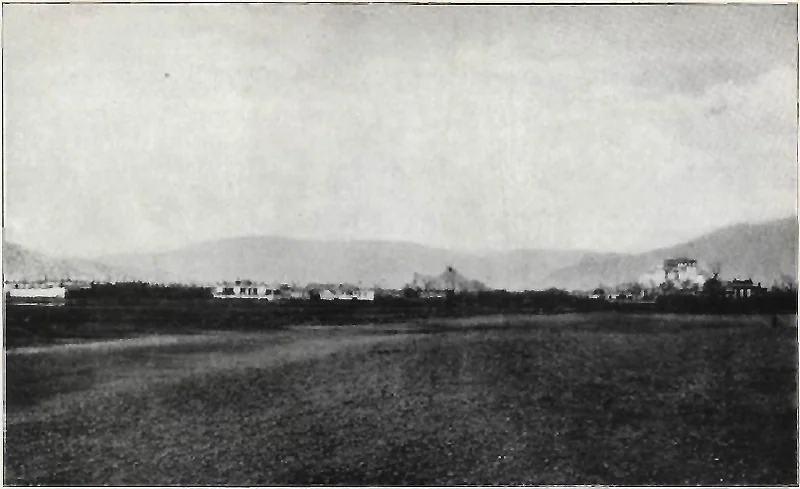
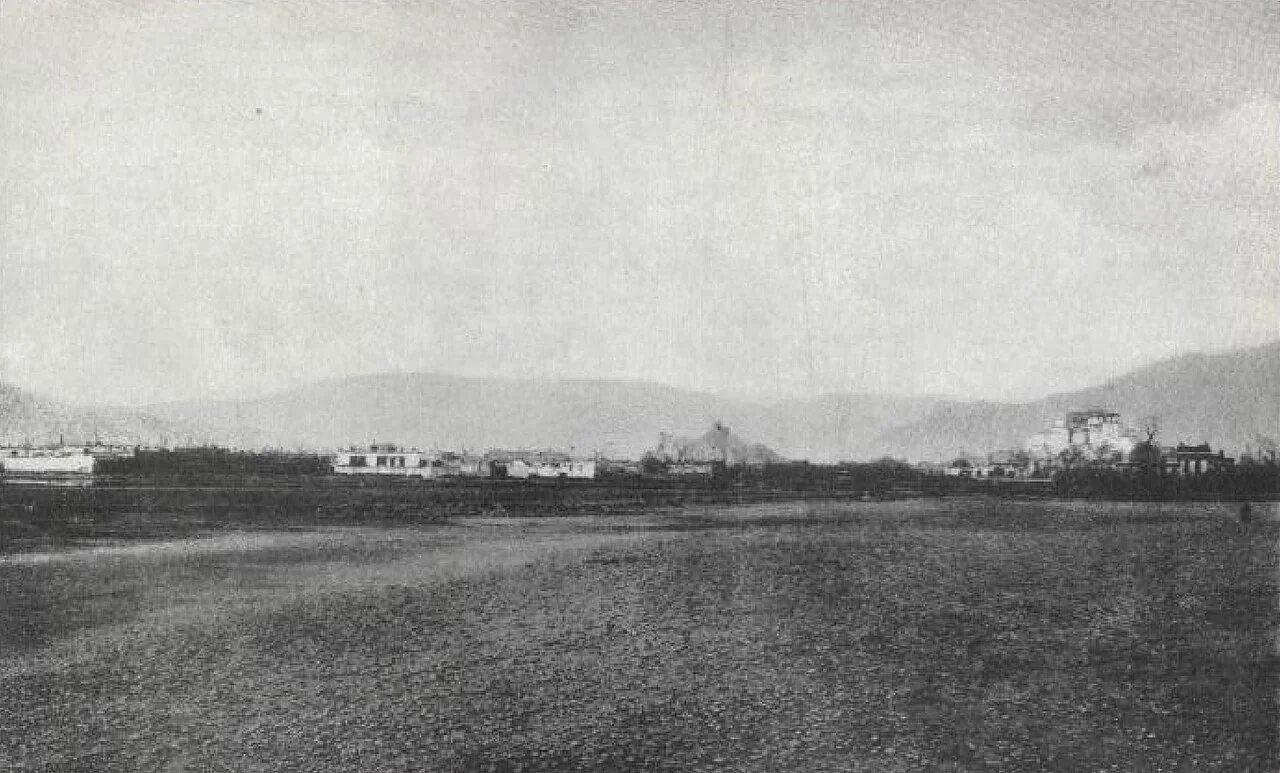
General view of Lhasa from the east, early 20th century archival photograph (Tsybikov, c. 1900–1901). Gombojab Tsybikov · Public domain · Web size optimized; source linked for the original.
Tibetan monasteries preserved detailed written inventories of sacred buildings, artworks, and ritual objects over many centuries. These records, often called dkar chag in Tibetan, provide historians with precise information about temples such as the Jokhang in Lhasa and the great Gelugpa institutions of Ganden, Drepung, and Sera. Yet when it comes to the small, long-coated dogs that popular accounts place inside those same holy spaces, the surviving documents offer no direct testimony. The gap between later storytelling and the primary sources invites careful reading: what can we confidently say, what remains tradition, and what belongs to romantic reconstruction? This article examines the available evidence without filling in the blanks.
The Nature of Tibetan Temple Inventories
Scholars working with primary Tibetan texts have translated numerous dkar chag, or temple inventories, that list everything from statues and murals to roof repairs and donated treasures. Two notable examples come from the Fifth Dalai Lama’s ‘Crystal Mirror’ description of the Jokhang temple and from later restoration records kept during the Thirteenth Dalai Lama’s time. These documents focus on architecture, iconography, and ritual function. Their purpose was devotional and administrative, recording what belonged to the sacred space and what needed maintenance. In that context, the absence of any mention of dogs is unsurprising; inventories were not general diaries of daily life.
The Tibet Heritage Fund’s survey of Lhasa temples reinforces this pattern. Its compilation of translated sources covers the seventh through twenty-first centuries and pays close attention to Gelugpa monasteries. Readers looking for references to animals kept for security or companionship find none. The records stay tightly focused on built structures and consecrated objects. This narrow scope does not disprove the presence of dogs, but it does mean the oft-cited ‘monastery logs’ do not function as the detailed kennel records some popular narratives imply.
Jokhang Temple in Lhasa, Tibet (2004 documentary photograph) onwardtibet.org · CC BY-SA 2.0. Web size optimized; original linked.
What the Written Evidence Does Not Contain
Careful examination of the translated inventories reveals no entries about small alert dogs, no lists of animals assigned to guard duties, and no descriptions matching the physical traits later associated with the Lhasa Apso. The documents do not name specific breeds, ages, colors, or numbers of dogs. They also omit any reference to selective breeding programs inside monastic walls. This silence stands in contrast to the rich detail given to gilded statues, painted thangkas, and timber roof beams.
The lack of documentation matters because it limits what historians can claim with confidence. When modern breed profiles assert that Lhasa Apsos ‘guarded sacred spaces high on the Tibetan Plateau’ for centuries, they are drawing on oral tradition and later Western traveler accounts rather than the primary monastery records themselves. Recognizing this distinction protects both historical accuracy and animal-welfare discussions; romanticizing dogs as ancient monastic sentinels can unintentionally overshadow the real lives of today’s dogs in Tibet and in diaspora communities.
How Later Tradition and Western Accounts Filled the Gap
Tibetan religious and aristocratic households did keep small long-coated indoor dogs for many centuries. These animals lived in and around Lhasa and were not commonly traded. That much is supported by consistent cultural memory. Yet the precise length of that practice remains unknown; claims of one thousand or two thousand years of continuous breeding are guesses rather than verified dates. Monastery tradition passed down stories of watchful little dogs, but those stories were rarely written into the formal inventories.
When Western travelers began visiting Tibet in the late nineteenth and early twentieth centuries, they encountered these dogs and brought specimens home. Their published accounts helped crystallize the image of the ‘Lhasa Apso’ as a monastery guardian. The name itself ties the breed to the city of Lhasa, yet the dogs were never exclusive to monastic life. Aristocratic families also prized them. The blend of genuine tradition, traveler romance, and selective breeding outside Tibet produced the modern breed we recognize today. Light-hearted reading of those old travelogues reveals how quickly a practical watchdog became an exotic status symbol once it left the plateau.
Anyone studying Tibetan history might usefully ask: why did temple scribes record gilded roofs but not the dogs sleeping beneath them? One plausible interpretation is that animals were considered living property rather than sacred inventory. Another is that the dogs’ role was too ordinary to merit formal mention. These questions highlight the limits of written records and remind us that absence of evidence is not evidence of absence. They also encourage cross-checking oral histories with material culture where possible.
A second productive question concerns animal welfare across time. If small sentinel dogs lived in high-altitude monasteries, what were their actual living conditions? Modern readers can reflect on how cold stone floors, thin air, and limited veterinary care might have affected their health without projecting contemporary standards backward. Such reflection keeps the conversation grounded and respectful rather than sentimental.
Implications for Today’s Breed Enthusiasts and Historians
Understanding the documentary gap helps breed clubs and owners separate marketing lore from verifiable history. The Lhasa Apso remains a charming, alert companion with deep Tibetan roots; those roots simply rest more on living tradition than on parchment inventories. Accepting that reality frees enthusiasts to appreciate the dogs for what they are now instead of what romantic stories claim they once were. It also opens space for ethical breeding focused on health rather than mythic antiquity.
For historians, the silence in the records is itself instructive. It illustrates how cultural memory and written archives can diverge. Future researchers might look beyond temple dkar chag to secular aristocratic documents, folktales, or archaeological finds of dog remains. Until such evidence surfaces, the most honest posture is cautious respect for what the sources do and do not say. In the meantime, a bit of gentle humor reminds us that even the most alert little watchdog cannot guard against the human tendency to embellish the past.
General view of Lhasa from the east, about 1901, by Gombojab Tsybikoff. Norzunoff, O. M. [1] · Public domain. Web size optimized; original linked.
AI-assisted original writing. This feature was revised against source material and checked for unsupported claims. Follow the references below for evidence and its limits.
Large mastiff-type dogs have served as protectors on remote South African farms for generations, though many popular stories about their exact origins remain unverified tradition.

 Photograph