The growing habit of treating pets as emotional support props risks eroding the delicate public trust that lets genuine working dogs do their vital jobs.
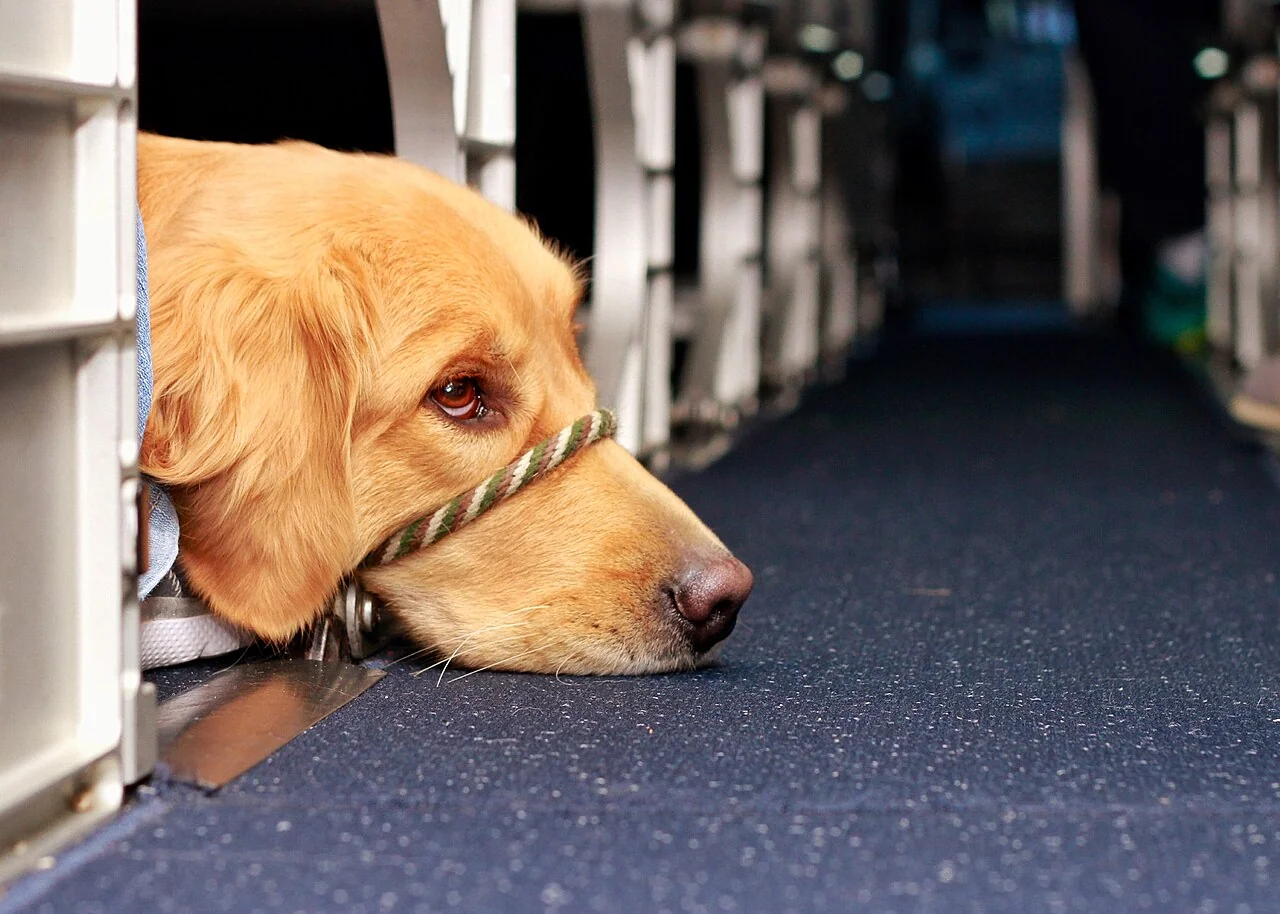
Service dog (yellow lab) laying down. Modern documentary photograph of a trained service dog. Eden Aviv · CC0 1.0 · Web size optimized; source linked for the original.
There is something undeniably soothing about sharing life with a dog. Their steady breathing beside us on the couch, the way they lean into our legs after a long day, the simple joy of a wagging tail. Yet in our eagerness to claim that comfort as a right, we may be quietly undermining the very relationships we cherish. When nearly every pet is labeled an emotional support animal, the special status granted to carefully trained psychiatric service dogs begins to fray. The result is not just inconvenience at airport gates or apartment doors, but a deeper ethical tangle: we risk turning loyal companions into props while diminishing the lifesaving work some dogs perform for those who truly need them.
The Quiet Difference Between Presence and Partnership
Imagine stepping onto a crowded subway after a sleepless night, heart racing, the world pressing in too close. A well-trained psychiatric service dog might sense the rising panic and gently nudge its handler’s hand, guiding attention back to the present. Or picture a person frozen by dissociation in a grocery store; the dog could be trained to fetch a medication bottle from a backpack or create a physical buffer against intrusive strangers. These are concrete, observable tasks that go far beyond the warmth of simple companionship.
In contrast, the casual emotional support dog offers something real but less defined: the comfort of a familiar presence. Picture a golden retriever curled contentedly in a passenger’s lap on a short flight, its owner feeling calmer simply because the dog is there. The distinction matters. Service dogs perform specific work that mitigates disability in public spaces. Emotional support animals, while valuable in their own right, primarily provide passive reassurance. When the two categories blur, public skepticism grows, making it harder for those who rely on true working partners to be taken seriously.
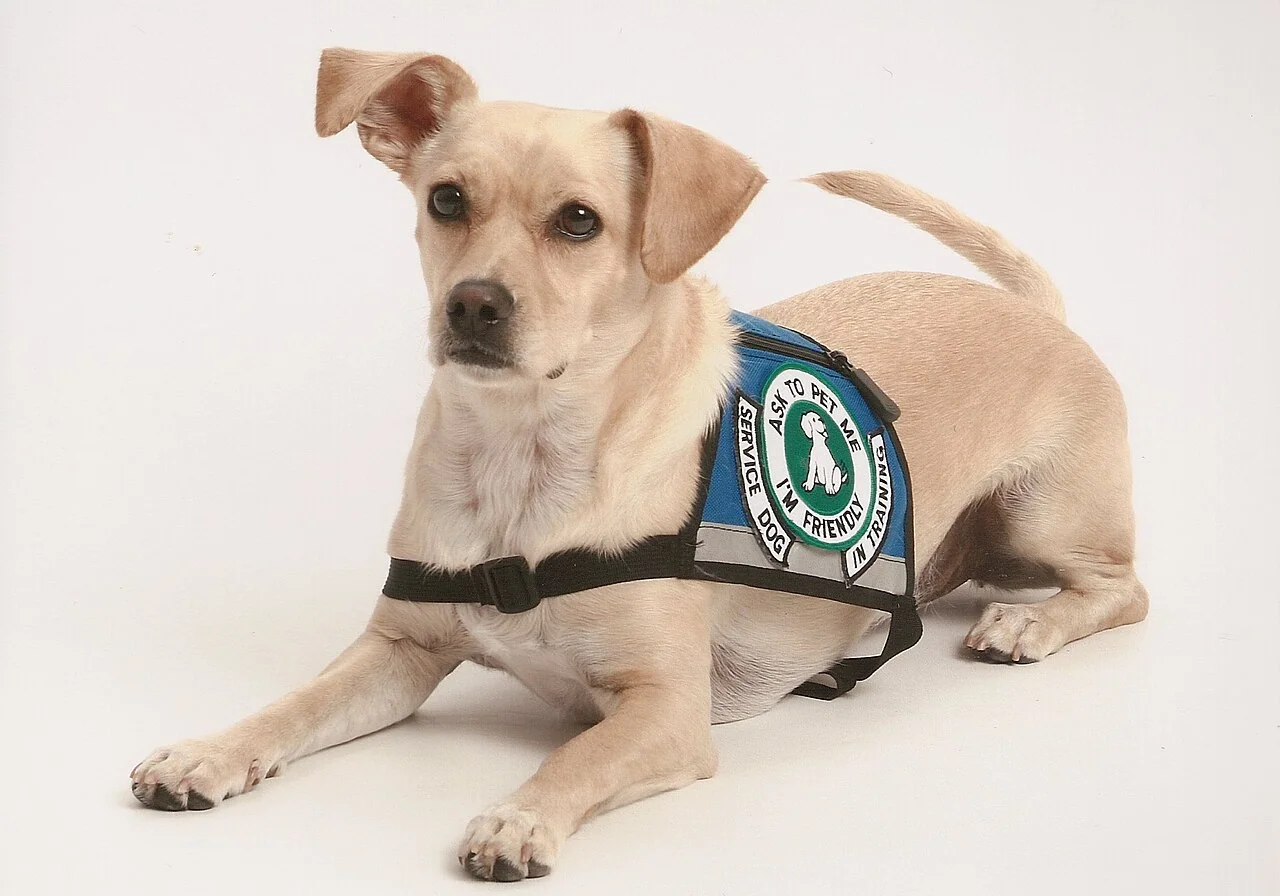
Yellow Labrador retriever wearing a service dog vest. Eden Aviv · CC0 1.0. Web size optimized; original linked.
The Human Side of the Equation
The ethical heart of this issue rests not with the dogs but with us. Consider a hypothetical handler who spends months teaching her border collie to interrupt panic attacks by bringing a weighted blanket or standing as a steady anchor in crowded rooms. She practices in parking lots, coffee shops, and noisy parks, learning to read every flick of an ear or shift in posture. This level of commitment respects both the dog’s intelligence and the seriousness of the work.
Now imagine another person who, feeling overwhelmed by everyday stress, buys an online certificate and declares her excitable terrier an emotional support animal. The dog barks at strangers, pulls on the leash, and clearly finds supermarkets overwhelming. The owner, seeking personal relief, overlooks these signals. Such choices, repeated across thousands of households, erode trust. They force landlords and business owners into awkward detective roles, and they place genuine service dogs under unnecessary scrutiny. The tradeoff is clear: convenience for some comes at the cost of credibility for others who need accommodations most.
Navigating Shared Spaces with Grace
Rental buildings and airplanes have become the most visible battlegrounds. Envision a no-pets apartment complex where multiple tenants suddenly present emotional support claims for untrained dogs. The landlord, weary of damage and complaints, tightens the rules until even a meticulously trained service dog for a veteran with PTSD faces resistance. The system strains under the weight of unclear boundaries and inconsistent verification.
Air travel tells a similar story. Picture a long-haul flight where a passenger’s untrained lapdog growls at the crew while another traveler with severe anxiety quietly benefits from the presence of her calm, task-trained companion. The 2021 policy changes that largely ended emotional support claims on planes reduced some chaos but also limited options for those whose conditions make flying genuinely harrowing. The humane path forward may lie in expanding access to properly prepared psychiatric service dogs rather than loosening standards for every affectionate pet. It requires all of us to weigh personal comfort against collective fairness.
Service dog in training practicing air travel procedures at an airport. Amanda Fultz · CC BY 2.0. Web size optimized; original linked.
Seeing the World Through a Dog’s Eyes
Beneath the legal and social debates lies a gentler truth: dogs are not furniture. They have their own inner lives, complete with preferences, fears, and limits. Imagine a sociable but easily startled beagle dragged through bustling airports and fluorescent-lit offices week after week because its owner finds the dog’s presence soothing. The beagle begins to pant, pace, and avoid eye contact, yet these signs go unnoticed in the pursuit of human relief.
A thoughtful handler recognizes these tradeoffs. She builds in quiet days at the park, watches for fatigue, and retires her dog from public work when age or temperament suggests it is time. Treating a dog as an on-demand emotional appliance without regard for its well-being slides from partnership into something closer to exploitation. The bond we share with dogs is profound precisely because it is mutual. When we ignore their needs in favor of our own, we diminish that bond and risk creating anxious, unhappy animals who deserve better.
Reclaiming Respect Through Honest Boundaries
Public tolerance for dogs in shared spaces has always depended on mutual consideration. When handlers keep their animals well-mannered, recognize real limitations, and avoid stretching the language of need into entitlement, communities stay open and welcoming. Picture a neighborhood café that allows a calm service dog to rest quietly under a table because past experiences have been positive. That openness benefits everyone.
The alternative is a slow closing of doors. As skepticism spreads, even responsible owners face suspicion, and dogs who might have thrived in thoughtful roles are left at home. The solution is cultural as much as practical. We can celebrate the remarkable abilities of well-prepared psychiatric service dogs while gently steering away from the idea that any pet’s mere presence justifies special privileges. Choose housing that fits your actual situation. Train thoroughly or accept the rules as they stand. Support ethical programs that match people with dogs suited for serious work. In doing so, we honor the deep comfort dogs provide without asking them to carry burdens they were never meant to bear.
A Psychiatric Service Dog In Training Crjs452 · CC BY-SA 3.0. Web size optimized; original linked.
AI-assisted original writing. This feature was revised against source material and checked for unsupported claims. An editorial perspective; interpretations are distinguished from factual reporting.
Sources & further reading
This article is labeled opinion and offers an editorial perspective.
Focusing on certain breeds distracts from the real drivers of dog bites: negligent ownership and missed opportunities for early socialization that affect every kind of pup.
Urban planners rarely pause to consider how their straight paths and echoing plazas feel through a dog's nose, ears, and eyes, yet a few gentle adjustments could transform shared spaces into places where both species truly thrive together.
Strict enforcement on suburban paths and trails quietly shields our canine companions from injury, escape, and tense encounters that off-leash freedom too often invites.


 Photograph