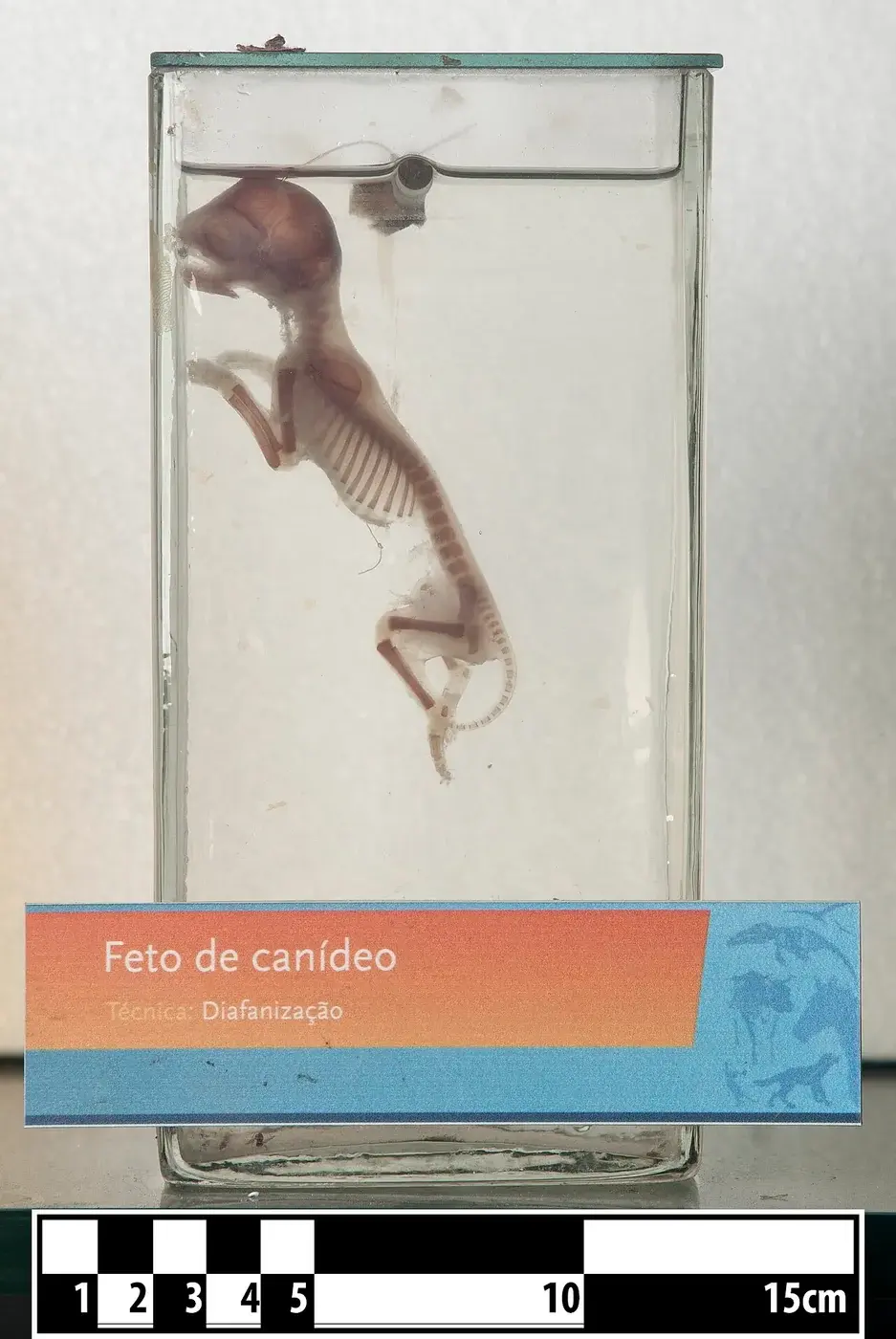
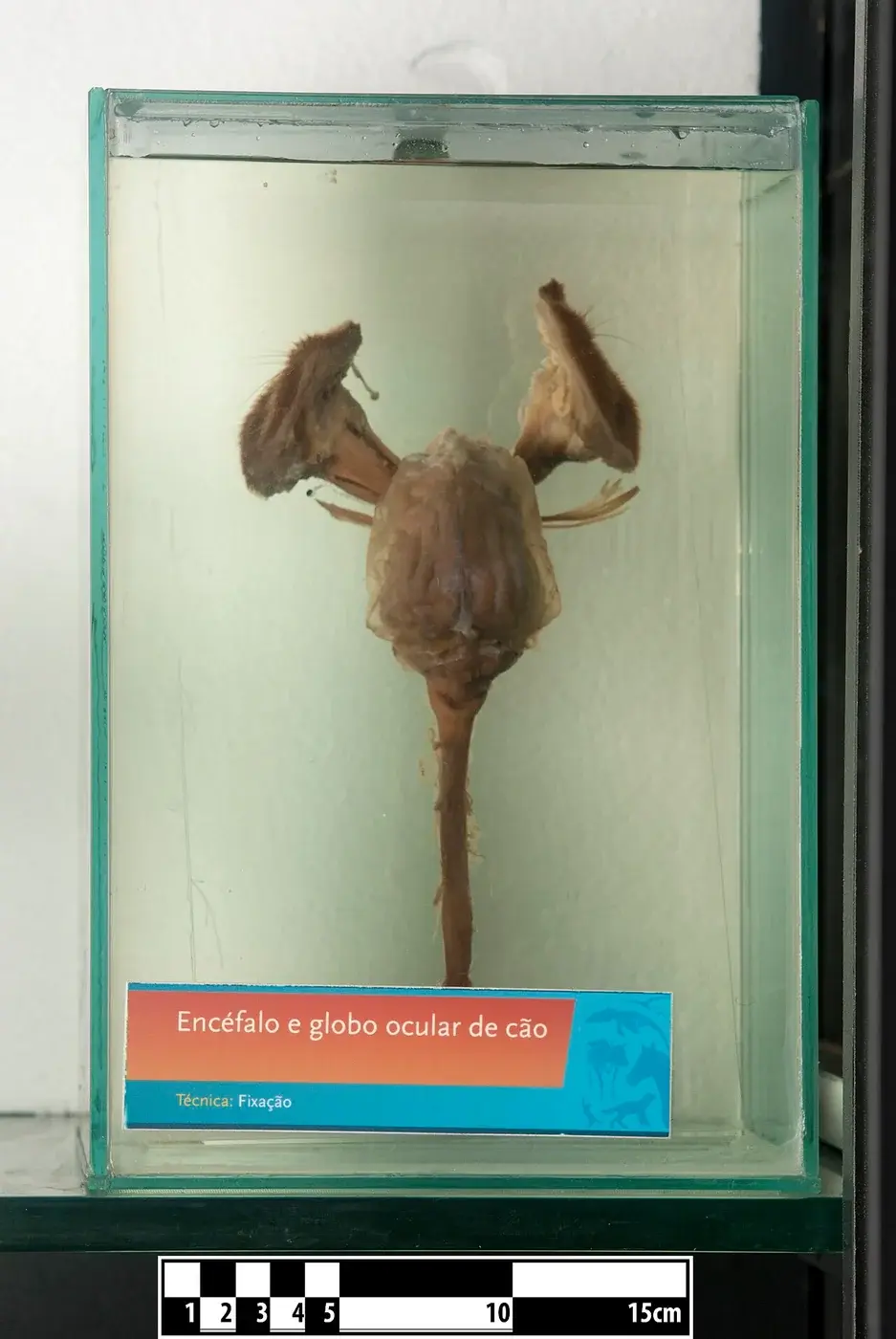
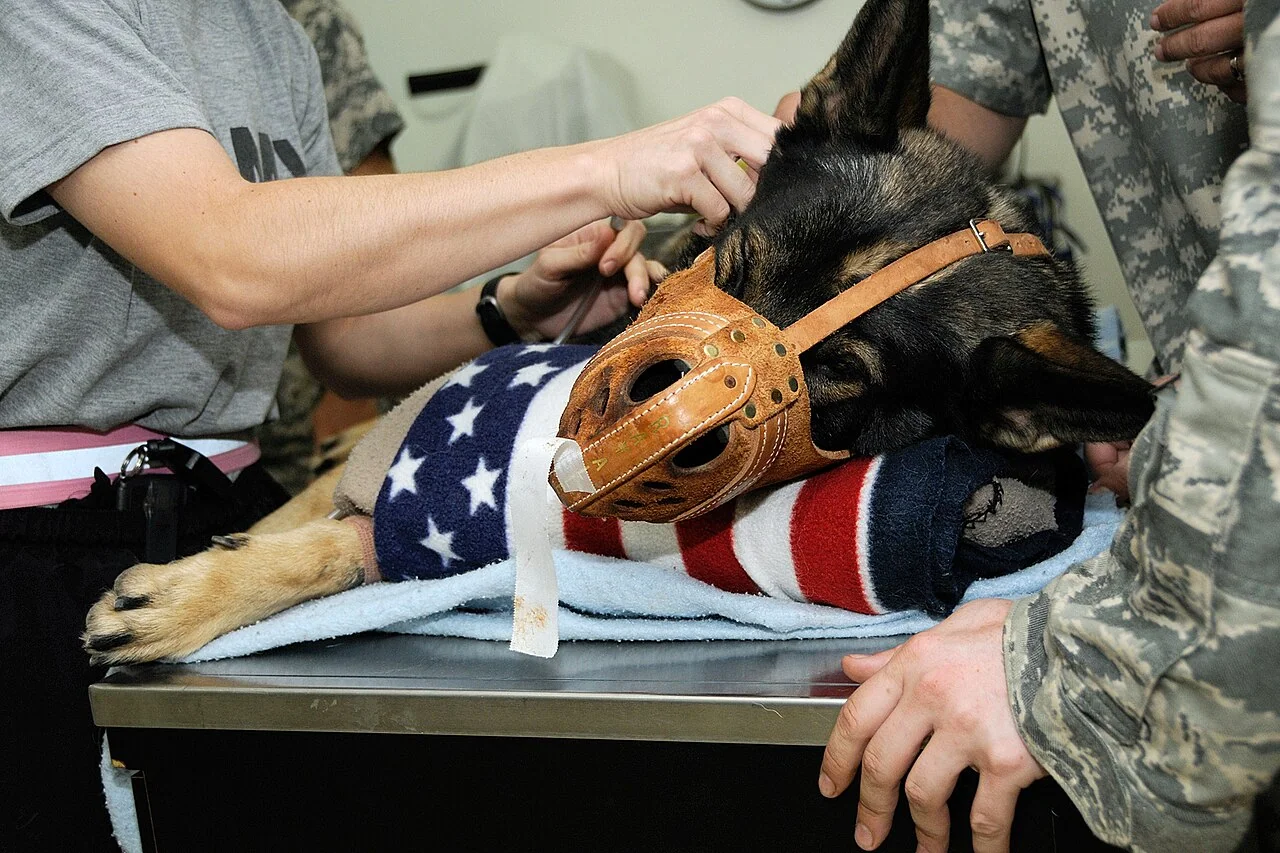
Military working dog sedated for blood collection during a canine blood drive at Joint Base Balad, Iraq (2010). Tech. Sgt. Caycee Watson · Public domain · Web size optimized; source linked for the original.
Dogs have red blood cell antigens that determine transfusion safety. The most important is the DEA 1 group. A mismatch between donor and recipient can trigger immune responses ranging from shortened red cell survival to sudden hemolysis. Veterinary labs focus on this system because it guides safer blood product use in clinics treating trauma, anemia, or other urgent conditions. Current practices rely on typing and crossmatching to reduce risks.
The DEA 1 System and How It Works
Canine blood typing centers on the Dog Erythrocyte Antigen system. DEA 1 is the most clinically relevant group. It appears in varying strengths described as negative, weak positive, or 2+ to 4+ positive. These differences reflect quantitative variations in how much antigen sits on the red cells.
Naturally occurring antibodies against DEA 1 are uncommon. Yet a DEA 1 negative dog that receives positive blood can become sensitized. This sensitization may later cause delayed reactions with reduced red cell lifespan or acute problems including hemolysis or anaphylaxis. The evidence shows this risk is especially notable with DEA 1.1 level incompatibility.
Giving mismatched blood can destroy the donated red cells. This hemolysis leaves the recipient weaker and may produce jaundice. Even a first transfusion carries some hazard if key antigens differ.
Once sensitized, a dog may react more strongly to future transfusions. One documented case involved a DEA 1 negative recipient that developed antibodies after receiving weakly positive blood. Those antibodies remained detectable for more than four years and produced strong crossmatch incompatibilities with other DEA 1 positive samples.
Additional antibodies against undefined antigens also appeared in that instance. The report supports typing for DEA 1 and treating even weak positives as potentially immunogenic.
Prevalence and Breed Patterns
Depending on location, roughly 33 to 65 percent of dogs test DEA 1 positive. Most dogs also carry the Dal antigen on their red cells. Certain breeds show higher rates of Dal negativity, including Doberman Pinschers, Dalmatians, and Shih Tzus.
In a limited survey, Dal appeared in 93 percent of samples overall and was nearly universal outside Dalmatians. Dal negative dogs risk delayed or acute hemolytic reactions if given Dal positive blood. No commercial Dal typing was widely available at the time of the study.
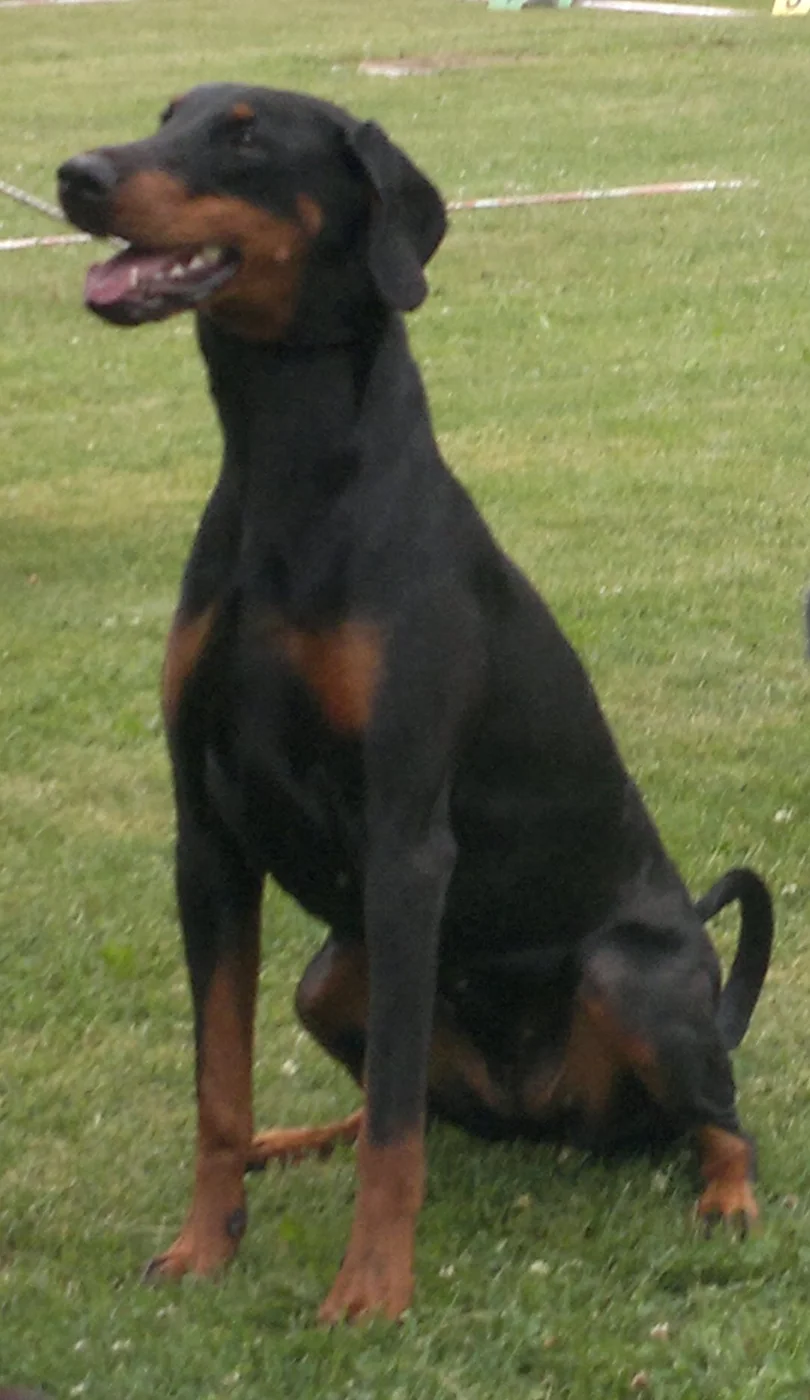
Female black and tan Doberman Pinscher, a breed noted for higher rates of Dal-negative status. Canarian · CC BY-SA 3.0. Web size optimized; original linked.
The Value of Crossmatching
Typing identifies major antigens but cannot catch every possible incompatibility. A crossmatch test mixes recipient serum with donor cells to reveal hidden antibodies, especially in previously transfused dogs.
University diagnostic labs recommend crossmatching before a second transfusion if the first used incompatible or unknown type blood. This step remains a key safety measure in practice.
Current Tools and Remaining Questions
Modern reagents and in house typing kits have made testing faster. Researchers continue examining other antigens and their clinical meaning across varied dog populations.
Some non DEA 1 groups still have uncertain importance in transfusion reactions. Guidelines keep evolving as new data emerge from veterinary colleges and diagnostic centers.
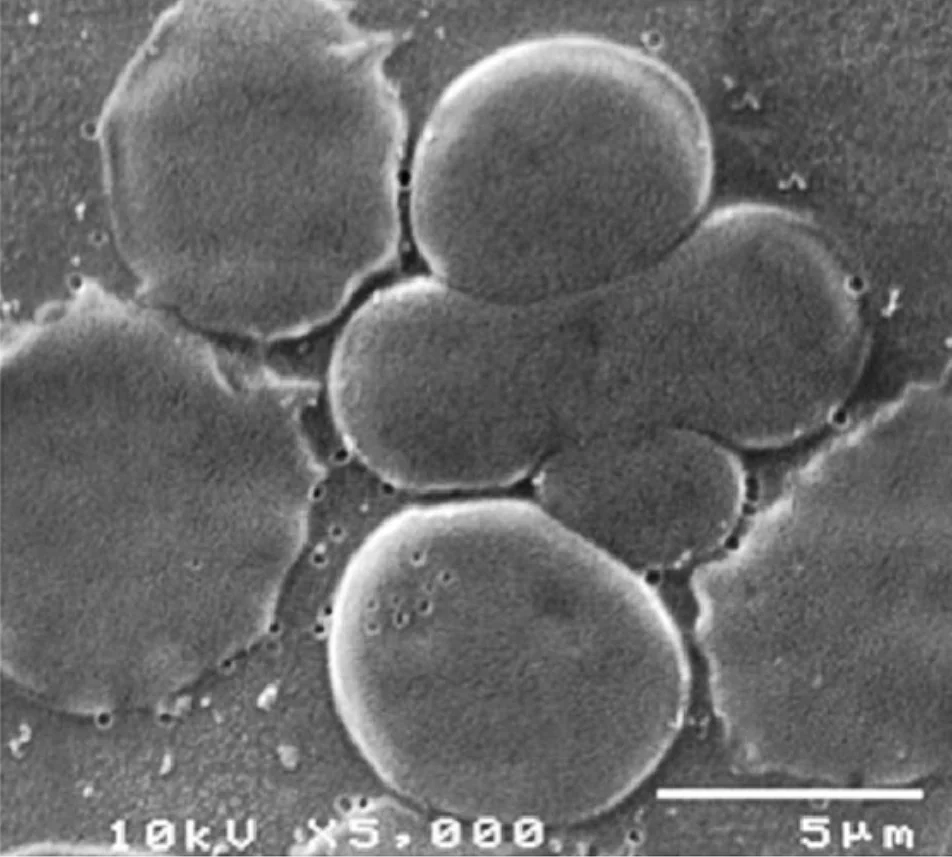
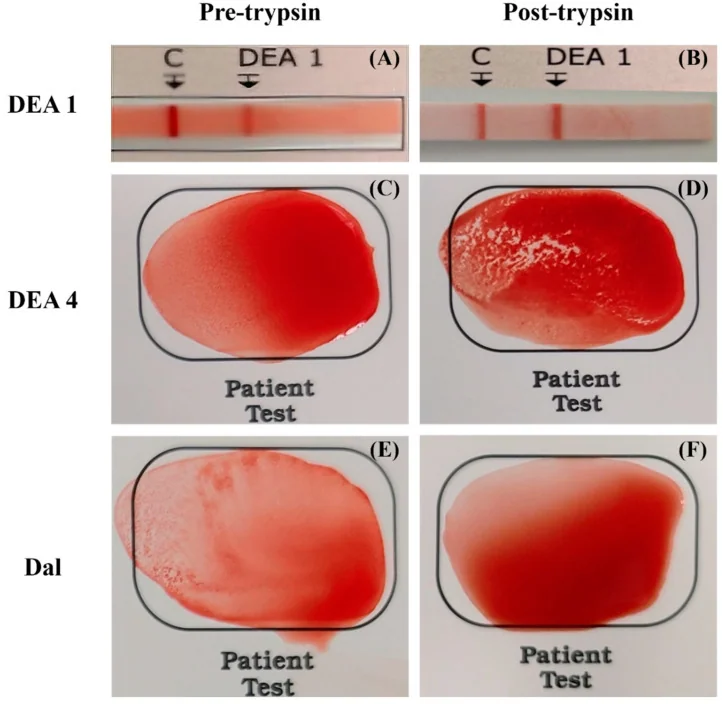
Figure 1: Evaluation of Canine Erythrocyte Surface Antigens and Morphological Alterations Induced by Trypsin Treatment. Geum YJ, Han HJ. · CC BY 4.0. Web size optimized; original linked.
General education, not individual veterinary advice. Ask a veterinarian about your dog’s health and care.
AI-assisted original writing. This feature was revised against source material and checked for unsupported claims. Follow the references below for evidence and its limits.
Research shows canine cognition follows a clear arc of early gains, midlife peak, and later gentle decline, offering owners practical ways to support their pets at every age.
Protected command centers in the brain and spinal cord team up with far-reaching nerves that connect to muscles, skin, and organs, letting dogs react to scents, sounds, and sudden surprises.
 Reference image