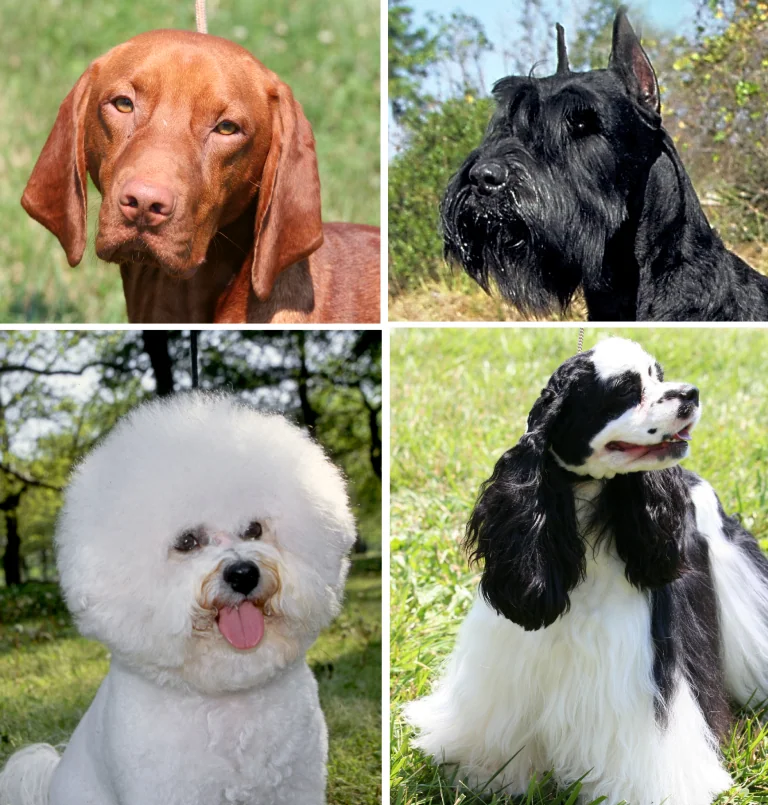
Montage showing the coat variation of the dog. Clockwise from the left: the Vizsla, the giant Schnauzer, the Cocker spaniel, and the Bichon frise. Mary Bloom, American Kennel Club · CC0 1.0 · Web size optimized; source linked for the original.
Dogs have been our companions for thousands of years, and it is natural to wonder how much of their personality comes from their DNA. Yet scientists who try to link specific genes to behaviors such as anxiety, aggression or trainability keep hitting the same walls. Two recent reviews lay out the main reasons progress has been slow: behaviors are messy, measurements differ from one study to the next, and many earlier claims do not hold up when tested more carefully. The result is a field that is full of intriguing hints but short on solid, repeatable answers. This article walks through the biggest pitfalls, what the evidence actually shows, and what it means for anyone hoping to use genetics to understand or improve dog behavior.
Behaviors Are Complicated Traits, Not Simple On-Off Switches
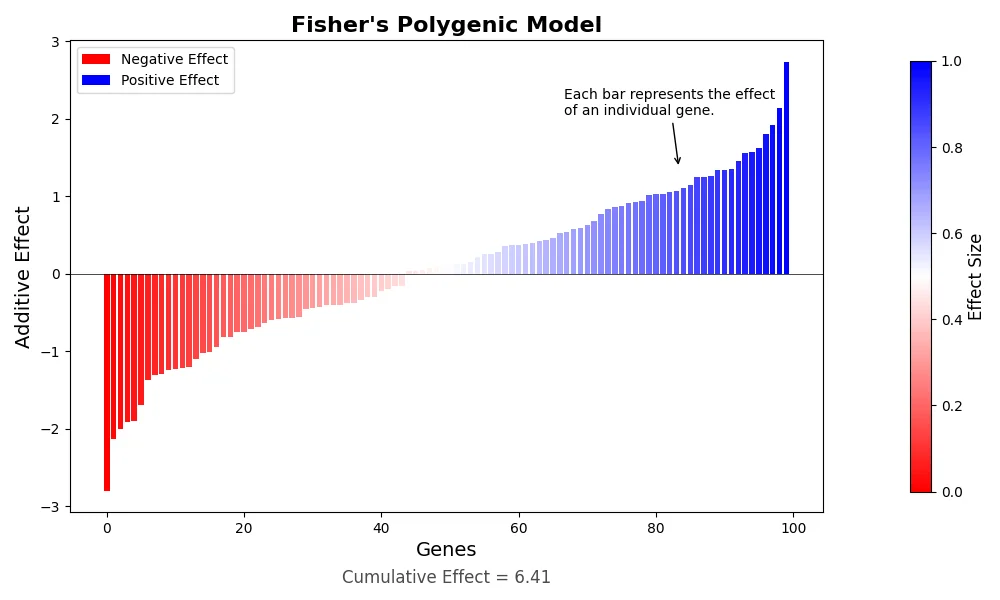
Most dog behaviors that owners care about are not controlled by a single gene the way some coat colors or certain rare diseases are. Instead they are polygenic, meaning many genes each contribute a small effect, and those effects interact with a lifetime of environment, training, and experience. One review compares the challenge to studying complex human conditions such as hypothyroidism, where both genes and surroundings matter. This complexity makes it far harder to map behavior than to map a straightforward Mendelian trait.
Because the genetic contribution is spread across the genome and diluted by environment, researchers need very large numbers of dogs to detect reliable signals. Even when modern tools are used, finding genes that truly influence behavior has remained elusive. The authors note that, at the time of their writing, only a single study had reached accepted genome-wide statistical significance for any behavioral disorder. That rarity should make us cautious about headlines claiming “the gene for” anything from barking to separation anxiety.
Graphical Representation of Fisher's Polygenic Model in Quantitative Genetics (2023). Chamaemelum · CC BY-SA 4.0. Web size optimized; original linked.
How You Measure Behavior Shapes What You Find
A second major obstacle is the lack of consistent ways to define and score the behaviors being studied. One research team might use owner questionnaires, another might rely on observations in a shelter, and a third might run dogs through a standardized test battery. When each study uses its own yardstick, it becomes impossible to combine their results in a meta-analysis. The first review calls for international standardized testing protocols and shared terminology so that future work can build on earlier findings rather than starting from scratch.
Without agreed-upon definitions, it is easy for two papers to appear to contradict each other when in reality they were simply measuring slightly different things. This measurement variability is not a minor technical detail; it is a fundamental barrier to reliable knowledge. Readers should therefore treat any single study’s behavioral conclusions with healthy skepticism until the same pattern appears across multiple independent teams using comparable methods.
Candidate-Gene Studies Often Fail to Replicate
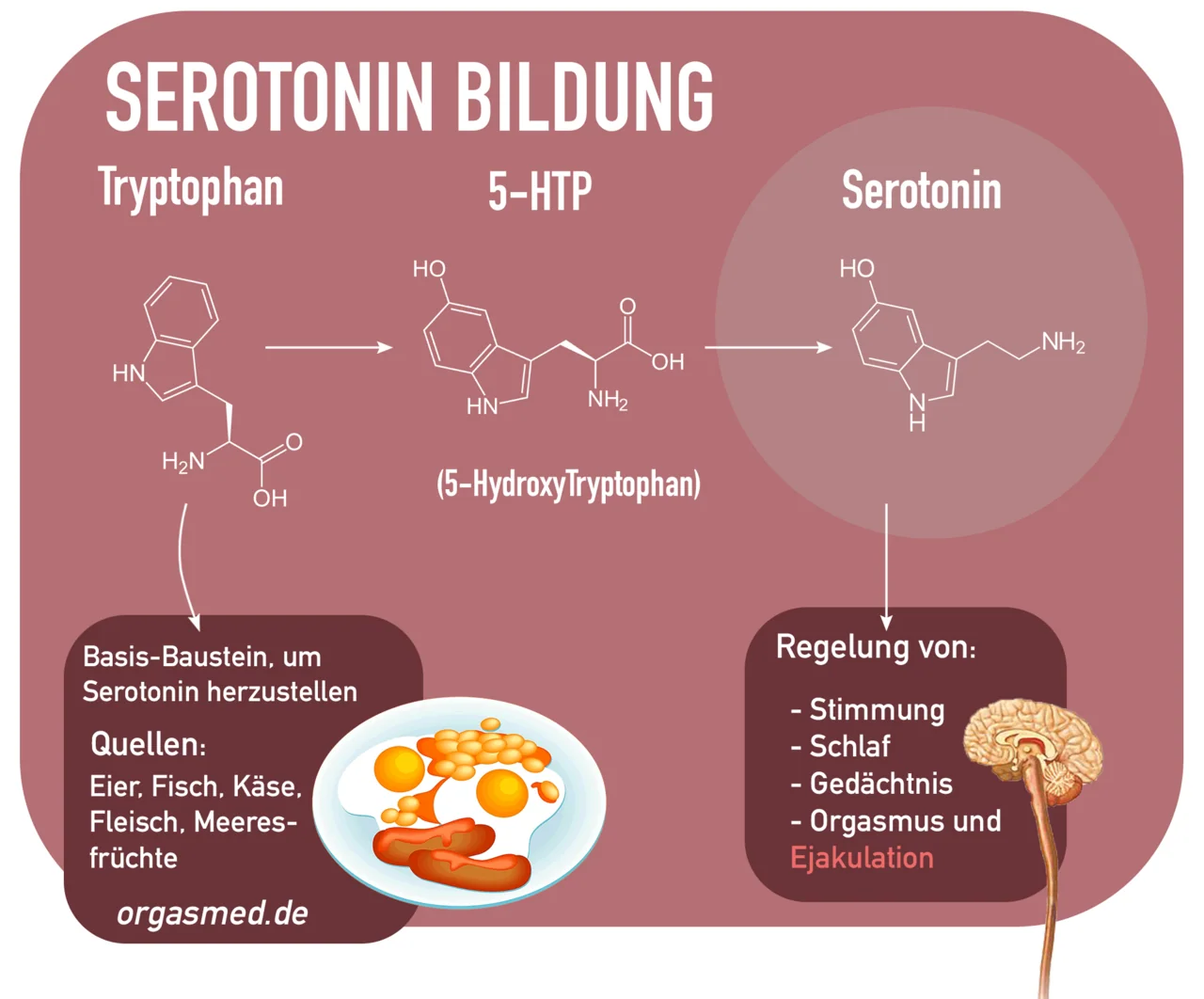
For years, researchers looked at “candidate genes,” genes already suspected of being involved in behavior because of their roles in serotonin pathways or other neurotransmitter systems. A number of these studies reported links, for example between certain serotonergic variants and behavior in golden retrievers. Yet when larger, more rigorous work examined the same variants, the associations frequently disappeared.
The second review examined 151 previously reported candidate variants in a new dataset of more than 3,000 dogs that had been individually phenotyped. None of those variants showed significant predictive power for the behavioral traits they had been linked to. This pattern of non-replication is common in behavioral genetics across species, but it is especially important for dog owners and breeders to understand. A genetic test sold on the basis of a single small study may not actually tell you much about how your puppy will turn out.
Illustration of serotonin biosynthesis from dietary tryptophan via 5-HTP in neurons (2020). bettrocker.com · CC BY-SA 4.0. Web size optimized; original linked.
Breed-Average Data Can Create Illusions of Genetic Links
Some earlier studies tried to simplify the problem by averaging behavior scores across entire breeds and then looking for genetic differences between those breed averages. The approach sounds efficient, but it turns out to be deeply flawed. Breeds differ in many ways besides behavior, including size, leg length, ear shape, and other physical traits that are strongly tied to their genetic ancestry. When researchers compare breed averages, genetic markers that simply tag breed identity can look as if they are predicting behavior.
The PNAS study demonstrates that these apparent associations are largely driven by that population structure rather than by causal effects on behavior itself. Once researchers look inside breeds, where there is real variation in both genes and behavior, the earlier links evaporate. This finding carries a gentle reminder that correlation is not causation, even when the subjects have floppy ears and wagging tails. It also explains why many commercial tests that claim to predict personality from a cheek swab have limited real-world accuracy.
What This Means for Owners, Breeders, and Future Research
The evidence suggests that we should be wary of any genetic test that promises to forecast complex behaviors from a handful of variants. Behavior is influenced by many genes of small effect, by environment, and by the interplay between them. Moderate heritability does not translate into accurate individual predictions with current technology. Large, carefully designed studies that phenotype individual dogs rather than breed averages will be needed before genomic tools can reliably guide breeding or training decisions.
In the meantime, practical advice remains refreshingly low-tech: choose a breed whose typical energy and temperament fit your household, then focus on early socialization, consistent training, and meeting the dog’s physical and mental needs. Standardized behavior assessments adopted across countries could speed scientific progress and ultimately help breeders reduce the frequency of serious behavioral disorders. Until those tools mature, the best predictor of a dog’s future behavior is still careful observation of the puppy and its parents in real-life settings. And if a cheek-swab test tells you your rescue mutt is genetically destined to be a couch potato, feel free to greet that claim with a skeptical smile and a long walk.
Home DNA testing kit with cheek swab tube. The article cautions that such commercial genetic tests have limited accuracy for predicting complex behaviors. Tony Webster from Minneapolis, Minnesota, United States · CC BY 2.0. Web size optimized; original linked.
AI-assisted original writing. This feature was revised against source material and checked for unsupported claims. Follow the references below for evidence and its limits.
Archaeological finds from select European sites offer glimpses into possible relationships between people and dogs, while underscoring the challenges of interpreting ancient deposits.
Owner-led projects offer scale and real-world glimpses into canine minds, yet differences in tester identity and uncontrolled home settings can introduce systematic errors that large samples do not automatically cancel out.
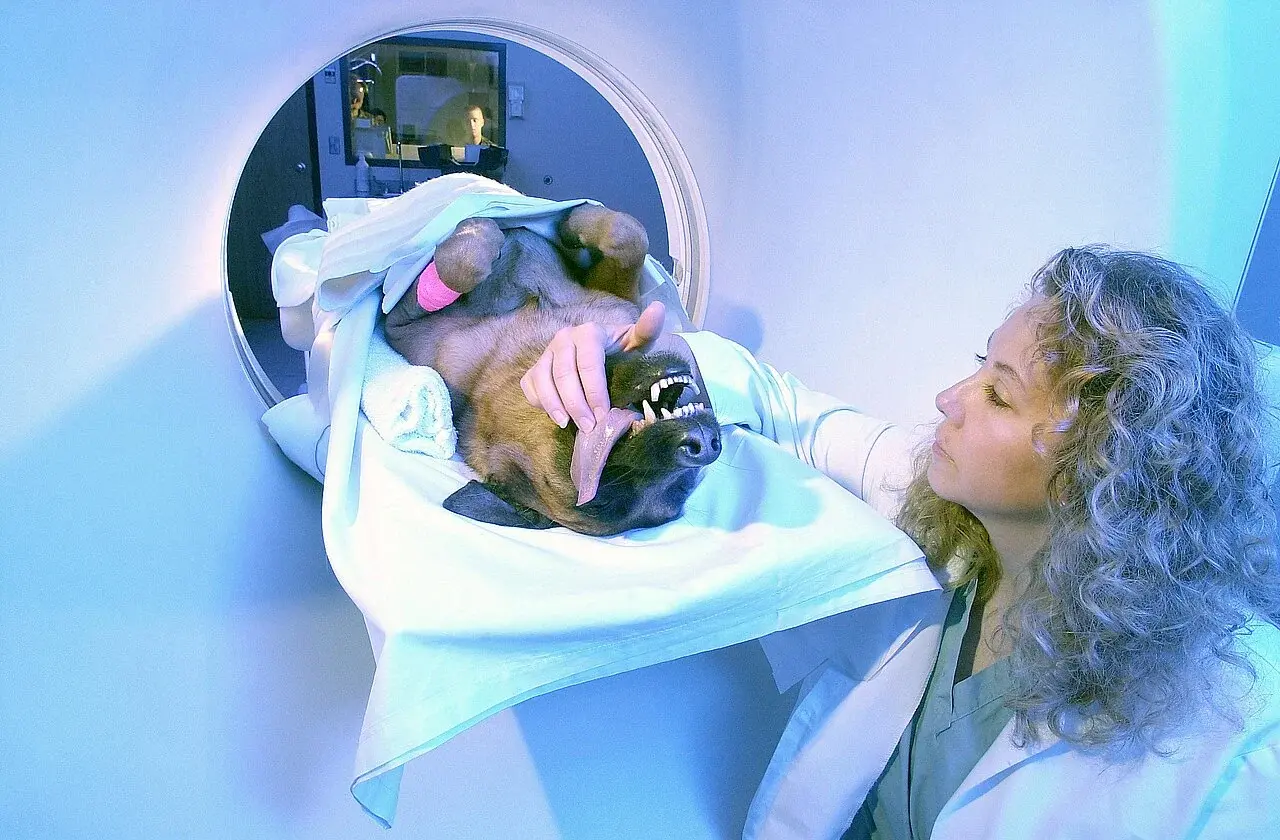
Penn State researchers once used MRI scans and computer simulations to map airflow inside a dog’s nasal passages, offering clues for designing better chemical sensors.

 Photograph