


 Photograph
Hero Dogs
Avalanche Response Teams: How Dogs and Helicopters Work Together in the Alps
A look at coordinated Swiss rescue operations that include avalanche dogs, drawn from limited public descriptions of specialist teamwork.
All the News That's Fit to Bark!
A dog-focused look at the training and daily work of hearing dogs, drawn from one UK charity’s own descriptions.
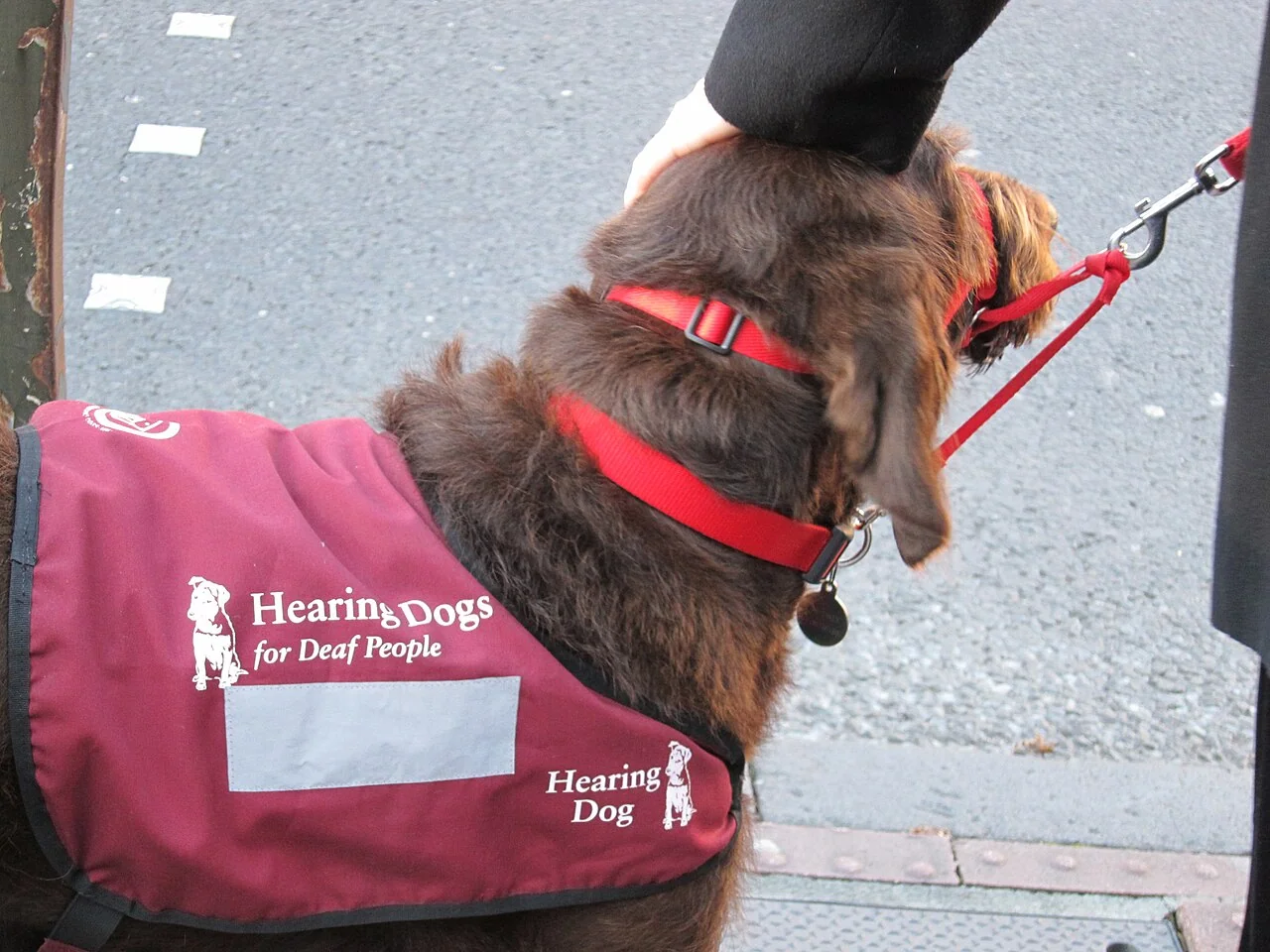
Hearing dog photographed in Chester, northwest England, 2011 Blowing Puffer Fish · CC BY 2.0 · Web size optimized; source linked for the original.
For people who are deaf or hard of hearing, everyday sounds can slip by unnoticed. A charity in the UK trains dogs to bridge that gap, gently nudging their human partners toward doorbells, alarms, and other important noises. The work rests on a simple idea: a well-bonded dog can become a reliable set of ears. This piece draws directly from the descriptions published by Hearing Dogs for Deaf People, keeping the focus narrow and the claims modest. We explore what these dogs actually do, how they learn, and what the partnership looks like in daily life, while adding some light-hearted observations about the furry colleagues who take their jobs seriously but still love a good tummy rub.
According to the charity, hearing dogs are trained to alert their deaf or hard-of-hearing partners to specific household and workplace sounds that might otherwise go unnoticed. The dogs respond to noises such as doorbells, telephones, alarm clocks, and fire alarms. Instead of barking wildly, they use a calm, consistent signal—often a touch with the paw or nose—to get their partner’s attention and then lead them to the source of the sound. This practical assistance can make ordinary routines feel safer and less isolating.
The organization is careful to distinguish hearing dogs from sound support dogs and from ordinary companion animals. Hearing dogs focus specifically on sound alerts, while the other categories serve different roles. The charity’s material makes clear that these dogs are working partners rather than pets that happen to live with someone who is deaf. That distinction matters, because it shapes expectations about what the dog can and cannot do. A hearing dog is not a universal fix for every challenge; it is a targeted helper for particular auditory cues.
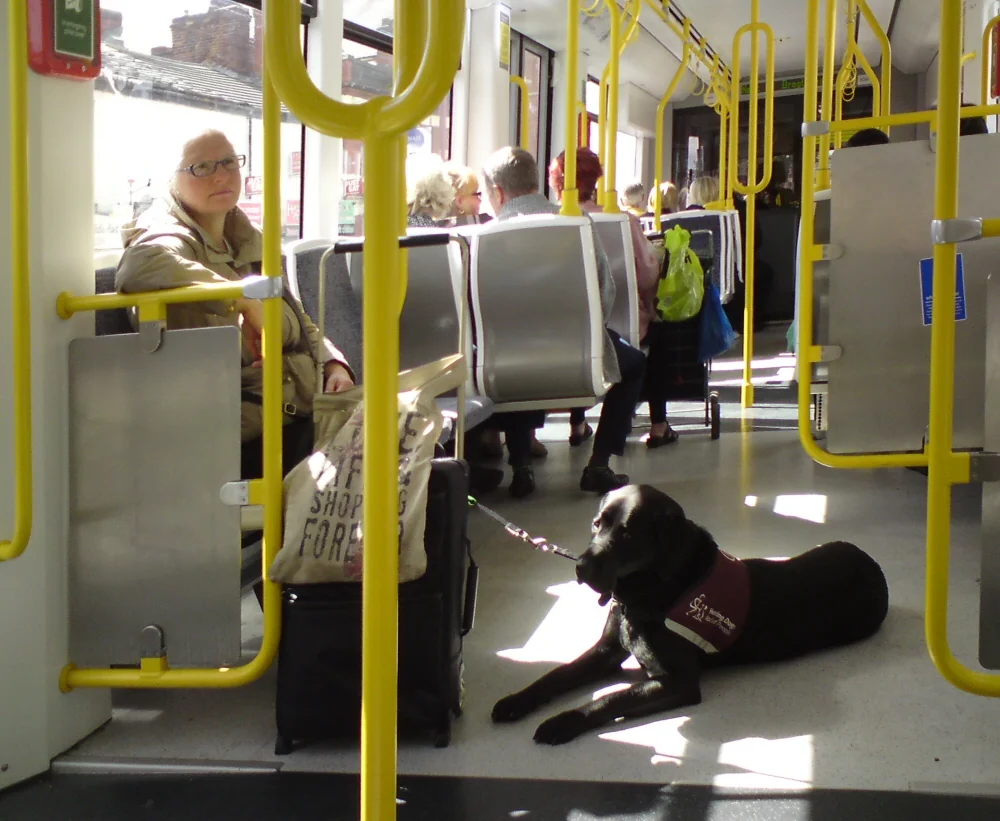
The training process described by the charity puts the relationship between dog and partner at its center. Reward-based methods are used throughout, encouraging the dog to associate the correct response with positive outcomes such as praise, play, or treats. The goal is a confident animal that enjoys its work and trusts its human. Without that mutual comfort, the alerts can become hesitant or inconsistent.
Editorial analysis: The emphasis on bonding feels quietly wise. Dogs are not machines; they thrive when they feel secure and valued. A hearing dog that views its partner as a source of fun and safety is far more likely to stay focused when real-life distractions appear. This observation is not a clinical claim but a common-sense reading of the charity’s own stress on the dog-human connection. It also raises a useful question for anyone considering this kind of partnership: are you ready to invest the time and emotional energy that a working dog needs?
The charity outlines a training approach grounded in positive reinforcement rather than correction or force. Dogs learn to recognize certain sounds and then perform a specific alert behavior. One frequently mentioned example is responding to a fire alarm by alerting the partner and guiding them toward the door. The process is gradual, moving from controlled environments to more realistic home and work settings.
Reading question: How might the personality of the dog affect the success of this training? A bouncy, easily distracted youngster may need more practice than a calm, thoughtful soul. The charity does not publish universal timelines or success percentages, which is a responsible choice; every dog and every person bring their own variables. This lack of blanket promises keeps expectations realistic and protects both the animals and their partners from disappointment.

Once the training is complete, the dog becomes part of the household routine. Partners report that the animal’s alerts turn abstract worries about missed sounds into manageable moments. A gentle nudge at three in the morning might mean the doorbell is ringing; a purposeful trot toward the kitchen could signal the timer on the oven. The work is quiet, steady, and often invisible to outsiders.
Light humor: It is hard not to smile at the mental image of a dignified Labrador solemnly tapping a sleeping owner, as if to say, “Excuse me, but the postman would like a word.” The comedy is gentle because the stakes are real. Behind the wagging tail sits a serious responsibility. Still, the dogs themselves seem to enjoy the game, which is why the charity’s focus on rewards and play feels exactly right.
The charity’s own pages do not claim that hearing dogs solve every difficulty faced by deaf people. They are not presented as medical devices, legal accommodations, or guarantees of independence. Access rights are not discussed in the cited source material, so we make no assertions about public access or legal status. The dog is one helpful tool among many, not a complete answer.
Implications: This narrow framing invites readers to think carefully before assuming a hearing dog is the obvious next step. Potential partners should consider their lifestyle, living situation, and ability to meet a dog’s needs. For the animals’ sake, it is worth asking whether the household can offer the exercise, mental stimulation, and companionship a working dog requires. When the fit is good, the partnership can be quietly life-changing. When it is not, both dog and human may struggle. The charity’s measured tone encourages that kind of thoughtful matching rather than rushed decisions.

AI-assisted original writing. This feature was revised against source material and checked for unsupported claims. Follow the references below for evidence and its limits.
PhotographA look at coordinated Swiss rescue operations that include avalanche dogs, drawn from limited public descriptions of specialist teamwork.
 Photograph
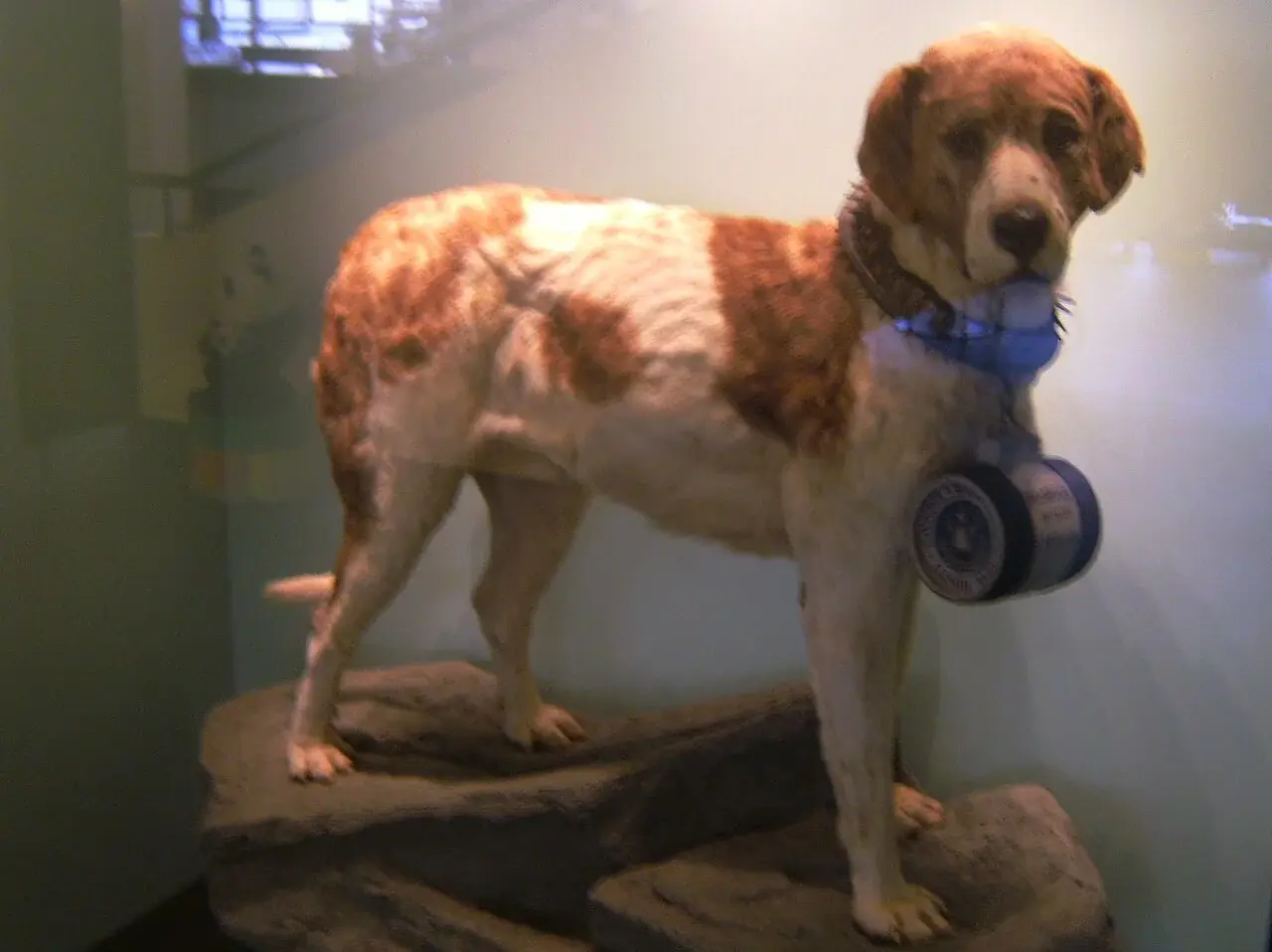
A real Alpine dog whose reputation grew from hospice service, even though detailed rescue records were never kept.
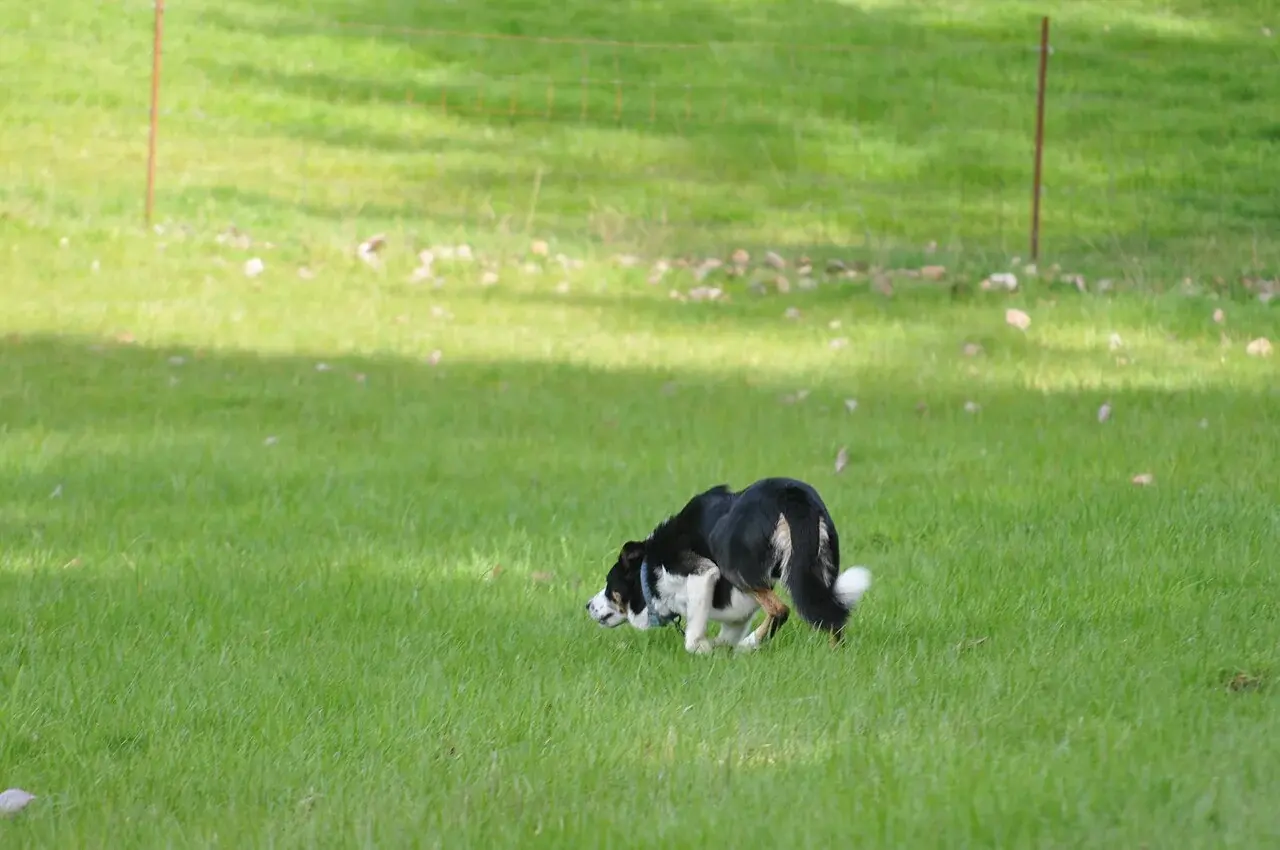
University of Sydney veterinary studies highlight how working dogs contribute to livestock health, pain management, and one-welfare approaches on vast pastoral operations.