


 Photograph
Blowing Puffer Fish · CC BY 2.0
Hero Dogs
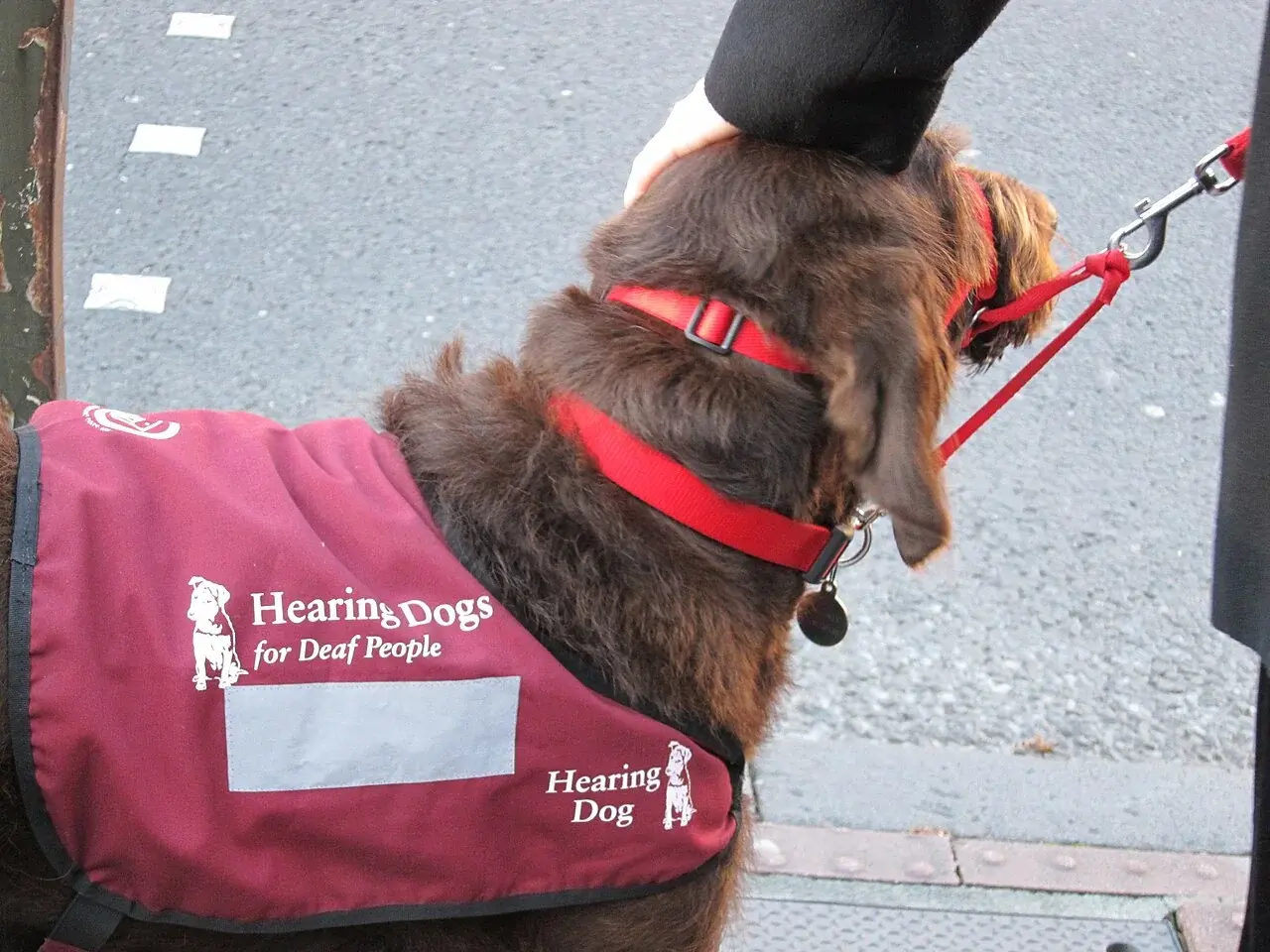
Alert Ears and Wagging Tails: How Hearing Dogs Help Their Partners
A dog-focused look at the training and daily work of hearing dogs, drawn from one UK charity’s own descriptions.
All the News That's Fit to Bark!
University of Sydney veterinary studies highlight how working dogs contribute to livestock health, pain management, and one-welfare approaches on vast pastoral operations.
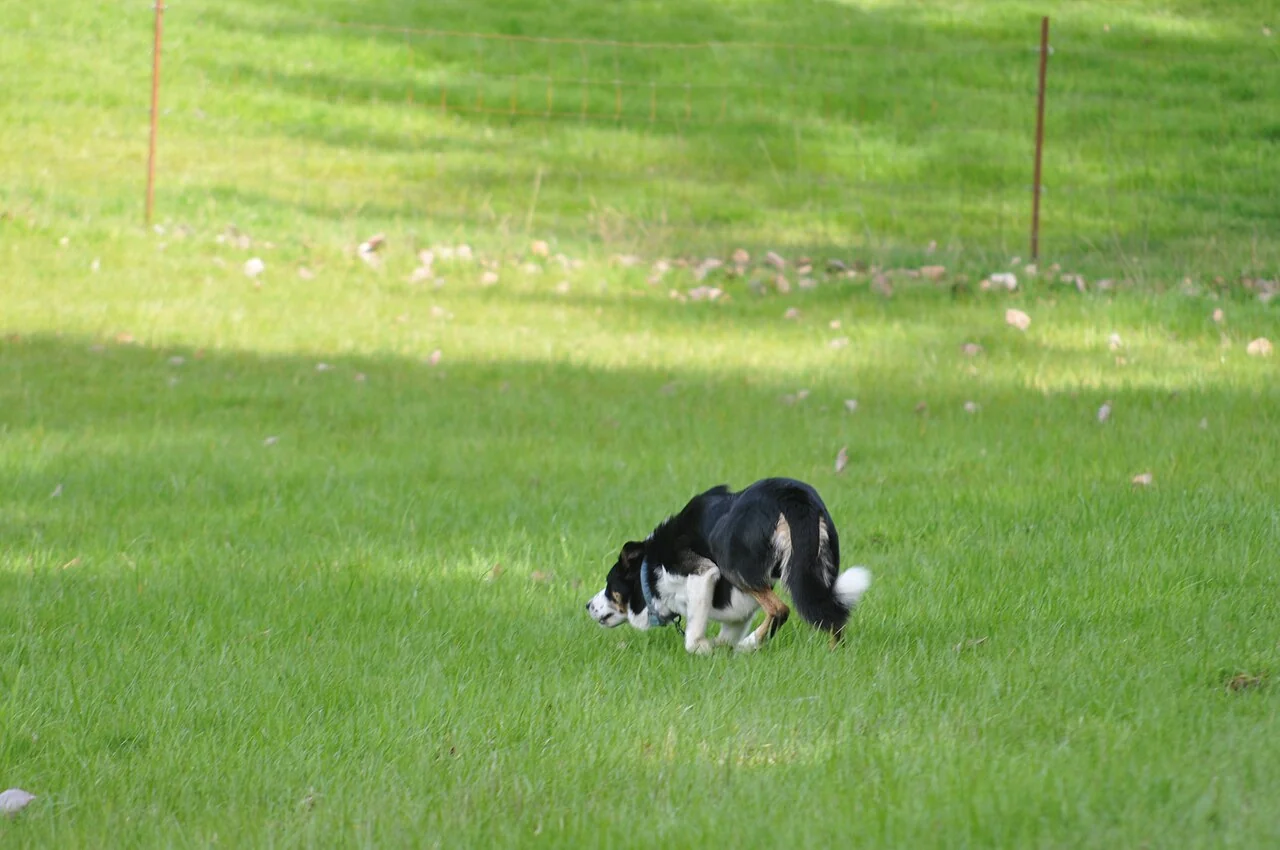
Working Border Collie herding a flock of ewes and their lambs (documentary photo of sheepdog in action). ArbutusRidge · CC BY 2.0 · Web size optimized; source linked for the original.
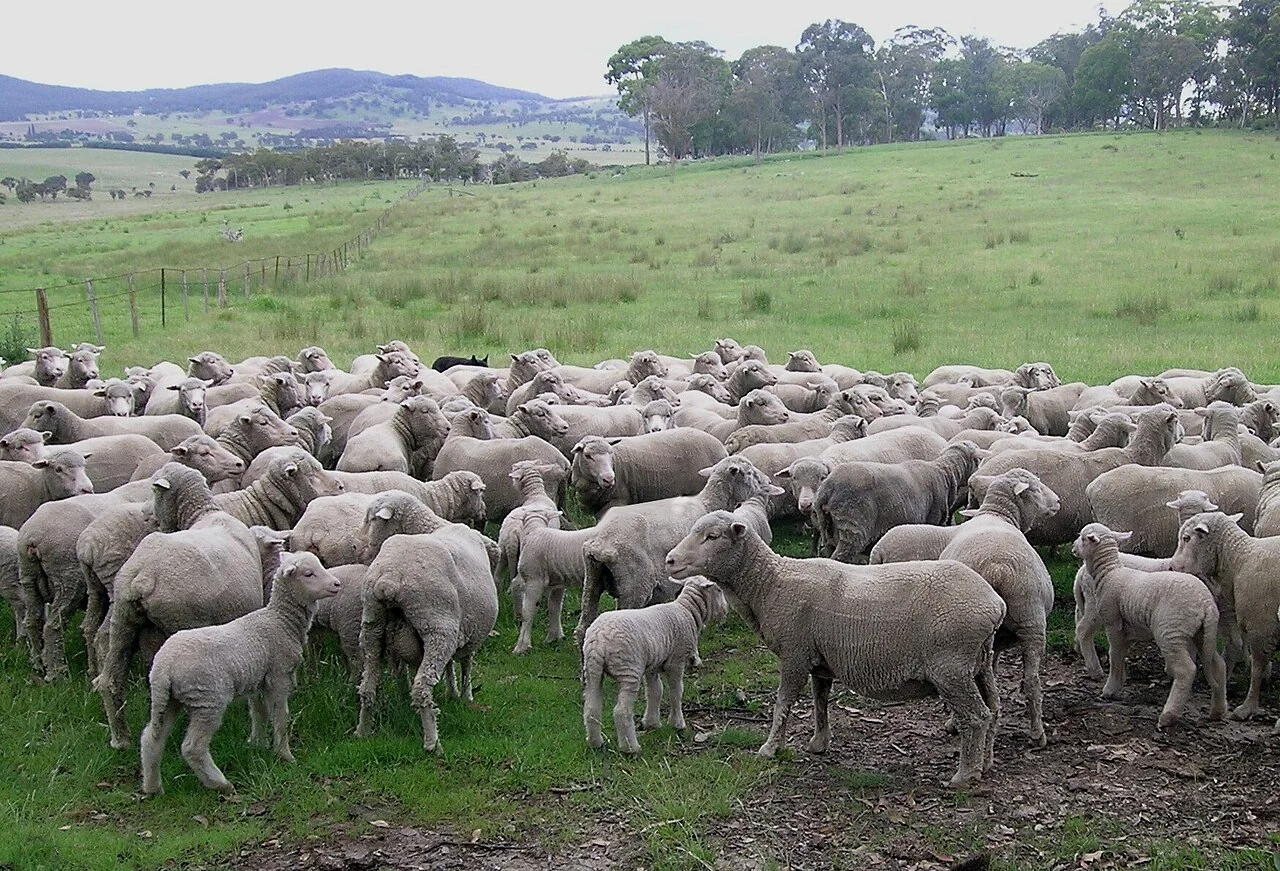
Border Collies have long partnered with handlers on Australian sheep stations, where their natural instincts help manage large flocks of Merino sheep across expansive landscapes. Veterinary science research from the University of Sydney underscores the importance of animal welfare in these systems, including pain management for livestock and the broader one-welfare framework that connects animal wellbeing, human livelihoods, and environmental sustainability. While specific daily musters and historical dog lineages remain outside the verified scope of available evidence, the research emphasizes practical strategies to reduce stress and improve outcomes for working animals and livestock alike. This article draws directly from the university's documented veterinary themes to explore useful angles for station operators, dog handlers, and those interested in pastoral production.
The University of Sydney's Sydney School of Veterinary Science frames one welfare as the interconnected relationship between animal welfare, human wellbeing, and environmental sustainability. Researchers note that prioritizing one element without considering the others can lead to unintended harms. In the context of Australian sheep stations, this means management practices must balance the demands of large-scale Merino operations with the health of working dogs, sheep, station staff, and the surrounding ecosystems. Evidence from the school's research strategy highlights efforts to develop policies and practices that promote all three aspects simultaneously.
Anne Quain, Michelle Campbell-Ward, Russell Bush, Bidda Jones, and Cicilia Muller are among the key researchers exploring these links. Their work aligns with World Health Organisation sustainable development goals and seeks to understand how interventions can support positive outcomes across the board. For station managers, this research implies regular assessment of routines that might affect fatigue in dogs or stress in sheep, with an eye toward long-term environmental impacts such as land degradation in arid zones. Reading question: How might adjusting work cycles during hotter months support both dog endurance and pasture recovery?
Livestock production systems often involve routine procedures that can cause pain and discomfort to animals. The university's veterinary team, including Peter White, Dominique Van der Saag, Merran Govendir, and Sanaa Zaki, focuses on developing better ways to recognize and treat pain in farm animals. Their research aims to improve welfare by advancing husbandry methods that reflect changing social expectations around animal care. This has direct relevance to sheep stations where mustering, drenching, shearing checks, and crutching occur regularly.
By integrating animal welfare science, ethics, and husbandry, the program equips veterinary professionals and producers with practical tools. Implications include adopting evidence-based approaches to minimize discomfort during handling, which could reduce overall stress on mobs and support calmer interactions with working dogs. Editorial note: While the precise role of Border Collies in pressure balance is not detailed in the cited source material, the research encourages handlers to monitor for signs of fatigue in all animals involved. A useful question for operators is whether current practices align with best-practice pain management to avoid compounding welfare challenges during peak seasons.
The school's livestock veterinary services group monitors herd and flock health to identify constraints on welfare and production. Researchers such as John House, Sam Rowe, Jennie Mohler, Jan Slapeta, Peter Windsor, and others use tools developed through collaboration to manage and prevent disease while promoting animal health. This work is particularly pertinent to Australian Merino operations facing challenges like infectious diseases, biosecurity risks, and environmental pressures in vast inland regions.
Evidence shows a focus on understanding infection processes, immunity, and disease control in livestock populations. For station hands, this translates to practical benefits such as improved flock monitoring that can integrate with daily gathering routines. The research received over $20 million in grants and produced more than 1,089 peer-reviewed publications between 2018 and 2024, demonstrating substantial investment in these areas. Reading question: In what ways could station teams incorporate epidemiological insights to reduce disease spread during mustering across multiple paddocks?
Antimicrobial resistance remains a critical issue addressed by the One Health Phage and Antimicrobial Resistance Laboratory. Key researchers including Merran Govendir, Rachael Gray, Michael Ward, Ruth Zadoks, and Jacqueline Norris study changes in susceptibility and promote stewardship practices. The school has led innovations such as the AMR Vet Collective and online learning programs, which support responsible antimicrobial use on farms and stations.
Biosecurity and epidemiology research targets pathogens affecting livestock, with an emphasis on interventions that protect animal, human, and ecosystem health. This includes work on diseases like Johne’s disease and Salmonella. For Australian sheep enterprises, these findings imply careful integration of veterinary advice into routine operations to limit resistance risks while maintaining productivity. Light editorial observation: It is reassuring to see science-backed programs helping rural operators avoid over-reliance on treatments, though real-world application always depends on local conditions and veterinary guidance. Implication: Handlers might consider how reduced disease pressure could ease the physical demands on working dogs over time.
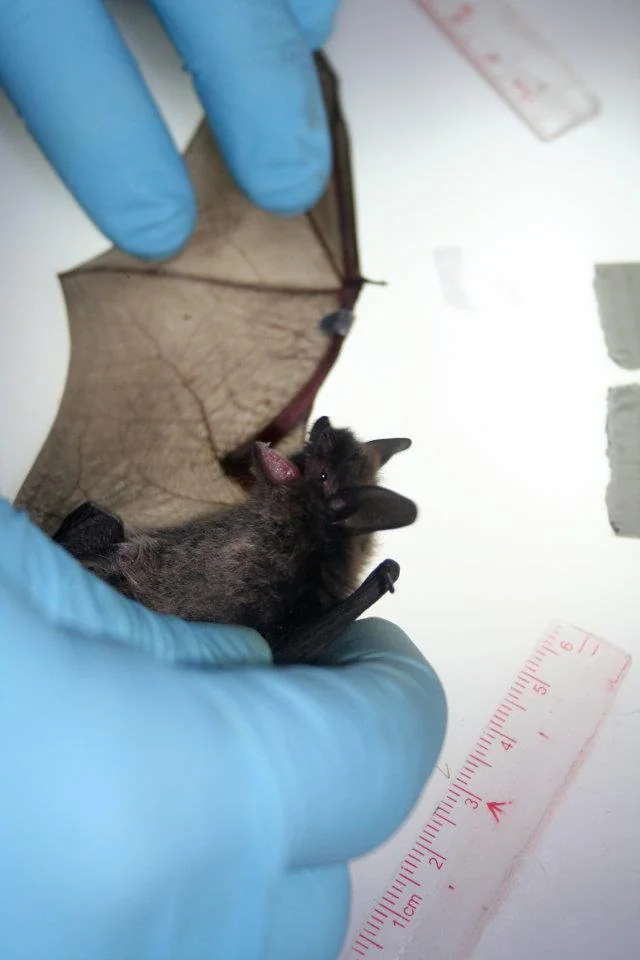
Beyond livestock, the university investigates wildlife health, including koalas, seals, sea lions, and bats, using a One Health lens. Researchers such as Damien Higgins, Mark Krockenberger, Rachael Gray, Alison Peel, and David Phalen examine disease drivers, toxicology, and conservation to inform management that benefits both wild and domestic species sharing ecosystems. This broader perspective is valuable for station country where pastoral lands border native habitats.
Veterinary ethics research by Anne Quain and Imke Tammen addresses ethically challenging situations faced by veterinary teams, aiming to reduce moral stress and support wellbeing. Educational efforts focus on preparing students and professionals through evidence-based practice and capacity building. For the pastoral sector, this suggests ongoing training can strengthen resilience among handlers and veterinarians. Editorial analysis: These interconnected themes remind us that sustainable sheep production relies on more than just dogs and sheep; it requires attention to the wider web of life and ethical decision-making. A final reading question: How can station families draw on such research to foster both animal welfare and community sustainability in remote areas?
AI-assisted original writing. This feature was revised against source material and checked for unsupported claims. Follow the references below for evidence and its limits.
PhotographBlowing Puffer Fish · CC BY 2.0
A dog-focused look at the training and daily work of hearing dogs, drawn from one UK charity’s own descriptions.
 Photograph
A look at coordinated Swiss rescue operations that include avalanche dogs, drawn from limited public descriptions of specialist teamwork.
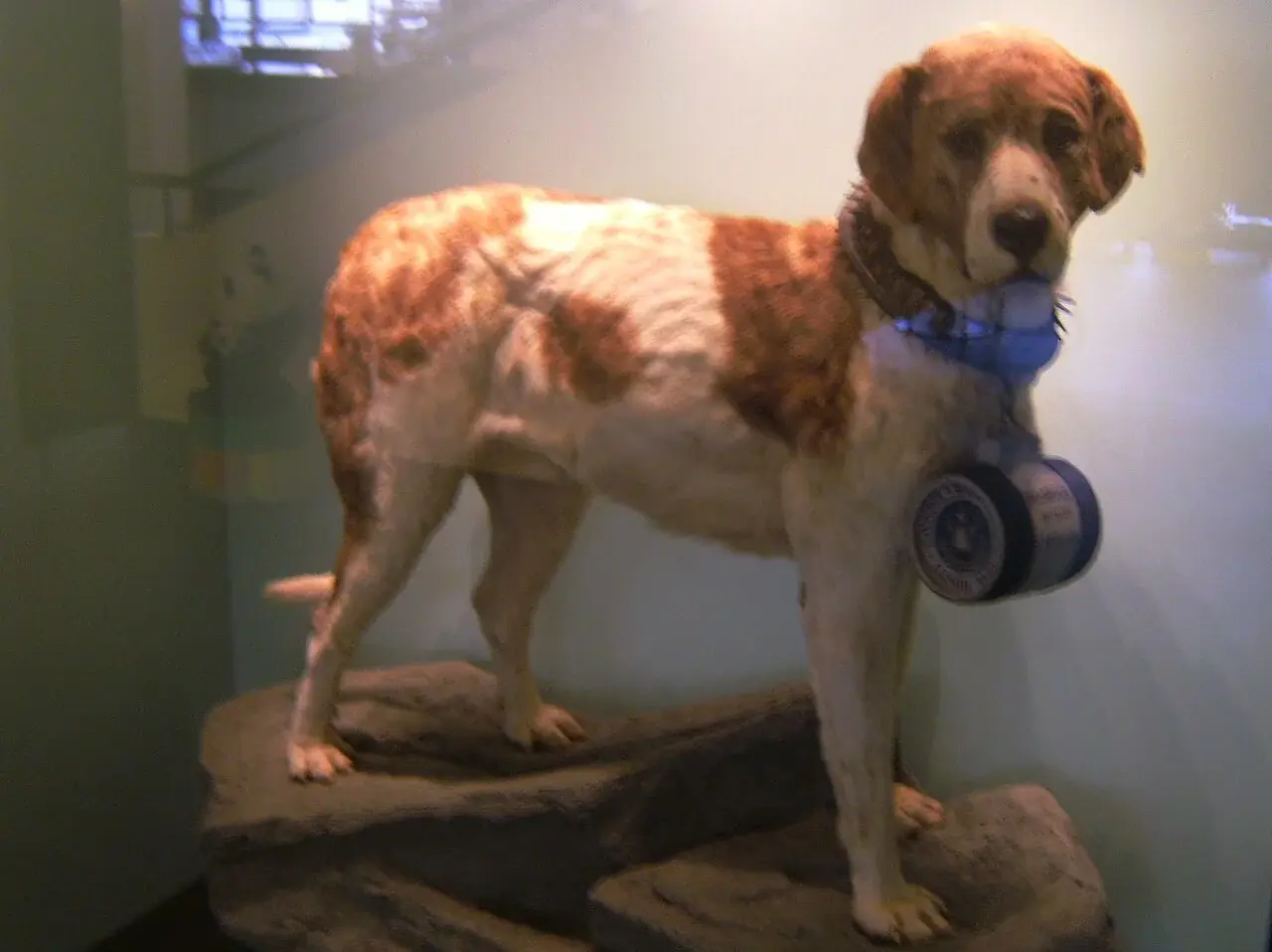
A real Alpine dog whose reputation grew from hospice service, even though detailed rescue records were never kept.