


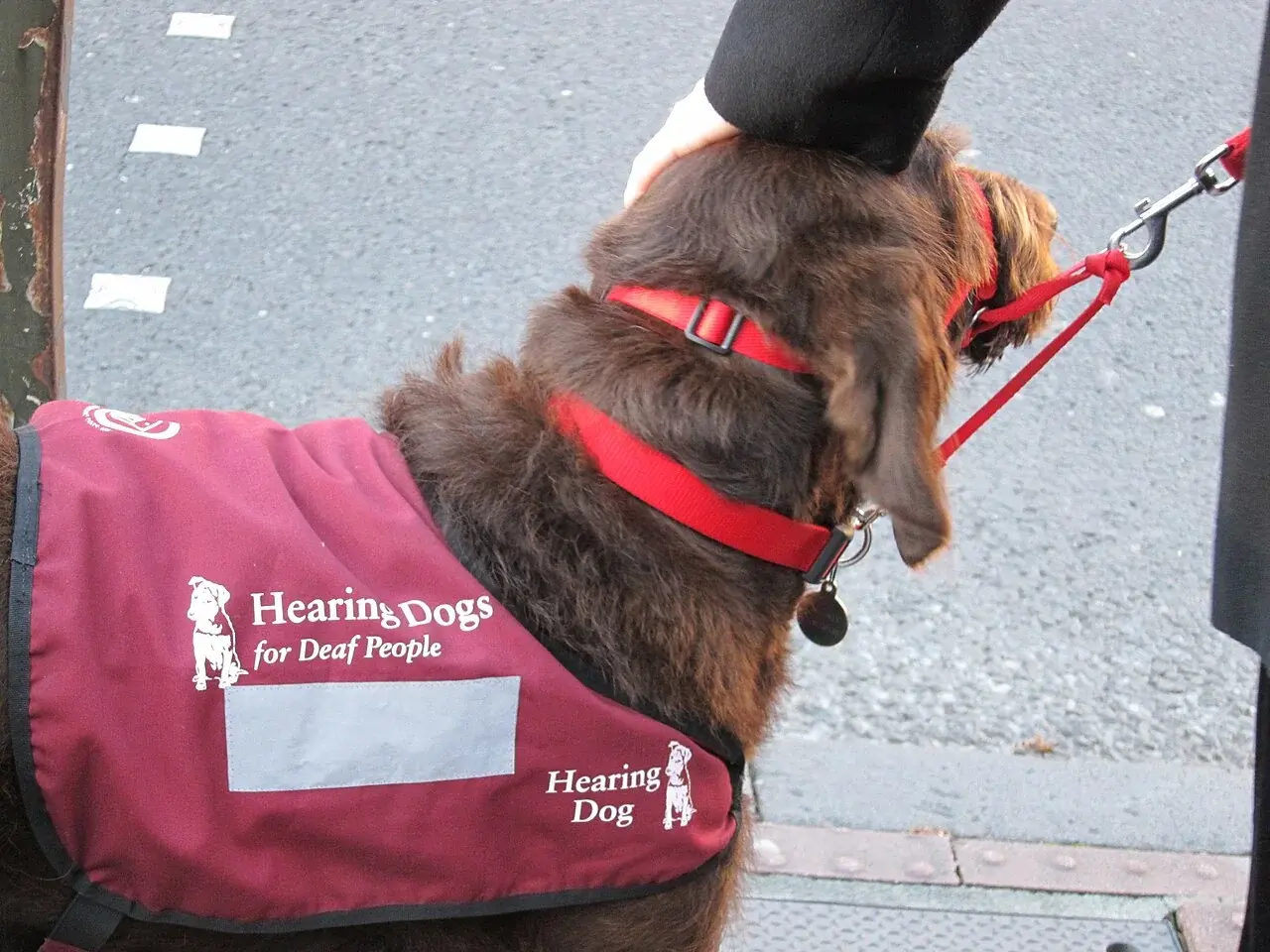
 Photograph
Blowing Puffer Fish · CC BY 2.0
Hero Dogs
Alert Ears and Wagging Tails: How Hearing Dogs Help Their Partners
A dog-focused look at the training and daily work of hearing dogs, drawn from one UK charity’s own descriptions.
All the News That's Fit to Bark!
A look at coordinated Swiss rescue operations that include avalanche dogs, drawn from limited public descriptions of specialist teamwork.
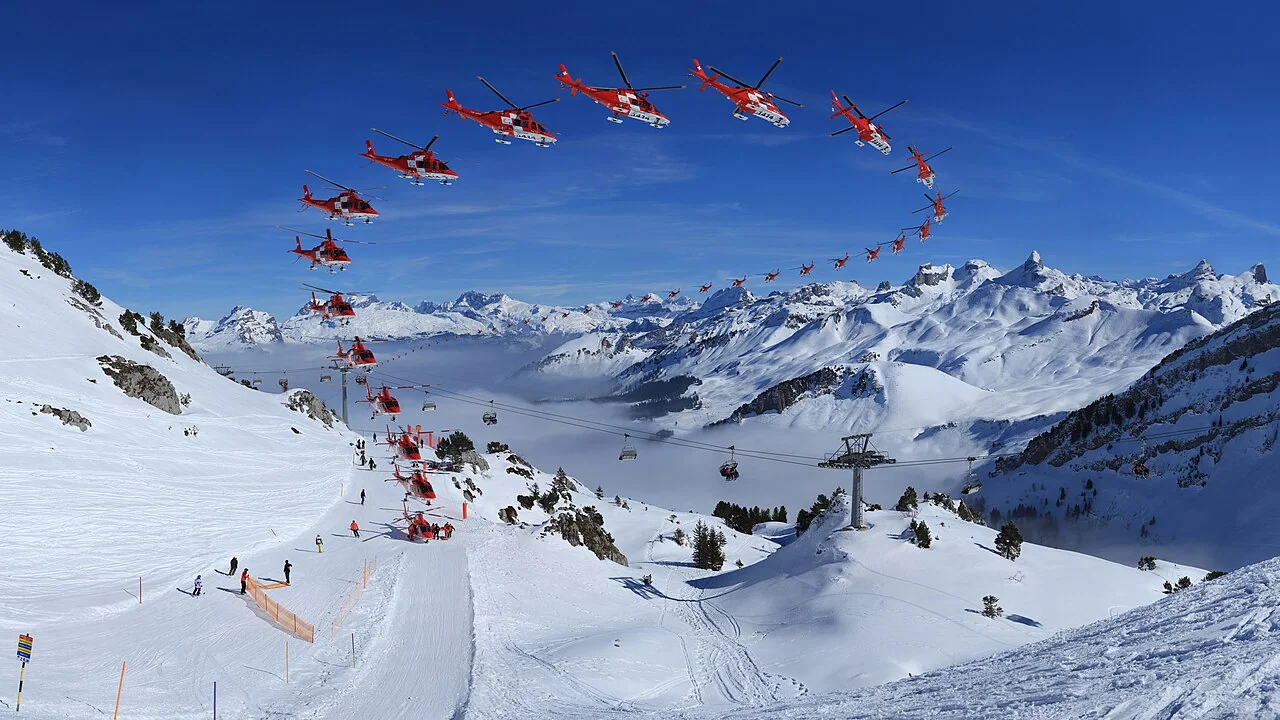
REGA Da Vinci rescue helicopter in sequence flight over Stoos, Switzerland (2013). Roy Egloff · CC BY-SA 4.0 · Web size optimized; source linked for the original.
When snow gives way on a mountainside, the response that follows is rarely one hero acting alone. In Switzerland, Rega air-rescue crews often arrive alongside mountain rescuers and specially trained avalanche dogs. The evidence available describes a system of coordinated specialists rather than any single breed or guaranteed outcome. This piece explores what public sources say about those teams, while acknowledging the narrow window the documents open onto real operations. Light editorial questions run through the sections below to help readers consider the practical and ethical sides of deploying animals in high-risk environments.
Avalanche terrain in the Alps is unforgiving and changes quickly. Rega’s public material notes that its crews are called to avalanche missions where multiple tools and people must mesh. Helicopters provide rapid transport for medical personnel and rescuers, while dogs and their handlers are sometimes brought in from Swiss Alpine Rescue. The description frames this as specialist teamwork prepared through pre-winter training, not as a simple formula that always succeeds. Readers might ask: how do planners decide when a dog team adds value versus when helicopter-based probing or other search aids are enough? The evidence does not supply survival statistics or case outcomes, so any interpretation stays cautious.
That teamwork matters because time under snow is critical, yet the sources stay focused on the organisational side rather than promising specific rescue numbers. This restraint is useful. It reminds us that avalanche response is a human-managed system with limits, not a guaranteed service. Editorial note: the absence of detailed success rates in the cited source material is itself informative; it suggests organisations prefer to describe capabilities rather than advertise unverified performance claims.

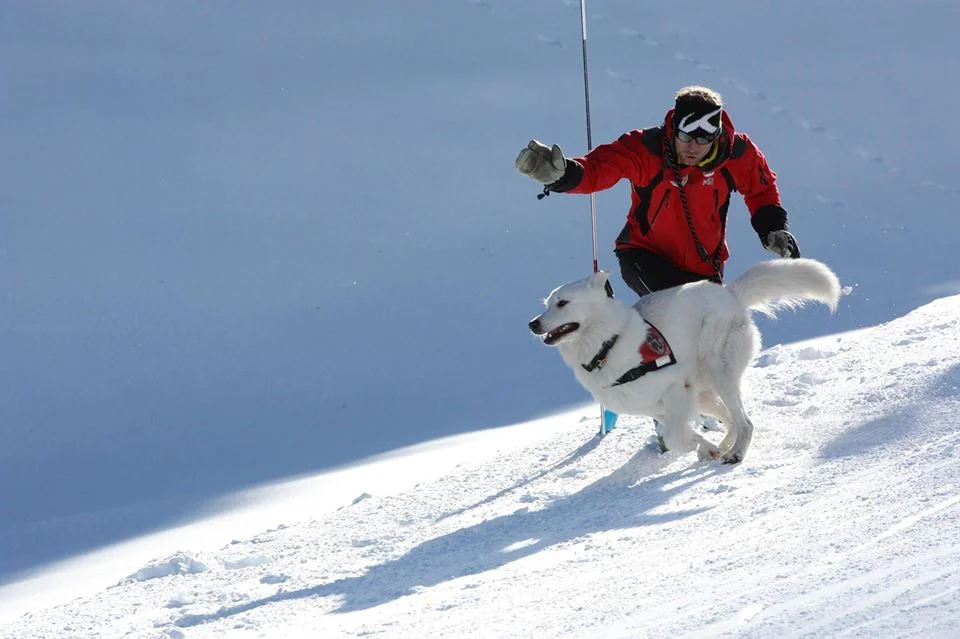
Rega’s page on avalanche missions mentions avalanche rescue dog teams without naming breeds or claiming any particular type of dog is required. The text stresses that these dogs work as part of a larger group that includes mountain rescuers and medical staff. Training happens before winter, and several search aids are used together. This careful wording avoids the common temptation to romanticise dogs as lone miracle workers. Instead it presents them as one specialised resource within a broader toolkit.
An editorial observation: the language used by Rega is refreshingly dry. There is no anthropomorphic storytelling or suggestion that the dogs “love” their work in a human sense. That restraint feels respectful both to the animals and to the seriousness of the terrain. A useful reading question follows: if we accept that dogs are working tools in a high-stakes environment, what welfare standards should govern their deployment, rest cycles, and retirement? The sources do not answer this, leaving it open for further public discussion.
Helicopters are central to Rega’s avalanche missions. They carry medical personnel and allow rescuers to reach remote sites quickly. The evidence indicates that dog teams may be summoned separately from Swiss Alpine Rescue, implying a hand-off or joint operation once on scene. This division of roles highlights that no single element dominates; the helicopter provides access, the rescuers provide technical skill, and the dogs offer scent capability under snow.
Light fictional satire for illustration only: imagine a cartoon dog parachuting from a helicopter while wearing tiny goggles and barking instructions to the pilot. In reality the coordination is far more measured, involving radio calls, pre-planned staging areas, and safety protocols that keep both dogs and humans from unnecessary risk. The sources do not describe such details, but the emphasis on training suggests preparation aims to reduce chaos. One implication worth considering is how climate-driven changes in snowpack might alter the frequency or complexity of these joint missions in coming years.
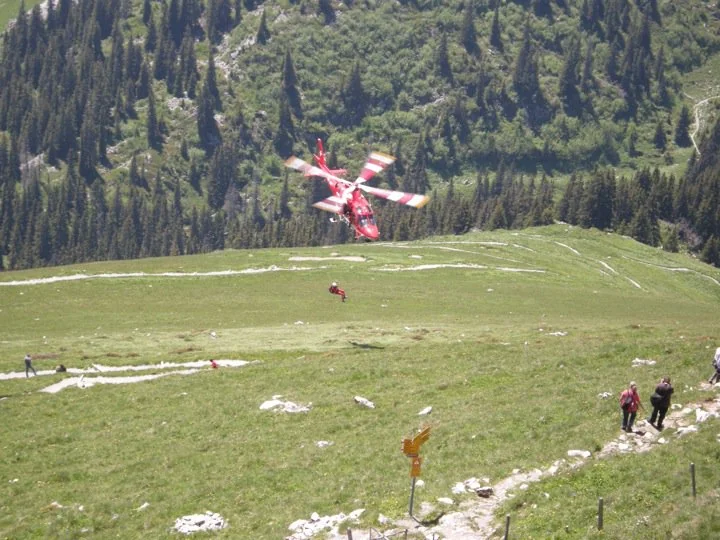
Rega notes that training occurs before winter. While the material does not describe specific exercises, the mention itself signals that readiness is deliberate rather than spontaneous. Avalanche dog handlers and mountain rescuers rehearse together so that when a real call arrives the different capabilities complement rather than compete. This pre-season work is easy to overlook in dramatic retellings, yet it may be the element that most affects safety for everyone involved.
From an editorial standpoint, the focus on preparation invites a broader question about resource allocation. Mountain rescue organisations operate on limited budgets and volunteer effort in many countries. If dogs form one part of a layered search strategy, decision-makers must weigh their maintenance costs against alternatives such as more rescuers, better beacons, or improved public education. The Rega text does not explore those trade-offs, but its sober tone encourages readers to think practically rather than emotionally about the dogs’ place in the system.
the cited source material is narrow. It describes Swiss coordination involving Rega, helicopters, medical teams, mountain rescuers, and avalanche dog teams summoned from Swiss Alpine Rescue. No specific breeds, success rates, historical incidents, or individual dog stories are provided. That narrowness is useful because it stops the article from sliding into unsupported heroism narratives. Readers should treat this piece as an outline of one country’s approach rather than a universal template.
Two reading questions emerge for those interested in animal welfare and rescue ethics. First, how transparent should organisations be about the physical and mental demands placed on working dogs? Second, in an era of advancing technology such as drones with thermal imaging, will scent dogs remain essential or become supplementary? The evidence here cannot settle those debates, yet it supplies a grounded starting point: dogs are described as part of a team, not as superheroes. A touch of warm humour feels appropriate at the close: the dogs probably do not read their own press clippings, which is just as well given how often popular culture exaggerates their feats. In the end the real story is one of quiet, coordinated effort rather than lone dramatic saves. That version feels more honest and ultimately more respectful to both the animals and the people who train and work alongside them.
AI-assisted original writing. This feature was revised against source material and checked for unsupported claims. Follow the references below for evidence and its limits.
PhotographBlowing Puffer Fish · CC BY 2.0
A dog-focused look at the training and daily work of hearing dogs, drawn from one UK charity’s own descriptions.
 Photograph
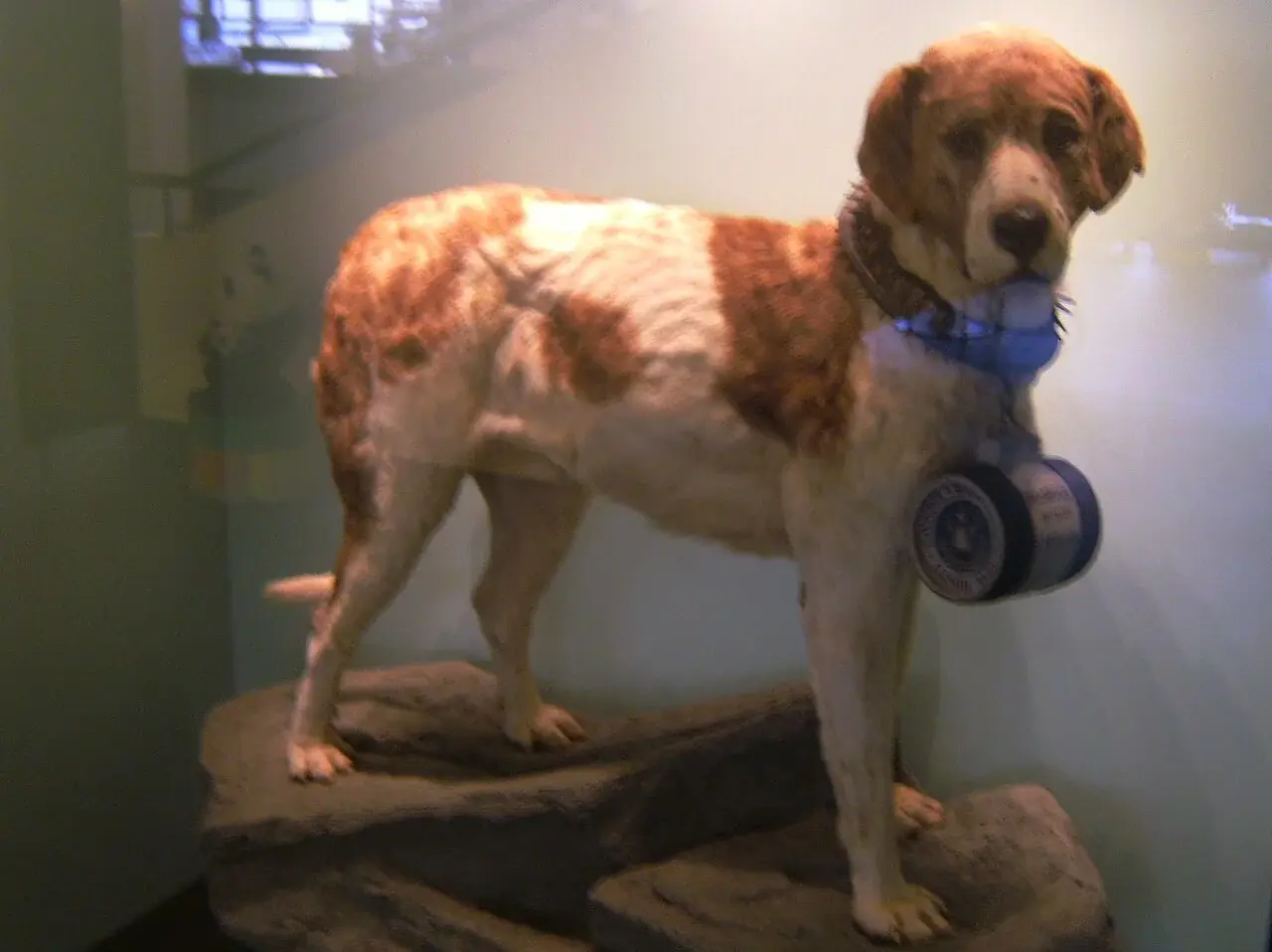
A real Alpine dog whose reputation grew from hospice service, even though detailed rescue records were never kept.
 Photograph
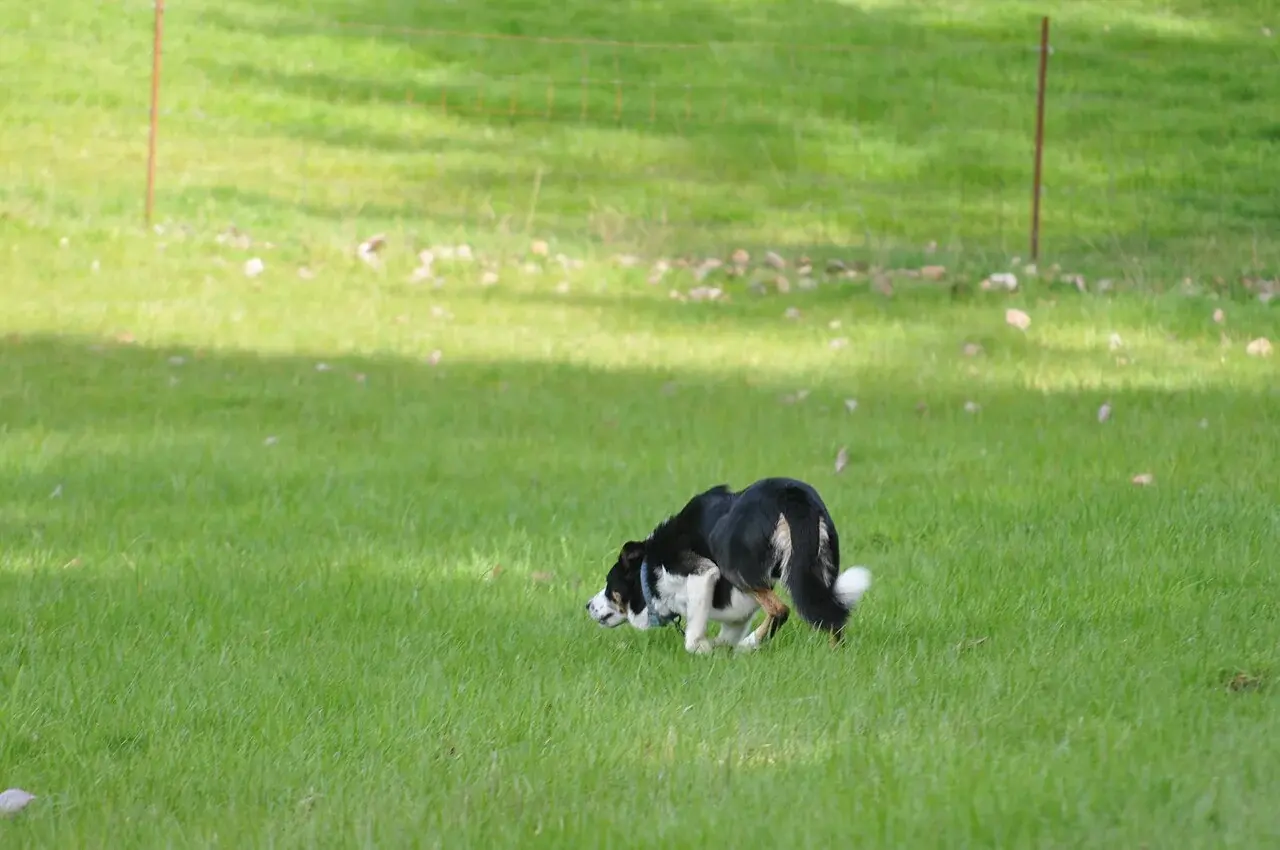
University of Sydney veterinary studies highlight how working dogs contribute to livestock health, pain management, and one-welfare approaches on vast pastoral operations.